The NBA's first in-season tournament is in the books, with LeBron James and the Los Angeles Lakers emerging as champions.
They're probably the most obvious winners from the event, but they're far from the only ones.
Several teams, players and other NBA-adjacent subjects can be qualified as that. Several others have earned the opposite distinction.
The biggest winners and losers from the tournament are found below.
Winner: Anthony Davis
1 of 13
Anthony Davis is having a generally under-appreciated campaign, but that descriptor may not have much life after Saturday's championship game.
The Los Angeles Lakers beat the Indiana Pacers 123-109, and AD had 41 points, 20 rebounds, five assists and four blocks.
He was everywhere. On both ends of the floor. And he looked like the kind of dominant big he was during the 2020 playoffs. It was a reminder that he was tabbed long ago to assume the mantle of leading this franchise from LeBron James. He looked capable of doing just that.
Unfortunately, the massive statline won't count toward his seasonlong averages, but Lakers fans and Davis' teammates will remember the way he carried his team to the first NBA Cup.
Loser: Zion Williamson
2 of 13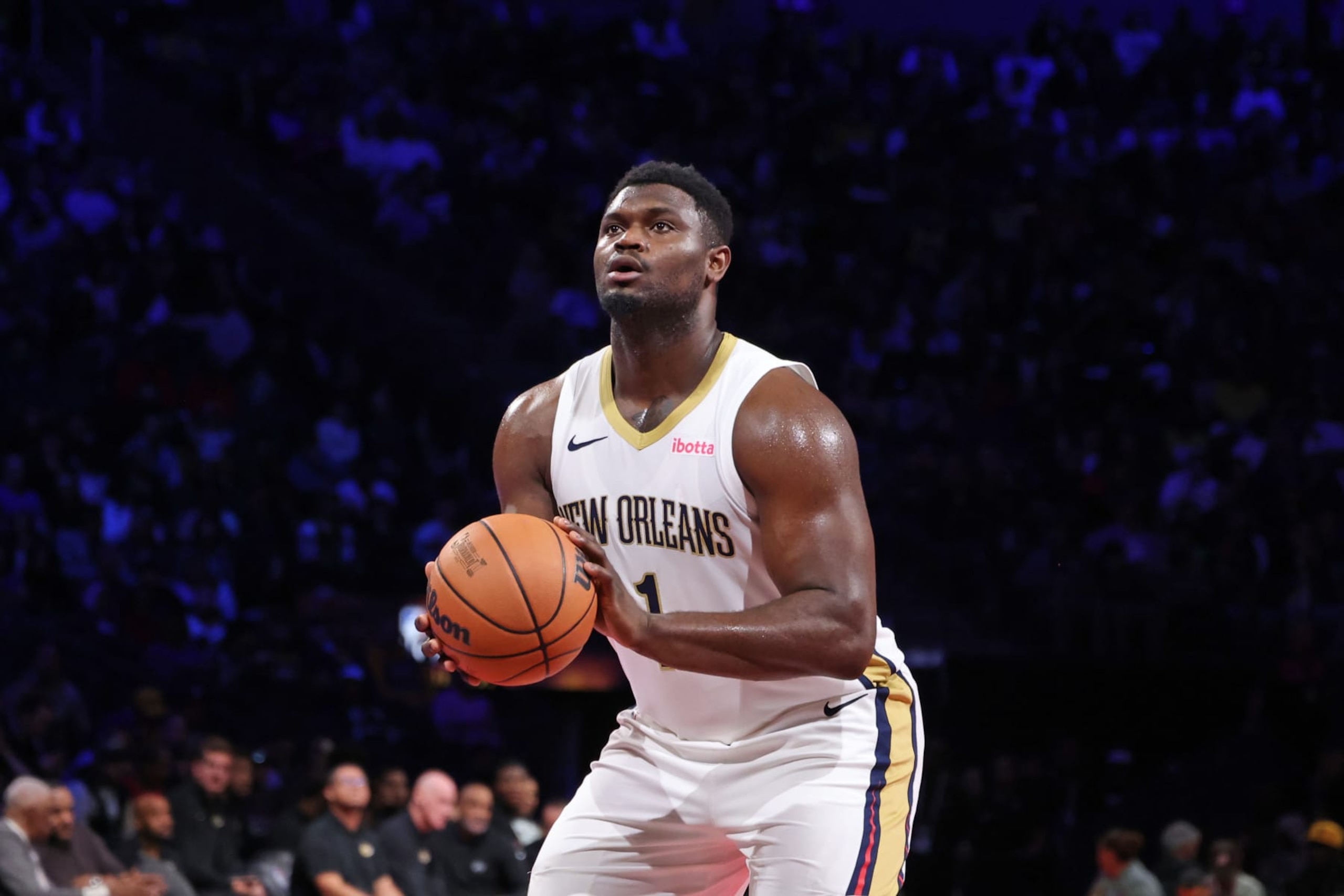
Thursday's in-season tournament semifinal games in Las Vegas were a prime opportunity for smaller-market stars like Tyrese Haliburton and Zion Williamson.
The latter has gotten plenty of national attention since the start of his freshman season at Duke, but this campaign is starting to feel like a breaking point.
Zion and the New Orleans Pelicans have been on fewer national TV broadcasts, in part because of the unpredictability of Zion's availability. A big game on Thursday could've put him back on the radars of both fans and schedule-makers.
Not only did he not deliver, but Williamson's performance put him on some radars he'd probably rather not be on.
In a 44-point loss to the Los Angeles Lakers, Zion was minus-33 in 26 minutes. He totaled 13 points, three turnovers, three fouls and one free throw in six attempts.
Shortly after the dud, he was the subject of podcast rants and insider reports on his lack of conditioning.
"The Pelicans have repeatedly stressed to Williamson that his diet and conditioning need to improve," Christian Clark wrote for the New Orleans Times-Picayune. "Williamson, multiple team sources have told The Times-Picayune, 'doesn't listen.'"
As if to support the discussion, video highlights of Duke-era Zion suddenly went viral on X.
Whether it's injuries, extra weight or both, it's becoming increasingly clear that Williamson doesn't move quite like he did five years ago. It was almost painfully clear under the bright lights in Vegas.
And at this point, it feels like it's going to take a pretty significant stretch of improved play—or a physical transformation—to change the conversation around the former No. 1 pick.
Winner: Tyrese Haliburton
3 of 13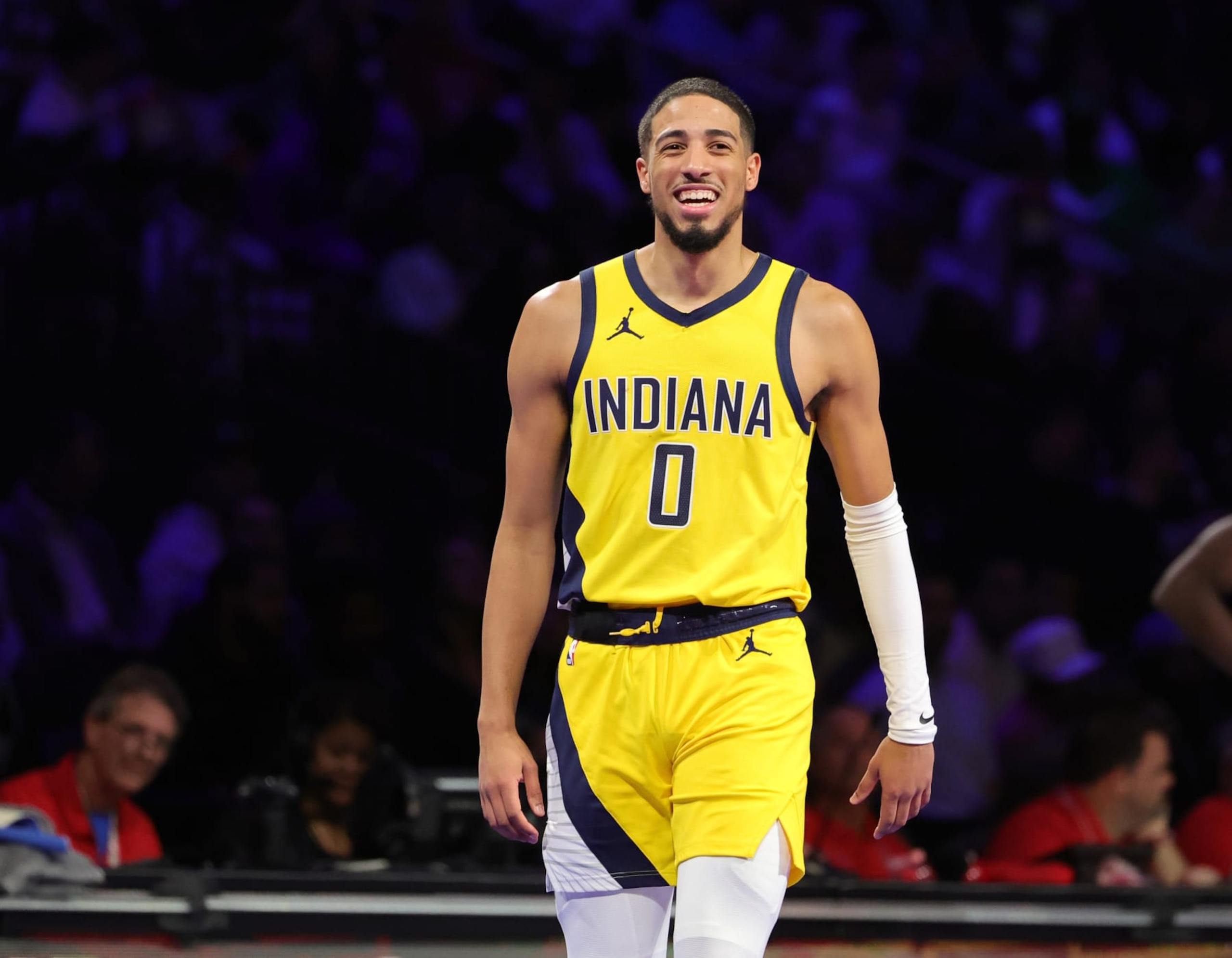
Tyrese Haliburton is having an absolutely bonkers season for the Indiana Pacers.
His 26.9 points, league-leading 12.1 assists and 3.9 threes (with a 44.1 three-point percentage to boot) per game have his Pacers firmly in the playoff hunt and on track for the most team points per game in NBA history.
And the production has him third in Basketball Reference's MVP Tracker.
What the In-Season Tournament did for him, specifically, was shine a light on his already brilliant campaign.
Somehow, when he played the Boston Celtics in the quarterfinals, it was the first time in his career that he'd been on a nationally televised TNT game.
He put up 26 points and 13 assists with no turnovers in that one. He then proceeded to go for 27 and 15 with no turnovers in a semifinal win over the Milwaukee Bucks.
LeBron James and the Los Angeles Lakers overwhelmed his squad in the Finals, but few (if any) players made a bigger impression on the national audience through this event.
Loser: Adrian Griffin
4 of 13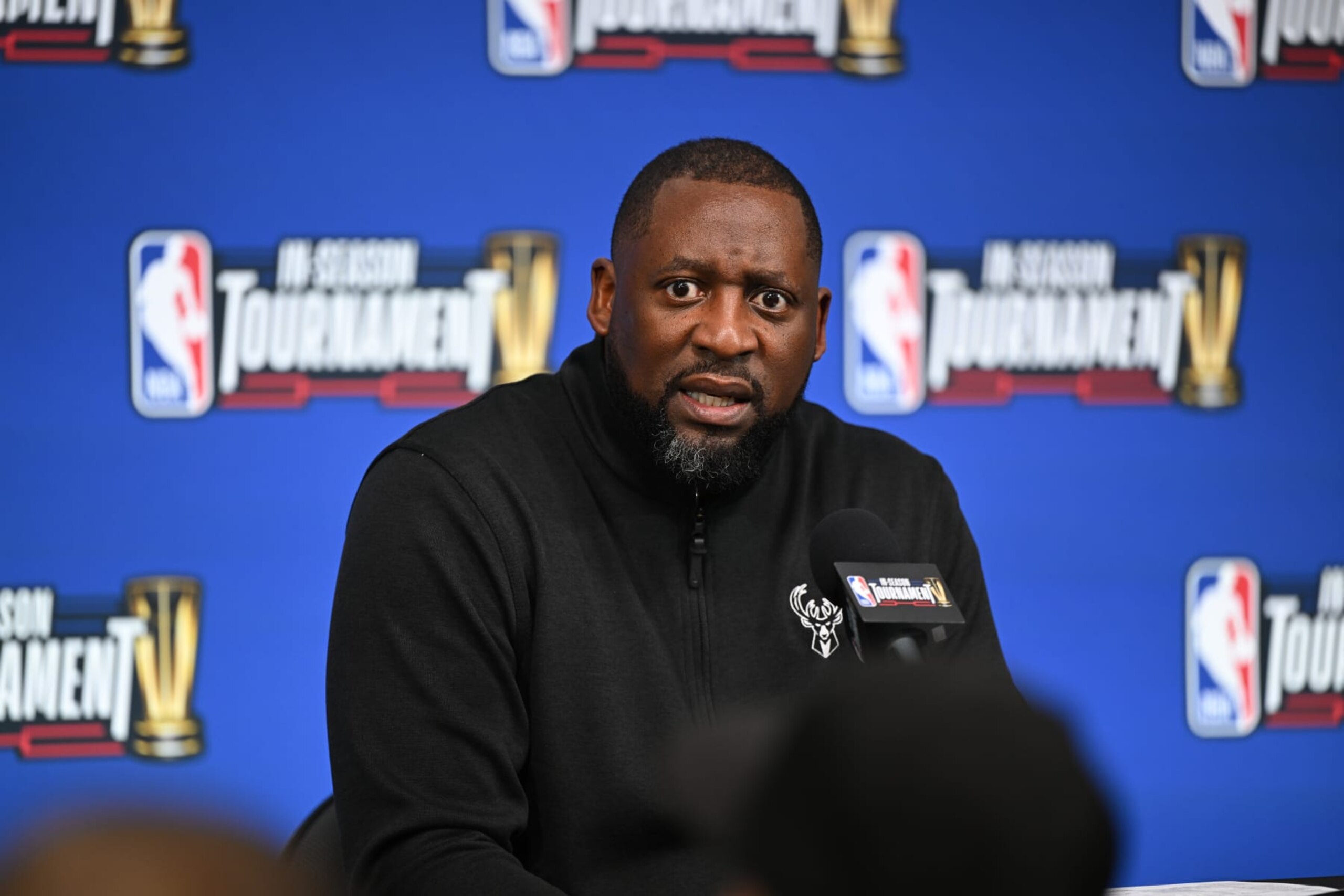
It's too early for sweeping takeaways on Adrian Griffin's first season as an NBA head coach. There have certainly been some positives, like his willingness to abandon the pick-and-roll defense he wanted in favor of the drop coverage Brook Lopez had gotten used to with the Milwaukee Bucks.
After an underwhelming start to the campaign, Milwaukee is generally playing better in recent weeks, too.
But there are also causes for concern.
Veteran coach Terry Stotts resigning on the eve of the regular season is still probably the biggest one, but the in-season tournament brought reports of Giannis Antetokounmpo being unengaged in team timeouts and Bobby Portis criticizing Griffin's late-game playcalling after the Bucks' semifinal loss to the Pacers.
Being a first-year head coach is tough, and that's especially true when taking over a title contender like Milwaukee. The in-season tournament shined extra light on Griffin's struggles in that very situation.
Again, there's still time for things to stabilize for the Bucks, but confidence in this team can't be quite what it was in the immediate aftermath of the Damian Lillard trade.
Winner: Adam Silver
5 of 13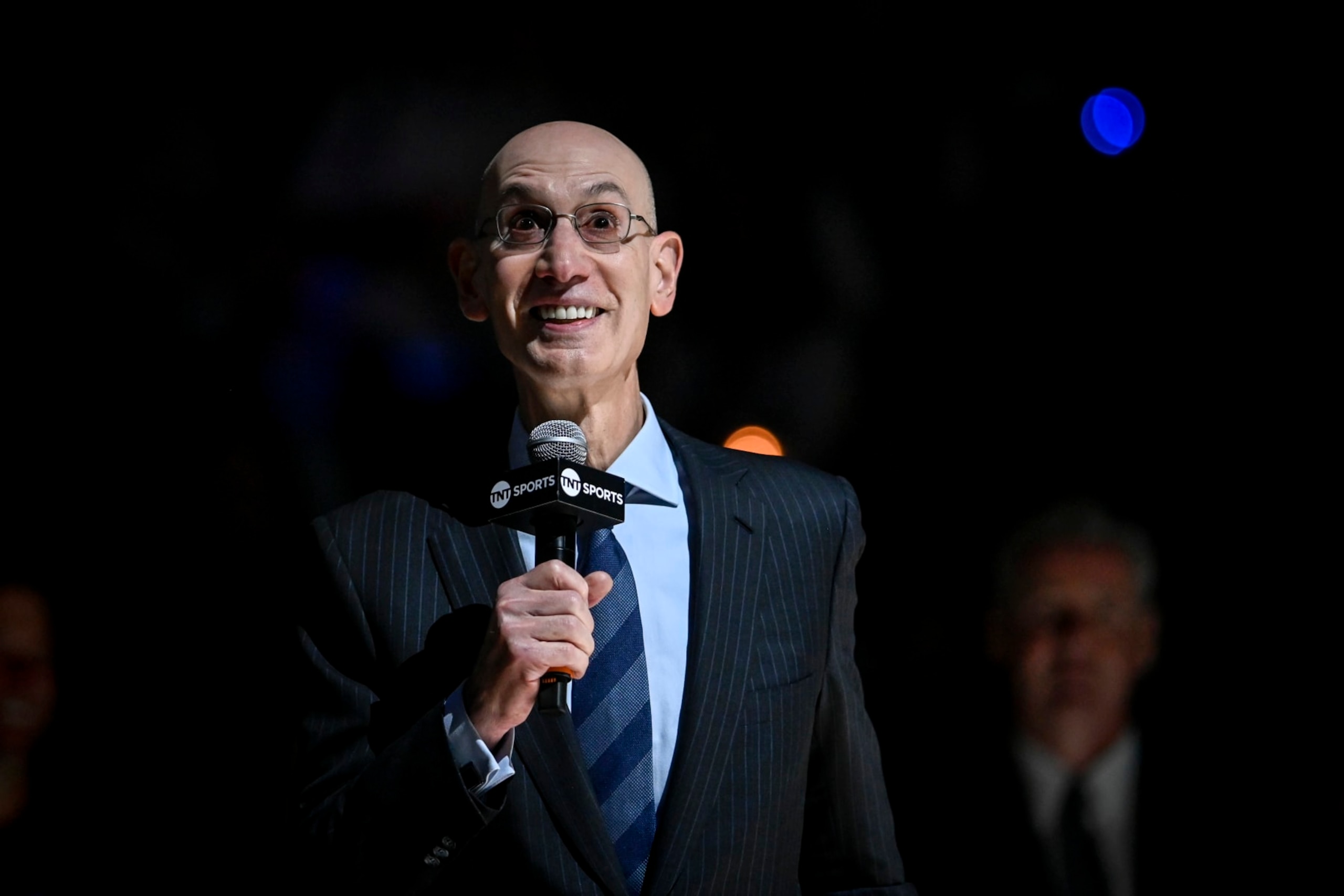
Professional sports commissioners will always be easy targets for criticism. Fans and media surely have their qualms over the way Adam Silver has piloted the NBA, but two of his biggest initiatives are hard to see as anything but a success.
The play-in tournament has certainly changed the last few weeks of the regular season, putting more teams in the mix for the playoffs and giving fans single-elimination basketball to enjoy in April.
And now, he's added something similar to November and December, with the in-season tournament.
It's certainly anecdotal, but I've received scores of questions from friends, family and acquaintances that go something like, "What is this in-season tournament? What's with the courts? How does this work?"
At the very least, it has people, including non-hardcore fans, talking. The group play games didn't take anything away from the regular season. Stats, wins and losses all counted the same way they did before. They just had a little extra meaning. And the elimination games have generated extra buzz, too.
For this entire endeavor to go so smoothly in the first year is a huge win for Silver.
Loser: Red Courts
6 of 13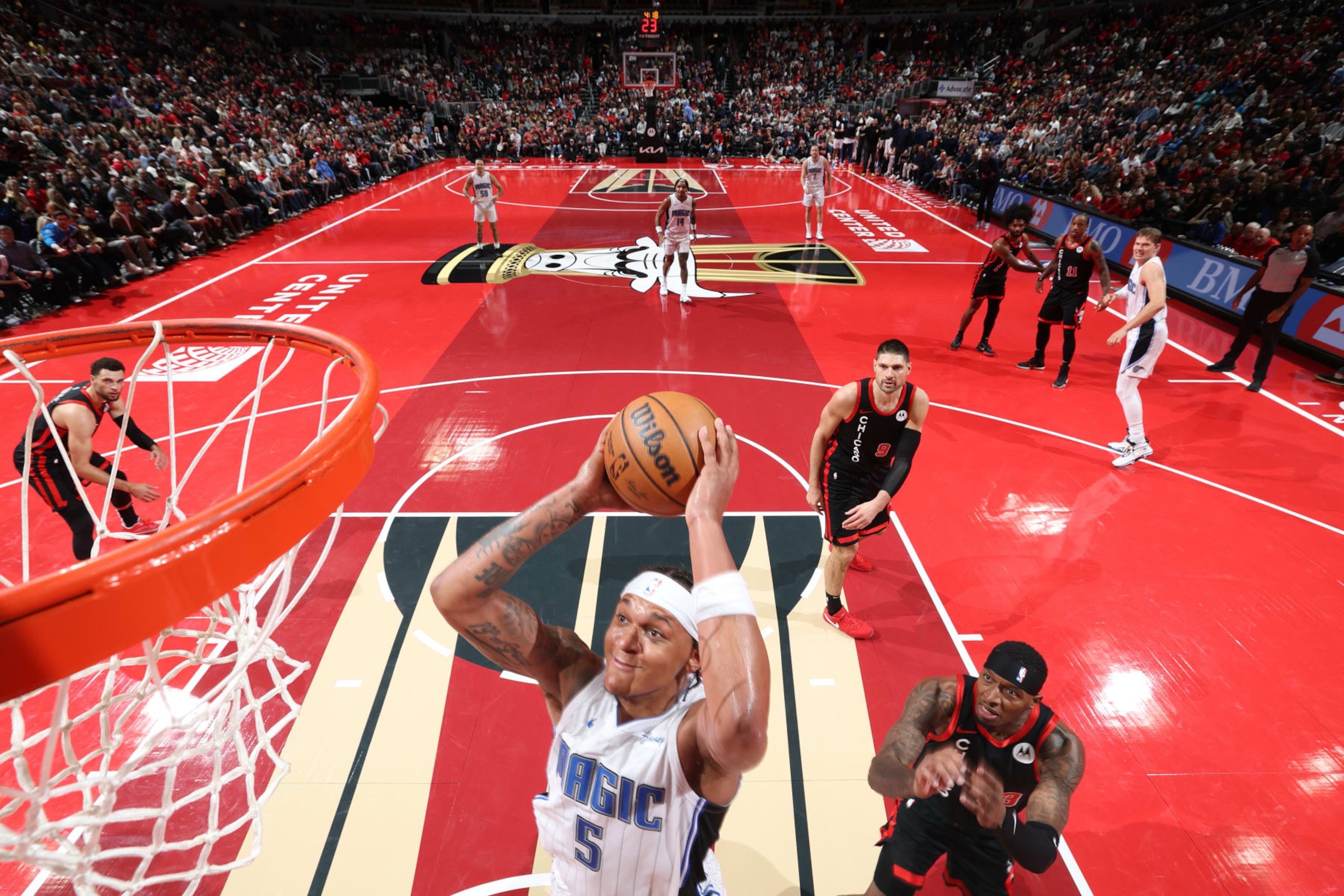
This is, of course, a matter of personal preference, but my goodness, the bright red in-season tournament courts were jarring.
At first look, really, all of them were. From the Denver Nuggets' deep blue to the Boston Celtics' forest green to everything in between, most of the new floors initially looked outrageous.
That shock never really wore off when it came to courts like those of the Chicago Bulls (above) or Miami Heat.
Those floors seemed more like an homage to The Shining than NBA playing surfaces.
Winner: Die-Hard NBA Fans
7 of 13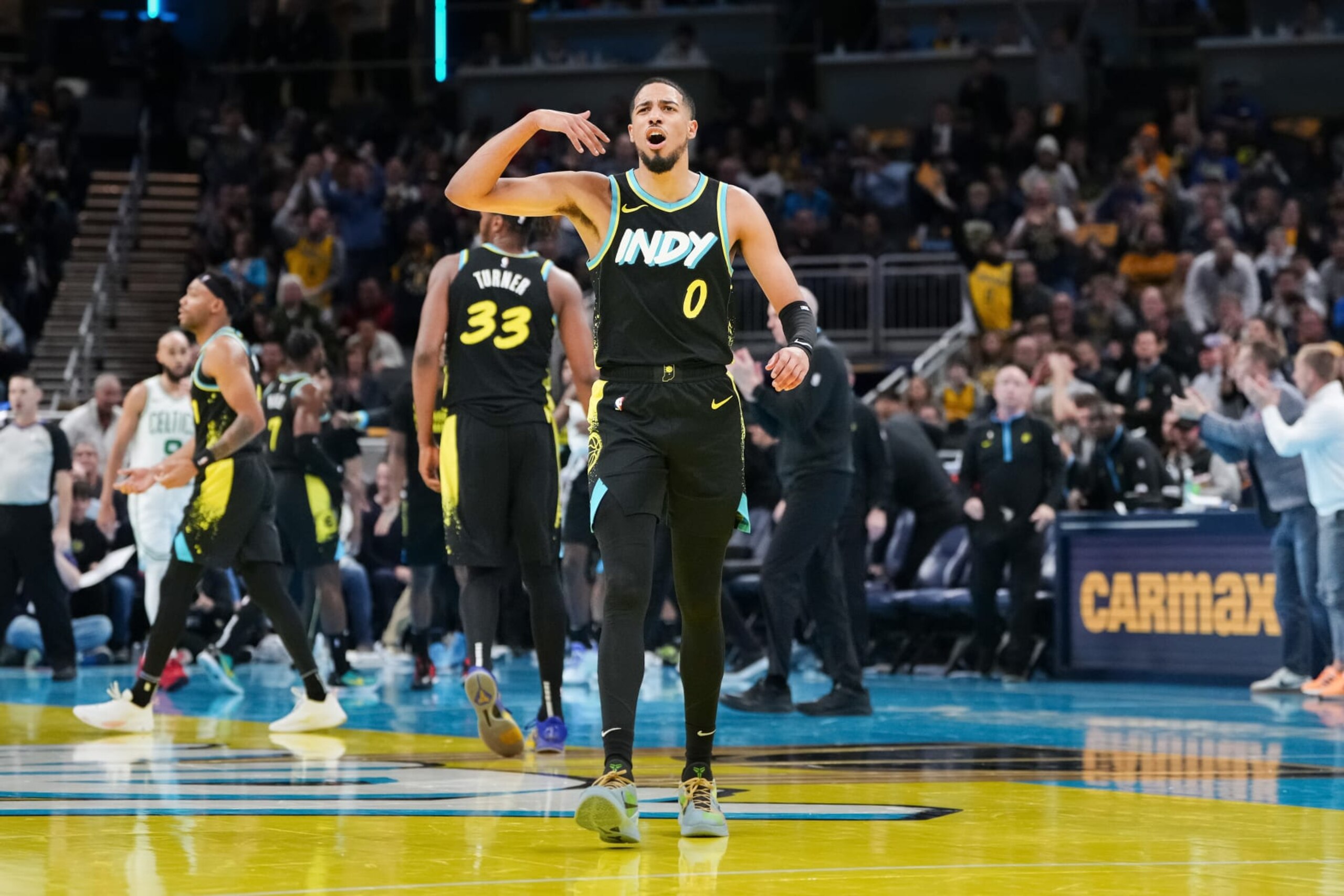
This tournament generated plenty of reasons for hardcore NBA fans to dive in.
Elimination scenarios at the end of group play required full-fledged dissections. Group play added a layer of importance and excitement to early-season games that would've otherwise drawn little to no interest outside local markets. And the semifinals and finals gave fans from around the country a reason for a weekend getaway in Vegas.
The NBA has done a good job in recent years of expanding the calendar and making this a year-round sport. The Christmas slate has long been a staple. The playoffs have been appointment viewing in the spring and summer. Even the offseason brings a ton of attention to the league through the draft, free agency and trades.
Now, the die-hards have the in-season tournament to look forward to prior to Christmas.
Loser: The Schedule (Kind of)
8 of 13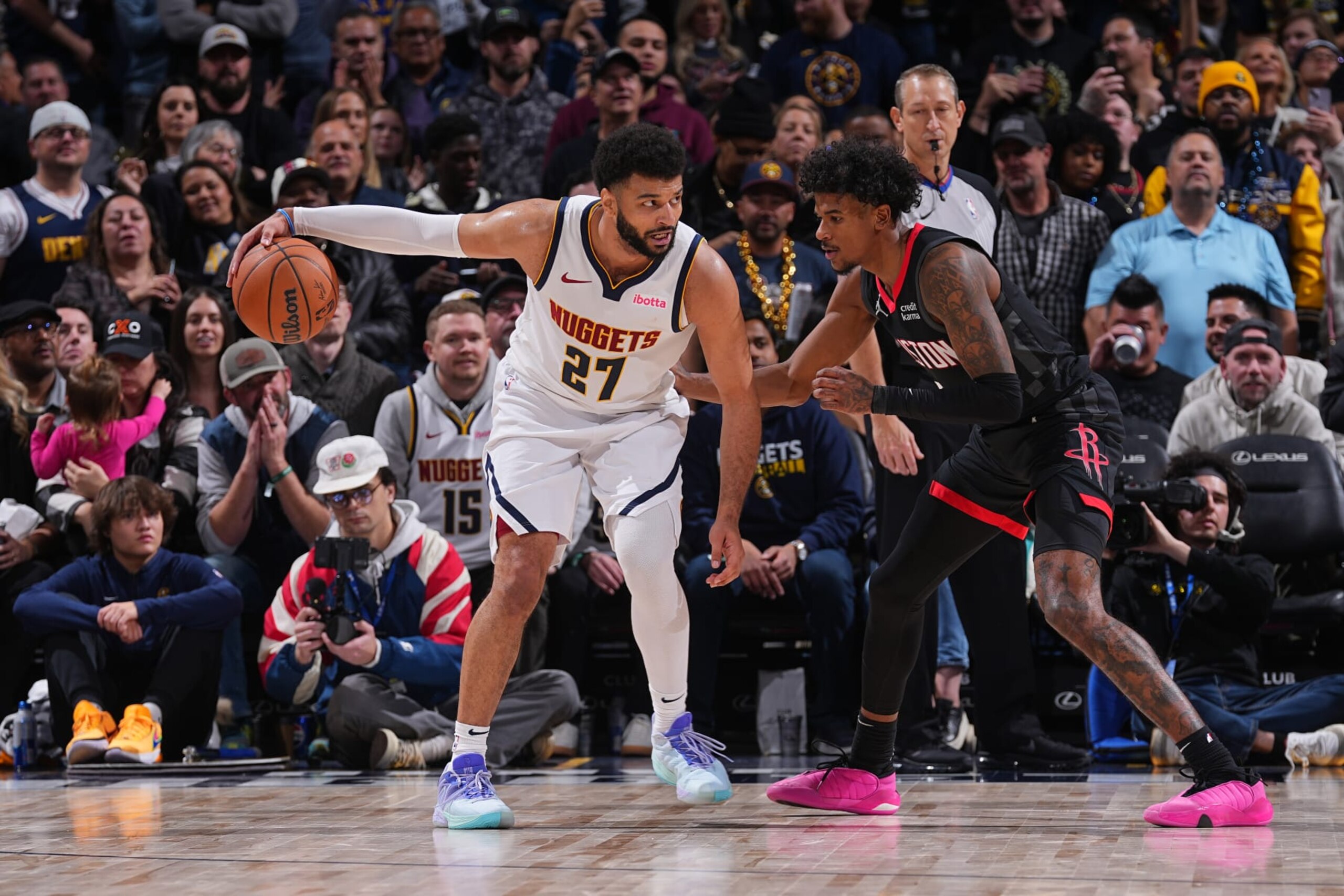
As mentioned before, the addition of the in-season tournament didn't terribly overcomplicate the regular season or its original calendar.
It does feel like this could use some minor tweaks, though.
For one thing, the scramble to schedule extra games for those that didn't make the knockout phase of the tournament led to quirks like the Denver Nuggets playing the Houston Rockets for the fourth time in 26 days.
That's not entirely due to the tournament, of course. And it was surely a whirlwind trying to get all of those teams the games they needed in a pinch, but variety has long been a hallmark of the NBA regular season.
The other possible tweak could be adding a little more time between the quarterfinals and the games in Las Vegas. Fans don't know if their team is going to be in the final four until they win in the quarterfinals. This year, those games were just two and three days prior to the semis. That doesn't leave much time for planning.
The aforementioned hardcore fans may be fine with traveling to Vegas to see any four NBA teams play, but an extra week or so before the neutral-site games could help.
Having the West semifinals in Vegas and East semifinals in the Eastern time zone, while putting the title game in Vegas, potentially on Christmas, could have some legs, too.
Persisting with this season's approach would probably be fine, but there may be some opportunities for improvement.
Winner: Small-Contract Lakers
9 of 13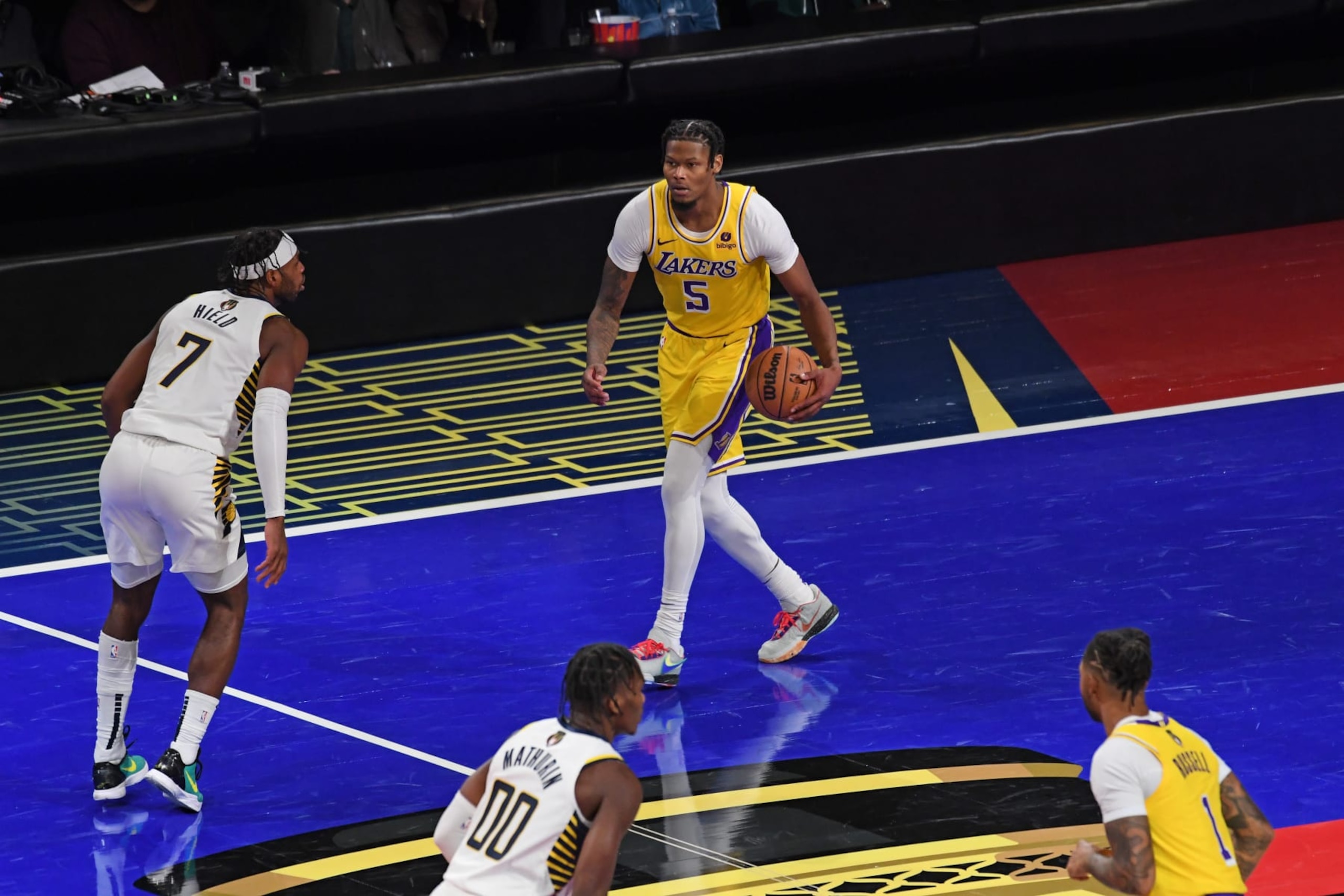
There are eight full-time Lakers making less than $5 million dollars this season. The extra $500,000 may not mean a ton to veterans who've secured multiple max or near-max contracts like AD or LeBron (though the latter has quipped about it motivating him), but it's almost a quarter of Cam Reddish's 2023-24 salary.
That's significant for him and the rest of those eight Lakers, and it may have inspired them and their more well-to-do teammates on their behalf. LeBron said exactly that when he described his approach to the tournament after receiving the MVP trophy.
The NBA may still need to noodle on stakes that will get more fans to tune in, but it's clear that the incentives of money, a trophy, medals and just more competition worked for the players.
Loser: Group Play
10 of 13
The intricacies of how teams earned their spots in the knockout phase of this tournament were alluded to in the winners slide for die-hard fans, but there were certainly those who weren't psyched about breakdowns like this.
It's pretty easy to just wait till the action's over and read who advanced from the media personalities paid to interpret the above, but it's also nice to have a simple scenario in mind ahead of a game.
Extending group play could give teams more time to separate from each other.
Or even better, the league expanding to 32 teams and ending this thing with a true, 32-team, single-elimination tournament would be a blast.
Somehow, the early phases of the tournament can be simplified.
Winner: Small-Market Teams
11 of 13
Fans who don't follow teams like the Boston Celtics, Los Angeles Lakers, New York Knicks or other big or legacy markets have long been frustrated with the lack of attention their squads get from the national media.
Haliburton, for example, hadn't played a single TNT game before his quarterfinal win over the Celtics.
The economic realities that contribute to that are a topic for another day. For now, it's simply worth pointing out what a huge opportunity this tournament can be for a team like Indiana.
Single-elimination brings volatility. A young team like the Pacers, which might be more than a long shot against Boston in a seven-game series, can win a one-off against anybody.
That gives them, or really any other small-market team, a chance to earn some extra national TV love.
This year, three of the four teams—Indiana, the Milwaukee Bucks and the New Orleans Pelicans—fit that mold (though years of Giannis have sort of pulled the Bucks out of there).
Loser: The Favorites
12 of 13
The other side of the unpredictability coin is how much tougher it might be for powerhouses to make it to the end of this thing.
Prior to the tournament, the following teams had odds to win the whole thing:
- Bucks (+950)
- Celtics (+950)
- Suns (+1100)
- Nuggets (+1200)
- Lakers (+1300)
- Warriors (+1300)
- Cavaliers (+1400)
- 76ers (+1400)
- Kings (+2400)
- Knicks (+2400)
Only the Milwaukee Bucks and Los Angeles Lakers made it to Vegas. And the Lakers, who were tied for the fifth-shortest odds, were the closest thing to a favorite to make the final.
This isn't much of a philosophical loser. Again, the unpredictability is a good thing for the tournament. But the league's best teams have a better shot at proving they're just that in a series setting.
Winner: LeBron James
13 of 13
Of course, this won't weigh as heavily in the legacy conversation as LeBron James' four Larry O'Brien trophies, but it somehow feels fitting that he won the first NBA Cup and the first In-Season Tournament MVP.
He has, in so many ways, ushered the league into this era. Its newest trophies going to him just makes sense.
After totaling 24 points, 11 rebounds and four assists in the championship game, LeBron finished the tournament with a 7-0 record and averages of 26.4 points, 8.0 rebounds and 7.6 assists.
Beyond the numbers, especially in Las Vegas, LeBron had several stretches in which he looked like the fastest, most engaged player on the floor. He was playing to the crowd after most of his buckets and other big plays.
Even after all he's accomplished in the NBA, he was locked in during this pursuit of a new title. That added legitimacy to the tournament itself, and it makes listing him among the winners here a no-brainer.
.jpg?w=2560 "AEW WrestleDream Live Grades 🔠")

.jpg?w=2560 "Ex-NFLer BLASTS Fitzpatrick🤬")
.jpg?w=2560 "Myles Garrett Got Warning 👀")