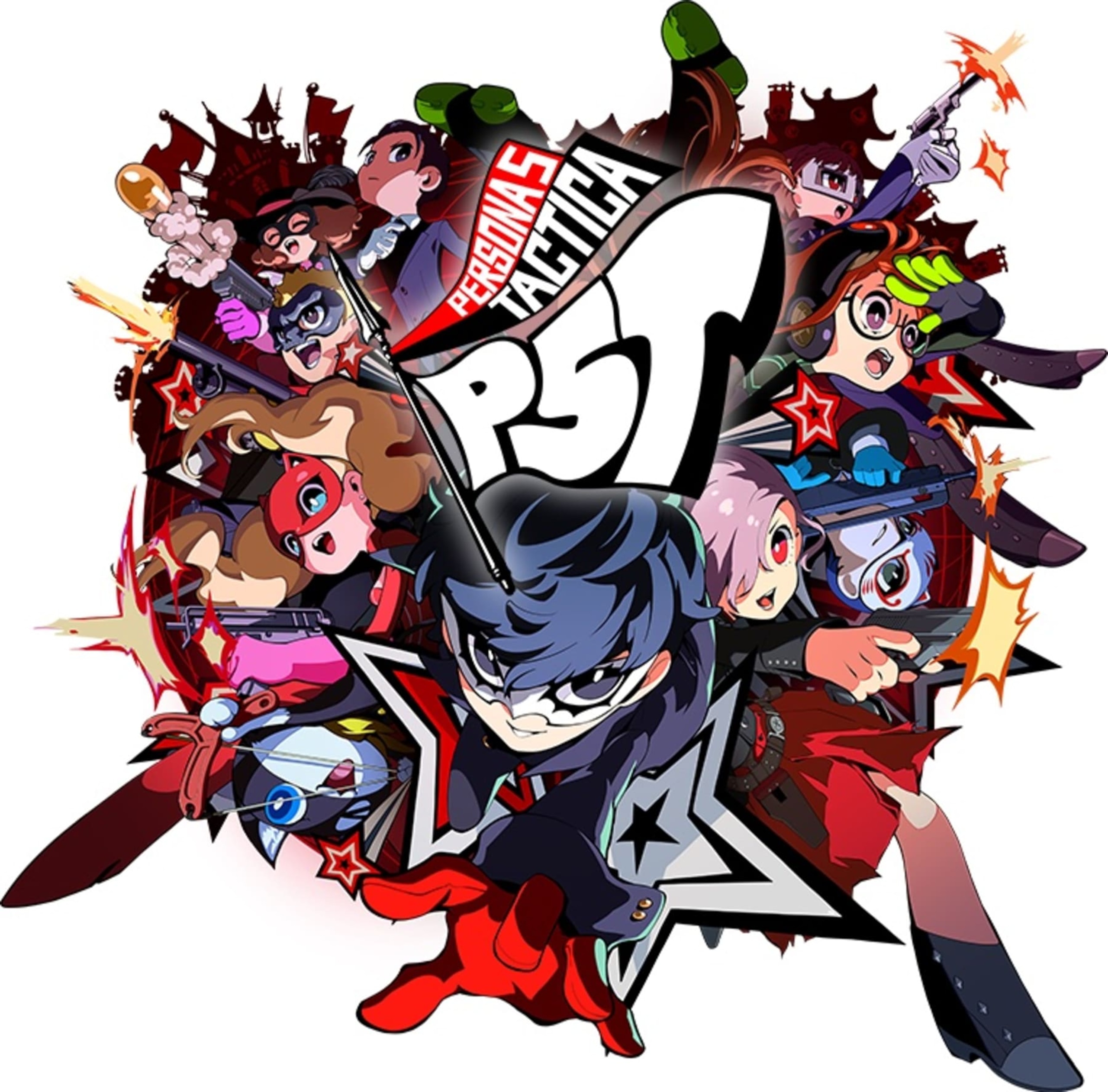

Persona 5 Tactica Review: Gameplay Impressions, Videos and Top Features
Persona 5 Tactica from developer P-Studio is yet another spinoff of 2016's Persona 5 that has a chance to really stand on its own in a memorable way.
This time the beloved cast and world tackles the tactical role-playing genre, fusing grid-based gameplay with the expected charm while riding the gap between major releases.
The Persona 5 umbrella has spawned several diverse hits for Sega and Atlus at this point, including the dance-filled Dancing in Starlight (2017), Persona 5 Royal (2020) and the dungeon-crawling hack-n-slash Persona 5 Strikers (2021).

.jpg?w=2560)
Next up is Tactica, though standing alongside the others in a positive manner requires mastering a genre with some heavyweights who have managed the pick-up-and-play aspect with stunning depth.
No easy task, though prior successes in other unexpected genres is reason for confidence.
Graphics and Gameplay
Tactica is very much Persona visually and in terms of world immersion. It bathes everything from menus to characters in colorful, anime-infused style that catches the eye and refuses to let go.
In a fun twist, the narrative takes the cast to a Medieval-styled world and with it comes a classical look that fits oh-so-well with the overarching series.
Granted, the visual style won't be for everyone and if we're nitpicking, the actual Persona cutscenes mid-combat are a little more drawn out than they should be given the measured pace of gameplay as it is.
But even those who don't love the style will have to admit the game owns it and when everything gets moving at once, it's an impressive visual feat. It certainly helps that the soundtrack is fantastic, especially in the way it remixes some classics fans will recognize.
The grid-based strategy gameplay is a similar hit in execution. This time out, players command only three characters, which makes party construction feel even more important than past titles when tackling the turn-based combat.
Cover plays a critical role as it does in other tactical role-playing, with range from enemies, party movement and enemy displacement a huge part of the equation.
On a given turn, players can move characters around a grid, choosing physical attacks, ranged gun attacks that can impact multiple enemy units and even the tried-and-true summons of Persona 5, which cost Skill Points.
Exploiting angles and cover isn't just a gimmick for extra damage here—doing so properly grants the player another turn, which allows them to select something else or follow up with the same effective attack.
Tactica doesn't stop there. Instead, it smartly puts an even bigger emphasis than usual on planning moves ahead of time through a Triple Threat mechanic that boils down to what is essentially a super attack on downed enemies only selectable when friendly units have surrounded enemies in a triangle formation.
This would be rewarding on its own, but it sure doesn't hurt that the attacks seem to generally wipe out everything caught within the trap.
Yet another mechanic is the ability to charge or focus a character during a turn, meaning they do nothing but build up a charge to help them in future turns. The effect varies per character, but it's yet another additional layer of depth available to players. One very powerful example is a charged attack the very next turn being able to send a ranged attack through cover.
Some characters specialize in displacing enemies from cover through something like wind attacks, so queuing up moves in advance becomes an exercise in critical thinking (or head-smacking mistakes that leave the player wishing for a rewind button).
Like in previous games, the player will unlock many Personas via Joker, whose "Wild Card" ability permits him to use multiple. Series staples like negotiating with ones to join the crew or even fusions are interesting ways to fill out the team.
It's not just enemies, either. Taking cues from others in the genre, there are environmental things to think about on each turn and in certain levels. Some are basic—like exploding barrels to use and avoid. But there are more complex ones too, such as surveillance cameras that create a risk-reward for player movement because getting seen by them spawns more enemies.
Scoring returns to keep with past themes and the game will grade a player's performance by their ability to tackle battle goals that vary by encounter.
While the gameplay doesn't necessarily go as deep as say, the XCOM series, there's a great bit of fun to be had in a pick-up-and-play sense across a pretty staggering number of varied maps.
Story and More
Tactica takes place alongside the events of 2016's Persona 5 and again puts the Phantom Thieves of Hearts front and center.
The story setup isn't all that risk-taking, with the characters effectively showing up and one quick narrative beat shoving them into the action. But that's pretty hard to complain about—this isn't a narrative-heavy game and getting to the action makes plenty of sense.
Even so, it weaves a pretty good tale, even if the setup is just hey they got magically transported through a magic door go save this new place from tyranny. What's important is that new-arriving side characters don't feel like they disrupt or feel out of place amid the beloved cast of main characters, which spinoffs like this always risk.
And though this is a tactical RPG in the gameplay sense, there is some more traditional RPG-styled progression of note.
Each possible party member has varied skill trees where players can pick and choose to build a character into certain buffs and/or abilities. These aren't the most in-depth skill trees to ever grace an RPG, but when trying to think on how they interact with other potential party members and their skill trees, it becomes clear that there is quite a bit of depth.
Tacking on Persona abilities plays into this unexpected depth too. Some just do elemental attacks, but that's sort of underselling it when one can say, freeze an enemy while other party members get in position for big damage. Other useful ones include, for example, knocking down every single enemy in its charging path.
Persona fusing (and sub-personas that are equippable for min-maxing enthusiasts) isn't the only player-agency-minded bit of depth here, either. Players can also dive into crafting, where they can actually create weapons that aren't available in shops.
Besides a measured pace to player onboarding that does a good job of explaining things, Tactica is like its predecessors in that it runs well and has a healthy amount of options tucked into the menus to tweak.
Conclusion
Given the number of spinoffs since the base game, it's totally understood that a portion of the target audience may have Persona 5 fatigue by now.
But even so, Tactica is another quality dip into an unexpected genre that is impressive in its ability to distill down the fun core of tactical RPGs for players unfamiliar while also providing some nice depth.
Tactica isn't XCOM, but it is a nice foray back into the Persona world that doesn't take itself too seriously and will give hardcore fans some much-needed stopgap content until the next major release.
While debate might rage about whether Tactica, Royal or another entry is the true spinoff king, there's a lot of fun to be had here and even a nice introductory path available to players new to Persona, tactical RPGs or even both.



.jpg?w=2560 "Viral Rams Coach Vid 🖕")

.jpg?w=2560 "Injury-stricken Seahawks signing veteran RB")
