
B/R's 2023 Women's World Cup Best XI
There are many, many special things about the World Cup.
Twice every four years, we all get to watch as a different nation embraces the sport in a new way. We get to watch as teams over (or under) perform expectations in dramatic fashion. We get to watch as a champion is crowned. But in the midst of all that, there's another special part of the World Cup: getting to watch existing stars thrive and new ones emerge.
With this year's edition of the World Cup in the books, we're here to zero-in on the players who took full advantage of their opportunity on the global stage. We're picking a Women's World Cup Best XI, folks.
To be clear, there are plenty of worthy choices at basically every position in this starting lineup. But I'm going with players who stood out to me in a real way across the entirety of the competition.
Here we go!
Goalkeeper: Mackenzie Arnold, Australia
1 of 11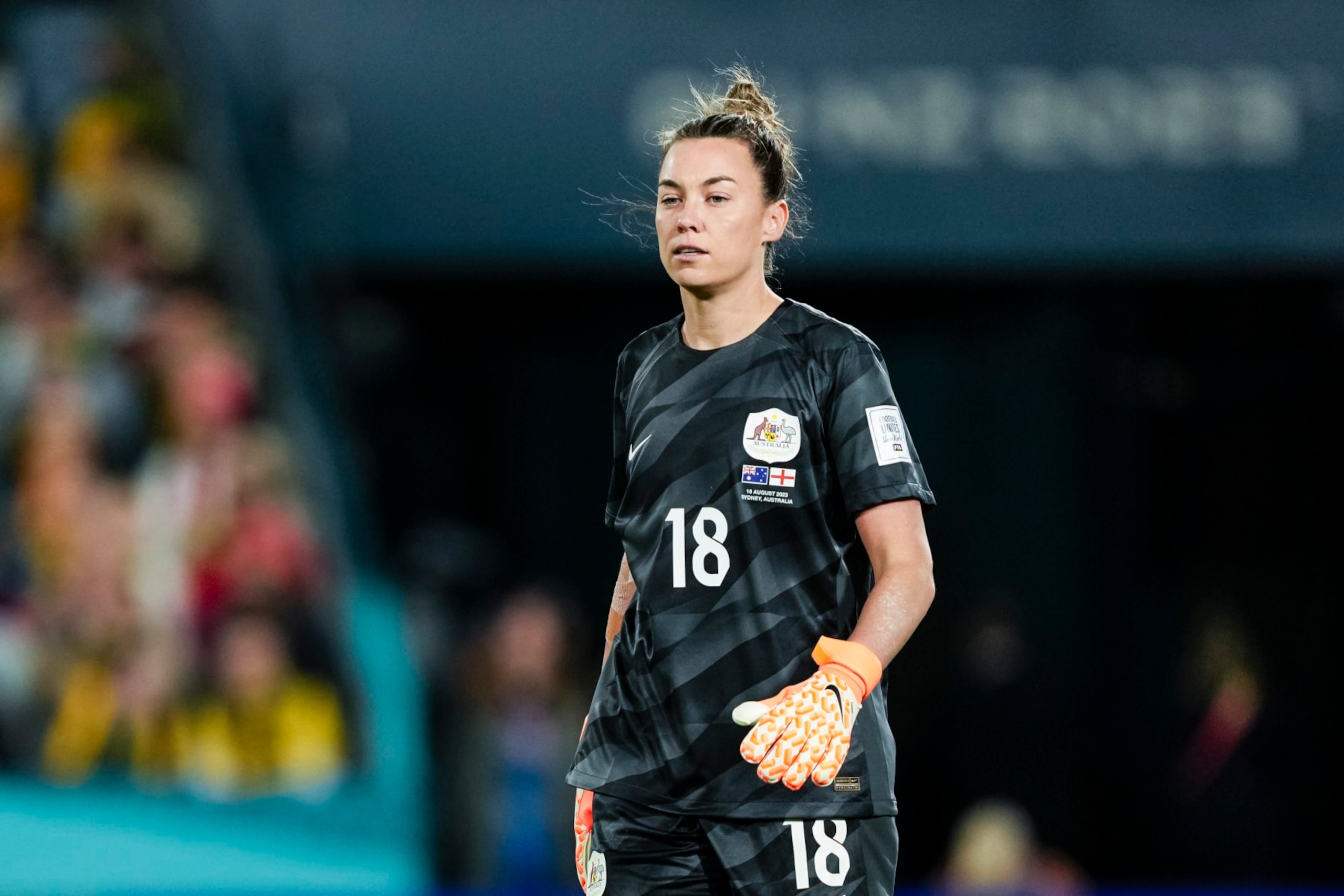
Their semi-final loss to England was a tough pill to swallow, but goalkeeper Mackenzie Arnold was a huge part of getting Australia into the last four of this summer's tournament.
Arnold's biggest performance at the World Cup came in the quarter-finals against France. She saved three penalty kicks in a single shootout to push Australia into the semis. Sure, she missed a penalty kick of her own in that same shootout, but you can't really blame a goalkeeper for not putting one of those strikes into the back of the net.
Setting aside her shootout saves, Arnold was an excellent shot-stopper in open play, too. According to FBref, she saved Australia two goals more than expected over the course of the tournament. The 29-year-old West Ham goalkeeper was fantastic this summer and cemented herself as an Australian legend in front of the home crowd.
Right Back: Victoria Pelova, Netherlands
2 of 11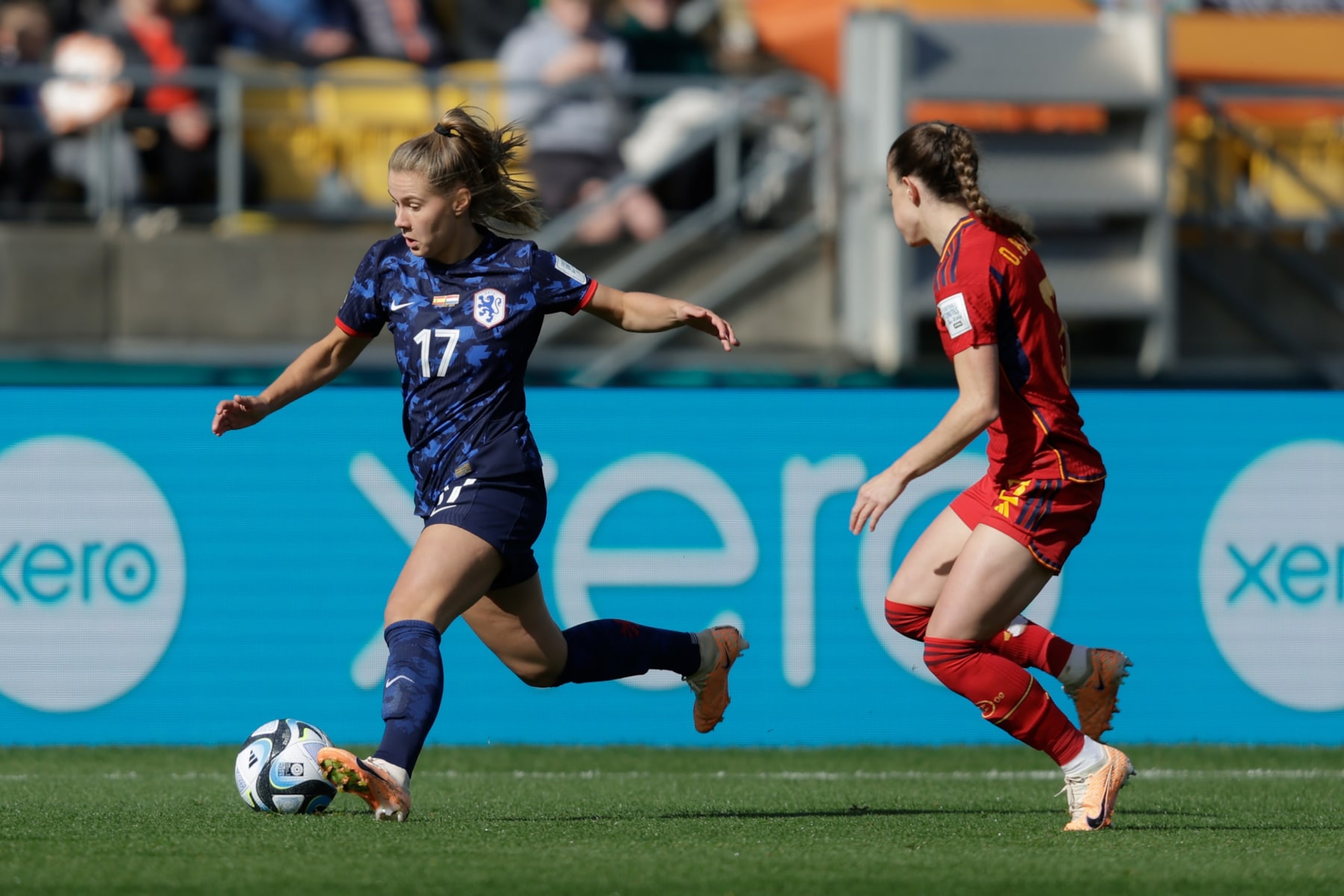
Victoria Pelova put in some extremely strong performances as the Netherlands marched to the quarter-finals. She picked up a pair of assists, one against the United States in the group stage and one against Spain in the Netherlands' quarter-final loss.
Playing as a wingback in a 3-5-2 shape, Pelova often owned the right side of the field for the Dutch. The 24-year-old's ability to stay wide and provide service with clever right-footed passes mixed with her willingness to tuck inside and thread through balls in behind opposing backlines made her extremely valuable.
Expect to see Pelova at more big tournaments in the future — and get ready for her to keep making noise for Arsenal in the Women's Super League.
Center Back: Amanda Ilestedt, Sweden
3 of 11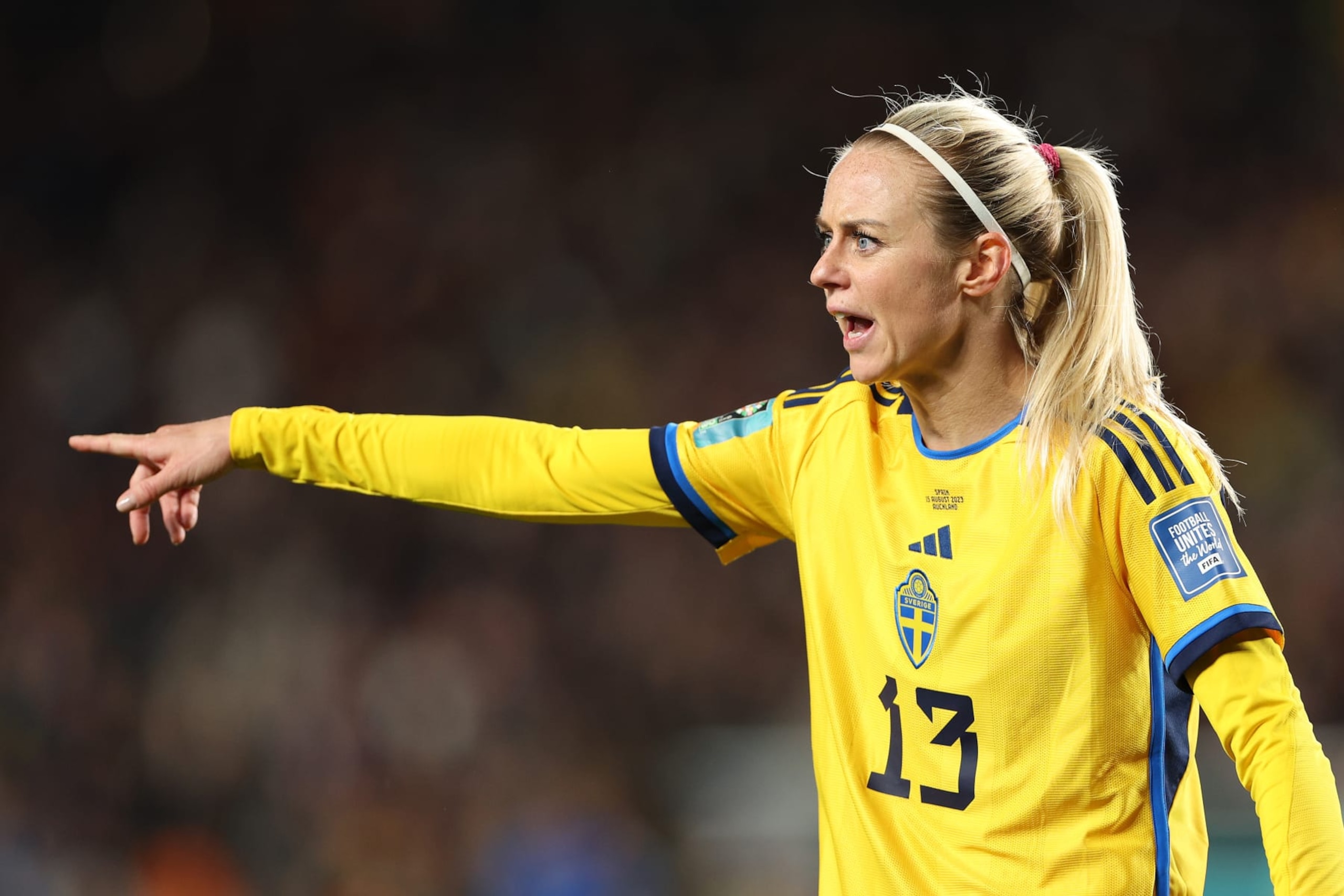
It's not every day you see a center back score four games across a six-game tournament run. But then again, not every center back is Amanda Ilestedt.
The Arsenal central defender was the most dangerous part of Sweden's already extremely dangerous approach to set pieces. Ilestedt's ability to win the ball in the air was second-to-none at this World Cup, and her instincts for pouncing on loose balls in the box gave her an edge, too.
Anchoring a team on a run to the World Cup semi-finals? Not bad. Anchoring a team on a run to the World Cup semi-finals while scoring four goals to finish as one of the tournament's leading goal scorers? Now we're talking.



Center Back: Alex Greenwood, England
4 of 11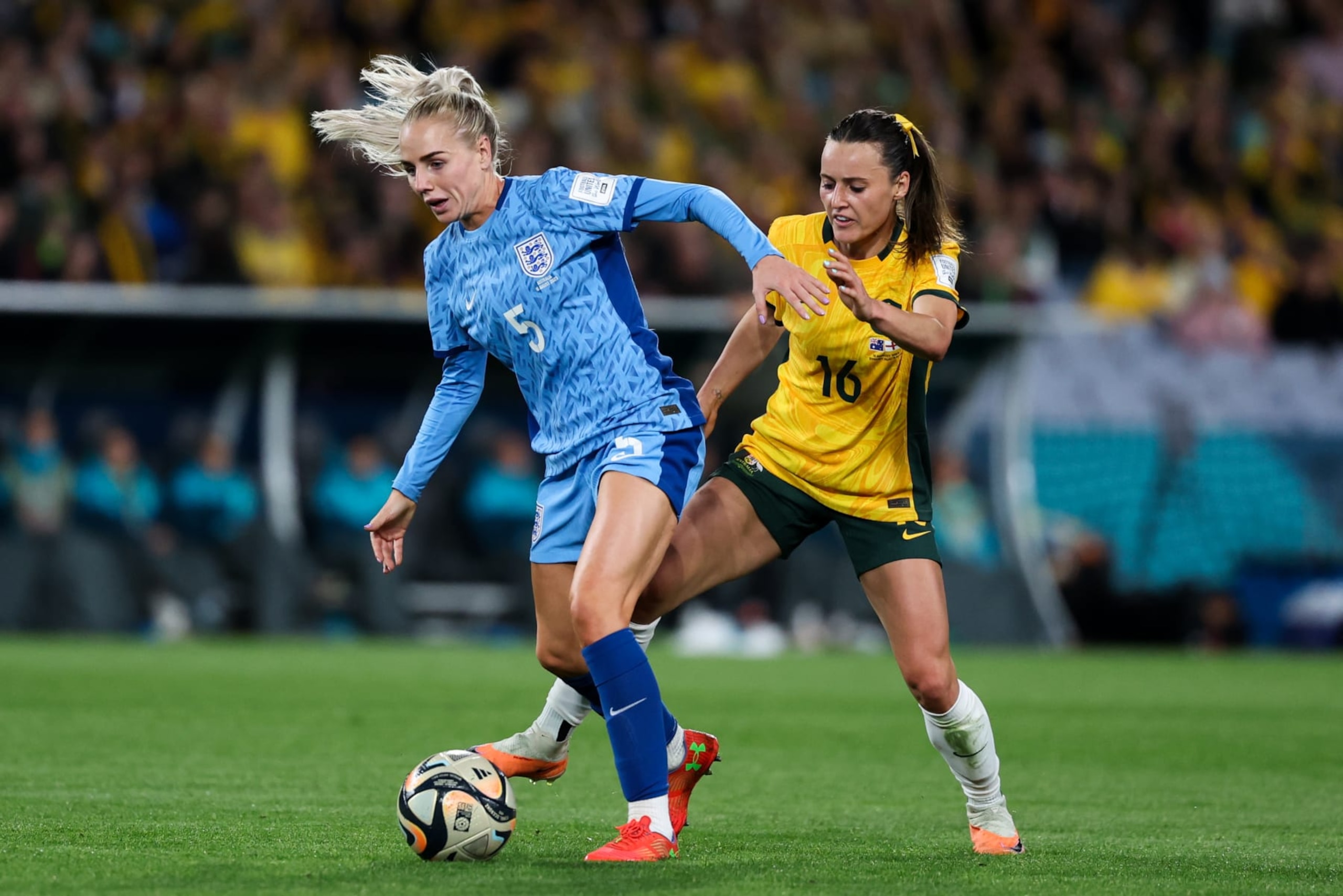
Alex Greenwood can pass, people.
Playing on the left side of England's central defensive unit, Greenwood gave the Lionesses a near-constant advantage in possession. With plenty of composure, accuracy, and audacity, Greenwood's progressive passes quickly became a highlight of Sarina Wiegman's team.
One of Greenwood's clever left-footed balls opened up the entire play for England against Colombia in the quarter-finals, allowing midfield teammate Georgia Stanway to turn and play Alessia Russo into the box for the go-ahead goal.
There's no way around it: Greenwood was massive for England at this World Cup.
Left Back: Jun Endo, Japan
5 of 11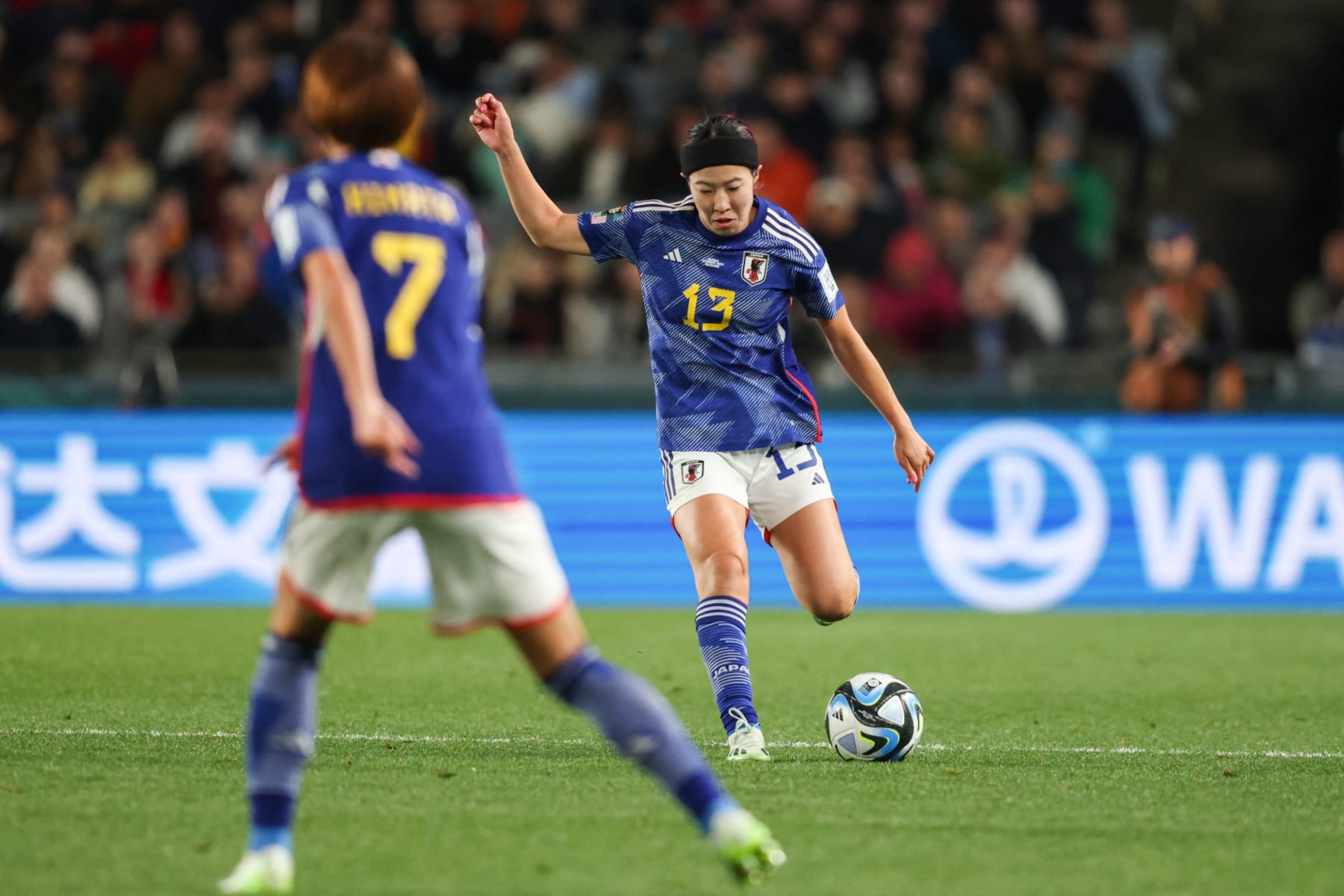
I'll be honest, it was incredibly tough to choose between Jun Endo and Hina Sugita for this position. Both players started games for Japan at left wingback in this tournament, and both players shined for Futoshi Ikeda's team. Ultimately, I gave the edge to Endo because she earned one more start (three to Sugita's two) and impacted the box score.
Notching a goal and two assists, Endo showed off her skill and attacking thrust while pushing forward to join the left side of Japan's attacking setup. With top-notch ball control and vision, Endo is comfortable in almost any position across the field — she's played in a variety of spots for Angel City in the NWSL — and she certainly showed that comfort for Japan.
Endo, much like Japan, was a ton of fun at this World Cup.
Defensive Midfielder: Teresa Abelleira, Spain
6 of 11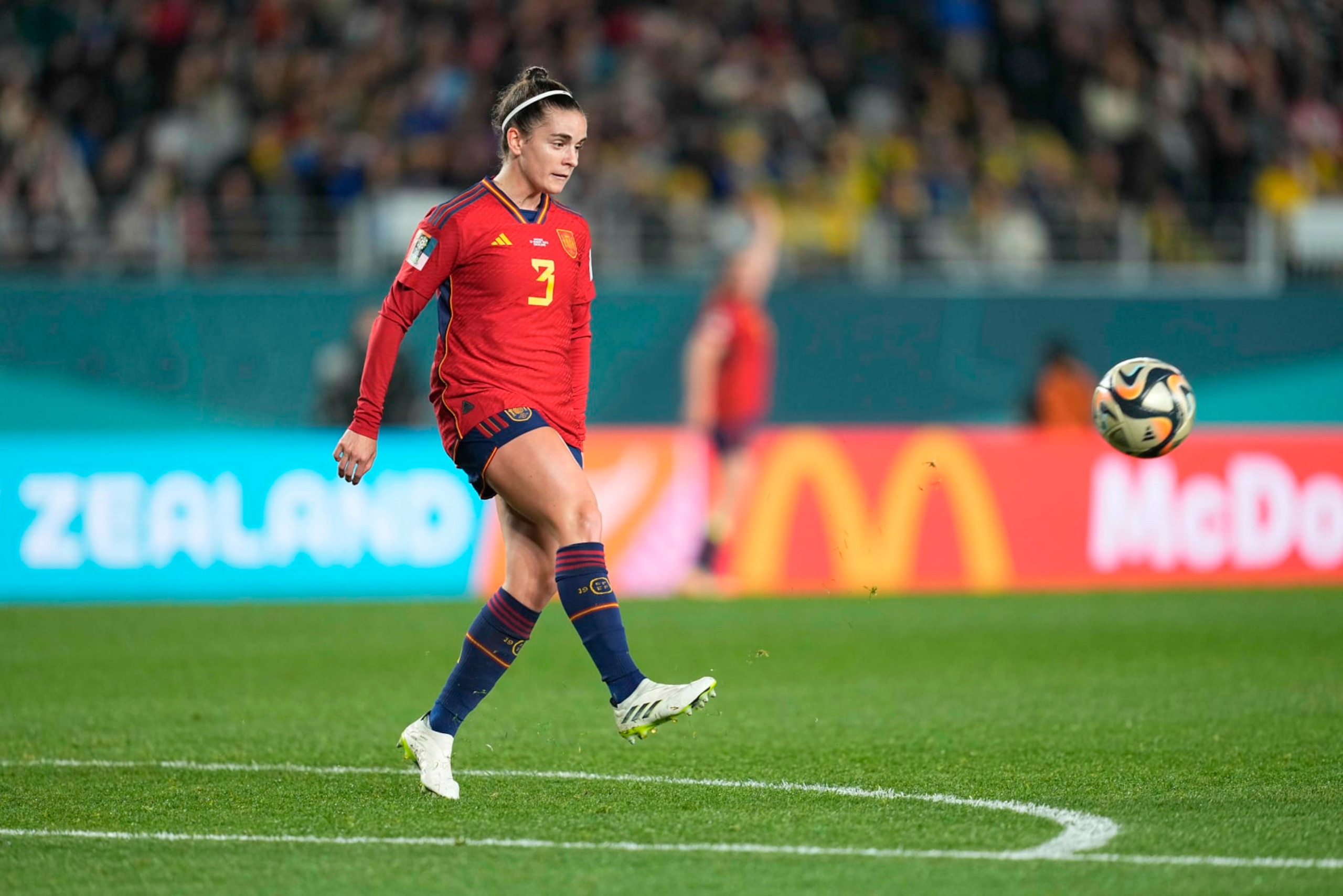
At just 23, Teresa Abelleira is the complete package for Spain and Real Madrid at the base of midfield.
She's incredibly comfortable in tight spots, which allows Spain to find and play through her between the lines. She has a wide passing range, which allows Spain to get the ball forward into the attack quickly whenever possible. And she always reacts quickly whenever her team loses the ball, which allows Spain to counter press and recover the ball early and often.
Abelleira's body positioning, technical skill, and work rate are all elite — and she showed as much at the World Cup, as she provided the necessary platform to help La Roja win its first Women's World Cup.
Get ready for future tournaments with Abelleira changing games for Spain deep downfield.
Central Midfielder: Kyra Cooney-Cross, Australia
7 of 11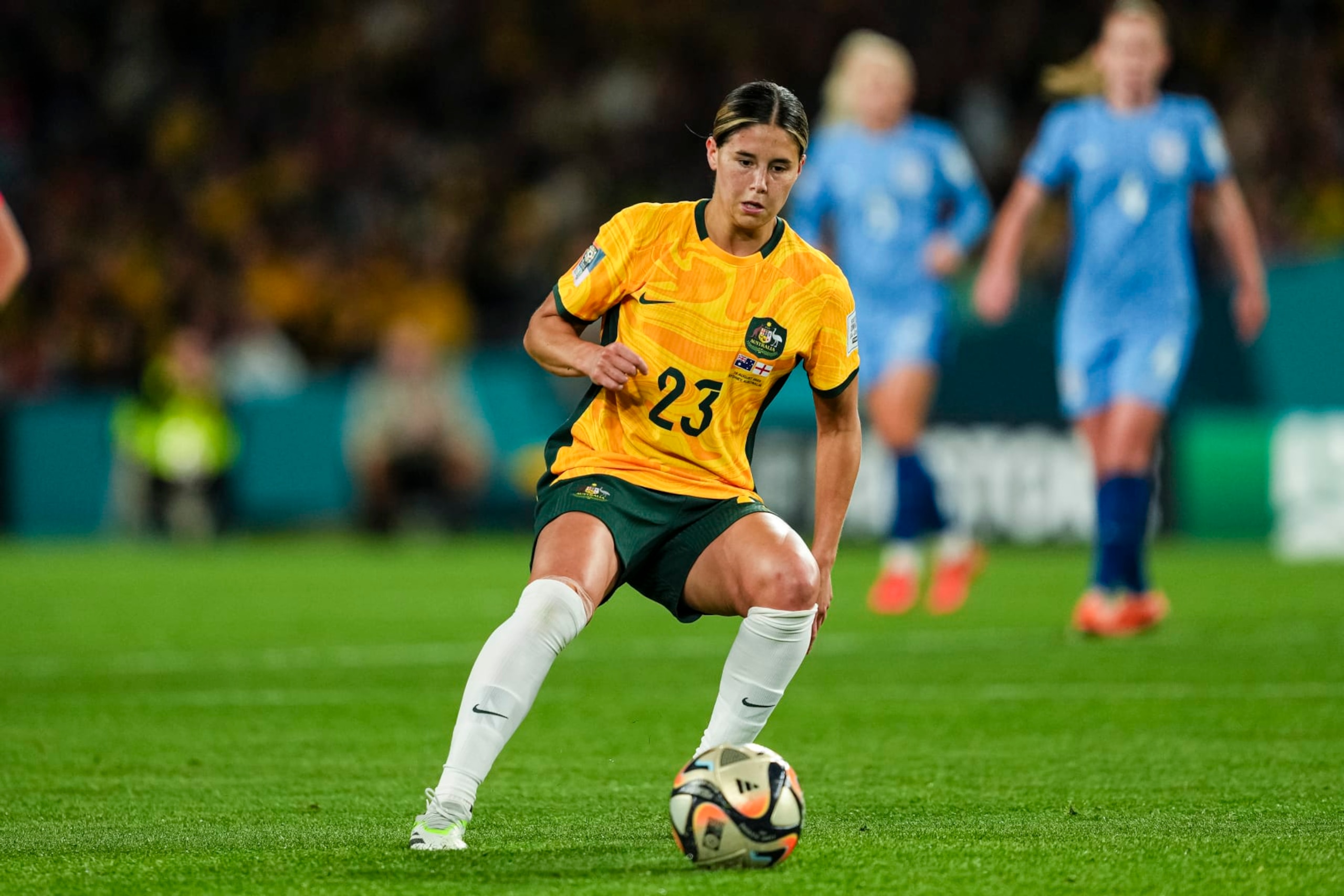
Let's give some credit to Kyra Cooney-Cross for making moves this summer. Not only did she help lead her country to a World Cup semi-final in front of the home fans, but she also played so well that reports are flying around about the young midfielder moving to Chelsea.
If you watched much of Cooney-Cross at this tournament, it's easy to understand why a club like Chelsea might be interested in the Hammarby midfielder. Her athleticism and defensive range made her the perfect No. 8 option for Australia's 4-4-2 shape and her ability to ping passes and stride forward on the ball helped break down opposing defenses.
Cooney-Cross is the real deal.
Attacking Midfielder: Aoba Fujino, Japan
8 of 11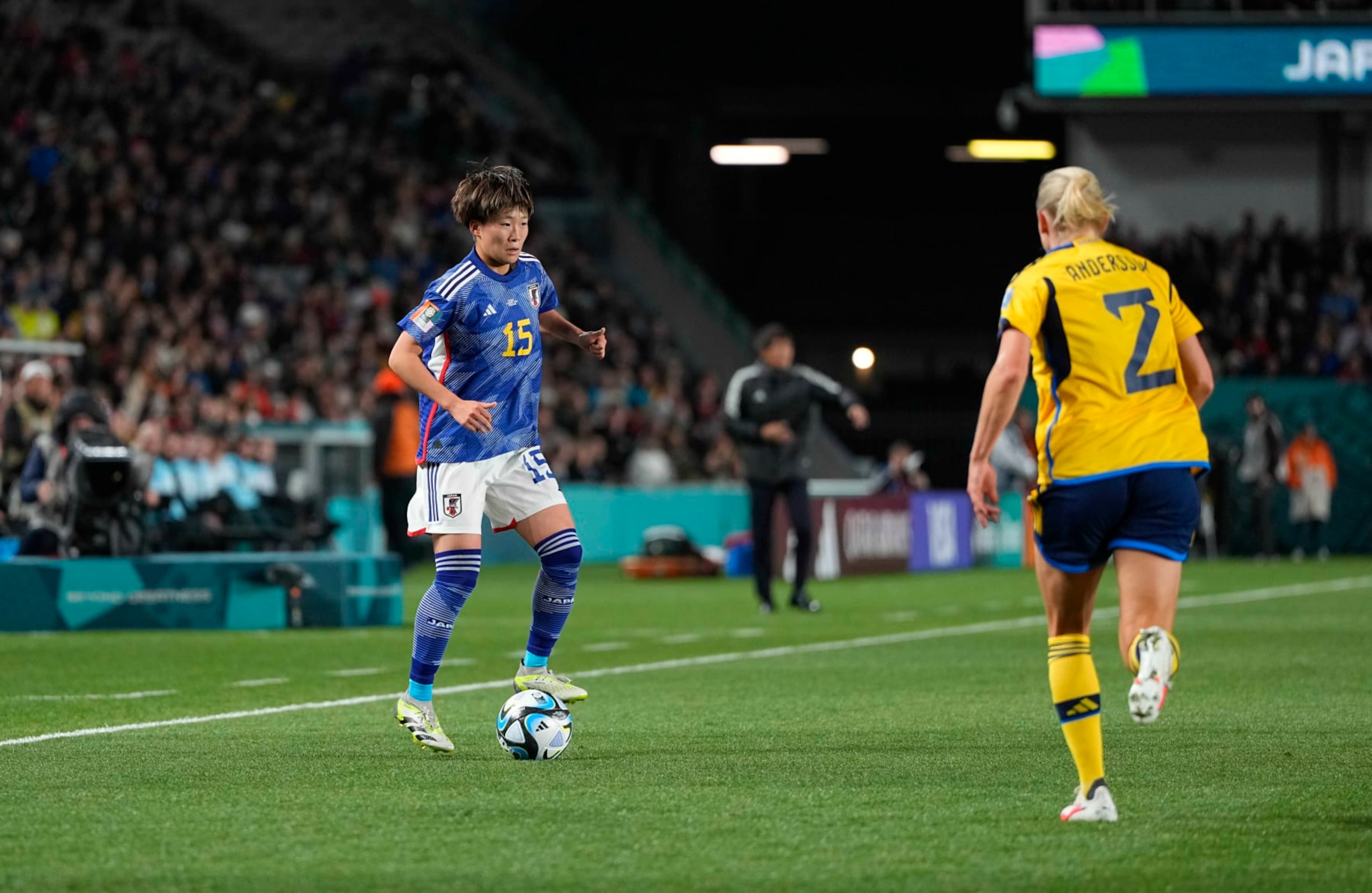
Playing in a stacked Japanese attack, Aoba Fujino was one of the breakout stars of this summer's tournament. Fujino is just 19, but looked like a veteran with clever, line-breaking pass after clever, line-breaking pass.
Her ability to tuck into the halfspace, receive the ball in a tight spot, keep possession, and then play forward is downright special. With a goal and two assists, Fujino was one of this World Cup's leading chance creators — when you watch clips like the one down below, it's easy to see why she's a Best XI-level player. I mean, the pass is just inch-perfect.
Fujino stepping into the spotlight was one of the best parts of Japan's thrilling run to the quarter-finals. Expect to see plenty more of her at plenty more World Cups over the years.
Forward: Lauren Hemp, England
9 of 11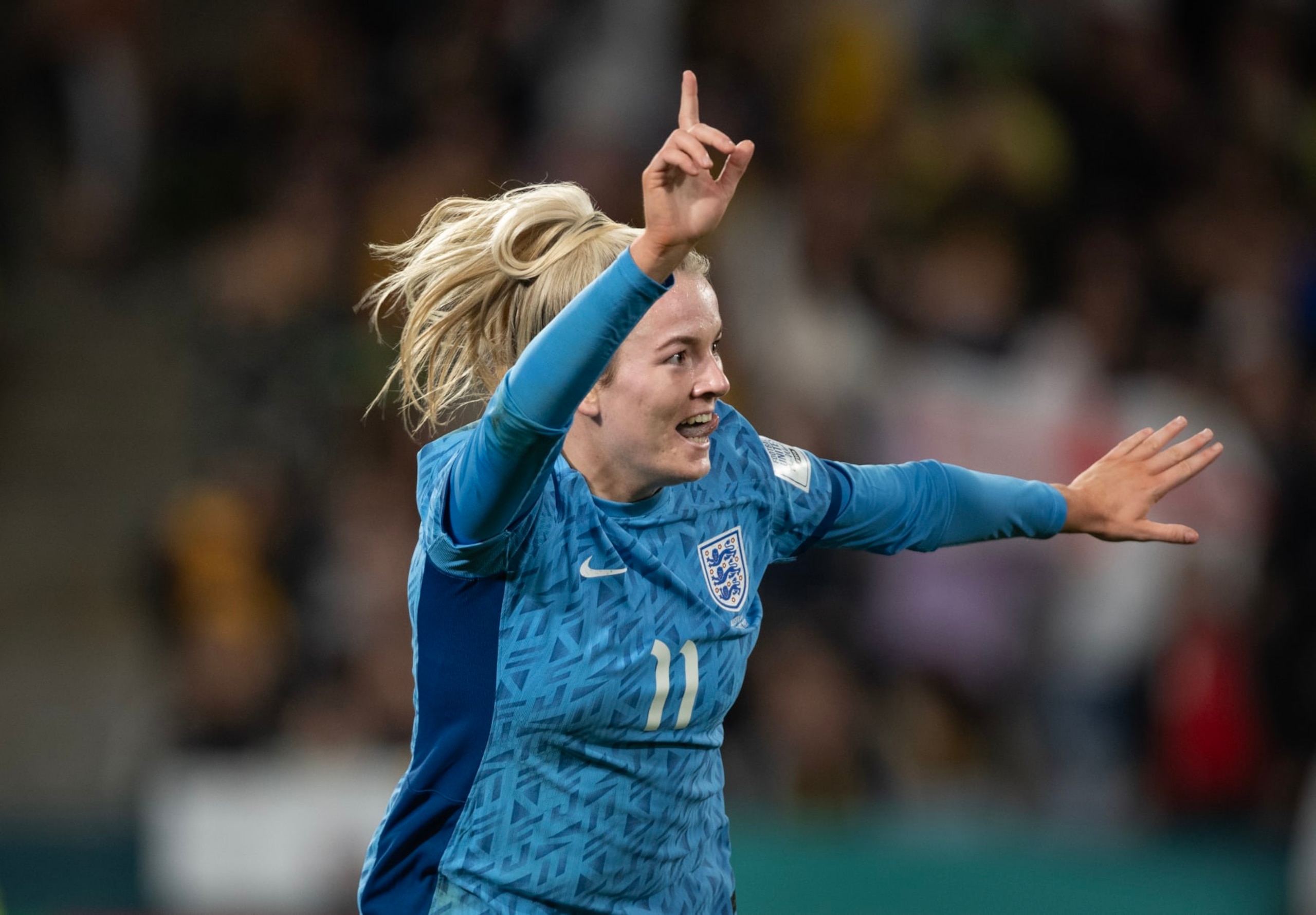
Lauren Hemp has everything that you could want from an attacking player. She has speed, acceleration, dribbling ability, vision, and an impressive passing range. She moves with purpose, makes smart runs off the ball, and exploits space inside the box, too.
When you put all of those attributes together, you get something like this: Hemp's no-look assist in England's semi-final win over Australia.
…or you get something like this: Hemp bulldozing through Australia's defensive line to score a goal in that same game.
With such a well-rounded skillset, it's hard to believe Hemp is just entering her prime at age 23. England — and Manchester City — have a true gem on their hands.
Forward: Hinata Miyazawa, Japan
10 of 11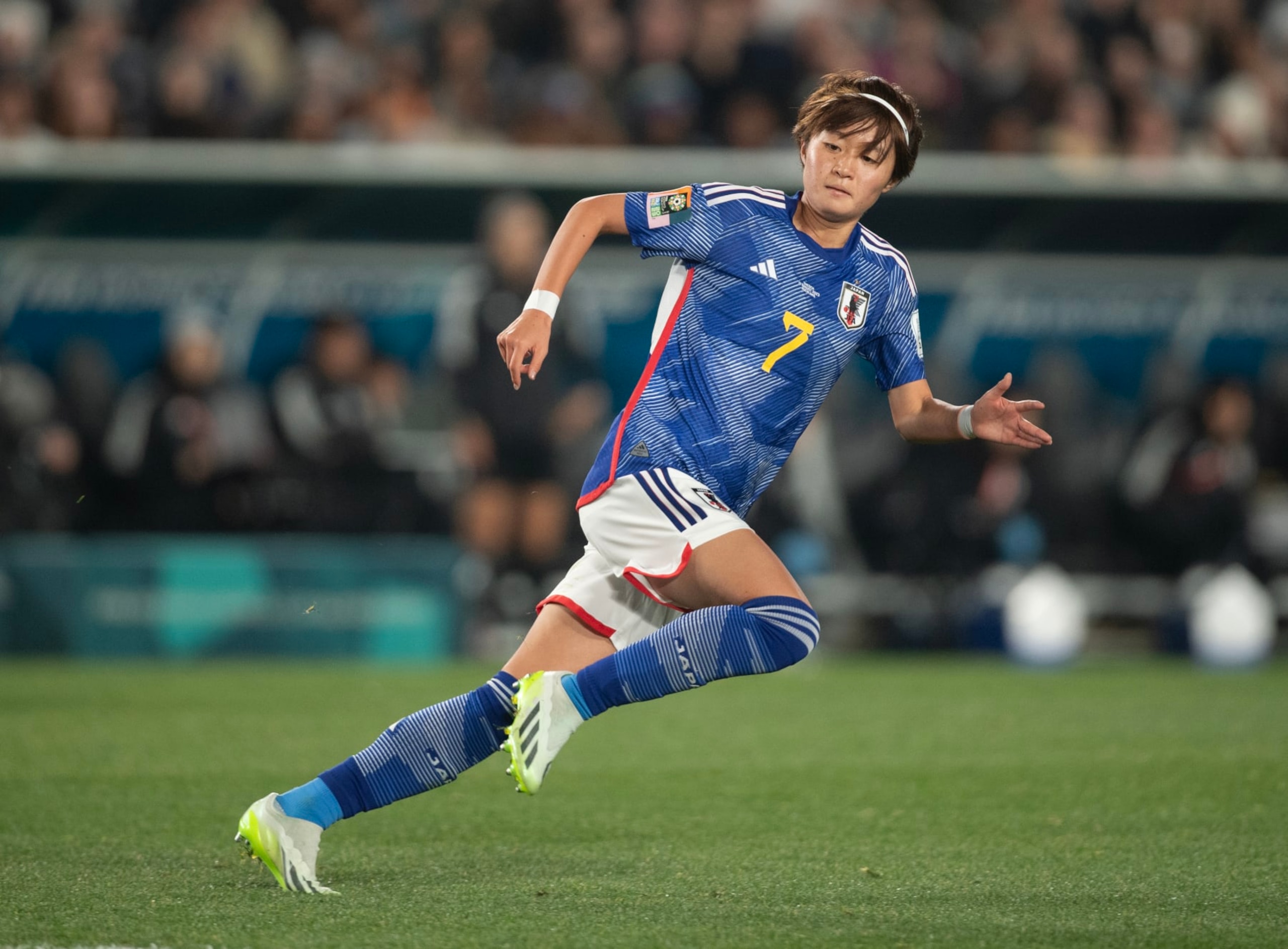
Aoba Fujino got some love earlier, now it's Hinata Miyazawa's turn in the spotlight.
Typically playing on the left side of Japan's frontline, Miyazawa scored five goals during her team's impressive, stylish run to the quarter-finals. Constant work between the lines and smart running in behind the opposing backline made Miyazawa almost impossible to stop this summer.
Miyazawa is a complete player at this point in her career. The scary thing for opposing defenders is that she's only going to improve from this point forward.
WIth Miyazawa and Fujino patrolling the attack, Japan have the firepower to compete with any team in the world during this next tournament cycle.
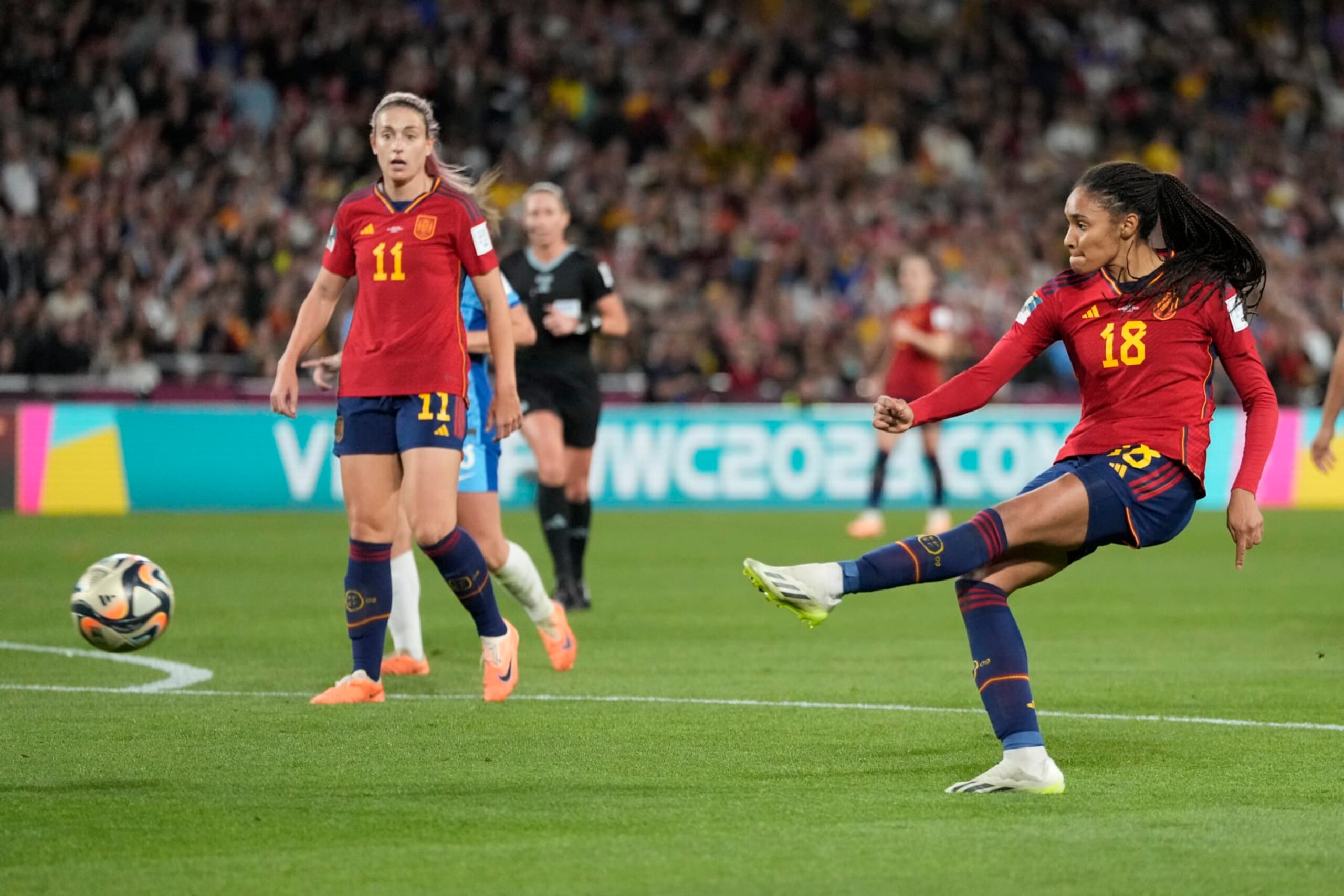
Forward: Salma Paralluelo, Spain
11 of 11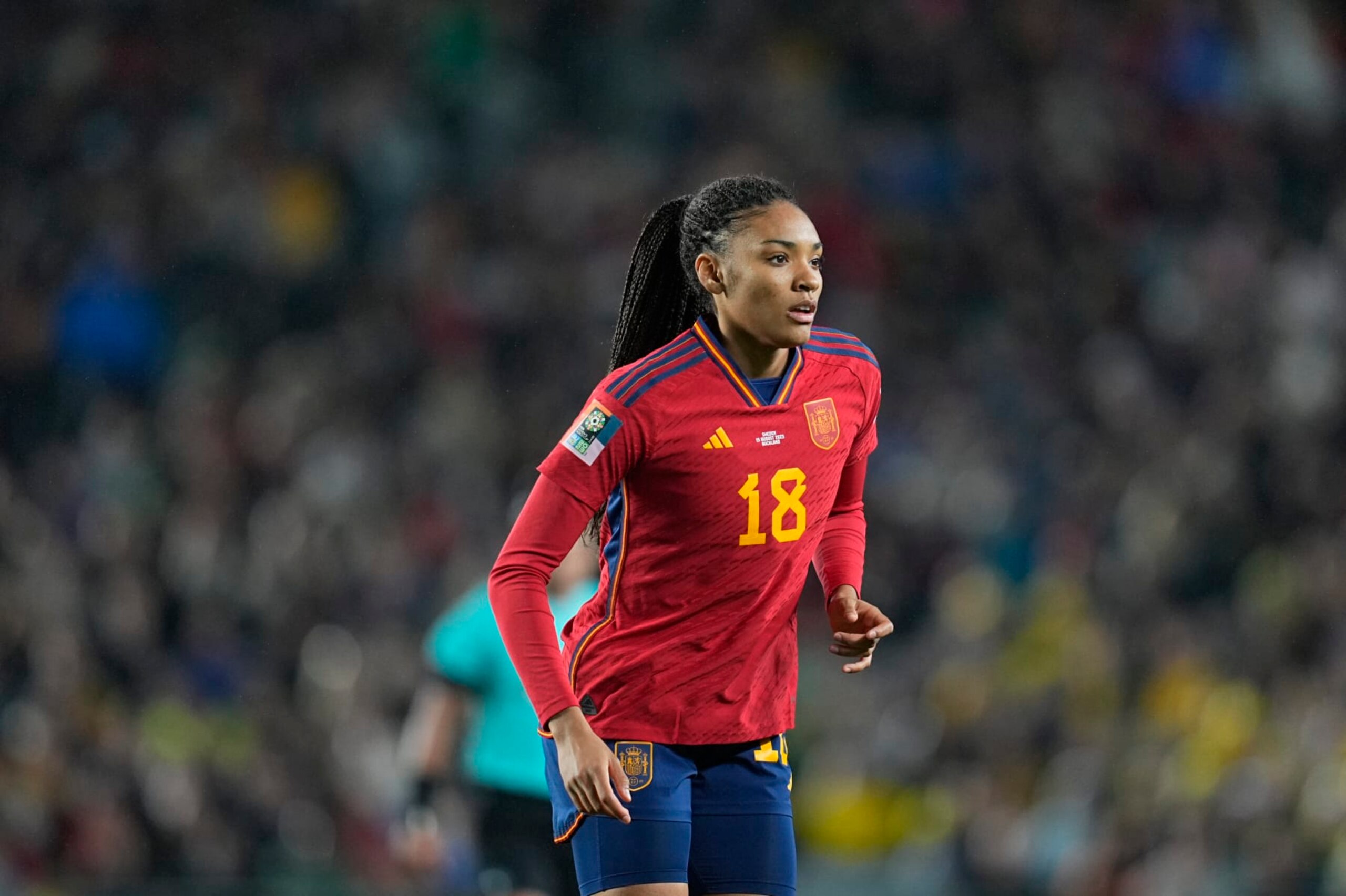
Few players can change games in the way that Salma Paralluelo changed them for Spain at this World Cup.
The 19-year-old FC Barcelona forward added an extra dose of dynamism every time she stepped on the field for her country. Once a competitive runner, Paralleulo became the Spanish indoor champion in the women's 400 meters in 2019 before changing course to focus solely on her professional soccer career.
It's safe to say that choice has paid off for the teenage attacker. Paralleulo's quick reaction time inside the box mixed with her electric dribbling between the boxes and her skill with both feet made her must-see TV this summer.
Opposing defenses simply couldn't handle Paralleulo, who is poised to lead this Spain team for years to come.

.jpg?w=2560 "Chiefs Giants Football")


.jpg?w=2560 "🚨 Week 8 AP Top 25 Poll")


.jpg?w=2560 "Updates from EVERY NFL Game 🏈")
.jpg?w=2560 "Baker Gets Glove From Rays 🧤")