10 Steps to Fixing MMA Judging
One of the most debated issues in MMA today has been judging.
Fighters, fans and everyone in between have witnessed bad MMA judging and everyone has put their two cents in about it.
Although there are usually more good decisions than bad ones, when the judges get it wrong it's usually etched in everyone's head forever.
The current judging system has been around for some time now. But as the sport of MMA continues to evolve, so should the judging.
Let's take a look at some possible improvements to help it evolve.
Sudden Death Rounds
1 of 10One of an MMA fan's worst nightmare is a draw.
A draw leaves fans and fighters alike without any closure.
Fighters either feel like they should have won the fight or they're lost in limbo because they don't really know what they needed to have improved on to have won it.
When a fight is not decided in the regular three (or five) rounds, a sudden death round could possibly help this.
Most major sports have overtimes or shoot outs when there's a tie game at the end of regulation.
Even the UFC's The Ultimate Fighter has a sudden death round when a fight ends in a draw.
Although there are some fights people would not want to see another round of, when it comes to important fights such as title fights, there should be a clear winner.
Have Former Fighters Become Judges
2 of 10One of the things that has made Herb Dean one of the best refs in the sport is the fact that he has had a few pro fights.
Perhaps the same thing could help out judging.
Because they actually competed in the sport, ex fighters should know what to look for in determining a winner.
In theory this would be good because they should be more educated about the sport.
At the same time it could also backfire because certain fighters may score one thing over the other.
Recently retired Ricardo Almeida is currently a judge in New Jersey.
Only time will tell if more fighters will be like Almeida.
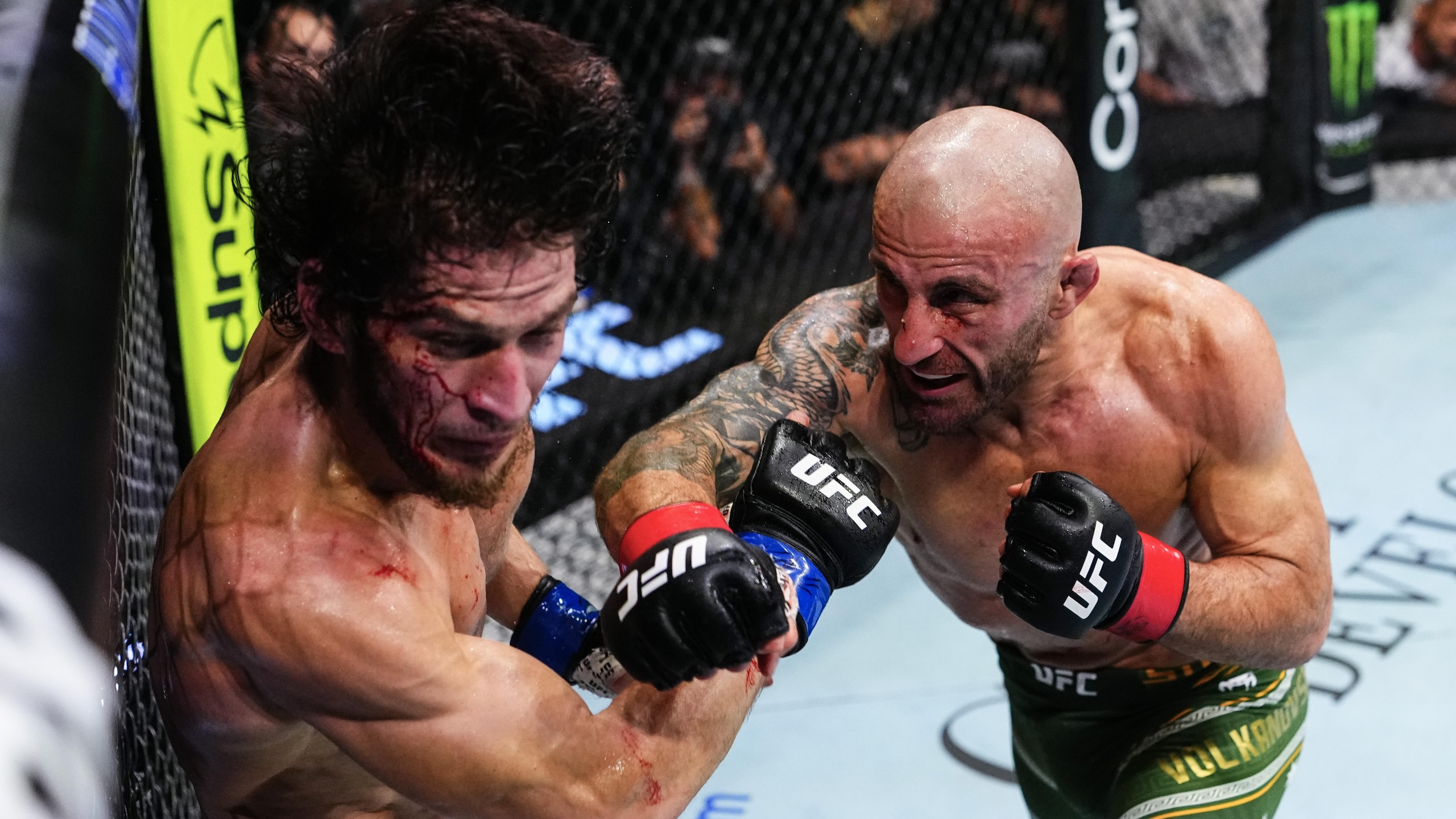
Give More Points for Work from the Bottom
3 of 10One of the biggest issues with judging, especially if you're a Brazilian Jiu-Jitsu practitioner, is not being awarded for your work off your back.
Although a guy may be on top of you, it does not mean he's in control of the matchup.
Many fighters including Anthony Pettis and Nick Diaz work extremely well off their backs and should be rewarded for it.
Although the top person may try to hold the bottom down, if the bottom person is actively trying to get submissions or throwing strikes, they should be able to get points.
This is especially true when the top person is doing nothing but holding position.

Re-Evaluate Takedown Scoring
4 of 10Sometimes scoring one big takedown can mean the difference between winning a fight and losing a fight.
Although takedowns do show control of the fight, they should not be the be all and end all of scoring.
Takedowns and wrestling as a whole are important parts of MMA.
But if there's a fighter who is not really doing work once he takes the fight to the ground, then the takedown should either not be scored as high, or not scored at all.
Fix the 10-9 Scoring System
5 of 10Currently many major MMA fights are scored using a 10-9 scoring system.
Under the system the winner of the round is awarded 10 points, while the loser is given nine or fewer points.
The problem with the current system is it leaves the door open for many close decisions or questionable scoring.
Everyone has his opinion on what should be scored a 10-8 or 10-7 round which makes it difficult to really score them.
If there were a bigger discrepancy on how to score a fight, it could open the door to properly getting the score right on the score cards.
Don't Reward a Person for Not Doing Work
6 of 10One thing that many fans hate to see is a decision when there was no action in the fight.
Although control and aggression are apart of the judging criteria, if there's nothing going on, then the fighter shouldn't be rewarded.
If anything, fighters should be penalized when they are not doing work.
Although many fighters "play it safe" in order to win fights, laying on a person for three rounds or pushing them on the cage and never throwing a single knee or punch should not be win.
A fighter actively trying to do something in these positions is one thing, but just holding a person should not be scored.
Judge the Entire Fight, Not Rounds
7 of 10When fights are close or there is a big comeback between rounds, fights can be often hard to score.
Perhaps judging the fight based on the entire amount of action as opposed to round by round would help this.
Pride Fighting Championships were known for doing this.
Because of the way their fights were judged, there had to be a winner in the fight.
Although there could still be room for close decisions, judging the fight based on its entirety would eliminate going by the numbers.
Issue Yellow and Green Cards for Fouls
8 of 10One thing that can make or break a fighter winning a match is getting points deducted from their score.
While a fighter should be penalized when they are excessively breaking the rules, points in a fight are valuable, especially when it's close.
Pride and other Japanese organizations issued warning cards when a fighter committed a foul.
Some cards would mean a 10 percent purse deduction while racking up to many yellows would cause a fighter to be disqualified.
A fighter should be penalized for breaking a rule. But issuing cards as opposed to taking away points could make the judges' lives a lot easier.
Educate Judges
9 of 10One of the biggest improvements that should take place is sending judges through some type of training.
If the judges are educated more, they'll know just what to look for in a fight.
Some judges come from boxing as opposed to MMA, so they may score certain things higher than others.
Some judges may not be aware of certain things, while a more educated judge will be able to catch things in a fight that they weren't aware of.
Educating judges on the sport would help out a lot in the decisions they make.
Change the Current Fighting Criteria
10 of 10Before every UFC event, Mike Goldberg tells us the fighting criteria that the fights are scored on.
They are effective striking, grappling, aggression and octagon control.
What this means is if Quinton "Rampage" Jackson is moving forward trying to hit Lyoto Machida but missing, he gets awarded for being more aggressive.
Even if this means Machida lands more strikes, Jackson gets the win on some judges' score cards.
Another way to look at that fight is that because of Machida's elusive defense, he was penalized for not being aggressive enough or having Octagon control despite getting more hits in.
The current criteria of judging can be a matter of opinion and what the judges think meets the criteria as opposed to what's really going on in the fight.
Having more detailed criteria for judges could make the fights a lot easier to score.


.jpg?w=2560 "Malik Beasley Negotiating Plea Deal (AP)")

.png?w=2560 "Week 8 Winners & Losers 📊")

.jpg?w=2560 "Aikman Blasts Cowboys WR 🫣")
.jpg?w=2560 "Jonathan Taylor Landing Spots")