Brooklyn Dodgers' 1952 Pennant Was "Tainted" as the New York Giants' 1951 Flag
The 1951 New York Giants staged one of baseball's greatest miracles when they overcame the 13.5-game lead the Brooklyn Dodgers held over them.
A few years ago, Joshua Prager, in The Echoing Green, revealed that a few weeks before their run, the Giants started to steal signs mechanically. So what?
It was really simple. From the center field clubhouse at Polo Grounds, reserve infielder Hank Schenz used a telescope to steal the opposition's signals. An electrician wired a connection from the clubhouse where Schenz was stationed to a buzzer in the bullpen.
TOP NEWS

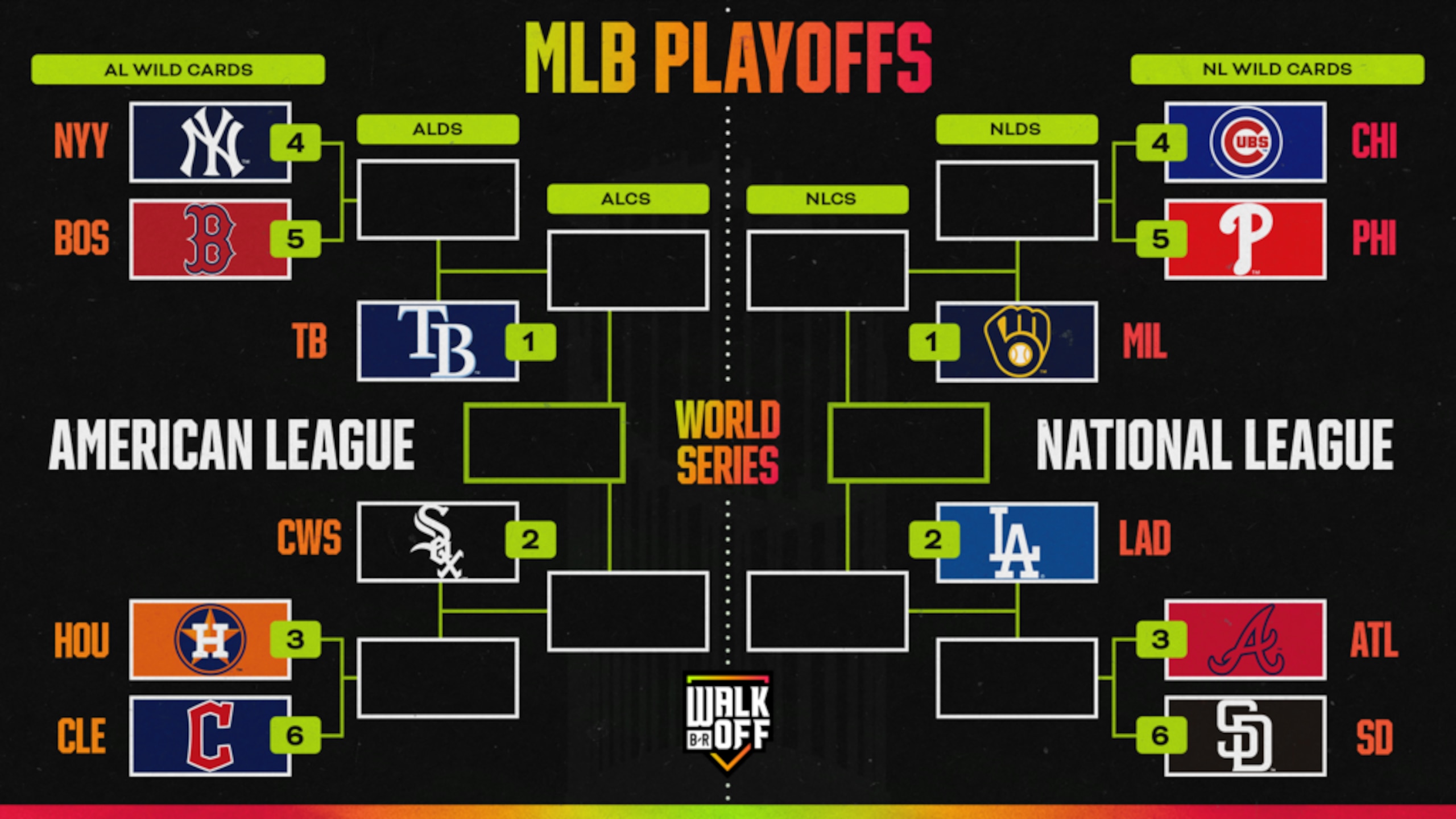
MLB playoff picture after two more teams clinch

Updated Power Rankings 📊

NYY Lineup Predictions for Wild Card 🔮
If the signal were for a fastball, bullpen catcher Sal Yvars tossed a ball into the air. He held onto the ball if the signal were for a curve ball.
There has never been any rule against stealing signs. It is part of the game. Before "political correctness," stealing signs was viewed as a respected skill, which is what it remains to many.
In 1953, former Brooklyn Dodgers vice president Fresco Thompson revealed to writer Bob Deindorfer, "I'd hate to guess how many hits result from coaches calling the pitchers for batters ahead of time. We can seldom make book on it, but I can say one thing, stolen signs win a lot of games."
It wasn't a revelation to Deindorfer.
Although there were suspicions, when he spoke in 1953, Thompson could only speculate about what might have happened in 1951 when the Giants "stole" the pennant.
Even many of the great men and great players were involved in sign stealing.
Hank Greenberg was one of the finest gentlemen to ever play baseball. In a game against the Cleveland Indians, Greenberg stepped into the batter's box. Detroit Tigers third base coach Del Baker called down to him, "Hit it now," which was the code that the pitch would be a curve ball.
Greenberg leaned over the plate, anticipating a pitch that would break away from him, but the Indians realized the Tigers had been stealing their signs. They subsequently changed them and Greenberg barely managed to get out of the way of a blazing fast ball.
There have been many great sign-stealers during baseball's early days, including Danny Murphy, Baker, Casey Stengel, Frank Crosetti and Bob Turley, but ironically, the greatest might have been Charlie Dressen, who managed the Brooklyn Dodgers in 1951.
The Giants lost Willie Mays to the army in 1952 and Monte Irvin to a broken ankle. They finished four-and-a-half games behind Brooklyn.
After the 1952 season, Dressen told a group of baseball writers, "Last year I called pitches and stole signs, which accounted for nine wins."
It doesn't take Bill James or Billy Beane to realize that the Giants would have won the 1952 pennant if Dressen hadn't stolen those nine games for Brooklyn.
It is ridiculous to react in surprise and sometimes awe when someone like former New York Yankees shortstop Gene Michael pulls the hidden ball trick or Charlie Dressen steals signs by "accepted means," but recoil in disgust because the Giants used a telescope.
Stealing is stealing, period. It is the same crime whether the perpetrator uses a knife or a gun. However, stealing signs in baseball is not a crime. It is not against the rules.
To claim that decoding the opponent's signs through intellect is acceptable, but using a telescope is not, is illogical and inconsistent. The method used changes nothing.
You are either with those who approve of stealing signs or you are against those who approve of stealing signs.
Reference:
Deindorfer, Bob. "Secrets of the Sign Stealers." Baseball Digest. Oct. 1953. p. 43.
.jpg?w=2560 "Grading WWE Raw 🔠")



.jpg?w=2560 "Nabers' Recent IG Post 👀")