
Triple H is Wrong: 5 Reasons WWE Needs to Evolve More Than UFC
Triple H is one of the most successful professional wrestlers in the history of the sport. He is even the heir apparent to the empire grown by his father-in-law, Vince McMahon, who has made his WWE product into a household name.
In recent days, however, Triple H has made some controversial remarks regarding another company which the WWE has repeatedly claimed that it is not in competition with—the UFC. In a recent interview, the WWE superstar told readers that the UFC needs to evolve to include more entertainment in their product.
“I think if anybody needs to evolve, it's them,” he told MovieFone after a question about the WWE’s need to evolve to match what the UFC is doing. “Give more of an entertainment standpoint. Give more form; they just have fighters who walk in in T-shirts and shorts and just stand there and then they fight and then they win and then they go, "thanks, I'd like to thank my sponsors" and then they leave.”
On the surface, it would appear that Triple H believes that the UFC needs to be more like the WWE. He wouldn’t say that specifically, but his words certainly indicate that’s how he feels.
It can be hard to get out of an entrenched lifestyle that you’ve been in for decades, but the reality is that Triple H couldn’t be more off-base than he is. Whether he or the decision-makers in the WWE want to admit it, it’s their company that needs to evolve with the times or fall by the wayside.
5. Pay-Per-View Buys
1 of 5There are other philosophical reasons for the WWE to evolve, but starting with the facts is always a great way to create a base for discussion.
Making a profit is always the name of the game in the business world and despite the WWE still moving along at a decent level, it is being completely outpaced by the UFC in recent years.
Not only are the WWE’s television ratings down, but they have a also been completely trounced by the mixed martial arts organization when it comes to pay-per-view buys.
According to Yahoo! research, the WWE saw a significant drop-off in pay-per-view purchases from 2008, when the company sold right around 3 million pay-per-views, to 2009, when they sold under 2.6 million.
To make matters worse, the pro wrestling company did not have a pay-per-view which cracked the top-10 in total sales for the year of 2009. Even its flagship WrestleMania event only hit around 500,000 buys.
By comparison, the UFC was the home of seven of the top-10 pay-per-view events in 2009, including three events which pulled in an estimated 1 million or more buys.
These numbers alone don’t tell the success of the organizations, but they are certainly an interesting overview of what has been happening with the revenue streams of these two companies.
If the WWE doesn’t need to evolve, then why do its numbers continue to drop while the UFC has taken its place as the biggest pay-per-view ticket in the country?
4. The Younger Audience
2 of 5Some would come right out and say that it doesn’t particularly matter how successful that the WWE or the UFC have been with the younger audience.
Those naysayers would hit you with information about how children don’t care about sports and that they are not the ones who attend events, buy pay-per-views or even purchase merchandise.
The truth is that those people are, for the most part, correct—for now.
But this isn’t about the present. It’s about the future. When the young audience grows up, they will be the ones who are participating in all of these dollar-generating activities. They are the ones who will feed these companies if and when they go through tough economic times.
The WWE learned this first-hand in the 1980s, when they build a gigantic fanbase that included quite a large group of children. They even built their product around that audience with over-the-top characters and a traditional good-vs.-evil concept that resonated throughout their programming.
When that audience grew up, they became the driving force of the Attitude Era, a time when the traditional rulebook was thrown out the window in favor of a much more raunchy style of entertainment. This was the biggest “boom” that the organization had ever seen and it lasted for the better part of a decade between the mid-to-late 90’s and early 2000’s.
But things have changed in recent years. As that audience grew up, it “outgrew” the ridiculous storylines and characters that the WWE had shoved down its throat. The fanbase as a whole has taken a huge step back from what it was just at just a decade ago and there doesn’t seem to be any indication that things are turning around.
WWE was too stubborn to dedicate itself to building a core group of young viewers. They are now paying dearly for that short-sighted business decision.
On the flip-side, despite having a significantly more violent product, the UFC has been quietly doing its best to grab the attention of a younger audience. While they may never be able to hold the attention of the very young audience, the viewers from ages 10-15 are growing as the sport becomes more accessible.
By entering both the action figure and video game worlds in recent years, the UFC has taken giant steps forward in accessing youth viewers.
It is now up to the UFC to do what the WWE has been unable to do by providing a product entertaining enough to keep the young fan base’s attention.
3. Existing Star Power
3 of 5One of the biggest concerns for the WWE has to be that they have been in a rut in recent years when it comes to establishing, developing and keeping new stars.
Sure, there have been wrestlers like Randy Orton, Edge, The Miz and CM Punk who have stepped into the spotlight, but even if you combined the popularity of all four of those superstars together into one, they wouldn’t even come close to reaching the level of popularity that “Stone Cold” Steve Austin had in the late-90’s.
The reality is that only one real superstar has been born in the past decade for the WWE. That superstar, of course, is John Cena.
But not even Cena, despite competing for the WWE or World Heavyweight championship in an unbelievable seven straight WrestleMania events, has been able to break into the mainstream in the same way that Austin, The Rock or Hulk Hogan was able to in previous decades.
There just isn’t the same kind of name recognition with Cena that there has been with the company’s huge stars in the past.
The WWE is struggling so bad, in fact, that matches such as Shawn Michaels vs. The Undertaker have headlined WrestleMania despite being non-title matches. The Rock vs. John Cena is also set to headline next year's WrestleMania. There just aren't new stars being created.
For the UFC, there isn’t anywhere near as big of a need to “create stars.” Without the pre-determined outcomes that help shape the popularity of the competitors in the WWE, the UFC has generally allowed the best fighters to establish themselves as the biggest stars in the sport.
While there have been notable exceptions such as Brock Lesnar being promoted to a UFC heavyweight title fight despite going just 1-1 in his previous two fights for the organization, the UFC can generally say that it has promoted the best fighters to compete for championships.
Because of this simple concept, the UFC does not need to worry about their biggest stars aging or losing big fights. We saw this when Chuck Liddell finally lost the UFC light heavyweight championship a few years ago. At the time, Liddell was arguably the biggest star in the entire sport, but even when he went on a terrible streak after losing his title, the UFC still grew exponentially.
New stars are much easier to come across in mixed martial arts than they are in the WWE simply because the WWE has been unwilling to give up on failed projects. Rather than admitting their mistakes and moving on, they grind their bad decisions into the ground until the audience can’t stand it any longer.
2. The “Entertainment” Card
4 of 5In Triple H’s assessment of the UFC’s need to evolve, he specifically mentioned that he believes they need to become more entertaining.
Perhaps a return to the pyrotechnics and elaborate entrance ramps of the past could bring an added aspect of entertainment to the Octagon, but what exactly is Triple H expecting from the company?
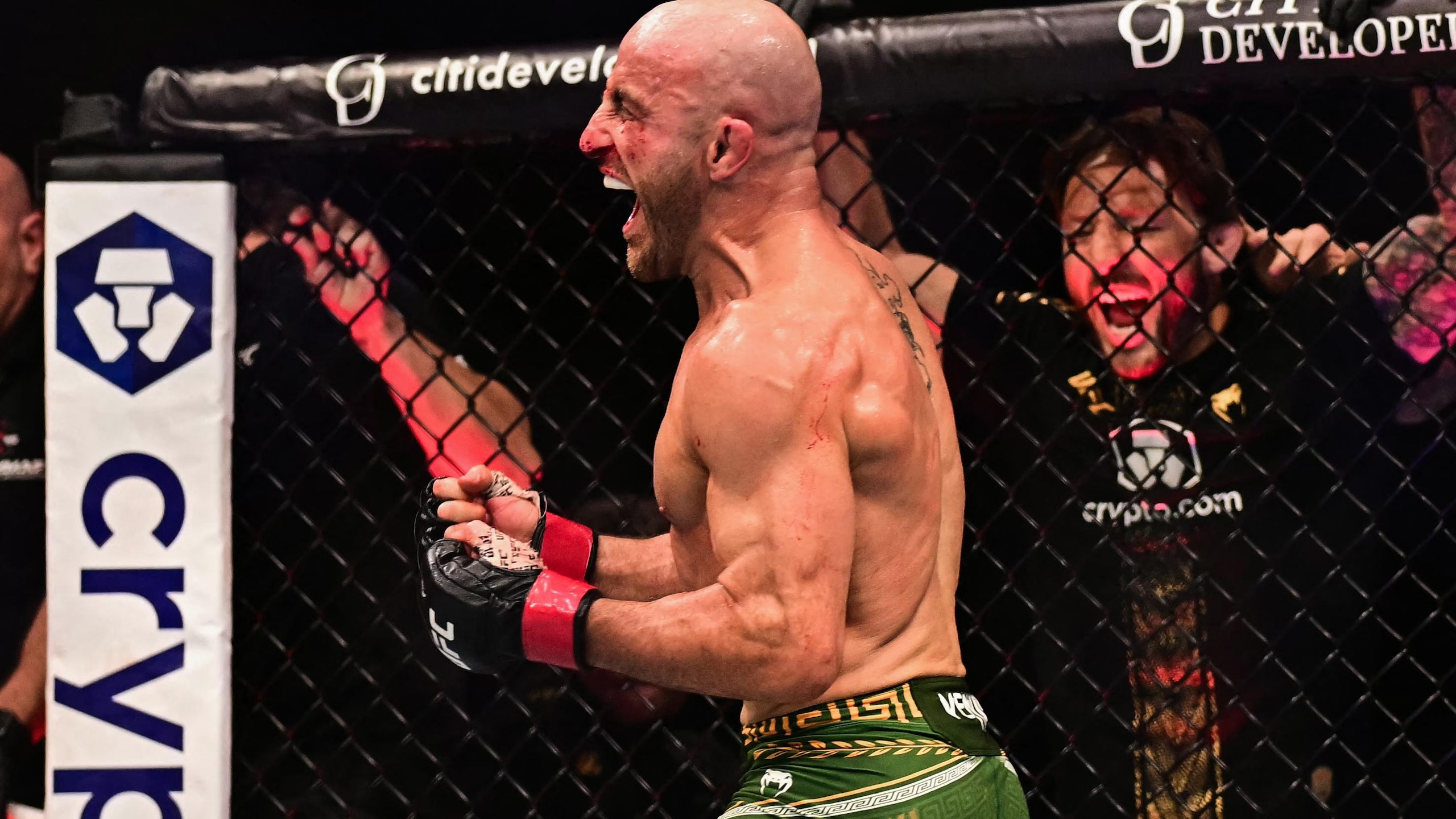
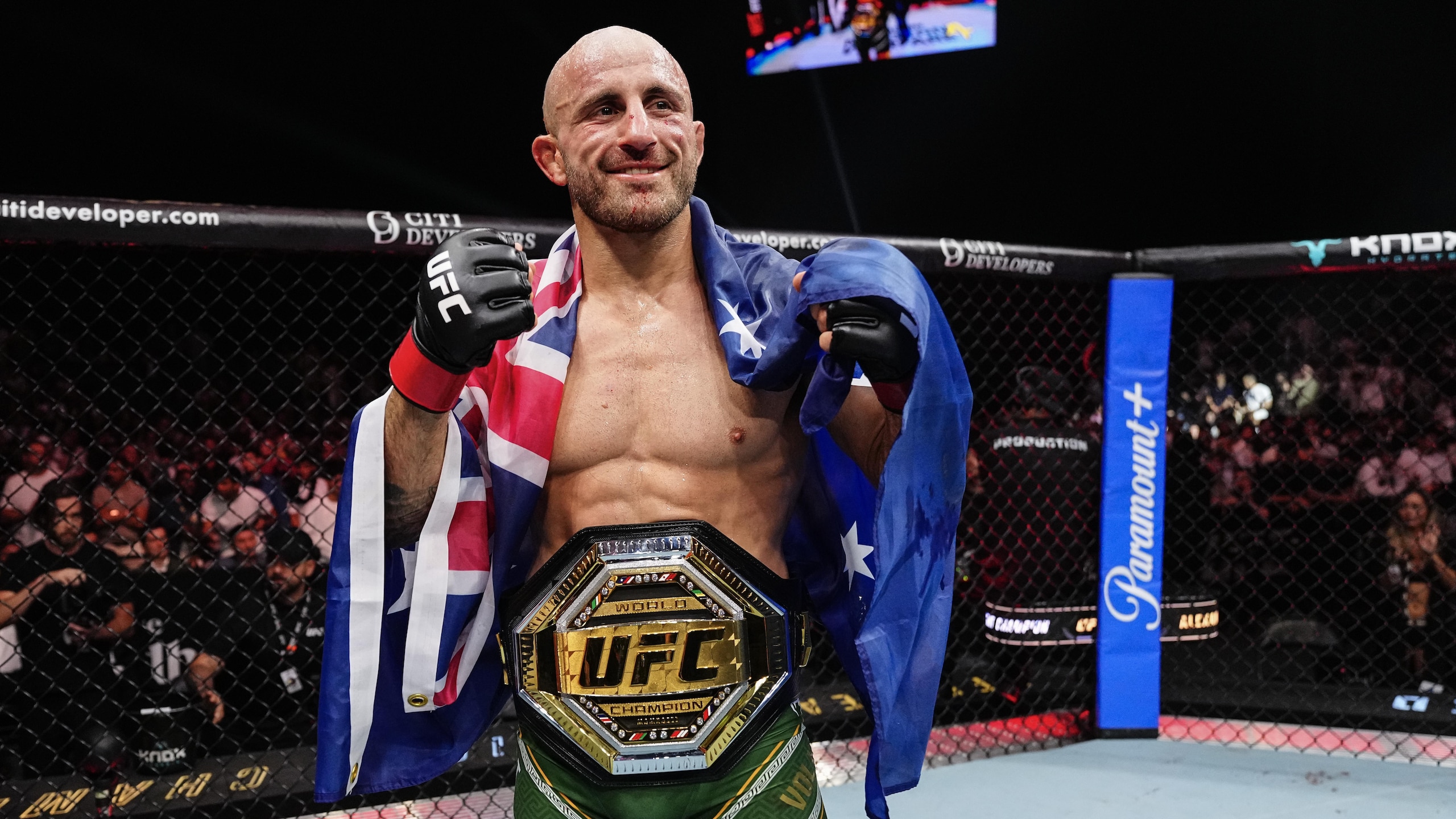
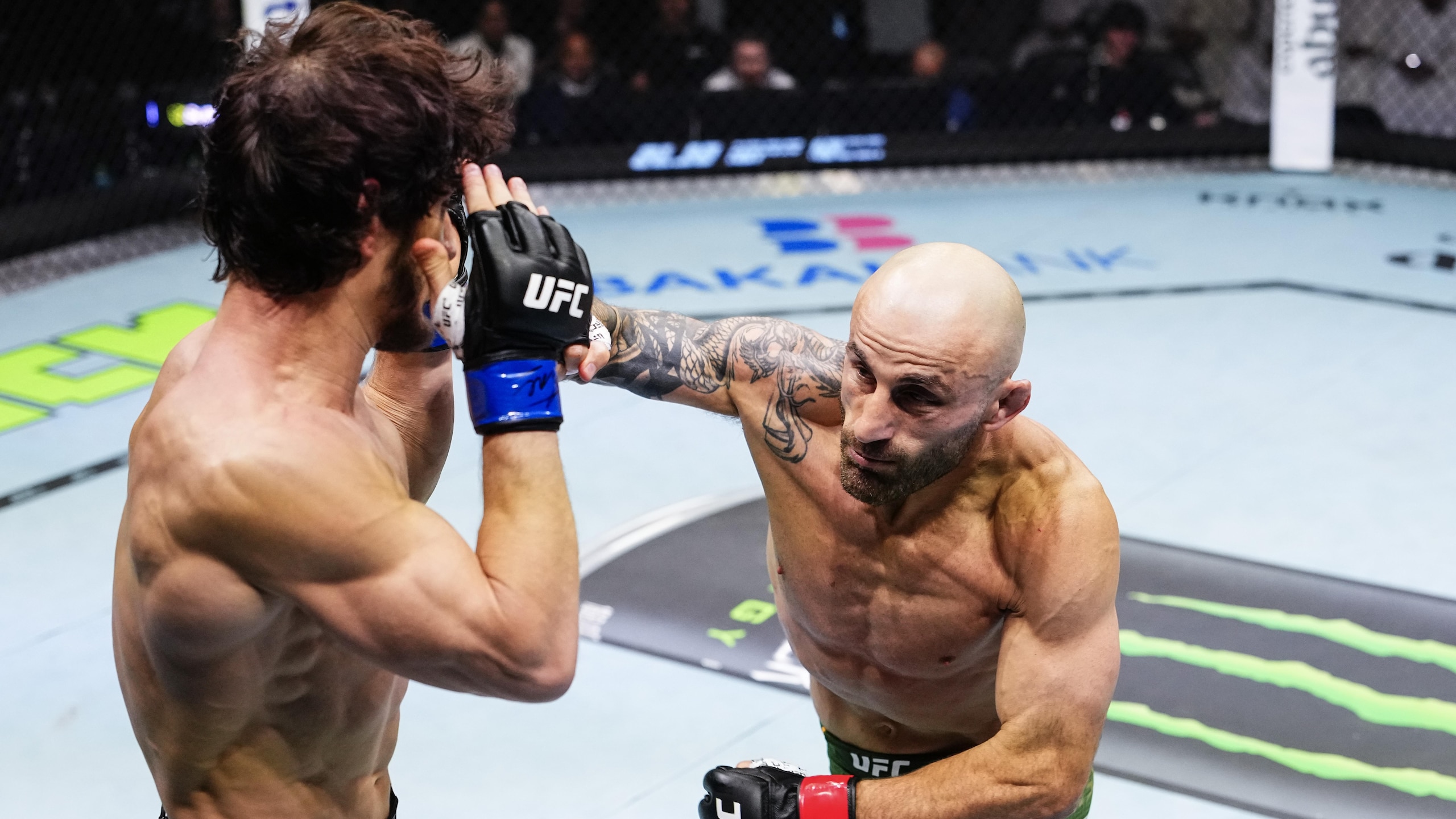
It’s almost as if all of the body slams and clotheslines have caused trauma to his head to the point that he has completely forgotten that mixed martial arts is actually real. When you see a UFC fighter step into the cage, you are getting the real deal—not some pre-packaged junk that a former TV sitcom writer came up with.
Love them or hate them, the UFC fighters are who they are and the company isn’t going to try to change that... Unless, of course, they are bashing sponsors like Brock Lesnar famously did after one of his victories in the Octagon.
It seems as if Triple H believes that these fighters should be trying to create some sort of personas to identify with segments of the audience, as pro wrestling has done over the years.
Unfortunately for Triple H, though, the truth is that the WWE product has become incredibly stale because the personalities of the superstars are no longer shining through.
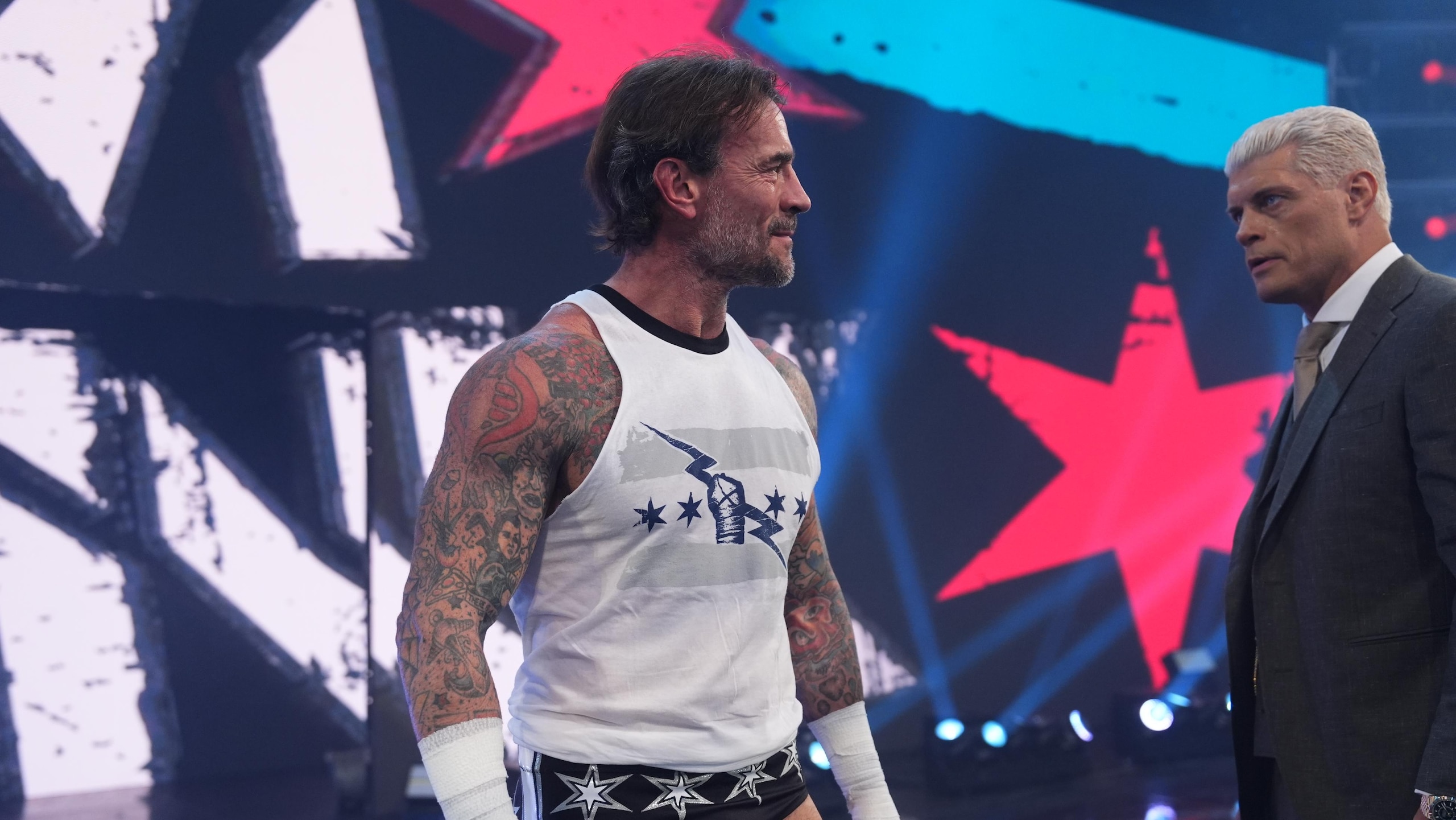
While the superstars of the past used to be able to ad-lib and even completely shoot from the hip on certain occasions, that has now become an incredibly rare occurrence. It’s so rare, that when CM Punk did it just a few short months ago, it was viewed at almost as a phenomenon.
The UFC may not be putting on scripted promos, but instead of having to simulate real life with stories and words, they are living real life every time they step in the cage. If that’s not entertainment, I don’t know what is.
1. The Truth About Competition
5 of 5Despite both organizations' best efforts to explain that they are completely different forms of entertainment with little to nothing in common outside of a certain superstar named Brock Lesnar, it doesn’t take a genius to realize that the WWE and UFC are at least in some form of competition.
Yes, we get it. Mixed martial arts is a sport while pro wrestling is sports entertainment. There’s no competition there, right? Wrong.
These companies are smart enough to not admit that they are directly competing with one another, but it is no coincidence that the two moguls almost never engage in television or pay-per-view competition.
But the companies trying to tell us that the competition isn’t there is really, quite obviously, a false concept.
A simple poll of WWE and UFC fans would almost certainly indicate a large crossover from one fanbase to another. But the number may grow from significant to staggering if the question asked about former WWE wrestling fans who are now fans of the UFC.
This simple point outlines why, despite what the WWE wants to tell us, the UFC is a massive competitor for them. In fact, they are a bigger competitor than every other American professional wrestling organization combined.
Why? Because they actually have the capacity to steal an audience. Not only that, but they already have.
What’s interesting is that the WWE truly isn’t a concern for the UFC. The number of fans who have stopped watching the UFC to begin watching WWE can probably be counted on one hand.
True competition will always have a leg up on simulated competition. Even if that simulated competition from the WWE contains a lot more “pizazz” to it, it is never going to have that same level of credibility that the UFC does.
Certainly no one is suggesting that the WWE goes back to the original pro wrestling roots back when the competition was actually real, but there is absolutely reason to believe that a philosophical change from the top is needed to keep this company afloat in the coming years.
The UFC is the fastest growing sports organization in the country all while the WWE is slowly sinking deeper into its grave.
Pro wrestling will likely never go away, at least not anytime in the near future, but that doesn’t mean that the WWE will be a part of it.
If they don’t begin to evolve their product in order to match their changing audience, they will be swallowed up by the UFC and other forms of competition before we even have a chance to say goodbye.

.jpg?w=2560 "Mahomes Told Teammate to Leave Meeting")


.jpg?w=2560 "🚨 Week 8 AP Top 25 Poll")

.jpg?w=2560 "Updates from EVERY NFL Game 🏈")
.jpg?w=2560 "Baker Gets Glove From Rays 🧤")