Arsenal Transfer Review: Per Mertesacker Moves to Familiar Surroundings at AFC
Arsenal has just come out of an utterly embarrassing 8-2 drubbing at the hands of their second biggest rivals, Manchester United.
While they were suffering from a host of injuries, especially defensively, this loss was the final exclamation point to a horrible summer transfer season where Arsenal failed to bring in much needed defensive reinforcement. That is until now. Many expected Arsenal to be trounced but the final scoreline shocked even the most pessimistic Arsenal supporter and most importantly, shocked Wenger's perception of his team to the ground.
It wasn't long until Wenger decided to double up on his attempts to sign the defenders he needed and not be picky about the price. First on his list was Brazilian left back, Andre Santos, for six million pounds, a questionable signing to say to the least given the Brazilian's lack of form for the national side. Next on Wenger's list was long touted 75 cap, 26 year old German center back, Per Mertesacker, from Werder Bremen for 10 Million Pounds.


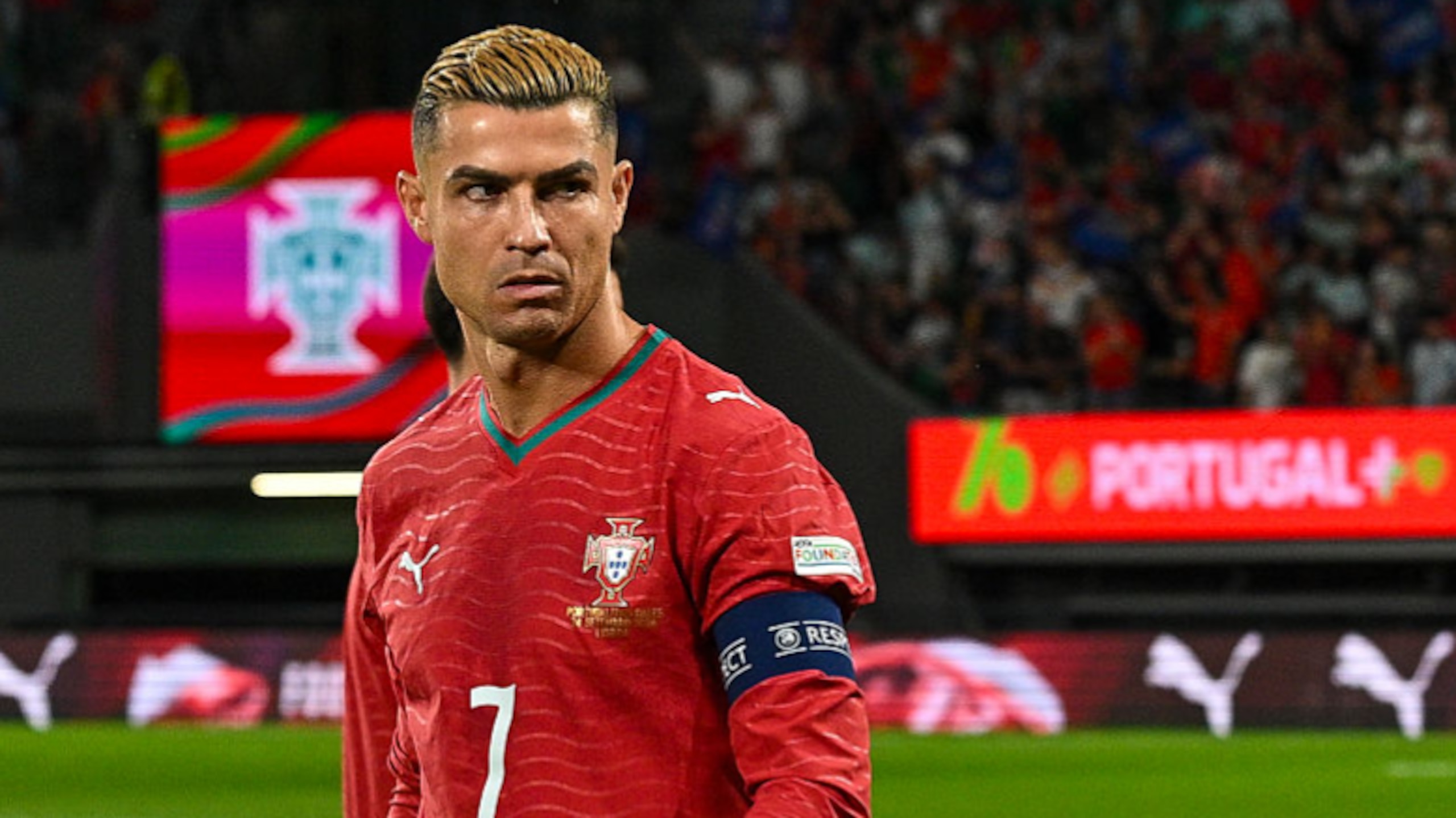
Mertesacker is a defender who comes with quite a reputation, having played regularly in all of the last three major international tournaments for Germany, he has had the opportunity to his display his talents to a worldwide audience; something he isn't able to do playing in the Bundesliga.
Despite his many impressive performances, most opinionated people regard Mertesacker as an average defender who is only good in the air but extremely slow. While both are correct, there is much more to Mertesacker's game that Bremen and Germany fans are aware of.
Werder Bremen under manager Thomas Schaaf have always been a side that pride themselves on their ability to play attractive passing football and the tradition starts from the back, building up with short passes to the midfielders and ultimately finishing with technically proficient strikers. Mertesacker has been part of that philosophy for the past five years and has therefore built the ability to play passes from the back with confidence and accuracy.
Even though, Bremen have lost much of their ability to hold possession during the last two seasons due to the loss of vital midfield players, Mertesacker has still attempted 157 passes this season in four matches, 88 percent of which have been completed. This is numbers for a regular defender.
The numbers are even higher for his German matches where Germany enjoy a much more fluid possession system in which Mertesacker is able to contribute efficiently, while not being at the level of some of his fellow German center backs like Holger Badstuber, Jerome Boateng and Mats Hummels.
Passing the ball from defense is also a vital component to Arsenal's attacking tactic. A key to that component is Thomas Vermaelen and Wenger has always made it a point to try and sign defenders who are comfortable on the ball and are able to distribute from the back, thus the signing of Frenchman Laurent Koscielny. One might consider this to be the reason why Wenger was more keen to sign Everton's Phil Jagielka. Mertesacker might not be as good as the aforementioned players when it comes to being comfortable on the ball, but he is still not as bad a player as people suggest.
Another well-known aspect of Arsenal's defence is their strategy of playing with a very high line, that has been the major cause for much of Arsenal's distress over the years. While having an offense that has always been amongst the best in Europe, let alone England, their defence has consistently dropped below that of their title rivals.
In the past three seasons, Arsenal have conceded 43, 41 and 37 goals and in all those seasons Arsenal have come out as having the fourth best defensive team. A stat that not only suggests that Arsenal are well behind their competitors but also worryingly that the defence is getting worse over the recent campaigns.
Therefore, one worry from the Arsenal fans has been about how, if infact Wenger continues to play the high defensive line even after the United match. Well Mertesacker will be able to handle himself playing in a high defensive line given his huge lack of speed. The graph should put some of that doubt to rest.
As the title suggests, Mertesacker will be moving to familiar surroundings in terms of the tactics Bremen play with, not only with the way Bremen like to start attacks from the back but also in relation to their high line defence. Something that is shown from the above graph showing Mertesacker's positions in his most recent match against Hoffenheim.
Even though Bremen were playing away from home against a team known for their attacking proficiency, Mertesacker can be seen to be playing close to the half way line most of the time, something he will most likely have to do while playing for Arsenal as well.
Whether this tactic is the best use of Mertesacker's ability though is quite a debating point, one in which my view is against. It should be stated that while Bremen have been playing with a high defensive line with Mertesacker in the side, their defensive record as been much worse than that of Arsenal. In comparison to goals Arsenal have conceded in the past three years, Bremen have let in 61, 40 and 50 goals.
Even throughout those years of his teams poor defensive performance, Mertesacker has always been the first choice center back for Joachim Low's German national side. With good reason it must be stated, Germany's defensive performance bares a stark contrast to those of Bremen, even though both adopt the same tactic for most matches.
In 2010, Germany conceded just nine goals in 17 matches, five of which came in seven games during the World Cup. It was during the World Cup that Mertesacker put in some of his best performances in a German shirt. Against Argentina's amazing attacking line-up consisting of Di Maria, Higuain, Tevez and Messi, Mertesacker put in an impeccable performance as Argentina didn't have a sniff of goal.
The same was the case against the European and World Champions Spain who would only get their goal from a set-piece. It is important to mention those two matches since in both, Low adopted a much different strategy to what Germans were used to seeing. Coming up against two vastly talented, and quick attacks, Low decided to play his defense deeper then usual and close the space behind the defenders for the attackers to run into.
The dependence now was on the ability of Mertesacker and his defensive partner, Arne Friedrich, to intercept any passes and mark the space tightly, something which did with relative ease. It was a perfect illustration of Mertesacker's world class ability to read the game infront of him. Even during this season where Bremen have shipped in five goals in their four matches, Mertesacker boasts amazing tackling numbers.
Attempting 74 challenges (18 aerial and and 58 ground), Mertesacker had an an amazing success rate of 84 percent(79 percent aerial and and 83 percent ground) far outperforming his fellow German rivals with Hummels (60 percent aerial, 73 percent ground), Boateng (78 percent aerial, 63 percent ground), Badstuber (63 percent aerial, 65 percent ground) and Howedes (65 percent aerial, 81 percent ground) all lacking in both aspects of defending. Infact, the only defender who possess tackling success even close to Mertesacker is future German international Phillpp Wollscheid (89 percent aerial, 73 percent ground).
The big question therefore is how Arsene Wenger will see his defence play out the rest of the season with Mertesacker now leading at the back. His qualities and weaknesses are obvious to see and many Arsenal fans do not expect his signing for be a catalyst for a title run but would rather be very pleased just to see some stability brought into the back-line and a spot in the UEFA Champions League for next season.
Much of Arsenal's success in the future would be based upon how Mertesacker and Vermaelen adapt to each others games.
History has said that successful defensive pairings usually involve one with great ability to read the game and another who is more aggressive and physically stronger. The same can be said about Mertesacker and Vermaelen.
Success would also depend on how Wenger sees his defensive line playing, a deep line would be more suited to Mertesacker's ability while a high line would be suited towards Vermaelen's ability to close down attackers quickly. One thing is for certain though that which plan Wenger does adopt, Mertesacker would not have any problems adapting himself to it.



.jpg?w=2560 "Terrell Owens Being Sued for Defamation")