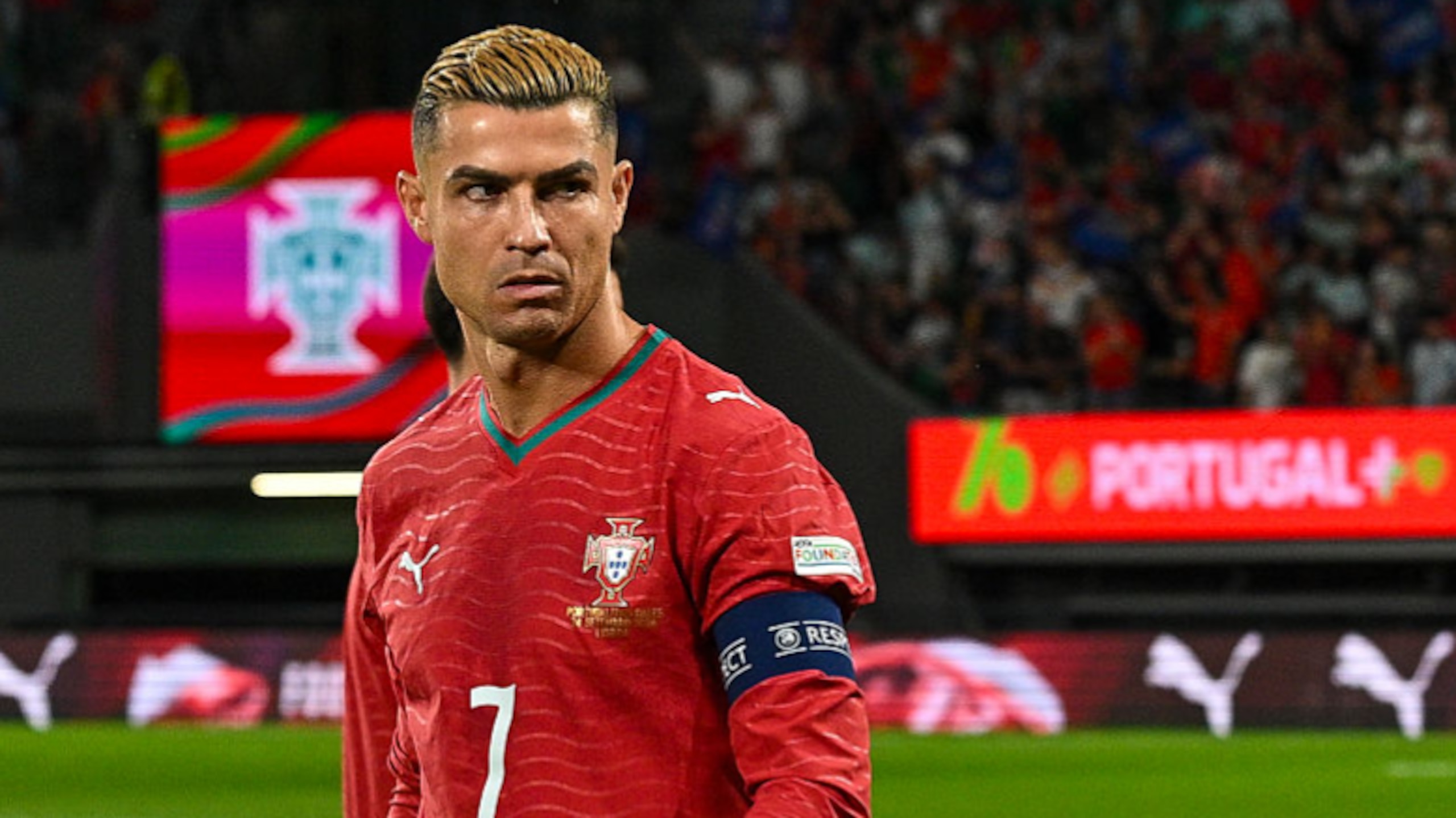
Cesc Fabregas and Samir Nasri Are Similar to LeBron James (I'm Serious)
The Decision 2010.
With what seemed like an inordinate amount of Americans glued to their TV sets, free agent LeBron James took the stage at an East Rutherford, N.J. Boys and Girls club. After forty-five minutes of inane babble and small talk, ESPN's man-on-the-scene, Jim Gray, finally got to the point.
Where was LeBron going to play in 2010-11?
TOP NEWS
Bron Dismisses Embiid Rumor 🧢
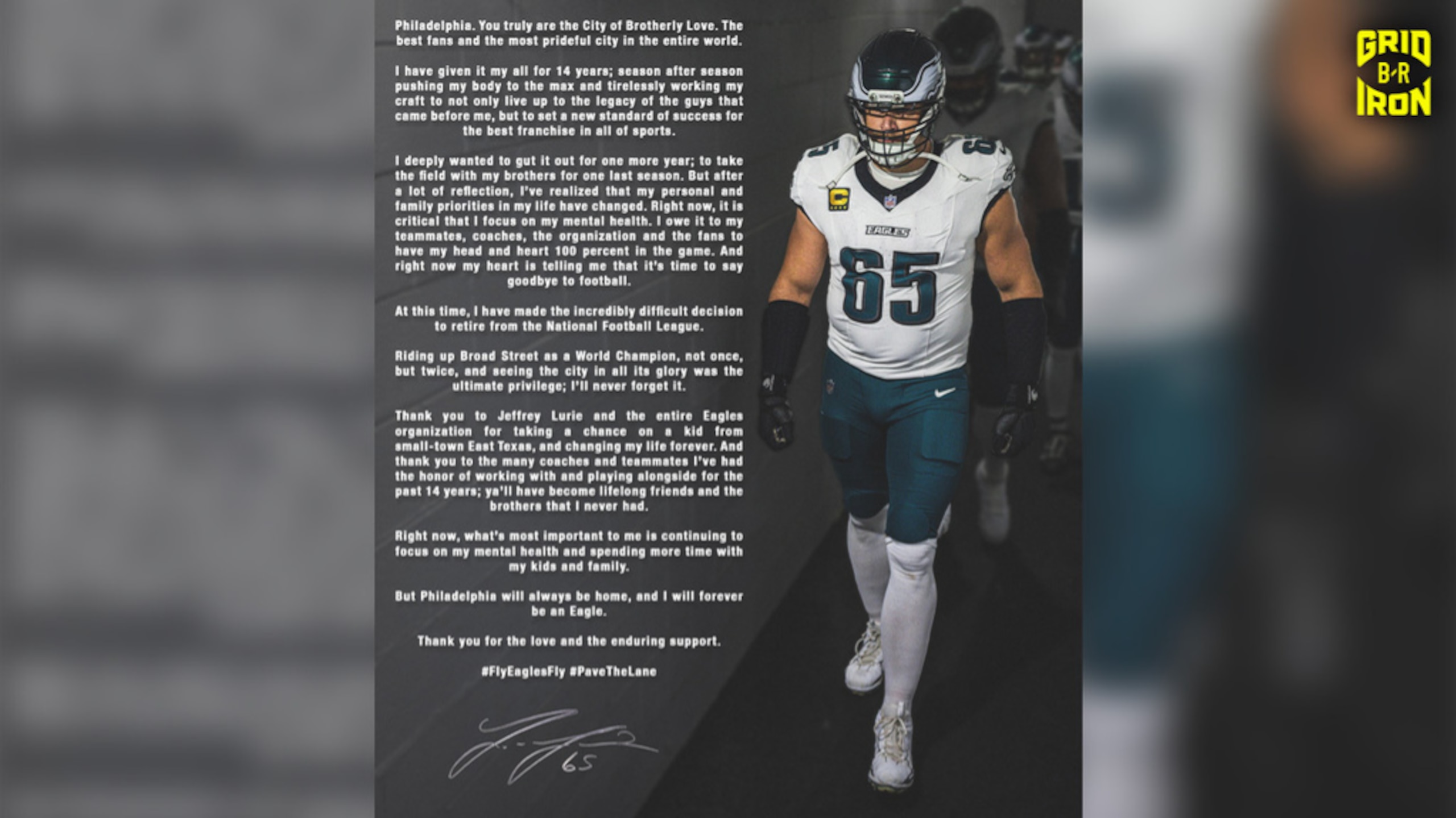
Lane Johnson Retirement Post🦅
1 Trade to Be Made for 0-4 Teams 🫡
We all know the ensuing script. In electing to bring his talents to the Miami Heat as opposed to returning to the Cleveland Cavaliers, LeBron made the smarter business decision. He would be joining two other NBA superstars—Chris Bosh and Dwyane Wade—immediately transforming the team into the prohibitive favorite to win the Eastern Conference.
Yet from a fan's perspective (well, anyone outside of Miami—and can you really call a city that shows up mid-way into the second quarter of playoff games anything other than "fair-weather") the move bordered on treasonous intent.
It's a tricky business being a top athlete these days. Sports are a business, and just as you can't really get mad at someone for switching jobs, it's difficult to rag on a basketball player for moving to "greener" ($) pastures.
But there is something inherently different in sports. I doubt the shareholders at Morgan Stanley burn replica suits of a talented stock broker when he leaves the company. After all, 20,000 fans don't show up to those meetings.
Athletic events are a bit like movies for the paying public—we go to be distracted. We want them to give us something we missed throughout our working day. So when a top player leaves, it's understandable how a fan base might be upset.
Cleveland might have gone a bit overboard, but considering how their next LeBron-less season would go (not so well), one commiserates.
Cleveland fans, justifiably livid about "The Decision", took to the streets and contributed to the growing hole in the ozone with a night filled of burning all team memorabilia bearing James' No. 23.
"Michael Jordan would never have up and left the team that drafted him to win somewhere else," they said (or maybe that was just Cavs owner Dan Gilbert).
And to a point, that's exactly right. Jordan never did play for an NBA team other than Chicago during his lengthy career. That's why he's got a statue outside the United Center. Cleveland will probably only name the urinals in the Quicken Loans Arena after their former star.
Like James, Jordan's first Bulls teams struggled mightily during his early years—it wasn't until his seventh league campaign, in 1990-91, when he finally won his first NBA championship.
The Bulls did everything in their power to surround Jordan with the kind of talent that could win a league title.
By 1991, they had finally found the perfect blend of sidekicks and role players who complemented Jordan's all-around brilliance. It was a template coach Phil Jackson would adhere to until MJ's retirement (well, the second one) in 1998.
It would be unfair to say Dan Gilbert didn't try to do the same with Cleveland. A team that had been poor enough (whether they threw that season remains a poorly-kept secret) to nab James with the first overall pick in the 2003 draft was in the NBA Finals by his fourth season in the league.
True, they were nowhere near the Spurs in that series, and were swept. But the fact remains: that's not a bad franchise trajectory.
The Cavaliers would hover in the NBA's elite circle for the next three seasons, and though Gilbert tried—and tried hard—to get the right blend of talent around James, whether by putting Mo Williams at point, or Shaq in the post, it never led to a championship.
There was a symbolism in James' decision to wear No. 6 with the Heat. It was a conscious effort to distance himself from Jordan's number and, to a greater extent, Jordan's legacy.
He was becoming his own man in his move to Miami. The comparisons—never quite justified to begin with—had to stop at some point, and James could probably see them all burning away (literally) as he took off from Cleveland.
This brings me to Fabregas and Nasri.
Two men who both appear to have departed Arsenal with intentions similar to James. They want to win trophies—something they failed to achieve (Fabregas for six years, Nasri for three) with their former club.
Like James with Cleveland, they came awfully close numerous times. Arsenal were within shouting distance of multiple titles during the past three to four years, but always came up short.
Like Gilbert, Arsenal manager Arsene Wenger failed to adequately strengthen the side and create an aura of title-winning mentality. There were too many "Daniel Gibsons" or "J.J. Hicksons" within his Gunners' side. This new blood, while talented, wasn't good enough to lodge a realistic title threat.
The failure wore on Fabregas and Nasri (especially Nasri).
Like James, Fabregas was the leader of Arsenal. Elected captain in winter 2008, after then-skipper William Gallas' meltdown in the Birmingham City goal.
You'd be hard-pressed to find a more dedicated steward of the club.Yet there were always questions about his capabilities as a leader. Some wondered whether he had the stomach to get in a teammate's grill after a serious mistake like Tony Adams, a former Arsenal skipper, used to do with regularity.
Lebron James seemed cut from the same cloth. He appeared to thrive in his new Miami home, where he could defer to Wade at times. After years in Cleveland—where the finger was always pointed at him after a loss, he could hide (well, until that fiasco in the 2011 Finals) in Miami.
In the case of Fabregas, if his move to Barcelona is any indication, perhaps he feels more comfortable blending in with a side steeped in prodigious quality. He won't have to be the man with Barca.
Perhaps his game will flourish, and he'll be quicker on his feet with the worry eviscerated from his mind. With a title already in the bag (the 2011 Supercopa) one burden has already been lifted from his Catalan shoulders.
In some ways, Fabregas and Nasri combine to encapsulate the entire intent of James' 2010 free agent decision. The yin and yang of James' internal thought processes.
Some came out after "The Decision" and commiserated with James—after all, he'd given an awful lot to the Cavs during his seven years with the club and he hadn't won. He'd exhausted his time there, and had every right to move on. Those commiserates would fall into Fabregas' camp—the Catalan was with Arsenal for eight years!
Nasri's move always seemed to reflect the darker aspects of James' switch.
Those who came out after The Decision, and blasted James' selfishness—how could he leave a club like that, banishing them from relevance in order to further his pursuit of personal glory? He should have stayed and helped them win a title—fall more into Nasri's decision.
The former Marseille man, if reports this offseason have been accurate, seemed obsessed with money and personal fame. He can achieve both with Manchester City, what with seeing as how the media have become infatuated with their nouveau riche persona—the most tantalizing version of that age-old theme since James Gatz, er, Jay Gatsby.
Nasri will fall into a side that's literally a who's who of top world talent. Perhaps that's what he wants.
Both Fabregas and Nasri have left for sides oozing with talent. Somewhat like James, no?
One hopes that Arsenal won't experience the same free-fall experienced by the miserable Cavs during their forgetful 2011-12 season.
Yet, with the way things are looking at present (after a complex ritual of finger-crossing, knocking on wood, and throwing salt over shoulder for the Udinese second leg, Arsenal won!), the Gunners may yet be in for a long season.
But heck, why not submit to hope, that most fickle, yet wonderful of human emotion.

.jpg?w=2560 "Terrell Owens Being Sued for Defamation")
.jpg?w=2560 "CJGJ Shares Cryptic Post 🤔")