Arsene Wenger's 'Cesc Fabregas Project': Making Sense of It
Upon Thierry Henry's departure back in 2007, 20-year old Spanish playmaker Cesc Fabregas became Arsenal's poster boy.
That much he probably already knew. Fabregas became the fulcrum of Arsenal's attack, the engine behind the team and the glue that kept the fans united under one flag.
What he probably didn't know was that Henry's departure essentially heralded in a new era at the club, one in which he quite literally became the major component—The "Cesc Fabregas Project."


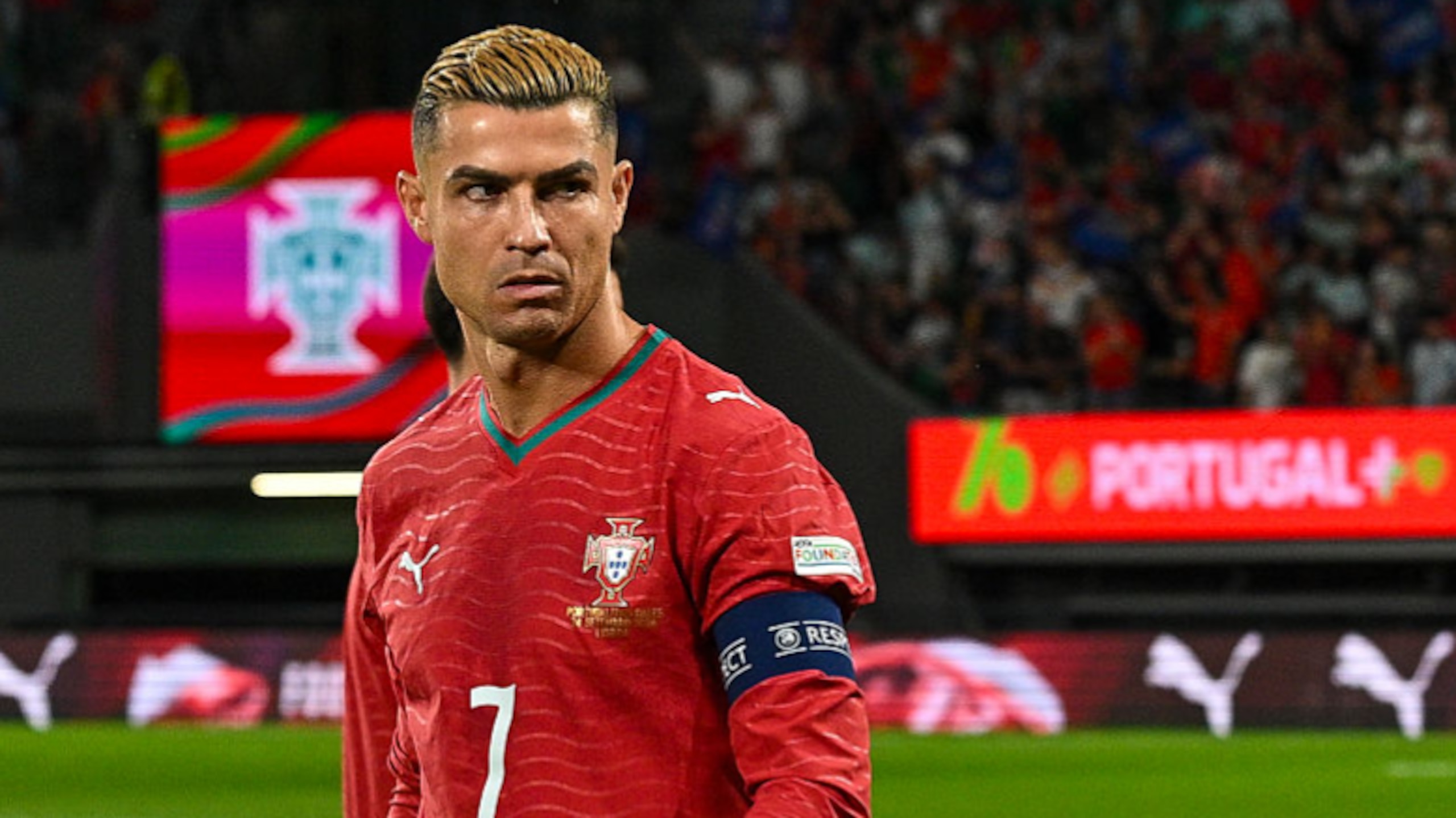
This following article will examine the history of Cesc Fabregas' career as a Gunner and possibly try and make sense of why a project centered around such talented a player failed.
The Early Years
The 2004/2005 season was arguably Cesc Fabregas' breakout campaign, as he went from strength to strength while performing impressively at the heart of the midfield, a position he would later make his own.
Fabregas—and arguably Robin van Persie—during that time, had the luxury of developing alongside the all-time Arsenal greats: The Invincibles.
The mere presence of players like Dennis Bergkamp, Robert Pires and Thierry Henry allowed the Spaniard to develop his game without the added pressure that comes along with being "the main man."
Though undoubtedly talented from the beginning, there's no doubt in my mind that playing with the aforementioned giants enabled Cesc to appear "better" than he was, as he was often described as a player that played with maturity "beyond his years." Ultimately, this made Cesc Fabregas, at just 17, a rare gem in the football world.
And Arsene Wenger, aware of that fact, decided to capitalize on it.
Though that campaign saw Arsenal lose their "Invincibles" label, they managed to win the FA Cup in what turned out to be Cesc's only major successful season with the club.
What followed were the departures of then Arsenal captain Patrick Vieira and Brazilian midfielder Edu, leaving young Cesc Fabregas as an automatic starter in Wenger's team, followed closely by fellow youngsters Mathieu Flamini and Robin van Persie.
Though the following season failed to bear any substantial fruit as well, Arsenal's run to the Champions League Final—in which Fabregas played an imperative role—ultimately proved to be the stage at which the young playmaker announced himself to the rest of Europe.
It was also arguably the turning point in his career, as it convinced Arsene Wenger of the Spaniard's limitless talent and prompted him to begin building a team around the young playmaker.
The Emirates Years
The beginning of Arsenal's move to their new home, The Emirates Stadium, could not have possibly started any worse, as it saw the likes of Robert Pires, Sol Campbell and Ashley Cole depart the club in search of fresh challenges.
Arsenal's Dutch legend Dennis Bergkamp also retired that same summer, essentially ushering in a new generation at the club, as within a matter of three years, more than half of the team had been uprooted.
The only real experienced faces in the Arsenal dressing room then were that of Thierry Henry, Freddie Ljungberg, Gilberto Silva and goalkeeper Jens Lehmann.
Cesc Fabregas was now handed an even more monumental task, as he was expected to creatively drive the team forward almost single-handedly—a task that he no doubt accomplished relatively well. The problem though was that by this point, at only 19 years of age, he was already starting to be looked at as a senior player.
That season (06/07), despite making the Carling Cup final, Arsenal failed to achieve anything substantial besides a Top Four finish. A woeful end to the season was further soured by the departure of the team's remaining experienced players—record goalscorer Thierry Henry and clutch midfielder Freddie Ljungberg.
Though the team still had experience in the form of Gilberto Silva and Jens Lehmann, the pair were (prematurely) replaced by promising youngsters, essentially meaning that Arsenal's team, headed by 20-year old Fabregas, was now completely comprised of inexperienced and unproven "youngsters."
Though Arsenal performed valiantly that season and came close to securing an EPL title (against all odds), the team's lack of experience eventually showed as The Gunners surrendered an eight-point lead at the summit to eventually finish third.
Rise to Captaincy
Fast-forward a few years, and now Cesc Fabregas—surrounded by players in their early 20s—is given the captaincy at just 21 years old, following an internal fracas which saw ex-captain William Gallas lose the armband.
In between that valiant finish (in 07/08) and Fabregas' rise to captain, Arsenal lost another youth-project graduate—Mathieu Flamini—on a free to AC Milan, while experienced winger Alex Hleb jumped ship to Catalonia.
Flamini's departure came at a bad time for the club, as they had already let go of Gilberto and Lassana Diarra earlier that season. Instead of replacing the trio with like-for-like replacements, however, Wenger opted to surround the captain with younger (and ultimately cheaper) players that lacked experience as part of his project—a possible attempt to try and keep young Cesc Fabregas reminded of his role in the team.
Fabregas, who all of a sudden wasn't so "young" any more, was expected to pick up the pieces almost single-handedly and guide Arsenal to the promised land.
3 Barren Years and the Inevitable Departure
Over the next three years, Arsenal failed to achieve anything of substantial value, as they frustratingly endured season after season of trophy-less campaigns comprised of constant changes in the dressing room.
During that time, Arsene Wenger had even adjusted his formation and the personnel surrounding him to support his playmaker-captain's strengths, as he moved him to advanced positions to lead from the front. This was arguably the pinnacle of Wenger's "Cesc Fabregas Project," as he was given a free role to dictate the team and, in-turn, the game's tempo.
Though he put on some brilliant performances during his time in that position, the team once again failed when put to sword. By that point, it was clear that Fabregas' manager had failed to adequately nurture and utilize the midfielder by surrounding him with players bearing equal if not sufficient talent and possibly value. The French tactician's project was failing the team, and it was only a matter of time before something drastic happened.
And on August 15, 2011, after six barren years at the club, 24-year-old Cesc Fabregas signed for his boyhood club Barcelona, essentially meaning Arsenal had lost that component around which the entire team was built.
The transfer officially confirmed to the world that Arsene Wenger's "Cesc Fabregas Project" had failed.


.jpg?w=2560 "Terrell Owens Being Sued for Defamation")