
Chelsea's Homegrown Solution to the Credit Crunch: Reality or Mere Rhetoric?
The global financial crisis has left a lot of victims in its wake. Banks have been bailed out, jobs have been lost, and revered financial institutions such as Lehman Brothers have gone under. Even Roman Abramovich has been feeling the pinch. The Russian oligarch has seen his fortune dwindle as the Russian stock market has taken a battering.
Chelsea are also feeling the effects. Peter Kenyon and Bruce Buck have been talking in recent weeks of how the downturn will affect the club. The message is that cuts and sacrifices will have to be made to ensure that the club emerges from this economic peril in a stable position.
At the start of the month, Chelsea announced that a number of scouts would be released and the club would focus its attention on a few key areas, rather than the pre-existing wider approach.
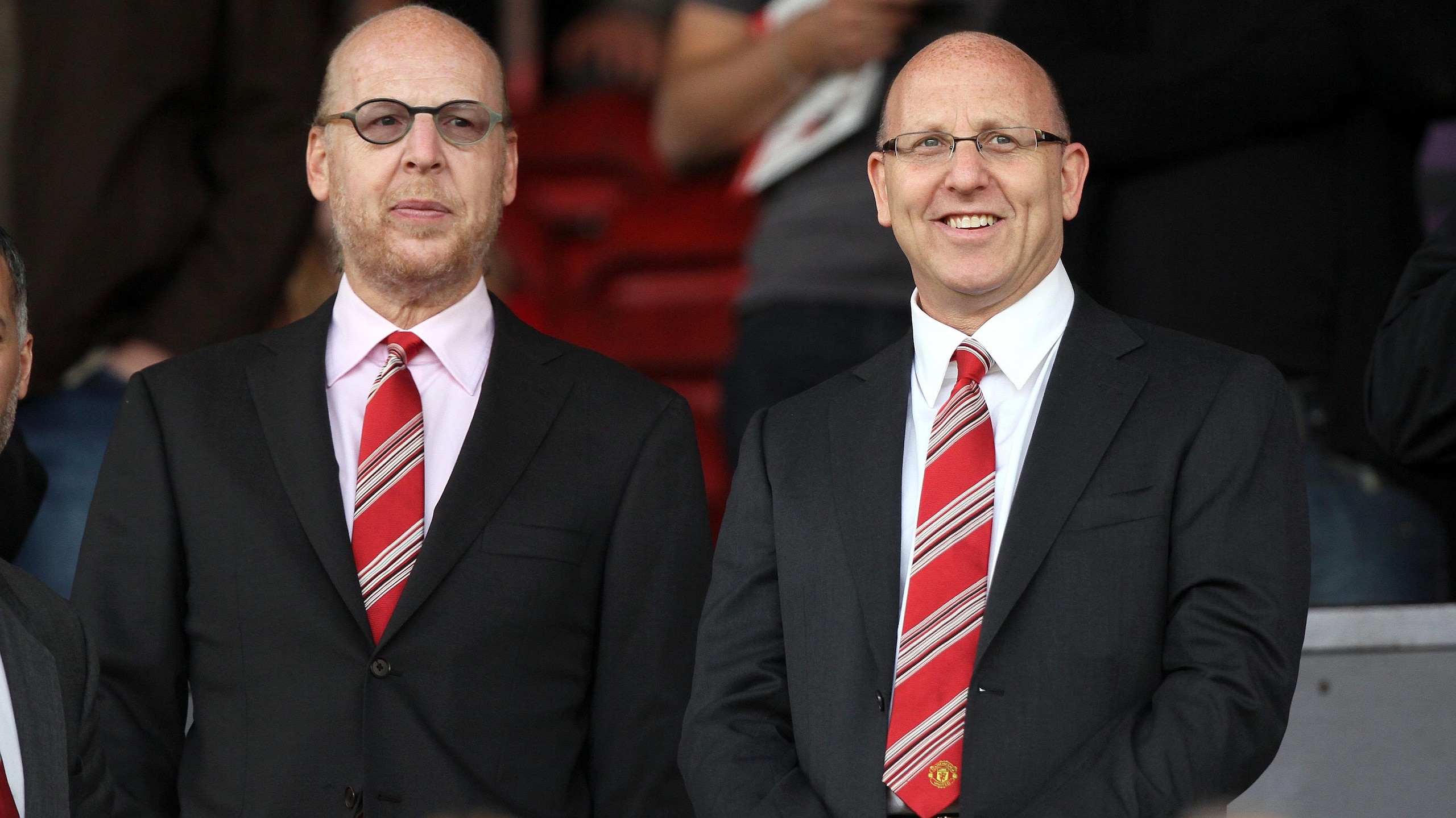
Speaking at the International Football Arena symposium at FIFA House in Zurich yesterday, Chelsea chief executive Peter Kenyon outlined ways in which the West London club would cope with the effects of the financial crisis.
"The financial crisis has affected everybody who has shares, property or a pension, nobody has been immune, and neither is football.

"There is less money than before. We are keeping a close eye on our costs and reining back in other areas to put the business in better shape."
"Realigning the scouting system was about looking at where we want to be," he said.
"We've made a commitment to having the core of our team English; we are developing our youth.
"The rules from Uefa on home-grown players and Fifa's proposal for 6+5 puts a real onus on clubs to develop their own talent much more fully. With that comes a lot of benefits, and so we looked at our scouting programme to be more focused."
Kenyon also suggested that Luiz Felipe Scolari will have to sell before he can buy anyone in the January transfer window.
“I have said before it is extremely unlikely we will spend in January and increase our squad. Felipe is on board with that,” Kenyon said.
“He has an excellent squad and he is doing a great job. We would have to sell someone if we decided to bring someone in to balance that situation, but at this stage we are not planning to bring anyone in.”
Focusing on youth makes plenty of sense, after all you don’t usually have to pay anything for a player who has risen through the ranks at the club (bar compensation in some circumstances). Plenty of talking has been done by the club, but how much progress has the club made towards ensuring that there is a steady pool of future stars ready to be called upon?
A look at the facilities and the make-up of the players gives Chelsea fans some encouraging signs.
A huge investment has indeed been made by the club. This summer, the club’s new youth facilities opened at Cobham in Surrey.
Before this, Chelsea’s youth team facilities and infrastructure left a lot to be desired. And it showed. In the last 10 years, John Terry is the only Academy graduate to progress to truly becoming a part of the first team squad. The likes of Carlton Cole, Mikael Forsell and Robert Huth have flirted with this prospect, but have eventually fallen by the wayside and moved on to pastures new.
When Roman Abramovich bought the club in 2003, he didn’t have much of a base to build upon. Over the past couple of years, the base has been built up and strengthened. Chelsea’s youth team reached the final of the FA Youth Cup for the first time in over 30 years last season.
Another promising indicator is the fact that the core of the Academy is English, showing that Kenyon’s word do have some credibility. 75 per cent of players currently in the Academy are English with 18 England internationals below Under 21 level.
But, will these promising starlets even be given the chance to impress?
Due to the demands of top level European football, many will not make the grade. It is a hard truth in football.
Also, managers might be reluctant to throw them in and see how they fare. Luiz Felipe Scolari has a better record than most other managers at bringing through young players, but I do sense a reluctance from him to really give them a real chance like Arsene Wenger does in the Carling Cup.
A number of times this season, Scolari has seen fit to bring on established squad members towards the end of a game, instead of the likes of Franco Di Santo, Miroslav Stoch and Scott Sinclair. Sunday’s encounter with Blackburn is a good example. Scolari could have given Sinclair or Di Santo a few minutes to acclimatise them to top flight football, but instead he chose to send on Paulo Ferreira. There was no danger of Blackburn staging any sort of comeback, Chelsea were 2-0 up and cruising.
What did the Brazilian have to lose?
It is a relatively minor quibble, and Scolari has only been at the club for a few months. As I’ve said in my articles before, he will need time to judge players and decide how he will nurture the club’s young talent.
From having barely any semblance of a youth structure, Chelsea are making slow but sure progress. Talented youngsters are beginning to trickle through, and if you take Peter Kenyon’s word at face value, it appears as if the stock invested in the club’s young talent is set to rise as this financial firestorm continues to rage.

.jpg?w=2560 "Chiefs Giants Football")
.jpg?w=2560 "🚨 Week 8 AP Top 25 Poll")




.jpg?w=2560 "Updates from EVERY NFL Game 🏈")
.jpg?w=2560 "Baker Gets Glove From Rays 🧤")