

Wesley Sneijder or Luka Modric: Debating Manchester United's Transfer Prospects
Manchester United’s central midfield deficiencies were put on a pedestal and paraded to the world as Barcelona mercilessly tore the proverbial heart of this spirited United team. It was barbarism in a maroon and blue shirt; ruthlessly pillaging dwarfs running amok against a lone South Korean defender of the realm.
What the final has shown us, though, is that no matter how much it hurt at the time, was that for United to compete on all fronts in the future, such an obvious malaise cannot be given provision to manifest itself.
What more, with the retirement of the prodigiously talented Paul Scholes in the wake of the defeat, the central midfield flaw has only exacerbated.
The primary objective, along with a goalkeeper, (who, according to reports, has already been signed) for the forthcoming transfer window, is surely to address such imbalances in the roster.
Two names have continued to crop up over recent weeks to fit the manifesto of a creative goal-scoring midfielder with great vision, who could become Manchester United’s creative hub in the years to come. The two men? Holland and Inter Milan’s, Wesley Sneijder, and Croatia and Tottenham Hotspur’s, Luka Modric.
There is only space for one in the side, as much as we would like both. So, which one should it be?
General Information and Brief History
1 of 7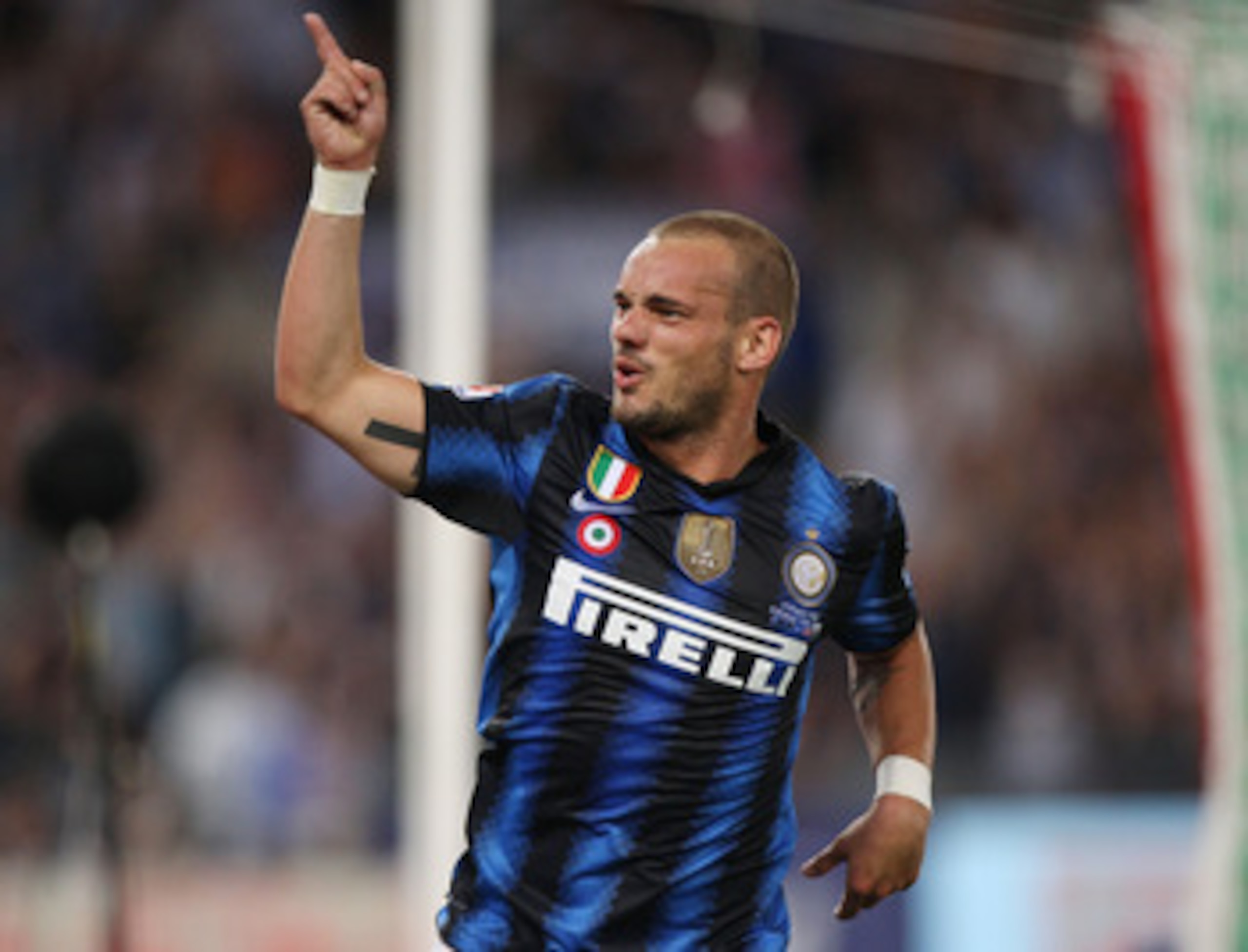
Wesley Sneijder currently plies his trade at deposed Italian league and Champions League holders Inter Milan. The Dutchman, who has been with the Nerrazurri since 2009 after his move from Real Madrid, last season enjoyed the best season of his life, winning the Italian league, cup and European treble as well as helping his country to the World Cup final.
Sneijder’s performances were recognised as he was voted 2010’s Midfielder of the Year in January and some went as far as saying he was the worthy heir to the World Player of the Year title (which was won by Barcelona’s Lionel Messi).
This year however has been a different story for the 5’7" Sneijder, as after Inter manager Jose Mourinho’s move to the Galactico’s of Madrid, Inter have never looked like scaling the heights of previous campaigns. After losing out to Schalke in the Champions League semi-final and a Rafa Benitez induced bumbling start to the Serie A season left them unable to close the gap on arch nemesis AC Milan, Inter finished 2010-2011 empty handed.
Sneijder has been rather coy in his media comments about the chances of an imminent move, juxtaposing himself by first calling Manchester United a “beautiful club” before seemingly back-tracking to distance himself from a move away from the San Siro. Yet, at 26, and undoubtedly one of the world’s best players, can Inter still accommodate Sneijder’s lofty desires?
At 25, Modric is a year younger than Sneijder. Bought by Tottenham Hotspur from Croatian League side Dinamo Zagreb in 2008 for 12 million pounds, the slightly built Modric has impressed his scores of admirers with his attacking flair and delectable passing repertoire. Manchester United boss sir Alex Ferguson is a known admirer.
This year, after Tottenham’s failure to qualify for next season’s Champions league, the rumours of Modric’s departure from White Hart Lane have intensified. The player himself has also come out in the press, in a seeming attempt to force Spurs’ hand, saying the club must invest in additional top quality signings or he will leave this summer.
Along with the break-out star of 2010/2011, Gareth Bale, there is speculation that Modric’s eyes could well be turned by the bright lights of the Champions League.
Potential Transfer Value
2 of 7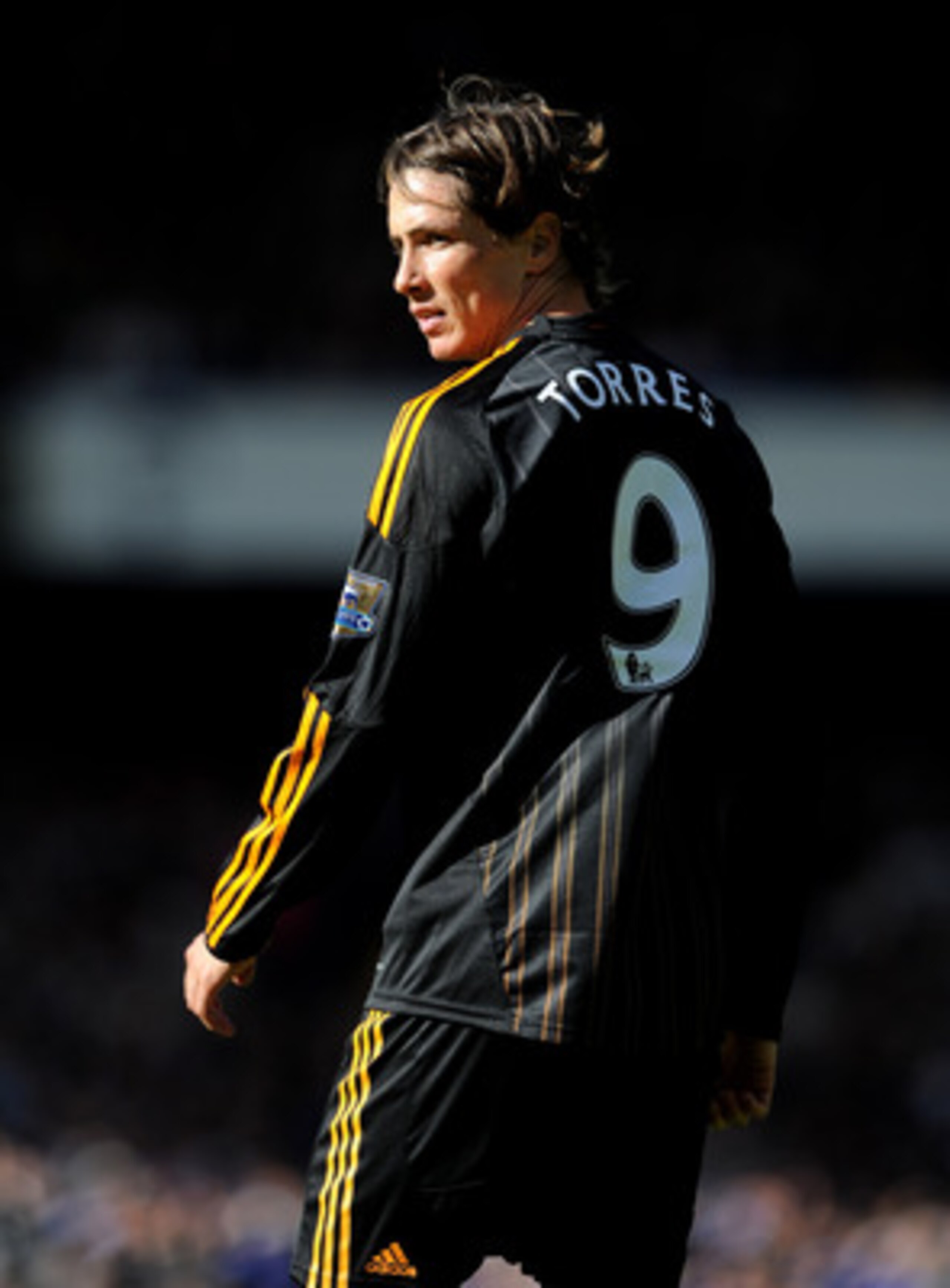
Under the circumstances, any deal that would bring Sneijder to Old Trafford is not going to come cheap. With a muted transfer fee of anywhere between 25 and 40 million pounds, the Dutchman’s transfer would constitute a significant outlay for the clubs notoriously reticent (of buying players with no resale value) owners.
Add to this a weekly wage of near on £200,000 a week,and it is inevitable that some will question the economic viability of signing Wesley.
Modric, too, will not be a cheap acquisition, after signing a new six year Tottenham deal at the start of the season, although he would most likely be a cheaper acquisition than Sneijder.
With a probable transfer fee of around 25 million pounds—or if some rumours are to be believed part of a proposed swap deal that would bring United striker Dimitar Berbatov back to Tottenham—and wages of just over £100,000. Whilst not cheap, Modric would represent a smaller outlay than a deal for Sneijder.
Goal-Scoring Ability
3 of 7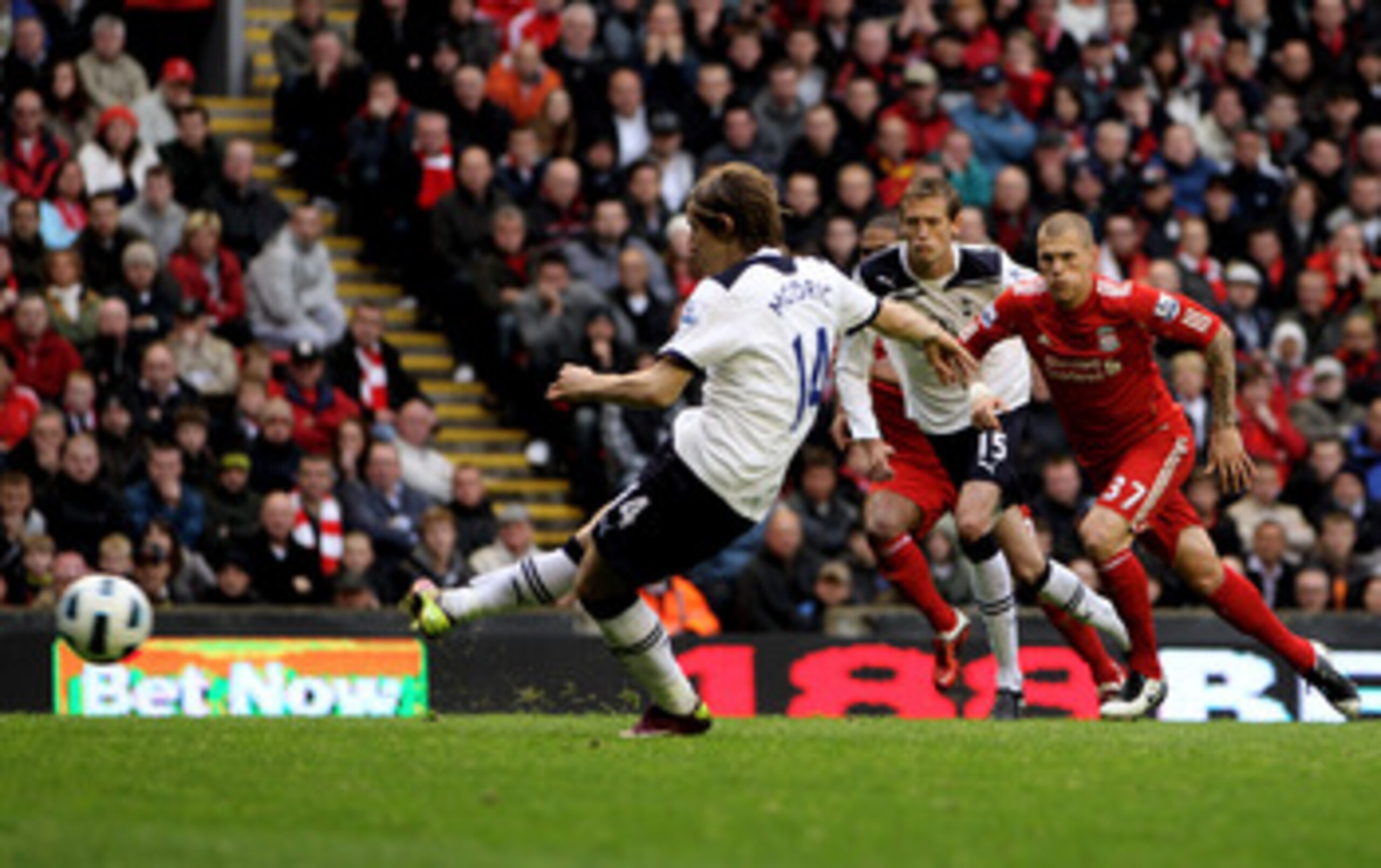
I think simple stats really show you all you need to know on this one so here goes:
Luka Modric:
Dinamo Zagreb (league appearances + goals)—31 in 112 appearances
Tottenham Hotspur—nine in 91 appearances
Croatia—seven in 44 appearances
Wesley Sneijder:
Ajax—48 in 127 appearances
Real Madrid—11 in 52 appearances
Internazionale—eight in 51 appearances
Netherlands—21 in 76 appearances

.jpg?w=2560)
Passing Range, Creativity and Vision
4 of 7
In my opinion, the only player who I have seen in recent years with a long passing range that was a match for Wesley Sneijder is, ironically, the man he would be replacing—the ginger assassin, Paul Scholes himself.
Sneijder just sees passes that other people just don’t see, in particular during the Champions League run and culminating World Cup of the 2009/2010 season. Wesley Sneijder’s passing at times seemed impervious to even the conventions of physics, such was its accuracy and creativity.
As a dribbler and creative runner with the ball there are, however, better options around than Sneijder. The Dutchman is neither the fastest player or one who maintains a particular penchant for running at defenders too often, instead relying on his prodigious passing acumen to navigate round the pitch.
Modric is almost the antithesis of this in, as such, that he is a better ball carrier and runner and less a visionary passer. Whilst his passing is undoubtedly very good, on the ball with a very low centre of gravity and fast tricky footwork, the Croatian is often known to beat his man before delivering the telling ball or making space.
The slightly built Modric is also faster than Sneijder, both with the ball as well as without and, despite his frame, is deceptively impervious to the crunching overtures of the EPL’s physical defences.
Set Pieces
5 of 7
Whilst Modric takes the occasional set piece and corner, it is not a trait he is especially famed for—indeed, he is often overlooked for Tottenham’s own Dutchman, Rafael van der Vaart, at set-piece opportunities.
Sneijder, on the other hand, is a master of the set piece. I would even be as bold as to claim that he is quite possibly the best architect of the set-piece in world football today.
Be it free-kicks or corners, Sneijder’s deliveries always come with a discernable goal threat. To add the Dutchman to a roster that already includes the likes of Nani, Ryan Giggs and Wayne Rooney would really aid the club in utilising the height and aerial prowess of the likes of Rio Ferdinand and Nemanja Vidic from their set-pieces.
Experience
6 of 7
Both men are seasoned international central midfielders, and being of almost identical ages and similar builds, can be compared favorably with one another.
Sneijder is the more experienced of the two, having competed in two out of the world’s three top leagues and amassed over 30 more caps than his Croatian counterpart. However, where Modric has the advantage is that his three years of experience have come in the league that matters—the English Premier League.
Although it is unlikely to prove an obstacle, the frenetic physicality of the EPL is an altogether different ball-game to the more languid Serie A and La Liga, (alright, it is a long shot) Sneijder could feasibly fail to adapt to the leagues style. These questions have already been answered about Modric so the ’risk’ (bear with me) of the deal is negligible.
The only doubt that one could possibly conjure about Modric is his obvious lack of very top level experience. Although Tottenham Hotspur are undoubtedly a very good club, Manchester United is a different animal which the Croatian will not have experienced yet at either club or national level.
Conclusion
7 of 7
Either of these men would be a great fit for Manchester United for next season. Both have their patently obvious abilities as well as their minor flaws. Either deal would signal a very real intent by Sir Alex Ferguson to make a good job of building the last great dynasty of his United reign and both players would go a long way to achieving this.
On the balance of rational analysis, in my personal opinion, though, I cant look beyond Wesley Sneijder as the perfect replacement for Paul Scholes.
He has the vision, passing range, goal-scoring threat and top level experience that just doesn’t come around all that often. If we can, we should.






.jpg?w=2560 "Viral Rams Coach Vid 🖕")