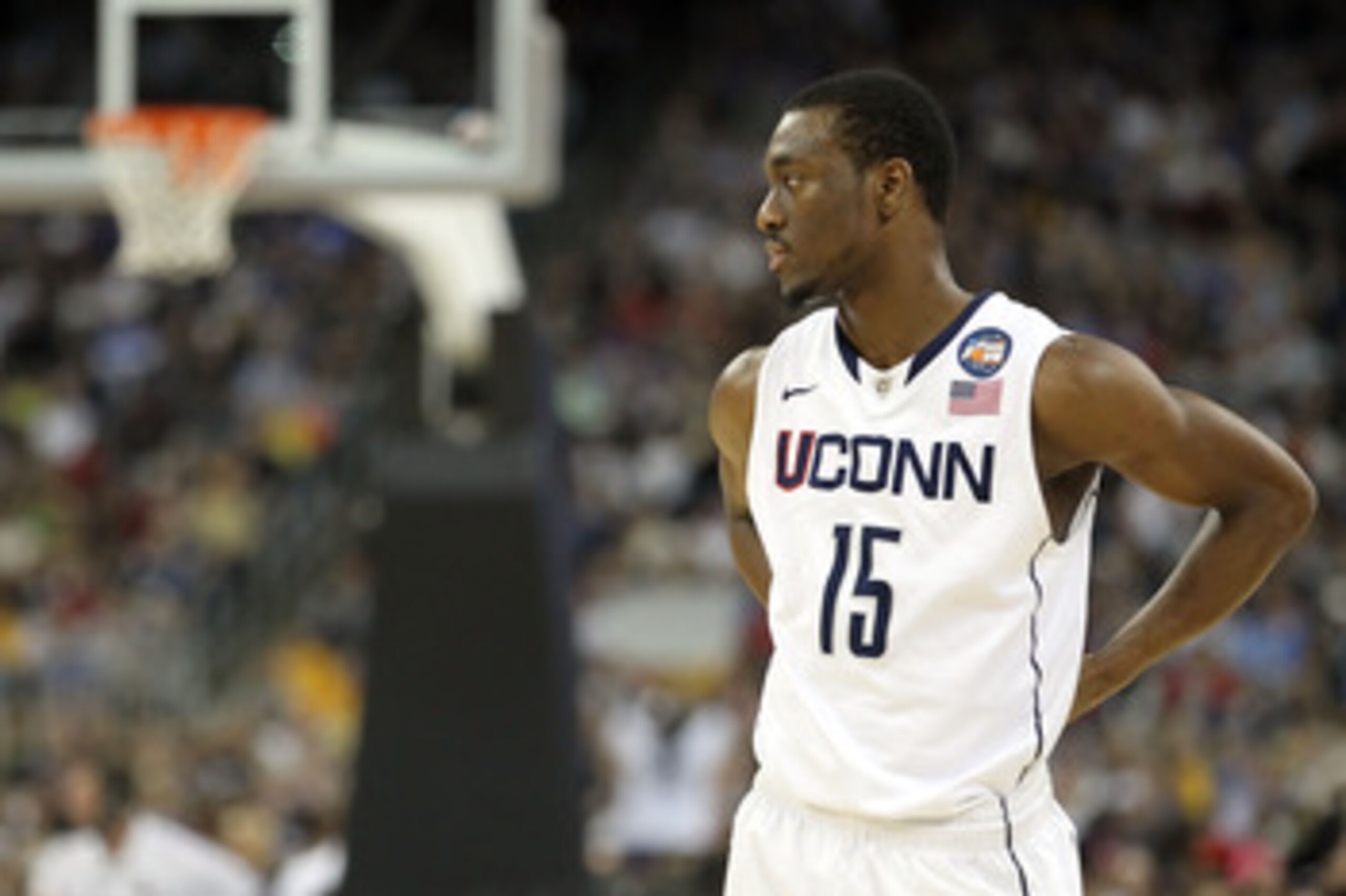

2011 NBA Draft: Kemba Walker and the 5 Top Combo Guards of the Draft
The draft is quickly approaching, and while the Miami Heat and Dallas Mavericks prepare for Game 1 of the NBA Finals tonight, the 28 remaining teams are spending hours preparing and reviewing draft prospects.
This year's class isn't exactly the strongest, but there are plenty of guards that will be taken early and often in the first round. Combo guards (players who possess the ability to play both point guard and shooting guard) are very useful to NBA teams in today's game.
Rather than taking a true point guard, a team can select a "combo guard" and play him at point guard. This allows for versatility within the team's depth chart, and becomes a huge help when the shooting guard goes down with an injury midway through the season.
Here are the best combo guards in this year's draft class (not in any particular order).
Kyrie Irving, Duke
1 of 6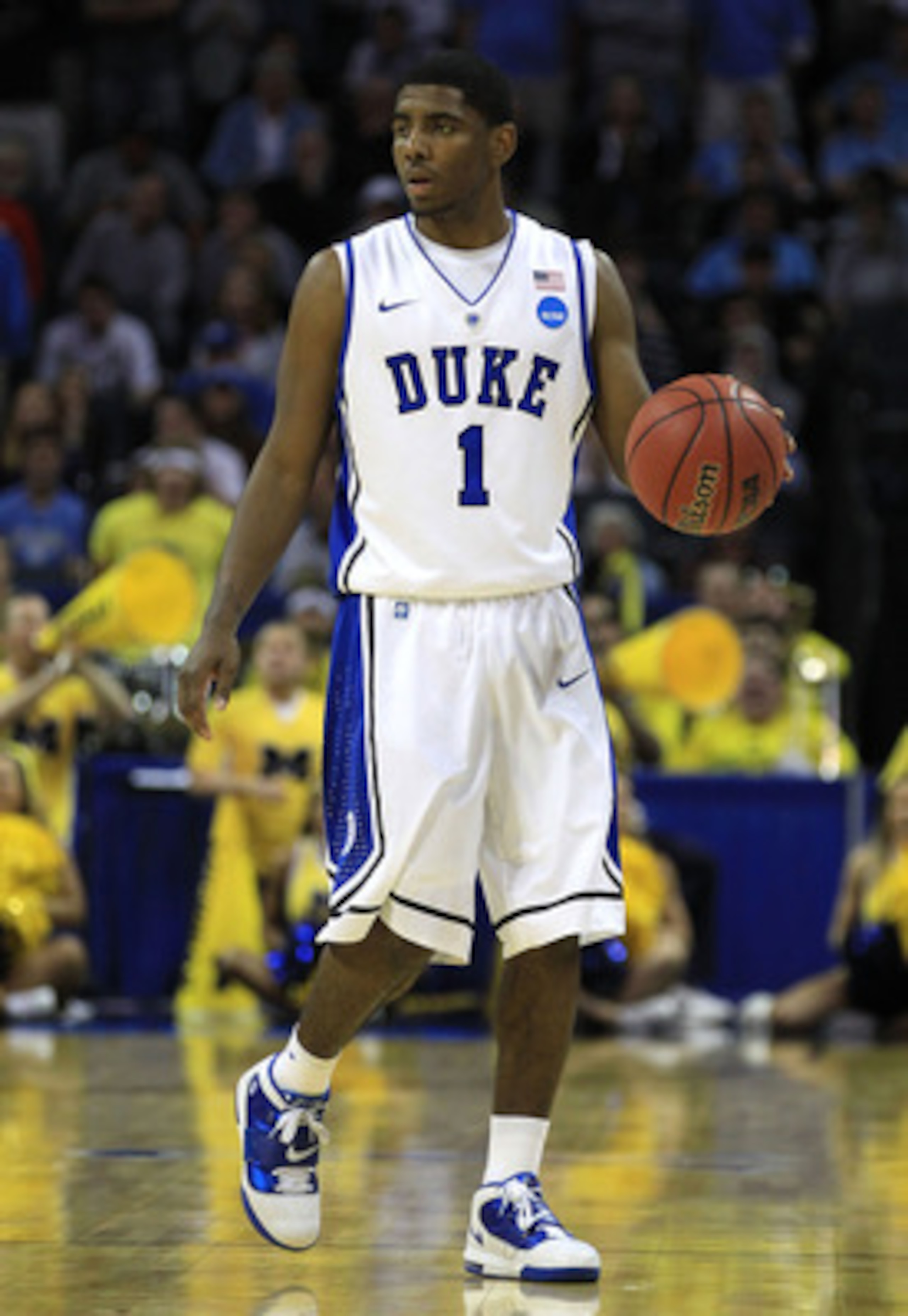
Primary Pos: PG
Height: 6'2''
Weight: 180
2010 statline: 17.5 PPG, 3.4 RPG, 4.3 APG, 1.5 SPG in 11 games
There's no question Irving has to be included on this list, there's no way around it. Projected to be the first overall pick by the Cleveland Cavaliers, Irving is definitely the best player in this draft class.
Irving, 19, has great ball-handling skills and court vision—exactly what you want from your point guard—and is a very talented scorer. He is very good in transition, another thing you want in a point guard.
What he can also do is hit the outside shot and he can drive to the hoop and finish well too. His upsides outweigh his downsides, and really the only thing that worries me is that he played in just 11 collegiate games and his defense is pretty average for a point guard.
It's likely he will mostly be used as a point guard, but he has shown he has the talent and skill-set to be a No. 2 as well.
Alec Burks, Colorado
2 of 6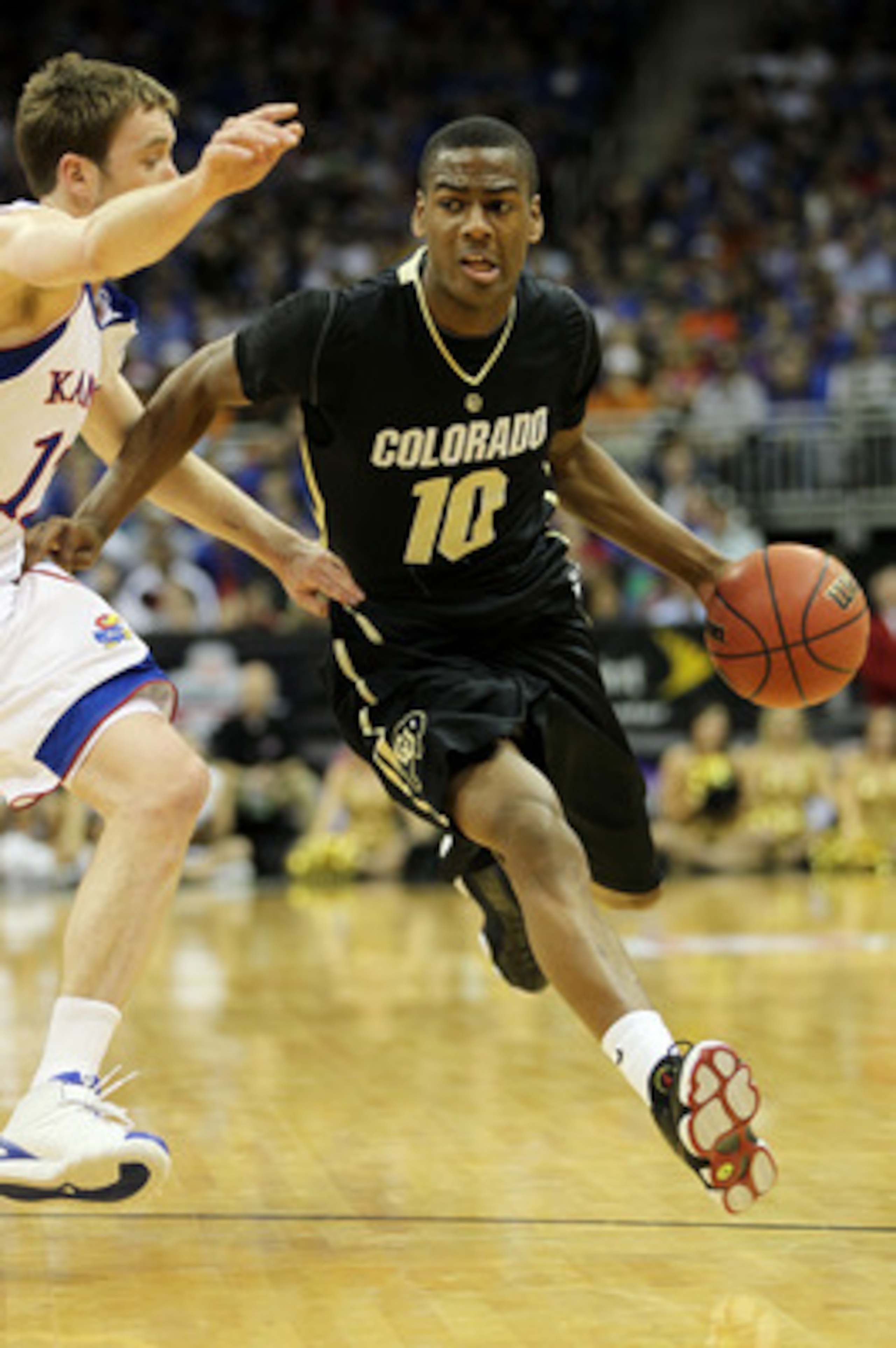
Primary Pos: SG
Height: 6'6''
Weight: 185
2010 statline: 20.5 PPG, 6.5 RPG, 2.9 APG, 1.1 SPG in 38 games
Though he may not end up being a lottery pick, and could be selected closer to the end of the first round, Burks has all the attributes of a top-tier combo guard.
Through this past season he was a very underrated scorer (possibly because Colorado doesn't get too much national attention in the media), and he has great size. With just under three assists per game, he obviously isn't likely to spread the ball around too much. But with great athletic ability and quickness off the dribble, Burks can attack the basket like no other and has is a solid rebounder in the paint as well.
Kemba Walker, UConn
3 of 6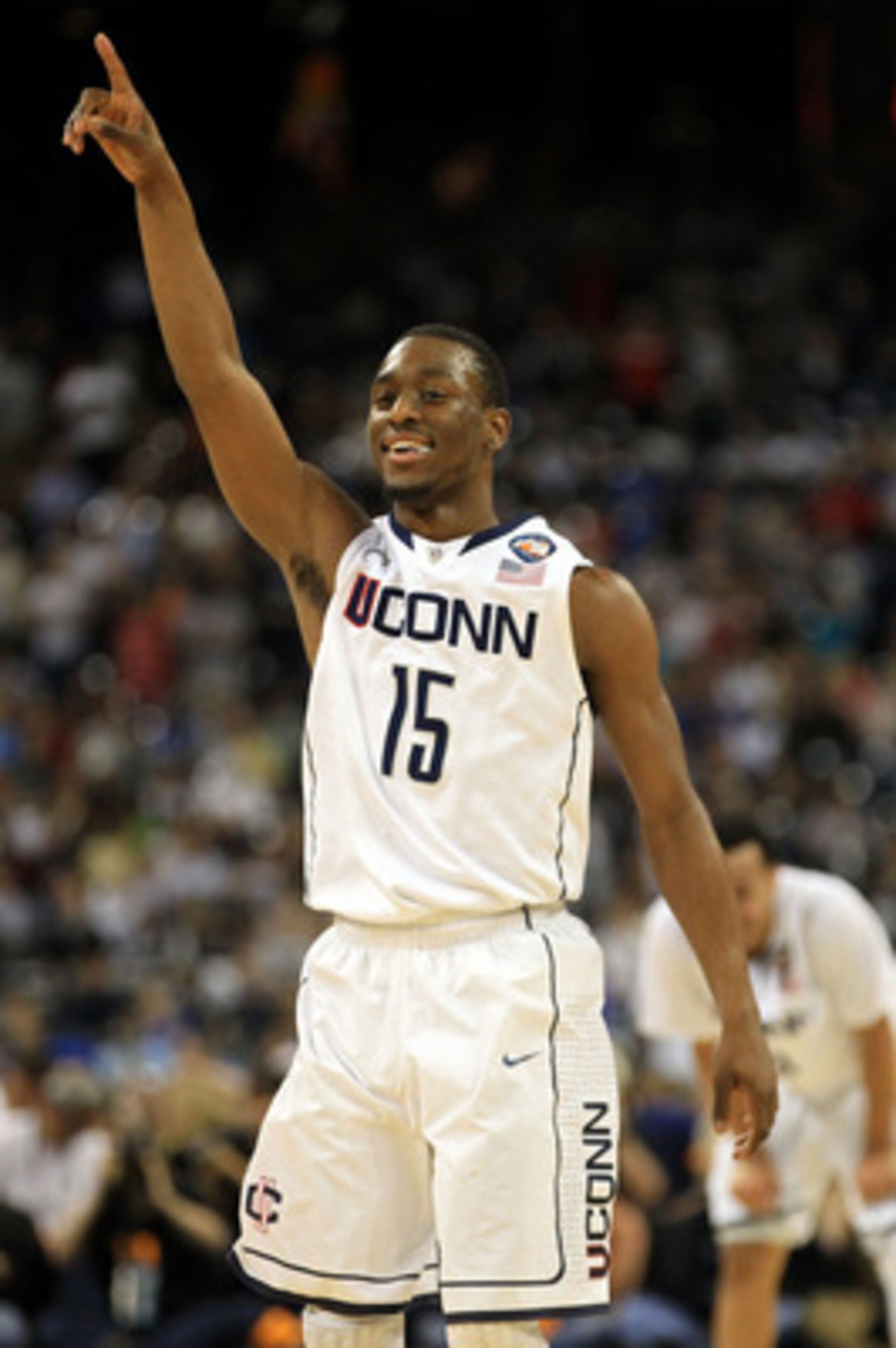
Primary Pos: PG
Height: 6'1''
Weight: 175
2010 statline: 23.5 PPG, 5.4 RPG, 4.5 APG, 1.9 SPG in 41 games
Walker is undersized, but his quickness and athletic ability make him a threat to score every time he touches the ball.
Despite being a little guy, he can rebound pretty well and is able to distribute the ball as well. He certainly fits all of the needs of a combo guard: scoring threat, ability to spread the court and aggressiveness inside. He's a hard-worker and has shown vast improvement over the season, tearing up the competition on his way to a national championship.


Jimmer Fredette, Brigham Young
4 of 6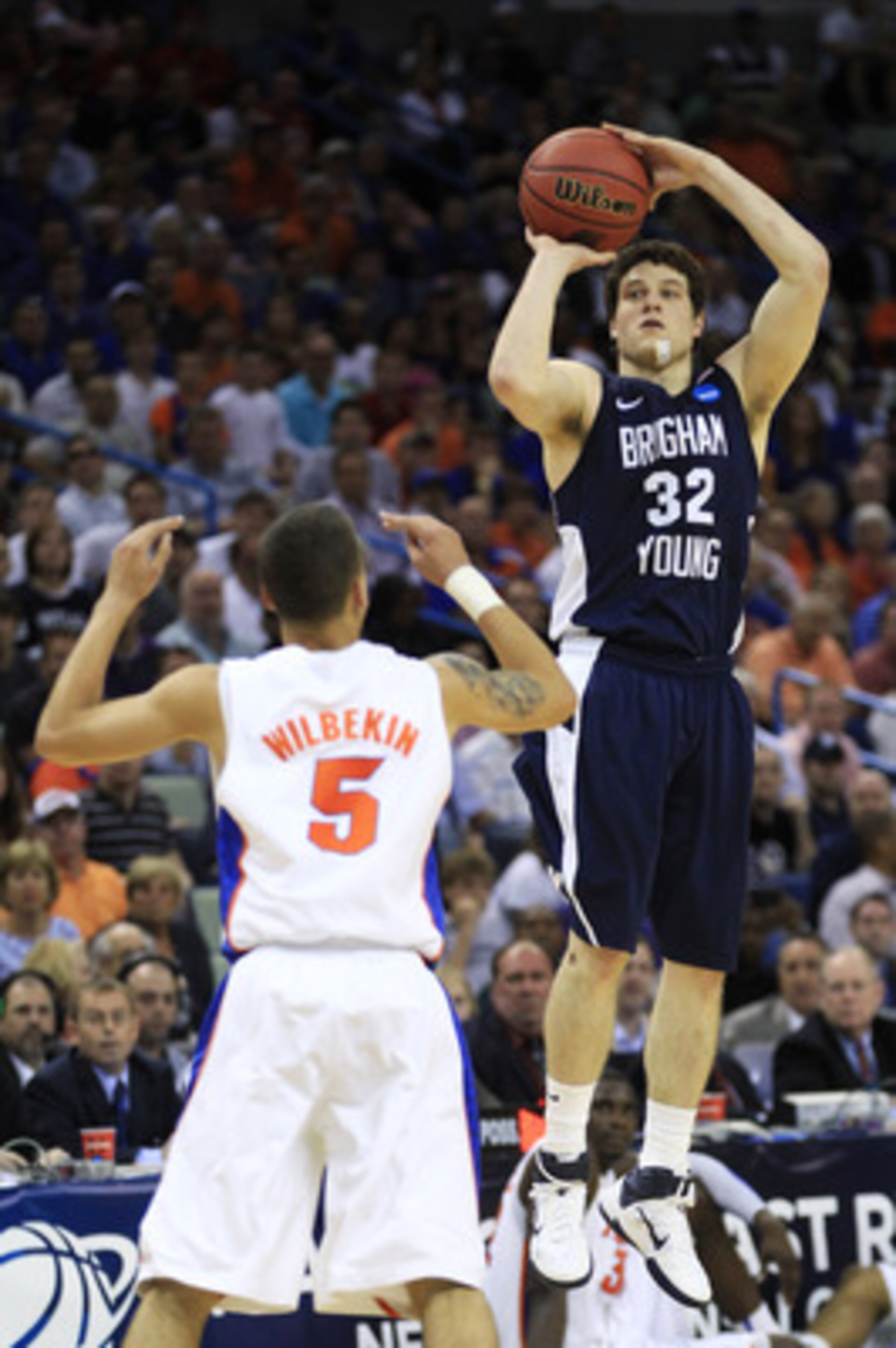
Primary Pos: PG
Height: 6'2''
Weight: 195
2010 statline: 28.9 PPG, 3.4 RPG, 4.3 APG, 1.3 SPG in 37 games
Fredette, playing four seasons at BYU, improved his game each year, scoring close to 30 points this past regular season. He has shown he is a great threat at point guard, being able to create his own shot. But I am questioning his ability to become a full-time point guard for an NBA team.
At 6'2'' he brought in just over three rebounds per game, improving by two rebounds since his freshman year.
He can spread the ball around, creating openings in the defense and use his athletic ability to bring in rebounds every once in a while. I think once he is drafted, that team may use him more primarily as a shooting guard, considering he is a natural point-scorer.
Brandon Knight, Kentucky
5 of 6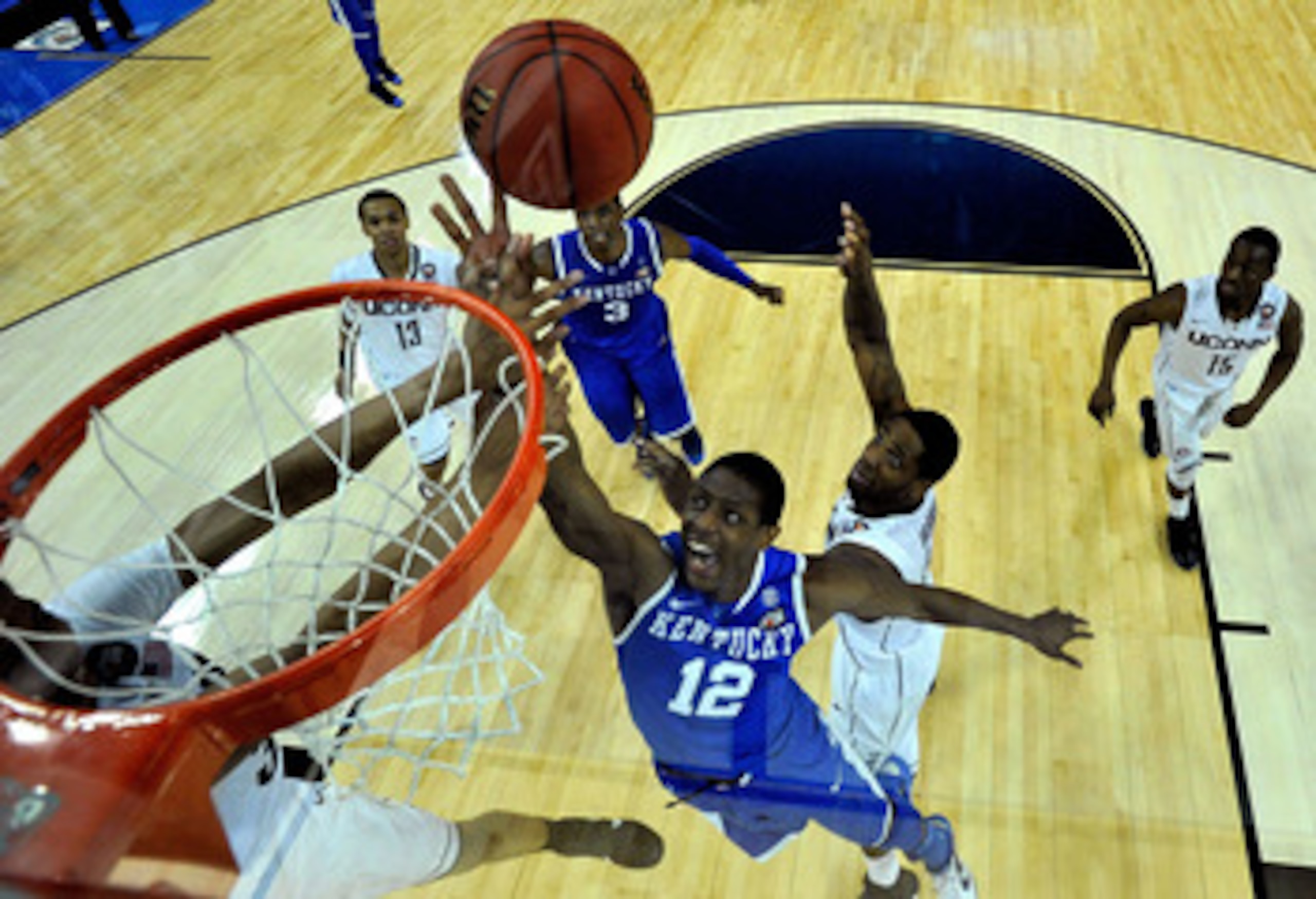
Primary Pos: PG
Height: 6'3''
Weight: 185
2010 statline: 17.3 PPG, 4.0 RPG, 4.2 APG, .7 SPG in 38 games
Knight is the second-best point guard prospect in this year's class, behind projected first pick Irving.
Knight's biggest strength, aside from quickness and on-court intensity, is his ability to shoot the ball. I still question his ability to be a true point guard, but his shooting ability would make him a great option at SG if needed.
Long-range jumpers and ability to spread the ball out are the factors that make him a great option early in this draft.
Also Worth Mentioning...
6 of 6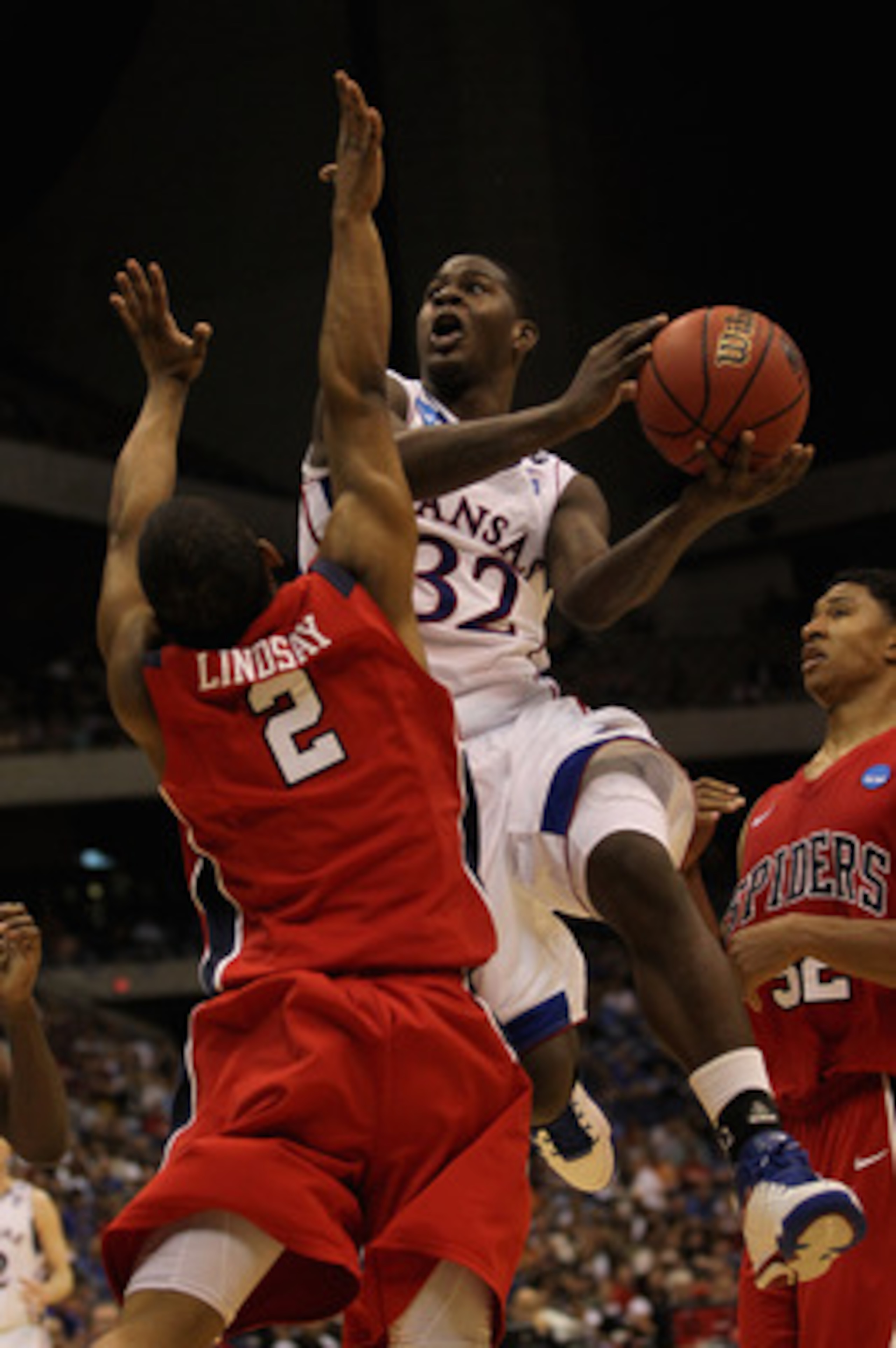
Shelvin Mack, Butler: Has great size and is a greater shooter. Can create his own shots. Primarily a point guard, but his scoring ability makes him an option as a combo guard.
Josh Selby, Kansas: Can play both positions; his long-range ability makes him a viable option at SG, but his quickness allows him to be effect at PG, too.
Klay Thompson, Washington State
Nolan Smith, Duke
Travis Leslie, Georgia

.jpg?w=2560)


.jpg?w=2560 "Latest Peyton-Colts Rumors")


.jpg?w=2560 "Landing Spots for Trade Candidates 📍")
.jpg?w=2560 "Ugly Jets Scoring Stat 😳")