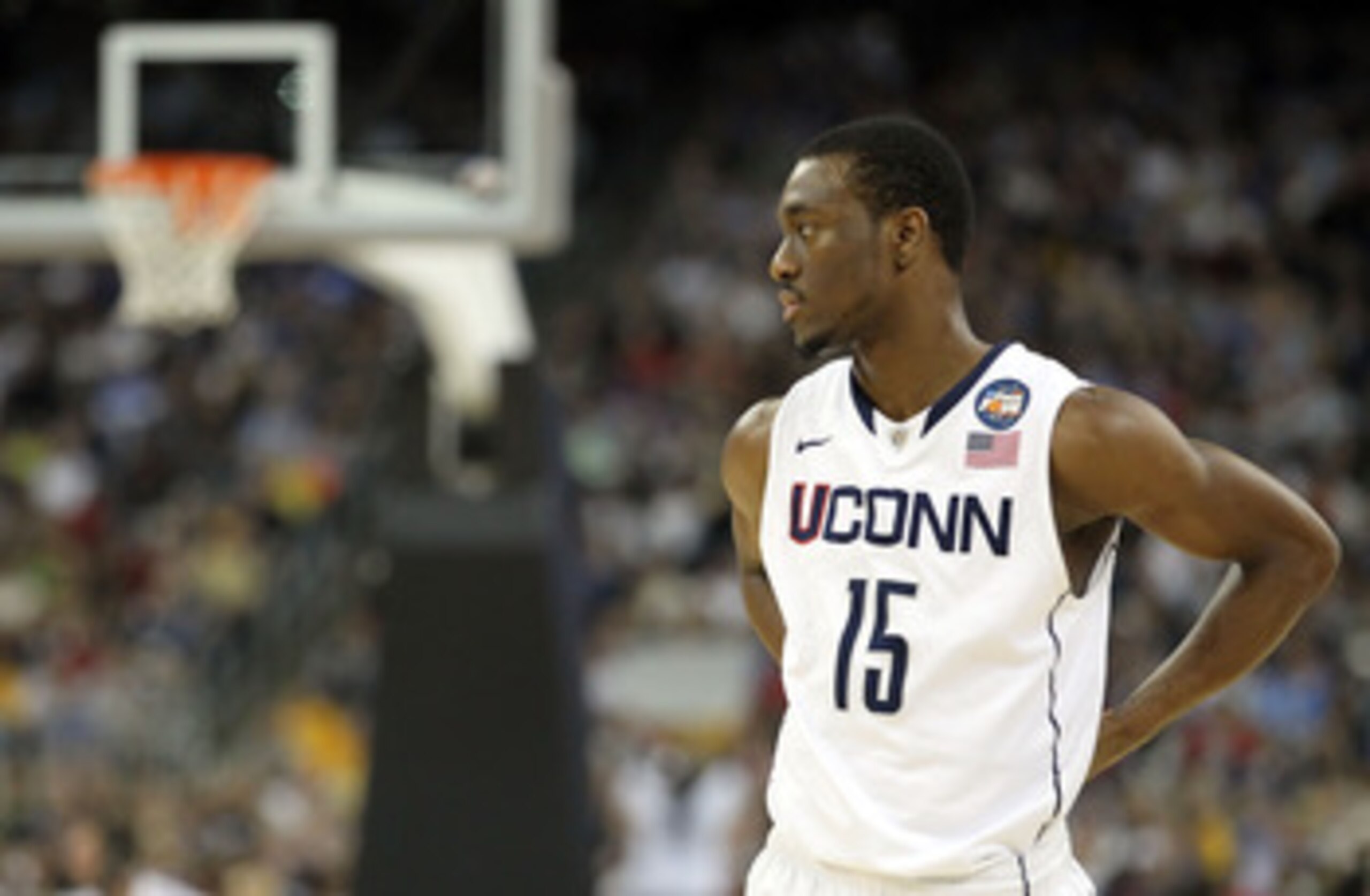

NBA Draft 2011: Power Ranking the Top 10 Point Guards in the Draft Class
The NBA used to be a league that was controlled by the massive big men that roamed the post. That is no longer the case, though. Point guards are now dominating the professional ranks. To win big in the NBA you need quality play at the point guard position.
This has been described as being a weak draft class, but there are still many great point guard prospects out there for teams to pick up. Some of the prospects come more highly regarded though.
I will let you know how these 10 guards compare to each other, and who is the top prospect of the group.
Read along as I count down the top 10 point guard prospects of the 2011 NBA draft.
Note: A couple players are technically considered combo guards, but I see the prospect as a potential point guard in the league.
10. Demetri McCamey (Illinois)
1 of 10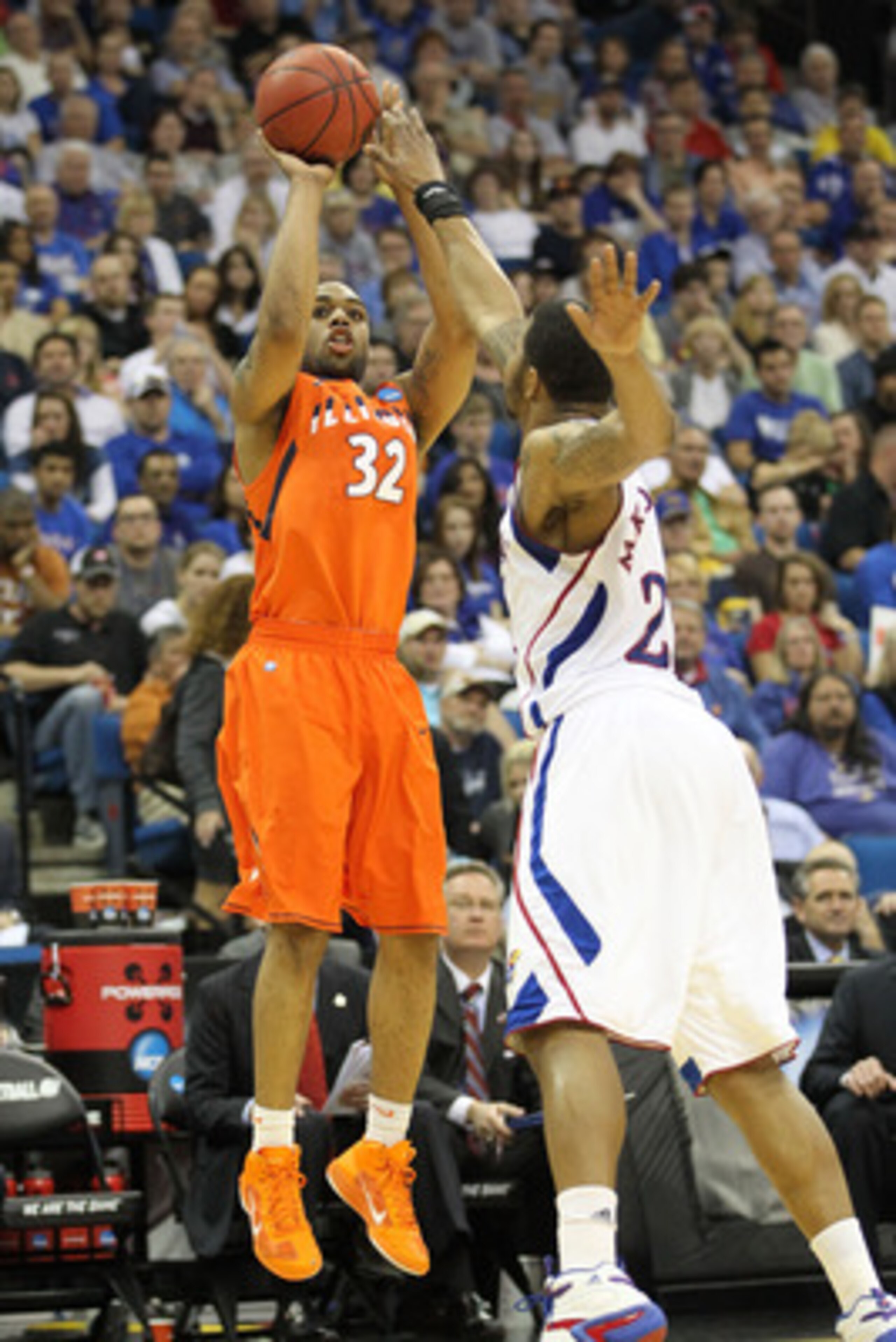
Demetri McCamey is a four-year college player that had a highly productive collegiate career for head coach Bruce Weber at Illinois. He averaged 14.6 points and 6.1 assists for the Illini last season as a senior.
McCamey can drive the rim, but he is also a potent three-point shooter. Scouts question whether Demetri has the athleticism to be successful at the next level. This is a situation where a player’s productivity takes a back seat to his physical attributes.
McCamey has shown competitiveness as well as the ability to play the game at a high level. It is ironic that McCamey’s teammate Jereme Richmond will likely be drafted ahead of Demetri, despite the fact that Richmond only averaged 7.6 points in his one season at the school.
Demetri McCamey is a good point guard prospect regardless of projections or concerns over his lack of athleticism.
9. Norris Cole (Cleveland State)
2 of 10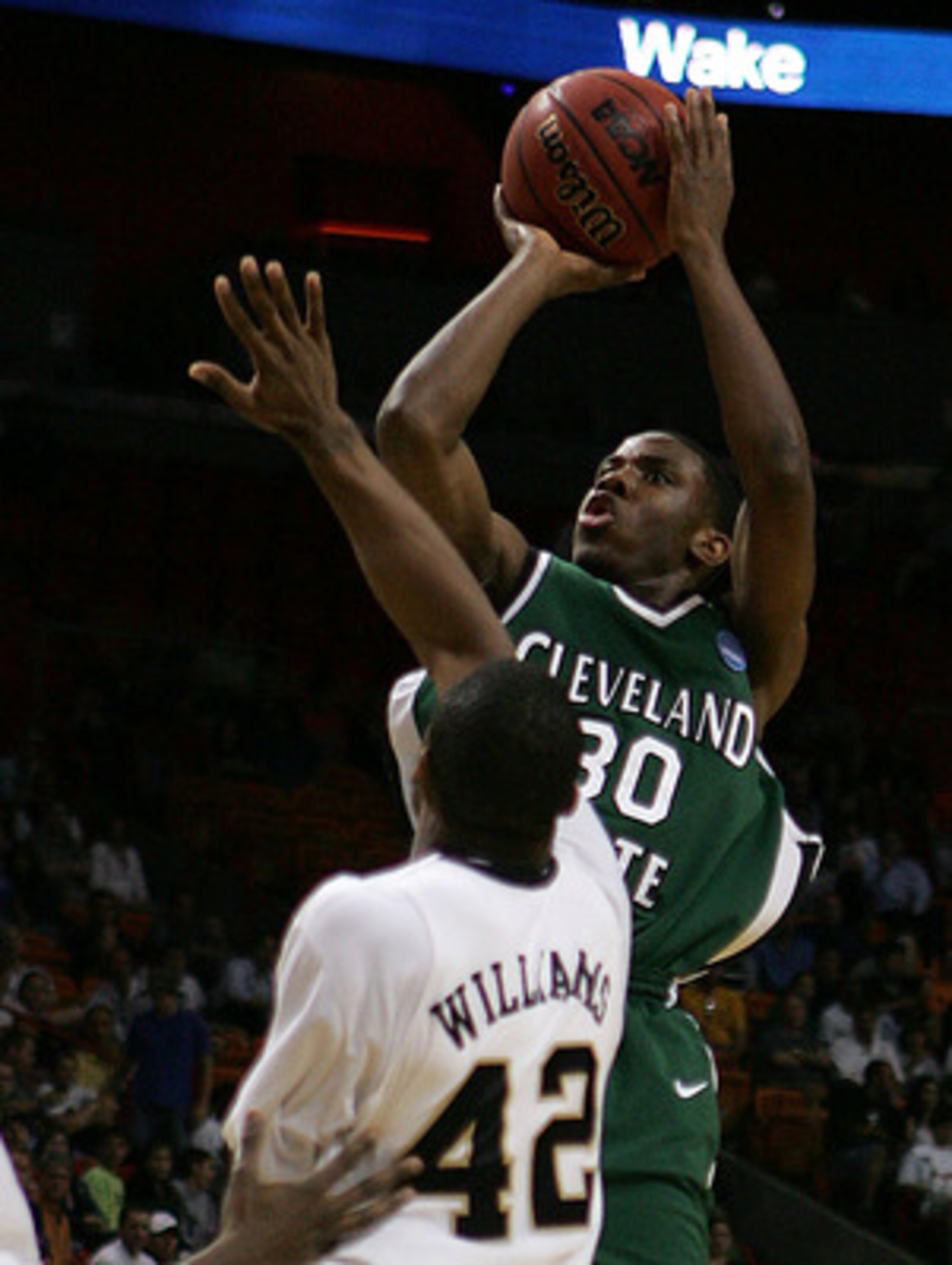
Norris Cole was a four-year standout for Cleveland State in the Horizon League. Cole averaged 21.7 points per game as a senior, and was named Horizon League Player of the Year last season.
Cole’s skeptics will say that he achieved those gaudy statistics by playing subpar competition in the Horizon League. His low 34 percent three-point shooting is also a black mark against the Cleveland State product.
With that being said, there is a lot to like about Norris Cole. He has solid size for the position at 6’1". He also showed strong passing skills in addition to his scoring prowess. Cole is similar to Hofstra’s Charles Jenkins in that he is a highly decorated prospect from a smaller conference.
Expect Norris Cole to be drafted in the early second round of next month’s NBA draft.
8. Shelvin Mack (Butler)
3 of 10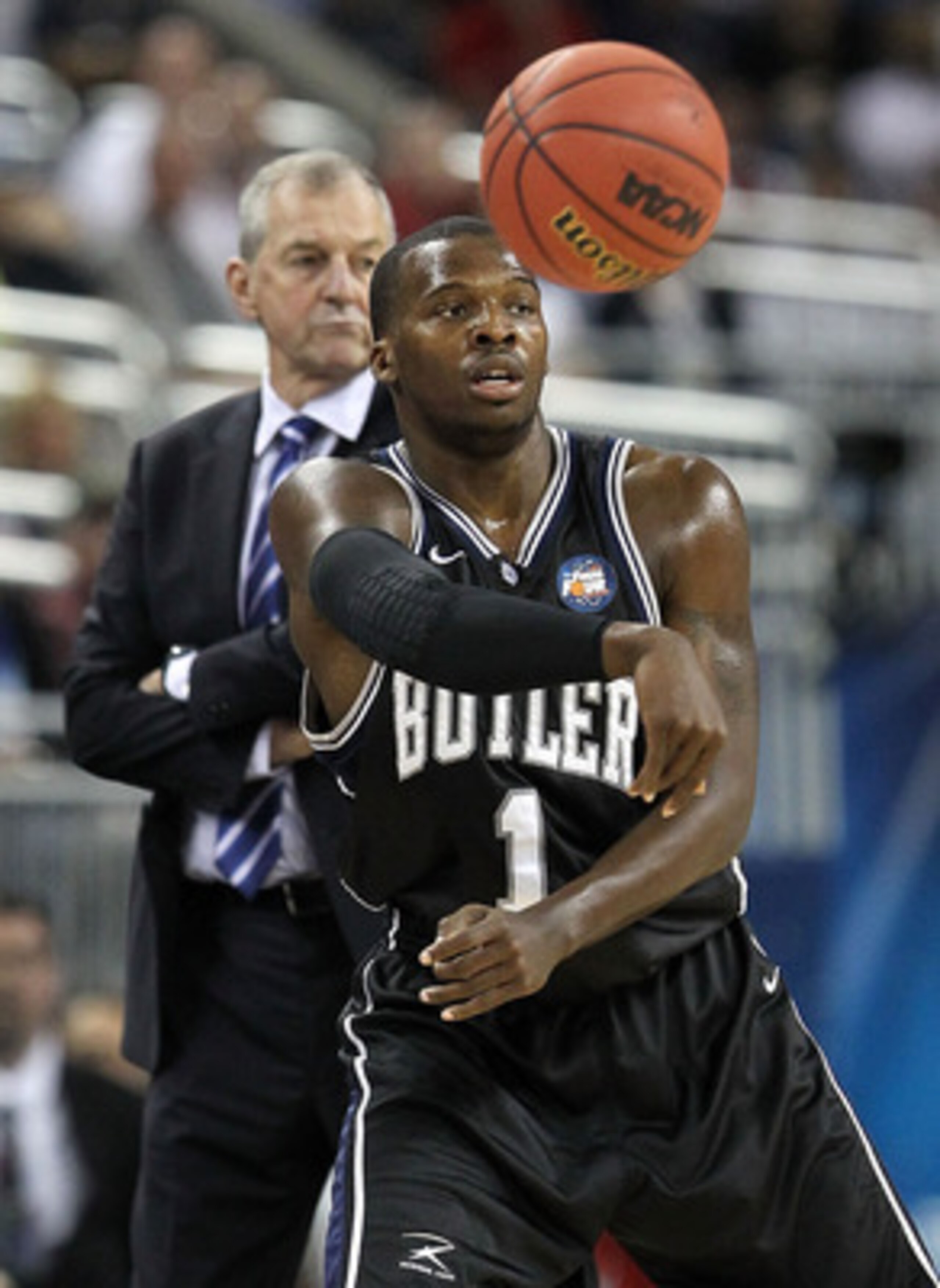
Shelvin Mack will be missed on the college landscape. Mack’s late-game heroics and clutch plays were trademarks of Butler’s run to the national title game during the past two seasons. NBA franchises are hoping that Mack’s inspired play translates to the professional level.
Mack was a consistent performer throughout his three seasons at Butler, and gave head coach Brad Stevens good production. Scouts are critical of Shelvin’s ball-handling skills though. He has the potential to be a point guard in the league, but he will need to improve his handles if he hopes to consistently man the point.
At 6’3", Shelvin Mack has the size to play the point guard position. His shooting and leadership also suggest that he will be a floor general in the pros. His position is not set though. Whichever team drafts Mack will have to decide whether to use him at point guard or shooting guard.

7. Nolan Smith (Duke)
4 of 10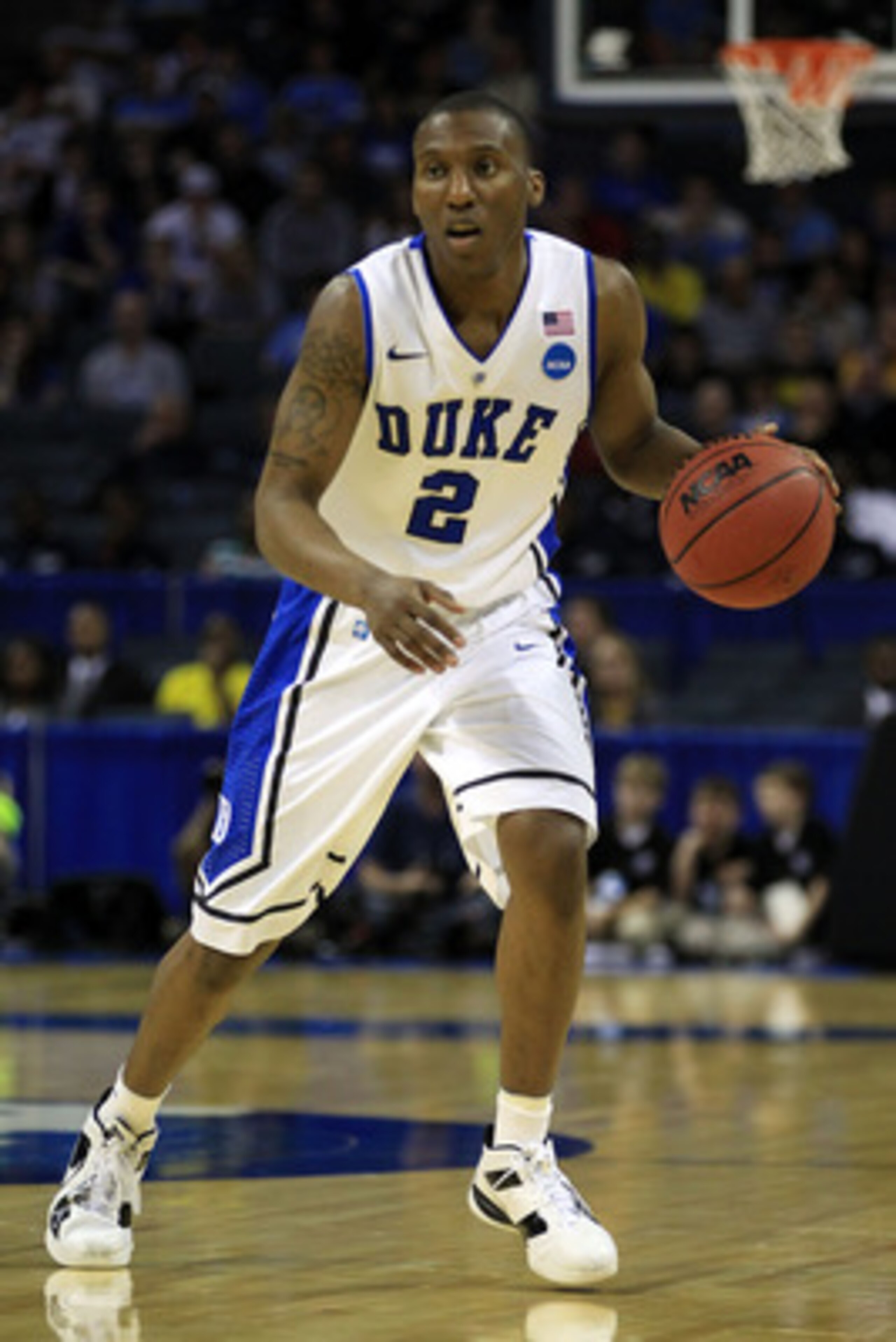
Nolan Smith had an outstanding collegiate career at Duke, and was an excellent leader for head coach Mike Krzyzewski.
Smith is similar to Kemba Walker and Brandon Knight in that he is a high-character prospect that will be a good leader on and off the court. He also has great intangibles such as his toughness and basketball IQ.
Scouts question his explosiveness and whether he has the quickness to play at the next level. Also, Smith certainly does not possess the highest ceiling for growth out of all the point guard prospects.
Nevertheless, Nolan Smith has been a consistent winner. He was a high-volume scorer in college. He also showed great poise running the offense during his time at Duke.
Nolan Smith’s physical limitations will prevent him from reaching the draft lottery, but he is a great pickup for any team that is searching for a dependable point guard in the beginning of the second round.
6. Darius Morris (Michigan)
5 of 10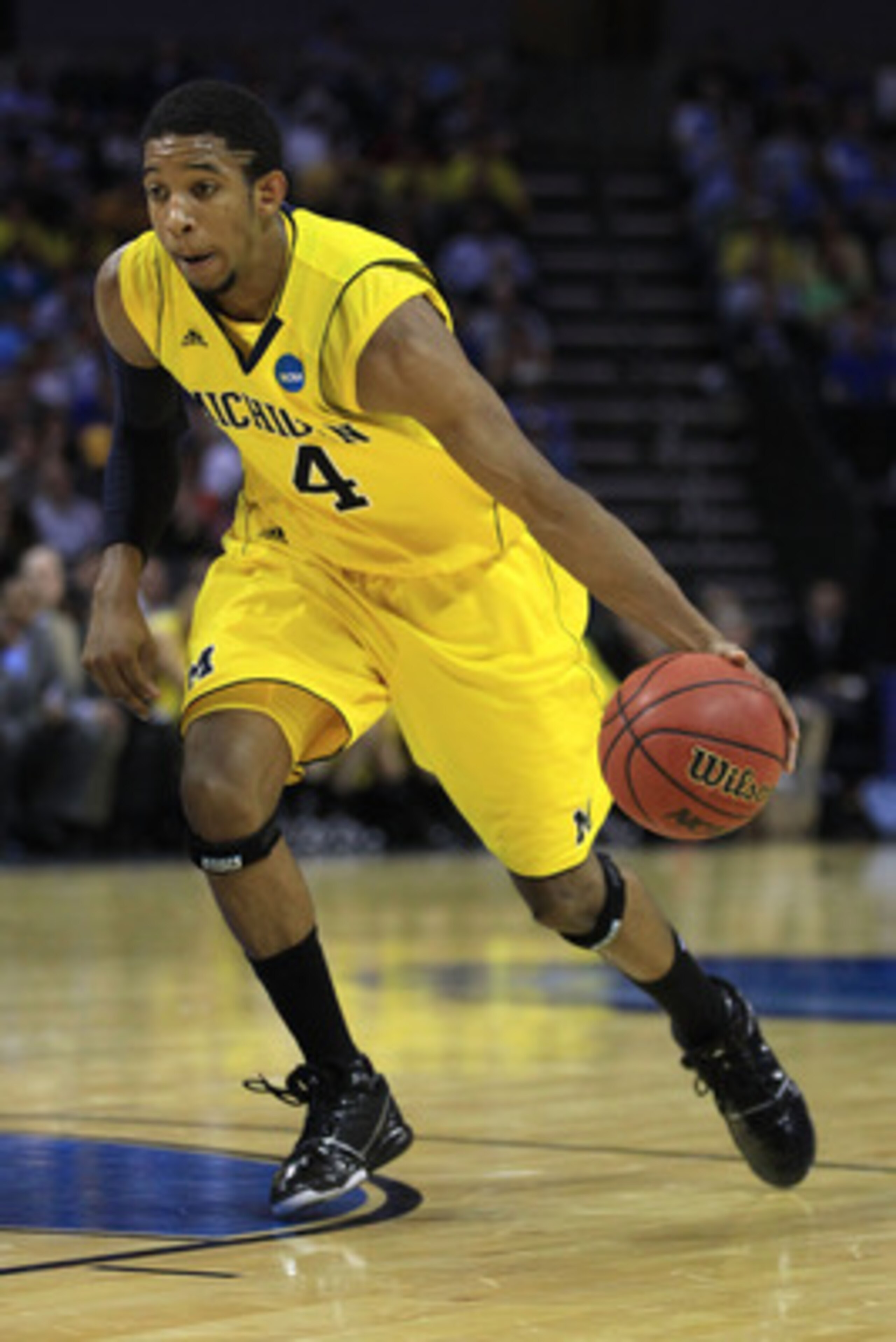
Darius Morris burst onto the scene last season as a sophomore at Michigan. He was one of the catalysts behind the Wolverines' NCAA tournament berth. Morris averaged 15 points and four rebounds per game last season.
Darius is a relatively weak perimeter shooter as evidenced by his 25 percent three-point field-goal percentage. This is surprising coming from the point guard of a John Beilein offense. Morris makes up for that with his ability to drive to the rim and finish at the basket. He is also a great passer, and does an excellent job of setting up his teammates on offense.
Darius Morris’s draft stock is rising, and it is now likely that Morris will be selected in the first round.
5. Jimmer Fredette (BYU)
6 of 10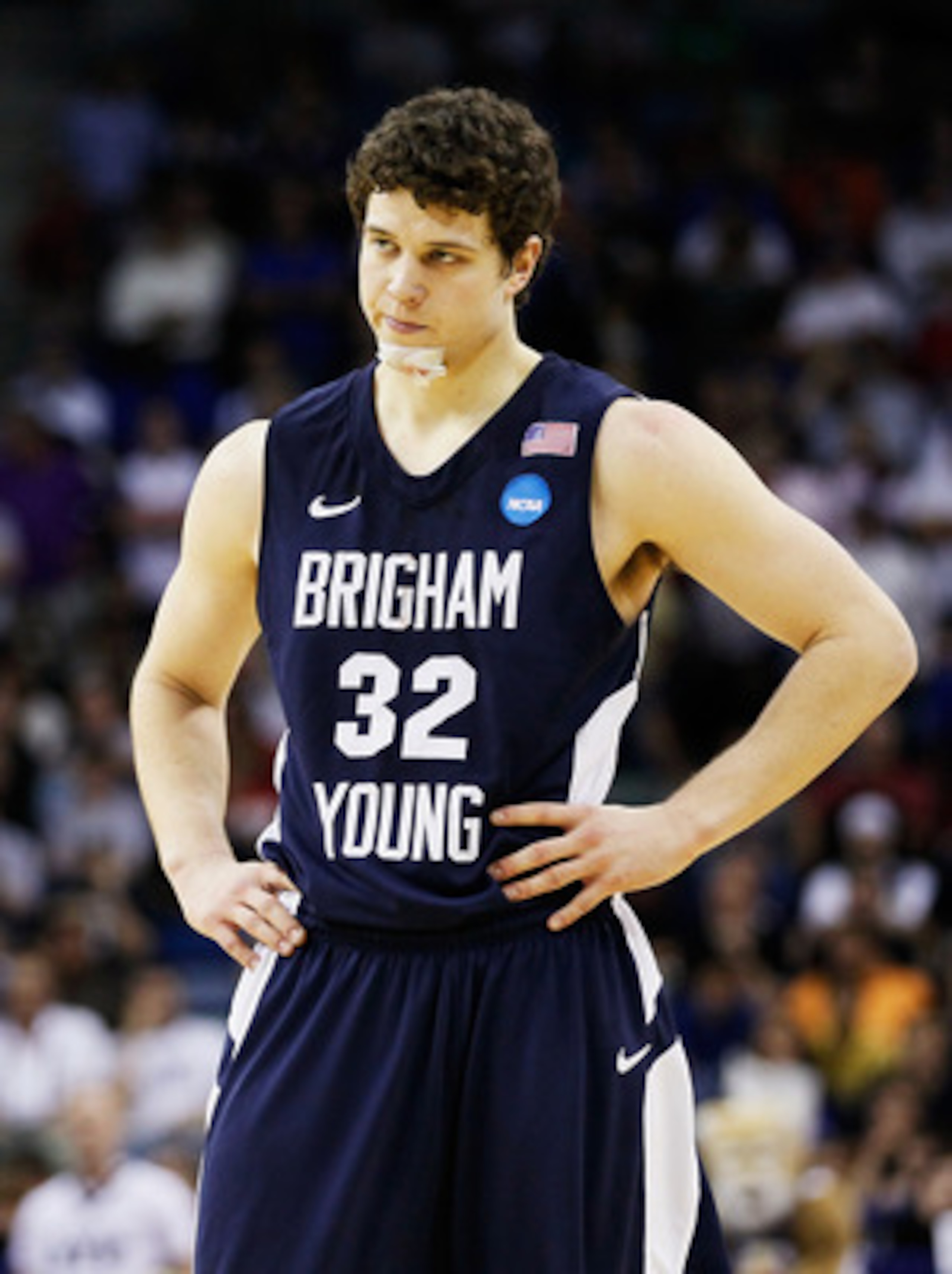
Jimmer Fredette is a scoring machine, and will provide an immediate offensive boost to whichever team drafts him.
Fredette was one of the top scorers in all college basketball last season. He combined a lethal outside shooting stroke with an ingenuity that allowed him to get his points in a variety of different ways.
With that being said, there are two glaring questions surrounding Fredette’s game:
- Can he play serviceable defense at the NBA level?
- Can he consistently create his own shot?
Jimmer will no doubt be a great spot-up shooter at the next level, but his ability to triumph over these two concerns will dictate what caliber of pro he will be.
Jimmer Fredette projects to be a point guard at the NBA level. He will in all likelihood be a first-round selection. His scoring and shooting touch will translate well into the league, but there are red flags surrounding this high-profile prospect.
4. Charles Jenkins (Hofstra)
7 of 10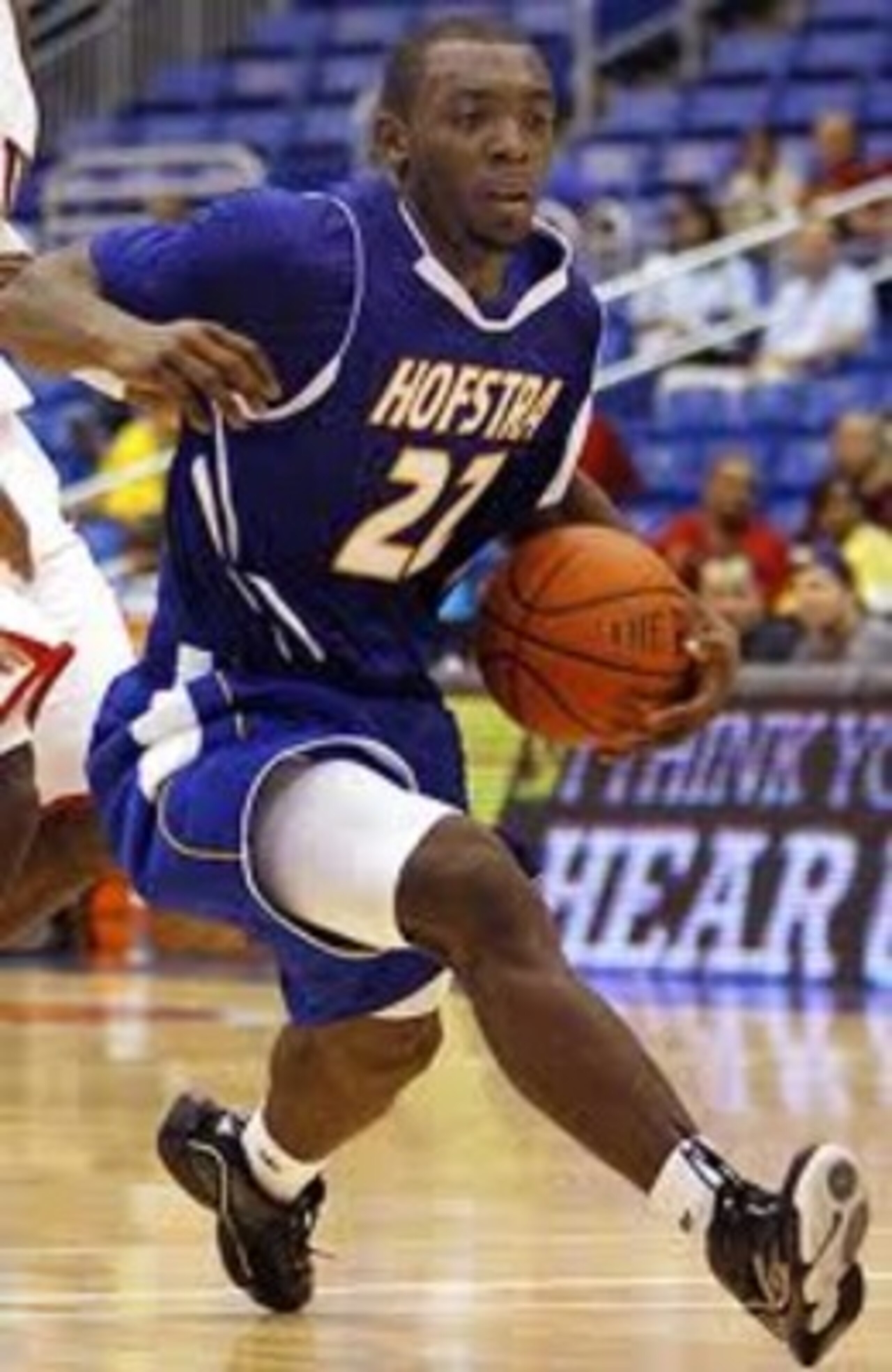
Charles Jenkins’ draft stock has skyrocketed over the past couple of months. In my latest mock draft, I had Jenkins mocked at No. 13, immediately after BYU’s Jimmer Fredette. This is saying something considering that Jenkins was barely on my radar a month ago.
Jenkins never averaged fewer than 15 points per game during his four seasons at Hofstra. He can score by driving to the basket and shooting from behind the arc. He is a two-time Colonial Athletic Association Player of the Year.
The 6’3" guard is technically a combo guard. I personally feel that he projects as a point guard, but he could also play shooting guard. Jenkins is dealing with the criticism that his statistics are inflated as a result of playing inferior competition in the Colonial Conference.
Charles Jenkins' draft stock has been moving at a rapid rate recently. Right now, I would project him anywhere from a late lottery pick to a late first-round selection.
3. Kemba Walker (UConn)
8 of 10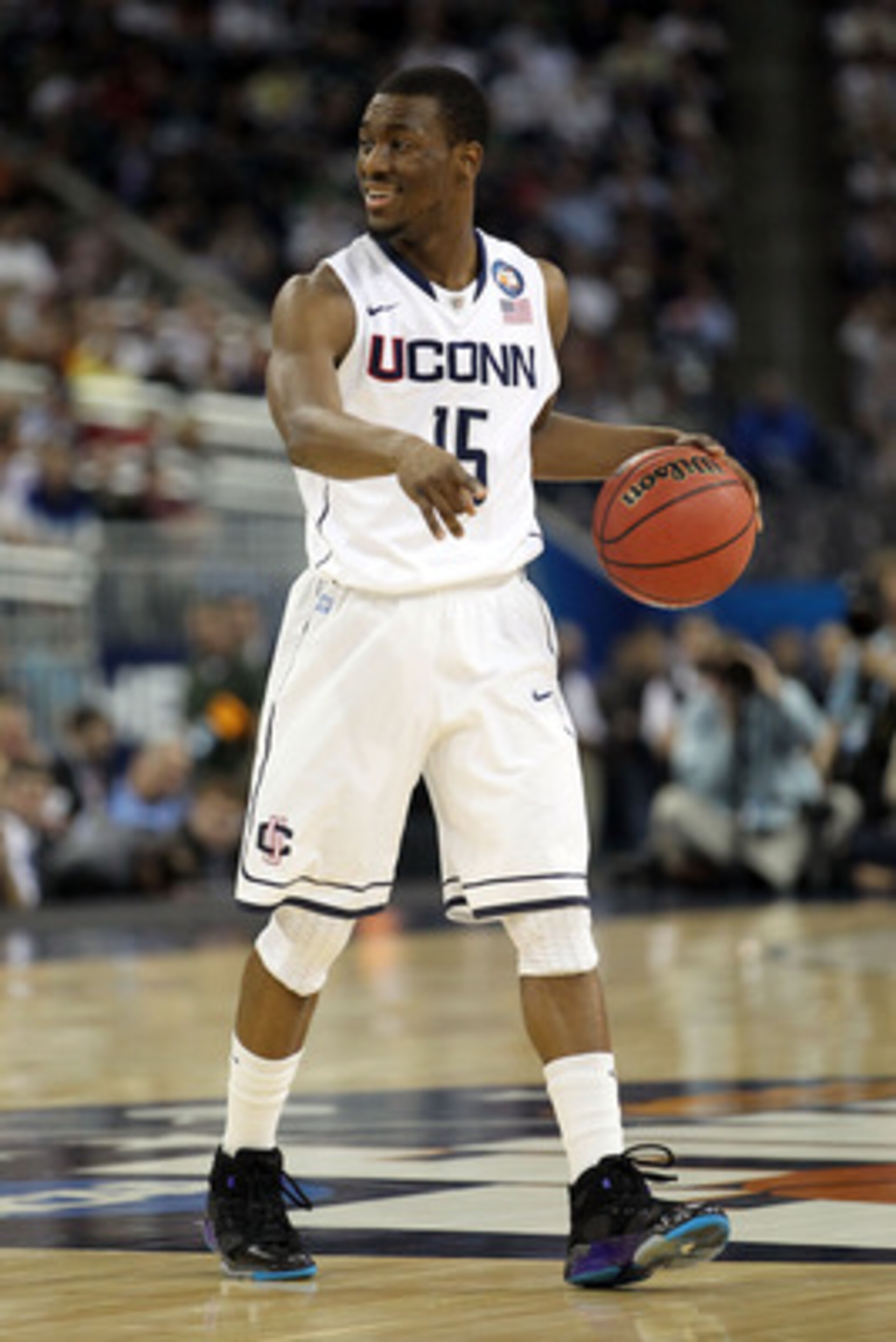
Kemba Walker served as the engine behind Connecticut’s Final Four run last season. Time and time again he came through in the clutch for head coach Jim Calhoun with big plays. Walker will definitely be remembered as a great college player, but there is also reason to believe that he can have success at the professional level as well.
Kemba Walker has the rare ability to elevate his teammates’ games with his presence on the court. It is no secret that Walker is a prolific scorer, but it is his intangibles that set him apart from other prospects. Kemba is a fierce competitor, fearless basketball player and a player that leads through his actions at point guard.
Walker will need to find a fine line between being a scorer and a distributor at the next level, but I think that he will achieve a good balance in this regard. He does not have massive potential as a prospect, but as a point guard there is no other prospect in the class that is a more accomplished leader or orchestrator.
2. Brandon Knight (Kentucky)
9 of 10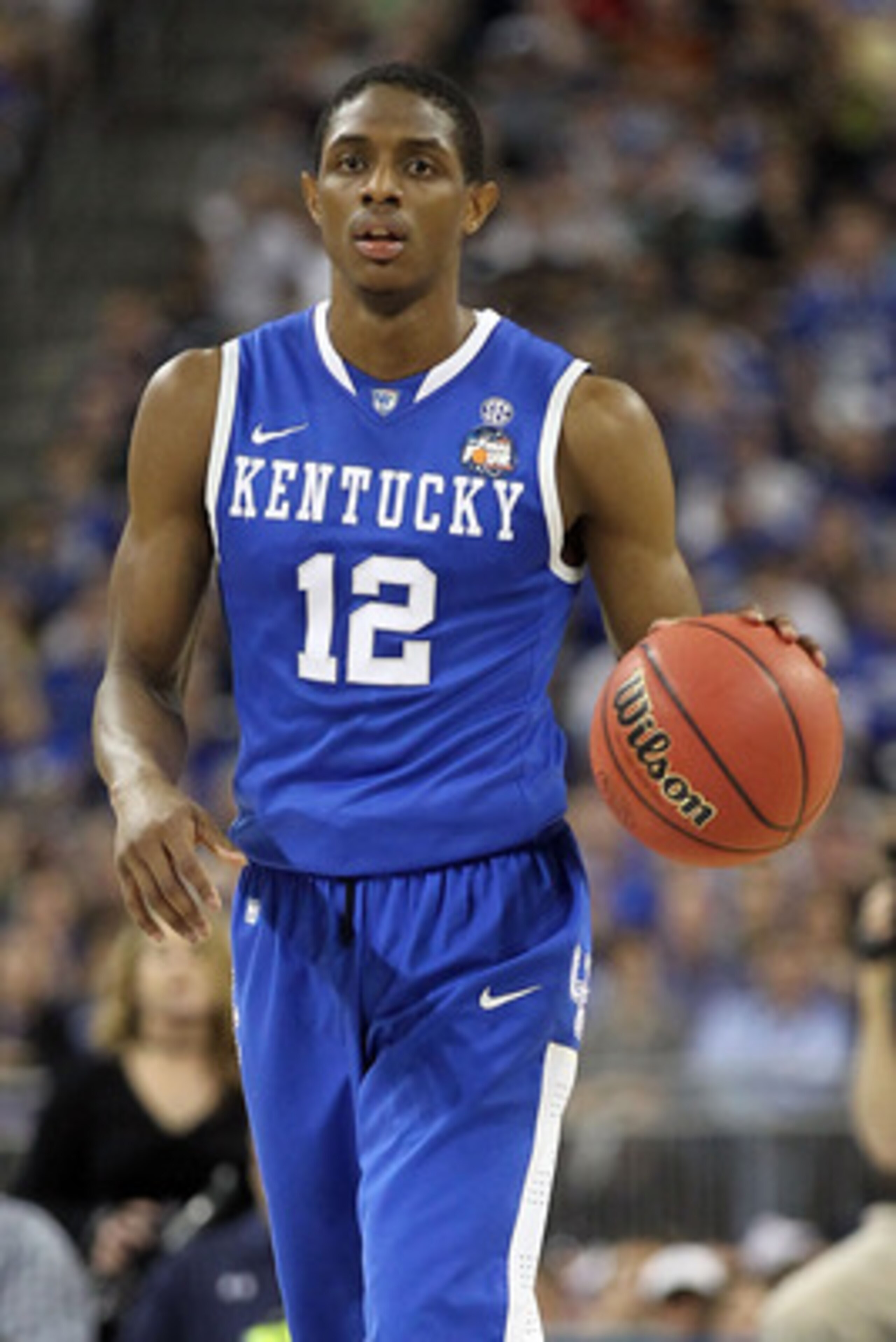
Brandon Knight is the newest point guard from the John Calipari line of elite floor generals.
Knight was one of the top-ranked prospects in the class of 2010 as rated by Rivals. He played one season at Kentucky where he averaged 17.3 points and 4.2 assists per game.
Knight played at a high level all season long for Coach Calipari and the Wildcats, but he had some of his best games during Kentucky’s NCAA tournament run to the Final Four.
Brandon Knight does not have the blazing speed of John Wall or the penetrating ability of Derrick Rose, but he is solid in all facets of the game. Knight was never afraid to take the big shot at the end of games. He also did an excellent job of leading what was a very young Kentucky team last season. Brandon is also a high-character player that can be counted on to be a good leader on and off the court.
Expect Brandon Knight to be selected as one of the top 10 picks by Utah, Toronto or Sacramento.
1. Kyrie Irving (Duke)
10 of 10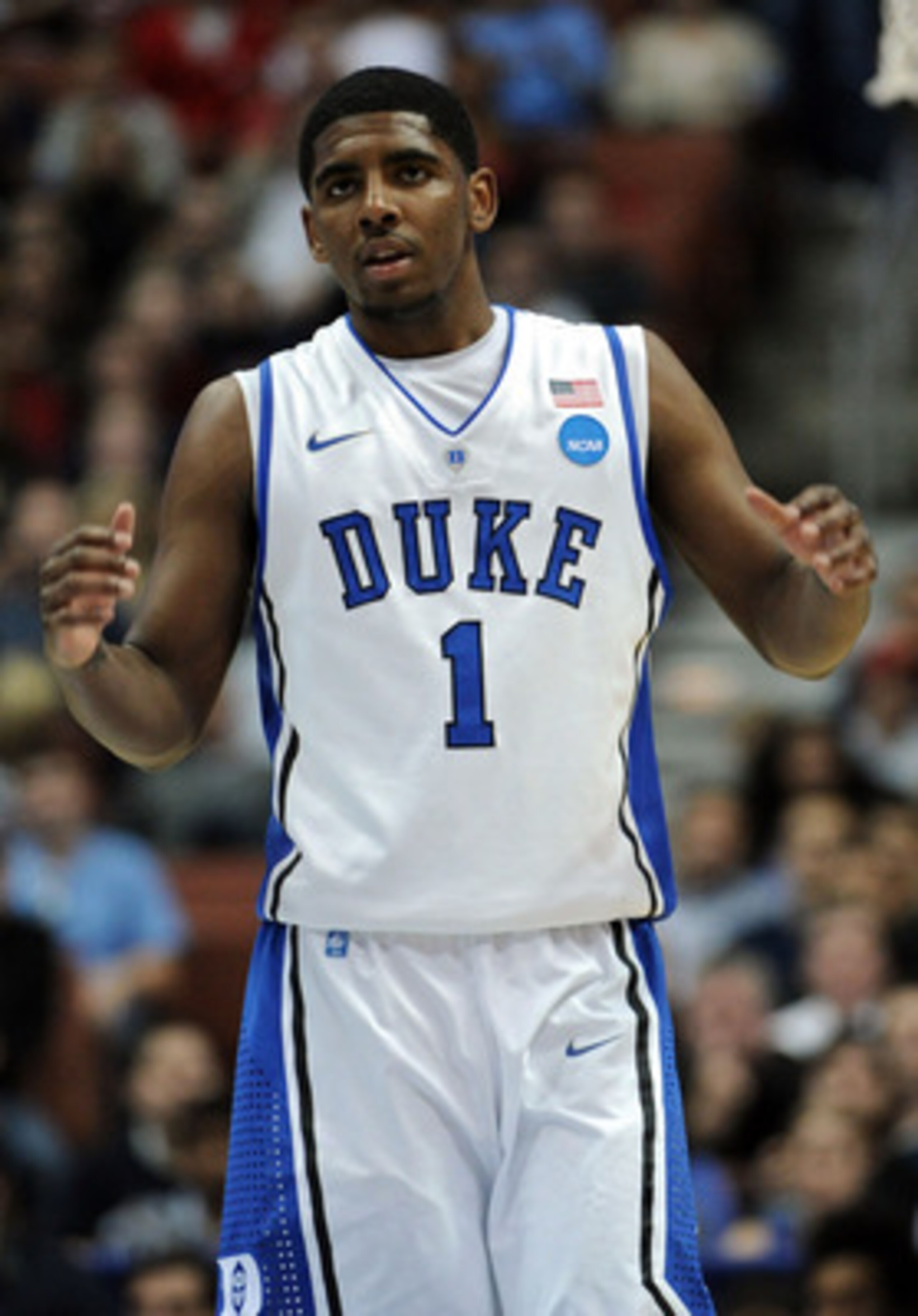
Many think that Kyrie Irving is the only “franchise” talent in this year’s draft class.
The 6’2" point guard from West Orange, New Jersey has everything you want in an NBA point guard. He has great physical tools, a high basketball IQ and is an excellent outside shooter (he shot 46 percent from three-point range at Duke last season). Irving distributed the ball well to his teammates, and was not just strictly a scorer for the Blue Devils.
A pair of five-turnover performances versus Marquette and Butler is somewhat alarming. There is also the concern that his toe injury might be a sign of future injury problems. These are the only two possible chinks I can find in Kyrie Irving’s armor, and these are not exactly gaping holes either.
All indications are that Cleveland will select Kyrie with the No. 1 overall pick in the draft. In Cleveland, Irving will be the face of a franchise that is sorely in need of a new identity.






.jpg?w=2560 "Latest Peyton-Colts Rumors")