
Oakland Coliseum and the 10 Worst Power Hitters Parks
A lot has been made of the resurgence of pitching and lack of hitting during the 2010 season, and the carryover into 2011.
There is no doubt and no arguing that offense is down league-wide.
There are plenty of theories tossed around in attempts to explain the sudden power shortage in the league. We could discuss those talking points at length and never come to a unanimous consensus that would explain the dip in lineup production league wide.
The one factor that we can look at and agree upon is which stadiums are currently contributing to the lower number of runs in Major League Baseball this season.
These stadiums rank as the worst hitter parks in the majors (this season).
Sources:
10) Nationals Park: Washington Nationals
1 of 10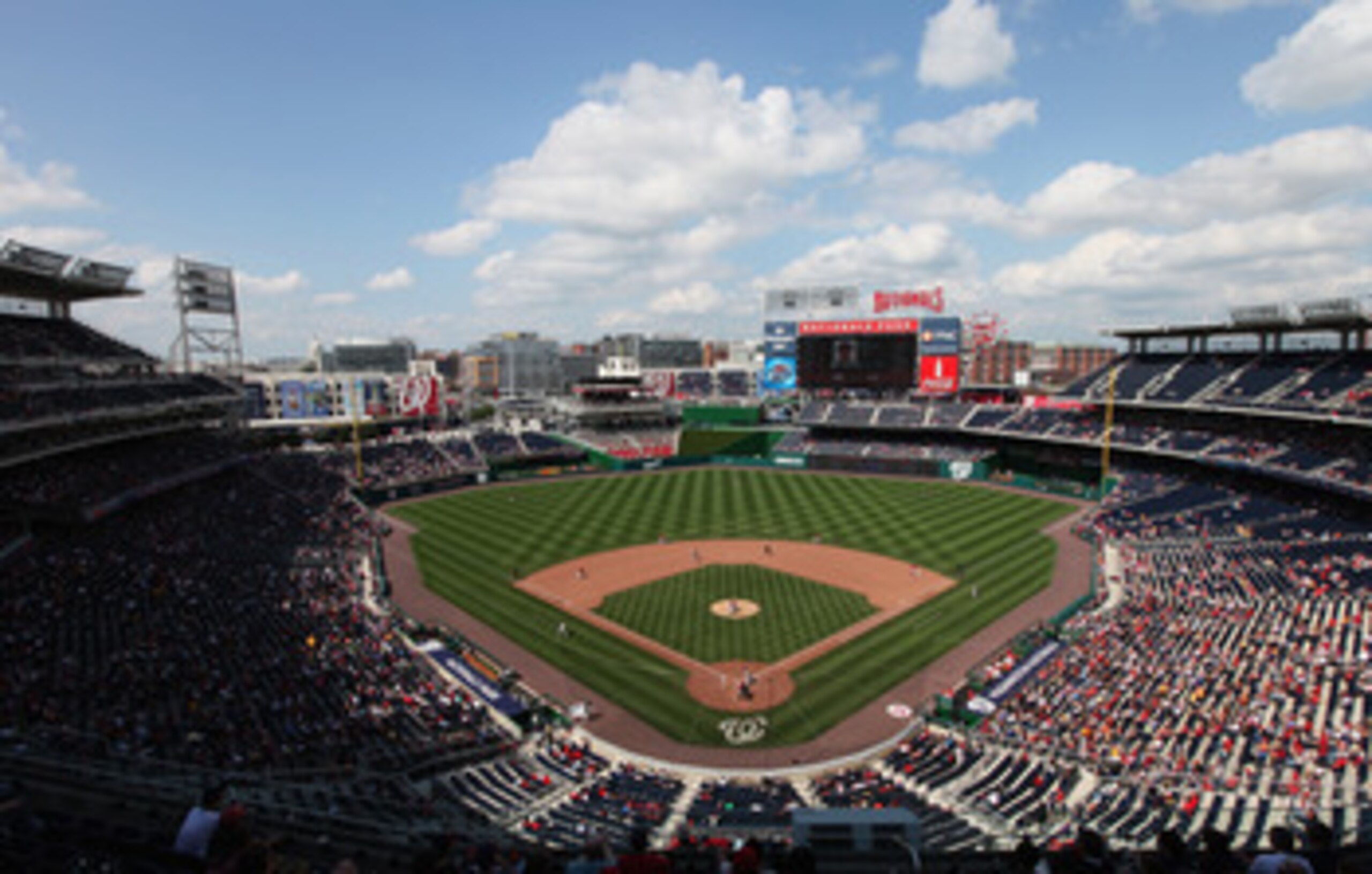
Nationals Park is averaging about 1.4 home runs per game this season.
Nationals Park has average dimensions at 336 feet down the left-field line, 335 feet down the right-field line and 403 feet to straightaway center field.
Right now the stadium falls at 10th on this list, but likely will wind up around the middle of the pack by the end of the season.
9) Sun Life Stadium: Florida Marlins
2 of 10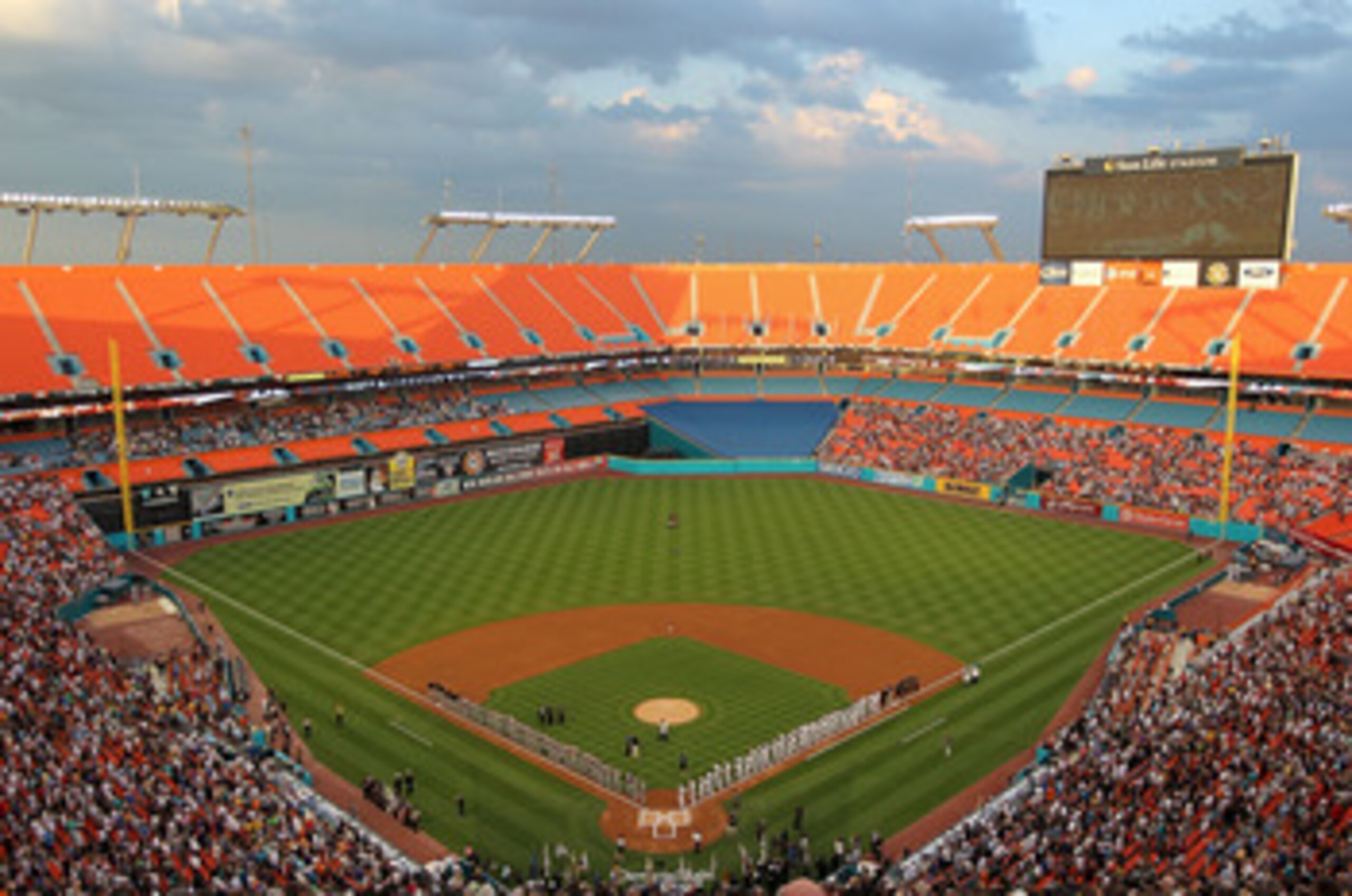
Sun Life Stadium is averaging 1.42 home runs per game at the quarter mark of the season, a little better than Nationals Park actually.
Built as a football stadium, with some quirky dimensions to go along with it, the home-run totals will truly bring this field back to the bottom-10 home-run parks in the league by season's end.
Left field is 330 feet, 345 feet to right field and 434 feet to the deepest part of center field, slightly to the left of straightaway center.
The Marlins open their new stadium next season and should benefit from playing in a baseball field rather than a football stadium.
8) Petco Park: San Diego Padres
3 of 10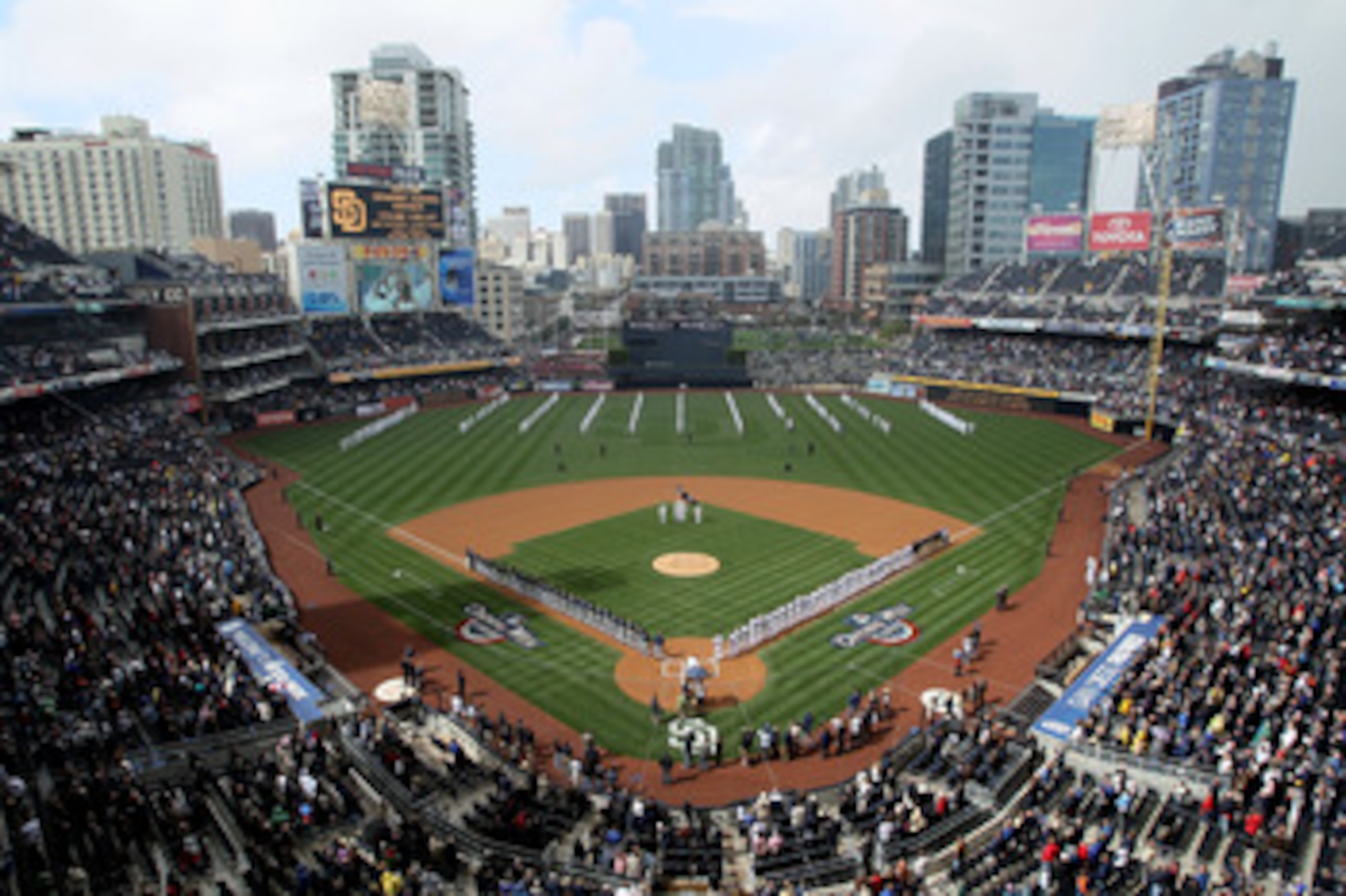
Petco Park will likely climb this list by the end of the season as it holds steady at its current 1.19 home runs per game.
The heavy ocean air makes this a pitcher's park despite some favorable outfield dimensions for hitters.
Left field measures 334 feet down the line, 322 feet down the right-field line and just 396 feet to straightaway center field. The power alleys are a more challenging 402 feet, though, which takes away a few round trippers each season.


7) Comerica Park: Detroit Tigers
4 of 10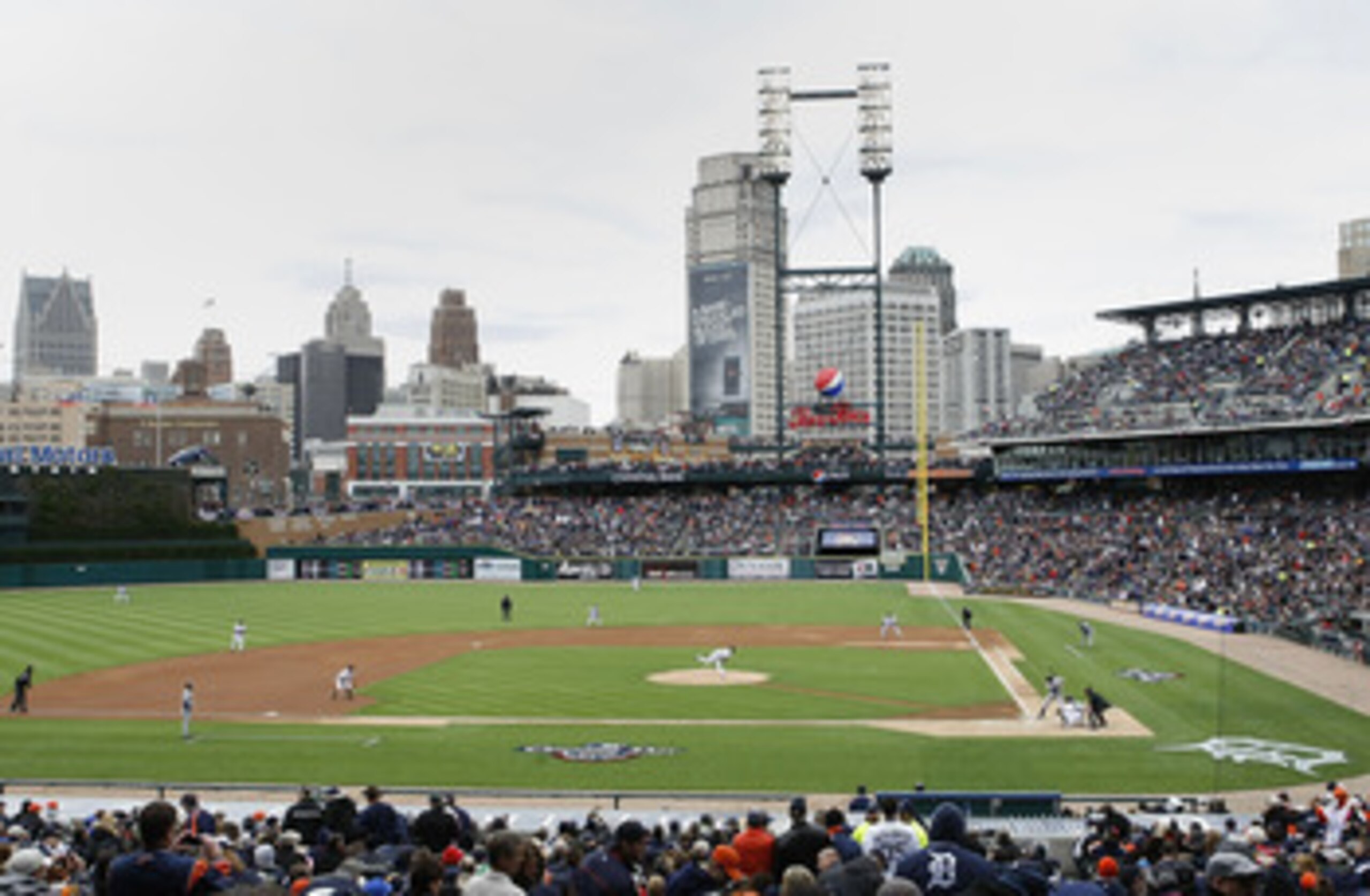
Comerica Park is currently allowing 1.16 home runs per game.
A deep center field takes away a few home runs at 420 feetstraight away. Left field is 345 feet down the line and 370 feet to the power alley. Right field measures 330 feet down the line and 365 feet to the power alley.
It's sort of amazing to think that these are the dimensions after they brought in the fences.
6) Busch Stadium: St. Louis Cardinals
5 of 10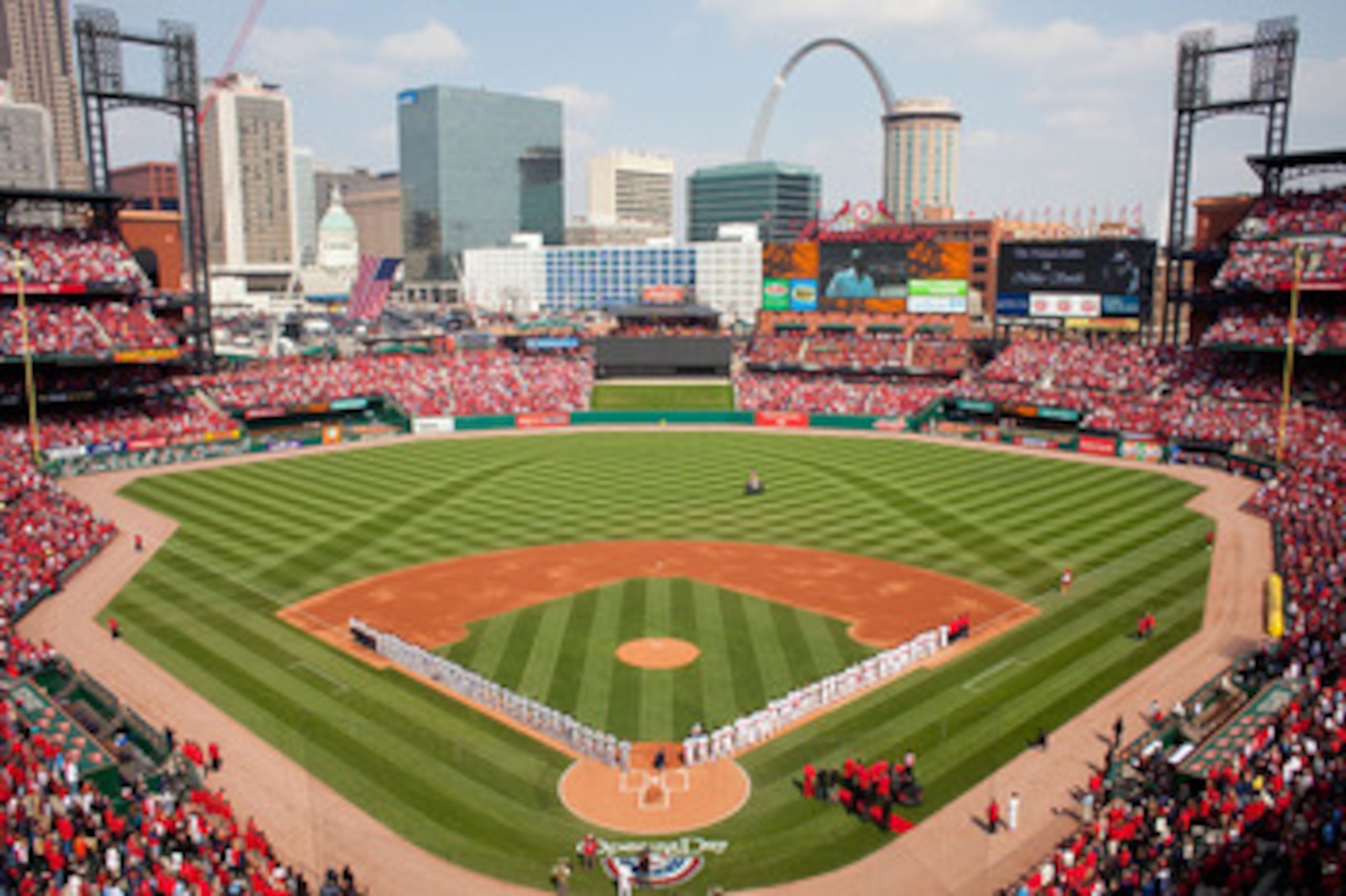
Busch Stadium is currently allowing 1.13 home runs per game.
This number will climb a little when Albert Pujols remembers that he is Albert Pujols, but the stadium was also in the lower half of power-hitter stadiums last season as well, with just 1.51 home runs per game.
The dimensions are pretty standard at 336 feet and 335 feet down the lines, 400 feet to center and 375 feet to both power alleys.
5) PNC Park: Pittsburgh Pirates
6 of 10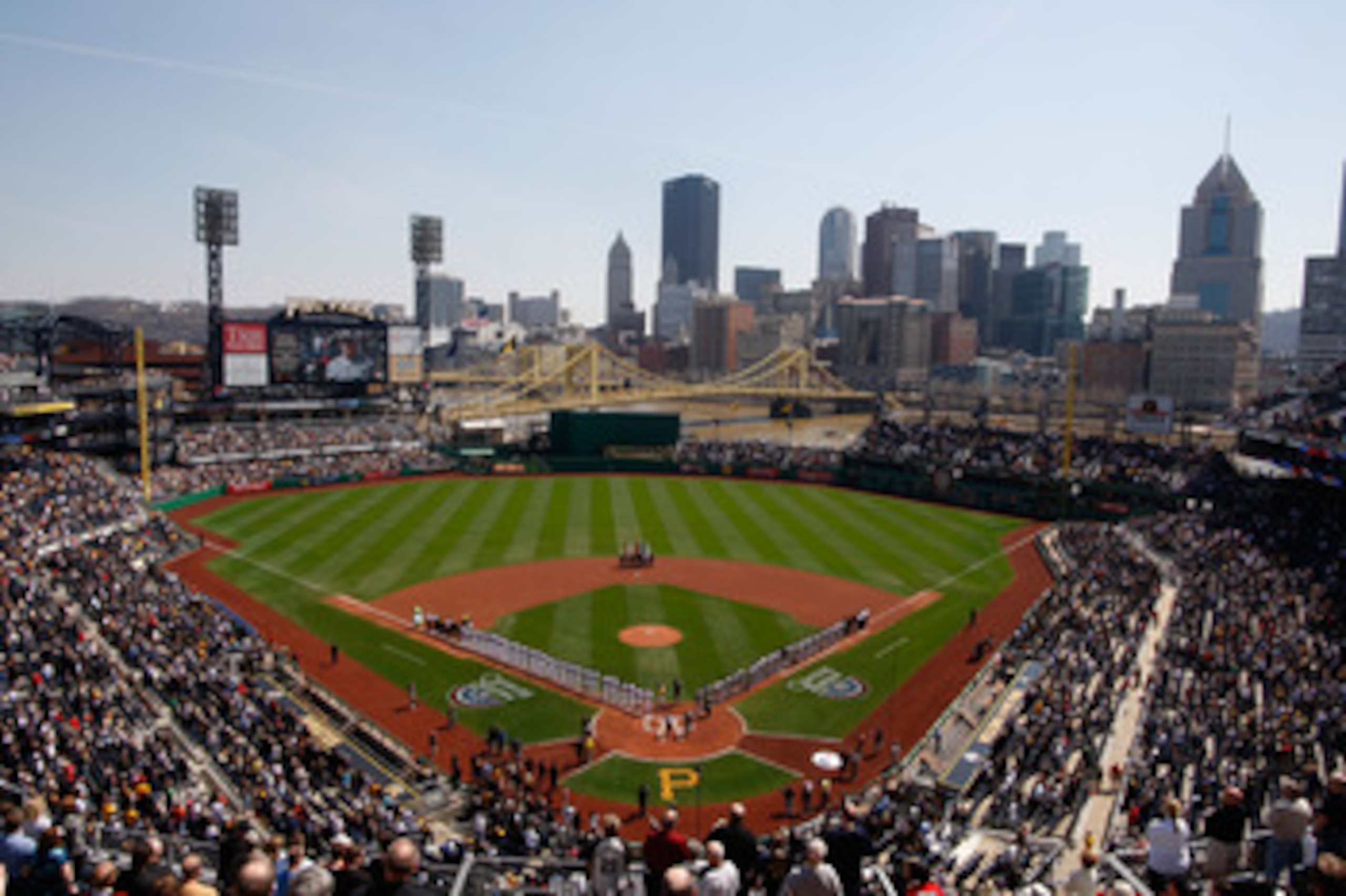
PNC Park has allowed just 1.1 home runs per game this season.
The Pirates offense is a contributor to this low home-run total, but the parks dimension aides the low power numbers by making it a difficult park to hit for power by right-handed hitters.
The left-field fence is just 325 feet straight down the line, but the fence then angles sharply to much deeper dimensions. The power alley is 389 feet before it cuts shallower briefly, leading to a 399-feet center-field marker.
Left-handed hitters have it a little easier with a normal configuration to the outfield fence. The right-field foul pole is just 320 feet away, 375 feet to the power alley, with no weird angles or corners to trap long fly balls.
4) Safeco Field: Seattle Mariners
7 of 10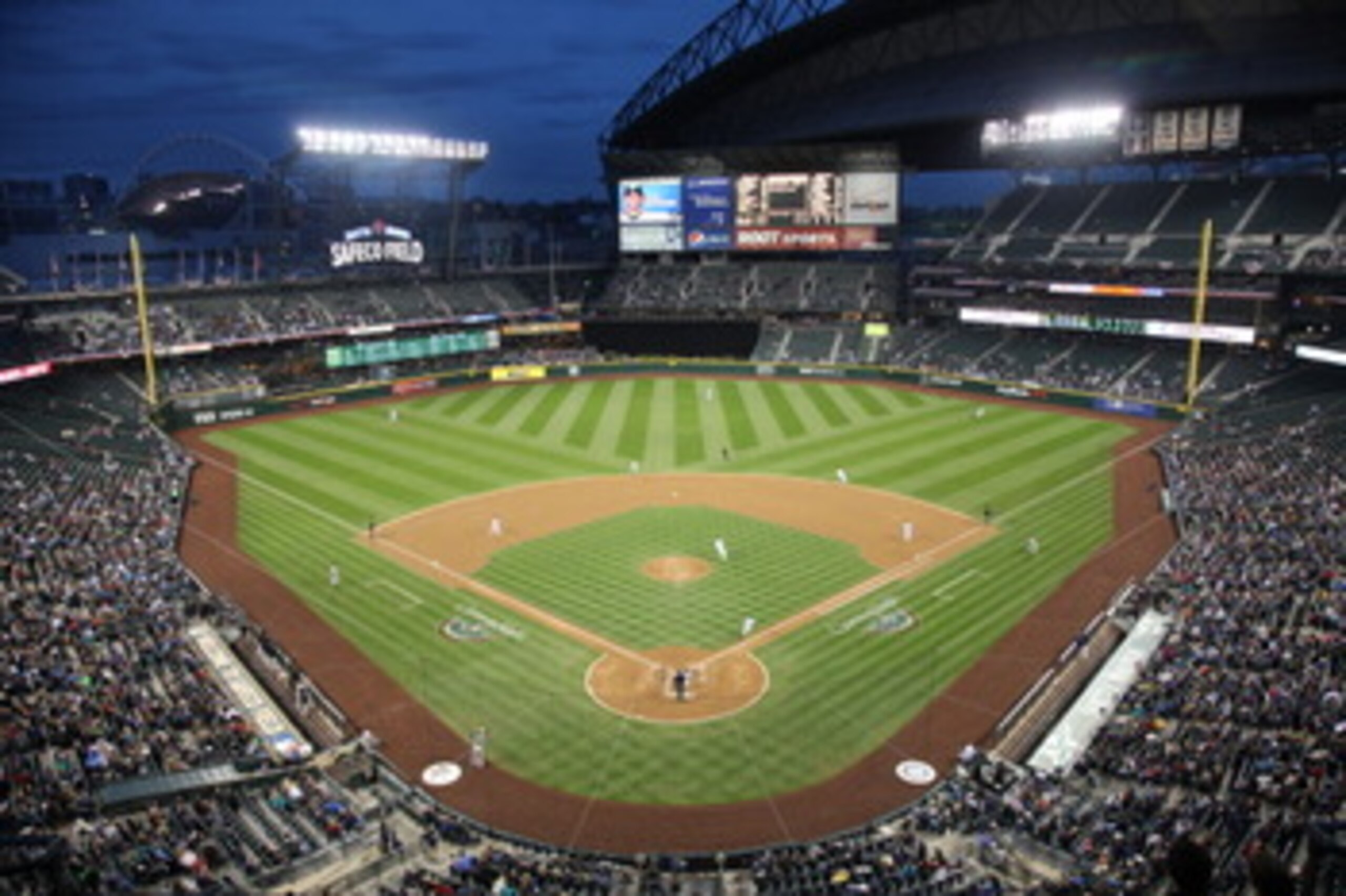
Safeco Field is similar to PNC Park in that it favors left-handed hitters with more favorable dimensions. Also similar to PNC Park, it allows just 1.09 home runs per game this season.
Another similarity to Pittsburgh is a weak offense that has kept home runs low, yet the Mariners are right in the thick of the AL West race.
Center field is deep at 405 feet, and the power alleys are equally difficult at 390 feet in left field and 387 feet in right field.
Safeco Field yielded only 1.28 home runs per game in 2010, so it is traditionally a pitching-friendly ballpark.
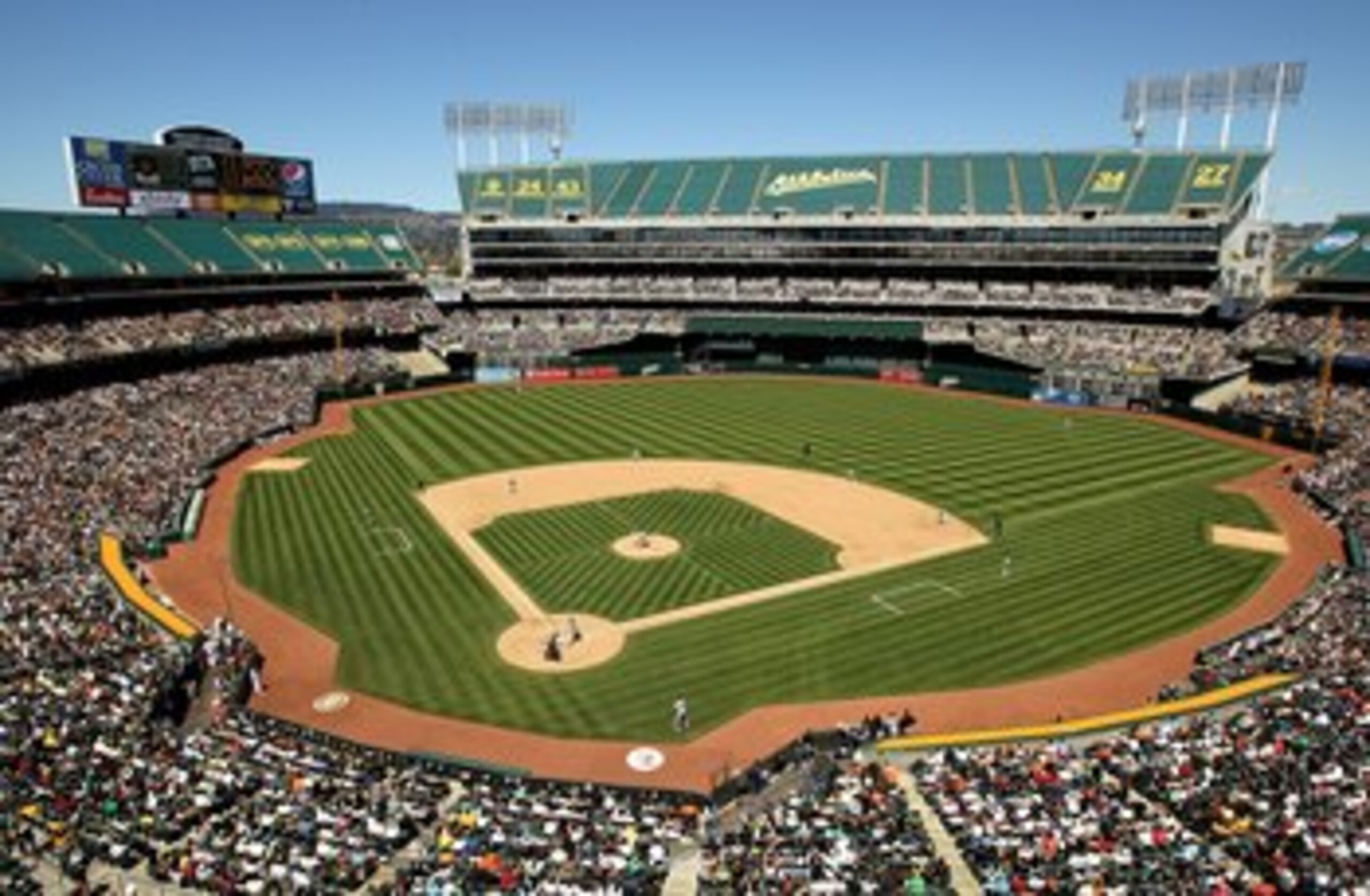
3) Overstock.com Coliseum: Oakland Athletics
8 of 10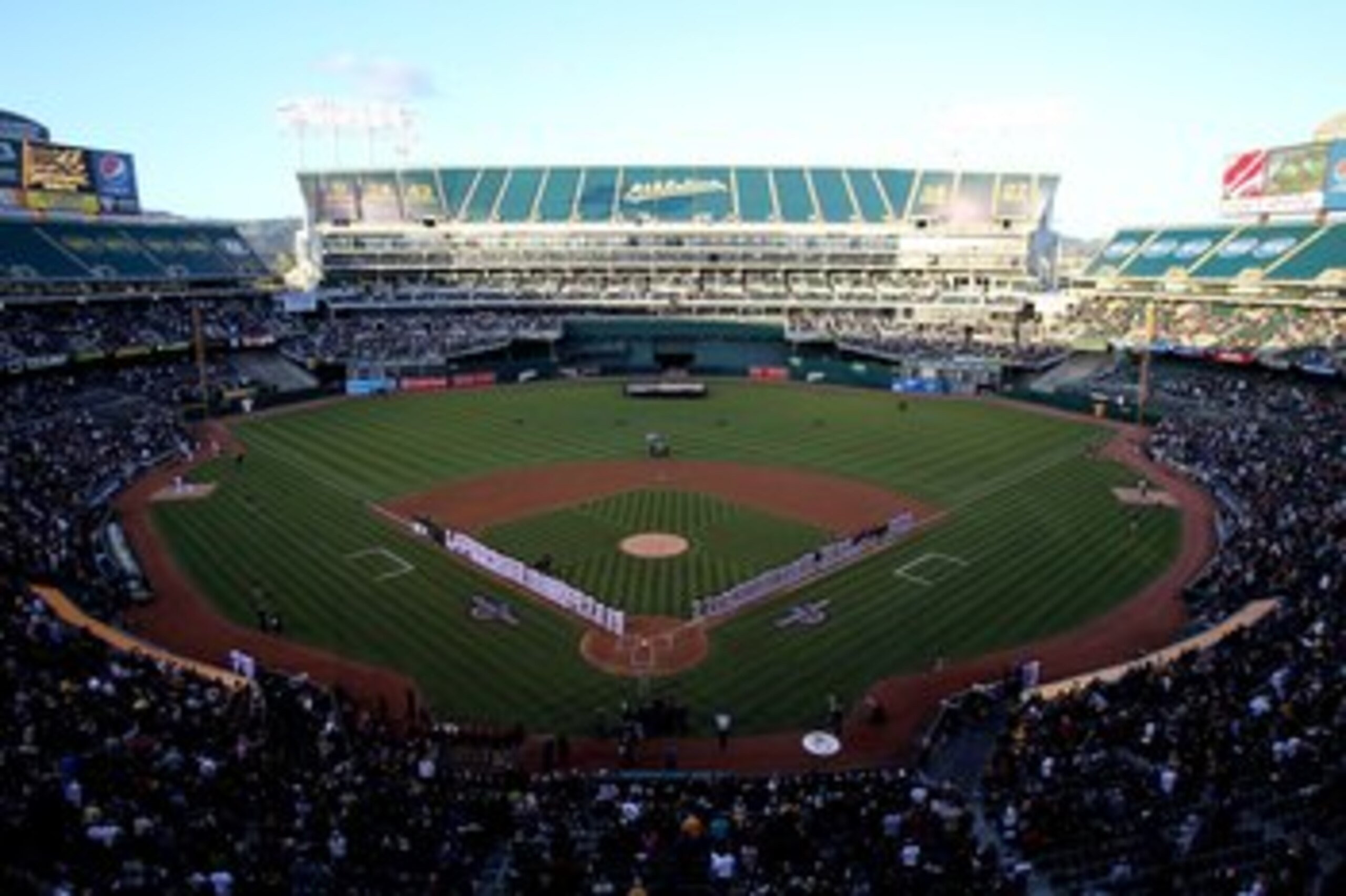
The Oakland Coliseum is averaging just 1.09 home runs per game this season, tied with Safeco Field.
The Oakland A's don't have many hitters these days that can put the ball over the fence with any regularity, helping keep the stadium's numbers low.
The pitchers are the best in the American League, further limiting the home-run totals.
The stadium does it's part too, though. Large foul territory takes away opportunities for hitters, and a quirky outfield wall that raises in parts to accommodate the out-of-town scoreboards takes away plenty of home runs.
The dimensions are consistent, though, at 330 feet down both lines, 388 feet to both power alleys and 400 feet to straightaway center field.
2) AT&T Park: San Francisco Giants
9 of 10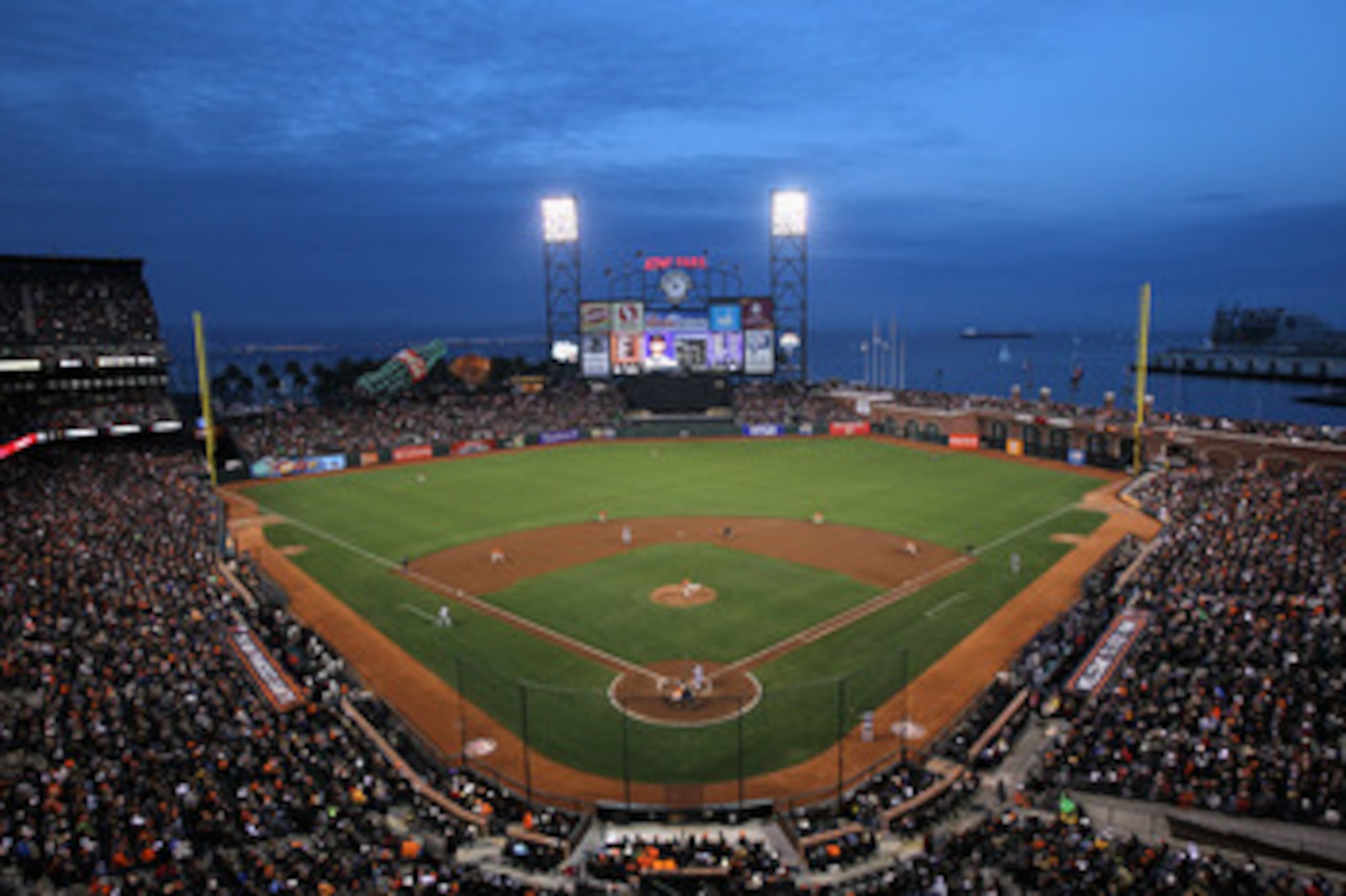
AT&T Park almost earned the top mark as the most difficult park for power hitters at 1.06 home runs per game this season.
The Giants pitching does its part to limit the home-run totals behind their World Series-champion rotation, but the field takes away plenty of home runs from left-handed hitters as well.
It is only 309 feet down the right field line, but a high wall turns would-be home runs into doubles.
Center field is 399 feet to straightaway, but the right-field power alley is especially difficult to go deep at 421 feet, known as triple's alley.
Right-handed hitters fair a little better with a normal-sized wall and dimensions of 339 feet down the left-field line and 364 feet in the left-field power alley.
1) Angels Stadium: Los Angeles Angels of Anaheim
10 of 10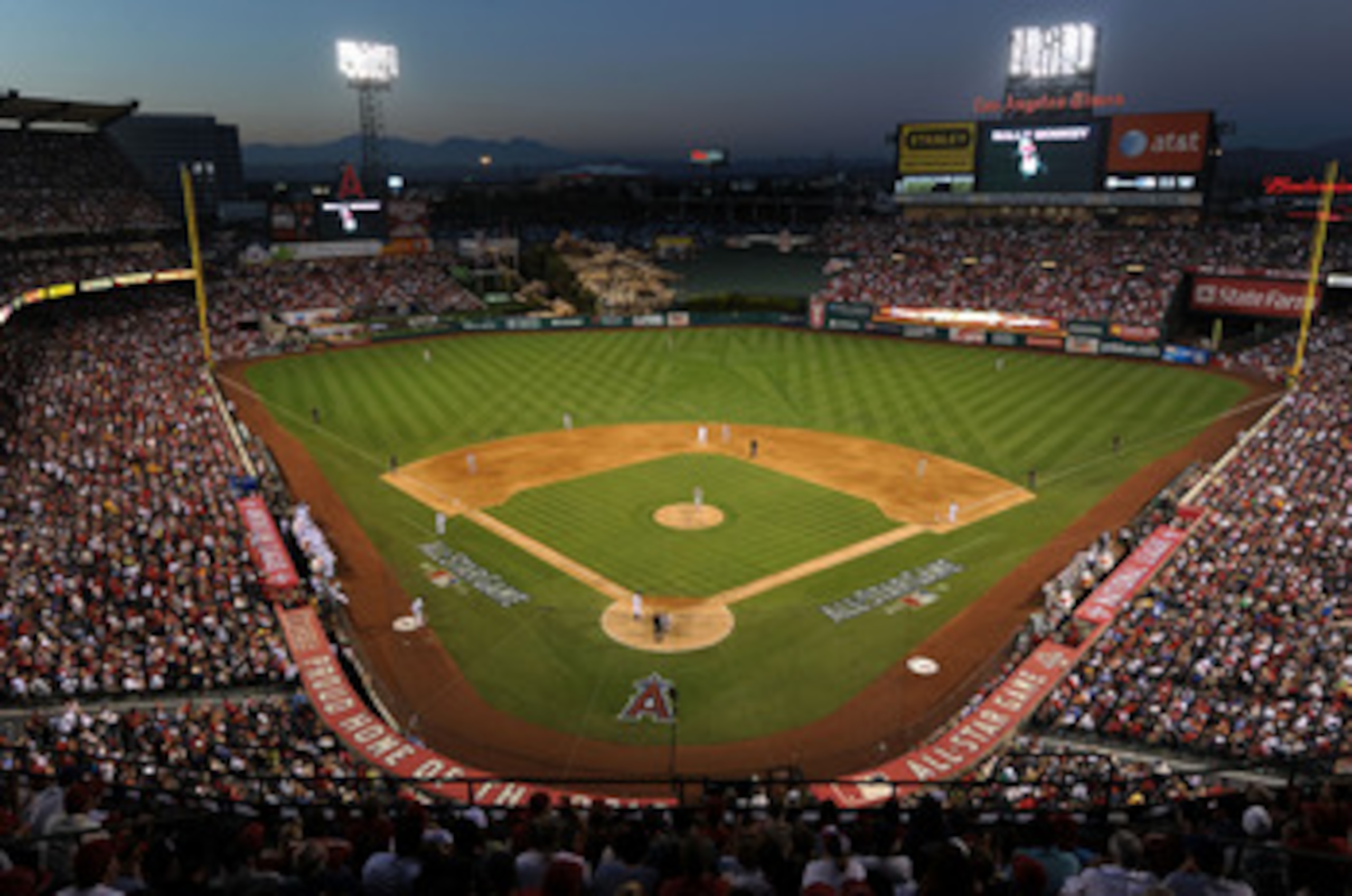
Angels Stadium is the winner at just 1.05 home runs per game so far this season; or does that make them the loser? Guess it is a matter of perspective.
A healthy Kendry Morales would have helped elevate that number slightly, but he is out for the season.
The Halos will count on Vernon Wells to turn his season around and Torii Hunter to pick back up where he left off last season.
The dimensions at Angels Stadium are pretty standard. It is 330 feet to both left and right field. Center field measures 400 feet, and the power alleys are 387 to left field and 370 to right field.
The wall is higher in right field, turning some home runs into doubles or long singles.
The left-field wall is shorter, allowing some would-be doubles to sail into the bullpen.
Last season, Angels Stadium was right in the middle of the pack at 1.68 home runs per game. It will likely fall out of the top 10 if the Angels offense gets hot.



.jpg?w=2560 "Chiefs, Steelers Eye WR Trades")



.jpg?w=2560 "Latest Peyton-Colts Rumors")