

Clayton Kershaw, Jay Bruce and 2011 MLB Award Predictions
Baseball is entering the summer, which means that most of the season's early surprise stories have either disappeared or become a tired expectation.
For the most part, contact and swing rates have stabilized, and we have a decent idea of what to expect from players and teams moving forward. As the prognosticating dies down, we're left to sit around and watch wonderful baseball in the summer, when velocity numbers start climbing and home runs start traveling a little further.
That's great, but I'm not done with predictions.
Fueled by the recent mashing of the Reds' Jay Bruce, I'm going to revisit my preseason picks for each league's Cy Young and Most Valuable Player awards. I'll preface this by saying that these are based on a compromise of who I think will deserve these honors and who I think is likely to receive them.
Alongside my early picks, I'll include an updated favorite, a couple of other contenders and a dark horse. With close to 20 names posted here, I'm sure I'll be right on at least a couple of these at season's end.
AL Cy Young, Preseason Pick: Jered Weaver
1 of 16
The league's 2010 strikeout king surrounded his whiff numbers with impressive peripheral stats last season.
While Felix Hernandez was certainly deserving of his Cy Young award, Weaver probably should have finished higher than fifth in the voting.
He had the second fewest walks of any top-10 strikeout pitcher in the AL, bested only by Cliff Lee, who finished 10th in the league with nearly 50 less K's than Weaver. I don't care much at all for W-L records, but voters do. That said, Weaver's 13-12 was identical to Felix's.
One of the most valuable things a great starter can do is eat up innings. Every time they pitch deep into a game, they're replacing middle reliever talent with top of the rotation production. Weaver's 224 IP last season isn't a bad number by any means, but it was tough to compare with Hernandez and C.C. Sabathia, who pitched 249.2 and 237.2 innings respectively.
This year, Weaver was coming into his age 28 season after making great strides as a 27-year-old. He's increased his workload every season, so it seemed reasonable to expect a few more innings this year.
I don't mean to discredit the talent of Felix Hernandez at all, but after a season of such extreme dominance, it's usually a safe bet to expect a little regression. Also, it's rare for pitchers to carry such a heavy workload in consecutive healthy seasons.
As future indicators, true outcomes are unrivaled. Pitchers who strike out a lot of batters while not walking many will almost always be near the top of the league in terms of success. Weaver did this at an incredible rate in 2010. While I expected the reigning Cy Young winner to regress this year, I fully expected Weaver to continue his transformation into one of the league's most elite pitchers.
AL Cy Young, Current Pick: Weaver
2 of 16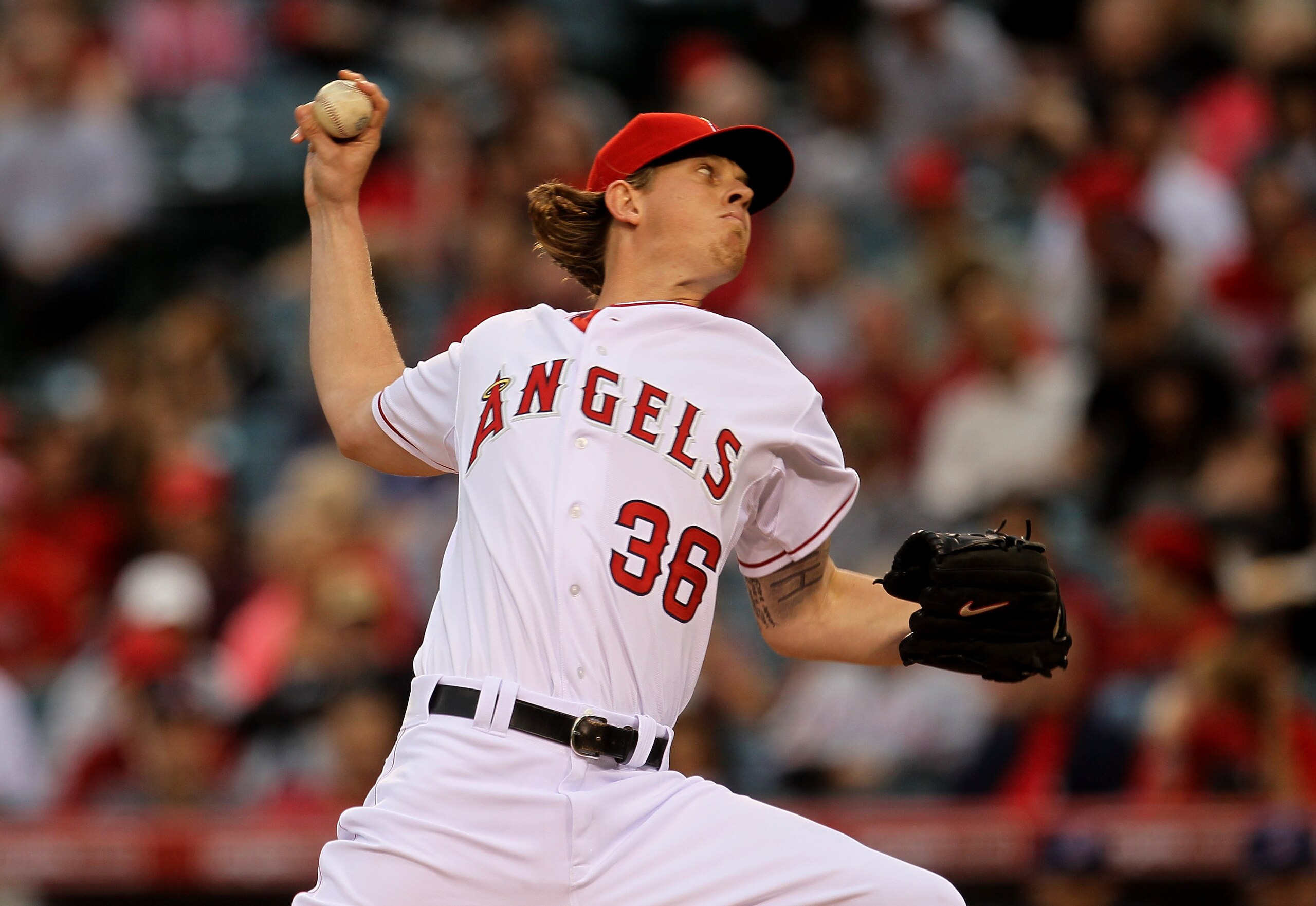
So far, so good.
Weaver has slowed down a bit after a wonderful start, but he's still pitching at an elite level. While he's not striking out as many batters as he did last season, his 77 K's in 85.2 innings is excellent.
That innings number brings up my next point. I said in the prediction slide that Weaver needed to increase his workload a bit. As of today, he's tossed the third most innings among AL pitchers.
At face value, his stats seem those of a Cy Young winner. He's cut his WHIP down to 0.95, and his 2.10 ERA is nearly a run lower than it was last season. It's still early enough to disregard those numbers a bit, but a closer look shows his current performance holds up well.
He's only giving up 0.42 HR/9, and xFIP explains it's due in part to some pretty good luck on fly balls staying in the park. Beyond that, not much looks fluky. His FIP, which bases itself purely on pitcher-dependent outcomes, is 2.48. He's also continued to build on last year's improvement in inducing ground balls, which will help as his HR/FB (fly ball) rate climbs toward normalcy.
Looking forward, I expect Weaver's strikeout numbers to rise a bit. I don't expect to him to throw 250 innings, but somewhere between 230-240 seems reasonable. His ERA will increase a bit as he gives up a few home runs, but for the most part he shouldn't be hurt by a balance of luck.
He's pitching deeper into games, and the Angels' offense should be good enough to give up somewhere between 15-18 wins. If he keeps a sub-three ERA and maintains his excellent K:BB ratio, this award should be Weaver's to lose.
AL Cy Young, Other Candidates: Josh Beckett, Dan Haren
3 of 16
The above picture shows Dan Haren and Josh Beckett playing together for the American League All-Star team. Barring any major setbacks, that will happen again this year.
If the season ended today, Beckett would most likely take home the Cy Young award.
He's been a bit of a surprise after an abbreviated, subpar performance in 2010, but the Red Sox starter has rebounded in a big way.
He's only thrown 70 innings, but they've been very effective. His strikeout numbers are good, and while his walk total is a bit high, it's been offset by his remarkable ability to generate outs. When hitters manage to put the ball in play against him, they're only reaching base 24 percent of the time.
This has been fortunate for Beckett and the Red Sox, it's the main reason I expect him to falter a little as the season continues. That BABIP rate is just unsustainable. When you pair that with a Weaver-like HR/FB percentage, regression seems very likely for Beckett. Still, he's a talented guy, and it looks like he's mostly returned to form this year. While regression is likely, it isn't guaranteed, and he has the Boston media market behind him.
Haren is a different story. Probably due to sharing the Angels' rotation with Weaver, he isn't receiving nearly as much attention as he should. Just like Weaver, he's contributed a large number of innings (86.2) full of excellent production. His walk rate is phenomenal. Like the other two guys I've discussed, he's also been lucky on fly balls, but his 0.52 HR/9 is closer to his career marks than the others.
As it stands, Haren is the player most likely to take over Weaver's spot atop this list. In either scenario, Los Angeles certainly looks great at the top of their rotation.
Rounding out a top five list would be Justin Verlander and Felix Hernandez.


AL Cy Young, the Dark Horse: James Shields
4 of 16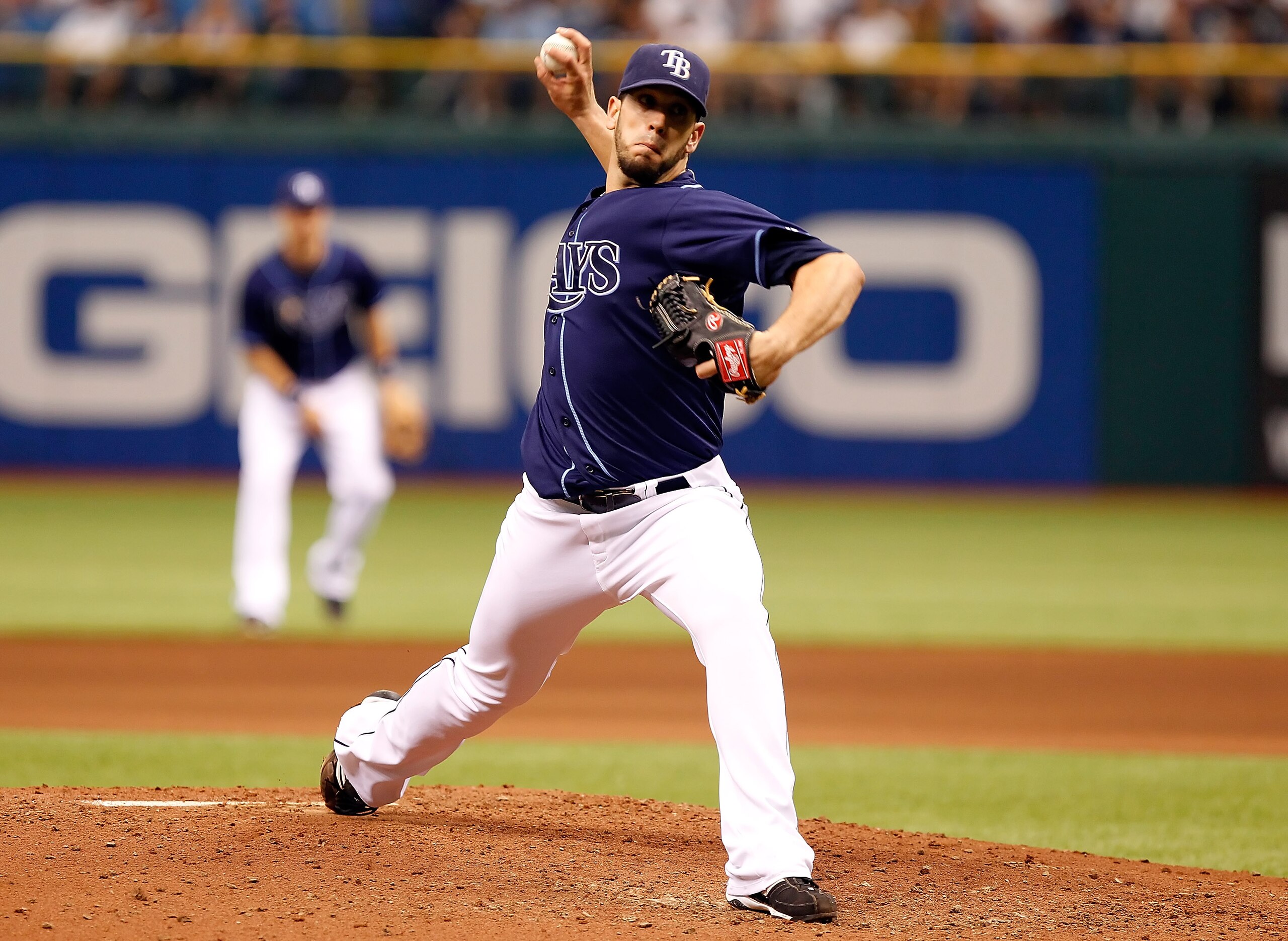
From 2007-2009, James Shields was one of the league's better mid-rotation starters. He put together a couple of 4.00-plus WAR seasons, simply doing a pretty good job at striking guys out, not walking them and keeping balls in the park.
Despite a significant strikeout increase, 2010 told a different story for Shields. Of the three prior seasons in which he had surpassed 200 innings, the highest HR/FB rate he posted was 11.2 percent. In '10, that number increased to 13.8. When the ball managed to stay in play, he was even less fortunate. Despite his opposition posting a career .304 BABIP, hitters reached base safely on 34 percent of balls in play against him last season.
As a result, his simple stats looked pretty bad last season. He finished the season with a 13-15 record and a 5.14 ERA. However, his 3.55 xFIP (fielding-independent ERA based on a league-normalized HR/FB rate) was a career low. This means that, despite being very unlucky on fly balls, the rest of his game reflected improvement.
This year, Shields' luck has gone the opposite direction.
Once again, he's striking out more than eight hitters per nine innings, but he's also walking only 1.94. His 10.7 HR/FB rate is much closer to league average than last year's. While he's always been a reliable 200-plus innings guy, he's currently one of only eight AL pitchers who have thrown more than 80.
He's pitching at a very high level, and he's doing so over a lot of innings.
While all of this is good, opposing hitters are reaching base on only 26 percent of batted balls in play. This number is bound to go up. Still, as long as it stays around his career average, Shields should continue to be very good. Pitching for a good team against big market clubs in the AL East should keep him on a big enough stage to receive attention from voters.
AL MVP, Preseason Pick: Evan Longoria
5 of 16
Evan Longoria is a lot of things.
He's probably the best defensive third baseman in baseball. He's also possibly the best hitting third baseman in baseball. While those things are debatable, it's inarguable that he carries the game's most team-friendly contract.
He's young, He's incredibly talented, he's marketed well, and he seemed primed for a huge 2011 season.
However, for now, he's not at all a candidate for the AL MVP.
I don't think I need to defend this pick with the level of detail I gave for Weaver. Longoria's talents are obvious. He's been a perennial .280/.360/.510 hitter throughout his young career, and he's shown the power to hit 30 home runs. This only adds to the fact that his presence is synonymous with the Rays' amazing turnaround. On top of all that, he's excels most with his glove, and defense is the new buzz word in the ever-growing culture of statistical analysis.
Coming into his age 25 season, it was reasonable to expect 2011 to be his best year yet. However, an oblique injury has limited him to only 120 plate appearances. While he's been excellent to the say the least, the time he's missed puts him on the outside looking in at the AL MVP award.
There's another reason he doesn't stand a chance to win it this year, but that will be covered in the next slide.
AL MVP, Current Pick: Jose Bautista
6 of 16
I wrote more about this here, but Jose Bautista is tracking toward the best season in baseball history.
I don't expect him to carry on at this level, but when you're playing this good, you can regress quite a bit and still be the league's best player.
To highlight a few details here, Bautista is hitting .363/.505/.786. That's a 1.291 OPS. His isolated slugging percentage is .423. To further clarify how ridiculous this is, ISO is figured by subtracting a player's batting average from their slugging percentage. There's a long list of MLB regulars with a slugging percentage lower than .423.
He's walking at a higher rate than he's striking out, and only three of those walks have been intentional. With double digit run values against fastballs and sliders, and a 6.5 run value against curves, there aren't many pitches he isn't crushing right now.
As a result, pitchers will almost surely start giving him more intentional free passes. I know it's still early. I know Bautista sucked until he was 29 years old. I know the baseball season is a marathon, not a sprint. I know all of that.
But I also know no one posts numbers this good on June 1.
ZiPS predicts the rest of Bautista's season with an unfair weight placed on seasons prior to last year. However, they're still projecting him to finish at .306/.436/.654 with 45 home runs. Basically, he can immediately revert back to his status as a below-average 28-year-old and be a lock for the MVP.
As long as he continues hitting at a pace within shouting distance of what he's doing now, the voting should be unanimous.
AL MVP, Other Candidates: Miguel Cabrera, Adrian Gonzalez
7 of 16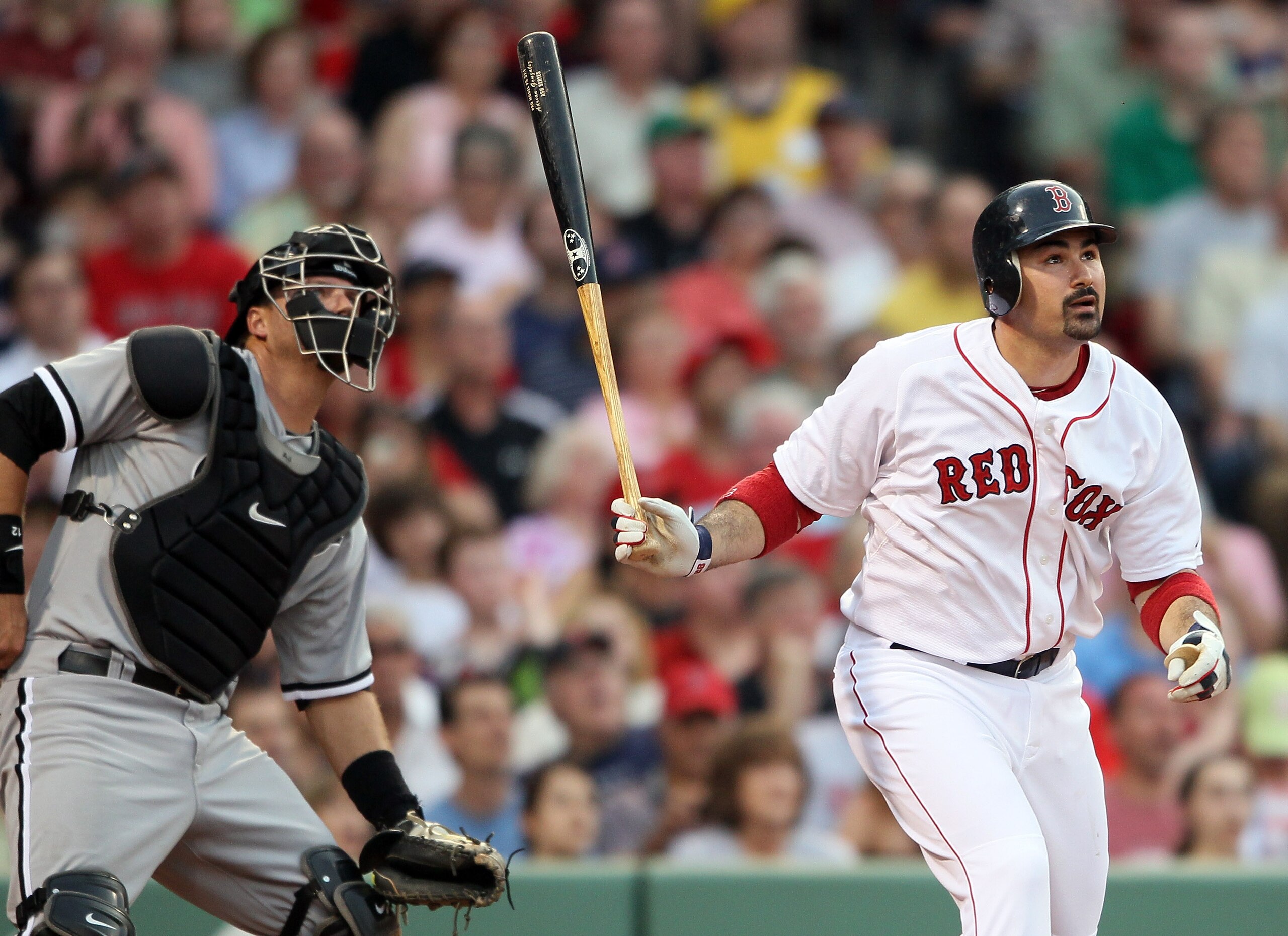
Per the previous slide, there really are no other candidates.
However, there are several American Leaguers performing at a very high level. Some of those guys, like Matt Joyce and Howie Kendrick, are likely to drop off a bit as the season continues.
Adrian Gonzalez and Miguel Cabrera, though, seem pretty likely to stick around.
Gonzalez was a popular preseason MVP pick. Most people figured his power numbers would thrive outside of San Diego. He's also shown excellent plate discipline throughout his career, so one would figure his walk rates would rise playing for an organization that highly values on-base percentage.
Instead, a dry spell to start the season has Gonzalez's HR/FB rates hovering near his career low, and he's inexplicably posting a Jeff Francoeur-like walk rate of only 6.9 percent. Despite these unexpected struggles, he's excelled everywhere else. Great contact rates and good luck on batted balls have allowed him a triple slash line of .329/.375/.544.
While that's a great line, he's still progressing toward his career averages in his two strongest areas. ZiPS projects a return to form in his walk rate and ISO for the rest of the season. A .320/.400/.560 season would easily be an MVP worthy year in most cases.
Expectation for Cabrera was nearly the opposite. After an ugly DUI in the off-season, which wasn't his first alcohol-related issue, his future seemed a little questionable.
That said, Cabrera has a track record as one of the game's most complete hitters, so it's not surprising to see him performing so well this year.
He's posting a career-high 17.7 percent walk rate, and his .412 wOBA (weighted on-base average) would be the third highest of his career. He really doesn't have any fluky numbers that suggest regression.
In terms of pure hitting ability, he reminds me a lot of Manny Ramirez. He doesn't really have a weakness, and he's proven to be an elite hitter over and over again with luck-neutral peripherals. Like Gonzalez, he'll probably end up with an MVP-caliber stat line. Unfortunately, also like Gonzalez, he's playing in the same league as Bautista.
Yankees first baseman Mark Teixeira and Boston's David Ortiz fill out the top five.
AL MVP, the Dark Horse: Curtis Granderson
8 of 16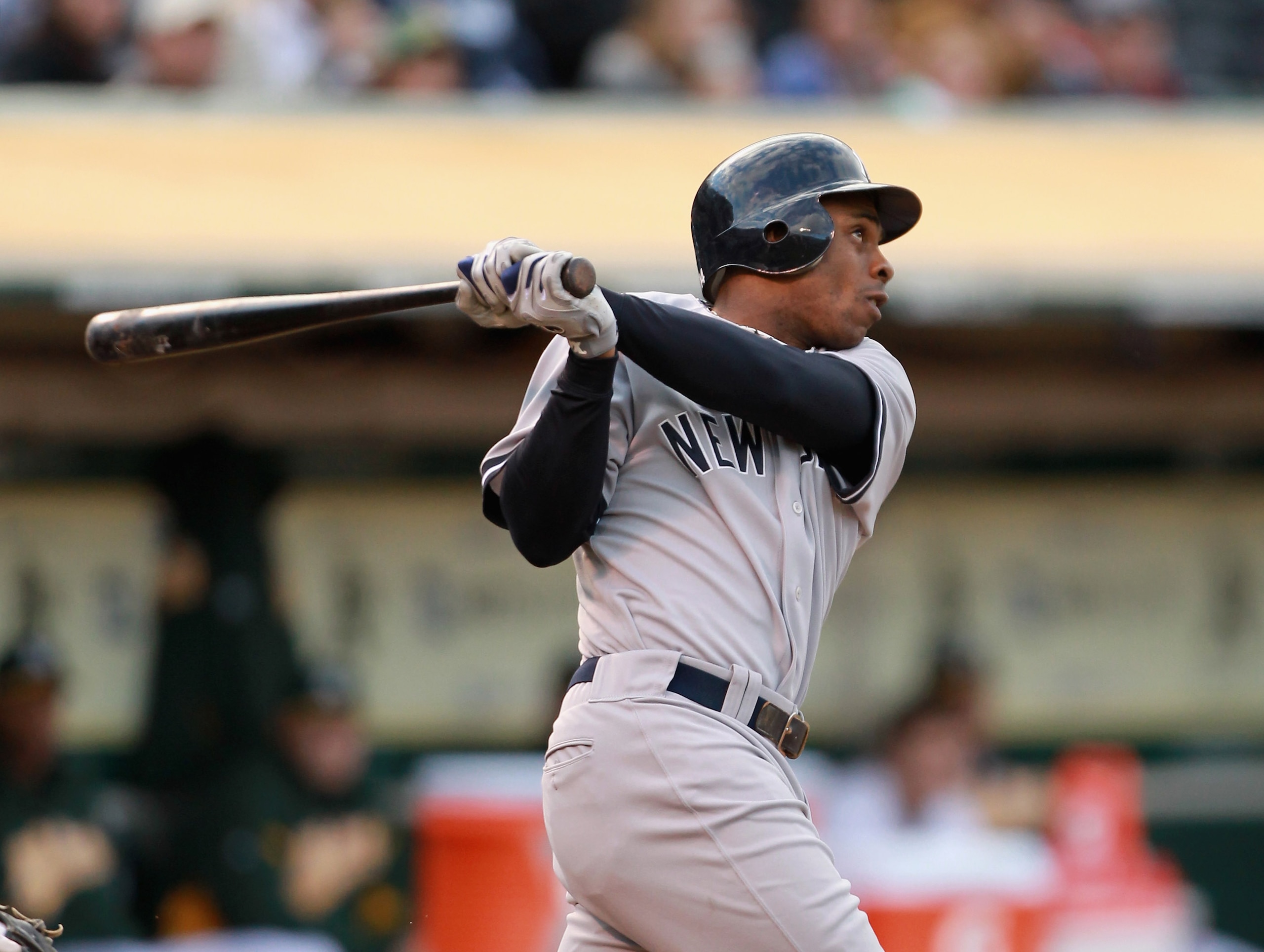
Of all the players outperforming themselves in the AL, Granderson probably has the best track record.
He regularly supports his OBP with double digit walk rates, and he has an extremely athletic skill set.
Last year, due to pretty bad luck on batted balls, he hit only .247, and it seemed like a bad year. However, he also hit 24 home runs on the back of a career-high 14.5 HR/FB percentage.
Most of his success this year is built on an extremely high ISO. He's also turning over 21 percent of his fly balls into home runs. That's probably not sustainable.
NL Cy Young, Preseason Pick: Clayton Kershaw
9 of 16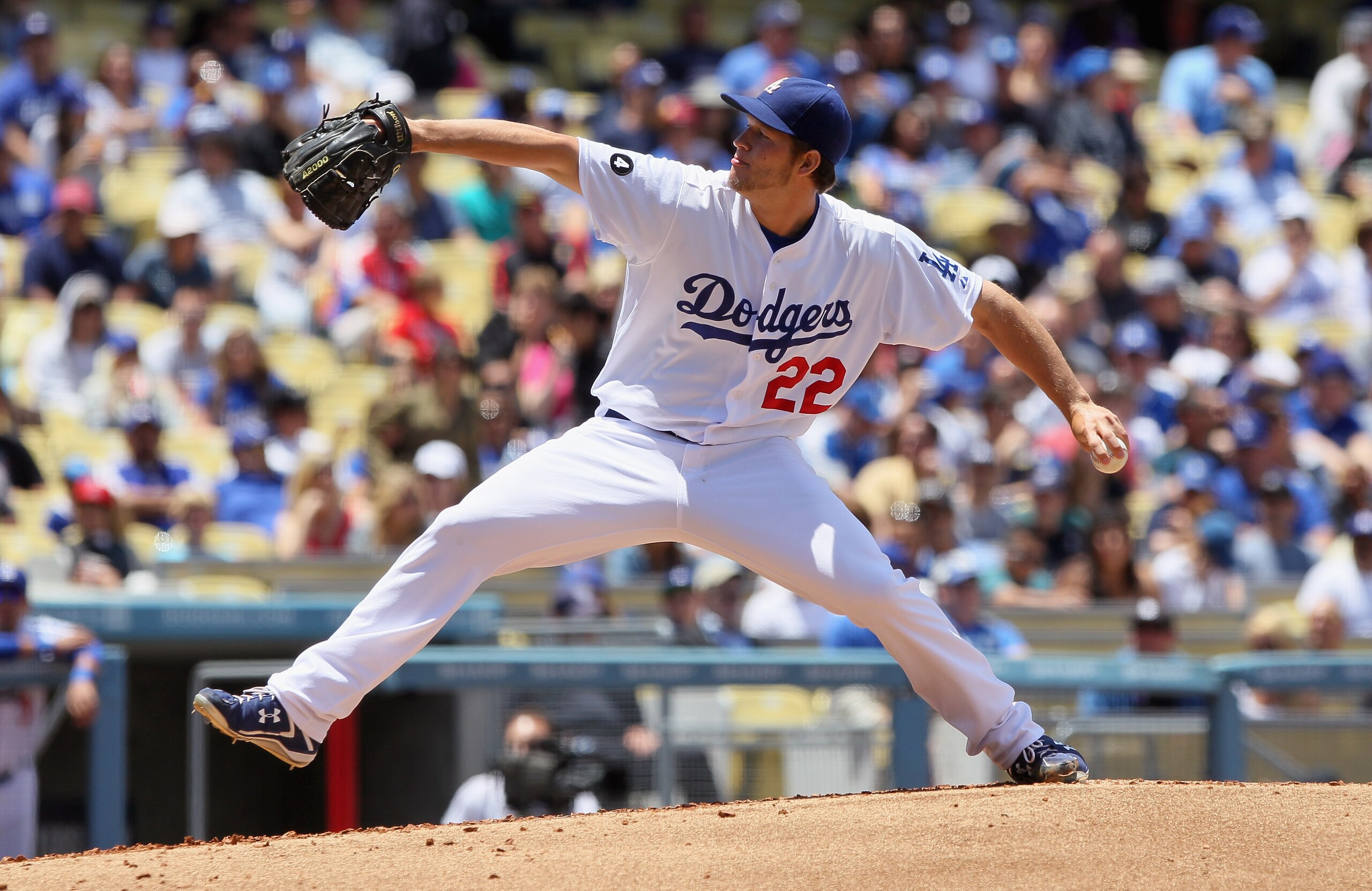
At age 20, Randy Johnson was a year away from being a fourth round pick in the 1985 MLB Amateur Draft. Roger Clemens was working successfully between A and AA ball in Boston's farm system. Pedro Martinez recorded an 0-1 record in just eight innings of work in the Majors.
More recently, a 20-year-old Tim Lincecum was two years away from his minor league debut. Between AA and AAA, a 20-year-old Roy Halladay compiled a 4.77 ERA with just a 1.47 K/BB ratio over 162 innings.
I gave you that information as a point of reference for this:
As a 20-year-old pitcher, Clayton Kershaw threw over 100 innings as a starter for the Dodgers. He certainly had his struggles, but he struck out over eight batters per nine innings. His ERA+ of 98 placed him right near league average for starting pitchers.
At age 21, Kershaw led the league in fewest hits allowed per nine. His 1.22 WHIP and 2.91 ERA gave him a well above average 143 ERA+ (a ballpark adjusted stat that scales the league average ERA to 100), and he struck out more than a batter per inning.
At age 22, he did more of the same. Over 204 innings pitched, he again posted a very good ERA+. For the second time in his first two full seasons, his standard ERA was below three. Again, he struck out over a batter per inning and took major strides toward improving his control.
When looking at a player's development, age relevancy is a big deal. Kershaw was performing well above league average at an age when most elite pitchers hadn't even sniffed the big leagues. The seventh overall pick of the 2006 draft, he has always been a prized prospect. Most of the time, teams are more careful about moving these types of pitchers along given their investment in a position with such high rate of attrition.
Kershaw rightfully earned the right to advance so quickly.
I hinted earlier that he had some control issues in the early part of his career. In both 2008 and 2009, he walked more than four batters per nine innings. As an extremely young pitcher working against major leaguers, though, this is to be expected. Last year he brought that number down to 3.6.
With such vast improvement in his one and only weak area, I fully expected Kershaw to continue his improvement and step into his own class of pitchers this season. On stuff alone, he's always had the potential to do so. His fastball moves a lot and sits consistently at around 94 MPH. He doesn't rely on it near as much as he used to, but his curveball may be baseball's nastiest pitch when it's on.
Though his play has been worthy of the national media's attention over the past few years, I expected this year to be the one when he'd start performing at such a high level he could no longer be ignored. It seemed reasonable to expect less than three walks and between nine and 10 strikeouts per nine innings and an ERA under 2.50.
NL Cy Young, Current Pick: Kershaw
10 of 16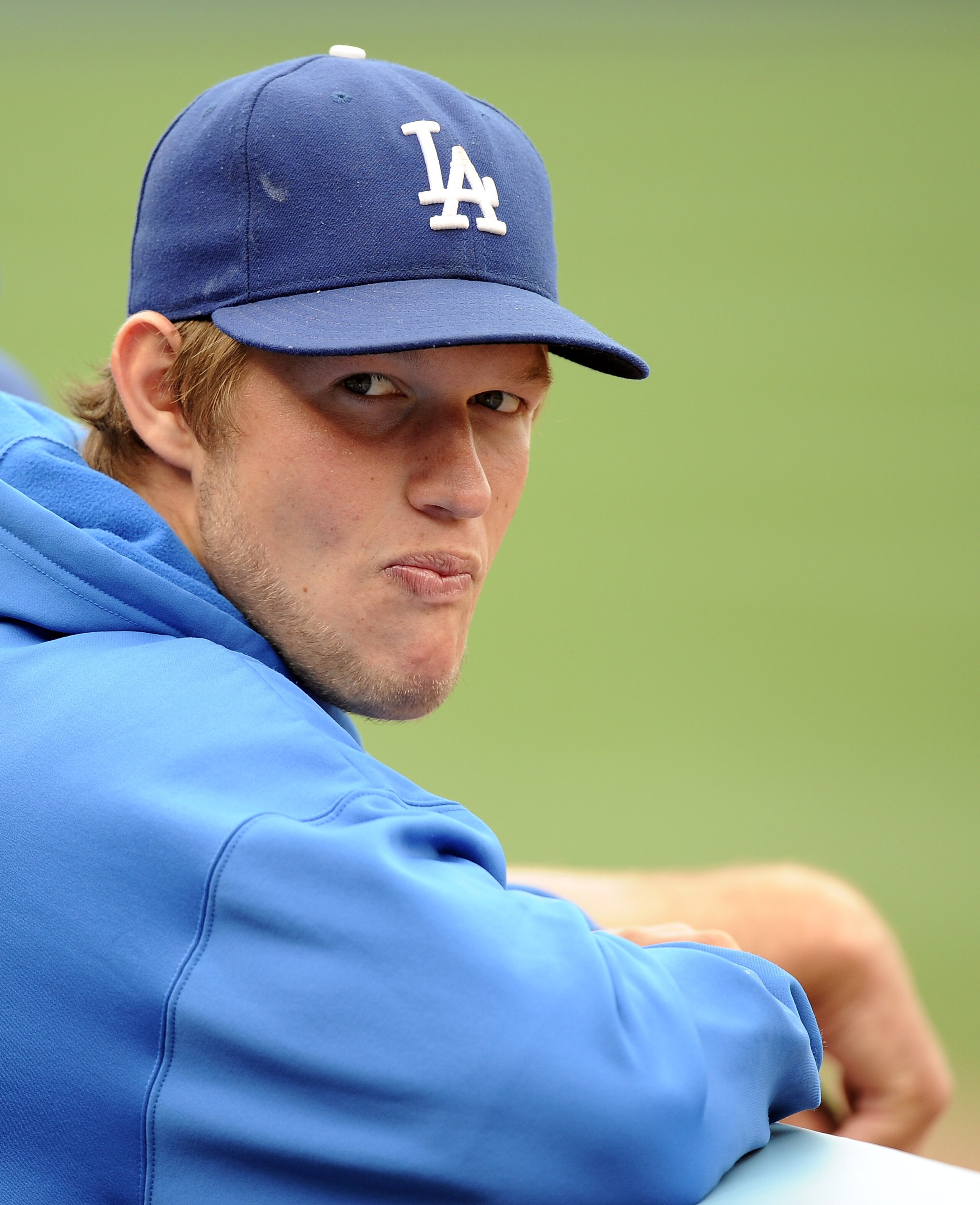
Roy Halladay has been amazing. I know this, and I'll talk more about it in the next slide.
Kershaw is still my pick.
For the most part, he's done what I expected him to. The walk rate is down to 2.73 per nine innings. He's striking out a career high 9.91 batters over the same nine frames. He's continued to be virtually unhittable, and his 0.68 HR/9 is actually higher than his career average.
This all amounts to an incredible 2.89 xFIP.
I projected him in my fantasy baseball ratings as the No. 1 pitcher on the board, and he's lived up to the hype. For the most part, his performance has been luck-neutral. If anything, you could say he's actually been a little unlucky on fly balls. ZiPS projects 226 K's over 210 innings, with a 16-7 record and 2.87 ERA. I think the K numbers will be a little higher, but if he can fill out the rest of that stat line, he could definitely assert himself as the senior circuit's top pitcher.
NL Cy Young, Other Candidates: Roy Halladay, Tim Lincecum
11 of 16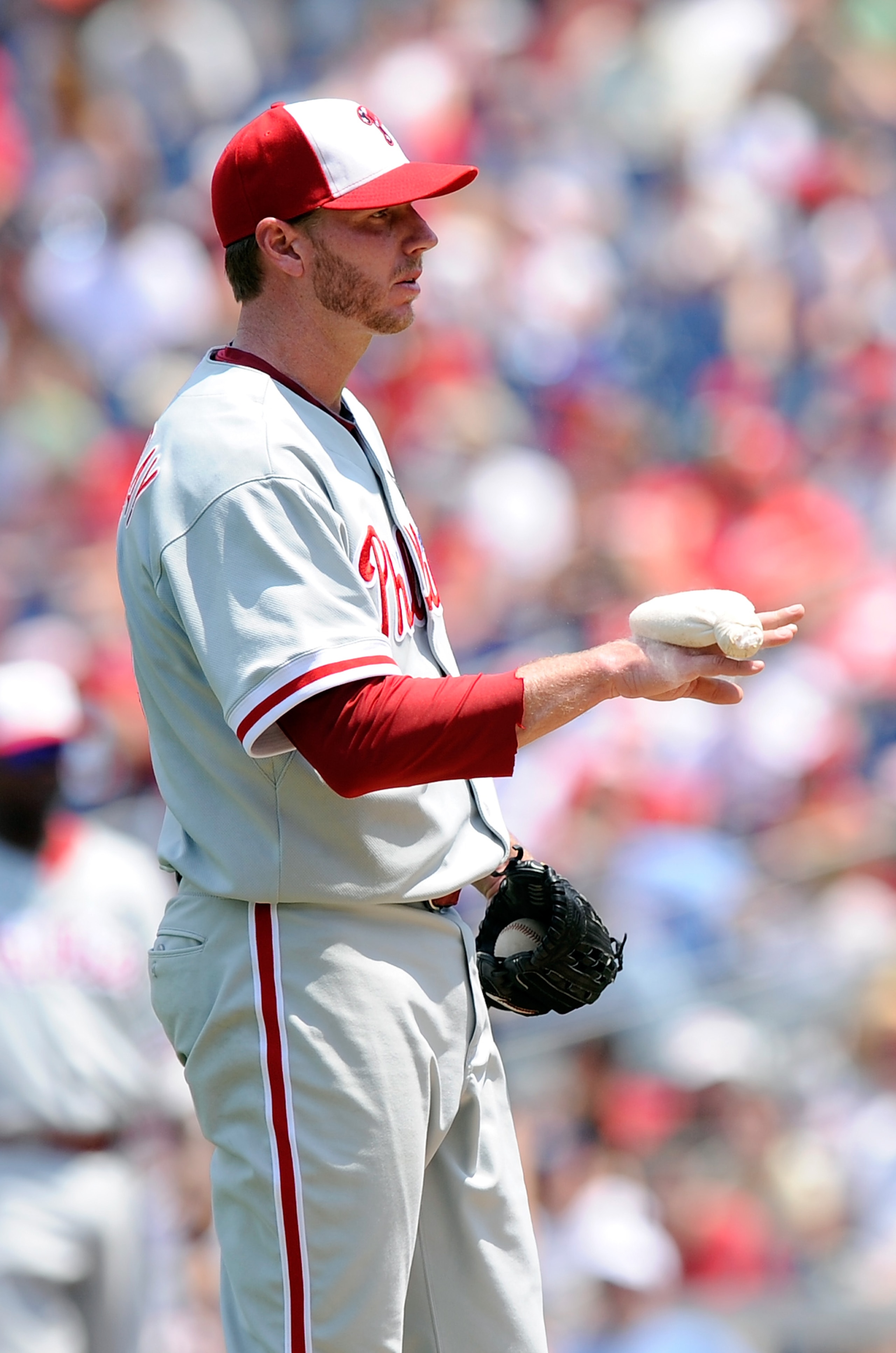
Halladay has been the NL's best pitcher so far, and Tim Lincecum had two Cy Young awards under his belt after throwing only 598 major league innings.
But...
Halladay also leads the majors in innings pitched this season. He topped 250 to lead the league last year, he threw 239 in 2009 and a league leading 246 in 2008. He has a reputation as a workhorse, but he's proved in the past that he isn't indestructible.
After winning the Cy Young award and tossing 266 innings in 2003, he failed to top 150 IP in each of the following two seasons. Pitchers have a higher rate of attrition than any other position on the field. I don't like predicting injury, but until Halladay finishes this season unharmed, it's tough for me to think he won't come across some problems this season.
If he's able to put together 220 or more innings this year, he'll probably win the award. He's the league's best pitcher right now. With that in mind, I'm hedging my bets against him pitching a full healthy season.
Lincecum ran into some problems last summer, but finished strong to lead the NL in strikeouts. Still, he allowed one more hit per inning than his previous career high and saw his HR/9 increase two-fold. These struggles obviously raise eyebrows, but when your first two full seasons are as flawless as Tim's, it's OK to experience some regression.
This season, he seems to be back on track. His strikeout numbers have continued on their downward trend, but his fastball velocity has returned after dropping last year. He's still giving up home runs at a more human rate than he was in '08 and '09, but not as often as last year.
It seems like the most probable result for Lincecum's performance will be somewhere between the Pedro-like dominance of his Cy Young years and the regressions of last year.
That middle ground still places him in perennial contention to be baseball's best pitcher.
Other top five candidates include St. Louis' Jaime Garcia and Chicago's unfortunate Matt Garza.
NL Cy Young, the Dark Horse: Cole Hamels
12 of 16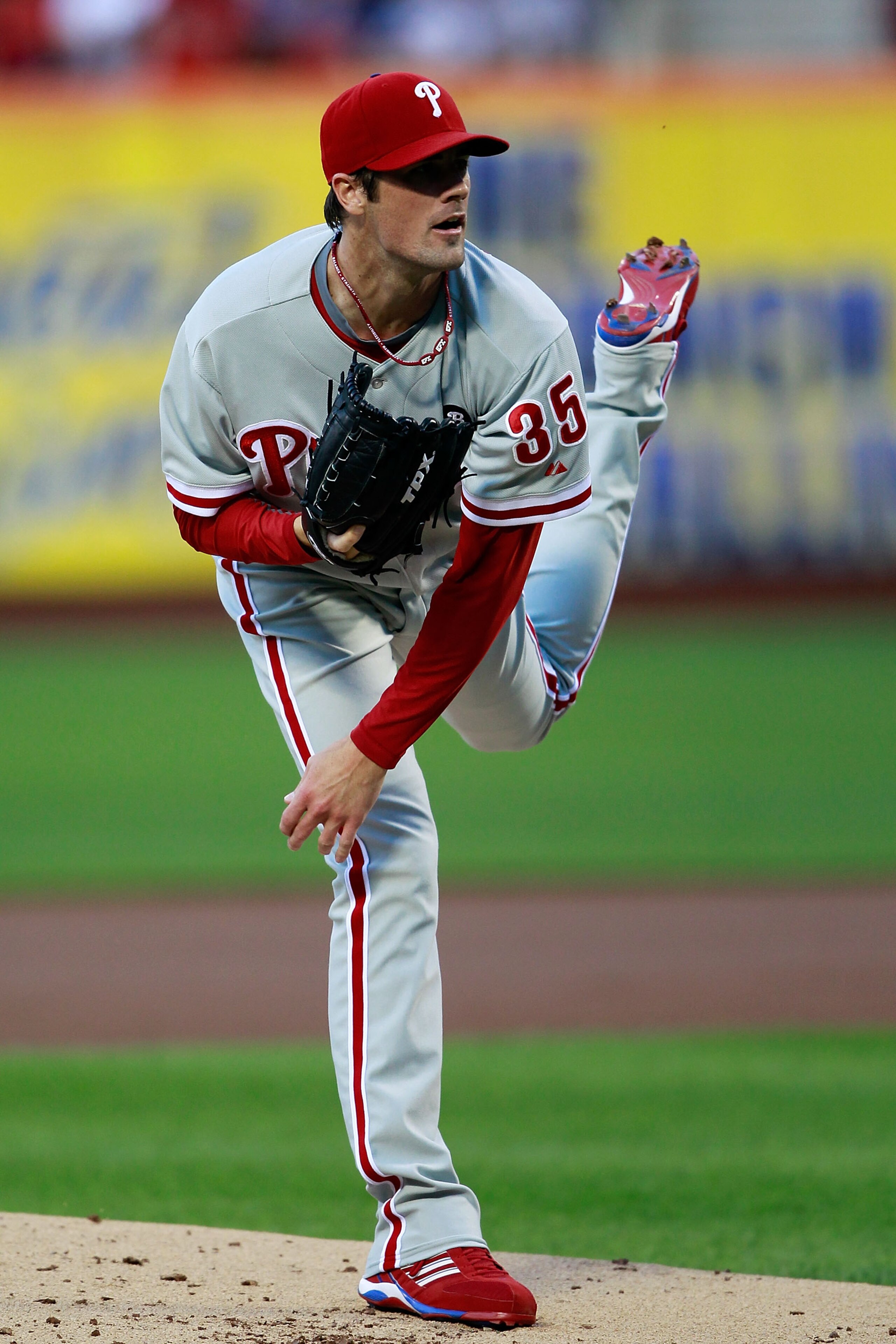
Hamels has been pretty good for a long time now. Since his first full season in 2006, he's never posted an xFIP above 3.73.
While luck has swayed his simple outcomes, his peripherals have been very consistent. More often than not, Hamels is going to give the Phillies an excellent chance to win games.
Right now, he ranks second to Halladay among NL pitchers in WAR. He's posting the best strikeout numbers since his rookie season, and he's walking the fewest batters of his career.
Like Kershaw, his peripherals seem mostly luck-neutral. Everything seems to fit nicely across the board. Looking at ZiPS, it seems like the only predicted downfall will come just as he regresses closer to his career numbers.
Hamels' change-up is one of baseball's best pitches, and he throws it a lot (22 percent of his total pitches). If he continues to throw his fastball so effectively, there's no reason to believe he can't maintain his current strikeout rates.
He's currently overshadowed by Halladay, but at this point, he's only been marginally worse. I mentioned the effectiveness of his fastball/change-up combination. If he maintains this level of performance, and especially if Halladay goes down, it will be hard to keep him out of the national spotlight as we move down the stretch.
NL MVP, Preseason Pick: Jay Bruce
13 of 16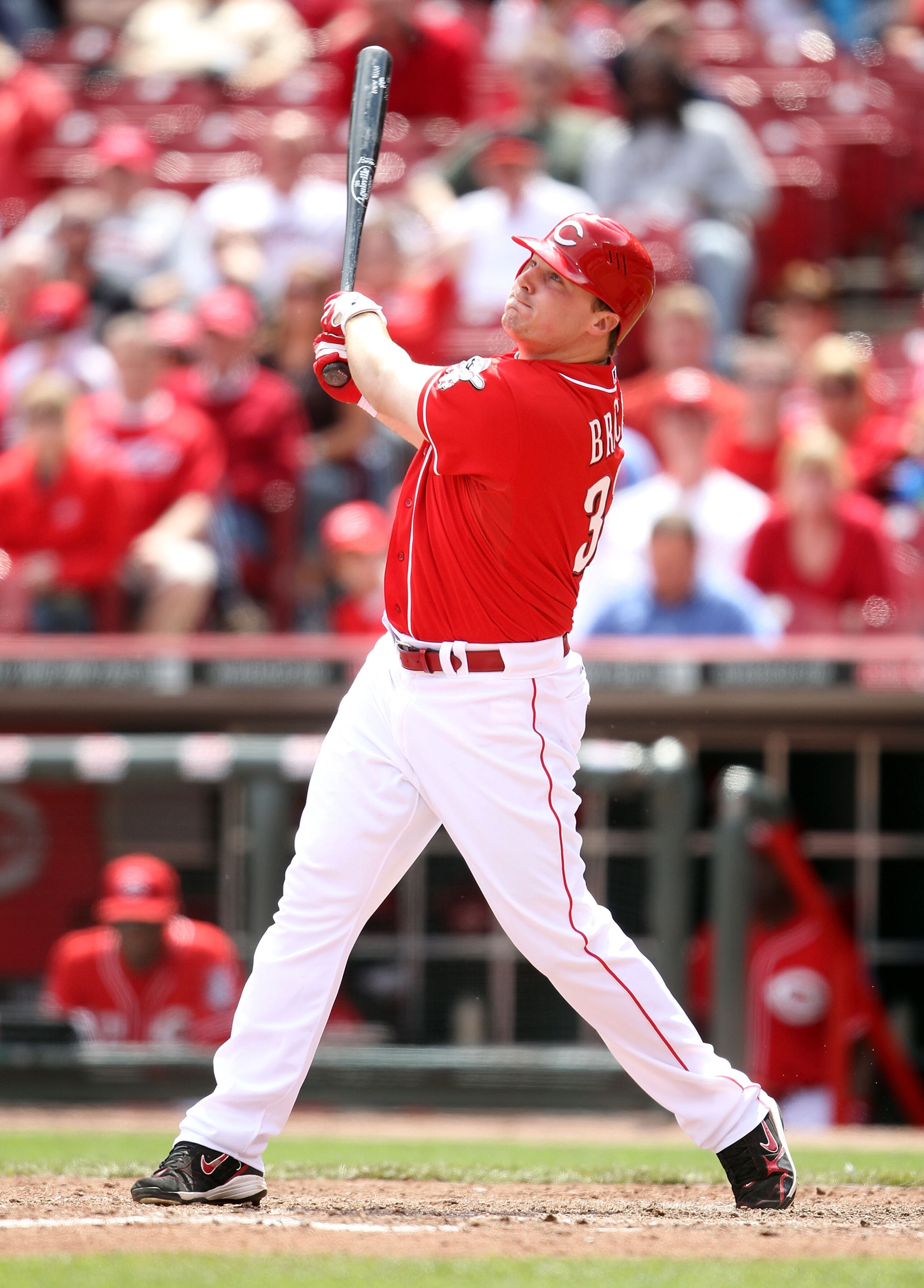
Once upon a time, I was as excited about Jay Bruce as I was about Evan Longoria.
While Longoria came up and immediately changed the direction of the Tampa Bay franchise, Bruce went about making his splash a little more quietly.
Still, it was quite a splash.
In '08, as a 21-year-old, Bruce saw 452 plate appearances. For the most part, he struggled. His OPS+ (like ERA+, scales the league average OPS to 100) was only 98. However, he did hit 21 home runs.
The next season, he only had 387 plate appearances. Still, he managed to hit 22 homers while continuing to struggle in other areas.
In 2010, he managed to play in 148 games. As a 23-year-old, Bruce's power output was a bit disappointing. Despite the increased opportunity, he only hit 25 home runs, but the rest of his game picked up.
Bruce started hitting like he had in the Minors, where he earned the titled of baseball's top prospect going into 2008.
He had previously struggled hitting anything but fastballs, but 2010 saw him post positive run values on nearly all pitch types. Oddly enough, the secondary pitch he hit best was the cutter—a pitch most analysts use as an explanation for the overwhelming success of pitchers over the past two years.
Bruce's BABIP was a bit high, but his .281/.353/.493 line was a promising indicator that his exceptional minor league skill set was beginning to translate to major league success. The power numbers hadn't increased as expected, but coming into this year, I knew he still had the same bat that had turned 18 percent of his fly balls into homers during his first two seasons.
My expectations for Bruce were endless. He hadn't provided a strong enough track record to guarantee that he'd reach his ceiling, but the idea that he might get close to it validated picking him as an MVP. At his best, Bruce could approach 50 home runs. He needs to walk more and strike out less, but he isn't really terrible in either department. He could annually perform around the .290/.360/.570 range, with power being the most surefire tool to develop.
He shares a clubhouse with the league's reigning MVP, but Bruce was always a better prospect than Joey Votto. While Votto has obviously done more than delivered on his potential, 2011 seemed like the year Bruce would establish himself as Cincinnati's best player.
NL MVP, Current Pick: Matt Holliday
14 of 16
Matt Holliday has certainly had a great career, but I don't know that anyone had him pegged as St. Louis' best player coming into this season.
Albert Pujols is off to, by his standards, a terrible start. Despite their best player's struggles, the Cardinals still have a three game lead in the NL Central. This is due in no small part to the contributions of Holliday and Lance Berkman.
Of the two, Holliday seems like the better candidate to maintain his performance.
He currently has a .395 BABIP. That number will drop, but his batting average has maintained a consistent correlation to his BABIP throughout his career. When he hit .340 in 2007, his batting average on balls in play was .377. It wouldn't be impossible for him to do something close to that again.
Despite the probable drop in his average, he'll still probably hit well over .300. When you pair this with his double digit walk rate and a slugging percentage somewhere around .550, he makes a good case for an MVP.
Also, voters have a track record for coming up with some kind of magical value that transcends stats to evaluate how much a player helped his team. If Pujols keeps struggling and Holliday continues to rake on a first place team, he'll receive even more consideration.
NL MVP, Other Candidates: Bruce, Joey Votto
15 of 16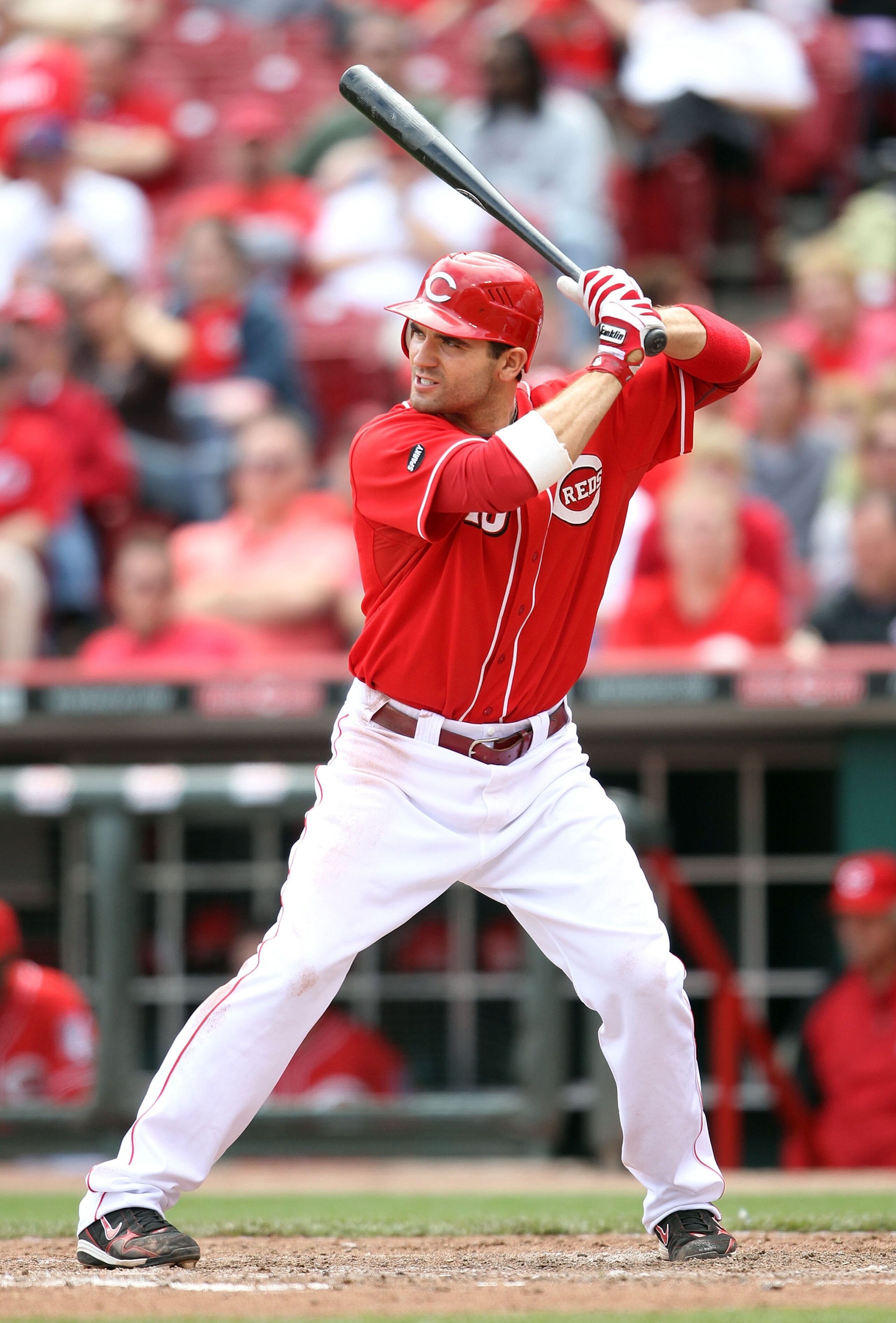
So, these guys are teammates.
Votto is the reigning league MVP, and he's hitting well.
His contact and on-base numbers are slightly improved over last season's output, while his power numbers are closer to his career norms than they were when he hit 37 home runs last year.
Where he's fallen off a bit in power, he's made up for it by getting on base. Votto is currently walking on 19.8 percent of his plate appearances. His OBP is .464. He's proven himself as an excellent contact hitter with decent power, but if he can end up somewhere between his typical 25 HR output and last year's total while maintaining his on-base rates, he'll have a good shot at winning the award two years in a row.
Jay Bruce, on the other hand, has continued to develop as an all-around hitter while more than making up for last year's power regression. A recent surge at the plate has him hitting .293/.357/.572 and he's leading the NL with 16 home runs. 19.5 percent of his fly balls are turning into home runs, which may be a little high, but the rest of his performance seems luck-neutral.
He's seen some spikes in his improvement across the board, but nothing that seems too unnatural for a former top prospect blossoming in his age 24 season.
I was high on Bruce before the season, and maybe I'm still just high on him now, but I fully expect him to hit 40 or more home runs. His current on-base rates seem to fit right in line with expectations, and they aren't aided by anything fluky. I think he'll continue to hit at a level close to where he's at right now for the remainder of the season.
NL MVP, the Dark Horse: Jose Reyes
16 of 16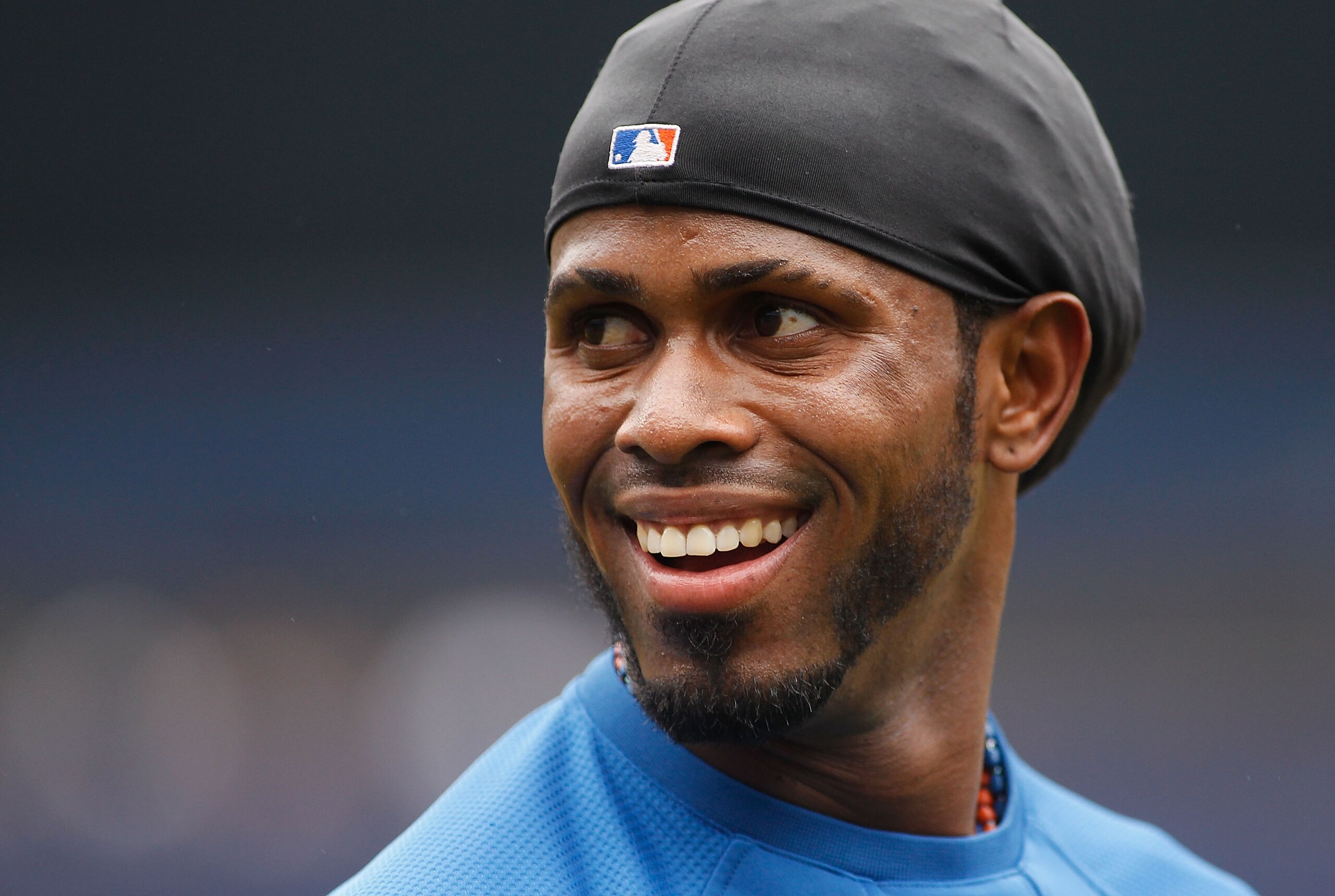
Maybe it's because I'm a Braves fan, but I admittedly dislike Jose Reyes.
He hinted at having some power in 2006, but he hasn't come close to that output since, and he doesn't walk at all.
It's not that he's a bad player, though. He does a lot of other things really well.
This year, he's doing all of those things really, really well.
A high BABIP is carrying his .335/.382 on-base rates, but when he's taking bases, he's doing an extraordinary job. He's already recorded 17 doubles and eight triples, giving him a .493 slugging percentage.
While that number isn't great, it shows that his ability to take extra bases makes up a little for his lack of pure power. When you consider the bases he adds through stealing a lot of them efficiently, he eats up bases with the best sluggers out there.
Jay Bruce leads the NL in total bases with 119. Reyes has 112, along with 19 steals in 23 attempts.
I have Reyes as a dark horse for two reasons. The first is that he doesn't walk enough to support his on-base percentage if his batting average falls with his BABIP. Also, he's a great baserunner, but the rate he's acquiring triples is insane. It's very possible that he could end up with a number in the high teens, but he's pacing toward 24. I don't think that's unattainable. It's just not very likely.
The second reason is that his production is non-traditional. He takes a lot of bases, but he does it in ways that aren't often rewarded in things like MVP voting. Home runs and pure slugging percentage will always be more visible than total bases plus steals.

.jpg?w=2560 "Grading WWE Raw 🔠")


.jpg?w=2560 "Viral Rams Coach Vid 🖕")

.jpg?w=2560 "2 NFL Officials Suspended")
