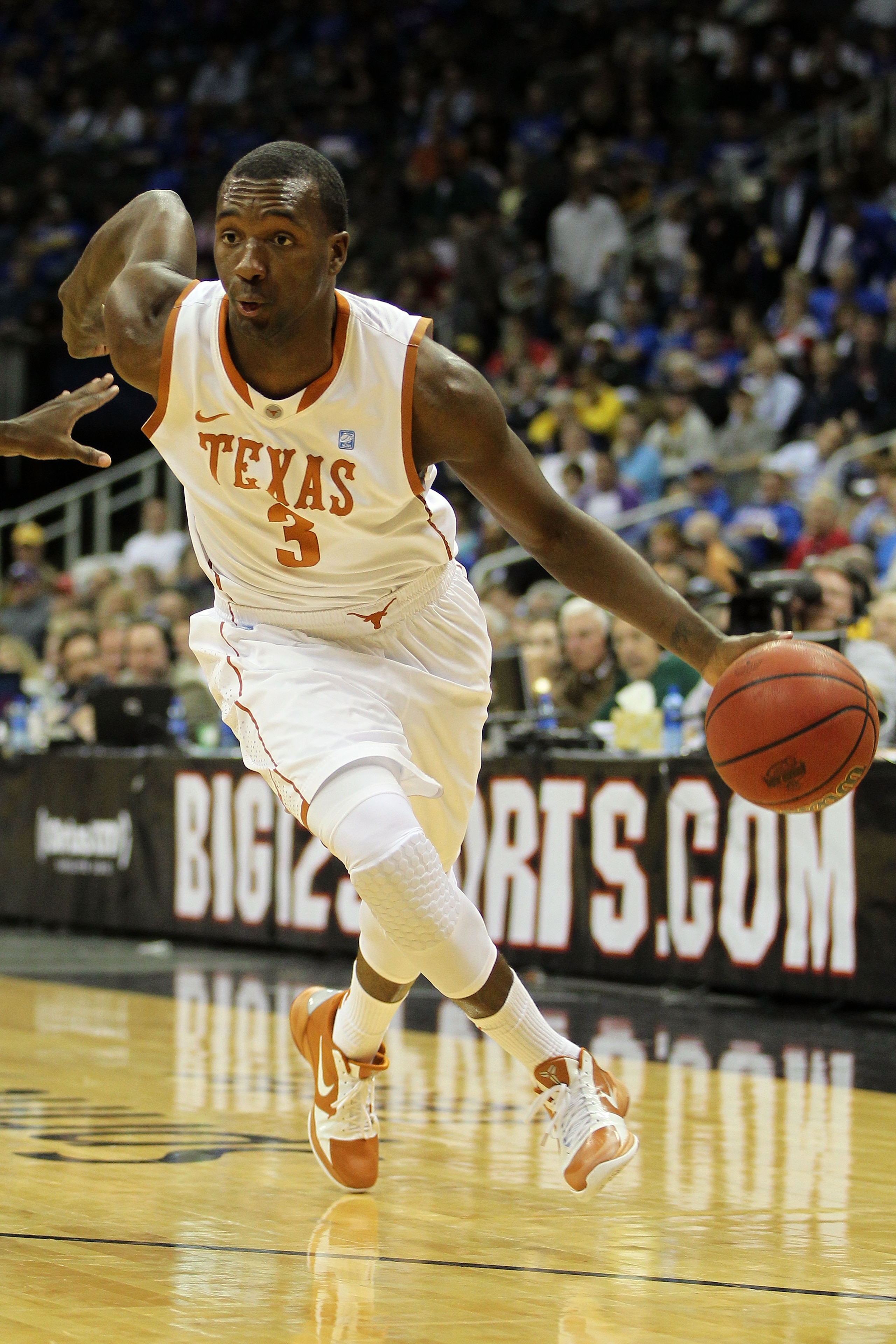

NBA Draft 2011: 10 Best Values Outside of the Top 10
Picking in the top ten in the NBA Draft is easy, as the prospect will usually have a good career. The hard part is drafting at the end of the first round or during the second round. That ever-elusive hidden gem is always so difficult to pick.
Though, nabbing a great value late in the draft is not impossible. The Knicks' Landry Fields was taken with the 39th overall pick. The Spurs' Gary Neal went undrafted. The Spurs also nabbed DeJuan Blair with the 37th overall pick in 2009.
Here are my top ten players who could be this year's NBA Draft hidden gems, along with their comparisons.
Andrew Goudelock
1 of 11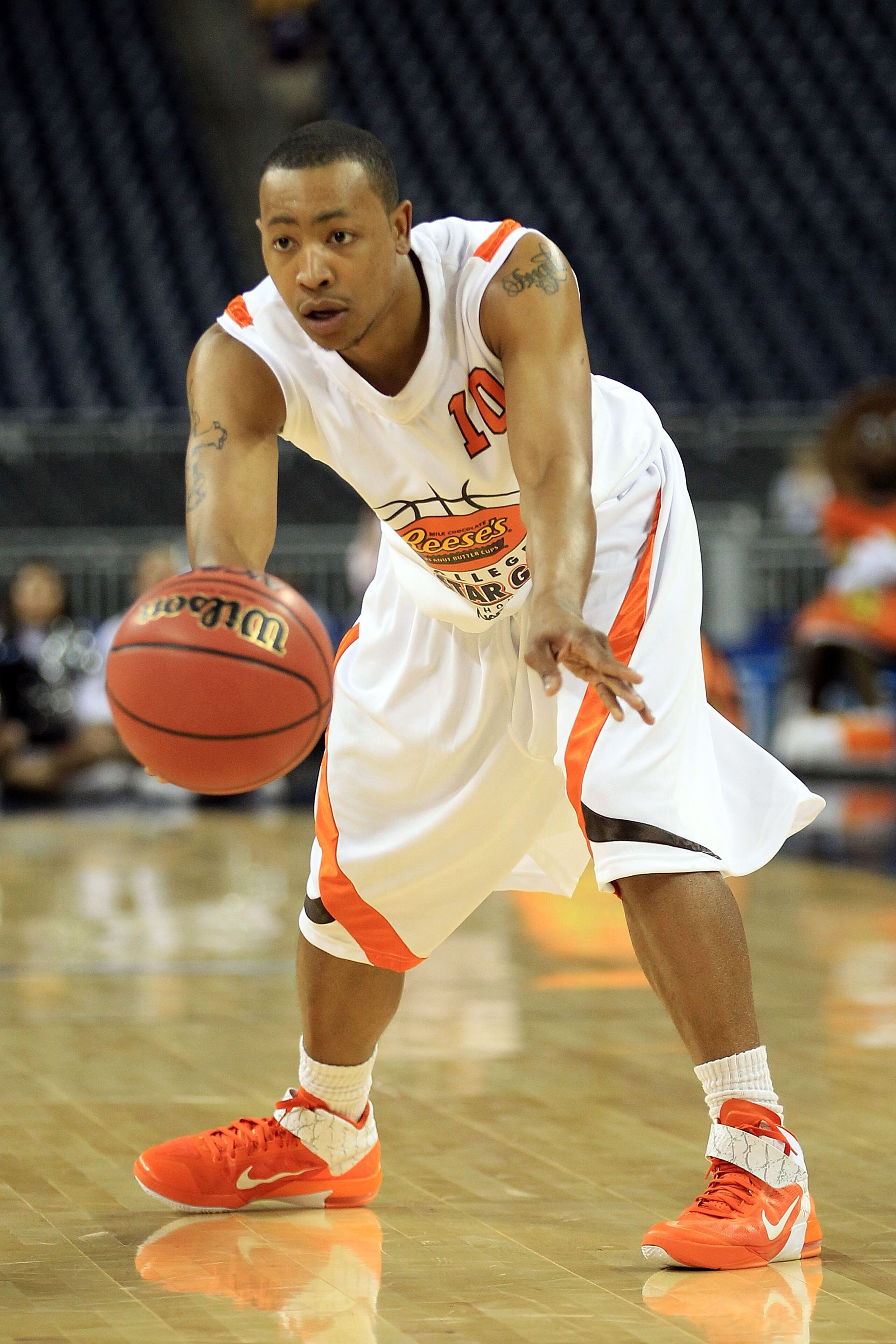
If anyone saw when Goudelock and College of Charleston faced Wichita State in the NIT, they know where I'm coming from with this one. He can flat-out shoot.
And when I say flat-out shoot, I mean hit 30-foot three-pointers. Against Wichita State, Goudelock shot 7-15 from range, with the degree of difficulty for most of those attempts being a 10 out of 10. For the year, he shot an impressive 40 percent from three-point range.
Although he is an excellent shooter, he can score in more than one way, as he averaged 23.7 points per game as a senior and finished as the Southern Conference's all-time leading scorer.
It's tough to say that a player from a small school that didn't even win their conference is going to be productive in the NBA, but Goudelock might just be the exception.
Ceiling Potential: Jason Terry
Jonathan Mitchell
2 of 11
I'm a fan of Mitchell's for obvious reasons (I'm a Rutgers fan). But he does have a legitimate shot at being a steal in the second round or even in the undrafted free-agent wire.
Mitchell is a versatile forward who can score in different ways. The lefty can shoot consistently from the perimeter, but he also has a great mid-rage game, whether it be a close jumper or a floater in the lane.
Mitchell is also a good rebounder, as he grabbed nearly six per game in his two years at Rutgers.
The problem with Mitchell is that has the size of a small forward, standing at 6"7, but he is not athletic or quick enough to guard a SF.
Ceiling Potential: Lamar Odom (Smaller and Less Skilled Ball-handler)
Chandler Parsons
3 of 11
Versatility is the name of the game when talking about Chandler Parsons. He can really do it all.
He shoots the three-ball well, especially in clutch situations. He greatly improved his rebounding, as he grabbed 7.8 boards per game as a senior. His ball-handling ability is impressive for a player of his size (6'10).
The issues with Parsons are that he is not great at anything and his body is not NBA-ready. He could get pushed around if he goes up against a tree like Andrew Bynum.
If Parsons bulks up and brushes up his game, he could be a pleasant surprise out of this draft.
Ceiling Potential: Mike Dunleavy

Scotty Hopson
4 of 11
Scotty Hopson is projected to go near the end of the second round of this year's draft. Although, he may have one of the biggest upsides in the draft.
Hopson is tall and long for a shooting guard, standing at 6'7 with a 7-foot wingspan. He has a nice shooting stroke and can put up big numbers in the scoring column. Hopson also is extremely athletic and can get above the rim.
As you can see, Hopson has all the tools to be a very productive NBA player. His biggest knock is his thin frame that can be pushed around in the NBA. He also did not offer much in college outside of scoring.
Ceiling Potential: Kevin Martin
Marshon Brooks
5 of 11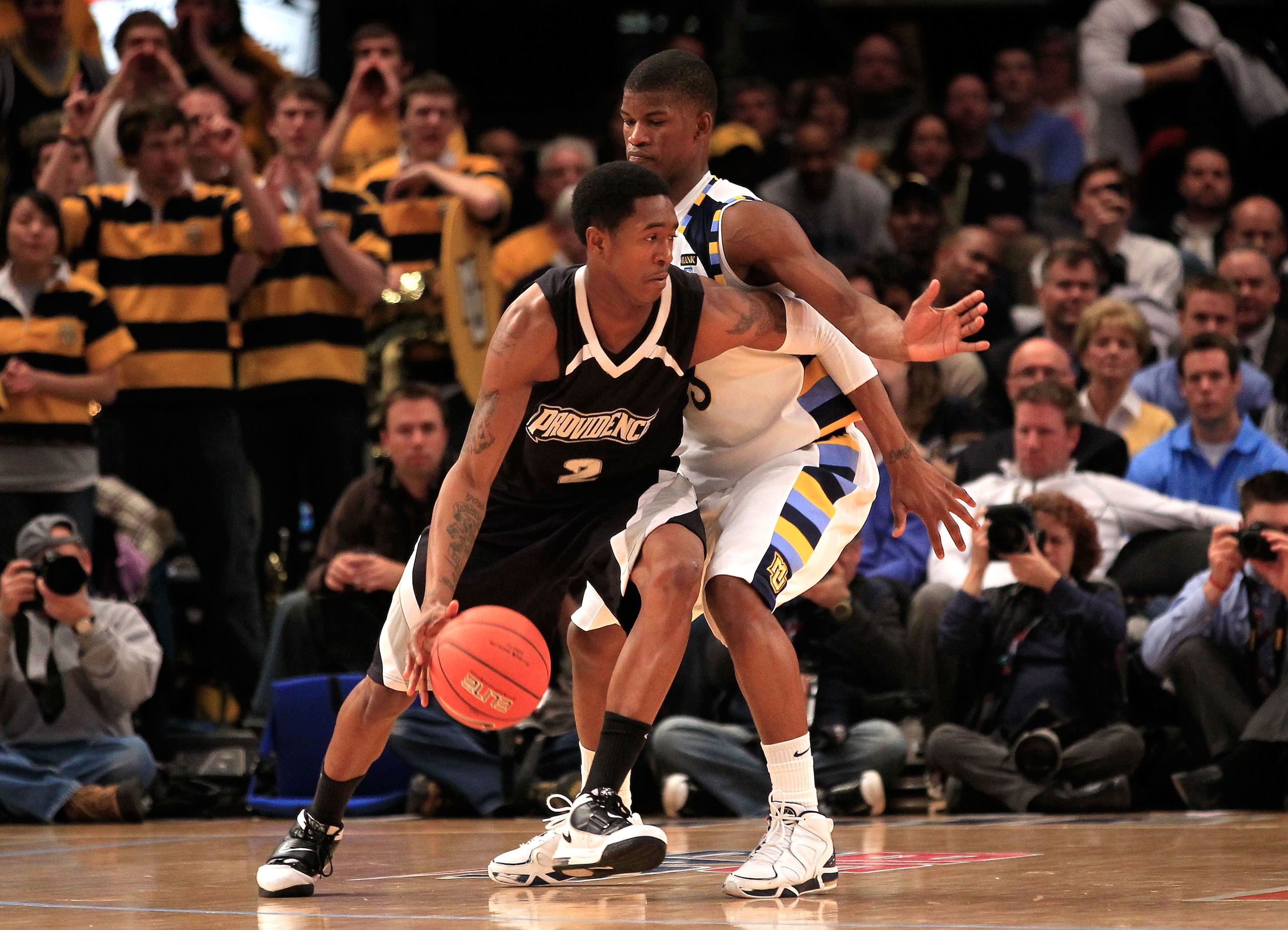
Kemba Walker is widely considered a lock to be a top 10 pick in this year's draft, and rightfully so.
What you may not know is that Marshon Brooks, a projected second rounder, scored more than Walker and lead the Big East in scoring.
He was also second in scoring in all of college basketball, second only to Jimmer Fredette.
Sure, Brooks didn't have much of a supporting cast to pass to, but 24.6 points per game is 24.6 points per game any way you slice it. In addition to his unbelievable scoring outputs, Brooks averaged an impressive seven rebounds per contest.
While Brooks is thin, he was forced to play the Power Forward position at times, so his toughness is not an issue.
The big question with Brooks is if he can play in the NBA, where he will have more than capable teammates to pass to.
Unlike at Providence, Brooks will not have the luxury of taking 20 shots per game. The key for Brooks is accepting a complementary role.
Ceiling Potential: Jamal Crawford
David Lighty
6 of 11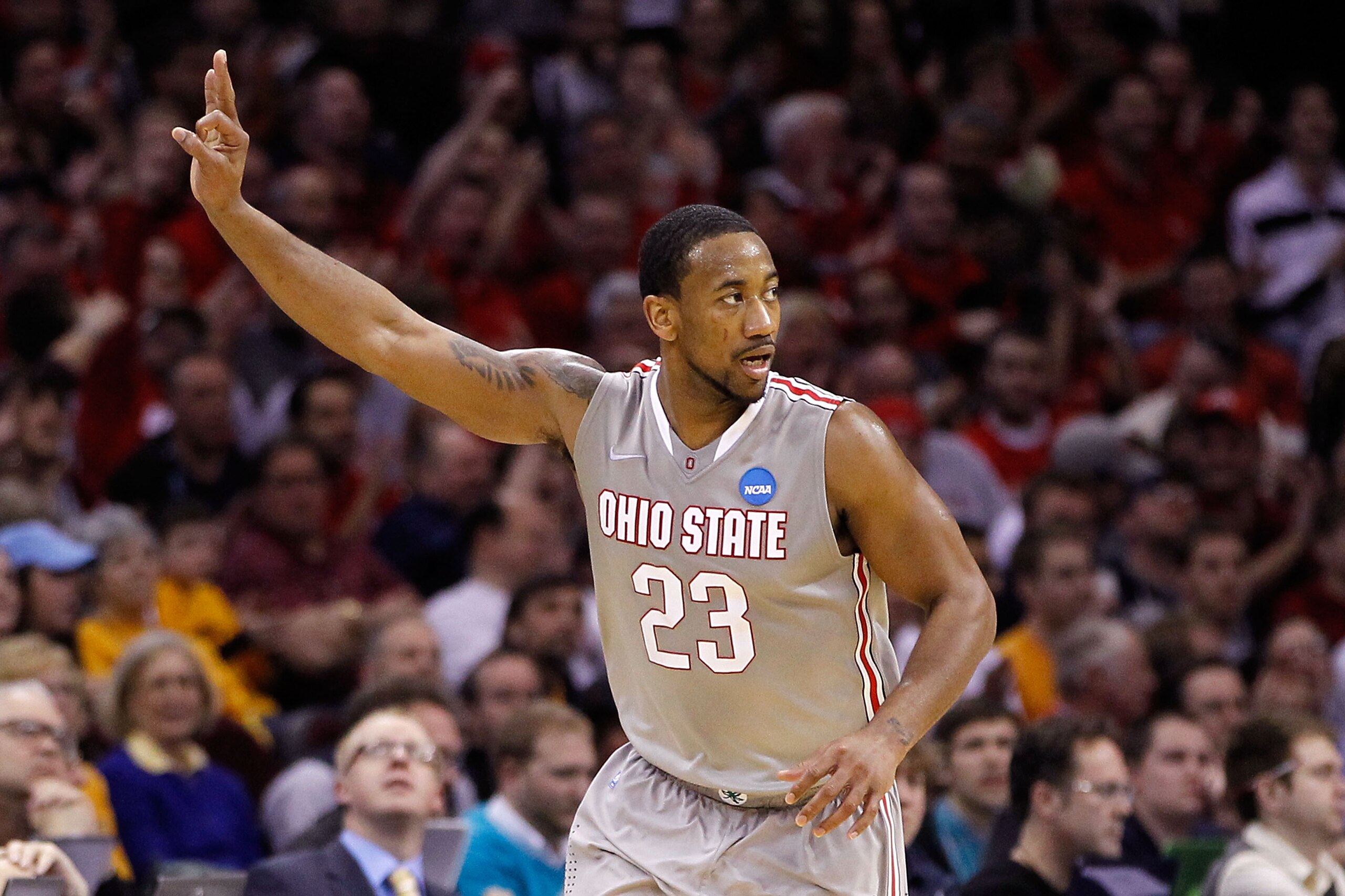
Lighty brings a lot to the table. He is an inconsistent yet proficient shooter and a solid passer. He also has that Ohio State toughness. Additionally, he is a superb defender. Basically, he is the ideal role player in the NBA.
Lighty's problem is that, outside of his three-point shot, he does not have much to offer on the offensive side of the ball.
While it worked at times in college, I don't see Lighty taking an NBA defender off the dribble. Therefore, his game could be pretty limited at the next level.
Ceiling Potential: Wilson Chandler (Shorter Version)
Kenneth Faried
7 of 11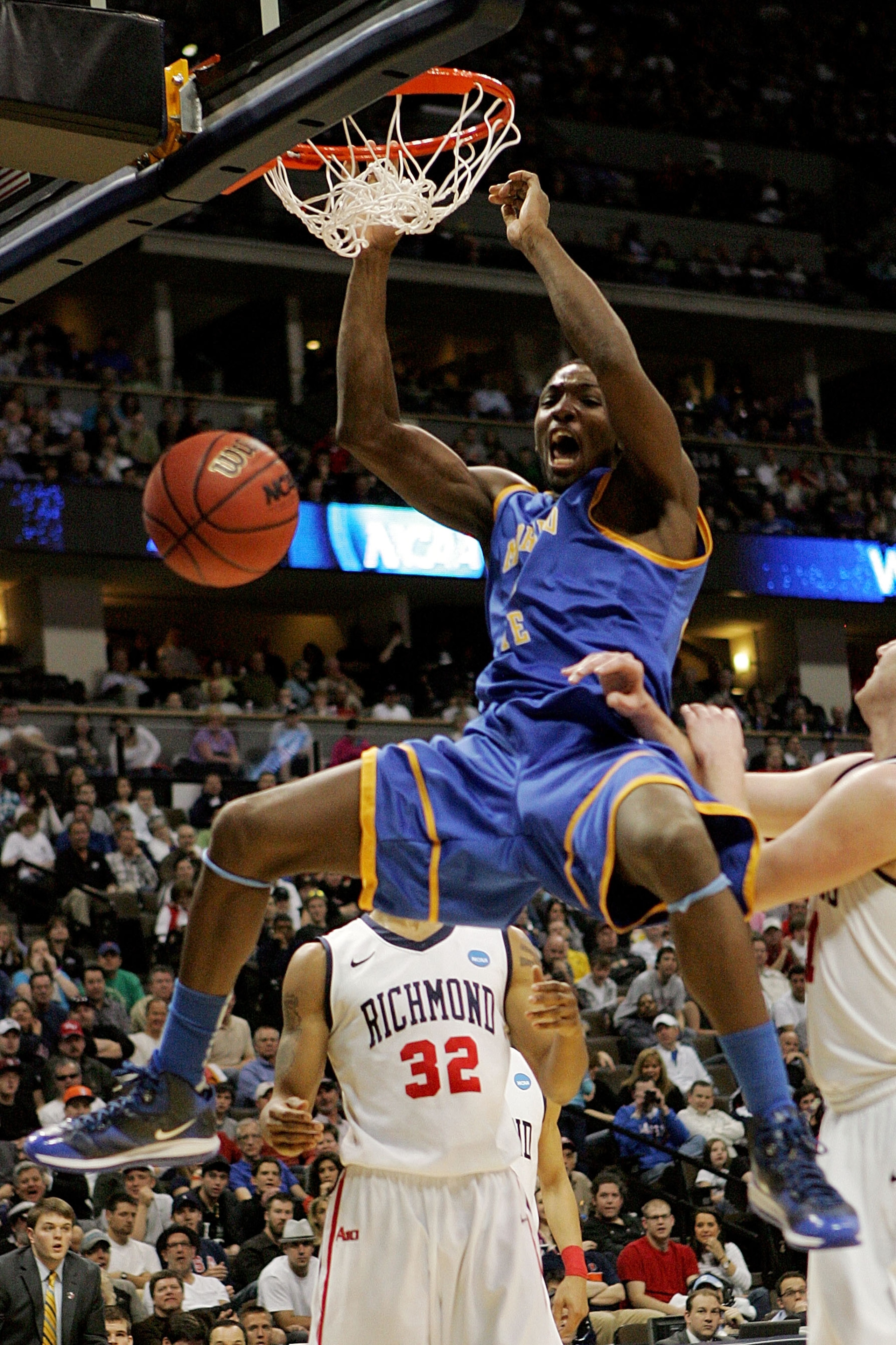
Kenneth Faried epitomizes tough. He was the best rebounder in college basketball over the past few seasons. He averaged 13+ boards per game since he was a sophomore.
During that same span, Faried averaged about two blocks per contest. He also was an excellent energy guy for Morehead State.
There's no question Faried can be an impact player in the NBA. The issues lie with Faried's lackluster post skills and his lack of size (6'8) for the NBA power forward position.
There are plenty of players who can rebound the ball, so Faried must improve his offensive repertoire to be significant in the NBA.
Ceiling Potential: Joakim Noah
JaJuan Johnson
8 of 11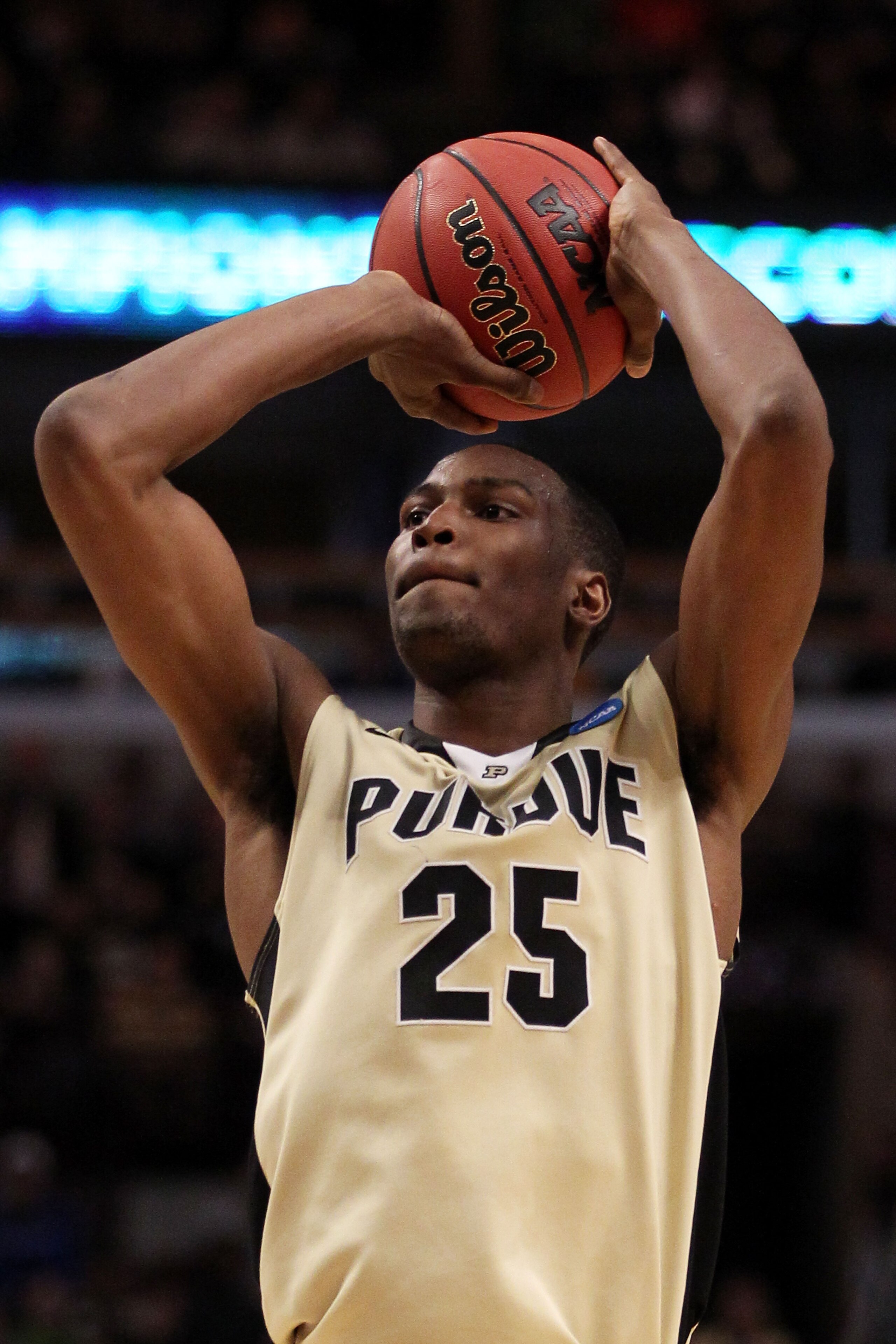
I'm a huge JaJuan Johnson fan. His mid-range jumper is a thing of beauty. And with his 6'10 frame and even bigger wingspan, it's nearly unstoppable.
If Johnson gets the ball within 15 feet of the hoop, he can be deadly. On the defensive end, Johnson is a solid shot blocker.
Weighing only 220 pounds, Johnson has drawn major concerns regarding his lack of strength. If he can bulk up a little, Johnson can be a steal in this year's draft.
Ceiling Potential: Chris Bosh (Righty Version)
Klay Thompson
9 of 11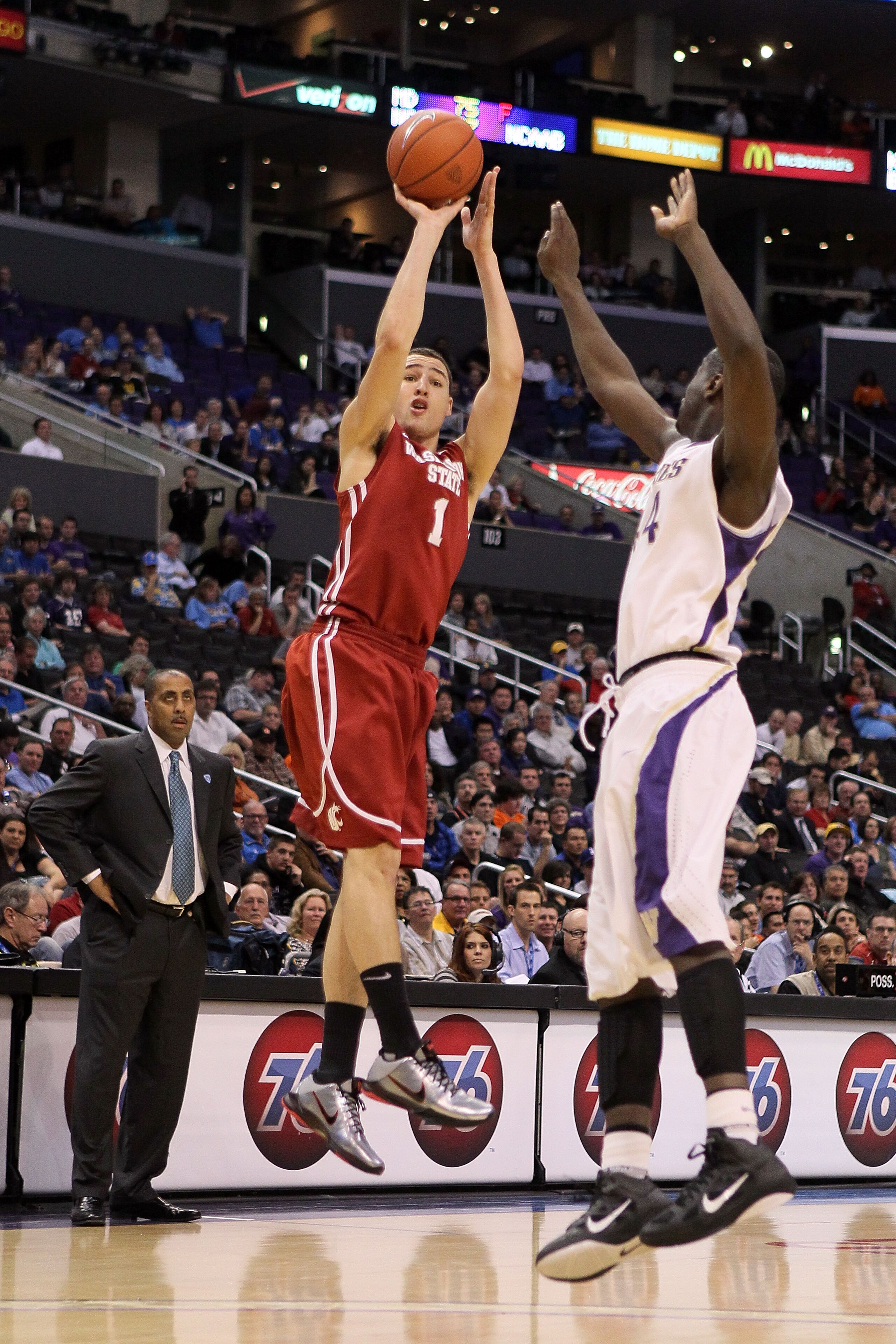
Thompson has perhaps the most complete offensive game in this year's draft class. His three-point shot is silky smooth. He takes the ball to the hoop with purpose and finishes strong. He embraces contact around the rim. He is a defender's nightmare.
Thompson does not astound athletically, so he may have trouble guarding the skilled NBA shooting guards.
He also lacks explosiveness when driving to the hoop, which could trump his offensive game slightly at the next level.
Ceiling Potential: Danny Granger (Smaller Version)
Jordan Hamilton
10 of 11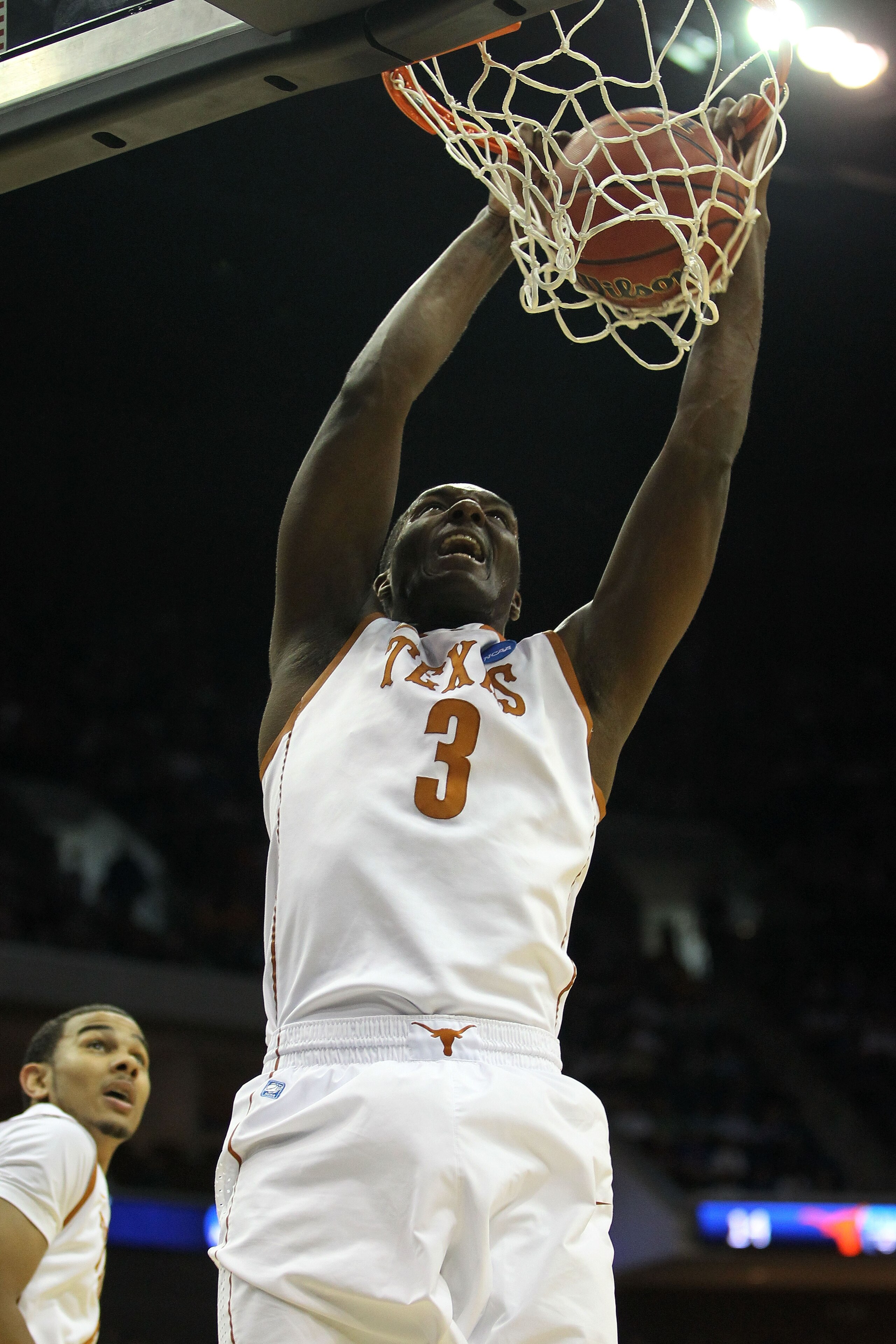
Hamilton is my dark horse to be the best player to come out of this class. He could be a nightmare to guard, as he is 6'7 with the skills of a Shooting Guard.
He is also stronger than most wings with his NBA-ready body. Unlike many prolific scorers in this year's draft class, Hamilton will have no problem banging bodies in the lane.
The knock on Hamilton is that he can be inconsistent in each facet of his game. Once he finely tunes his all-around game, he could be a force in the NBA.
Ceiling Potential: Carmelo Anthony
Your Thoughts
11 of 11
So, did I miss anyone on this list? Is there anyone else who can have a surprising start? You be the judge. Feel free to comment on who I did or didn't miss.



.jpg?w=2560 "Chiefs, Steelers Eye WR Trades")



.jpg?w=2560 "Latest Peyton-Colts Rumors")