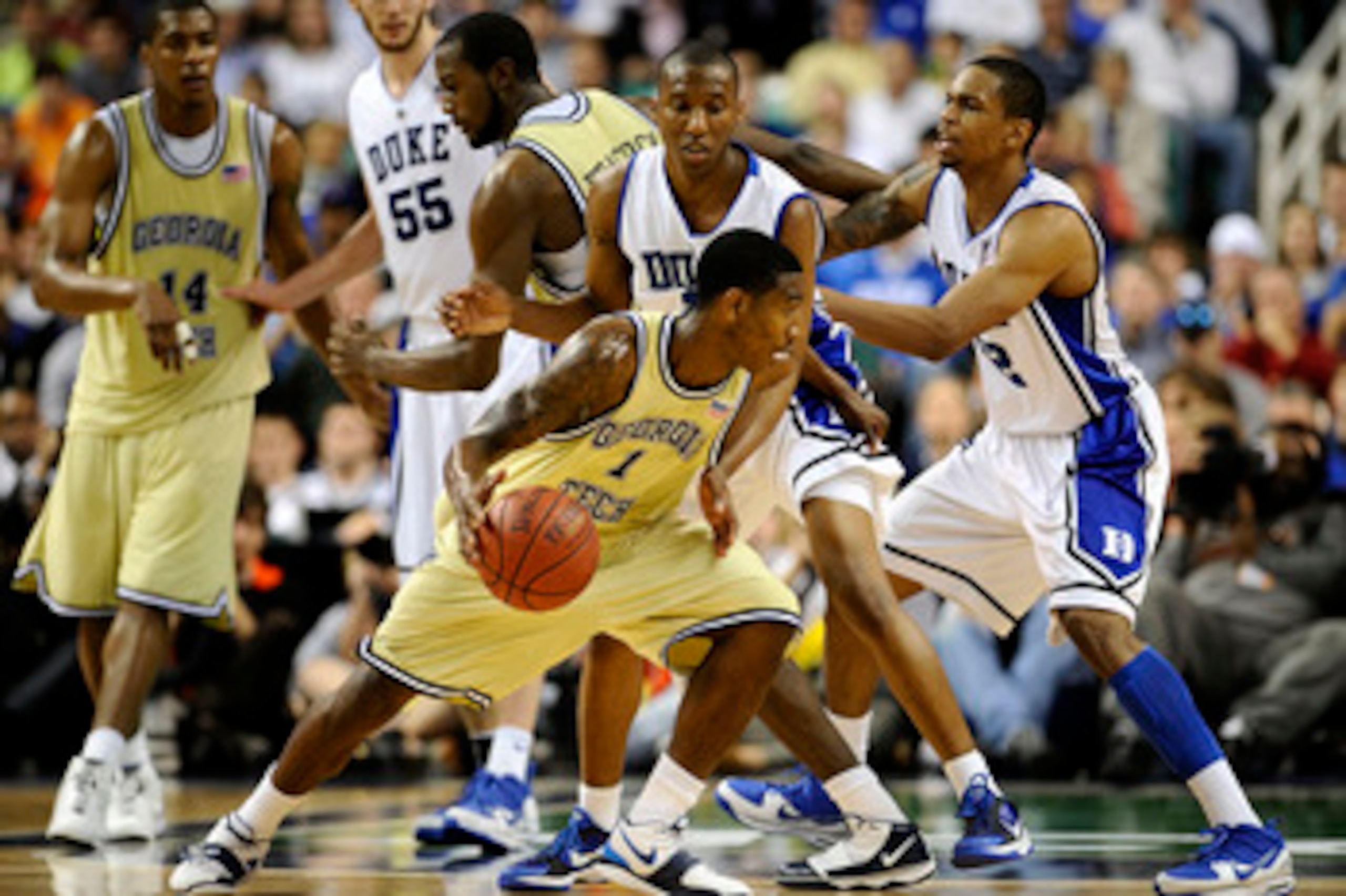

NBA Draft 2011: 10 Impact Prospects That Will Fall to Round 2
The NBA draft is fast approaching and all the buzz is around the first round prospects and the draft lottery.
It should be remembered though that there are two rounds in the NBA draft. In many ways, the second round of the draft is just as important as the much more publicized first round.
There are many great talents that are projected to fall into the second round of the upcoming draft. These players are more than capable of making an impact on an NBA roster, and should not be discounted because of their late selection.
Here are 10 names that will likely miss the glitz of Round 1, but will still provide help to whichever franchise they fall to.
Keith Benson (Oakland)
1 of 10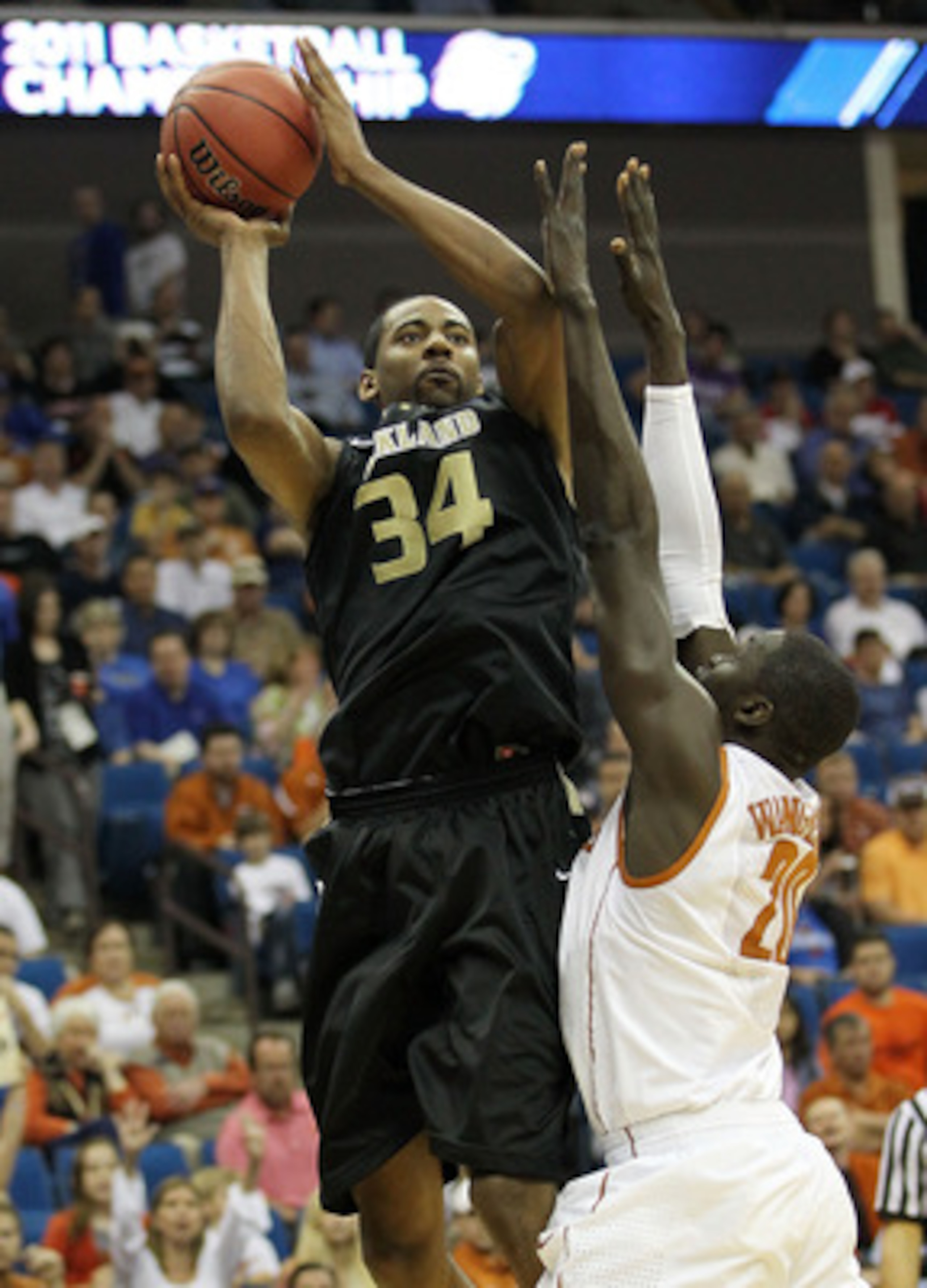
Keith Benson’s name will not immediately register with the masses. The 6’11", 225 lb. big man did not play many of his collegiate games on national television at Oakland.
Nevertheless, Benson is a special talent and has great potential as an NBA prospect. He has great strength and is highly productive both as a rebounder and as a scorer.
Keith Benson recorded a double-double in contests versus Texas, Purdue and Tennessee as a senior. He looked especially dominant against Tennessee scoring 26 points and 10 rebounds against a Volunteers frontcourt that included first-round prospect Tobias Harris as well as massive Brian Williams.
Despite his aforementioned impressive strength, Benson is slightly undersized as an NBA center at 225 lbs. Keith Benson still has great value as a second-round prospect though.
He has shown tremendous ability as a low-post scorer and a rebounder. You also have to like the fact that Benson turned in some of his best performances in Oakland’s biggest contests. Finally, he took the time to polish and refine his skill set during his four years on the college landscape.
Keith Benson will not be the pick that everyone immediately remembers from the 2011 NBA draft, but he has the skills to be an impact NBA talent.
Andrew Goudelock (College of Charleston)
2 of 10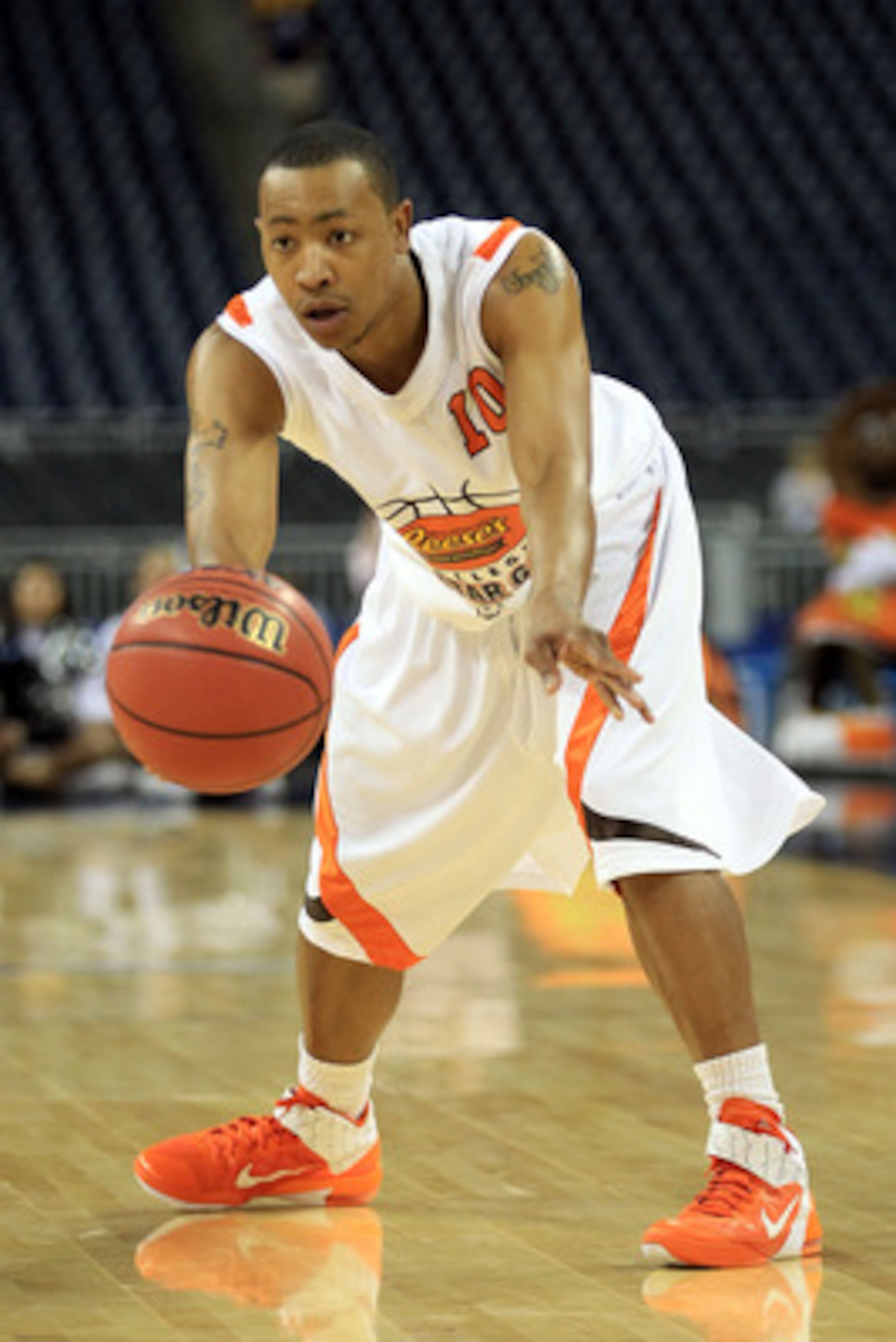
I personally thought that Andrew Goudelock’s scoring prowess was on a level similar to BYU’s Jimmer Fredette last season.
College of Charleston did not receive an NCAA tournament bid, much less make a Sweet 16 appearance like BYU did. Goudelock’s name never gained notoriety on a national level.
Andrew Goudelock averaged 23.7 points and 4.2 assists per game as a senior with Charleston. Goudelock can score in a variety of ways, but his three-point marksmanship is his defining quality. He won the 2011 NCAA Final Four three-point championship this past April.
At 6’2" he does not have prototypical size for an NBA shooting guard. Andrew Goudelock is a pure scorer that is a potent outside shooter. There will always be a need for those qualities in the league.
In the second round, Goudelock has tremendous value for an NBA franchise that wants to add a capable guard to its backcourt.
Scotty Hopson (Tennessee)
3 of 10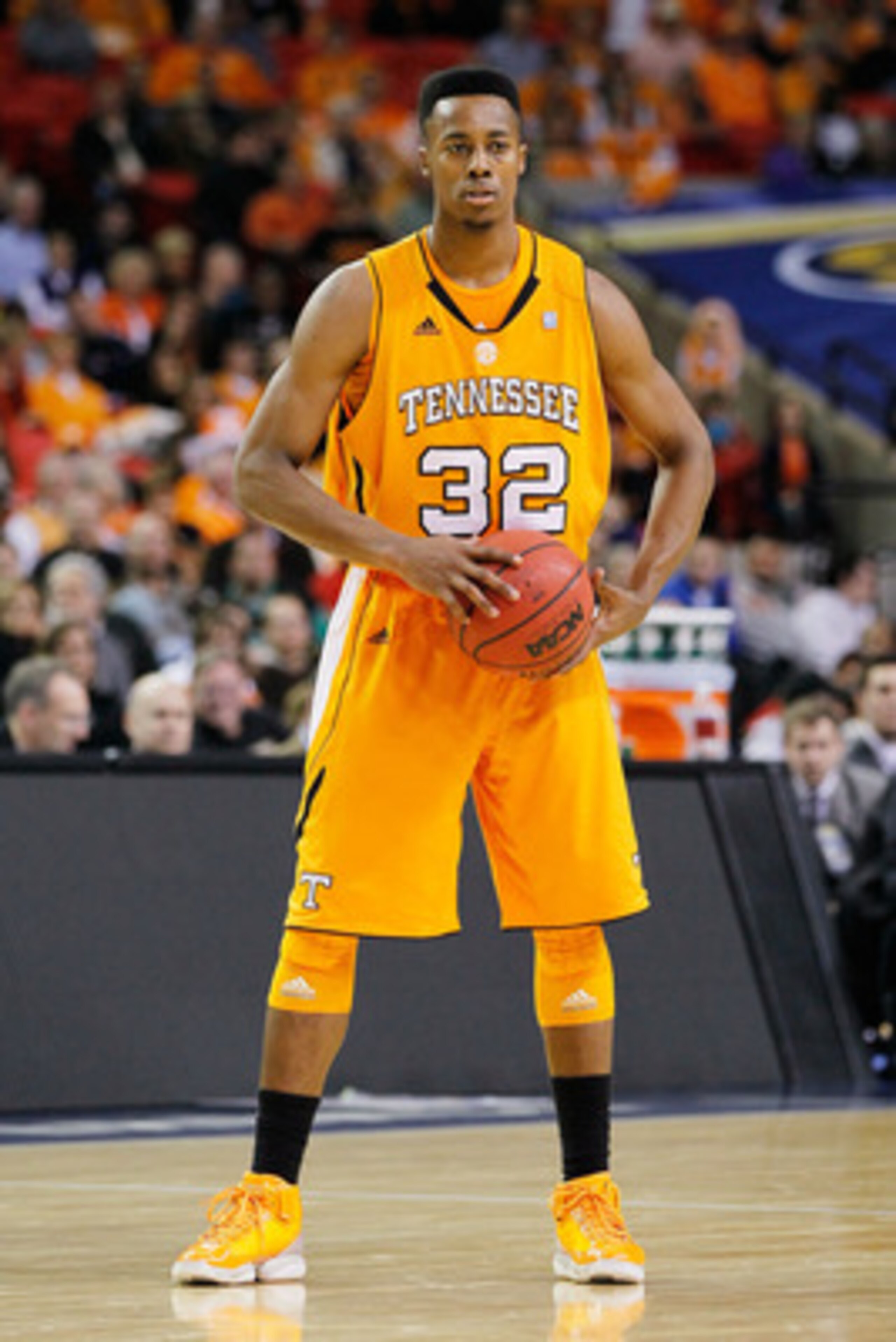
Scotty Hopson was a former McDonald's All-American before signing with head coach Bruce Pearl and Tennessee.
The 6’7" swingman has great length and athleticism. Hopson was not the dominant player throughout his first two seasons for Tennessee that some might have expected. Scotty had by far his best season with the Volunteers as a junior last year averaging 17 points per game.
Hopson has great raw talent and upon watching him play you can instantly see why he was such a coveted recruit coming out of high school. His length is a great asset on defense and he has the raw athleticism that allows him to drive the basket and finish on offense.
If you have not noticed, I continuously use the word “raw” when describing Scotty Hopson’s skill set.
Scouts feel that Hopson does not have an adequate amount of polish to his game. Having the physical skills will carry you in high school and even in college, but you need to possess more than overwhelming athleticism to make it on the NBA level.
Scotty Hopson will be a good acquisition for a team picking at the end of the second round though. Hopson has the potential to be a great player in the league, and at this point in the draft he is well worth the gamble.

Marshon Brooks (Providence)
4 of 10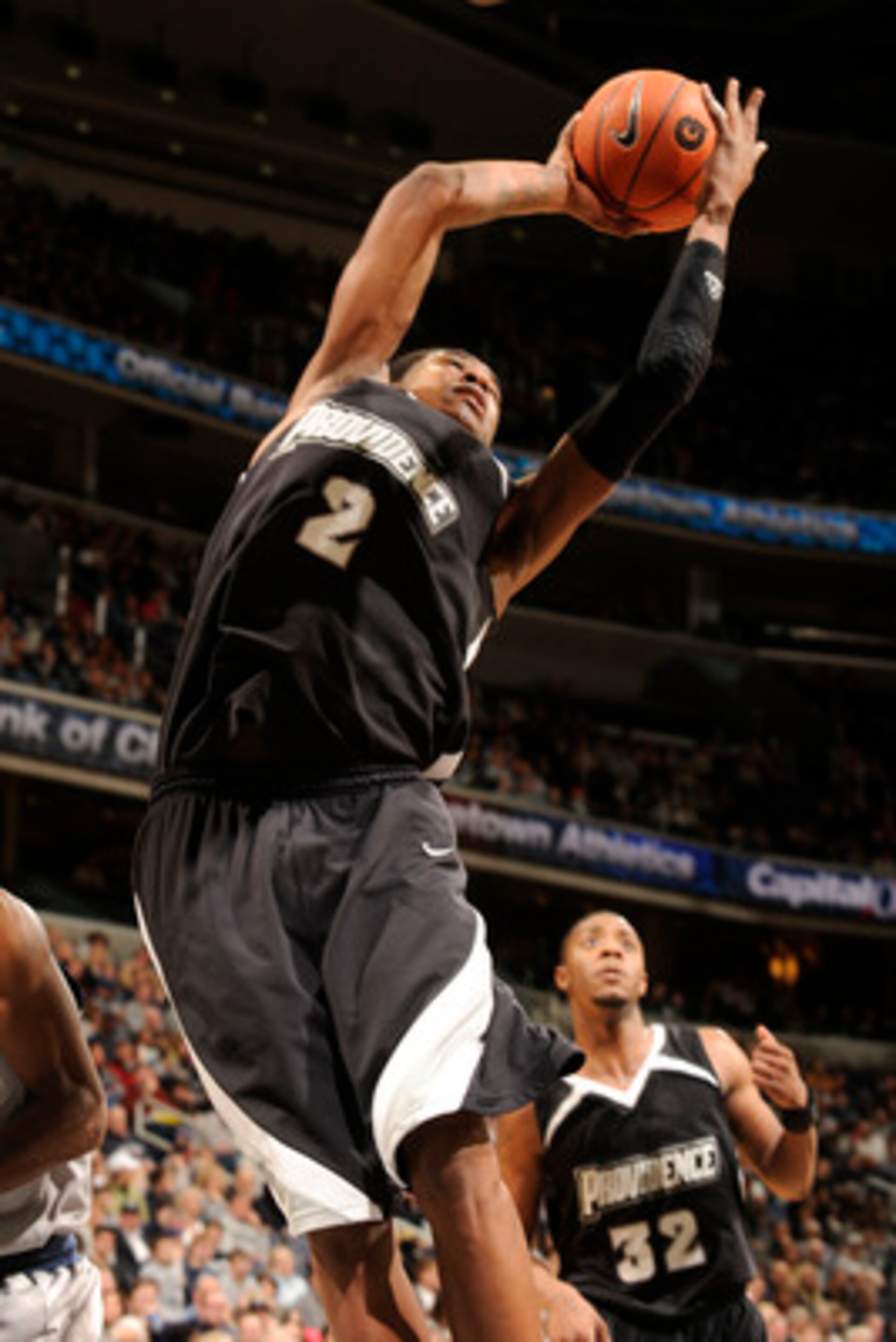
Marshon Brooks is similar to Andrew Goudelock, although Brooks played in the Big East at Providence while Goudelock played in the Southern Conference.
Providence enjoyed only a tiny amount of success in the Big East under ex-head coach Keno Davis, but the little winning that the Friars did do came on the shoulders of Marshon Brooks.
I do not like to rely solely on statistics when making an evaluation on a player, but here the player’s stat line must be mentioned. Brooks averaged 24.6 points (nearly a third of Providence’s scoring) and seven rebounds per game.
Brooks played against some of the top talent in the college game, and was a marked man every time he stepped on the court in conference. He was one of the main focuses of every opponent's scouting report.
Yes, at 190 lbs. Brooks does not have an NBA body, but he still has the potential to be a future contributor in the league.
Jamie Skeen (Virginia Commonwealth)
5 of 10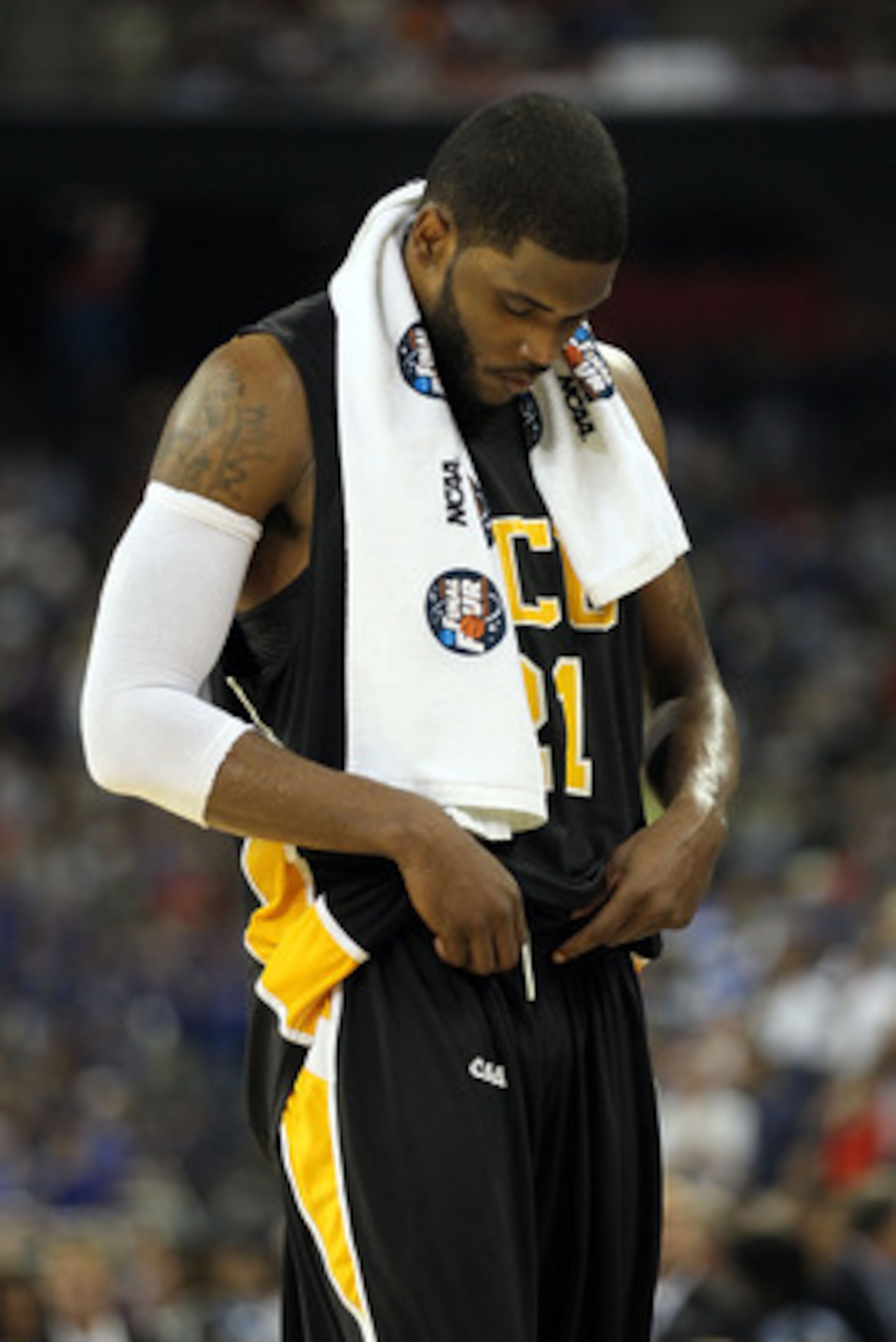
Jamie Skeen was a highly touted recruit coming out of high school, who originally signed with Wake Forest.
Skeen’s time with Wake Forest ultimately did not work out, and he would only enjoy great success later with Virginia Commonwealth.
Jamie Skeen has an array of low-post moves that make him tough to stop in the post. Skeen also has a soft shooting touch, which is an impressive characteristic for the 6’9", 240 lb. big man.
Skeen’s draft stock received a major shot in the arm after his impressive performances during Virginia Commonwealth’s run to the Final Four. With that being said, it is still unlikely that Skeen will be chosen in the first round of next month’s NBA draft.
Scouts worry that Skeen may have trouble staying in front of his man on defense as a face-up defender.
These questions are valid, but Skeen showed the types of skills that suggest he could develop into a solid starter on the professional level.
Jimmy Butler (Marquette)
6 of 10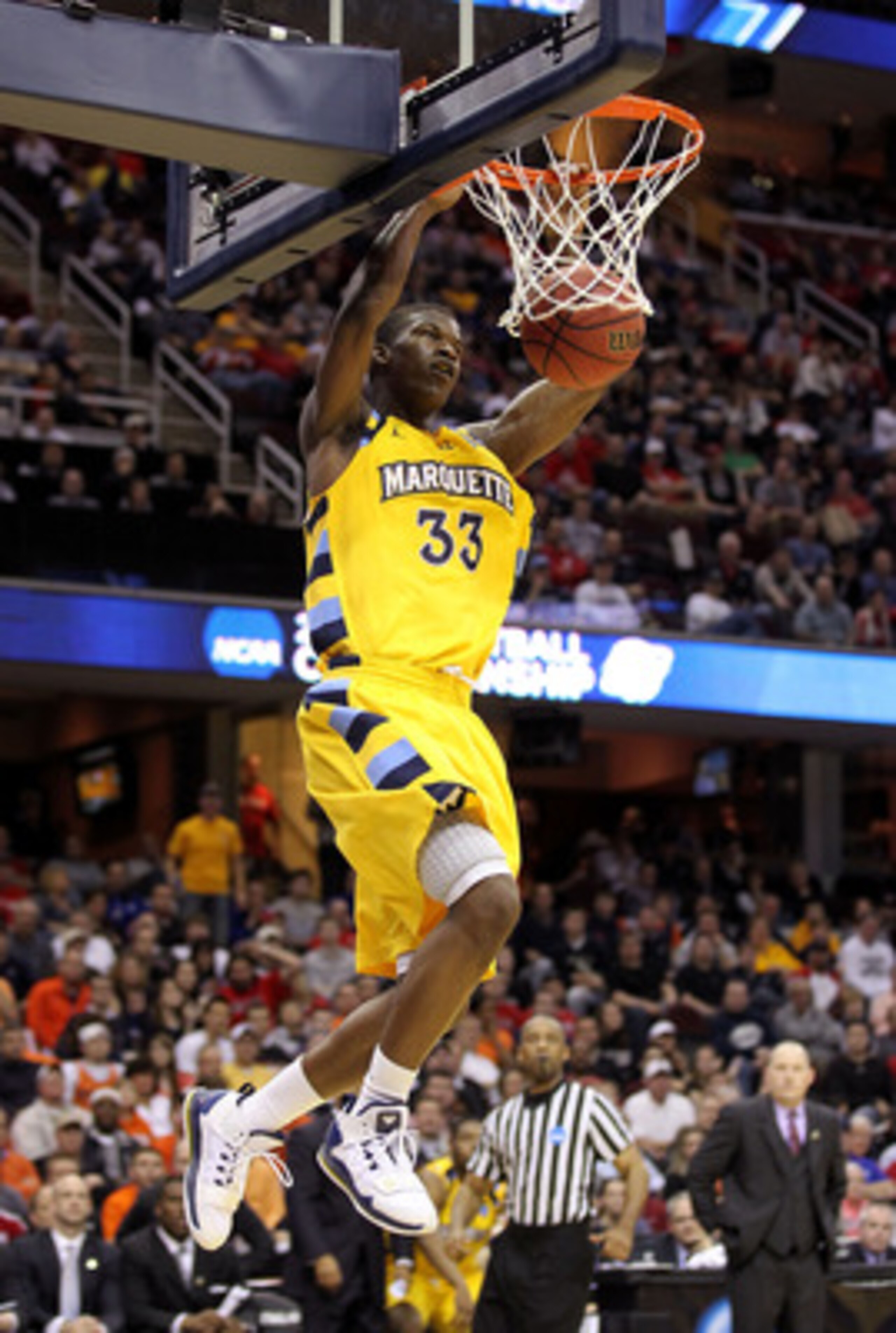
Jimmy Butler was a matchup nightmare for opponents during his time at Marquette. Butler developed into one of the top players on the Golden Eagles' Sweet 16 squad last season.
Butler has developed an inside-out game that makes the lanky swingman a handful to deal with. He has shown the ability to drive the basket, but he is also a serviceable three-point shooter as well. Butler is also a valued asset on the defensive end of the court where he is aided by his length.
He did not produce much at Marquette as an underclassman, but really came on strong during his junior and senior seasons at the school.
There is not any one aspect of Jimmy Butler’s game that will blow you away.
Late in the second round, Butler is a versatile prospect who is a great defender and has a solid skill set. He can definitely add to an NBA franchise. Butler is not a marquee talent, but he can still be a positive addition to a team.
Malcolm Thomas (San Diego State)
7 of 10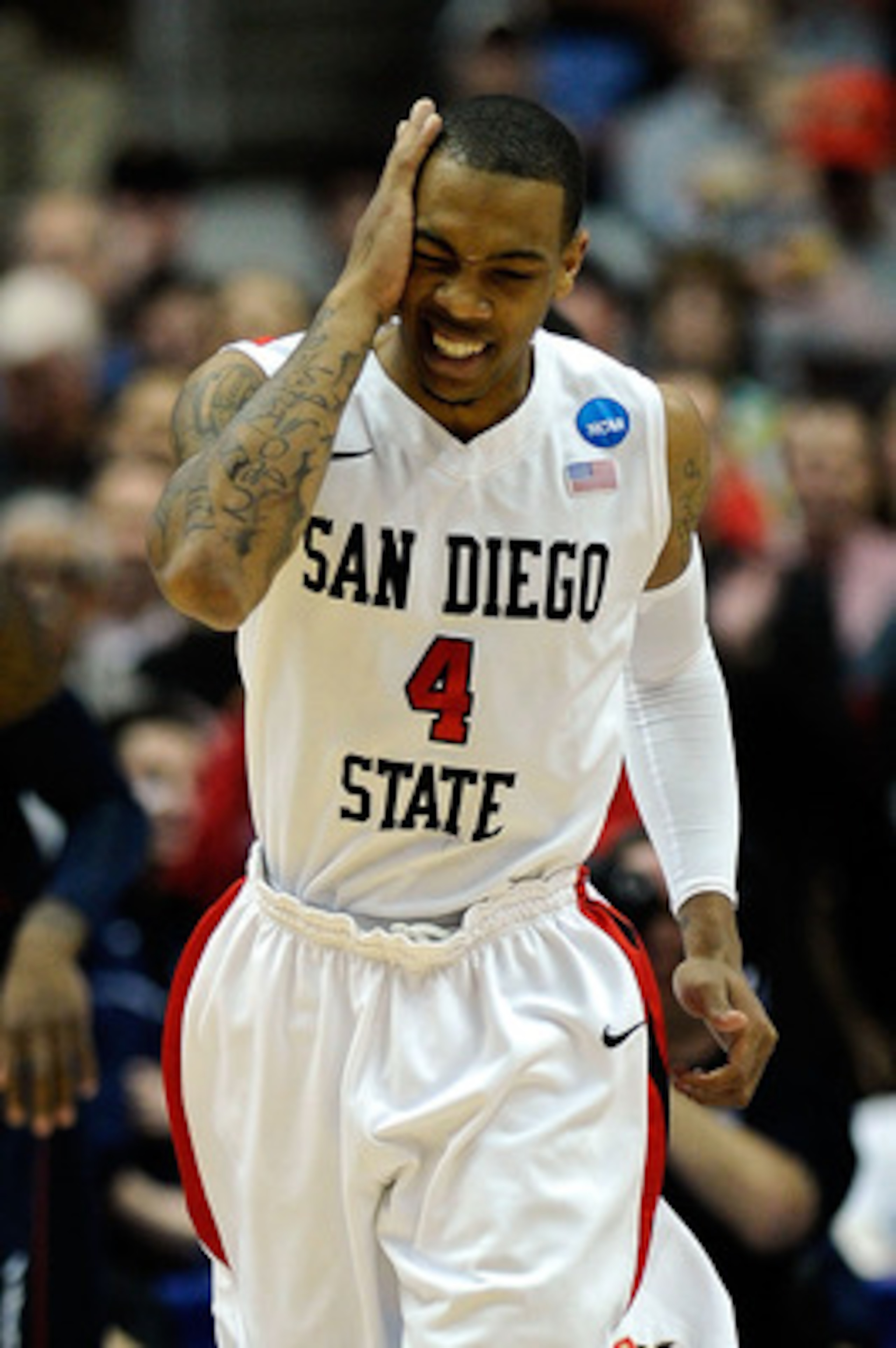
Kawhi Leonard is obviously the San Diego State product that is one everyone’s draft radar, but do not sleep on Malcolm Thomas.
Thomas originally signed and played for Pepperdine as a freshman. He would later transfer to San Diego State where he would play his junior and senior seasons for head coach Steve Fischer.
Malcolm Thomas is a forward who was a solid scorer and rebounder on last season’s Sweet 16 squad for SDSU. Thomas is a great defender and can force opponents into mistakes on offense. The Aztecs' uptempo style of play also allowed him to showcase some of his athleticism.
There are concerns about Thomas’s lack of strength and questions as to whether he can play in the paint. Still, despite his lack of imposing strength, Thomas can carve out a solid role on an NBA team.
Isaiah Thomas (Washington)
8 of 10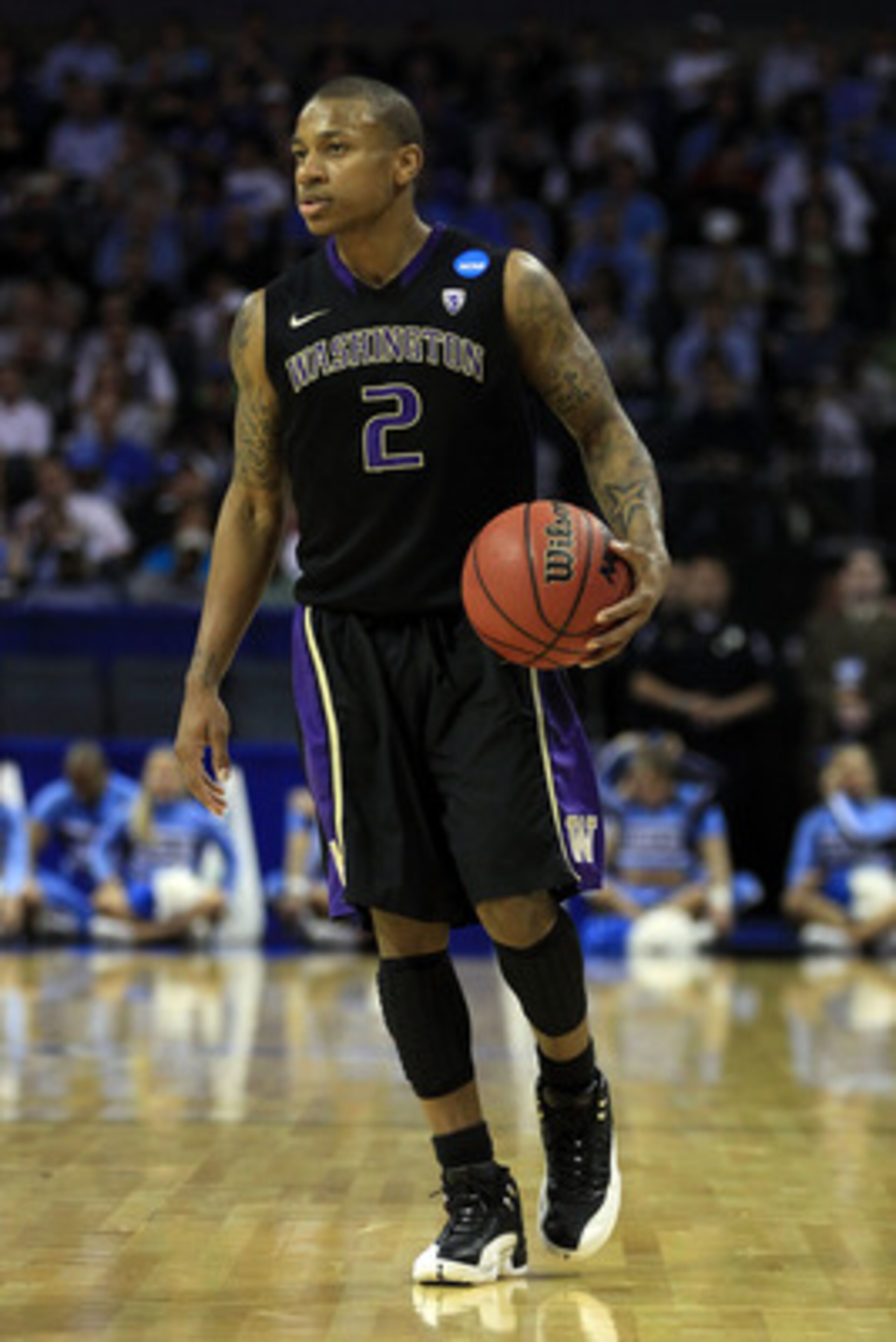
Isaiah Thomas’s 5’9", 185 lb. frame will keep him out of the first round of the NBA draft. The guard decided to forego his senior season at Washington and enter the draft with the assumption that he will be selected in the second round.
Thomas is lightning quick and is a skilled penetrator. He showcased his ability to weave through the defense during his time with the Huskies.
As I said earlier, Thomas’ small size and frame are cause for concern. Ideally, you would also like to see him shoot a higher percentage from three-point range as well (he only shot 35 percent as a junior).
Still, Isaiah Thomas has speed and playmaking ability that are unparalleled to most prospects in this draft class. He helped lead Washington to sizable runs in the NCAA tournament during his time at the school, before Thomas’ arrival the Huskies were largely on the outside looking in.
History has shown that a lack of size is not necessarily a crippling blow to an NBA career. Isaiah Thomas can make an impact on an NBA team in a manner that resembles former Washington guard Nate Robinson.
Iman Shumpert (Georgia Tech)
9 of 10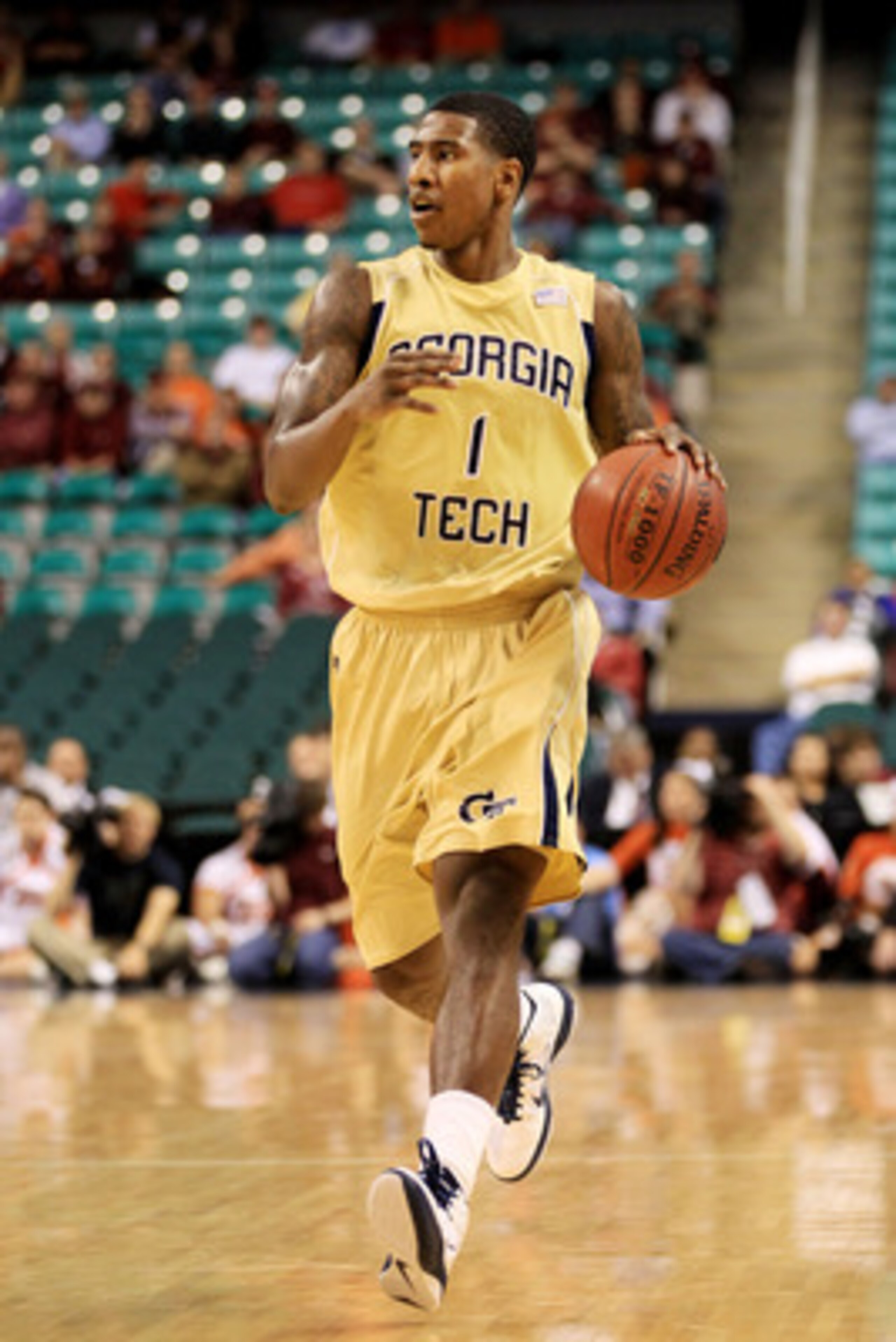
Georgia Tech has not finished in the top tier of the ACC standings during the past few seasons, making it easy to overlook Shumpert.
At 6’4" Shumpert is an incredible athlete that can throw down jaw-dropping dunks in the full court and also create opportunities in the half court.
Scouts are concerned with Iman Shumpert’s shot selection. Some may criticize him for a lack of winning at Georgia Tech, but the Yellow Jackets never had a particularly strong supporting cast (possible exception last season: Derrick Favors and Gani Lawal) during his time there.
This is a case where the prospect's game might be better suited for the NBA rather than the collegiate level. The fact that Shumpert is an experienced point guard at 6’4" is a definite positive.
Despite playing in the ACC, Shumpert never received a ton of headlines during his time at Georgia Tech. Regardless, he has a ton of potential and has skills that will immediately translate over to the professional ranks.
Nikola Vucevic (USC)
10 of 10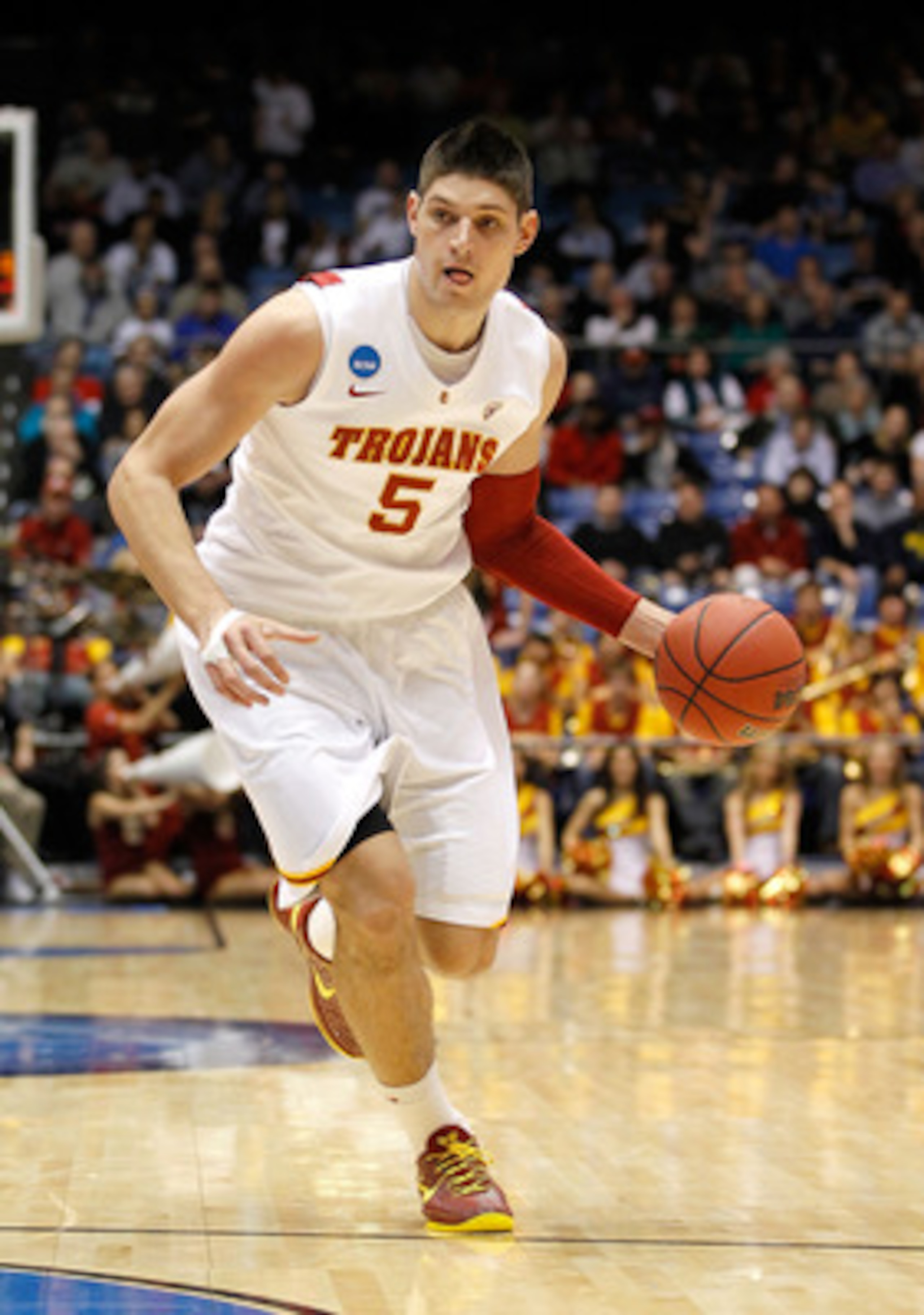
Nikola Vucevic was actually born in Switzerland. He played his college basketball here in the states though at USC.
Vucevic has great size for the league at 6’10", 240 lbs. His game is improving and the potential for growth with this prospect is substantial.
Scouts have been impressed with the strides Nikola Vucevic has made, but it is clear that there is still an ample amount of progress that can be made.
If Vucevic can continue to improve his outside shooting then he will become that much more of a dynamic prospect. He only shot 22 percent from behind the arc as a sophomore, but improved his percentage to 35 percent last season as a junior. This is a prime example of Vucevic’s work ethic and the rapid growth in his game.
There is no question that Nikola Vucevic can be an impact selection in the second round. Honestly though, Vucevic could still work his way into the late first round during the final month leading up to the draft. There is also the possibility that he could play overseas.



.jpg?w=2560 "Chiefs, Steelers Eye WR Trades")



.jpg?w=2560 "Latest Peyton-Colts Rumors")