
Arsenal FC: 5 Reasons They Have Regressed Since 2007-08
Arsene Wenger maintains that despite no trophies since 2005, Arsenal are getting closer each year.
Is that really the case?
One quick look at the points tally from 2005 onwards reveals a different story. If anything, it seems that the Gunners reached their peak in 2007-08 and then regressed.
In that year, the London outfit racked up 83 points, lost only three games in the entire season and had a season-long unbeaten home run.
That was also the last season that the Gunners were a proper (no extra games played) league leader.
In this season—a season which numerous fans and experts alike have hailed as the closest that Arsenal have come to the Premier League crown—the Gunners haven't ever led the table (with the same number of games played).
Here are five reasons why Arsenal have actually declined since 2007-08.
1. Exodus of Quality Players
1 of 5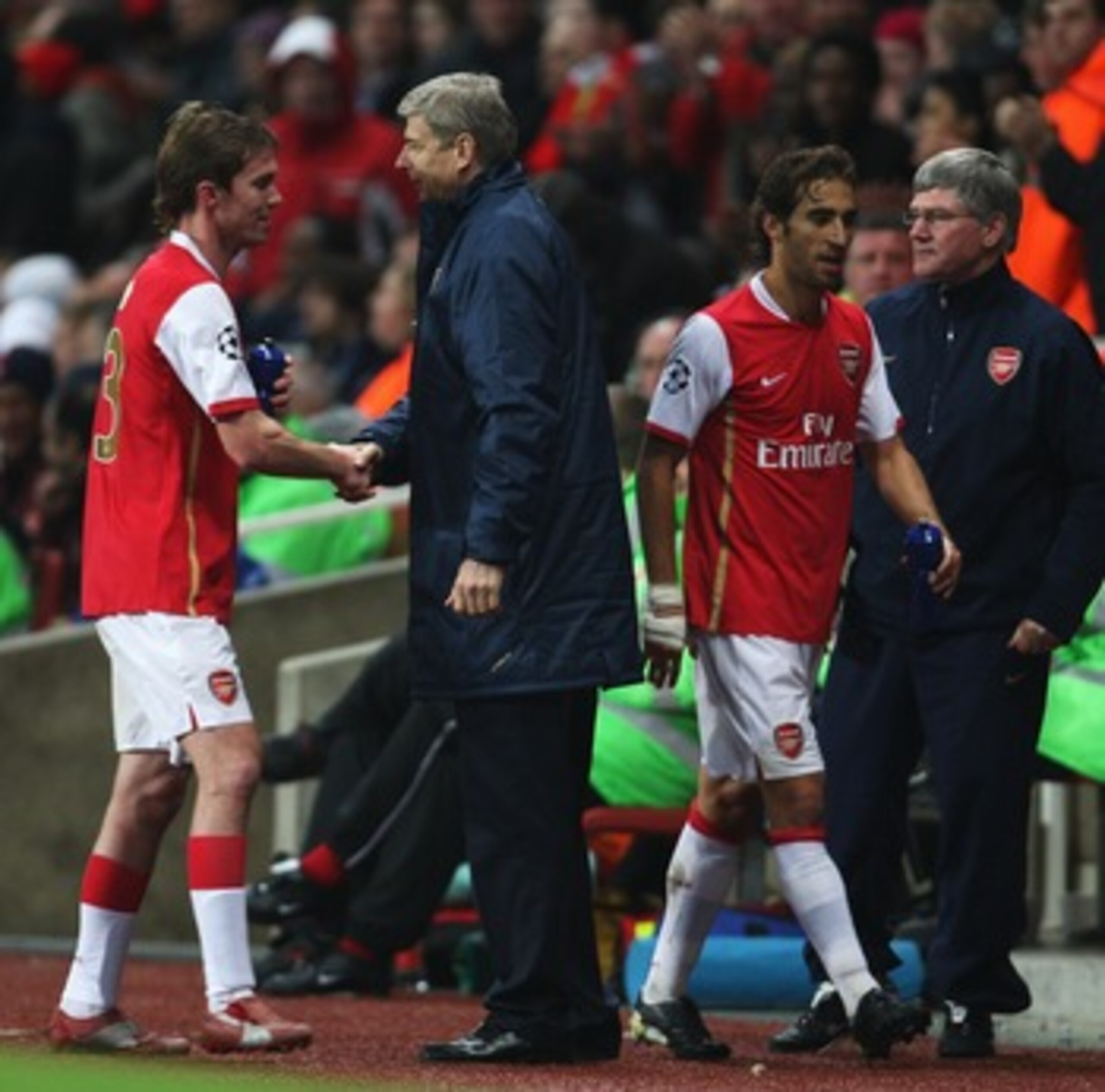
Gilberto Silva's place as the midfield anchorman was taken up by Mathieu Flamini at the start of the 2007-08 season.
Gilberto was unhappy and was told to fight for his place—it seemed Arsenal were spoilt for choice, with two excellent players in the defensive midfield position.
However, by the end of the season, Wenger managed to lose the services of both players. Alexander Hleb was also allowed to leave, leaving the midfield severely short of experience and skill.
In the goalkeeping department, Almunia was preferred over Lehmann, which seemed fair enough, given their respective forms.
However, when the latter left Arsenal, no one was brought in to keep Almunia on his toes. The seeds were sown for a number of crucial goalkeeping blunders over the following three seasons.
These players were torchbearers from the "Invincibles" generation and they left before they could pass on their knowledge to the young replacements.
2. Sub Standard Replacements
2 of 5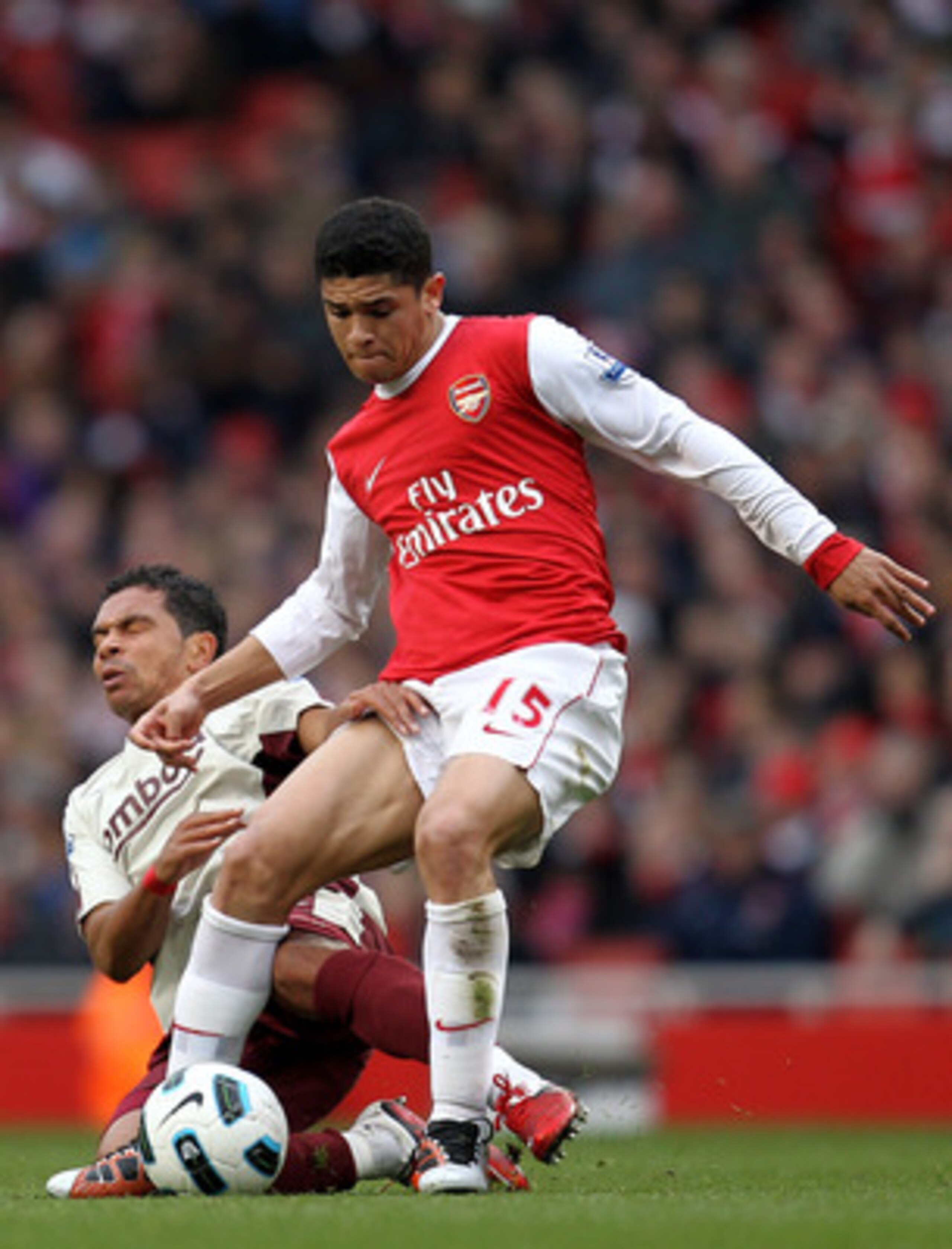
The quality of the 2007-08 Arsenal side is proved by the sorts of clubs that bought many of those players.
Flamini left for AC Milan, Hleb left for Barcelona and Adebayor (even though he left in 08-09, he had mentally departed a year before) is currently at Real Madrid.
It seems highly improbable that any of these big names are going to consider buying Denilson, Diaby or Bendtner.
Even though Nasri and Song have excelled in the Arsenal midfield, it took them three years just to get Arsenal back to the levels of 07-08.
Only towards the end of this season has Szczesny filled the goalkeeping hole left by Jens Lehmann.
However, Adebayor hasn't been replaced yet. Similarly, the Gunners do not possess defenders in the league of Kolo Toure or Gallas in his prime, either.
3. Loss of Leaders
3 of 5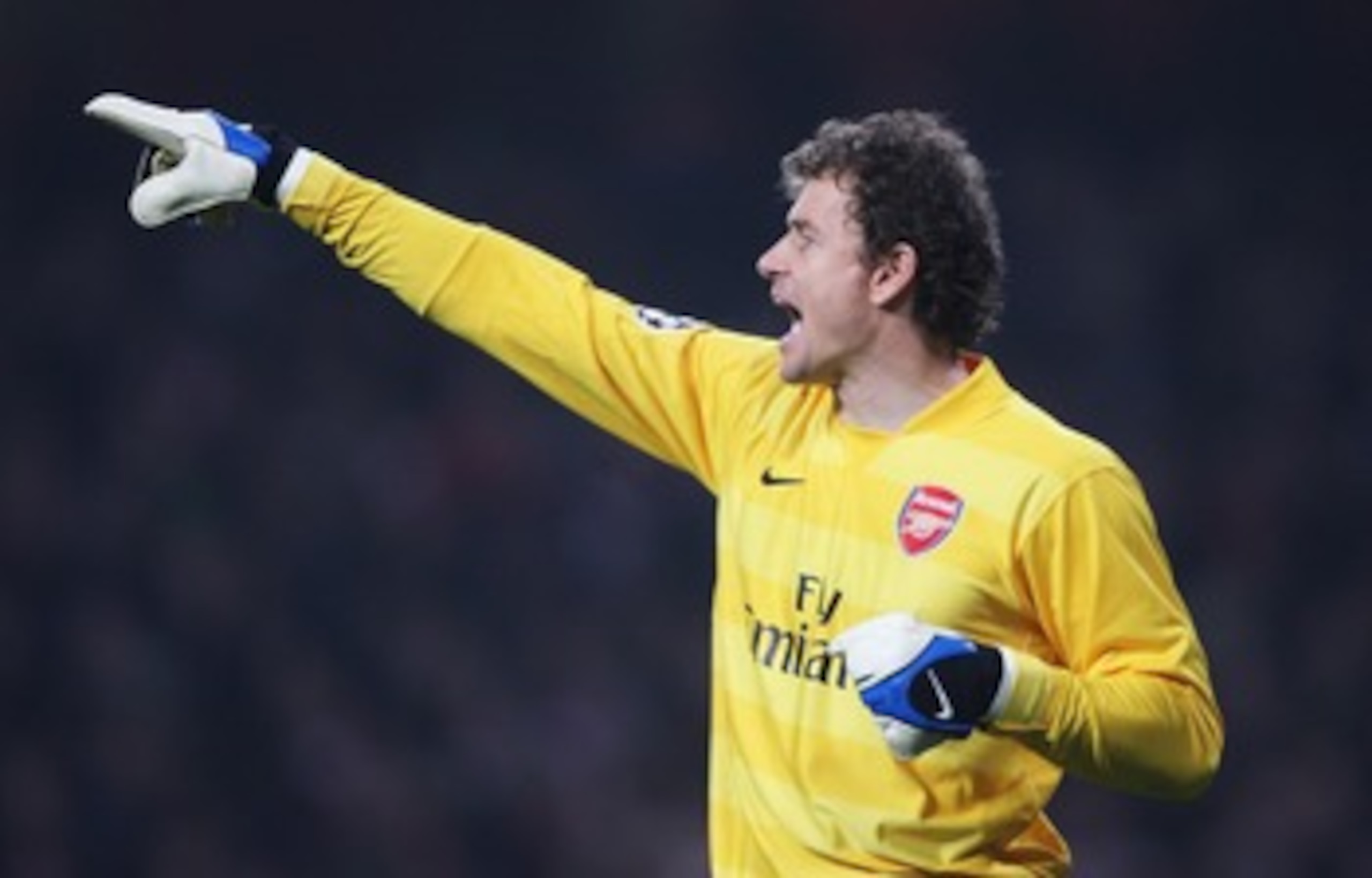
Thierry Henry left Arsenal in June 2007. The captaincy was then unexpectedly handed to William Gallas.
This move proved to be a mistake in two ways—Gallas proved to be a terrible captain and Gilberto Silva was snubbed, paving the way for his departure.
At the end of 2008, the Brazilian midfielder departed along with Flamini and Jens Lehmann.
Thus, in the space of 12 months, Arsenal had lost leaders in each department—attack, midfield and defence.
Despite the infamous breakdown of Gallas in the season-defining 2-2 draw with Birmingham in 2007-08, Wenger stuck with him.
Only after the mercurial Frenchman managed to have bust-ups with half the squad was he replaced as captain by the young Cesc Fabregas.
By this time, there didn't appear to be many candidates left apart from the (at the time) 21-year old. This was also meant to keep him from joining Barcelona in the summer.
Despite his best efforts, the burden of captaincy alongside the role of being Arsenal's midfield general has proven to be too much for the young Spaniard.
Today, Fabregas looks to have his heart set on re-joining Barcelona.



4. Tactical Mistakes
4 of 5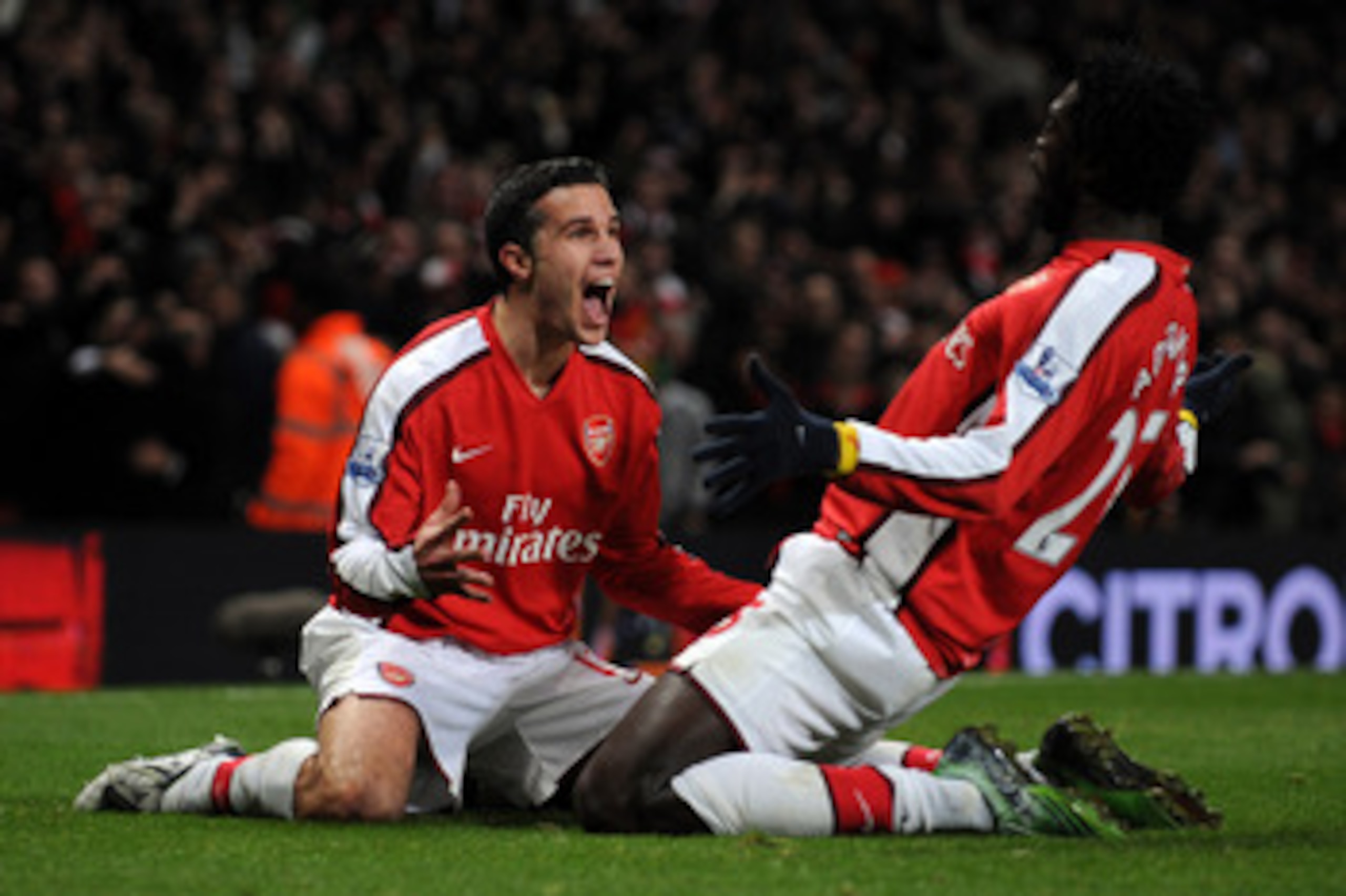
Up until 2008-09, Arsene Wenger employed the 4-4-2 formation with reasonable success.
The departure of Emmanuel Adebayor and the success of Barcelona prompted Wenger to adopt a similar 4-3-3 system to the Catalan giants.
Initially, it appeared to be a master stroke, but the flaws were soon brutally exposed.
This formation made Arsenal too narrow, which made it easy for dogged opposition to choke the midfield. In addition, the lack of width made Arsenal's attacks slow, giving defenses time to organize.
Crucially, a lot of responsibility fell on Arsenal's wingbacks, Bacary Sagna and Gael Clichy. These two often have to make forward runs to provide crosses and any sort of width.
As a result, they often leave acres of space behind them for opposition wingers to launch devastating counter-attacks.
Humiliating home defeats against Manchester United and Chelsea demonstrated this quite clearly.
The emergence of Alex Song has helped Arsenal avoid such catastrophes this season, but the inherent defects remain.
5. Loss of Winning Mentality
5 of 5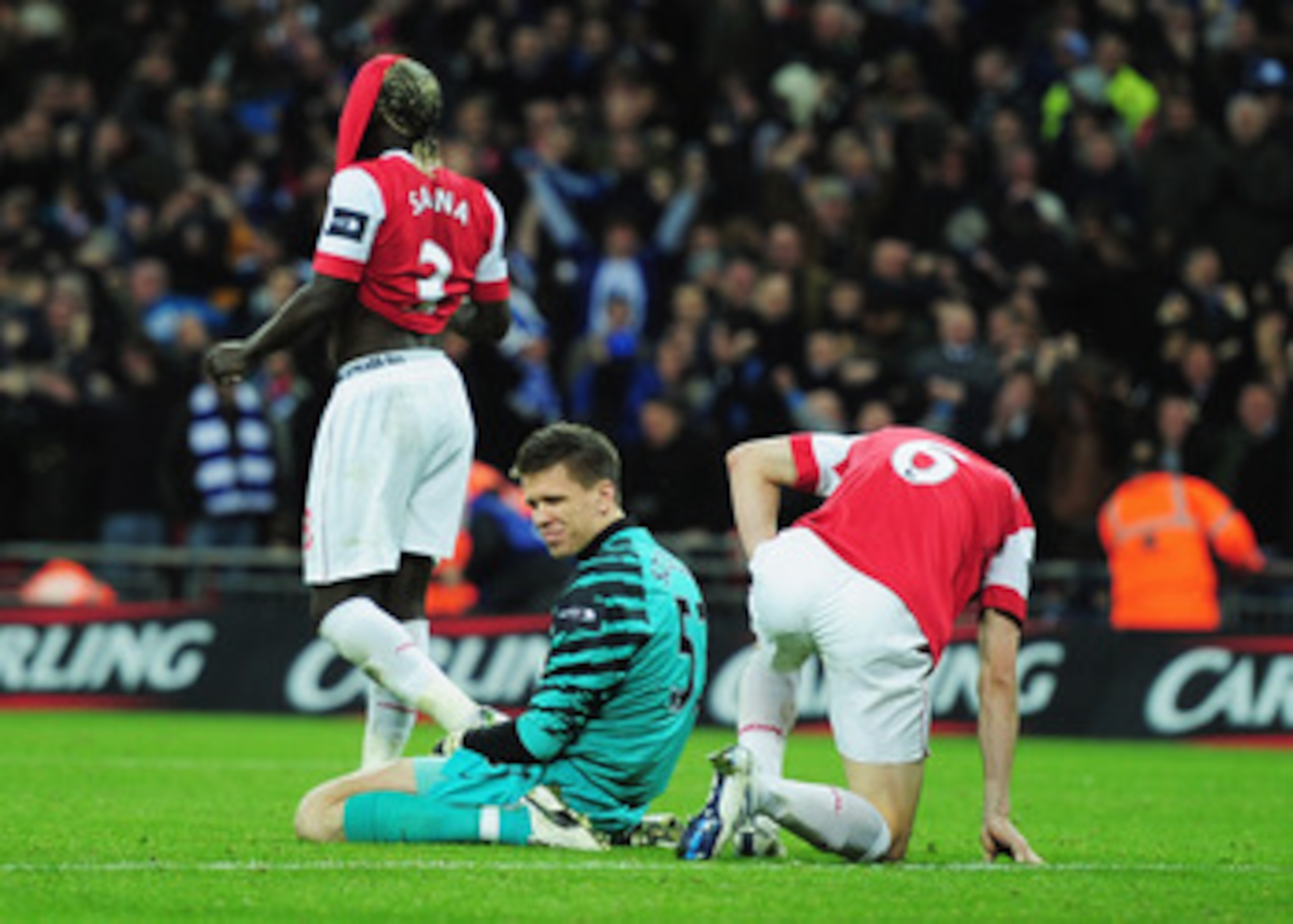
Unfortunately for Arsenal, this young squad has been brought up in a losing atmosphere.
These players just don't know how to win important games—let alone trophies. They have no one to look up to in the team, either.
One gets the feeling that if last week's game against Manchester United was a title-decider, this group would have bottled it.
The victory only goes to show that Arsenal have the talent, but not the mental strength that Wenger keeps harping about.
One could argue that Fergie's fledlings had similar difficulties in the early 1990s. However, they didn't have to live up to a legacy like the Invincibles of Arsenal.
The English press, which had a hard time swallowing Arsenal's success in the early 2000s, has relished the trophy-drought and enjoyed rubbing it into these young players.
Wenger had great success with George Graham's team in 1997-98. The successful Arsenal teams from 2001-02 to 2004-05 were his own.
It seemed that 2007-08 would be the third spell of success under Wenger. It was not to be, and in the three years since, it seems that Arsenal are back to square one.

.jpg?w=2560 "Seahawks Chiefs Football")



.jpg?w=2560 "Latest Peyton-Colts Rumors")