
2011 NHL Playoffs: Boston Bruin Nathan Horton Sets Up Rematch with Philadelphia
 On June 22, 2010, Boston Bruins general manager Peter Chiarelli traded defenseman Dennis Wideman, the 15th overall selection in the 2010 NHL Entry Draft and a third-round pick in the 2011 Entry Draft to the Florida Panthers for center Gregory Campbell and winger Nathan Horton.
At the time of the trade, Boston fans were ecstatic to see one of the National Hockey League's elite power forwards, Horton, joining their favorite team.
They expected the Welland, Ontario, Canada native to score 35-40 goals and in the vicinity of 80-90 points. Horton started the season quickly, scoring goals in his first two games as a Bruin.

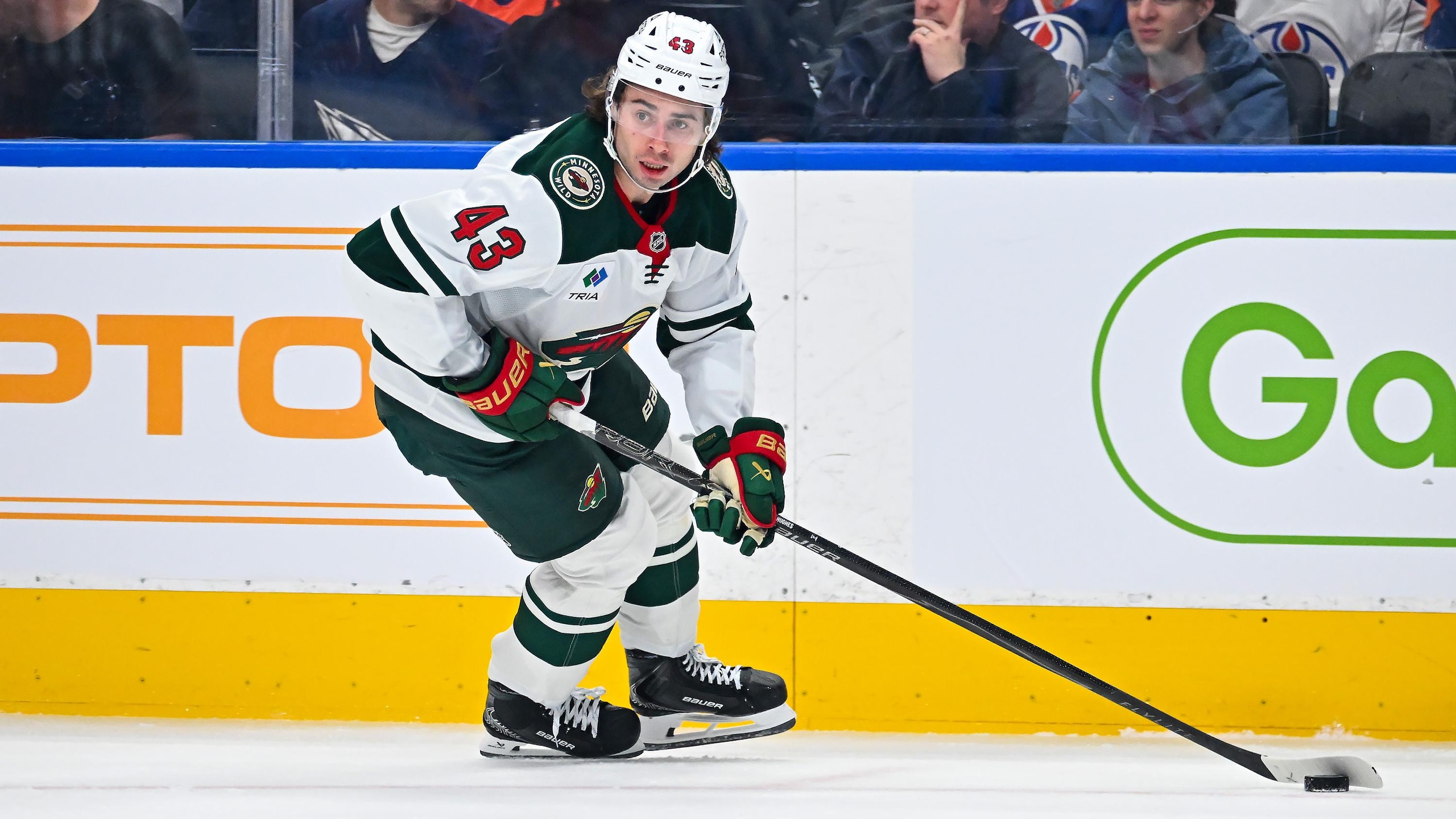

Soon after, however, fans became frustrated with the 25-year-old forward, as he was not scoring on a nightly basis any longer. Horton also began appearing as if he was disinterested for long stretches of games. What looked like a player who did not want to be playing in Boston was actually one who needed time to adjust to his new surroundings.
The difference between playing in a sometimes half-full arena in Florida and playing in front of sold-out crowds every night in Boston is like night and day.
As he became more comfortable in Boston, Horton began to light the lamp on a more routine basis and was placed on the Bruins top line with center David Krejci and wing Milan Lucic. The 6'2", 230-lb. winger finished the season with 26 goals and 27 assists for a total of 53 points, good enough for fourth in team scoring.
When the Stanley Cup Playoffs rolled around, big things were expected from Horton and his linemates. After all, Lucic scored 30 goals and 62 points while Krejci amassed 49 assists to go along with 13 goals. Krejci and Lucic each led the Bruins in scoring with 62 points during the 2010-2011 season.
First-round opponent Montreal had other things in mind for Horton and his linemates. The Canadiens used the trap-style defense against Horton's line, and it worked for most of the series.
Game 1, in Boston, saw the Bruins lose, 2-0. Horton was on the ice for 17:53. He took three shots on goal, but obviously did not get any points. He was minus-one for the game.
Game 2 was also played in Boston. Horton was again held in scoreless and had zero shots on goal in 17:19 of ice time and was an even plus/minus. Boston lost, 3-1
Game 3 saw the series shift to Montreal. It also saw a 4-2 Bruins win. Horton scored one goal on three shots. He was an even plus/minus.
Game 4, in Montreal's Bell Center, brought about a 5-4 overtime win for the Bruins. Horton again had three shots on goal but zero points. His plus/minus was again even.
Game 5 was a 2-1 Boston win in Boston. Horton repeated his three-shot performance, one being the overtime game-winning goal. He was also plus-one.
Game 6 had Montreal playing at home with the Canadiens on the brink of elimination. Montreal bounced back with a 2-1 win. Horton was stifled by the Montreal defense as he took zero shots on goal and picked up no points. He had an even plus/minus.
Game 7 was an epic battle of Boston vs. Montreal hockey.
Boston jumped out to a 2-0 lead. Montreal stole the momentum, scoring once in the first period, and tied it at two goals apiece in the second period. In the third period, the Bruins took the lead, 3-2, on Chris Kelly's third goal of the playoffs, but, as could be expected, the Canadiens refused to give up and tied the score at 3-3 with 1:57 remaining in regulation time.
Overtime ensued.
As if written in a movie script, The player who had been maligned during most of the playoffs, Nathan Horton, came through for Boston by scoring his second overtime winning goal of the series. Horton sent a slap shot at Montreal goaltender Carey Price and the puck was deflected by former Bruin defenseman Hal Gill past Price and into the Montreal net.
Horton's goal won the game and the series for Boston. It was his third goal of the series. The shot on goal was his only one of the game in 15:45 of playing time. Horton was a plus-one for the game.
Overall, in the seven games of the Eastern Conference quarterfinal series versus Montreal, Nathan Horton scored three goals with no assists. He finished with an even plus/minus.
This was Horton's first Stanley Cup Playoff appearance. He started the series slow, but once he found his game, he was a leader for Boston by scoring two game-winning overtime goals.
He has gone from a target of fans' vitriol to playoff hero. He will go down in the annals of Boston Bruins lore as the man who brought his team back from a 0-2 deficit in games to a victory over arch-rival Montreal.
Trading for Nathan Horton has arguably been general manager Peter Chiarelli's best trade. It was done with the objective of Horton being an important player in the organization's march to a Stanley Cup.
Now, the road to the Stanley Cup goes through Philadelphia. Horton will need to continue scoring timely, important goals in order for his Bruins teammates to erase the haunting memory of Philadelphia's historic comeback against Boston in last spring's playoffs.
.jpg?w=2560 "NHL Trade Grades Connor Hellebuyck")




.jpg?w=2560 "Malik Beasley Negotiating Plea Deal (AP)")

.png?w=2560 "Week 8 Winners & Losers 📊")


.jpg?w=2560 "Jonathan Taylor Landing Spots")
.jpg?w=2560 "Aikman Blasts Cowboys WR 🫣")