
NBA Draft 2011: 40 Players That Entered the Draft Way Too Early
In the eighth grade, everybody at my school was put through typing class. One aspect of the typing class was a timed test at the end of the week to see how quickly you could incorporate that week's lessons.
Many of the kids in my class, eager to brag about their times, would go against instructions and stare at the keyboard while they typed. Not me. Though I was slower in the beginning, adamantly staring at the screen while I typed, by the end of the semester I was the fastest in the class.
In the long run, staring at the keyboard only slowed them down.
Why am I telling you this seemingly irrelevant tale? Well, it illustrates an important life lesson I learned at a young age:
It is better to take your time and learn to do things correctly than rush into a situation unprepared.
Sadly, the 40 NBA players I have listed here that entered the NBA draft too early didn't learn that lesson, and in many cases it crippled what could have otherwise been fantastic careers.
From eager high school players who overestimated their abilites, to underclassmen who needed more seasoning, the following 40 players earned themselves some dough, and a courtside seat on the bench to go along with it.
40. Gordon Heyward
1 of 40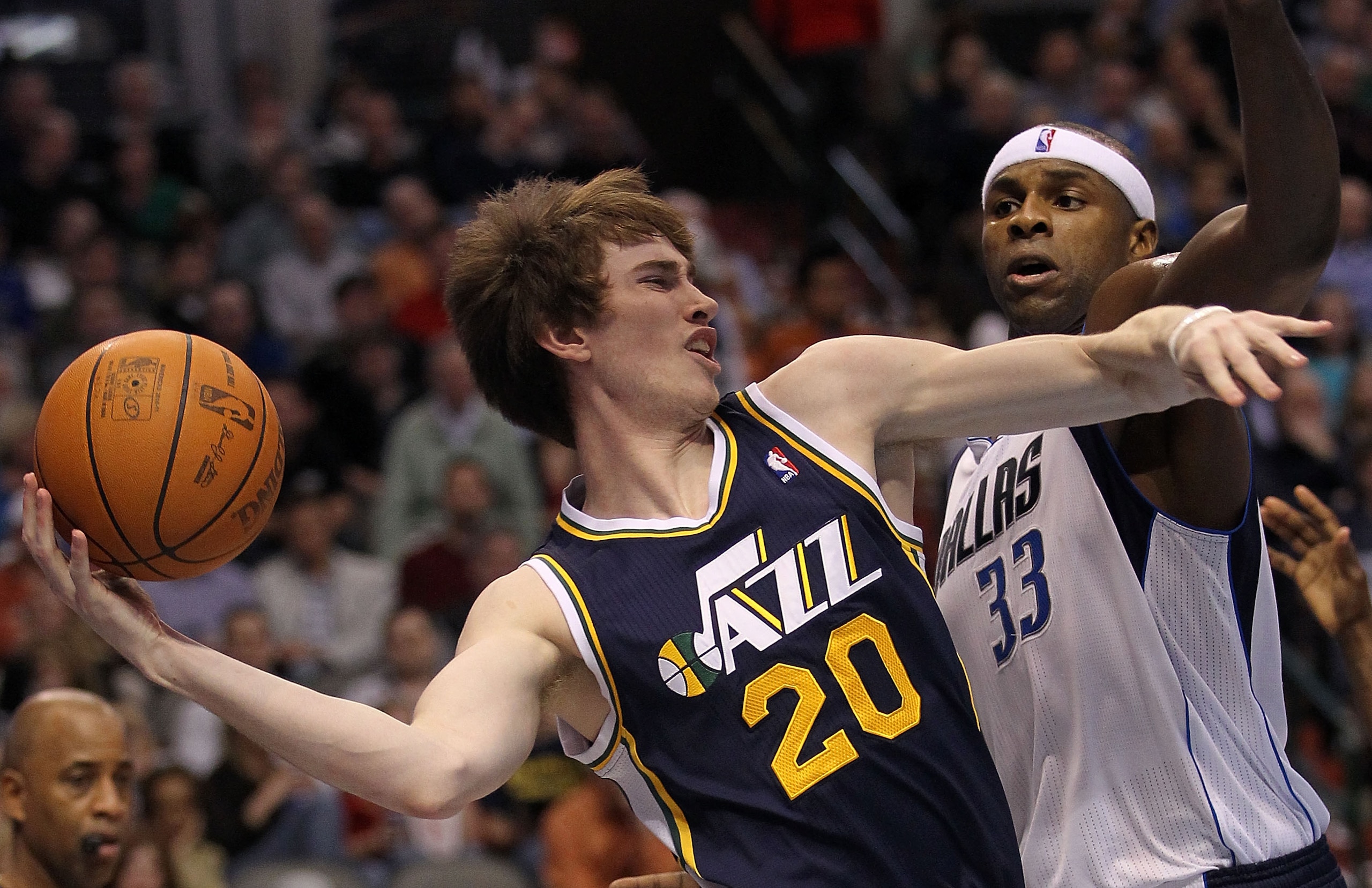
This one may be splitting hairs a bit, but there is one simple reason Hayward should have waited a year:
Butler would have likely won the National Championship had he stayed.
Now, these things are never guaranteed, and from a professional standpoint he made the right move. He was a lottery pick, he was a hot name, and rather than return to school and risk injury, he went for the money.
Can't blame him there. But if you had the choice of one year of college ball, a National Championship season, and an NBA payday looming, wouldn't you take that over a season in which you averaged 16.9 MPG and 5.4 PPG on the Jazz, even with the guaranteed money?
I would.
39. Marvin Williams
2 of 40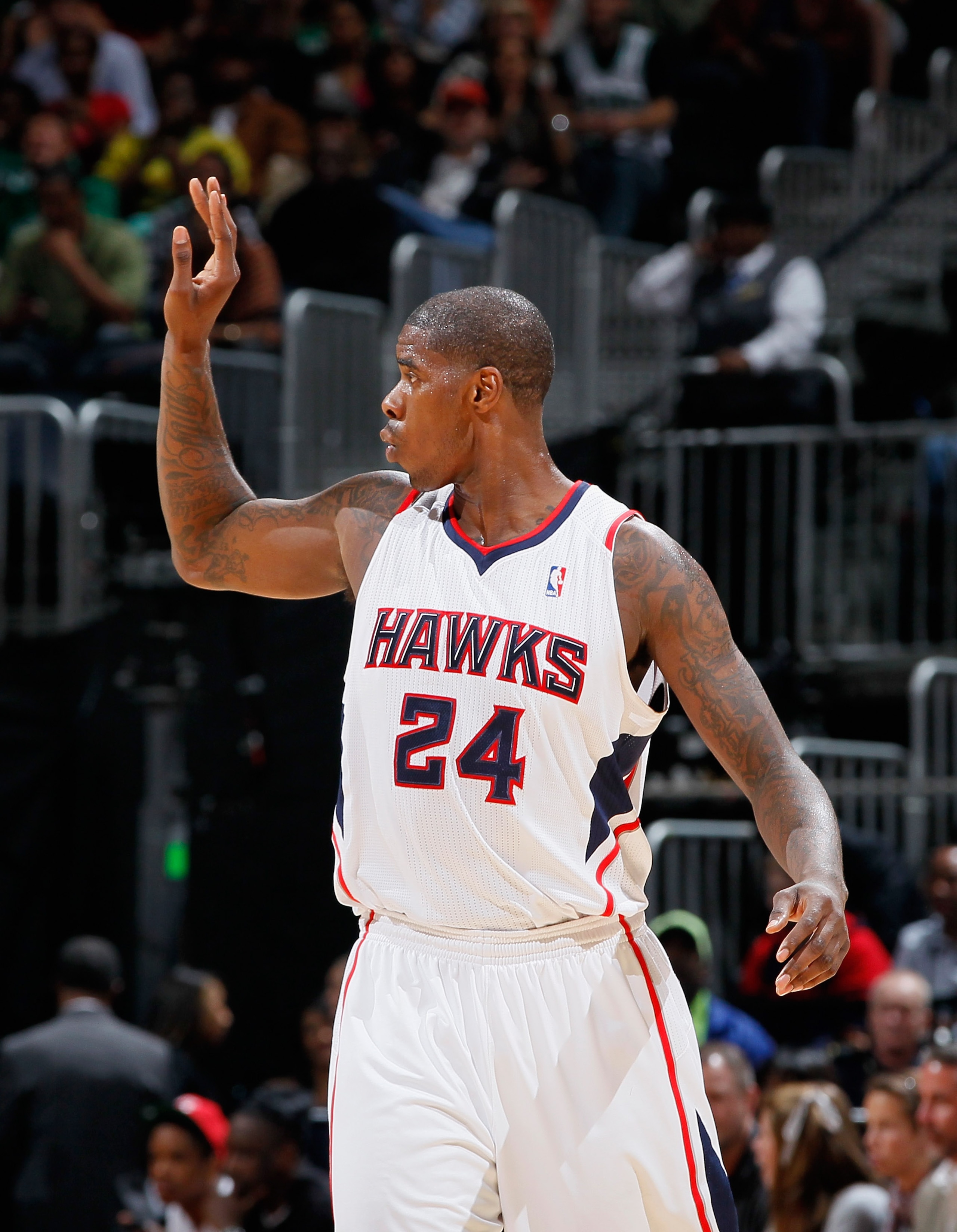
You could make the argument that Marvin Williams came out at the perfect time when he declared himself eligible for the 2005 NBA Draft after only one season at North Carolina.
He was taken by the Hawks with the second overall pick, and contributed his rookie year, averaging 8.5 points and 4.8 rebounds in 24.7 minutes per game. He was selected to the 2005-06 All-NBA Rookie Second Team.
In professional terms he made the right move, as he was a lottery selection. And while his production jumped up significantly between his rookie and sophomore campaigns with the Hawks, he still contributed his rookie year.
But I always remember seeing him at North Carolina and thinking he could use one more season to refine his game before entering the NBA.
38. Micheal Beasley
3 of 40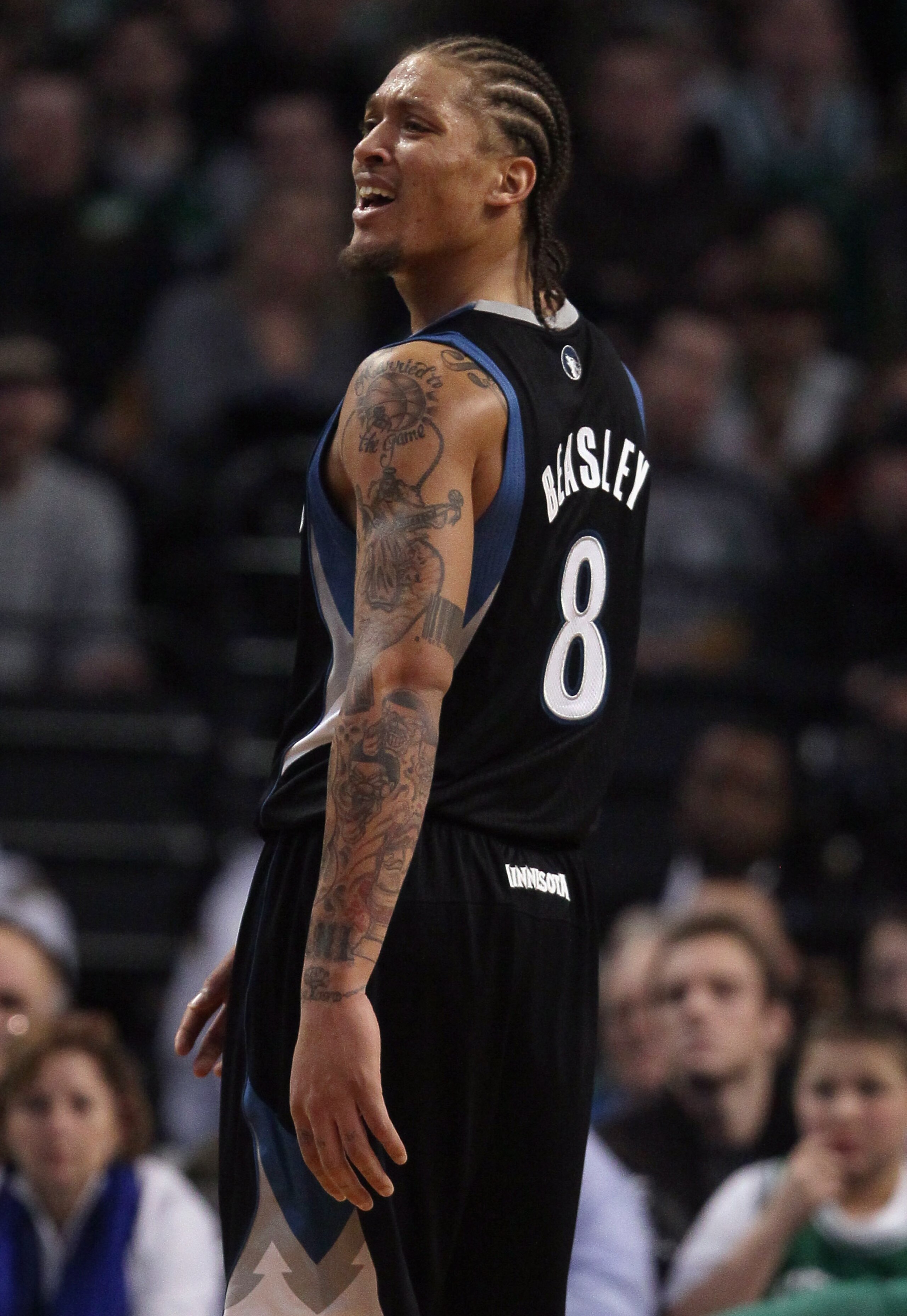
This isn't necessarily performance-related, as Beasley has averaged 15.9 PPG and 5.8 RPG in his first three seasons.
Beasly declared for the NBA after one of the greatest seasons for a freshman in NCAA history, averaging 26.2 PPG and 12.4 RPG for Kansas State in 2007-08. He was named the Big 12 Player of the Year, Freshman of the Year, and was a first team AP All-America selection.
But he has struggled with maturity issues. In 2009, he admitted himself into a rehab facility, and was fined $50,000 in 2008 for his involvement in an incident at the Rookie Transition Program. During his time with the Heat, he often frustrated Pat Riley and Dwayne Wade with his clownish attitude and personal decisions.
Believe it or not, the bright lights of the NBA can be a lot to handle for young men. Sometimes, a few years maturing in college can go a long way.



37. Corey Maggette
4 of 40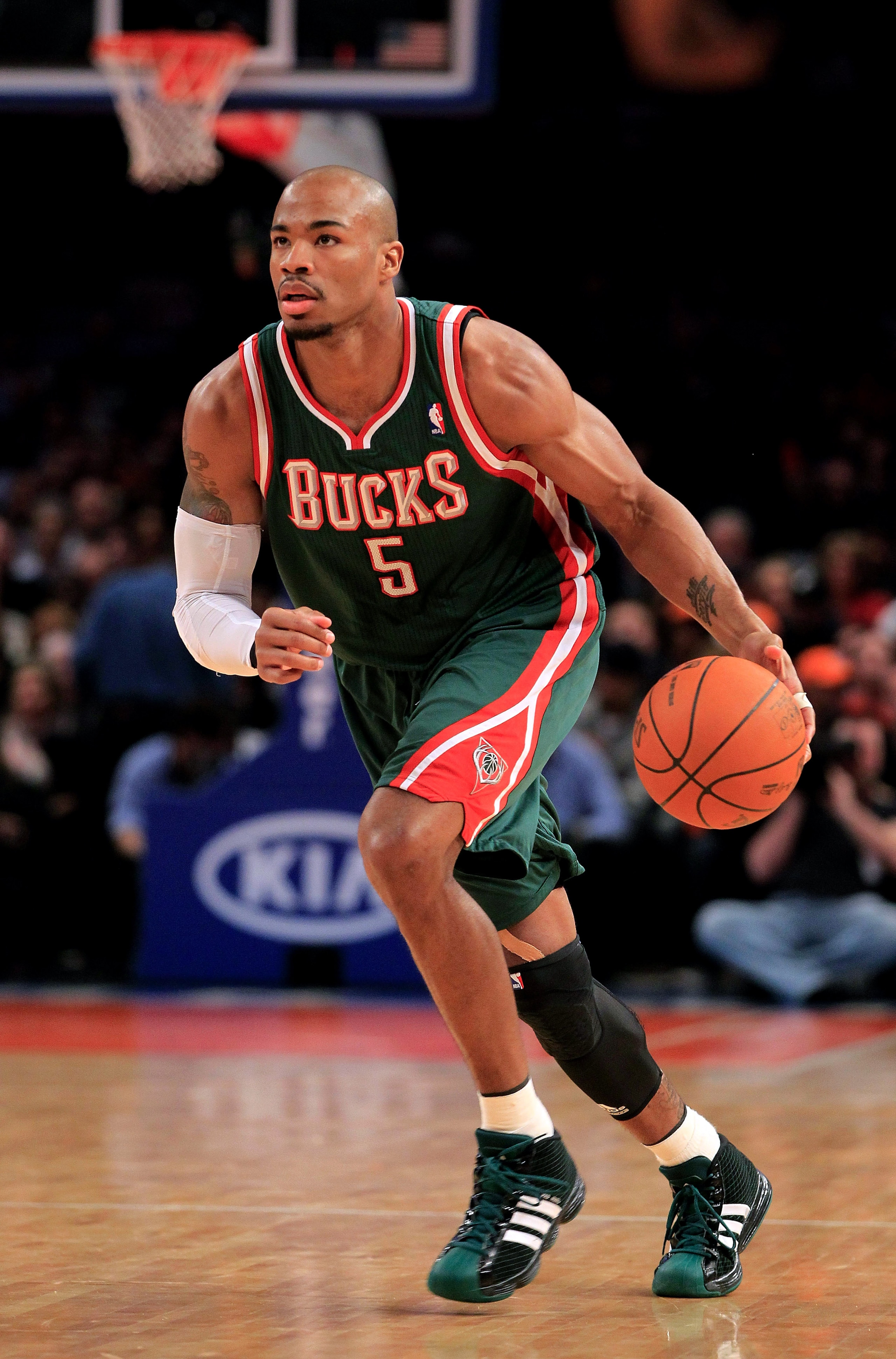
Corey Maggette was one of the first players to ditch Coach K and Duke as an underclassmen, and methinks the Deacon of the Devils put a hex on him, at least for his first three seasons.
Maggette wouldn't establish himself as a (selfish) scorer until his fourth season in 2002-03, when he would average 16.8 PPG, an average he would remain above until this past season with Milwaukee, when he put up 12.0 PPG.
36. Mike Conley, Jr.
5 of 40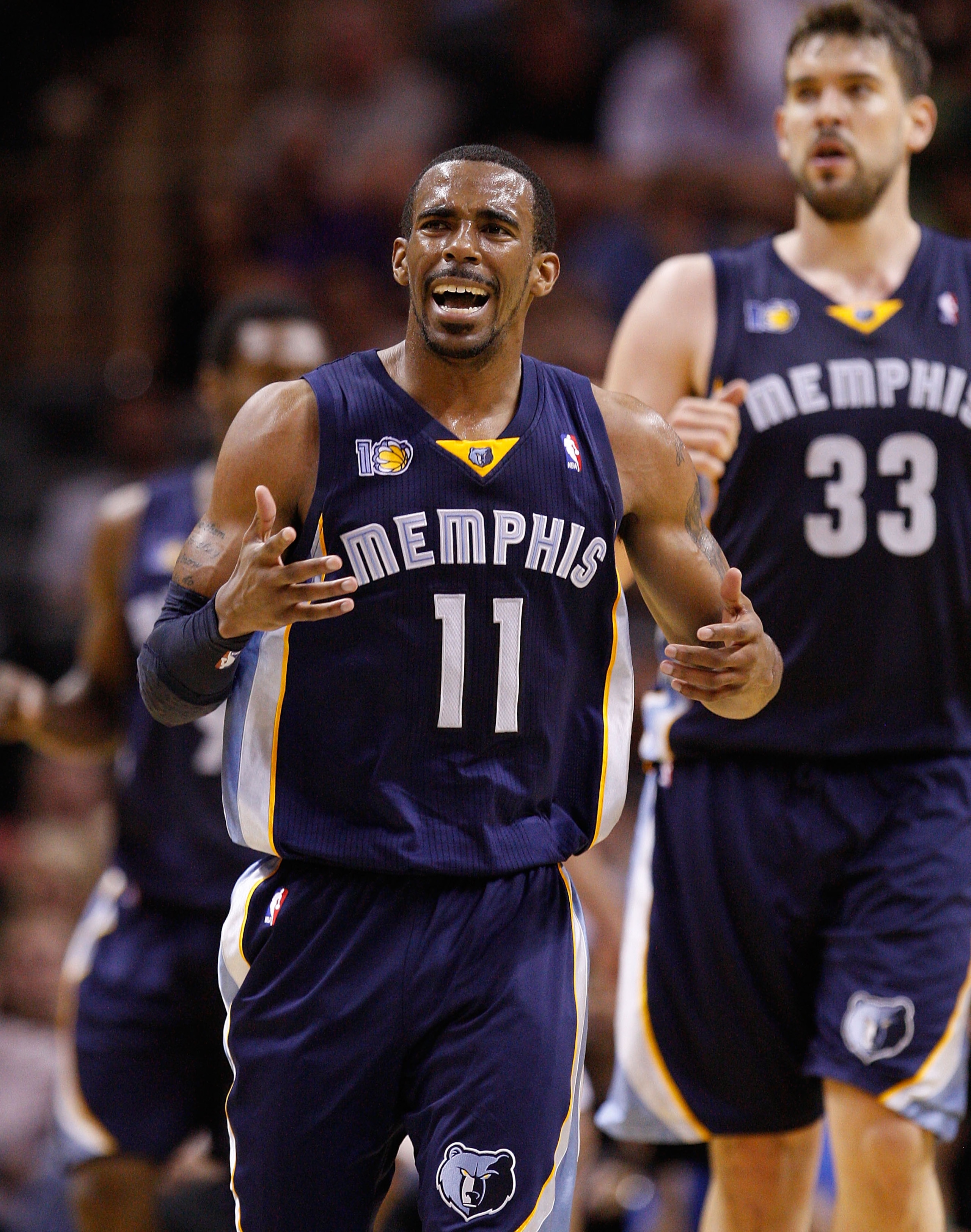
I always thought Conley could have used a bit more seasoning after spending only one season at Ohio State, and he largely shared minutes during his first two years in with the Grizzlies.
That said, he has improved his game yearly, and he averaged a solid 13.7 PPG and 6.5 APG in 81 games this season. He should be a very good point guard in Memphis for years to come.
35. Kyle Lowry
6 of 40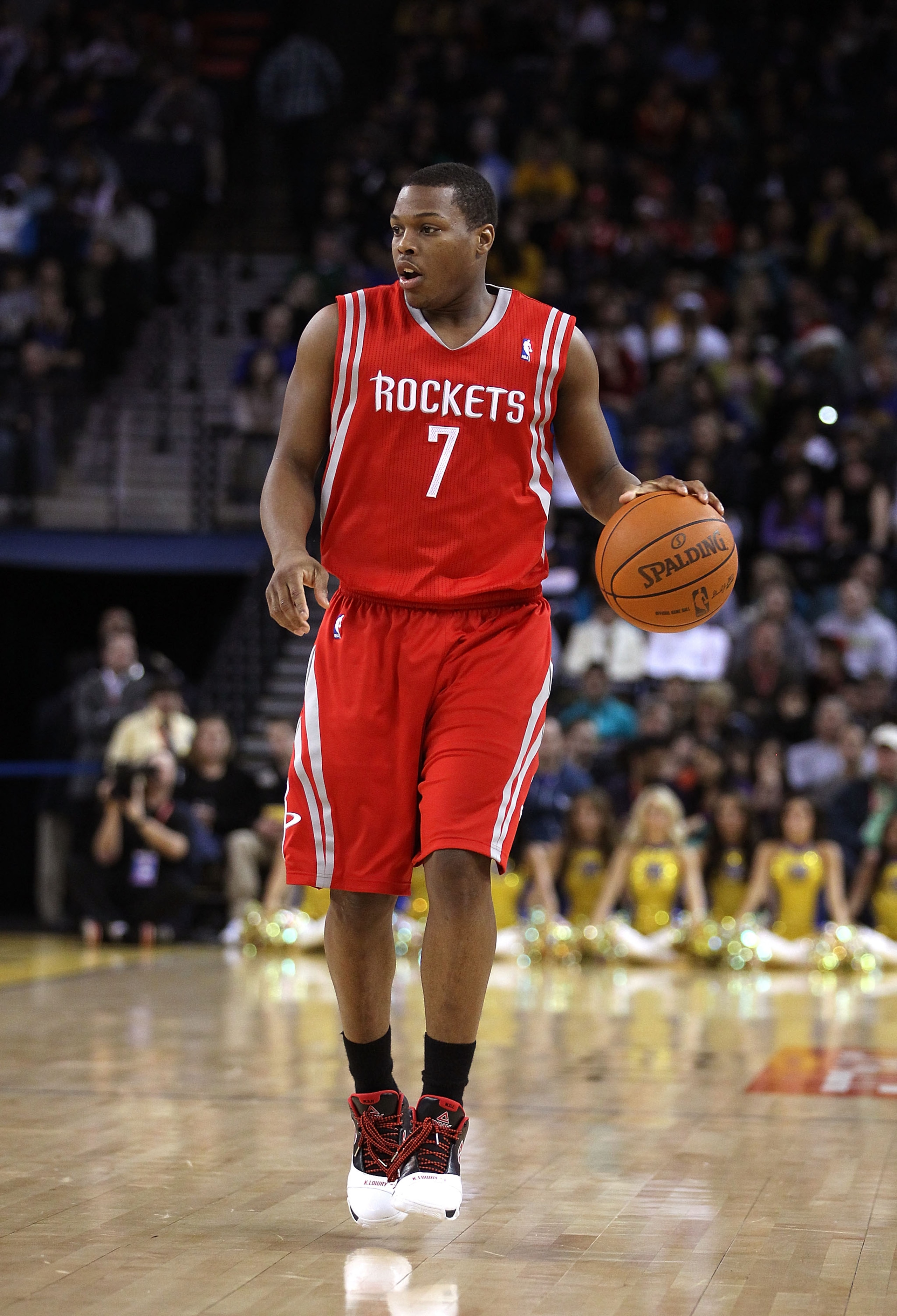
Lowry spent two seasons at Villanova, and became known for his explosiveness off the dribble and his high-energy play.
Having watched many of his games at Villanova, I thought he was still rough around the edges as a sophomore, and was both surprised and dismayed when he declared that year.
Lowry easily had his finest season this past year with the Rockets, averaging 13.5 PPG and 6.7 APG, aided by the trade of PG Aaron Brooks to the Phoenix Suns in exchange for Goran Dragic and a first-round pick.
34. Shaun Livingston
7 of 40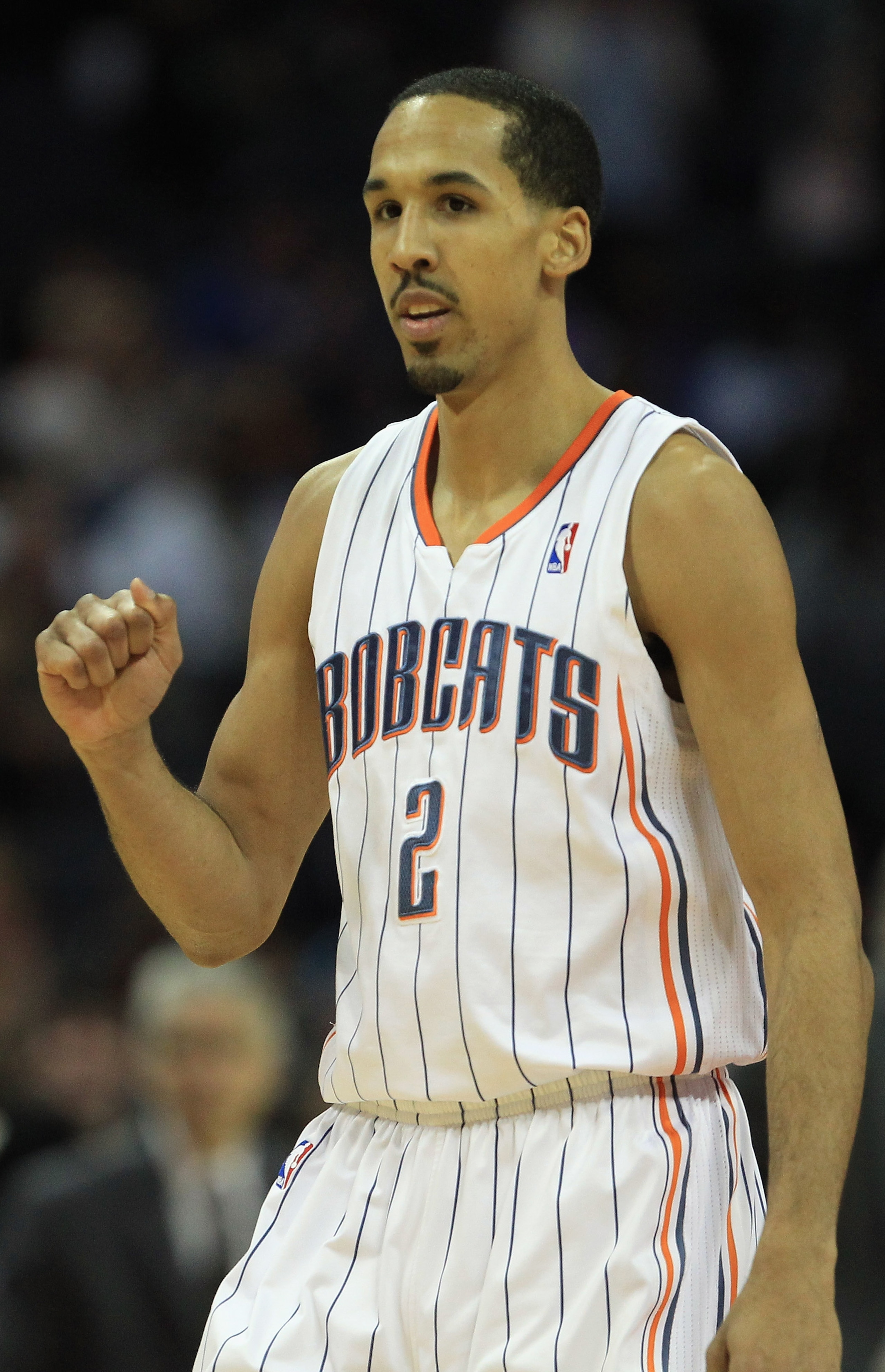
Livingston is another tough call, as his career was hampered by injuries almost immediately, including a gruesome knee injury in 2007.
That being said, the fourth pick in the 2004 Draft was noticeably raw when he did play, despite his enormous potential.
33. Al Harrington
8 of 40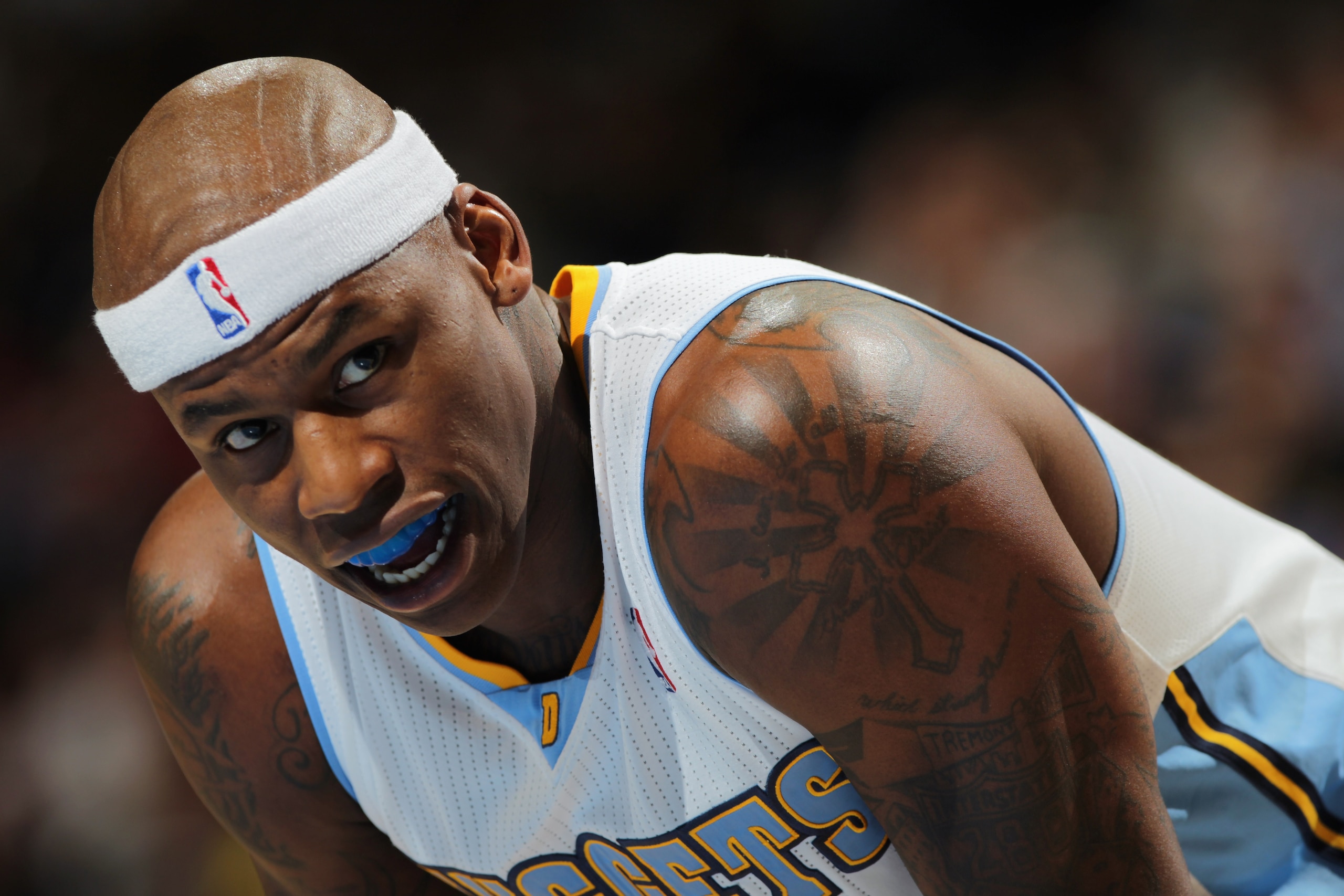
Harrington was drafted out of high school by the Indiana Pacers with the 25th pick in the 1998 NBA Draft.
Though Harrington has become a solid NBA player, posting a career-high 20.1 points per game in the 2008-09 season.
But he spent the early portion of his career coming off of the bench, not getting a start until his third year in the league. By year four, he averaged 29.1 minutes per game, 13.1 points and 6.3 rebounds, becoming a solid contributor to the Pacers.
But that was year four. Had he gone to college for even a season, he would have improved his game, and subsequently, his draft stock, likely making himself a lottery pick rather than a 25th overall selection.
32. Chris Taft
9 of 40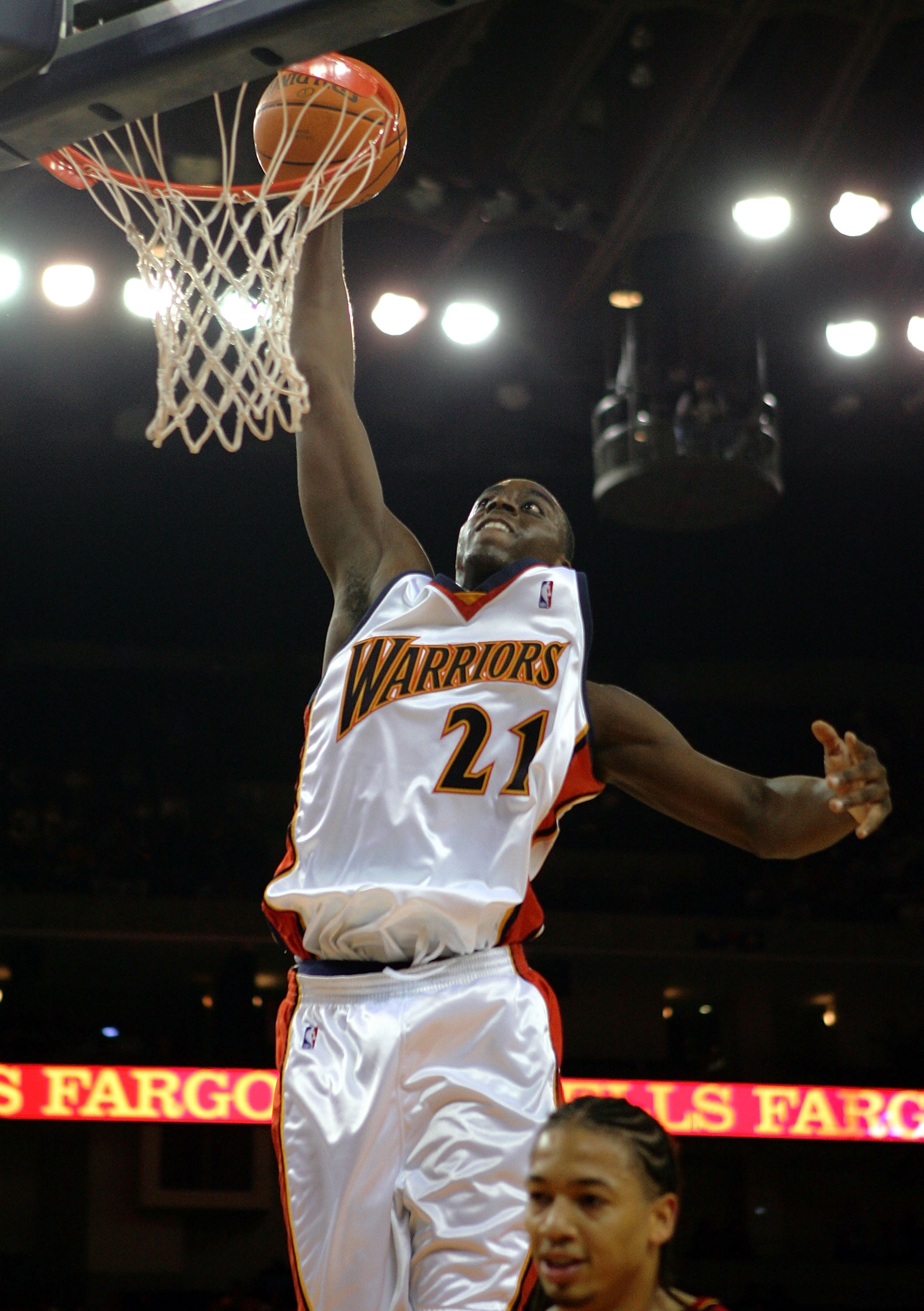
After two seasons at Pittsburgh, Taft entered the NBA draft. Though projected to be a first-round pick, he fell into the second round and soon fell victim to back spasms, playing in only 17 games for Golden State that season.
He would not play in the NBA again.
Taft is an interesting case, as the injuries he sustained likely would have occurred in college, so in the end the money he made in his short stint in the NBA was better than nothing.
However, at the time his decision to enter the NBA draft was probably not the correct one, as his work ethic was often questioned, his offensive game was extremely unpolished, and he ultimately dropped into the second round.
31. Jermaine O'Neal
10 of 40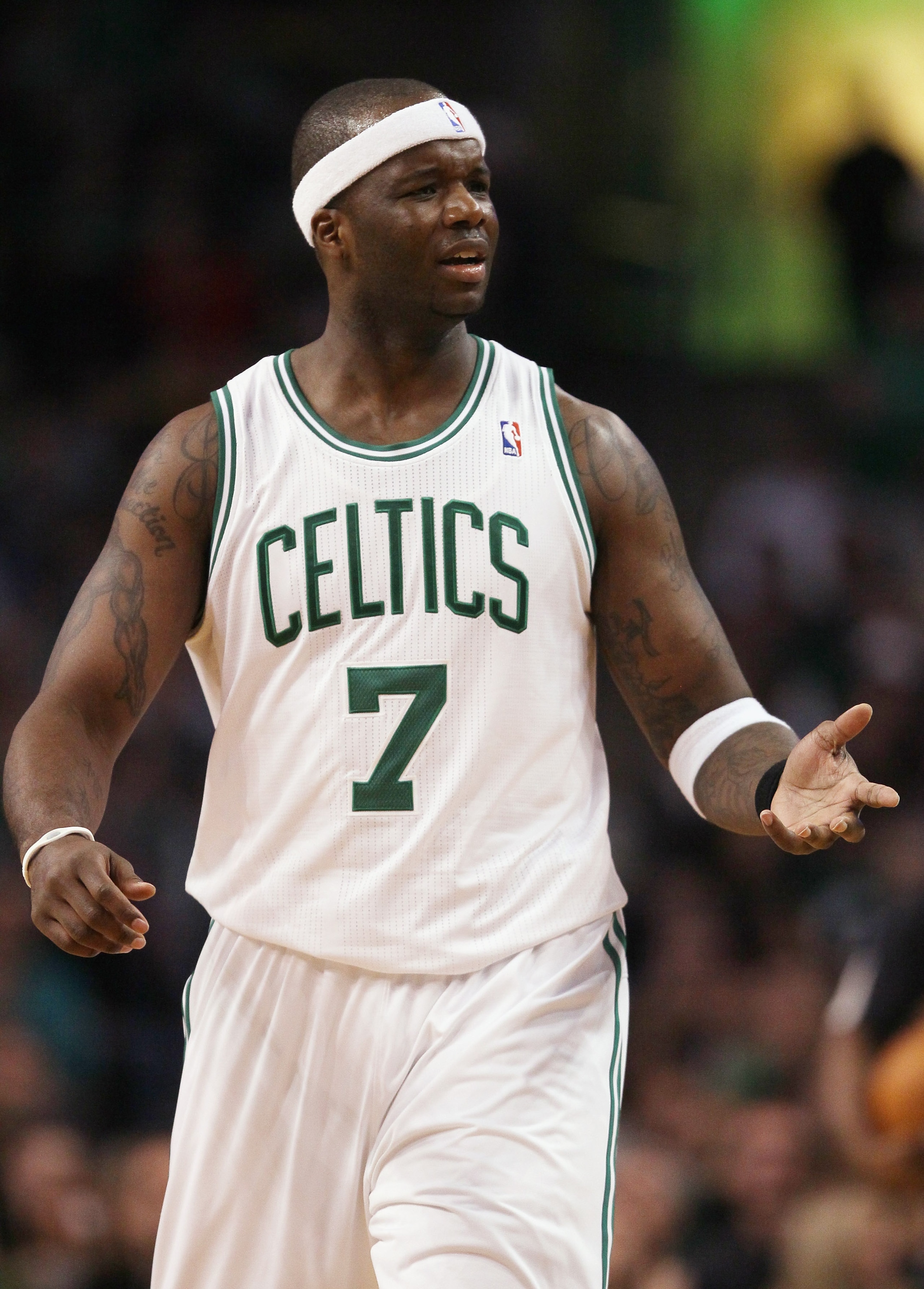
Jermaine O'Neal would become a very good NBA player later in his career, namely after he was traded to the Pacers in 2000.
Portland, who selected O'Neal out of high school with the 17th pick in the 1996 NBA Draft, buried him on the bench for his first four seasons.
Though O'Neal was getting paid and was learning a great deal about the NBA game, I would imagine he would have rather spent those years playing at the college level rather than watching at the NBA level.
30. DeShawn Stevenson
11 of 40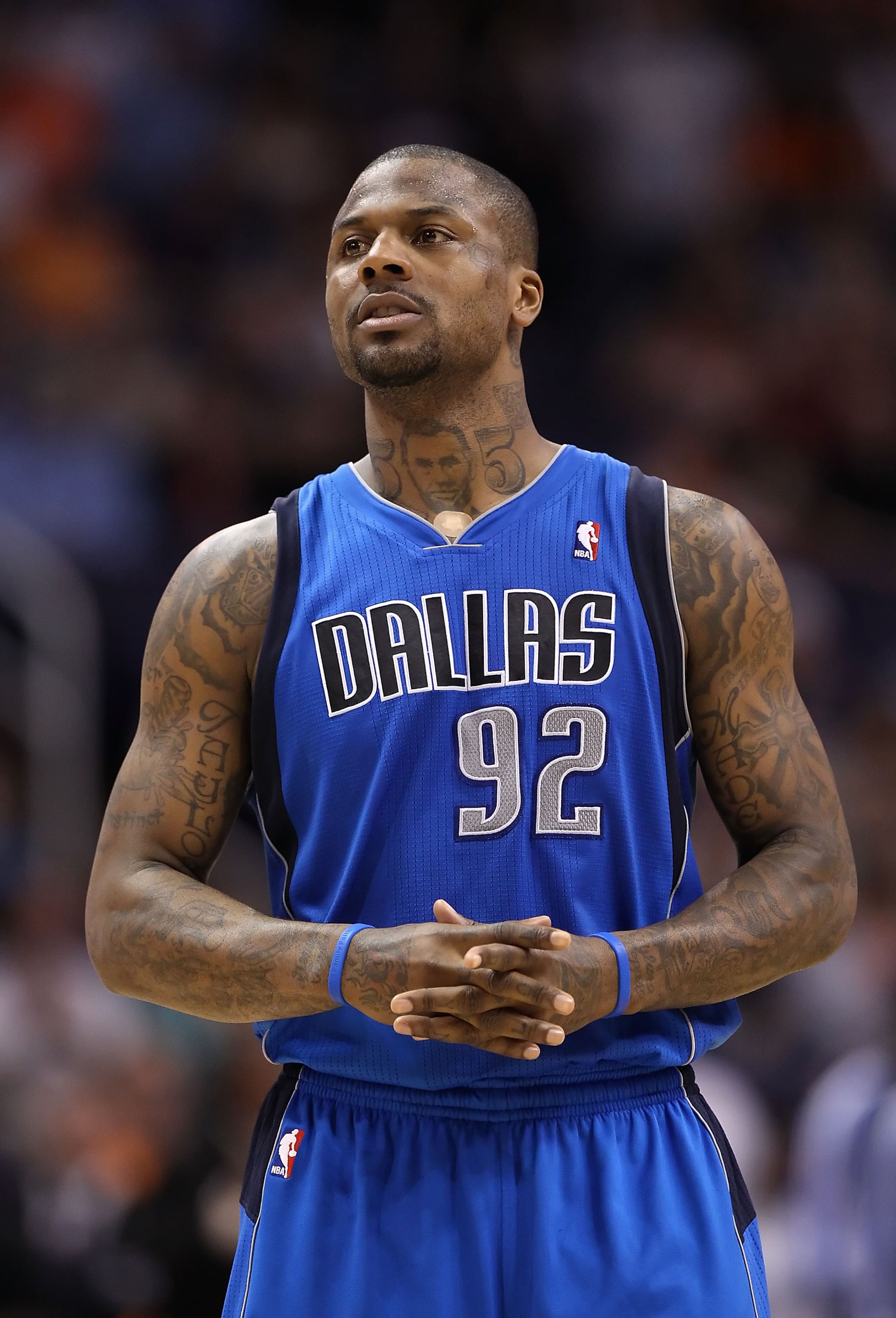
Stevenson was drafted out of high school by the Utah Jazz with the 23rd pick in the 2000 NBA Draft.
Though he would eventually start every game over a three-year period between 2005-08 with the Magic and Wizards, he began his career buried on Utah's bench for his first three seasons.
He wouldn't see a serious spike in playing time until he was traded mid-season in his fourth year to Orlando.
29. Andrew Bynum
12 of 40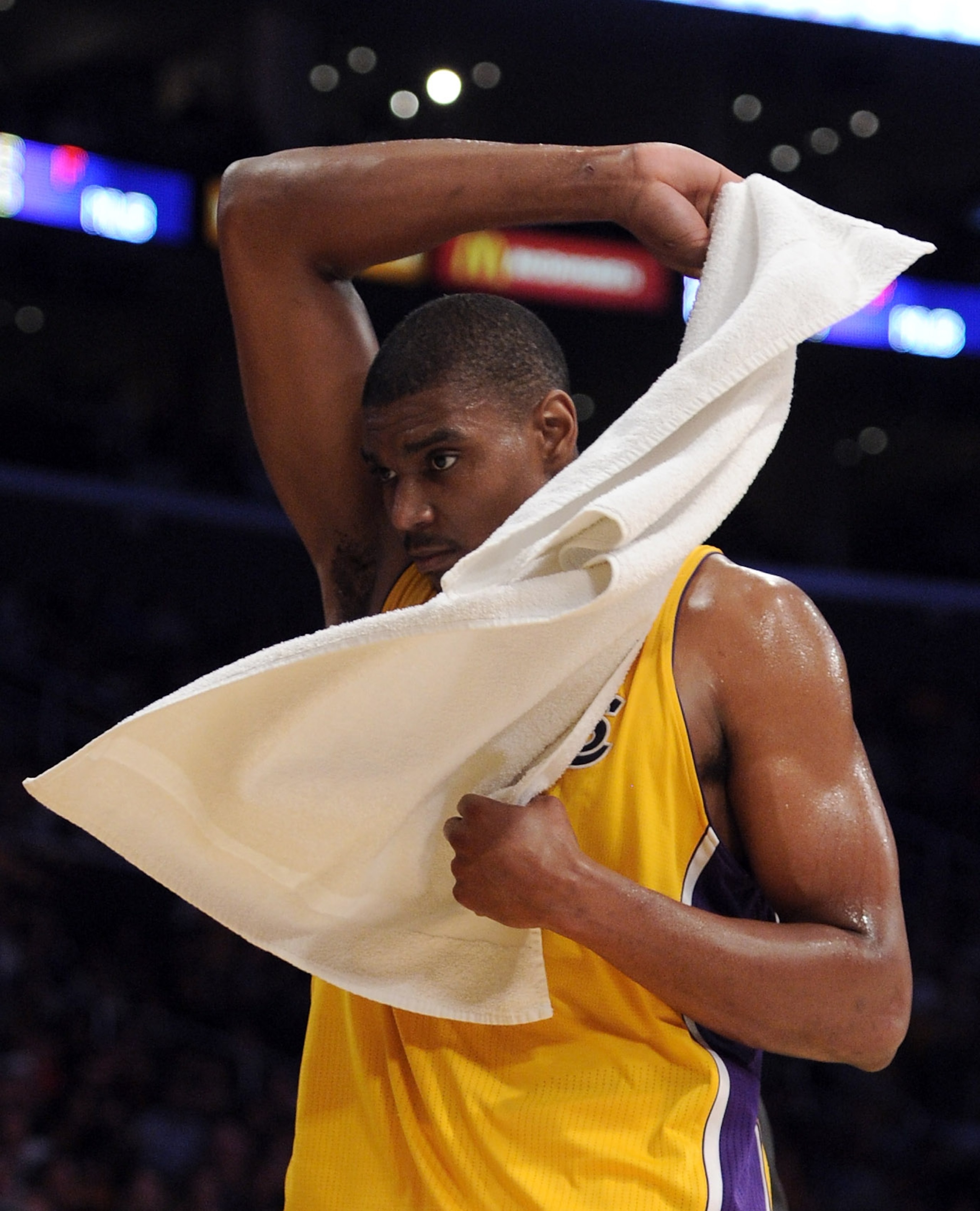
Since the Lakers drafted Bynum out of high school in 2005, they have waited for Bynum to fully develop his game and become a force on the court. In recent years—when he has managed to stay healthy—he has certainly shown glimpses of doing just that.
So while Bynum may very well become a great center, he certainly wasn't ready for the NBA game out of high school.
28. Gerald Wallace
13 of 40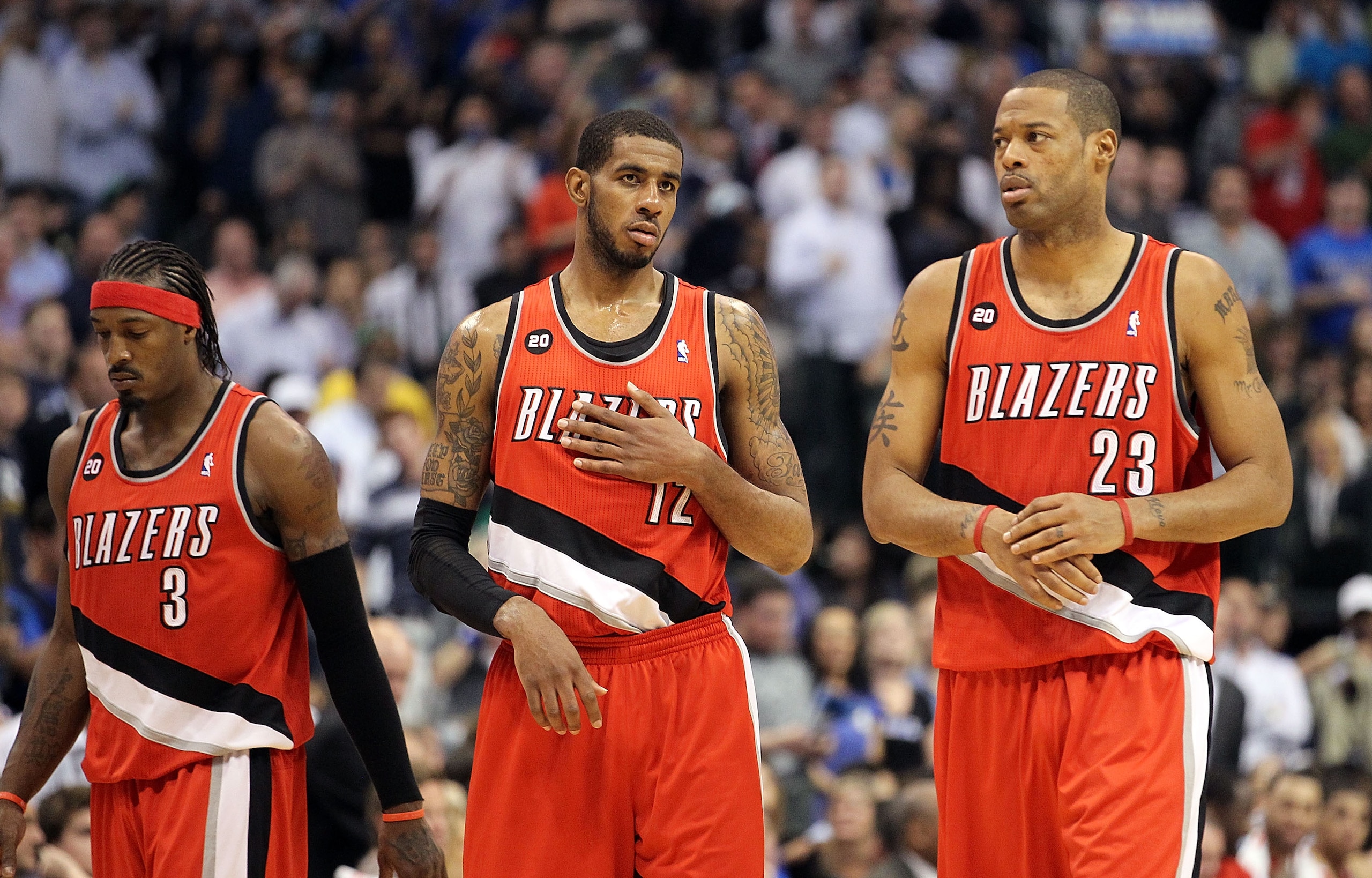
Gerald Wallace spent one season at Alabama before being selected by the Sacramento Kings with the 25th pick in the 2001 NBA Draft.
And Wallace was buried on the bench for his first three seasons with the Kings before being selected by the Bobcats in their 2004 expansion draft.
Only the 25th pick, you say? Buried on the bench for his first three years, you say?
I did. So while Wallace has become a very good player, he should have stayed in school for another season or two.
27. Kendrick Perkins
14 of 40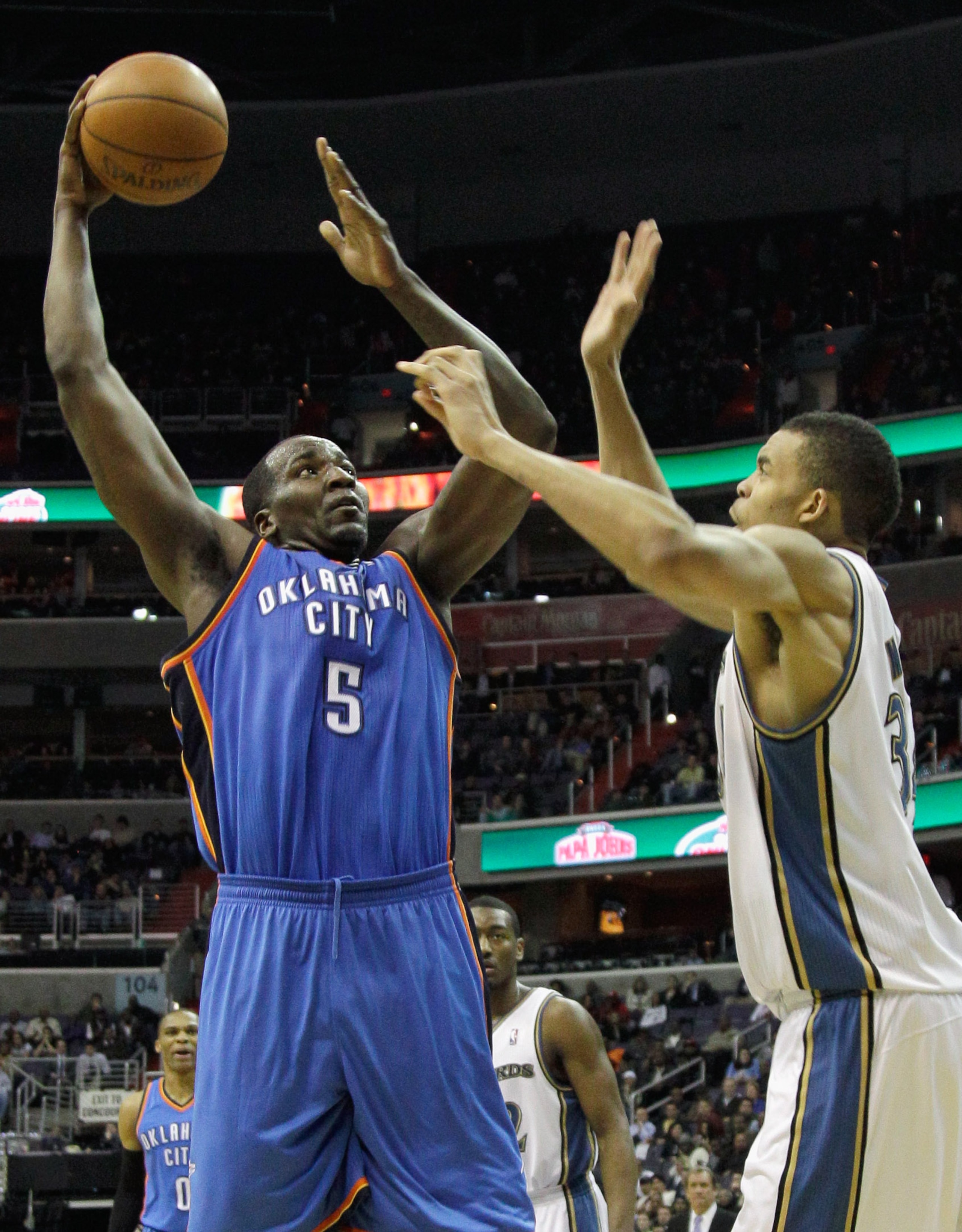
Perkins declared for the draft straight out of high school, and was drafted by Memphis with the 27th pick in the 2003 Draft.
He was traded to the Celtics, and barely saw the court his first two seasons, appearing in 70 games and averaging 6.3 minutes per game.
Perkins has since become a very good player, but it took him several years to make a significant impact with the Celtics.
That could have been time spent polishing his game in college, which would have likely earned him the large payday that comes with being a lottery pick.
26. Jerryd Bayless
15 of 40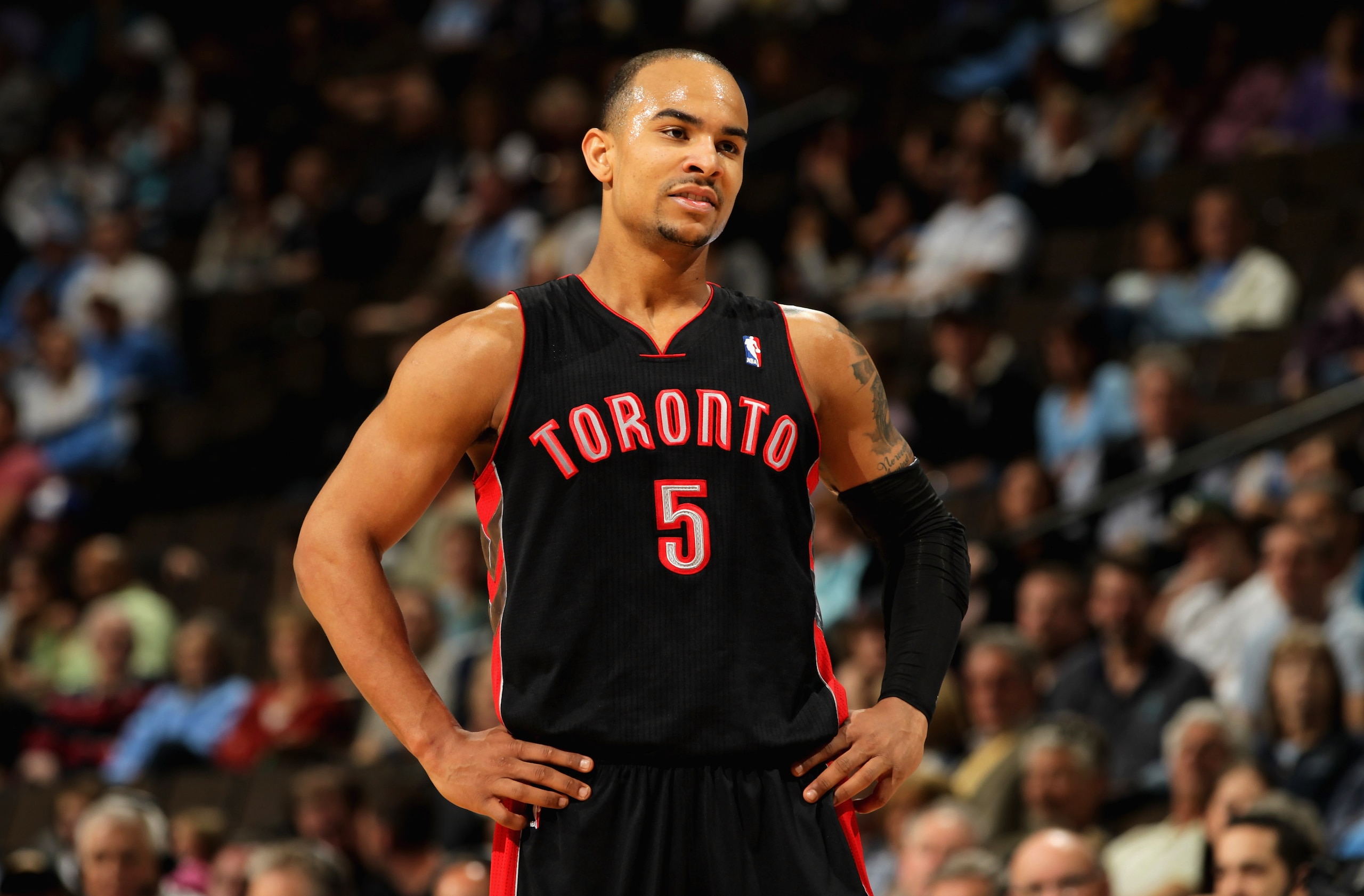
Bayless declared for the 2008 Draft after his freshman season at Arizona, after averaging 19.7 PPG and 4.0 APG.
Perhaps he was a bit hasty. This year he set career highs with 9.2 PPG, 3.7 APG and 21.1 MPG for Toronto and New Orleans.
In other words, rather than starring in college and improving his game, he has spent a good deal of the past three years watching courtside.
At least he gets paid to watch.
25. Spencer Hawes
16 of 40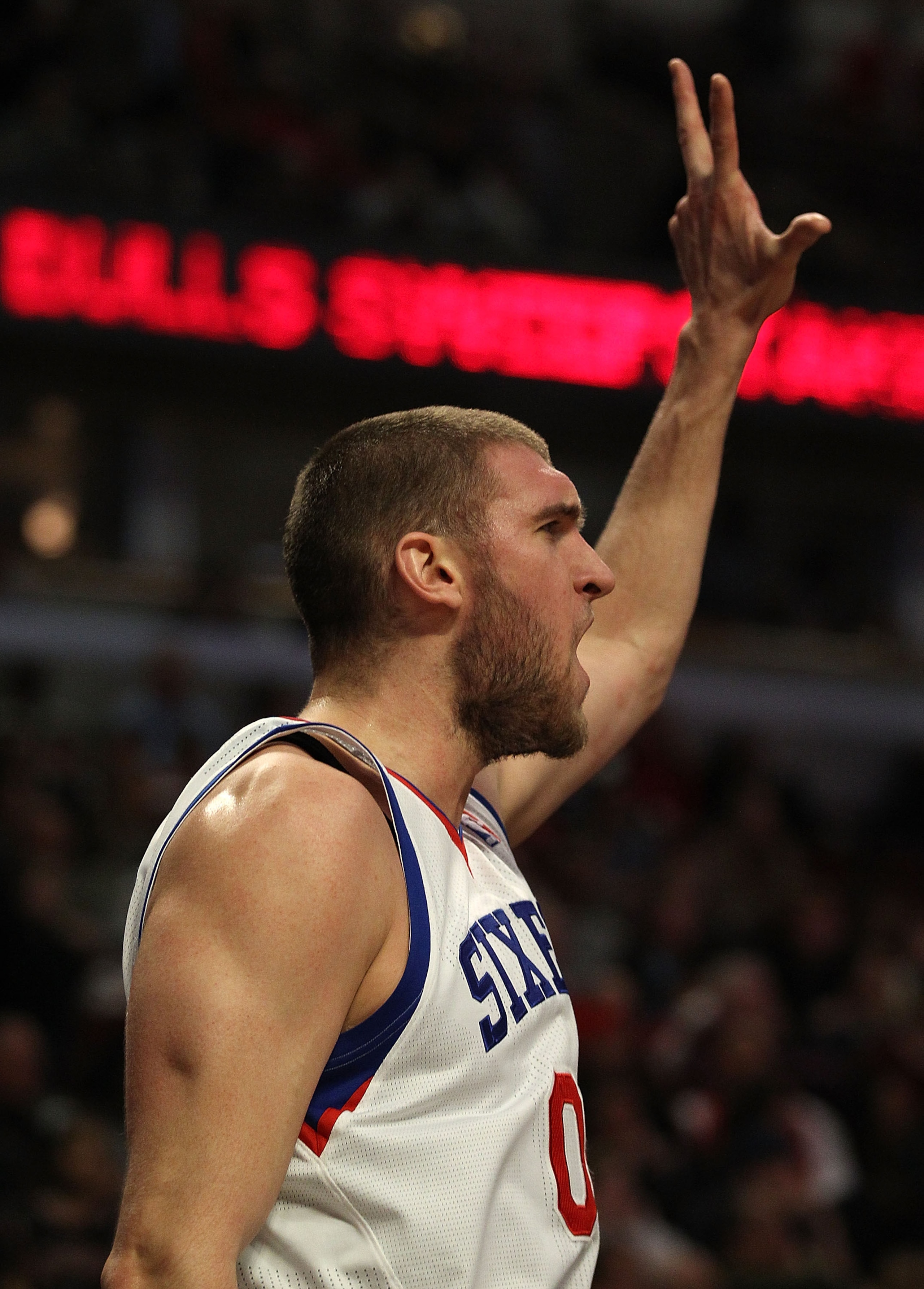
Hawes has underwhelmed since he declared for the 2007 draft after just one season at Washington.
His best season came in his sophomore campaign after the Kings traded Brad Miller, clearing playing time for Hawes. He averaged 11.4 points and 7.1 rebounds per game that season, both career highs.
24. Lou Williams
17 of 40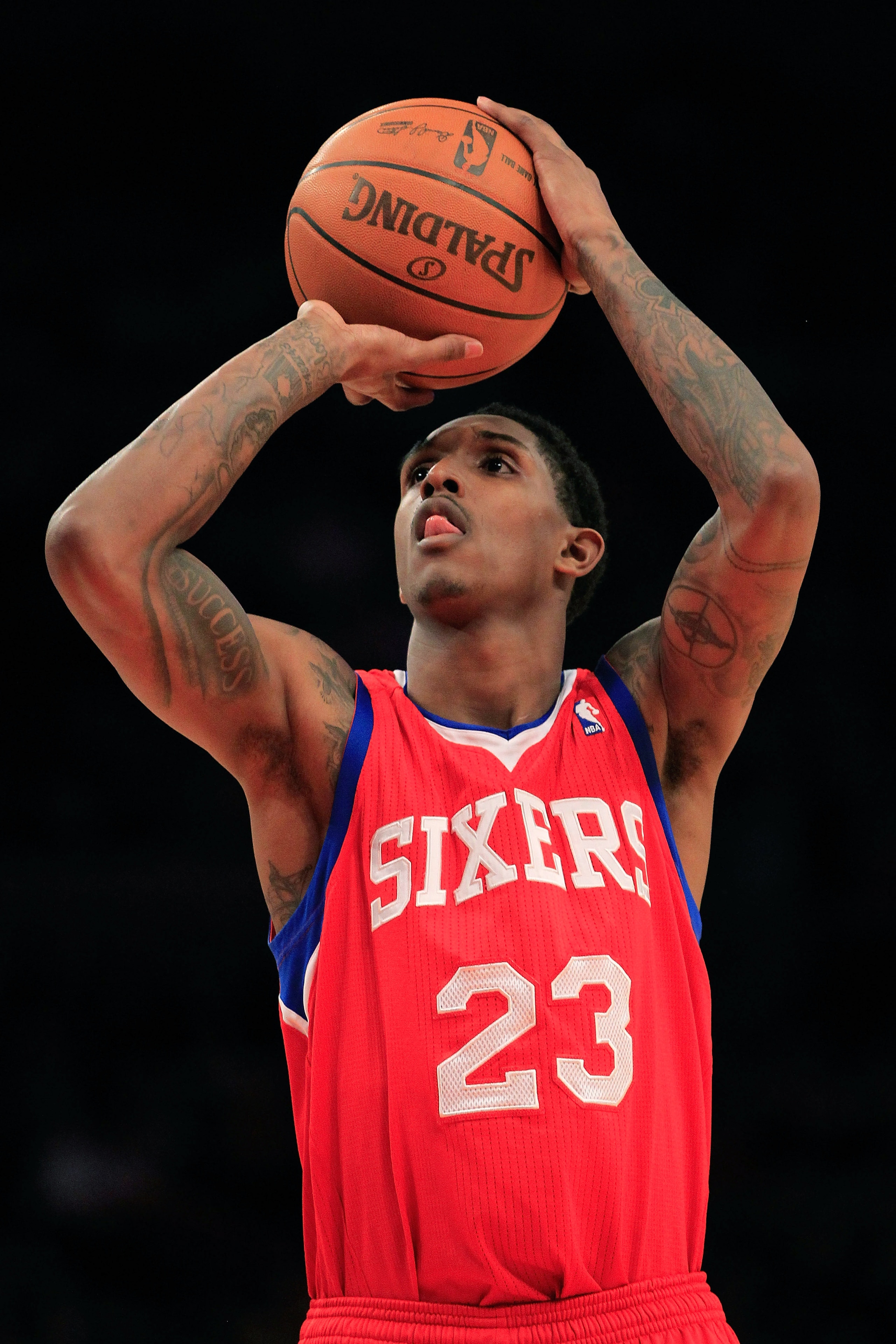
If you declare for the draft straight out of high school but fall to the 45th pick in the second round, it sort of becomes a moot point, doesn't it?
Especially when you only see sparse minutes in your first two years.
By his third year, Williams became a productive—if somewhat erratic—contributor for the Sixers. But a few years in college would have done more than polish his game—he likely would have been taken much higher in the draft had he waited, and guaranteed himself more money.
23. Anthony Randolph
18 of 40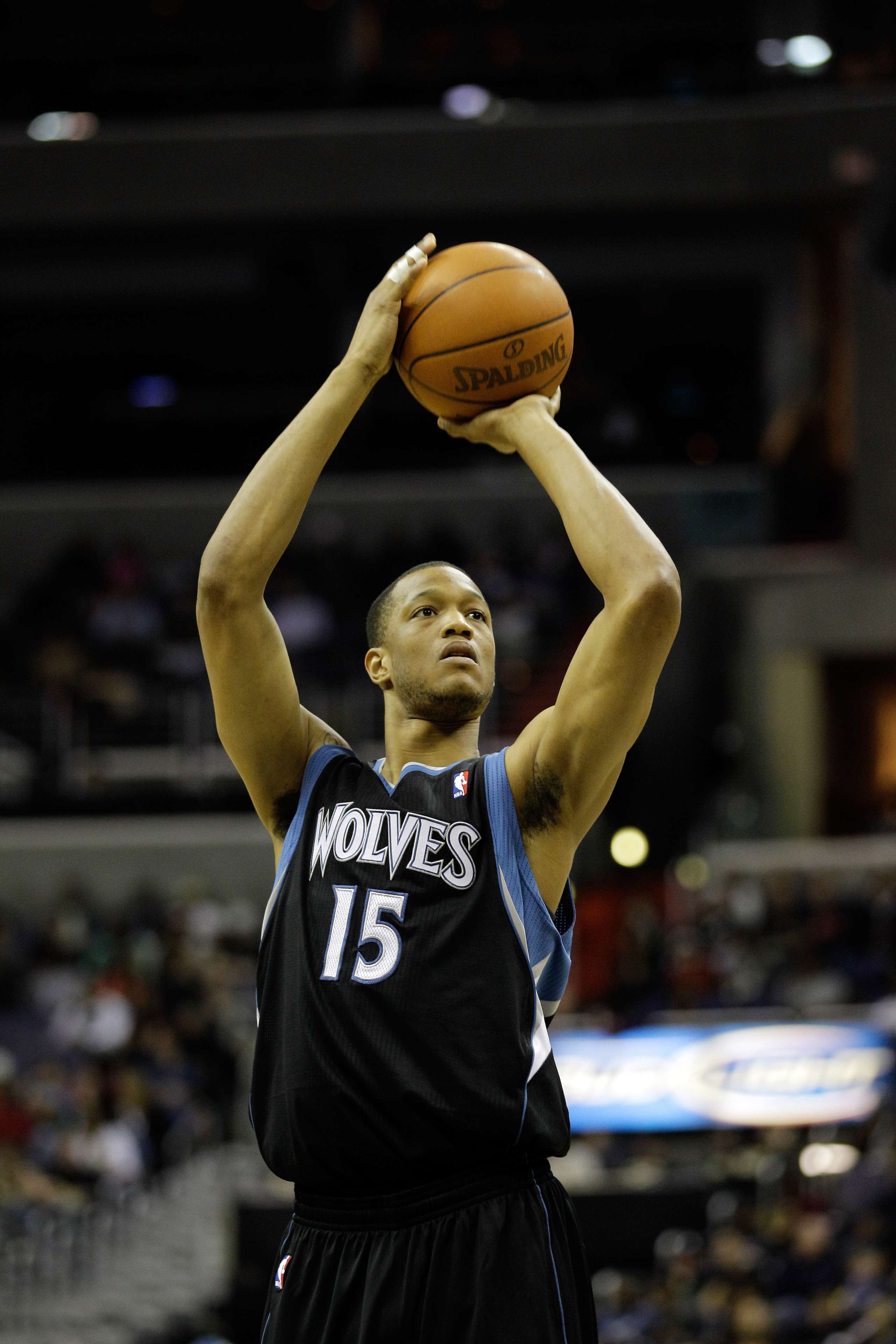
Randolph spent one season at LSU, averaging 15.6 points, 8.5 rebounds, and 2.26 blocks per game.
He declared for the 2008 Draft and was selected 14th overall by Golden State, but he spent a large portion of the season on the bench and in Don Nelson's doghouse. Nelson would go so far as to say he "needed to 'grow up' and was being 'put on ice' until his assistants and captains deemed him ready to play," according to the San Francisco Chronicle.
Randolph does not lack for potential, but until he becomes a more consistent performer, he will simply be another player who entered the NBA far too early.
22. Tyrus Thomas
19 of 40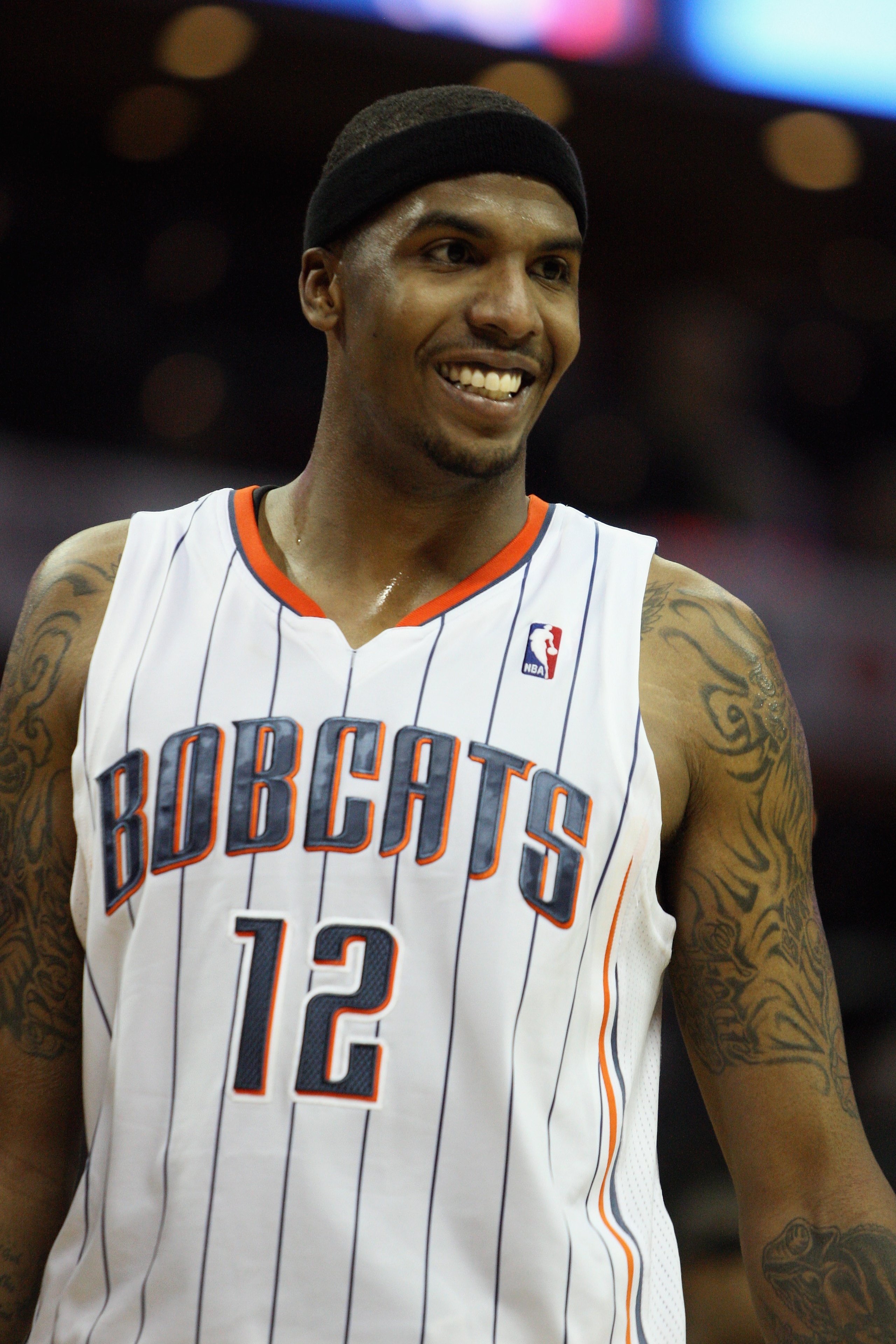
Tyrus Thomas displayed an explosive athleticism during his freshman year at LSU in 2006, and was named the SEC Player of the Year and the SEC Co-Defender of the Year.
But Thomas only saw limited playing time in his first two seasons with the Bulls, and in five seasons has averaged a modest 8.3 points per game and 5.2 rebounds per contest.
Thomas has always struck me as a great athlete who never quite developed into a basketball player, a popular criticism for players who enter the draft straight from high school or as underclassmen.
21. DeAndre Jordan
20 of 40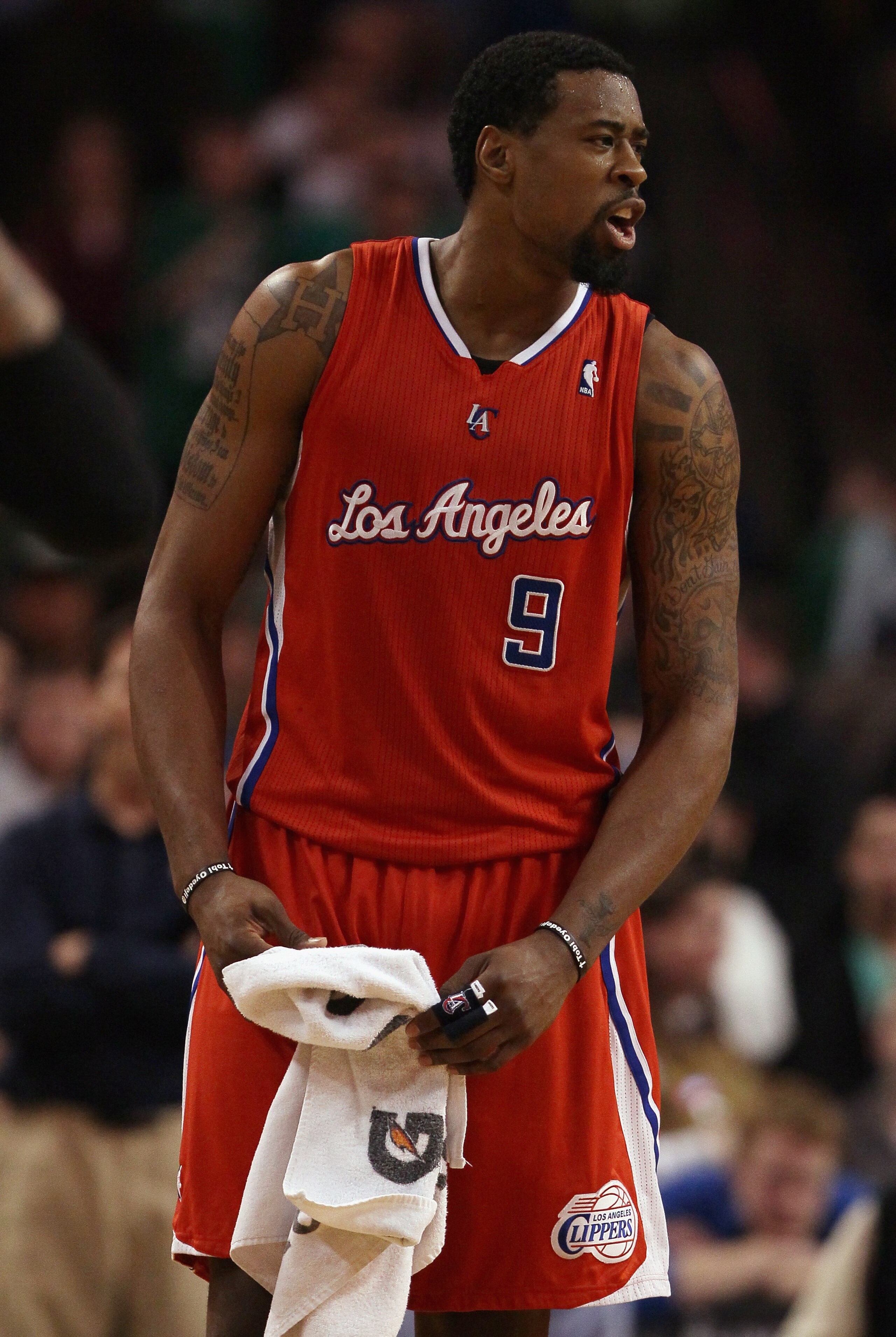
So, after one season at Texas A&M, averaging 7.9 points, 6.0 rebounds and 1.3 block per game, Jordan declared for the 2008 NBA Draft.
He fell to the second round, and this past season was easily his best, as he averaged 7.1 points, 7.2 rebounds and 1.8 blocks in 25.6 minutes per game, which is the sort of production a team would want from a rookie, not a professional in the third year of a contract.
20. Julian Wright
21 of 40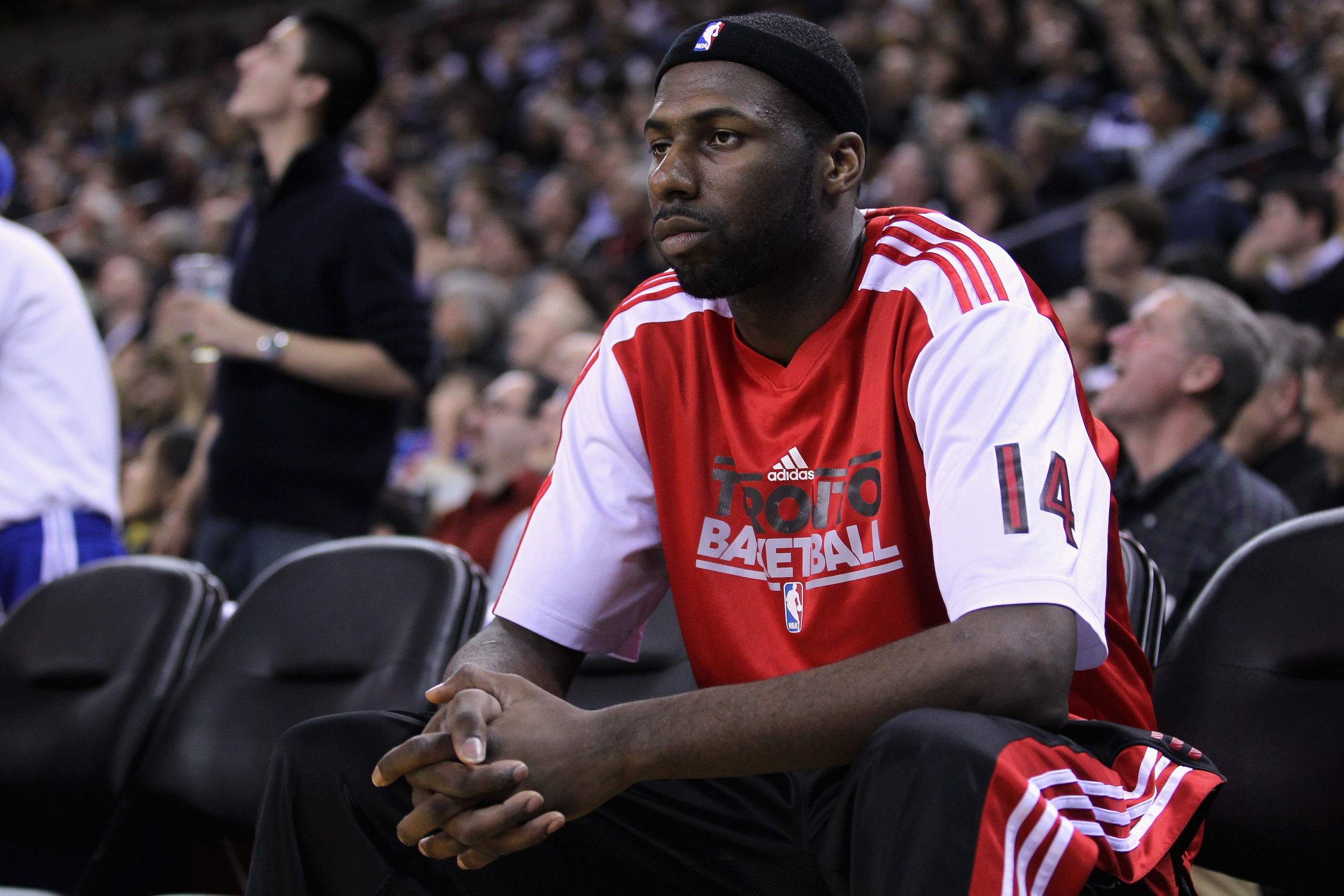
Simply put, Julian Wright has been a bust. In four seasons with New Orleans and Toronto, he has averaged 3.9 points, 2.3 rebounds and a paltry 14.7 minutes per game.
When Wright declared for the draft in 2007, it came as a bit of a surprise, as both he had the propensity for spectacular play, though he was often inconsistent. As well, throughout his sophomore season at Kansas, he maintained he would return for his junior season, only to reverse course after the season.
19. Chris Wilcox
22 of 40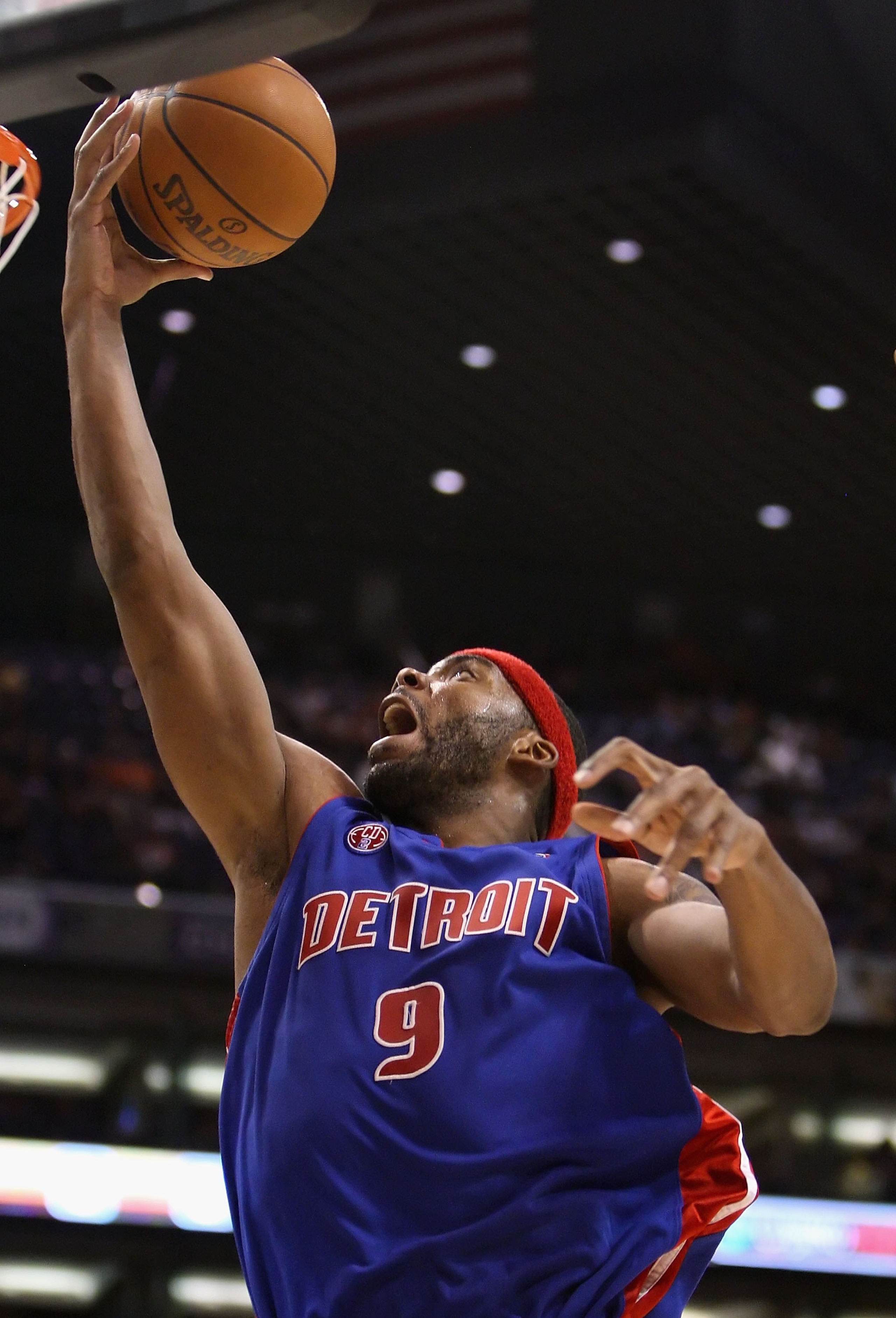
Wilcox—who was drafted by the Clippers in 2002 after two seasons at Maryland—wouldn't really fulfill his potential until a trade to the Sonics midway through his fourth season. He would average a career-best 13.5 points and 7.7 rebounds per game for Seattle in 2006-07.
He entered the NBA as a raw, inconsistent player, and he certainly didn't do anything to disprove that viewpoint early in his career.
18. Trevor Ariza
23 of 40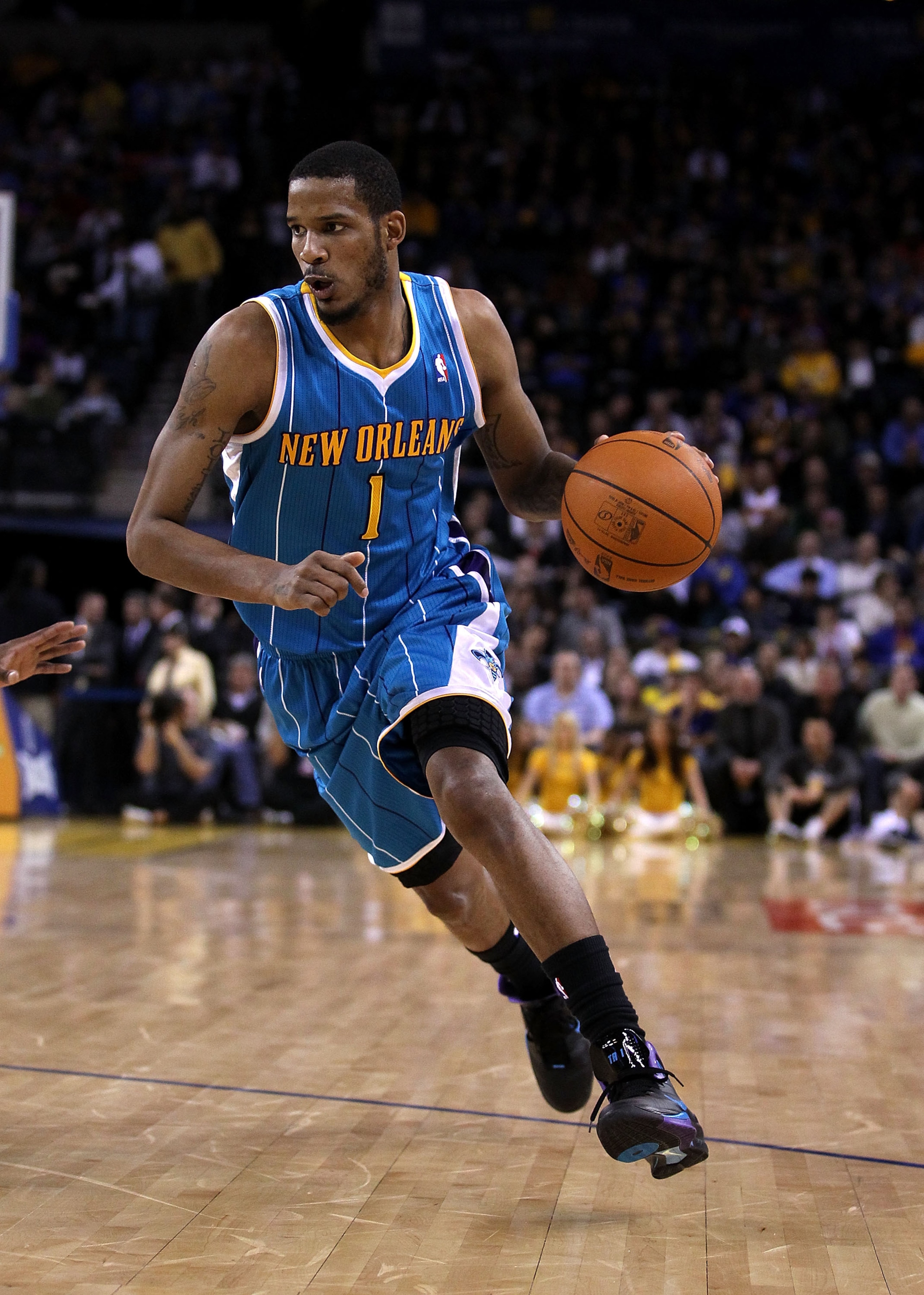
Ariza spent only one year at UCLA before declaring for the 2004 Draft, and the Knicks selected him in the second round.
I can't emphasize this enough—if you declare for the draft after only one season in college and you fall into the second round, it was a bad decision.
If you don't believe me, read this. It will give you a good idea of how much money is lost as a player falls in the draft.
17. Travis Outlaw
24 of 40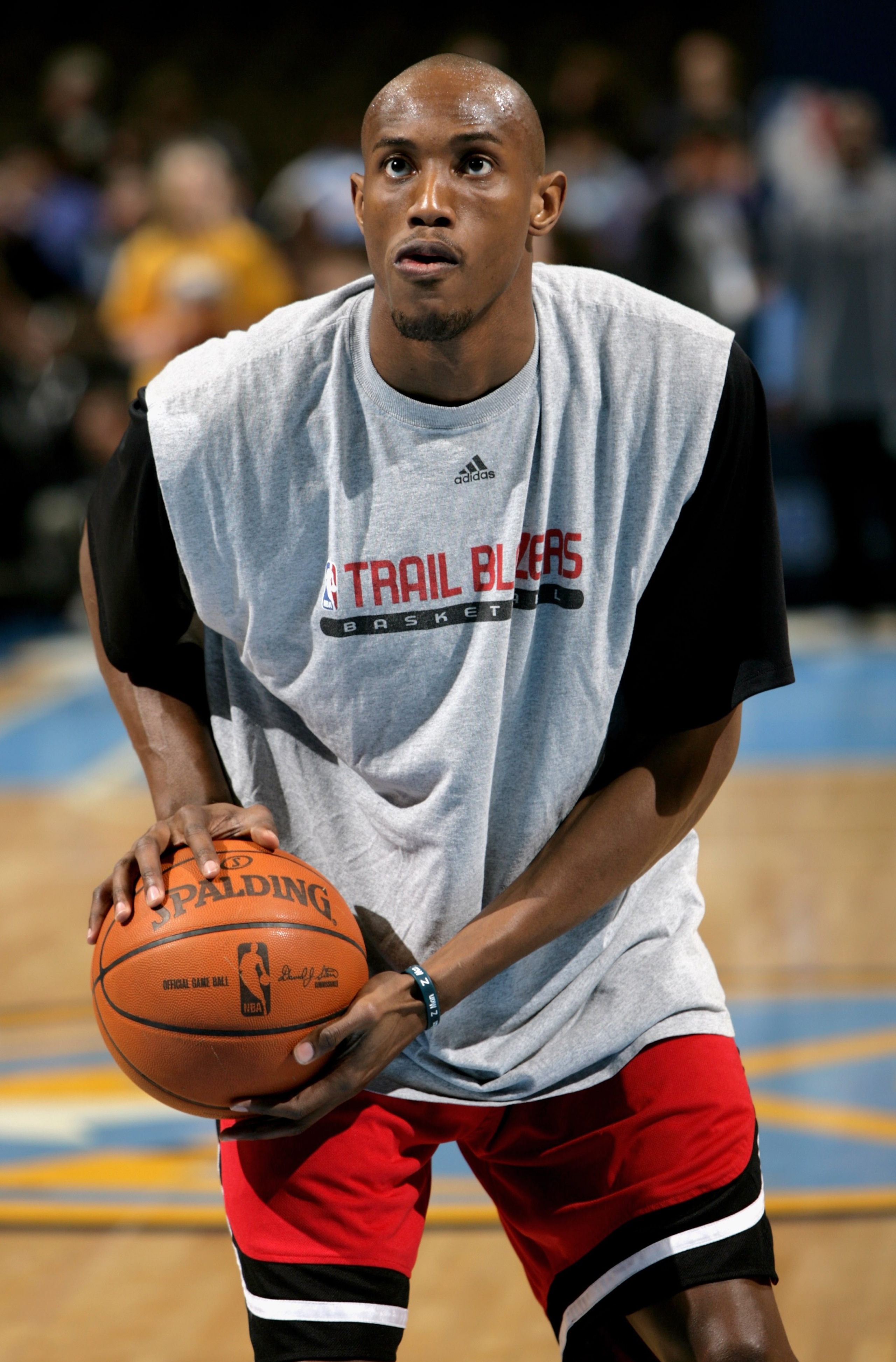
Portland drafted Outlaw out of high school with the 23rd pick in the 2003 Draft, and Outlaw spent a good deal of time coming off of the bench for the Blazers.
He would have his finest season in 2007-08, averaging 13.3 points and 4.6 rebounds in 26.7 minutes per game.
This past season with the Nets, he started in a career-high 55 games, averaging 9.5 points and 3.5 rebounds in 28.8 minutes per game.
16. Darius Miles
25 of 40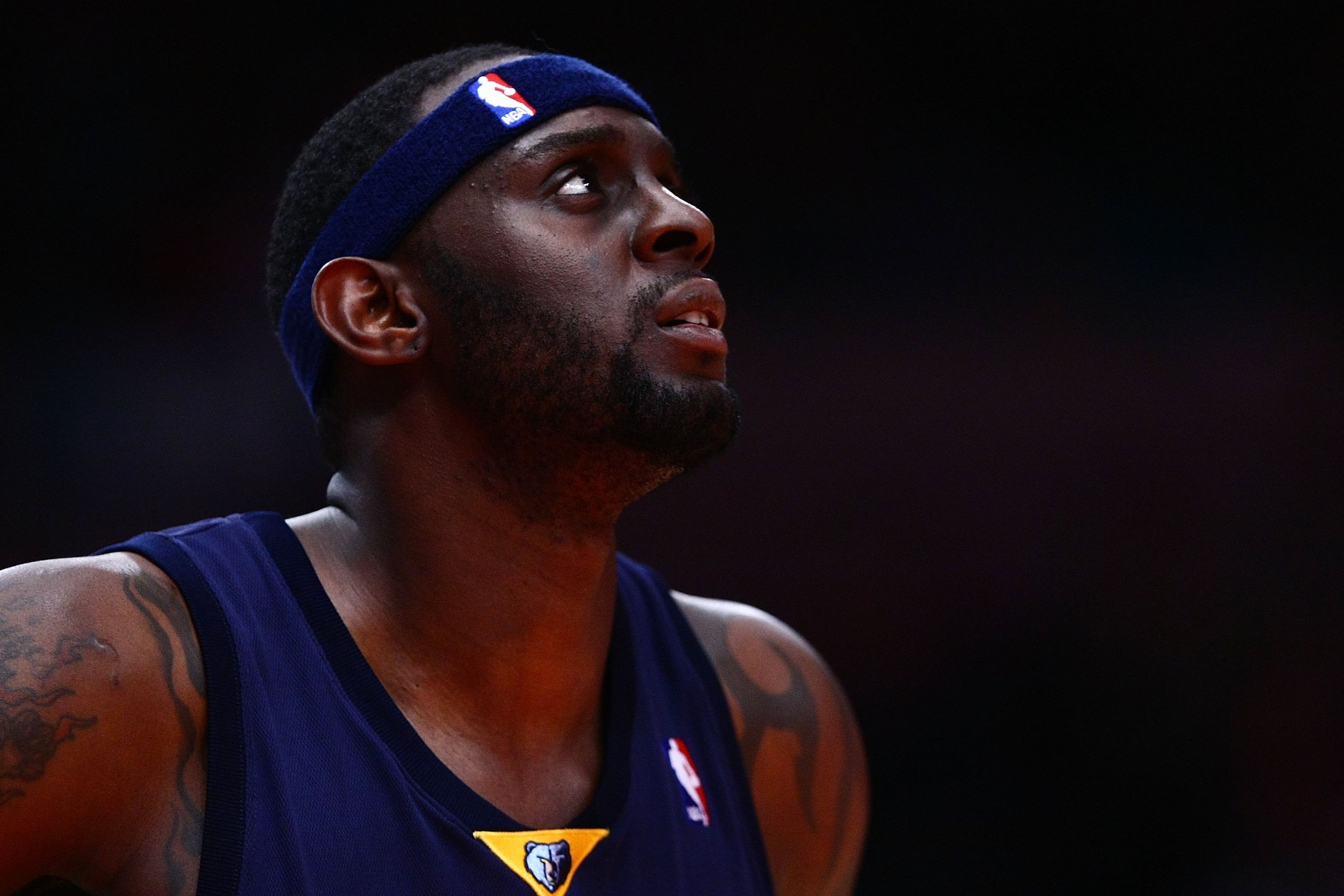
When Miles was selected third overall by the Clippers in the 2000 NBA Draft, it was at the time the highest selection ever used on a player declaring for the draft out of high school.
There is no question that Miles had NBA talent from the jump, as he was named to the first team NBA All-Rookie Team his first season with the Clippers.
But Miles was an immature player with had confrontations with coaches and was often labeled as a character-issue guy, who may have enjoyed the lifestyle of the NBA as much as the game. Maybe, maybe not.
But a few years in college to mature would have likely benefited Miles.
15. DerMarr Johnson
26 of 40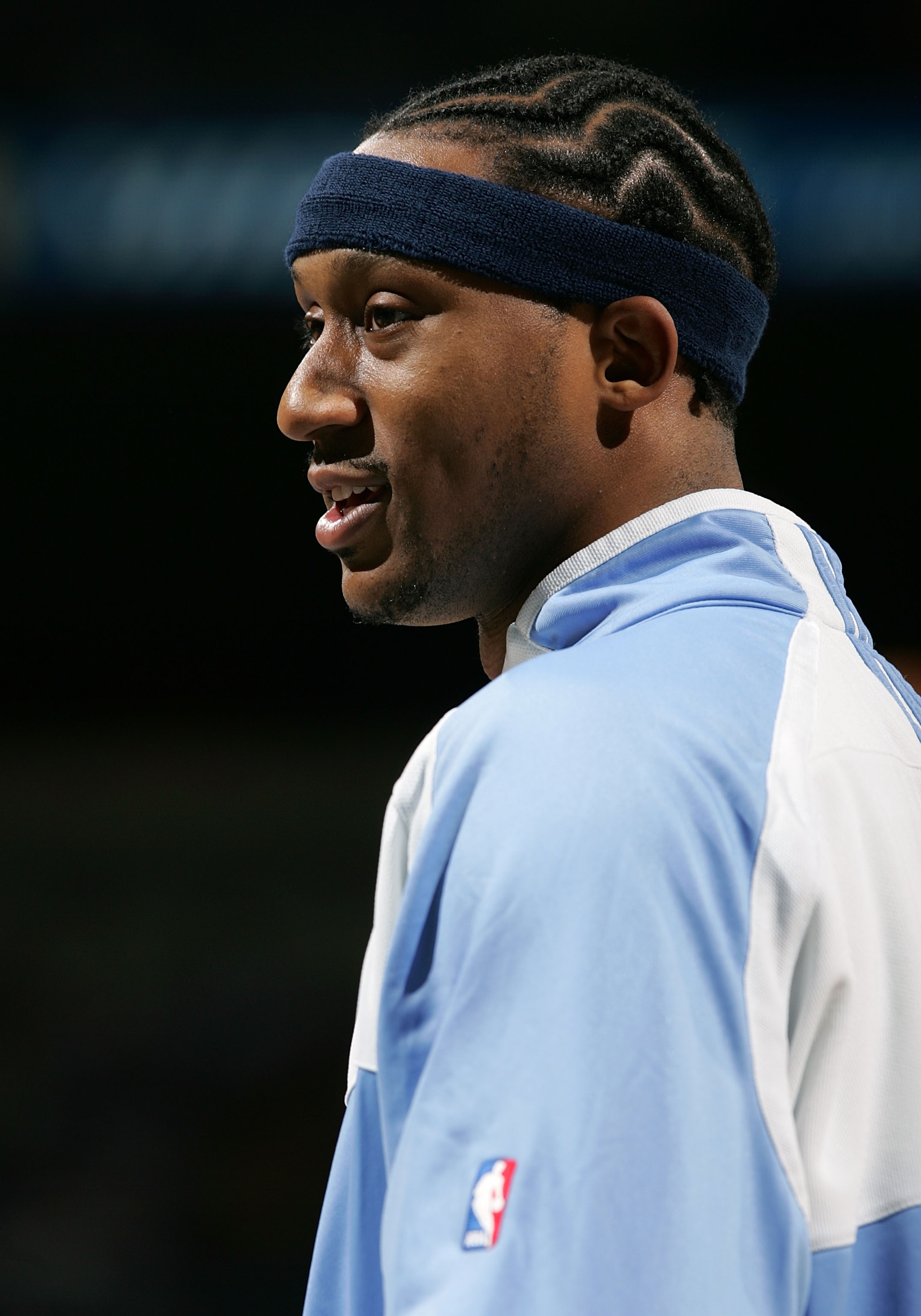
Johnson spent one season at Cincinnati before being drafted by the Atlanta Hawks with the sixth overall pick in the 2000 NBA Draft.
He averaged 6.7 points and 2.4 rebounds per game in his first two seasons. On September 13, 2002, he crashed his vehicle into a tree, breaking his neck and subsequently missing the entire 2002-03 season.
Miraculously, he would return to the league and bounce around with a few teams before signing with Hekmeh in Lebanon in October of 2010.
Though Johnson's career may have been far more fruitful were it not for the accident, his first two years would indicate that he was not yet ready for the NBA game.
14. Shawne Williams
27 of 40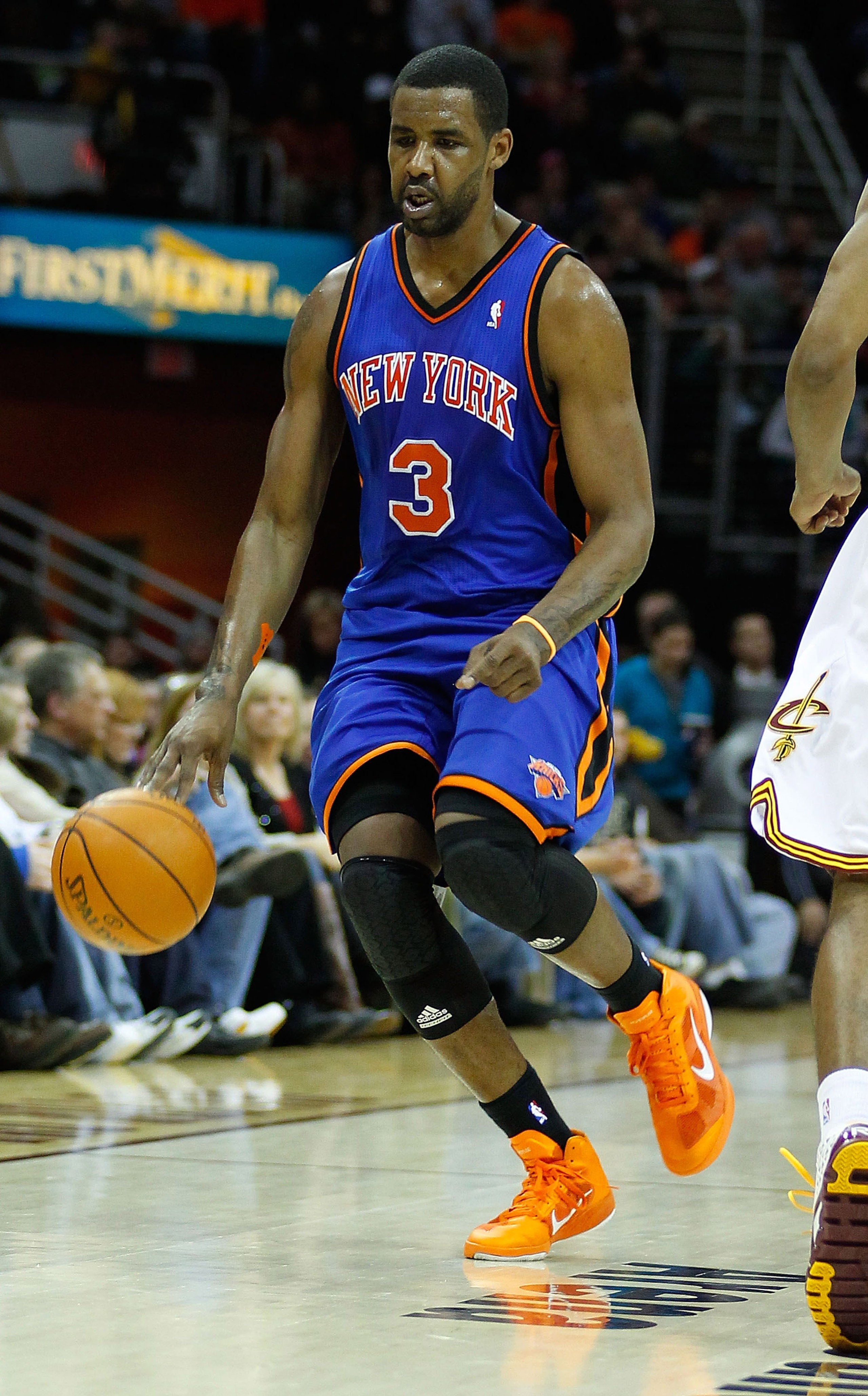
Shawne Williams was drafted 17th overall by Indiana in 2006 after only one season with Memphis.
Since then, he has largely been buried on the bench for a number of teams, most recently for the Knicks this season, though he did average 7.1 points in 20.7 minutes per game.
He has had his fair share of off-the-court issues, most notably his arrest in 2007 for possession of marijuana and driving with an expired license.
13. Martell Webster
28 of 40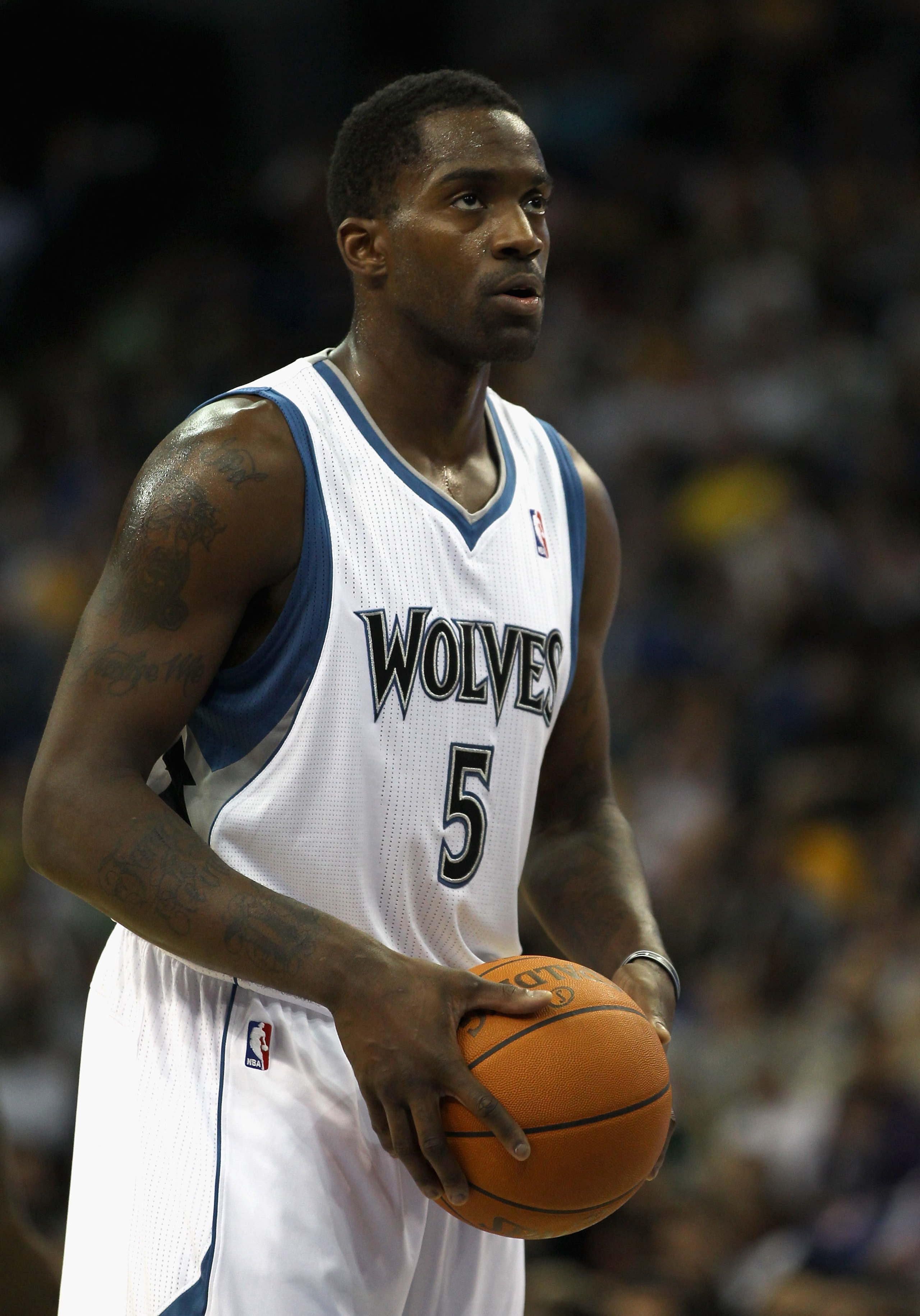
Webster made the jump straight from high school to the NBA, and was selected by Portland in 2005 with the 6th pick in the first round.
He was promptly assigned to Fort Worth of the NBA Development League for eight games in January of his rookie season, at the time the highest draft pick ever to be assigned to the D-League.
He would play in 61 games that season for Portland, averaging 6.6 points and 17.5 minutes per game.
12. Patrick O'Bryant
29 of 40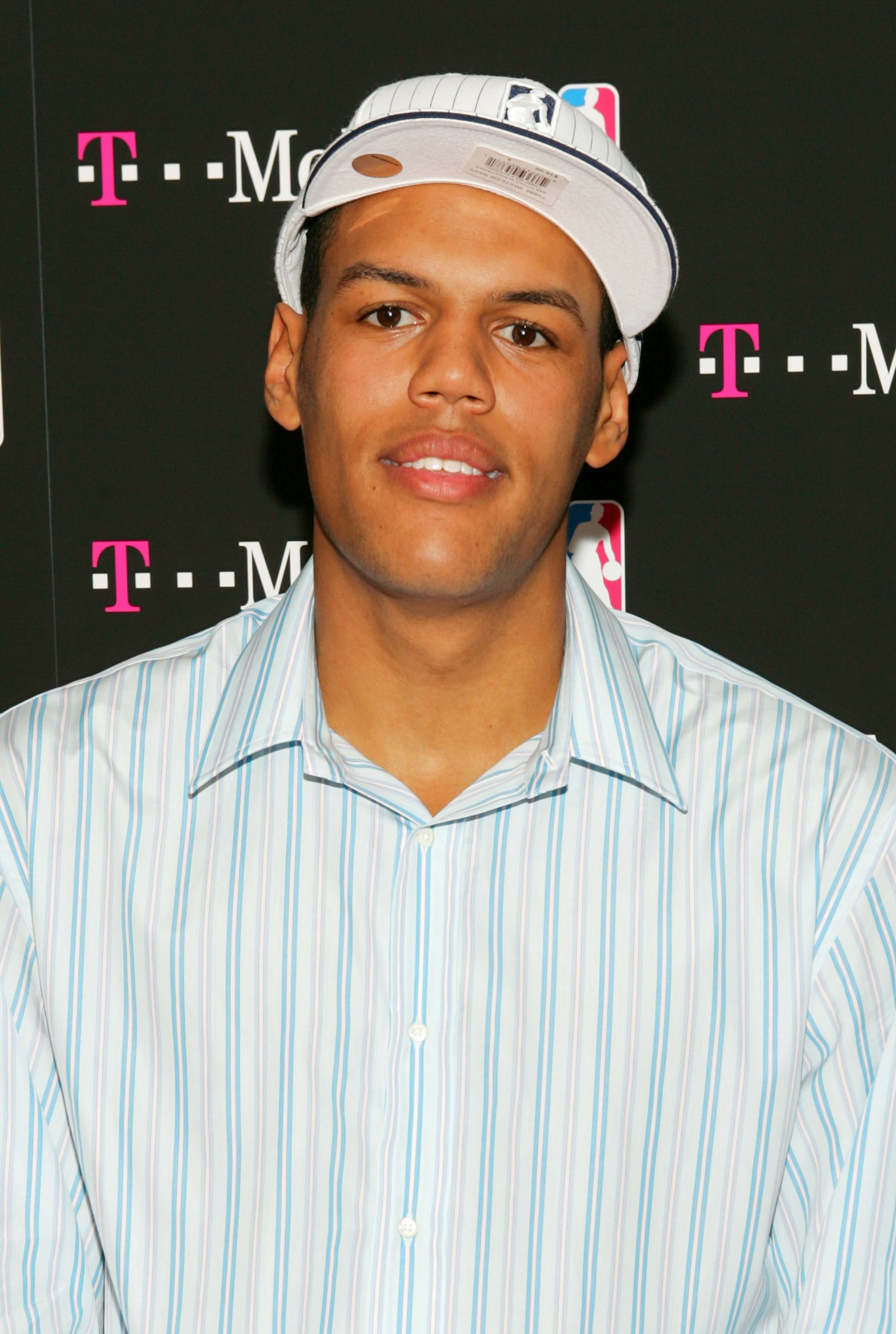
O'Bryant spent two years at Bradley before being selected with the ninth overall pick by Golden State in the 2006 NBA Draft.
He would be sent to the D-League his rookie season, and would not be resigned with Golden State after his contract ran out after two seasons.
He has made stops with Boston, Toronto, and even Fujian Xunxing of the Chinese Basketball Association, though he would be released from the team.
He is currently playing for the Reno Bighorns in the D-League.
O'Bryant may have been a bust no matter when he was drafted, but he certainly wasn't prepared for the NBA game after only two years in college.
11. Dorell Wright
30 of 40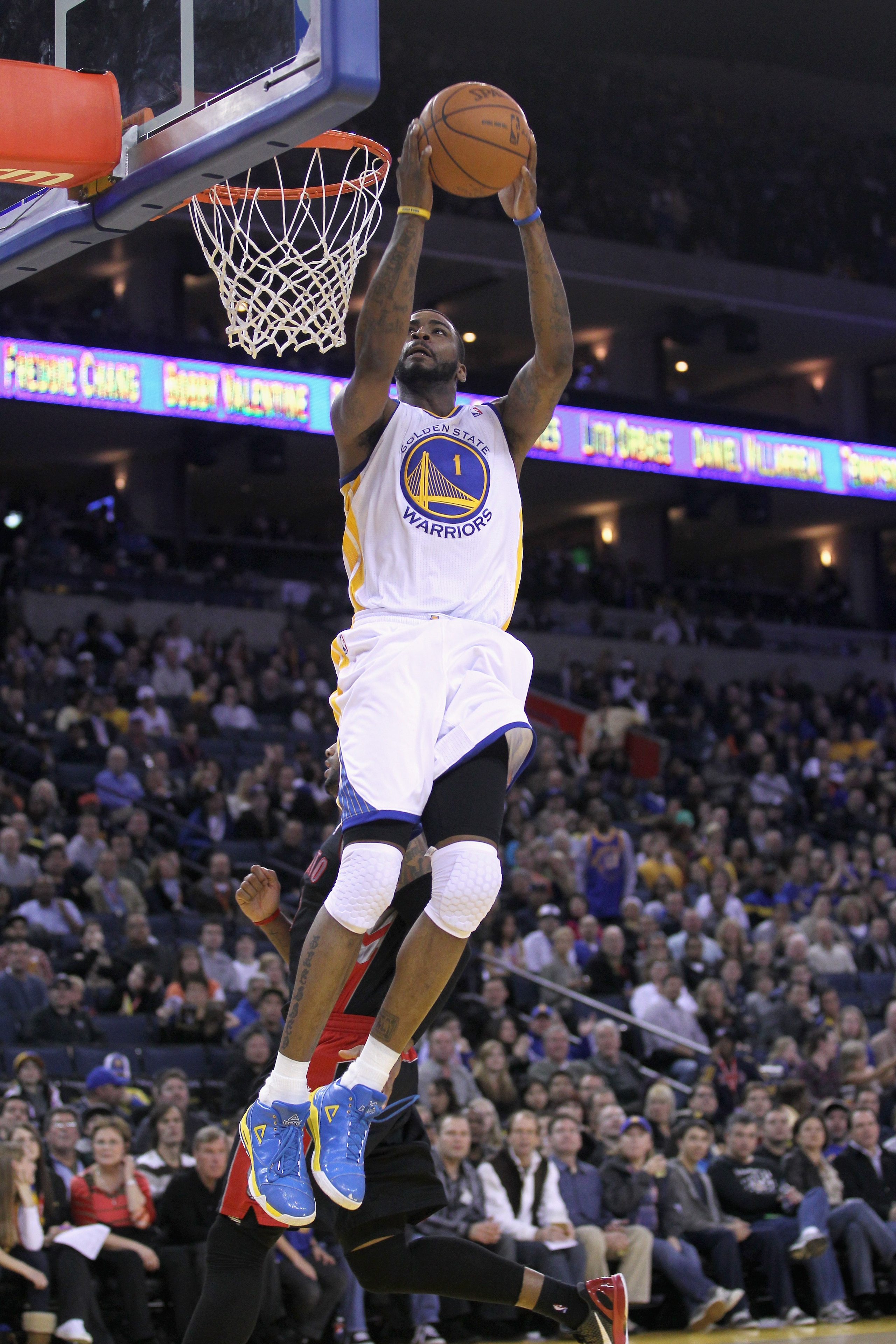
Wright was selected with the 19th pick in the 2004 NBA Draft by the Miami Heat, after declaring for the draft straight out of high school.
Rather than write anything else, I'll allow Examiner.com to do the work:
"Wright also made NBA history by becoming the first player to score more points in his seventh season than the previous six combined. Wright played all 82 games and set career-highs of 16.4 points and 1.5 steals.
"
10. Selbastian Telfair
31 of 40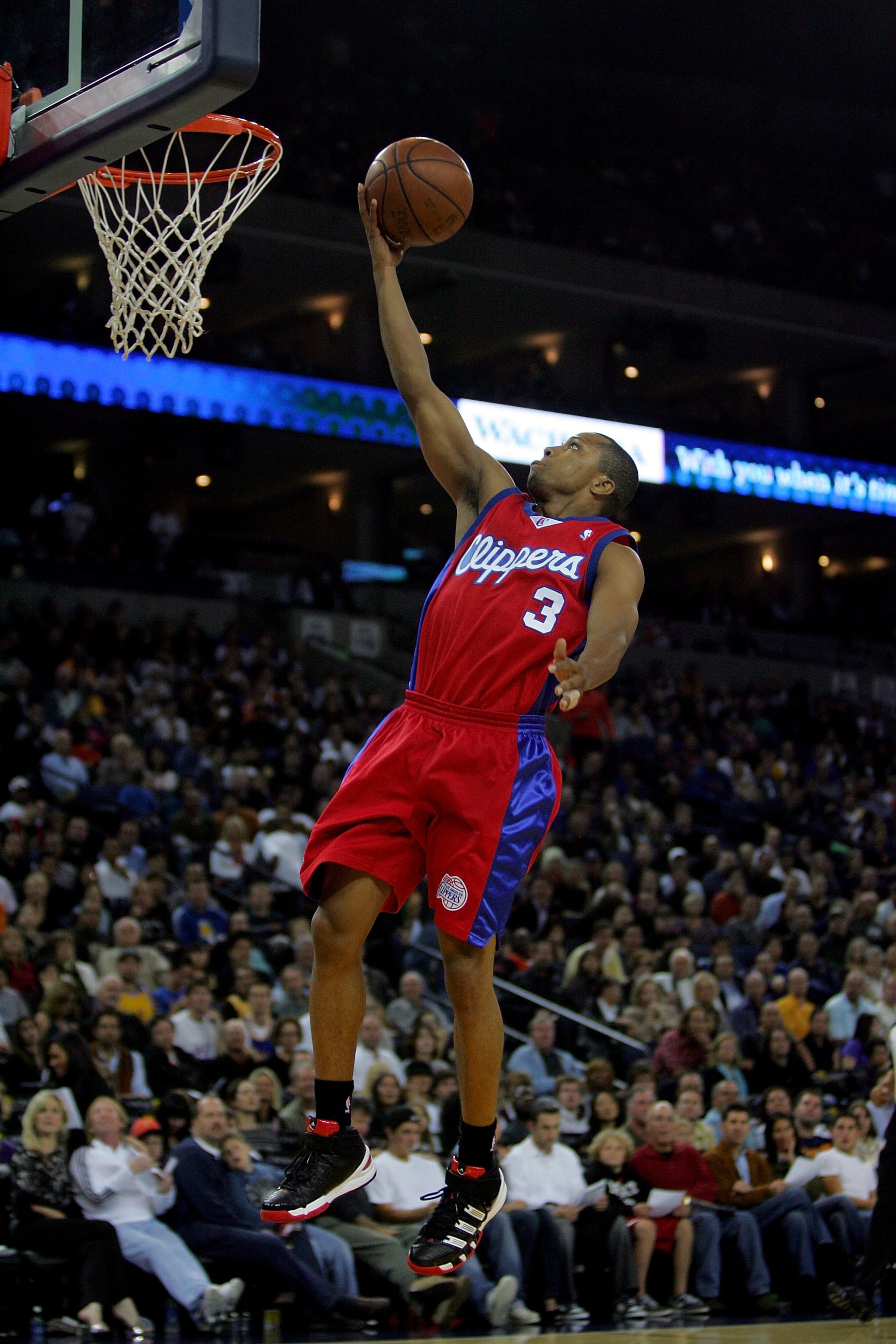
Telfair was selected by Portland with the 13th pick in the 2004 NBA Draft.
He was a legend coming out of high school, having scored to that point the most points in New York City high school basketball.
But Telfair never lived up to the hype, and if nothing else, a few years in college may have humbled him, as there is no question he did not have the talent he appeared to possess in high school.
That, and a few years in college may have helped him develop a more well-rounded game at the point guard position.
9. Gerald Green
32 of 40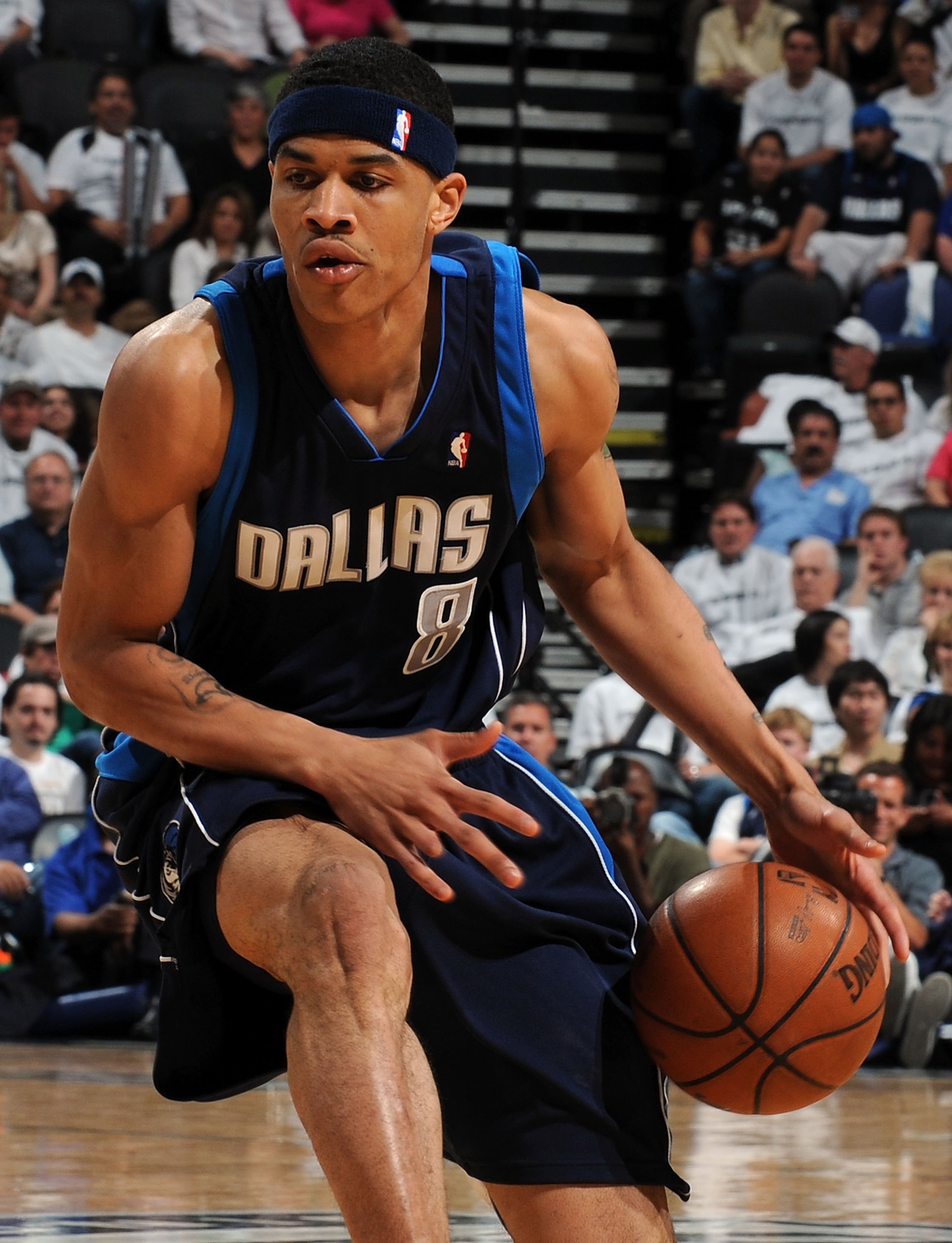
Gerald Green didn't start playing basketball until his sophomore season of high school, and had his junior year cut short due to academic issues (he would repeat the year).
Essentially, Green entered the 2005 NBA Draft with one stellar season—his senior year of high school, during which he averaged 33 points, 12 rebounds, 7 assists, and 3 blocked shots per game–under his belt.
Green would spend the majority of his NBA career buried at the bottom of rotations, though he did average 10.4 PPG during the 2006-07 season, eventually winding up with Krasnie Krilya Samara, a Russian team, in 2010.
8. Lance Stephenson
33 of 40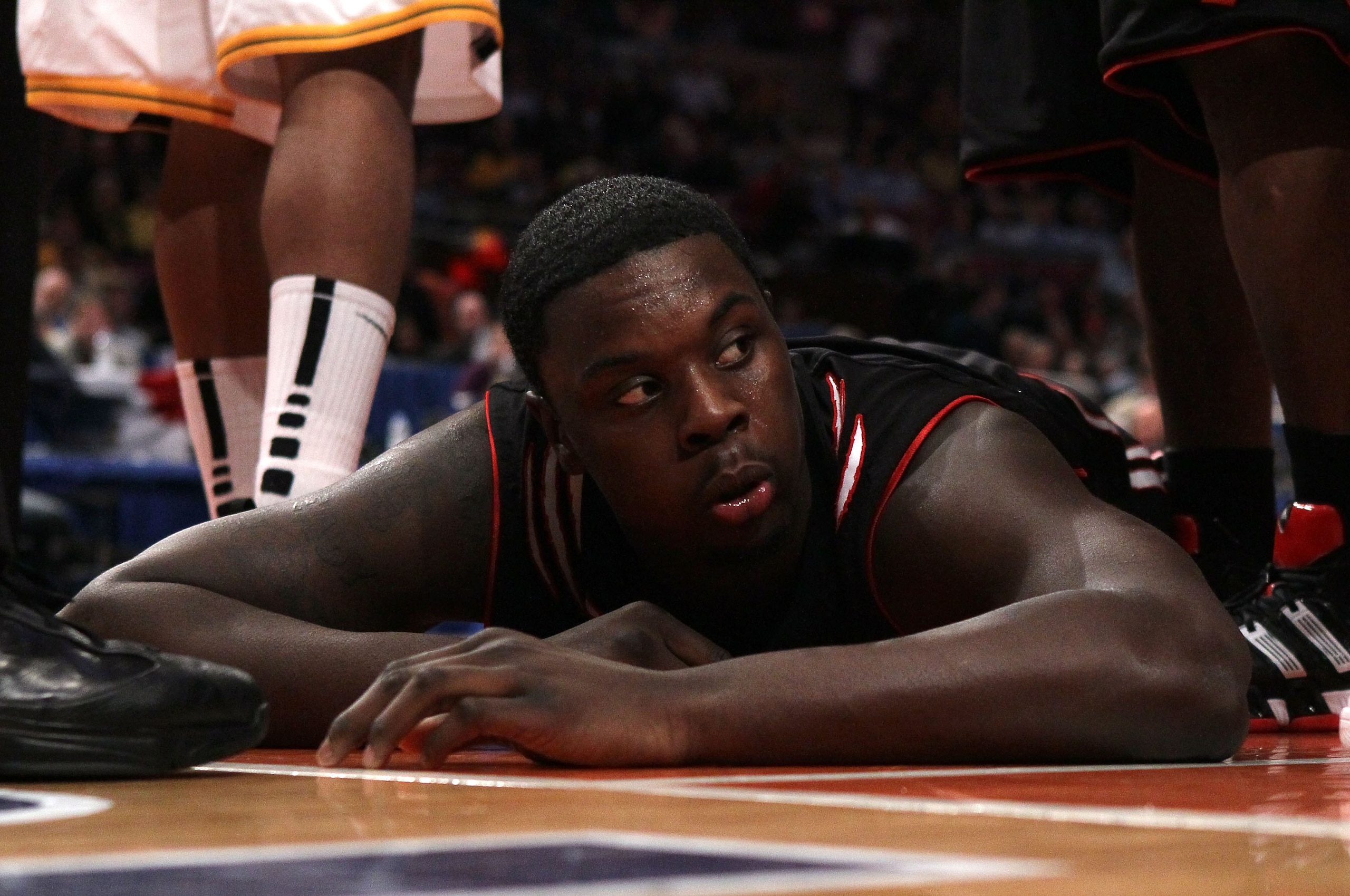
Though the jury may yet be out on Stephenson as a player—he was selected in the second round by the Pacers in last year's draft and only appeared in 12 games this season, averaging a measly 9.6 MPG and 3.1 PPG—there is no question he suffers from maturity issues.
He was demoted to fourth-string point guard for the playoffs and forced to sit out the team's last two games after violating team rules. He was also accused of pushing his girlfriend down a flight of stairs in August, though the charges were dismissed in February, when he made his season debut with the Pacers.
So to review: If you only spend one season at Cincinnati, get selected in the second round, and have multiple issues related to maturity, you probably should have stayed in school for another year or so.
7. Robert Swift
34 of 40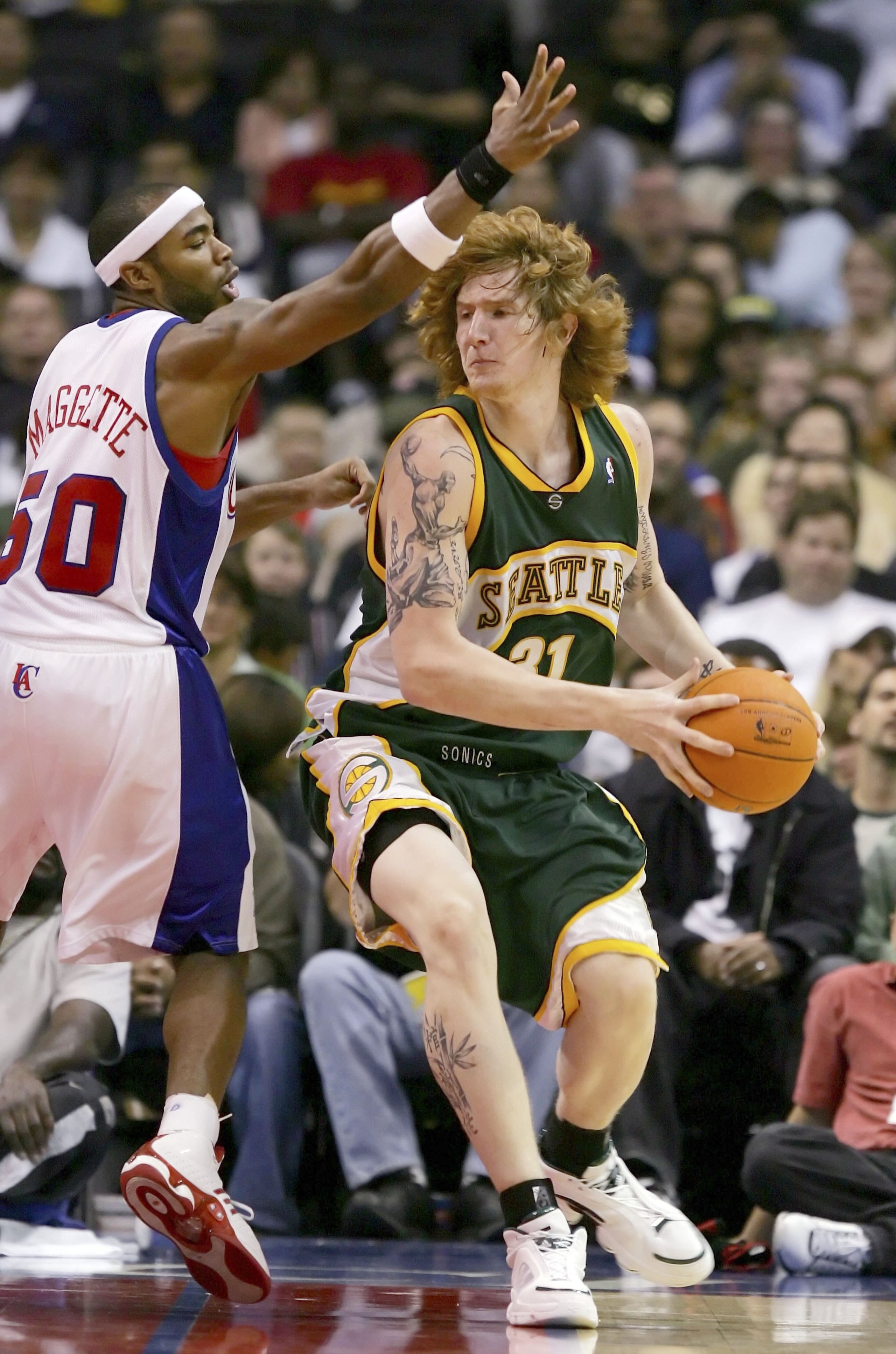
Robert Swift declared for the NBA Draft out of high school, and was selected by Seattle with the 12th overall pick in the 2004 NBA Draft.
Swift barely saw any playing time his rookie season, though he began to see an expanded role in his second year, and the Sonics were hopeful he would blossom in year three.
It wasn't to be. Swift would suffer knee injuries in 2006 and 2008, and he is no longer in the league.
Perhaps Swift would have developed as a legitimate center had he never suffered the knee injuries. But he certainly was not ready for the NBA game out of high school.
6. DeSagana Diop
35 of 40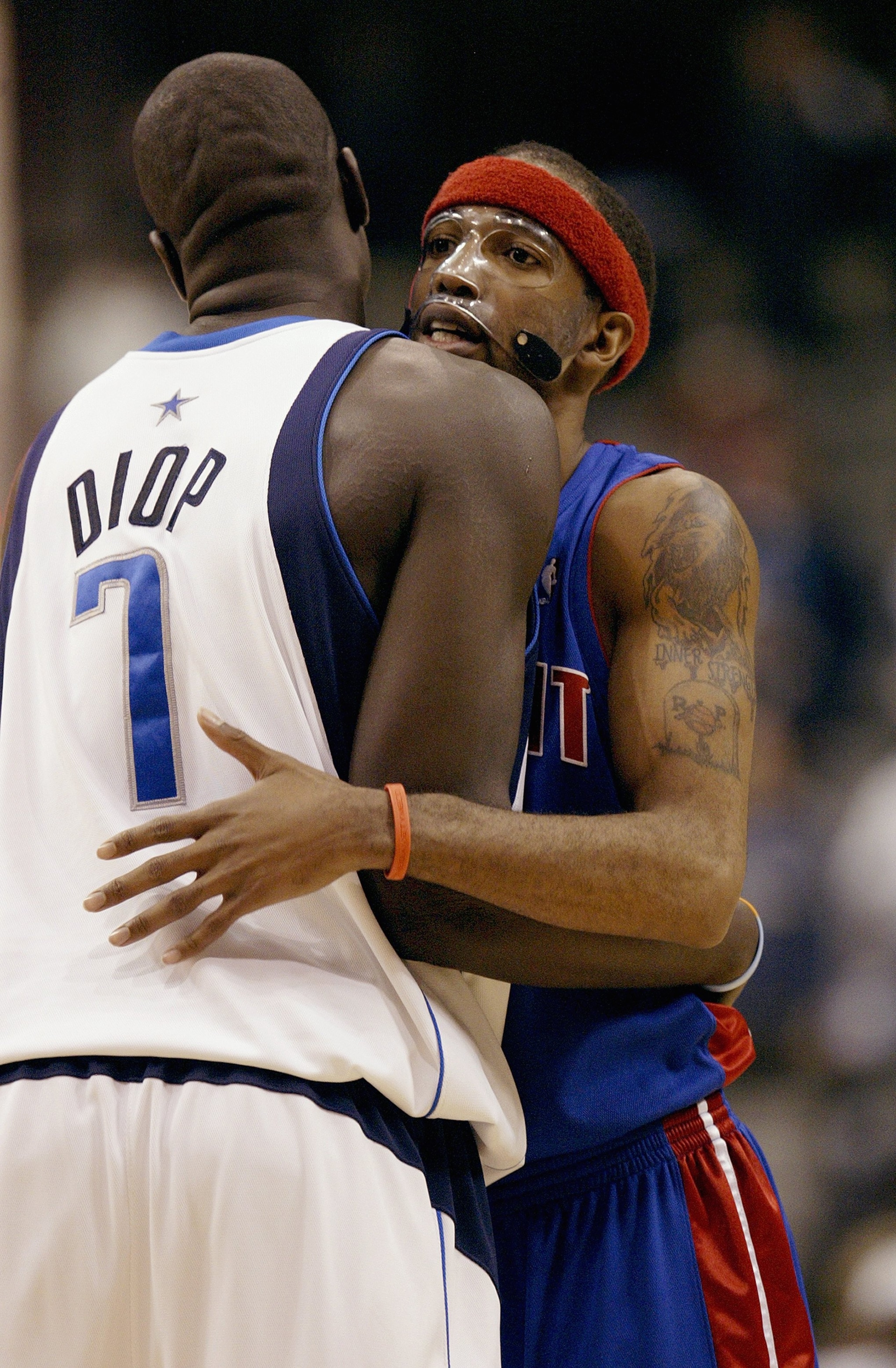
Diop is a tough call, as there is the possibility that he would have been a bust even had he gone to college. If anything, entering the 2001 Draft directly out of high school and being drafted eight overall by the Cavaliers may have been the best financial decision Diop ever made.
But from a strictly performance standpoint, it was a poor decision.
Though Diop would contribute on the defensive end of the floor later in his career, namely as a shot-blocker, he unquestionably was not ready for the NBA game out of high school.
5. Jonathon Bender
36 of 40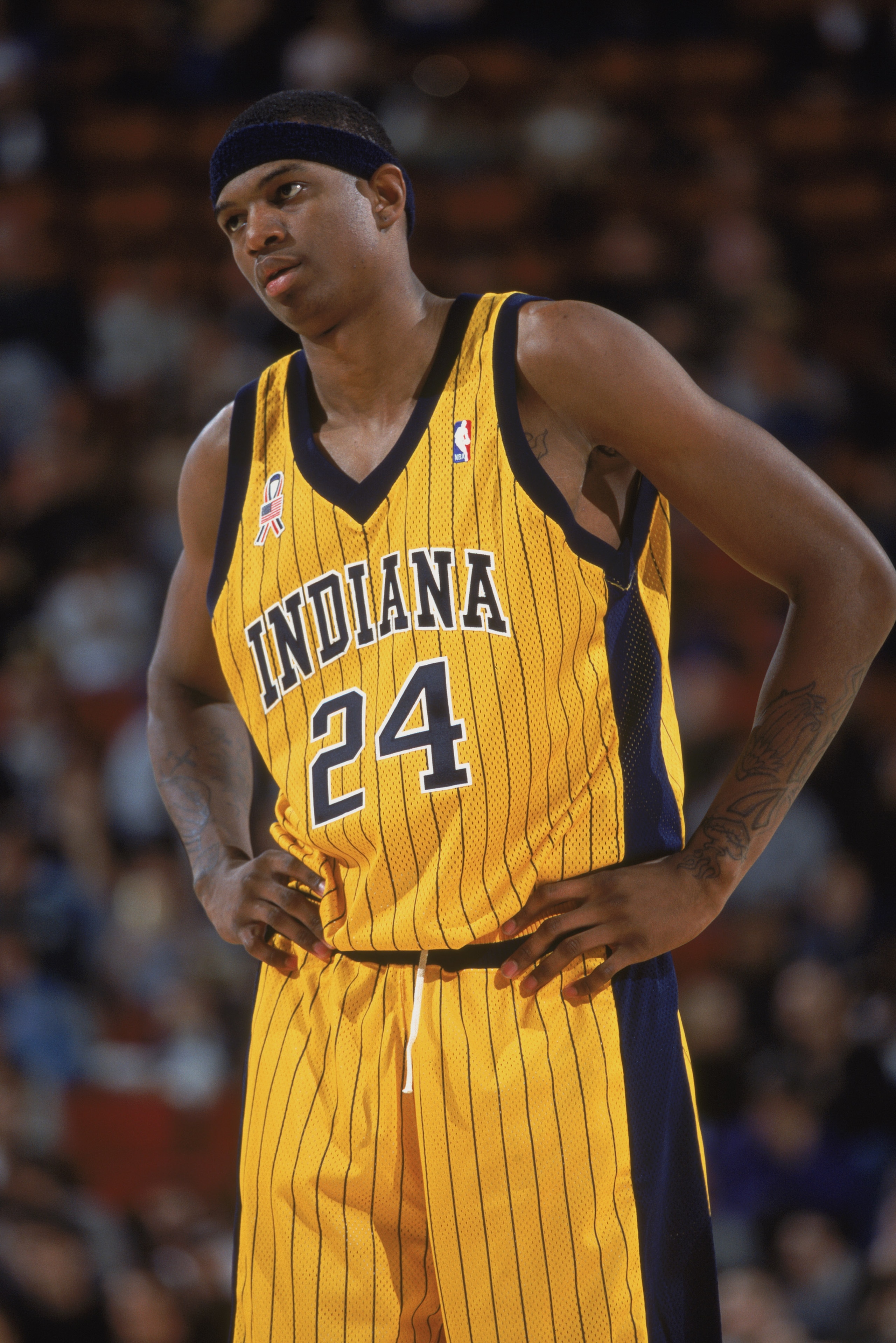
The definition of a bust, Bender was selected with the fifth pick in the 1999 NBA Draft by Toronto, who then traded him for Antonio Davis.
Bender would rarely see the floor in his first two seasons, and set underwhelming career highs in his third year in starts (17), minutes (21.1 per game), points (7.4 per game), and rebounds (3.1 per game).
Perhaps he saved himself money by declaring for the draft out of high school and not attending college, where holes in his game may have become apparent. But clearly, his game was not ready for the NBA, and he was never able to fulfill the huge potential it was believed he had.
4. Omar Cook
37 of 40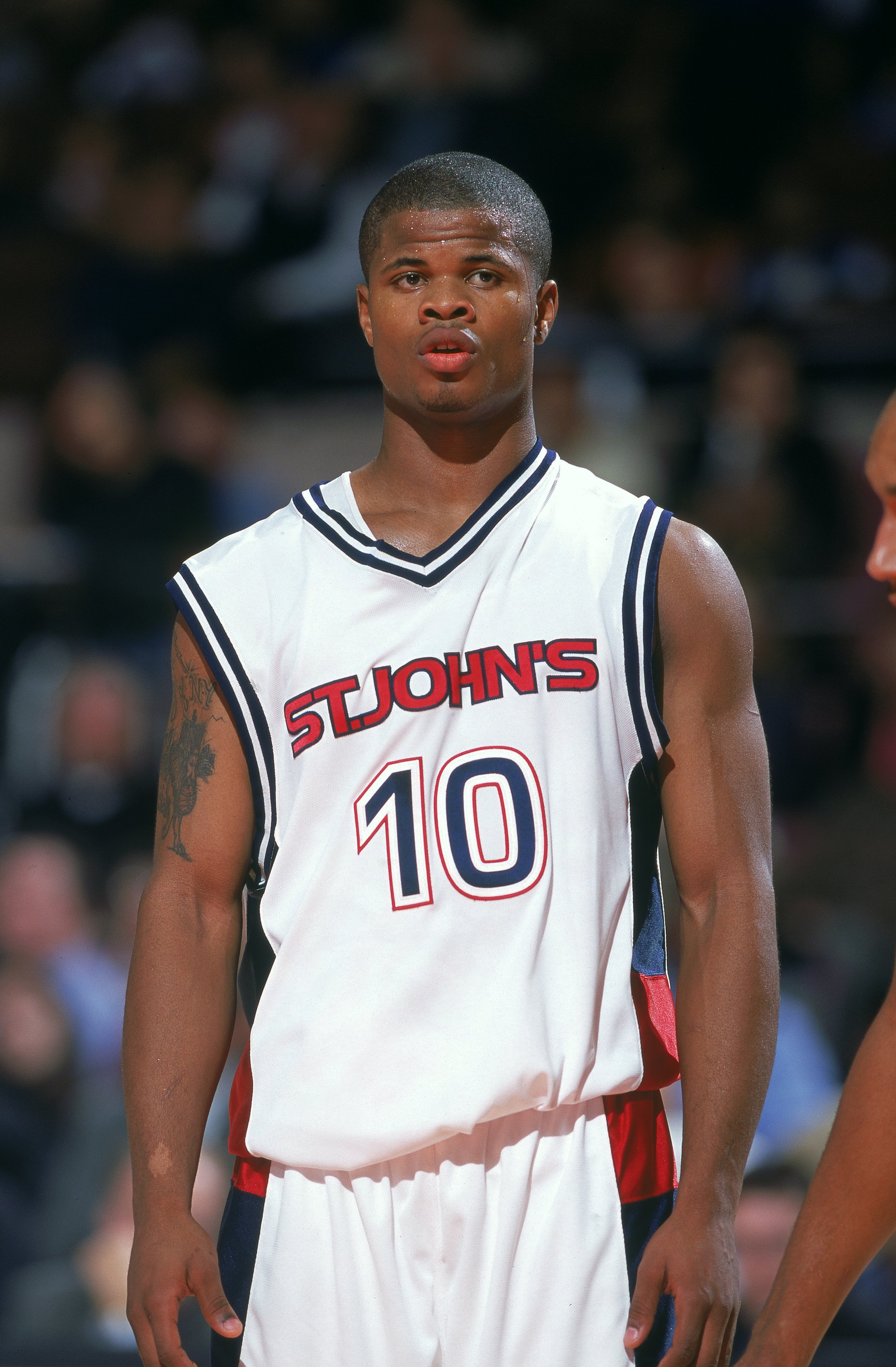
After one season at St. John's, Cook surprisingly declared for the 2001 NBA Draft. He had a spectacular season that year, finishing second in the country—and first in the Big East—in assists.
Bad idea.
Cook couldn't shoot the ball. He was selected with the third pick in the second round by the Magic and traded to the Nuggets, though he didn't make the team.
He played in a total of 22 NBA games from 2001-04, and has played for a number of professional European teams since.
3. Ndudi Ebi
38 of 40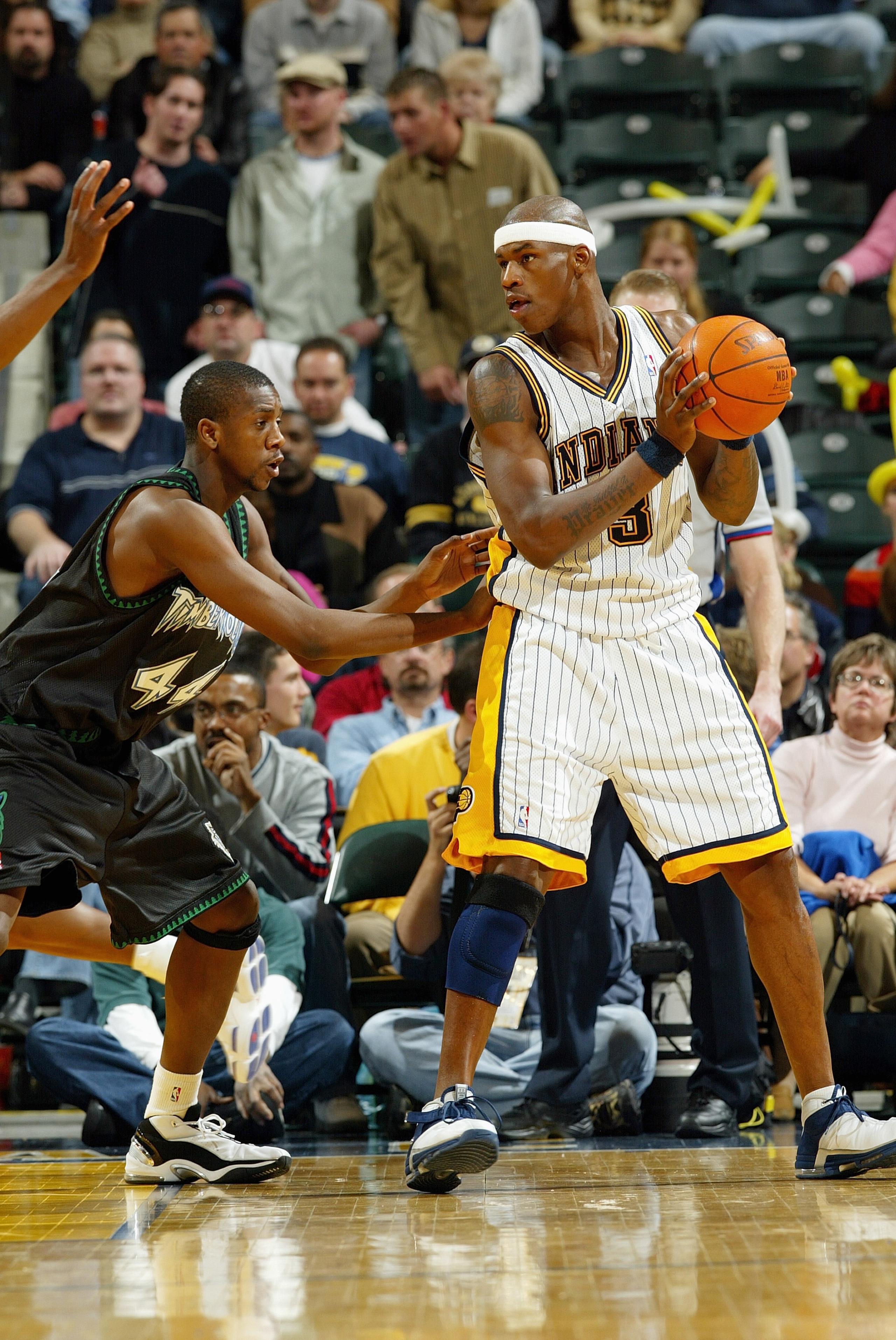
Oh dear.
Minnesota selected Ebi out of high school with the 26th pick in the 2003 draft, and in two years, he appeared in 19 games before Minnesota cut him.
Ebi's potential was huge, as Dime Magazine noted in 2009:
"In high school, every collegiate powerhouse from Duke to Texas recruited Ebi. After his senior season, in which he averaged close to 23 and 12, Ebi signed a LOI with Lute Olson at Arizona. At 6-9, Ebi was a top-5 high school talent amongst a class that included Chris Paul, Luol Deng and that LeBron James guy.
"
Obviously, he didn't attend Arizona, becoming another example of a young man who got lost in the NBA shuffle and didn't get the experience he needed to improve his game and reach his vast potential.
And that's a shame.
2. Kwame Brown
39 of 40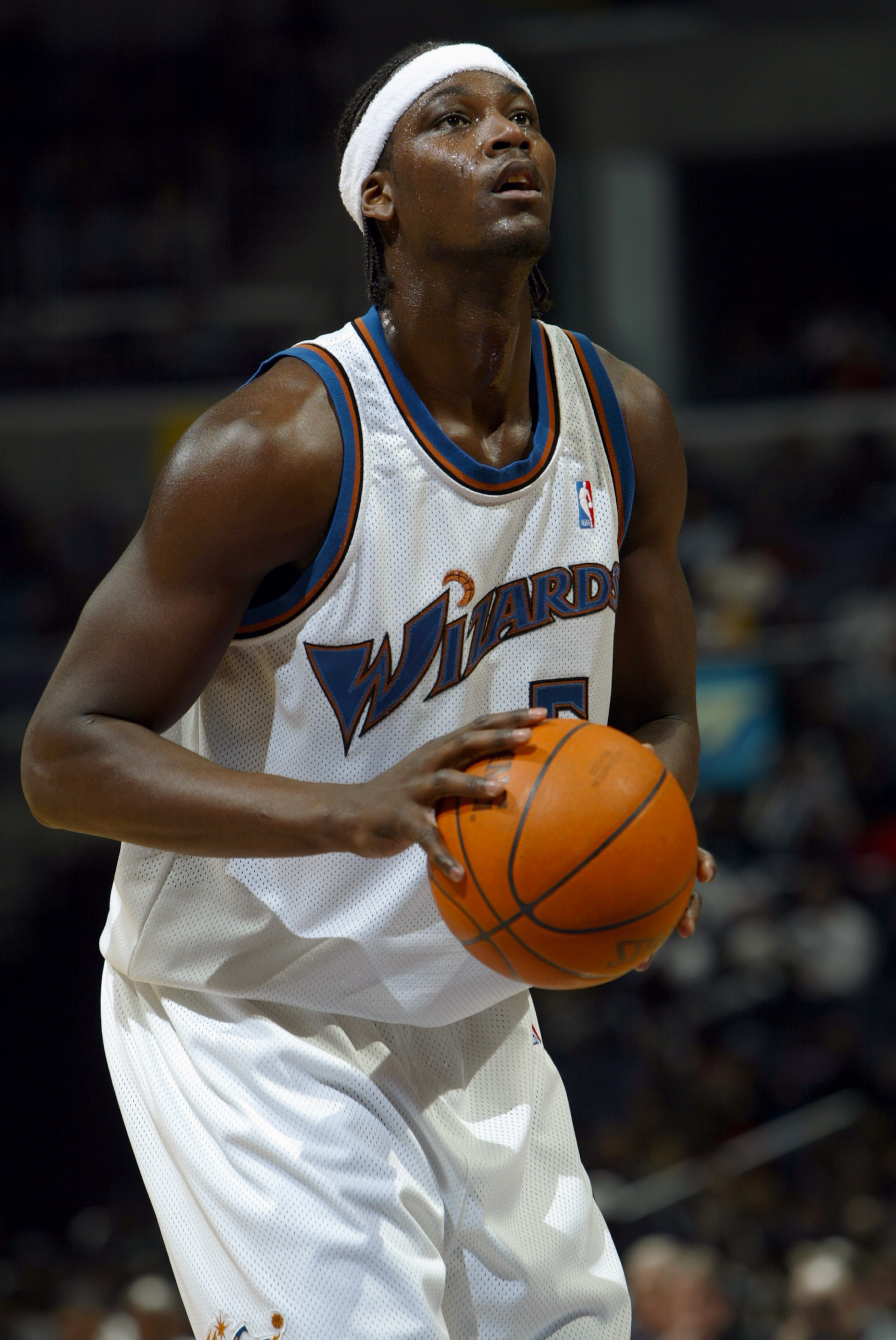
By now, you likely know the story of Kwame Brown, one of the biggest busts in NBA Draft history.
Undoubtedly, the pressure was intense for Brown, who was the first player ever drafted number one overall, when the Wizards selected him in that slot in 2001.
It didn't help matters that he was Michael Jordan's first pick as an executive, and Jordan rode him pretty hard early in his career.
Simply put, Brown wasn't mentally tough enough to handle the pressure, and his game suffered. Then again, how many 18-year-old kids do you know who could have handled that pressure?
A few years in college would have done wonders for Brown.
1. Korleone Young
40 of 40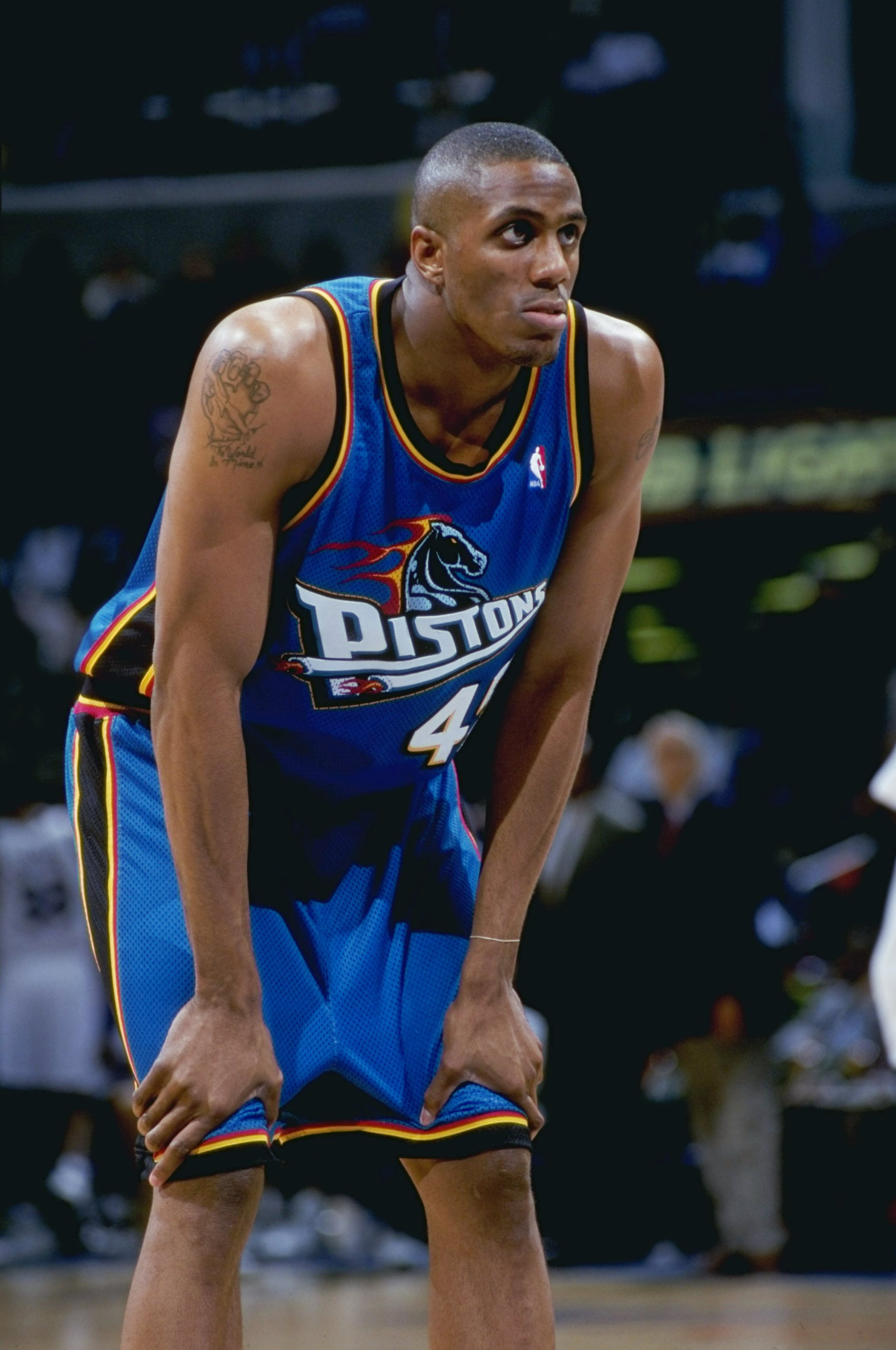
The following quote, from Kevin Keats, an assistant coach at Hargave (Va.) Military Academy when Young attended the school, should tell you all you need to know about Young:
"Normally, when a kid is thinking about something like this, you'll hear about it. But with Korleone, it was a total surprise.
"
Young dropped into the second round of the 1998 NBA Draft, where he was selected by the Pistons with the 40th overall pick.
He would only appear in three regular-season games in 1999, spending the majority of the season on injured reserve, and was cut after the season.
He never made another NBA roster.
Be sure to hit me up on Twitter (@TRappaRT) along with the entire B/R Swagger team (@BR_Swagger)
.jpg?w=2560 "NFL investigating 2 referees for separate viral exchanges")
.jpg?w=2560 "OBJ Calls Out Giants After Release")
.jpg?w=2560 "Tyreek makes another cryptic post amid Chiefs rumors")
.jpg?w=2560 "Report: Chiefs Contact Hill's Agent")