
NBA Draft 2011: Isaiah Thomas and 10 Players Who Should Wait
College underclassmen must declare by Sunday if they want to be eligible for the 2011 NBA draft, and many big names have already thrown their hats into that ring. However, not every underclassman is well served by jumping early to the NBA.
For some of the players already in the draft pool or considering joining it, another year in college could be the difference between undrafted free agency and a spot on the draft board. For others, the extra experience could push them up to the first round and a richer contract.
Read on for 10 underclassmen who would do well to stay out of the draft, or to pull their names by the May 8 deadline if they’re already there.
10. PG/SG Tu Holloway, Xavier
1 of 10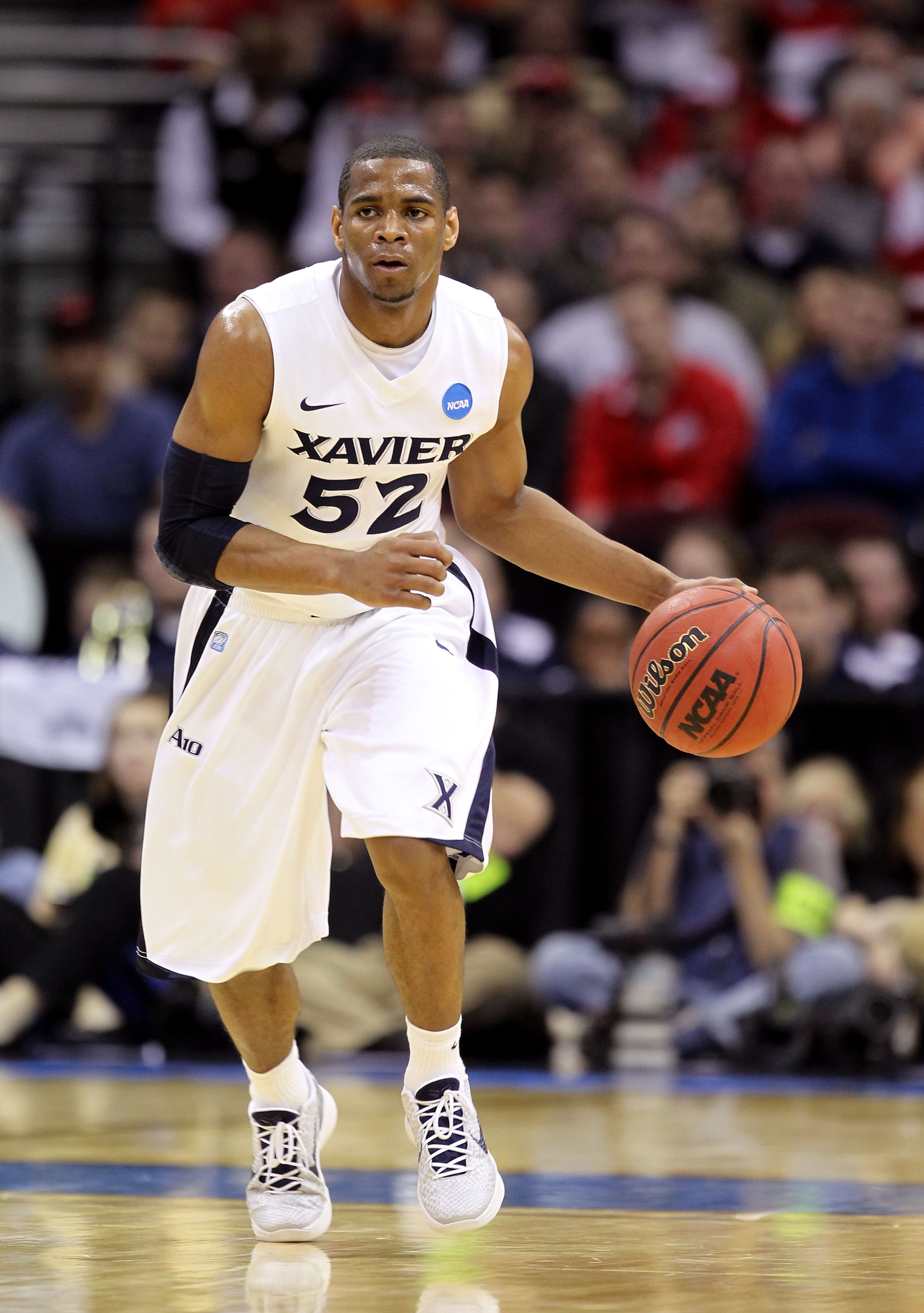
In any draft class, Tu Holloway’s inclination to go pro would be questionable. In this particular year, it appears even less advisable.
Holloway is a 6’0” scoring point guard, and one who hasn’t shown particular big-game ability (witness Xavier’s unceremonious NCAA exit at the hands of Marquette).
With two of this draft’s biggest names, Jimmer Fredette and Kemba Walker, fitting similar roles, how many teams will choose to draft the third-best undersized 2-guard on the board?
Holloway has shown some ability as a distributor, leading the Musketeers with 5.4 assists per game last year, but at this point his biggest asset is his ability to score. At his size, he would do well to consider staying another year and showing NBA teams that he’ll be effective as a true point guard at the next level.
9. SF/SG Scotty Hopson, Tennessee
2 of 10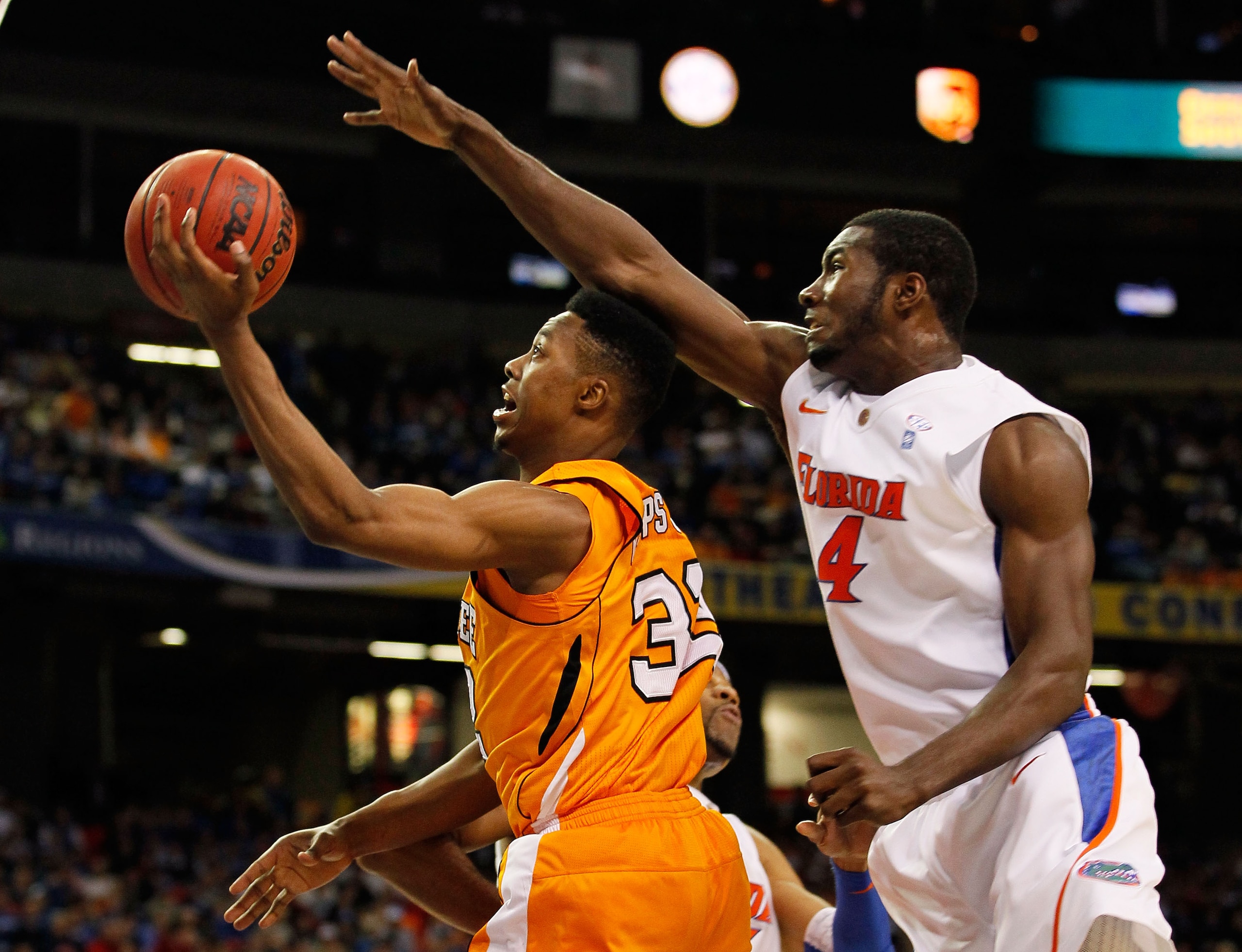
While it’s hard to blame Scotty Hopson for wanting to get off of what appears to be a sinking ship at Tennessee, he may cost himself a good deal of money by doing so. He’s a pure scorer who isn’t a great spot-up shooter, and that’s not a combination that necessarily translates well to the NBA.
Another year of experience to hone his jump shot—and (if possible) show that he can help a team in other ways besides scoring—could make him a much more attractive prospect. It might even take him from a borderline candidate to be drafted at all (as he is now) to a borderline first-round pick.
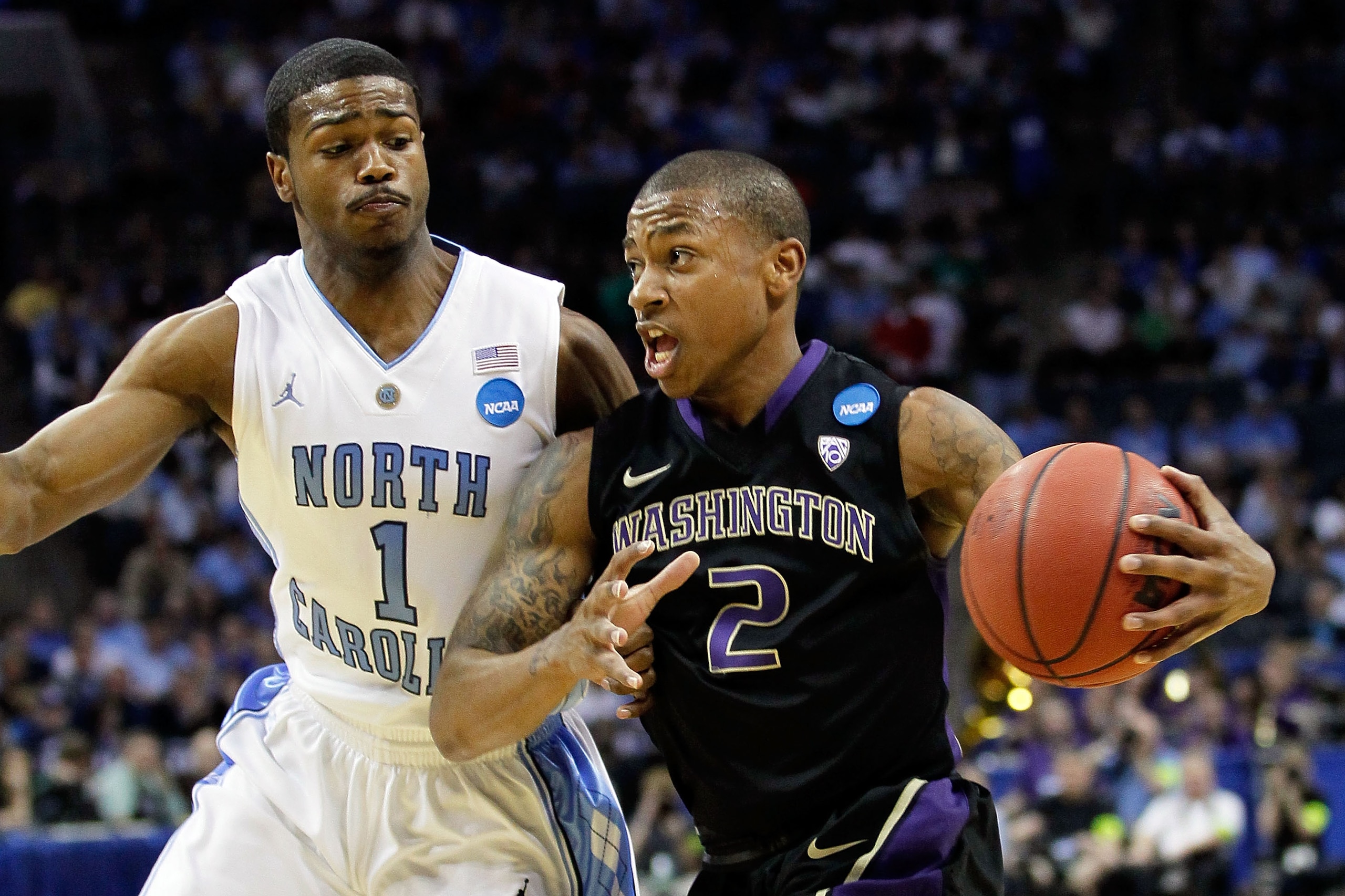
8. PG Isaiah Thomas, Washington
3 of 10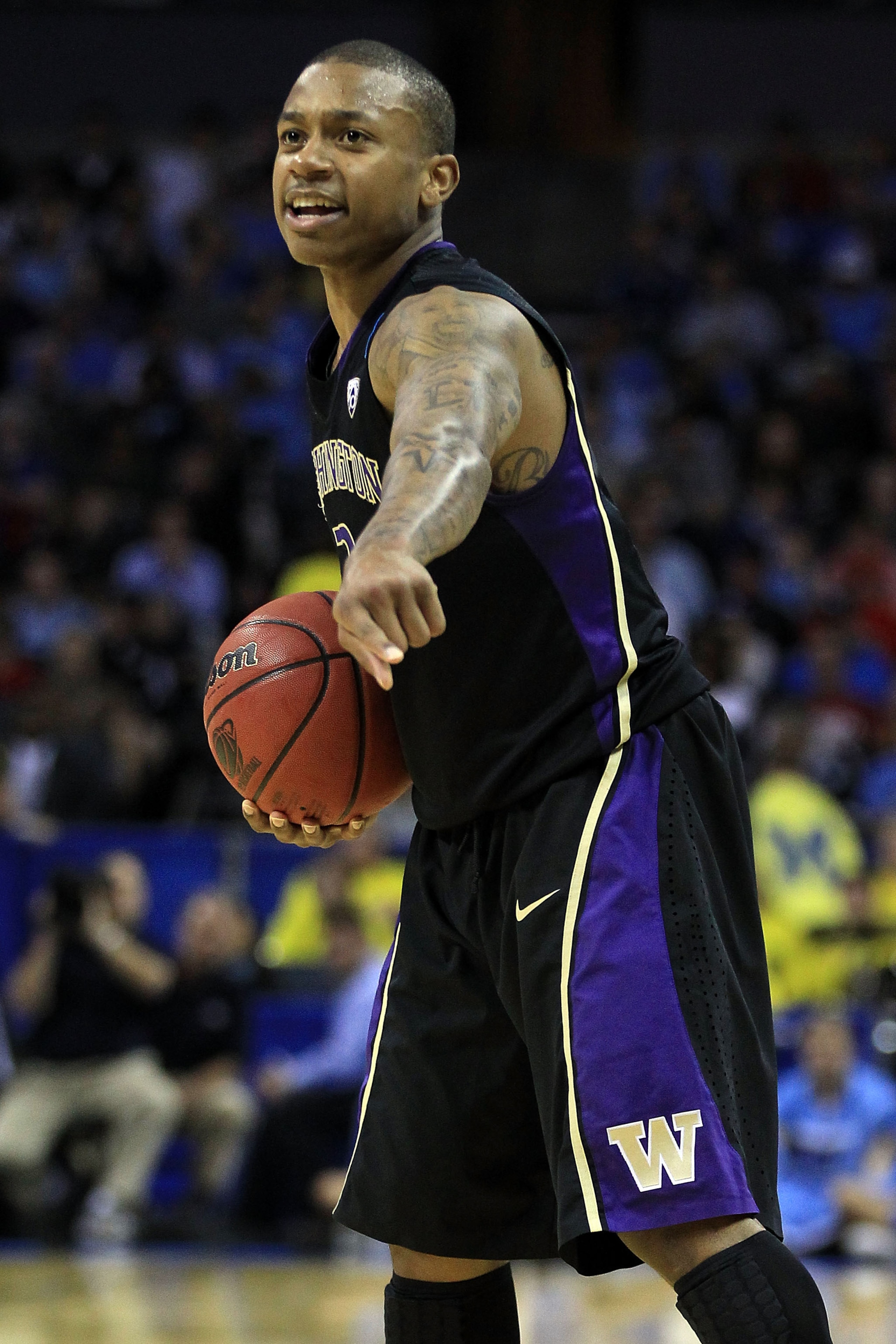
Isaiah Thomas made huge strides this season toward making his case as a viable NBA point guard, doubling his previous career high for assists while keeping both his scoring and turnovers comparable to their 2009 numbers.
Even so, he’ll probably hurt himself as far as draft position by coming out this year.
Thomas, for all his strengths, is 5’10”, which is the major reason he could well go undrafted even after his strong 2010 performance. He showed last year that he could lead a good team, taking Washington to a Pac-10 tournament title, but he definitely has room to grow at the college level.
If Thomas returns to the Huskies, he’ll be the instant front-runner for Pac-10 Player of the Year.
Even with Washington losing several key seniors (including Matthew Bryan-Amaning and Justin Holiday, Thomas could lead another conference title run (in what may be a down year across the Pac-10) and another NCAA tournament run.
Both of those results would make him that much more attractive as a draft prospect.
.jpg?w=2560 "NBA Gambling Charges")

7. F/C Nikola Vucevic, USC
4 of 10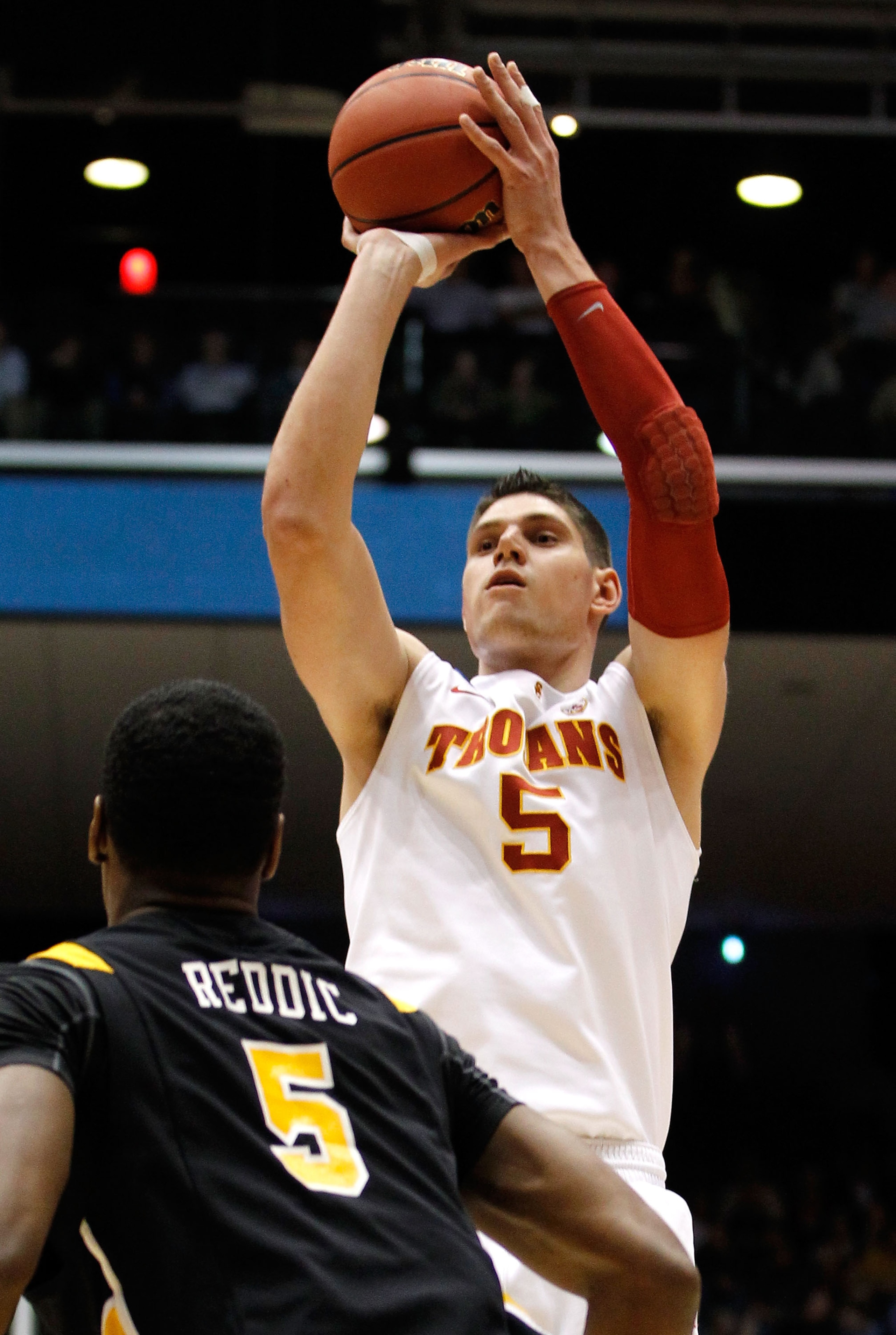
There’s no doubt that Nikola Vucevic has helped his NBA draft stock immensely with his performance in 2010, but his choice to go pro now (Vucevic is the only prospect on this list who has already signed with an agent) is still a curious one.
Vucevic was named the Pac-10’s Most Improved Player as a sophomore, and earned all-conference recognition as a junior after putting up 17 points and 10 rebounds per game.
Even with his impressive performance, though, USC coach Kevin O’Neill acknowledged (to the L.A. Times) that projections of Vucevic’s draft position are “all over the board.”
There have been questions about Vucevic’s ability to take over games, particularly when a team keys on him defensively as Virginia Commonwealth did in holding him to 11 points in its first-round NCAA tournament matchup. Another year of polishing his game in college could solidify Vucevic as the first-round pick his body and skill set suggest he’ll eventually be.
6. SG/PG Ashton Gibbs, Pitt
5 of 10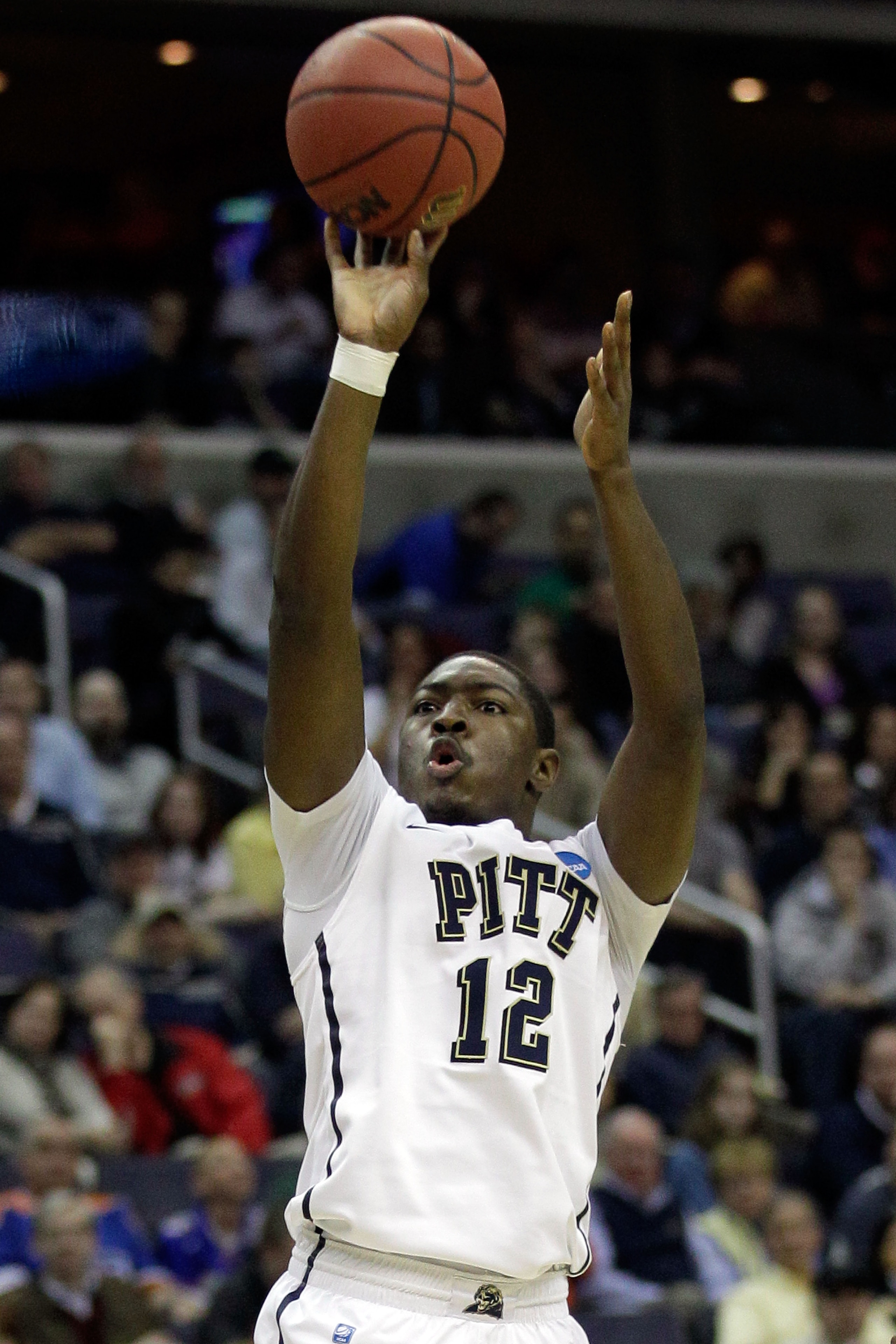
Scoring 16.8 points per game in the physical Big East is nothing to sneeze at, but it still might not be enough to make Ashton Gibbs more than a borderline second-round pick.
Although Gibbs has the defensive toughness typical of Pitt guards, his 6’2”, 190-lb. frame will put him at a serious disadvantage matching up with NBA 2-guards. He also doesn’t create a lot of steals, which might help offset his lack of height.
Gibbs’ NBA prospects would be a lot better if teams thought he could contribute as a point guard (he posted just 2.8 assists per game last year).
With Brad Wanamaker graduating, Pitt will have a leadership void to fill, and Gibbs could have a great opportunity to show NBA teams what he can do as a distributor if he returns to the Panthers in 2011.
5. SG Kim English, Missouri
6 of 10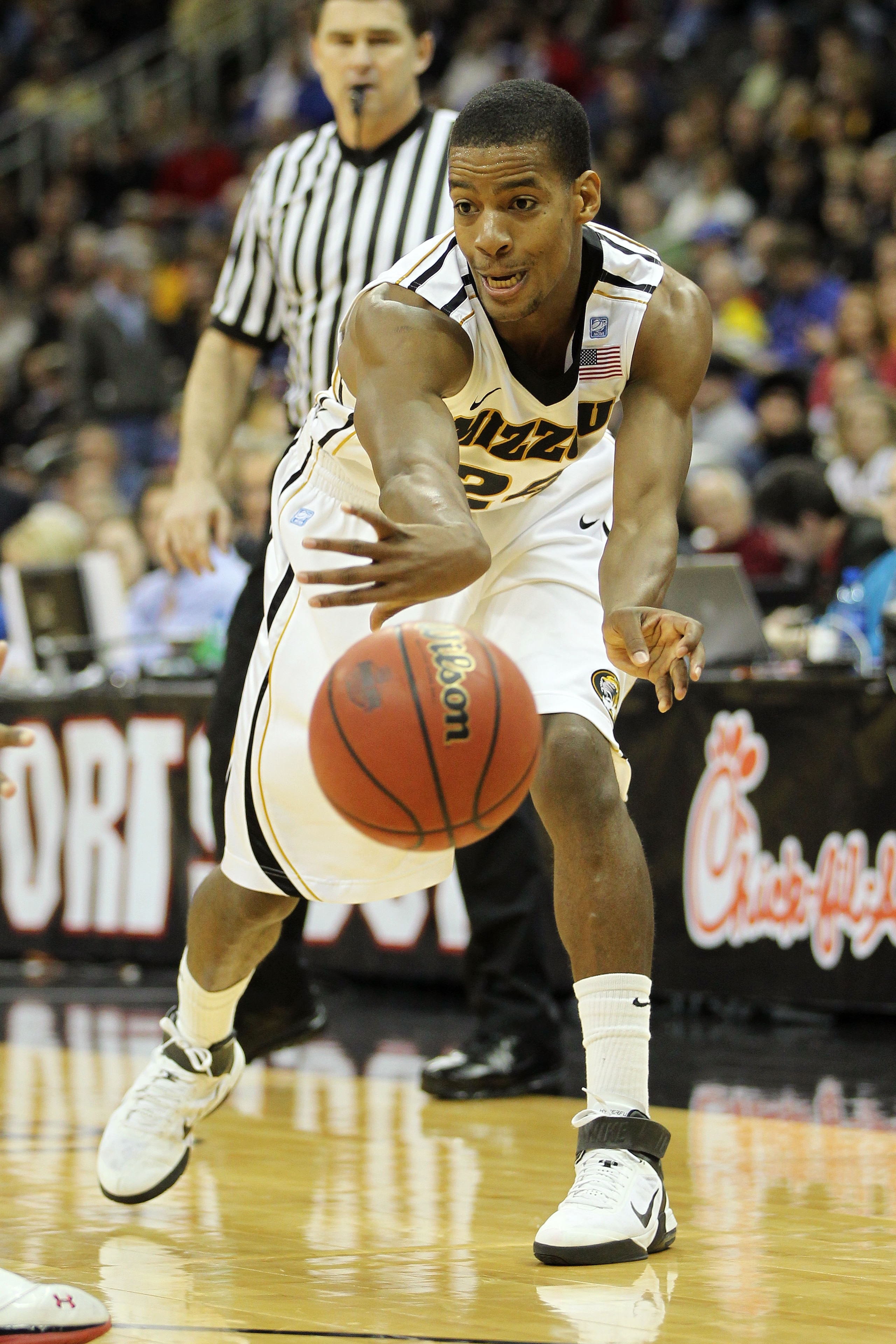
In a draft where many of the guard prospects face questions about their defense, Kim English stands out as a plus defender. He’s posted better than one steal per game each of the last two seasons, and his 6’6” frame means he shouldn’t face too many matchup problems at the NBA level.
Unfortunately for English, he’s also a 10-point-per-game scorer with minimal ability to create shots and only so-so spot-up ability. His 36.6 percent shooting from the college three-point line doesn’t bode well for his ability to score from the perimeter in the NBA.
Another year of college ball could help English polish his jump shooting and overall offensive skills. As it is, his one-sided game will leave him lucky to make it into Round 2 of the draft.
4. PF Laurence Bowers, Missouri
7 of 10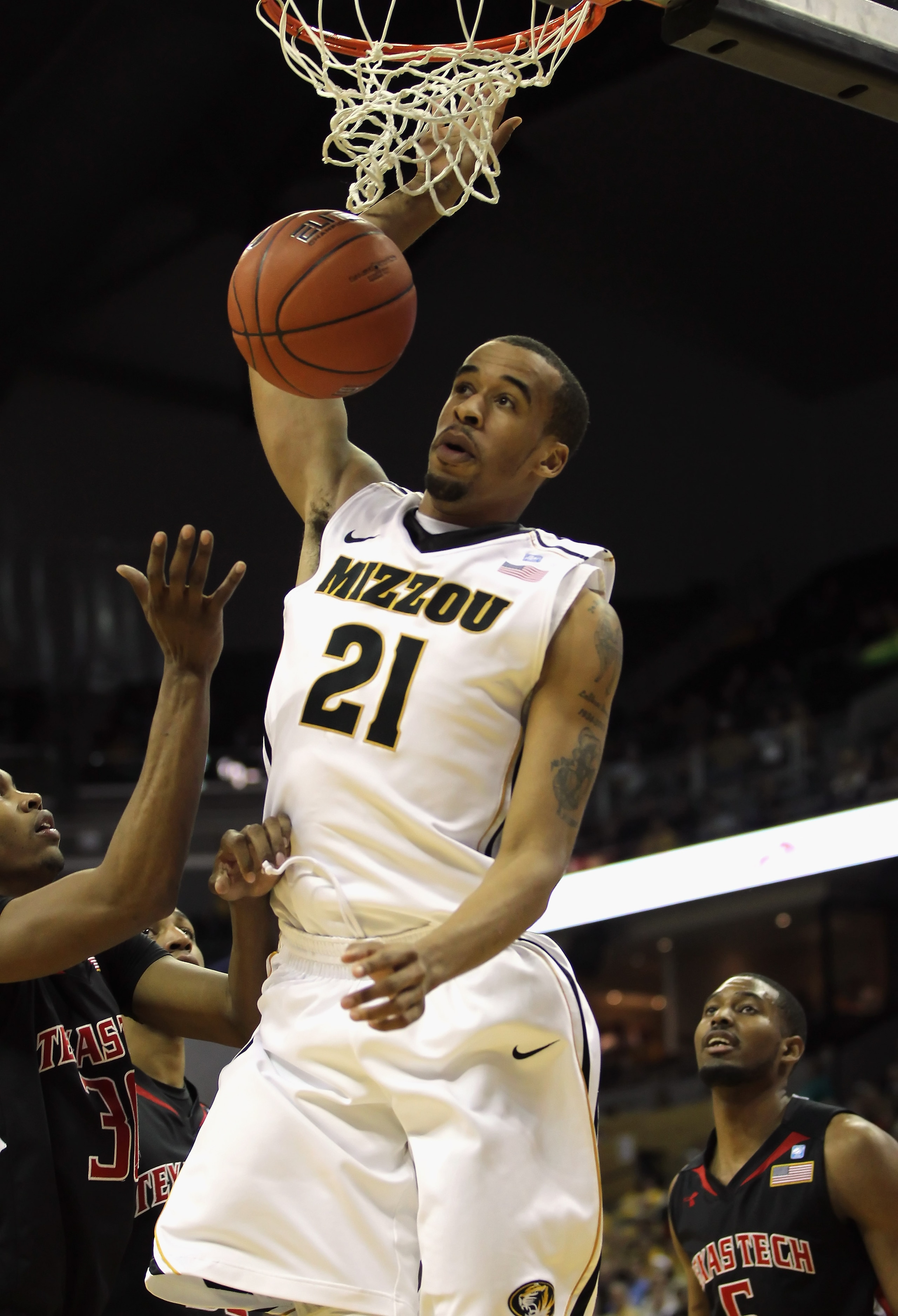
Like teammate Kim English, Laurence Bowers may well have declared for the draft at least in part as a response to the loss of coach Mike Anderson to Arkansas. Even more than English, though, Bowers could benefit from returning to Missouri even in Anderson’s absence.
Bowers has already shown that he can play at a high level defensively (1.8 blocks and 1.1 steals per game last year), but he pulled down just 6.1 rebounds a night at 6’8” and he doesn’t have much scoring ability, either in the post or as a jump shooter.
Bowers looks to have a lot in common with former Mizzou teammate DeMarre Carroll. Carroll spent much of this past season in the D-League, which is where Bowers will likely end up if he turns pro now.
3. C/F Mouphtaou Yarou, Villanova
8 of 10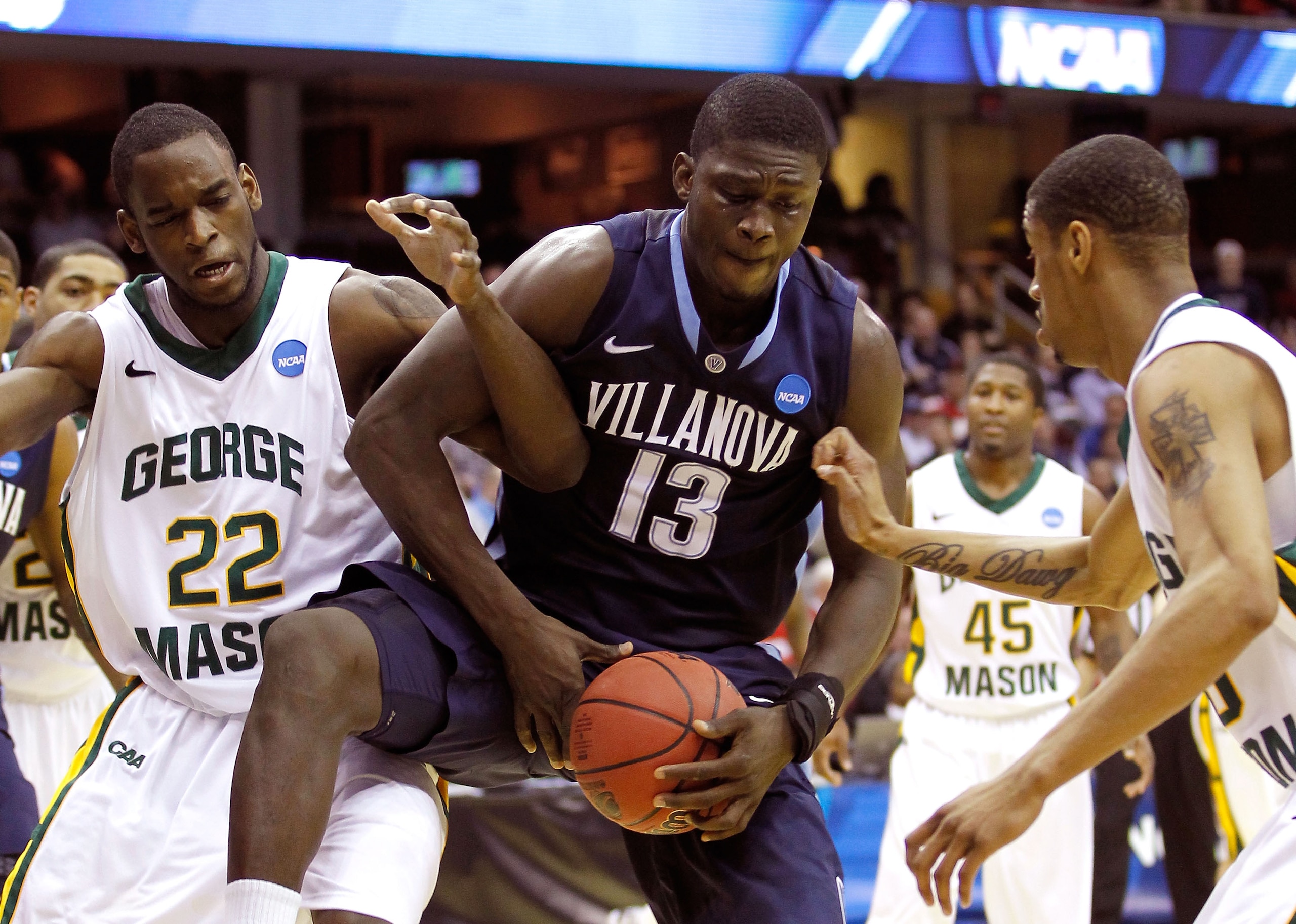
In his first year as a starter at Villanova, Mouphtaou Yarou showed NBA scouts exactly what they could expect from him. He’s hardworking and mobile at 6’10”, and has good instincts as a rebounder (7.1 boards per game) and defender (1.0 blocks per game).
He’s also extremely limited offensively, with the great bulk of his 8.4 points per game coming on putbacks or dunks set up by Villanova’s high-scoring guards.
Yarou (who has yet to declare) would be entering his junior year if he returns to the Wildcats, so he’s certainly young enough to develop a back-to-the-basket game and improve his jump shot (and his 66 percent free-throw accuracy).
Another year of playing in college will do a lot more for his offensive skills than a year of sitting on an NBA bench playing six minutes a night.
2. SF John Shurna, Northwestern
9 of 10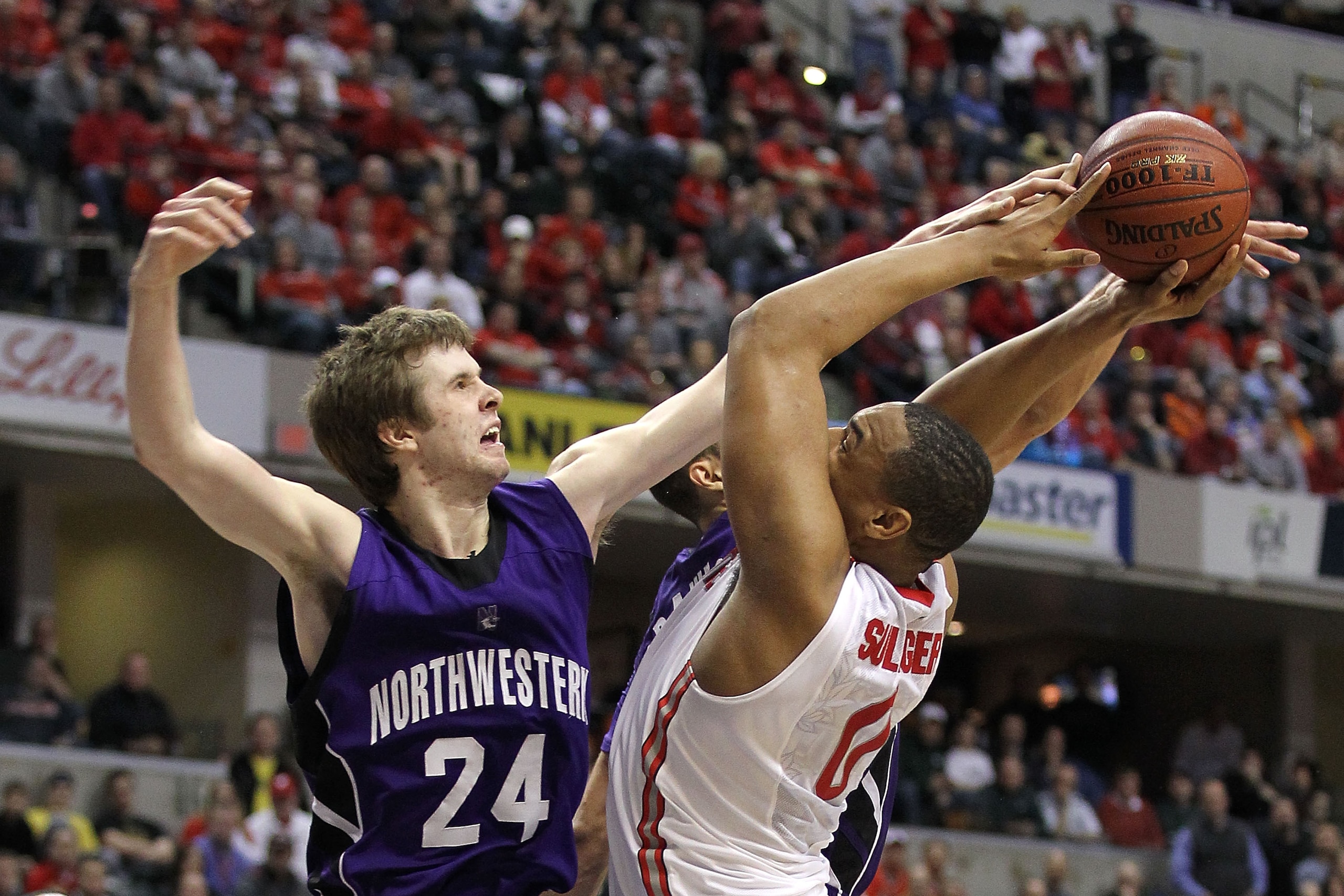
Without question, John Shurna’s 2010 season established him as a viable NBA prospect. His improved three-point shooting (43.4 percent, up from 35.5 percent in 2009) gives him a chance to earn a Kyle Korver or Jason Kapono-type role as a sniper off the bench at the next level.
Even so, Shurna hasn’t shown anything like the quickness to play perimeter defense at the next level, and he doesn’t really bring anything to the table besides his shooting (just 4.9 rebounds per game despite his 6’8” frame).
Another year in the Big Ten would give Shurna a chance to expand his game and prove he can do more for an NBA team than stand in the corner and shoot. He’ll have a lot more teams looking to draft him if he can take that step as senior rather than going undrafted or spending next season on someone’s bench as a pro.
1. SF/SG Jereme Richmond, Illinois
10 of 10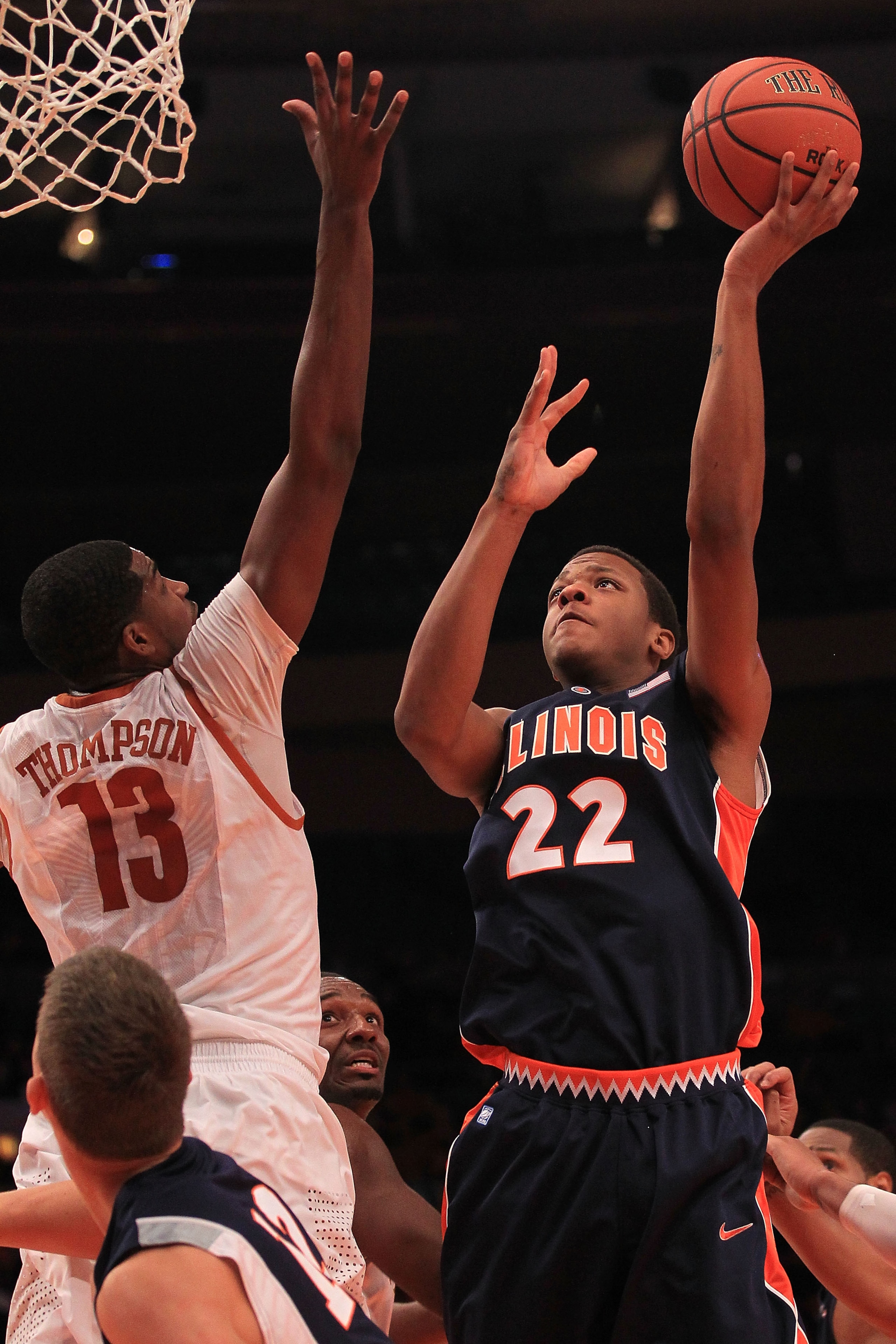
Jereme Richmond’s position on this list is nothing against a perfectly fine freshman year in a tough Big Ten. Richmond put up 7.6 points and 5.0 boards a game, and even managed 1.8 assists a night despite playing on the same team as Demetri McCamey.
Now, though, compare that performance to Jared Sullinger, who spent much of the year in the National Player of the Year conversation. Sullinger, another frosh in the same conference (though, obviously, at a different position) finished with 17.2 points and 10.2 games and is still considering returning to Ohio State.
It’s hard to see why Richmond is so certain he’s ready for NBA competition now. At the very least, he would do well to wait on hiring an agent until he’s sure he won’t have better opportunities awaiting him after another year of college ball.




.jpg?w=2560 "Aikman Blasts Cowboys WR 🫣")
.jpg?w=2560 "Jonathan Taylor Landing Spots")