
Prudence is The Name of The Game
When Lehman Brothers declared bankruptcy, there were bound to be some repurcussions in the financial markets all over the world. Slowly, many economies have been hit and various sectors seem to have been affected.
Now, it's football's turn.
West Ham United and the Icelandic Connection
TOP NEWS
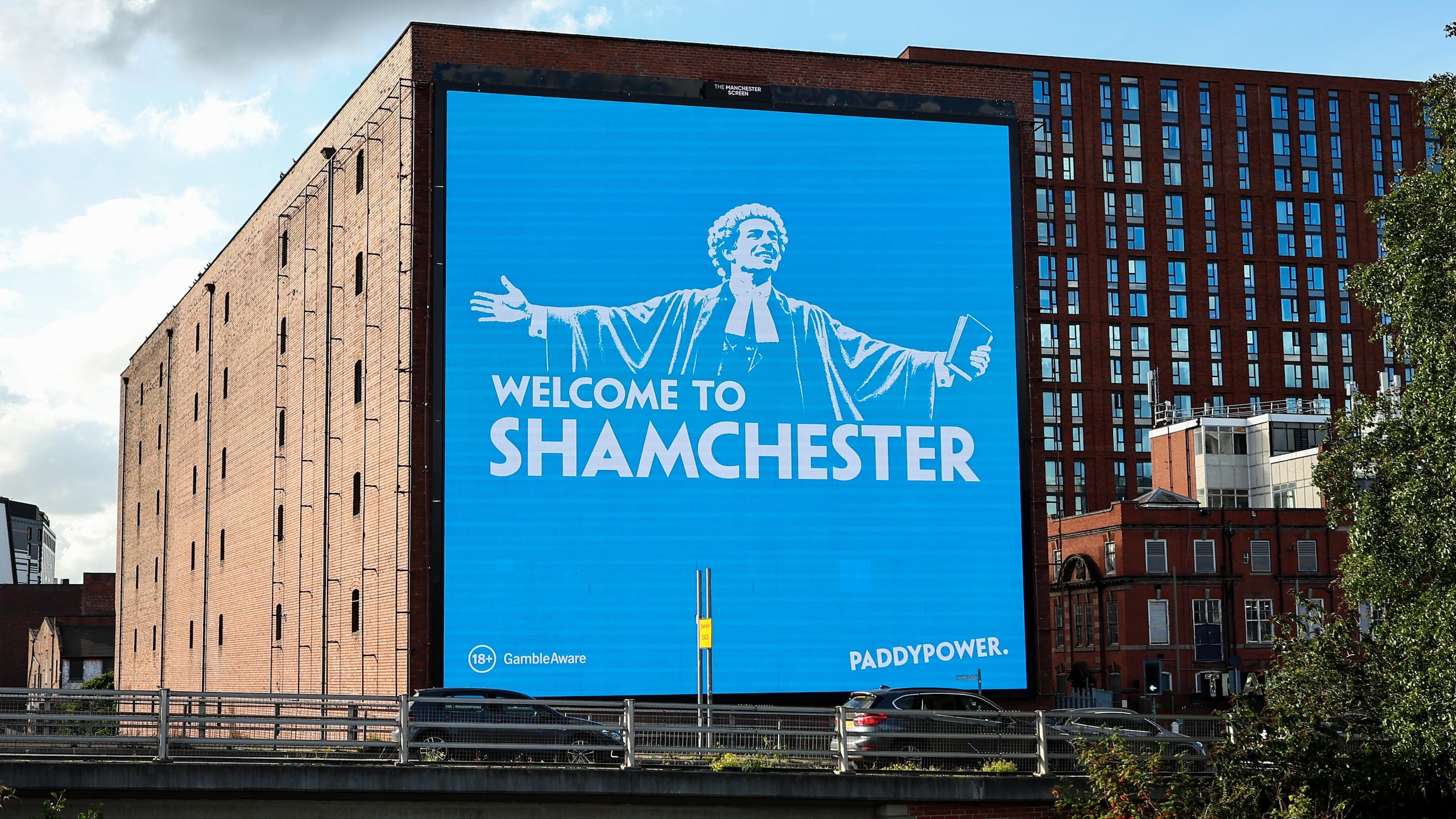
Billboard Trolls Man City 👀

New NFL contenders starting to emerge after Week 4
.jpg?w=2560 "Cardinals Giants Football")
NFL investigating 2 referees for separate viral exchanges
Iceland's banks seemed to be living dangerously even before the Lehman fiasco, as the economy had a debt-to-earnings before interest, taxes, depreciation and amortization (ebitda) ratio of six.
What this means is that Iceland was borrowing six times its means.
Naturally then, Iceland was an economy which was vulnerable to the global economic crisis. So, when Landsbanki Bank's (a local bank) board was dismissed and the bank became nationalized, it was bound to lose a considerable amount of its share value.
Where's the connection in all of this?
West Ham United's owner Bjorgolfur Gudmundsson, along with his son, owns a whopping 40% share in the bank and now faces a considerable loss in his fortune.
West Ham United are also taking on Sheffield United in the "Carlos Tevez Saga", which threatens to burn a hole in thier finances to the tune of £30 million.
However, the clubs' Chief Executive has come out to reassure supporters that the club will not be affected as such by this.
This is in contrary to the West Ham's vice-chairman, who said that the club will not be invest in player purchases during the January transfer window.
American Woes for Manchester United and Liverpool?
The first set of fans who would've been worried at what has conspired in the USA has to been the ones supporting the aforementioned clubs. Both these clubs have American owners, and must have had some exposure to the sub-prime crisis.
Work on the new Stanley Park Stadium in Liverpool has been halted, with the club's Chief Executive stating that despite the project being stable in the long-run, continuing work in the current scenario would be "risky".
Manchester United have issued a statement stressing that the club hasn't changed its loan structure. However, with their shirt sponsors, AIG, being nationalized and their overall position being unclear—a potential £14 million per year is on the line for the Red Devils. That said, it will not be a major problem for them to replace AIG.
Either way, the clubs with the American owners will be affected one way or the other—of course, Aston Villa don't seem to be affected at all, as of now.
All Quiet on the Arsenal Front
While most clubs have come out to say that their exposure to this crisis doesn't mean doom and gloom, nobody from the Arsenal board has come out to reassure the Arsenal fans. This could be because there really is nothing to worry about, or even because there is something huge to worry about.
The Highbury Re-development Project has already suffered a considerable amount of setbacks, and this financial crisis is going to do little to ease the problems on that front. With a few units still left unsold, things are not looking all that bright.
However, the board has always been, and will continue to be, prudent when it comes to huge financial outlays. They have been intelligent in the manner in which their debt has been structured, and there should be no worries for Arsenal on that front.
Chelsea "Not Immune"
Even Chelsea are "not immune" to the credit crunch. Chairman Bruce Buck has said that Christmas merchandise may be affected, with next season's season tickets next in line. The revenues at Stamford Bridge might well be taking a hit in the current situation, despite their "benefactor", Roman Abramovich.
Abramovich's "loans" to the club are interest-free, though, and don't have a repayment period. So, on that front, Chelsea appear to be safe.
"Terrible Danger"
The F.A.'s chairman, Lord Triesman, has stated that the global credit crunch could cause "terrible danger" to the clubs which are heavily dependant on debt. He also told BBC that English clubs could owe as much £3 billion, with the "Big Four" accounting for one-third of that figure.
Of course, the loans are properly structured—but stability is very important in the current scenario and £1 billion borrowed by just four clubs is far too dangerous.
Richard Scudamore, CEO of the Premier League, has stated that the clubs are not in that much danger.
"The 92 names today are very similar to the 92 names of yesterday. They are very sustainable brands and that's the most important thing," said Scudamore to the BBC.
With UEFA also claiming that they are ready to clamp down on poorly regulated clubs, there is an air of instability in the footballing World.
UEFA general secretary David Taylor told Sky Sports, "This is an attempt to find greater financial stability, especially at a time when banks are failing.
"Governments might bail out banks but they are not going to bail out a football club."
.jpg?w=2560 "Hill Injury Update Football")
.jpg?w=2560 "OBJ Calls Out Giants After Release")
.jpg?w=2560 "Tyreek makes another cryptic post amid Chiefs rumors")


.jpg?w=2560 "Greenlaw Talks Payton Exchange")
