
NBA Playoffs 2011: 5 Reasons Why Late-Season Momentum Is Overrated
With the 2011 NBA playoffs just around the corner, a large deal of attention is paid to how hot or cold teams are as the regular season winds down.
However, all of this is for naught.
As it turns out, a team's momentum isn't really all that important when the playoffs arrive.
But why is that the case you ask?
Well, the following slides will seek to answer that, providing five reasons why late-season momentum is overrated.
No. 1: Rest
1 of 5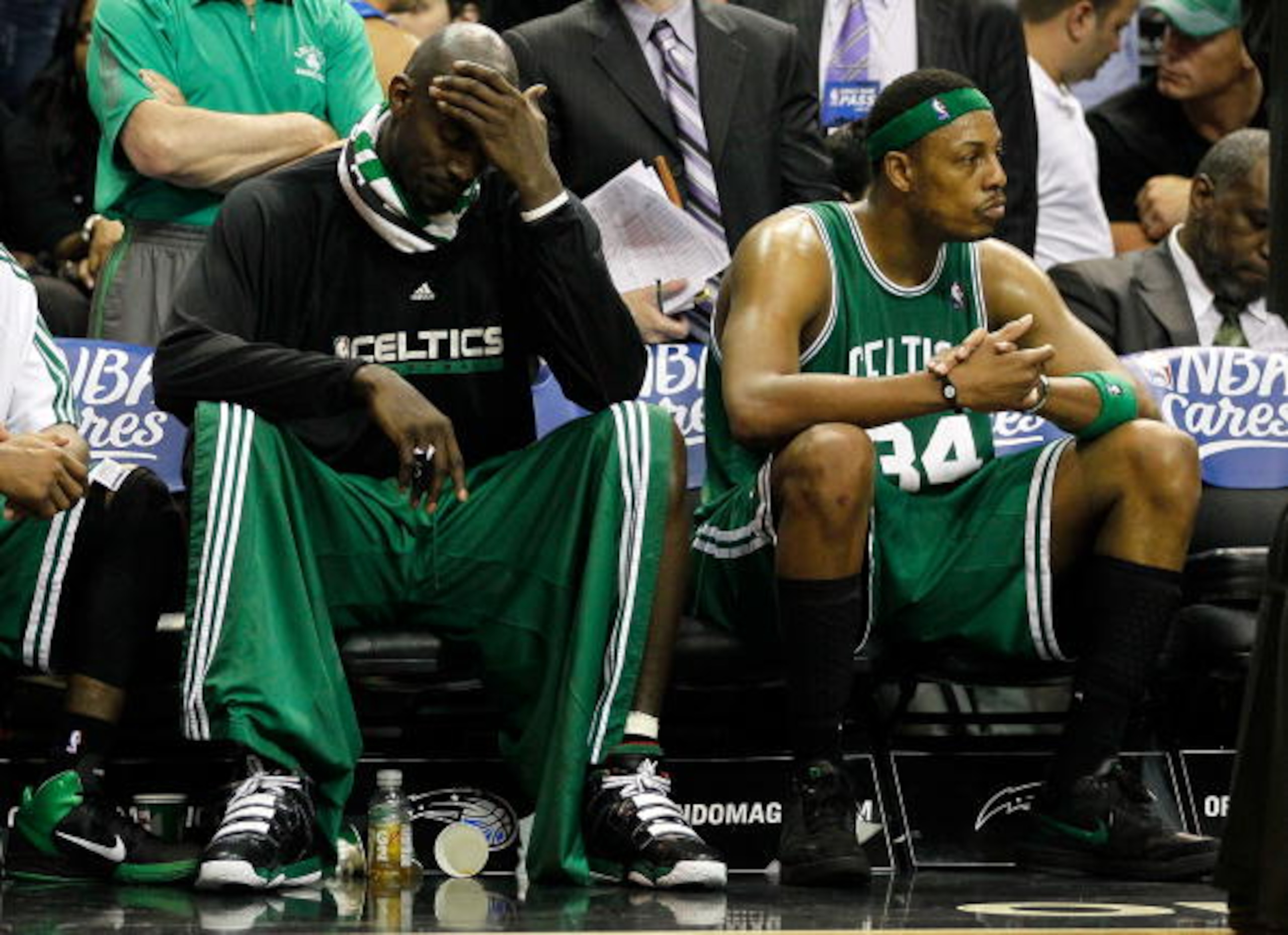
Sometimes a team struggles at the end of the regular season as a result of something completely unrelated to their on-court performance.
In fact, the reason why they rack up a lot of losses down the stretch is because they seek to rest their aging stars before the really important games arrive.
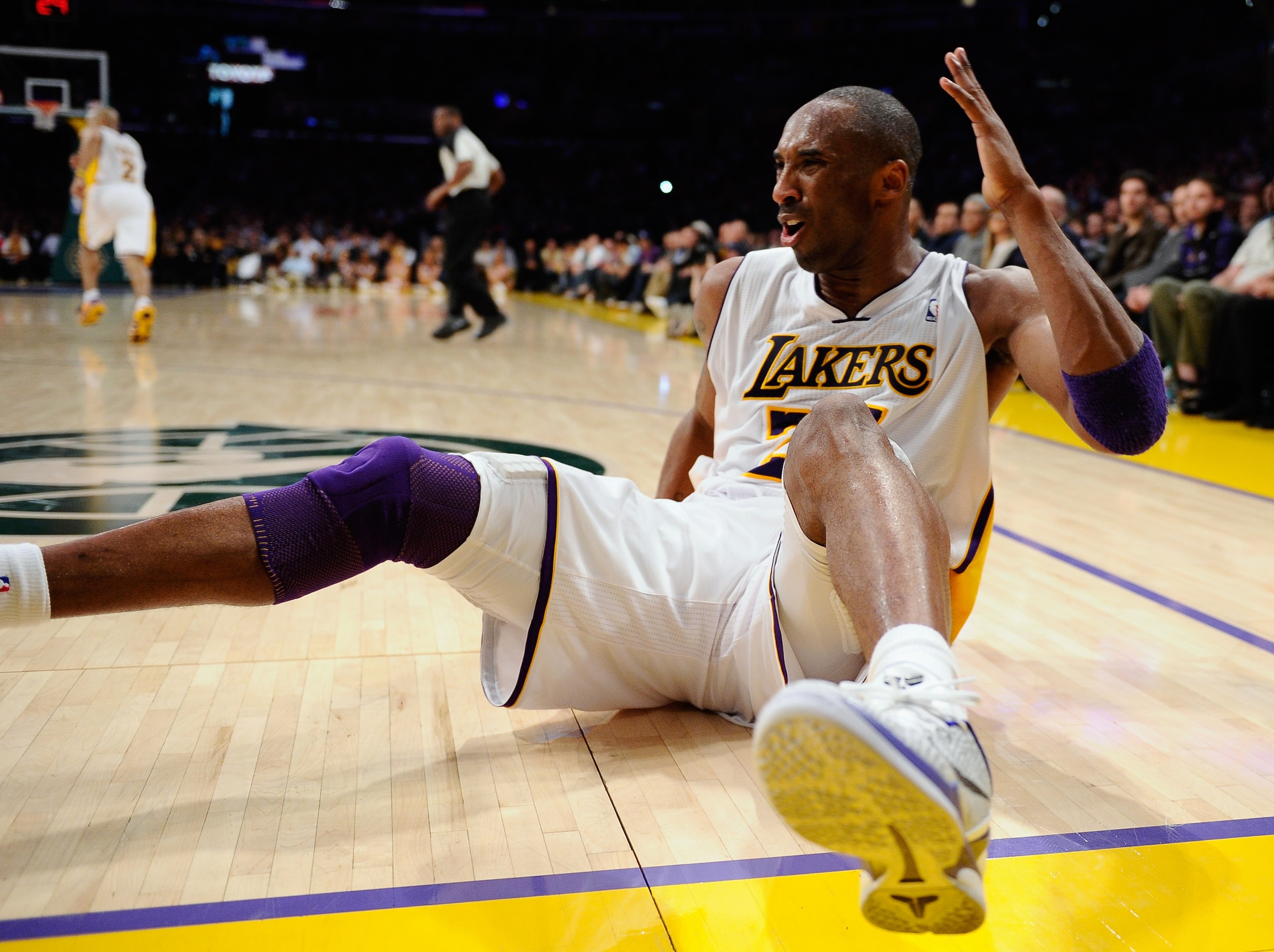
So as a result of this, some of the NBA's best struggling teams, like the Boston Celtics, San Antonio Spurs and Los Angeles Lakers, have given their best players more time on the bench than normal, in an attempt to grant them some rest or allow them time to reach full health.
Consequently, once the playoffs arrive, these stars will log much more playing time, allowing them to raise their teams' levels of production to much higher levels than their late-season form.
Therefore, such late-season struggles mean very little in the big picture.
No. 2: Lots of Games
2 of 5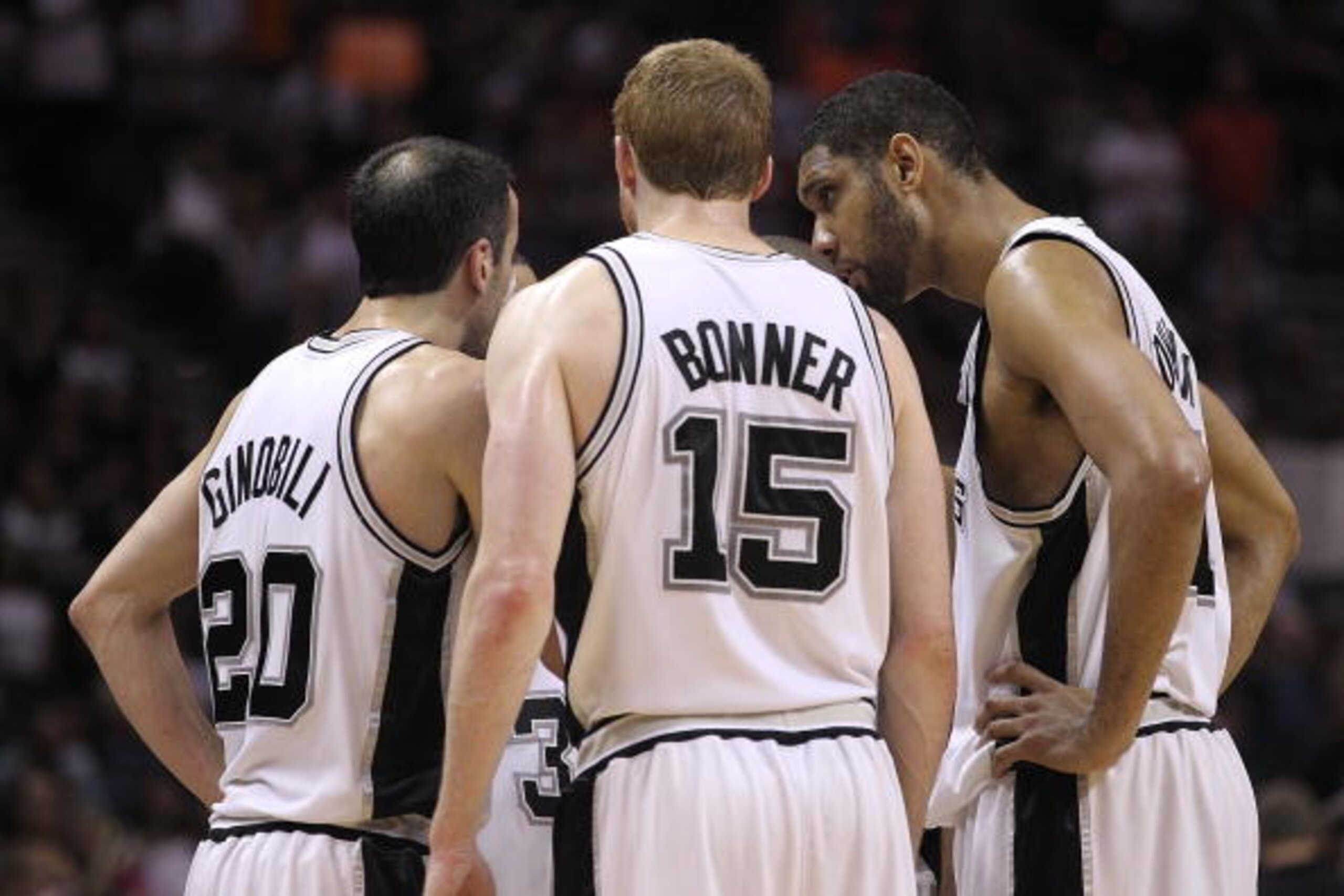
Starting in 2003, the first round of the NBA playoffs returned to a best-of-seven format, matching the length of the rest of the rounds of the postseason.
So with a possibility of playing seven games in the first round, any cold team would have more than enough time to get back on track.
Moreover, there are plenty of games beyond that, as teams could have the opportunity to play a total of 28 games in the playoffs—which amounts to over 34 percent of the entire regular season.
Therefore, there is easily enough time to allow a squad to not only end a losing streak, but to put it all together and get hot when it counts.
And with so many games left to get back on track and get rolling, late-season momentum is relatively insignificant.
No. 3: Playoff Style and Experience
3 of 5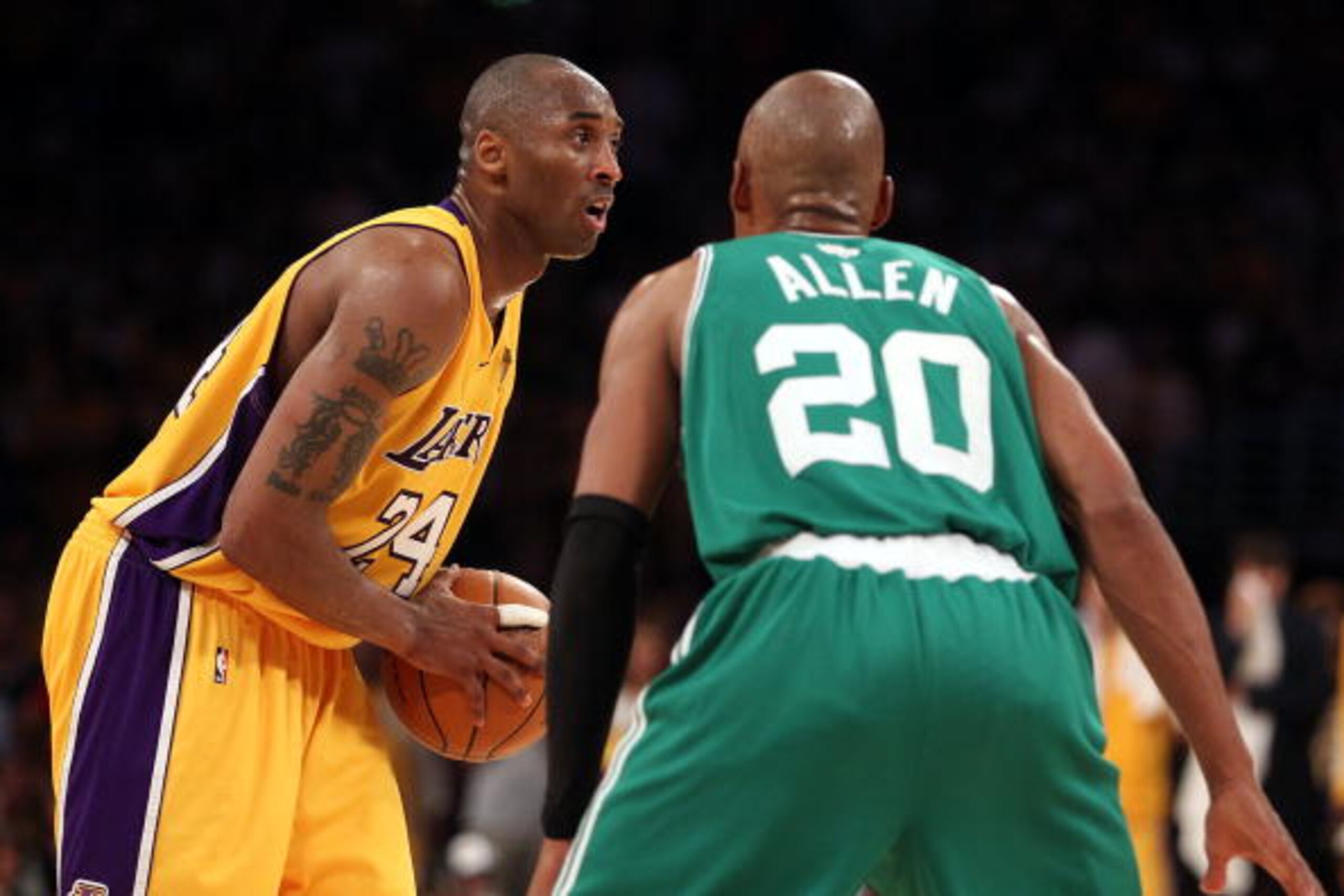
NBA playoff games generally differ in style from their regular season counterparts.
Once the postseason arrives, the pace of the game slows down and more half-court sets are ran.
Additionally, teams begin to focus more on defense and execution, while trying to eliminate unforced errors.
And the best teams in the league know how to play this way.
Therefore, experience is often key when the playoffs arrive.
So no matter how a team plays during the end of the regular season, their ability to perform at a slower, more controlled pace is often much more important.

.jpg?w=2560 "NBA Gambling Charges")

No. 4: Play Up to the Competition
4 of 5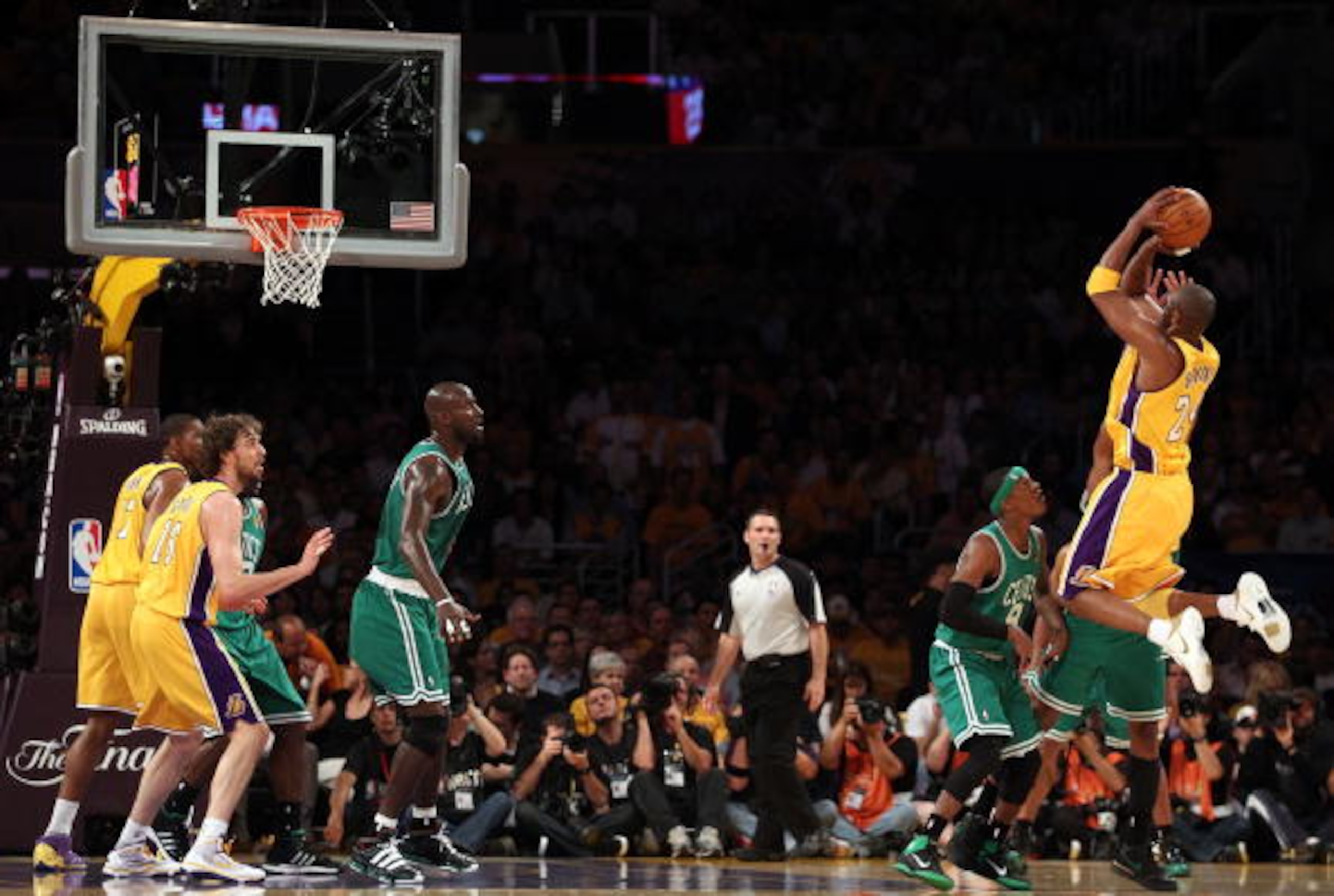
Many of the best struggling teams seem merely content to coast through the end of the regular season.
However, they also know that when the NBA playoffs arrive, it will be win or go home.
Therefore, the top teams and the best players are routinely able to flip the switch and raise their level of play when facing off against talented postseason opponents.
What's more, the stage of the playoffs is much bigger and these types of teams and players often thrive in the spotlight.
And when all of this is taken into account, the unimportance of dropping a few late-season games seems rather apparent.
No. 5: History
5 of 5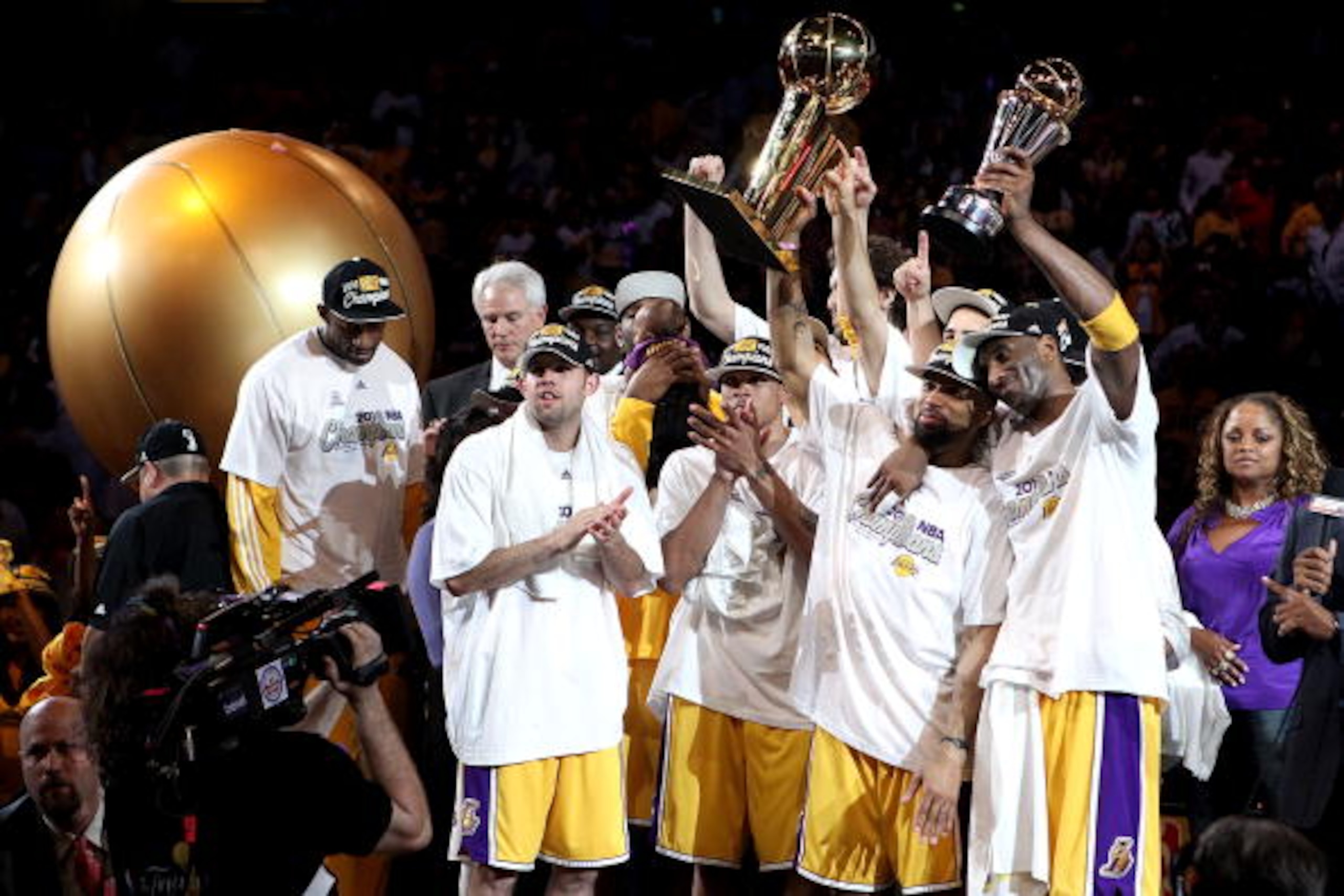
The Los Angeles Lakers won the NBA Finals last season.
Their record over the last nine games of the regular season was 3-6.
Therefore, it is safe to say that they did well in the playoffs, despite entering with little momentum.
What's more, the 2009-10 Lakers' opponent in the NBA Finals was the Boston Celtics.
The Celtics won only three of their final 10 games at the end of the regular season.
So they too experienced a good deal of playoff success without late-season momentum.
But these aren't isolated examples; since the playoff format changed in 2003, there have been three other NBA champions which entered the postseason with substantial cold streaks—namely the 2004-05 San Antonio Spurs (went 1-3), the 2005-06 Miami Heat (went 4-7 with a season-ending three-game skid) and the 2006-07 Spurs (dropped final three games).
So considering that four of the last eight NBA champions have entered the playoffs without momentum, it seems as though teams' late-season performances have been largely overrated.



.png?w=2560 "Week 8 Winners & Losers 📊")




.jpg?w=2560 "Jonathan Taylor Landing Spots")