
2011 NBA Mock Draft: How Does Jared Sullinger Not Declaring Affect Draft?
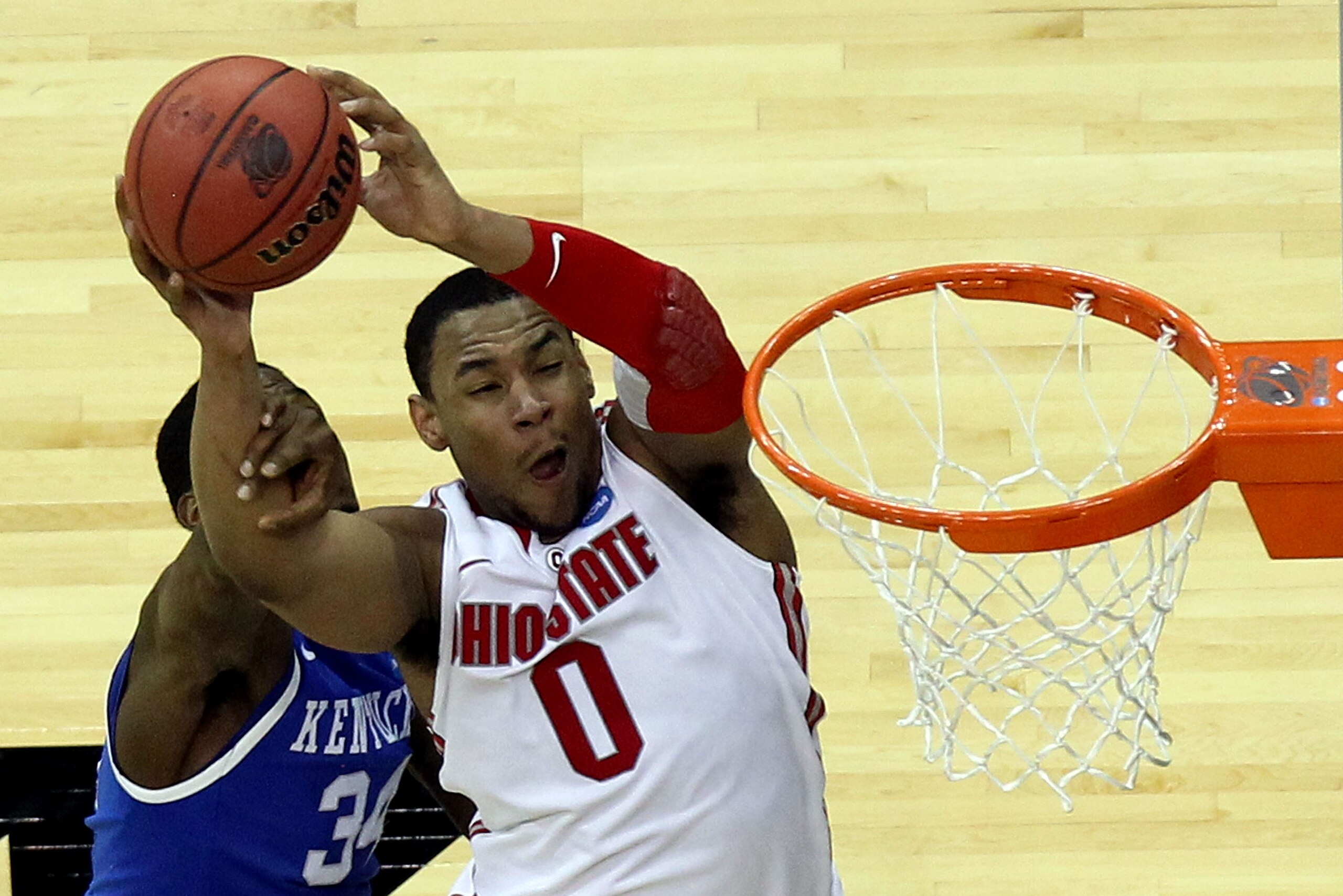
When a player is projected to be a lottery pick, they almost always declare for the NBA Draft. Not only are they forgoing millions of dollars, but there's no guarantee that their draft position will be as high next year. Which makes Ohio State's Jared Sullinger's decision to go back to Ohio State for his sophomore season so unusual.
But since this draft has so many talented forwards at both the 3 and 4 positions, NBA teams won't shed too many tears over Sullinger's decision, especially considering the holes in his game.
He played as a low-post center at Ohio State, but at only 6'9, he won't be able to do that in the NBA. To make the transition to the next level, he'll need to improve his perimeter game as well as sculpt his body to deal with guys like Lamar Odom on the perimeter.
At the same time, many elite prospects are still sitting on the fence as to whether to declare or not. Labor negotiations in the NBA are likely to be contentious and long, and a good percentage of the NBA season may not be played next season.
This could be an incentive for many borderline guys to stay in school one more year and avoid being in limbo, unable to sign with their pro teams or play with their amateur ones.
For now, with the deadline for underclassmen to declare still weeks away and the all-important Combine measurements more than a month away, an accurate mock draft is all but hopeless. Instead, using ESPN Chad Ford's list of whose in and whose out, I'll try to give a rough approximation of how I think the top prospects in the college and Europe stack up against each other.
For more, check out the FanTake Blog: Get Buckets. Follow on Twitter at: GetBucketsFT. Follow on Facebook: Get Buckets
1. Cleveland Cavaliers -- Perry Jones SF/PF, Baylor
1 of 30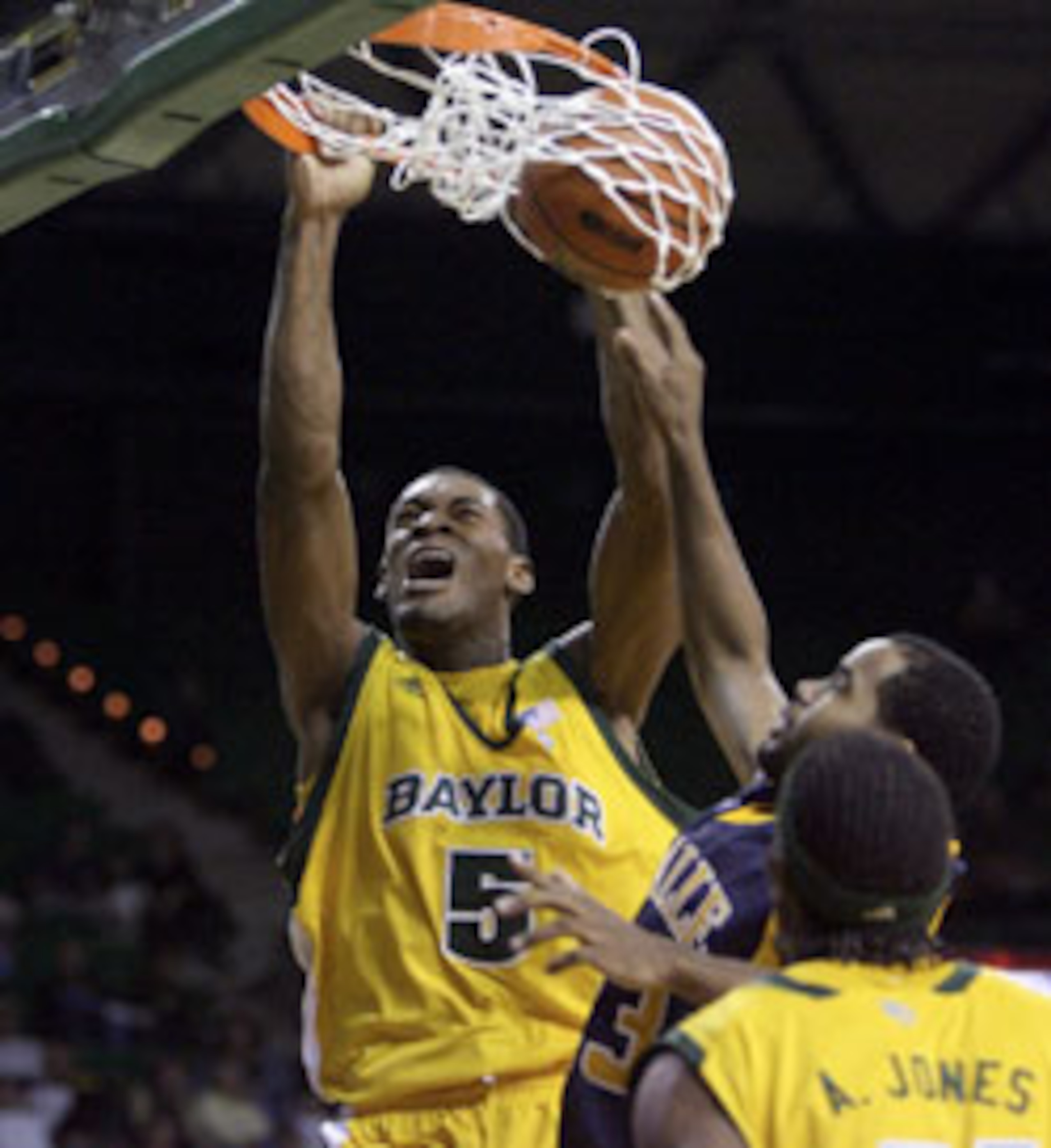
The player: A 6'11 235 forward with the ball-handling ability of a point guard, there has never quite been an NBA prospect like Perry Jones before. He can defend all three front-court positions and create his own shot from the perimeter and with his back to the basket. While his stats at Baylor weren't great (14/7 on 55% shooting), he improved as the year went on despite playing for a rudderless team with awful and selfish guard play.
Best case: Kevin Garnett
Worst case: Andray Blatche
The fit: Cleveland is the least talented team in the NBA; there are no young pieces to build around for the future. This is a rebuilding job that needs to start from the ground up. As a result, they should take the most talented player in the Draft, knowing that it will be two or three years before they can compete for even a playoff spot anyway.
2. Minnesota Timberwolves -- Jonas Valanciunas PF/C, Lithuania
2 of 30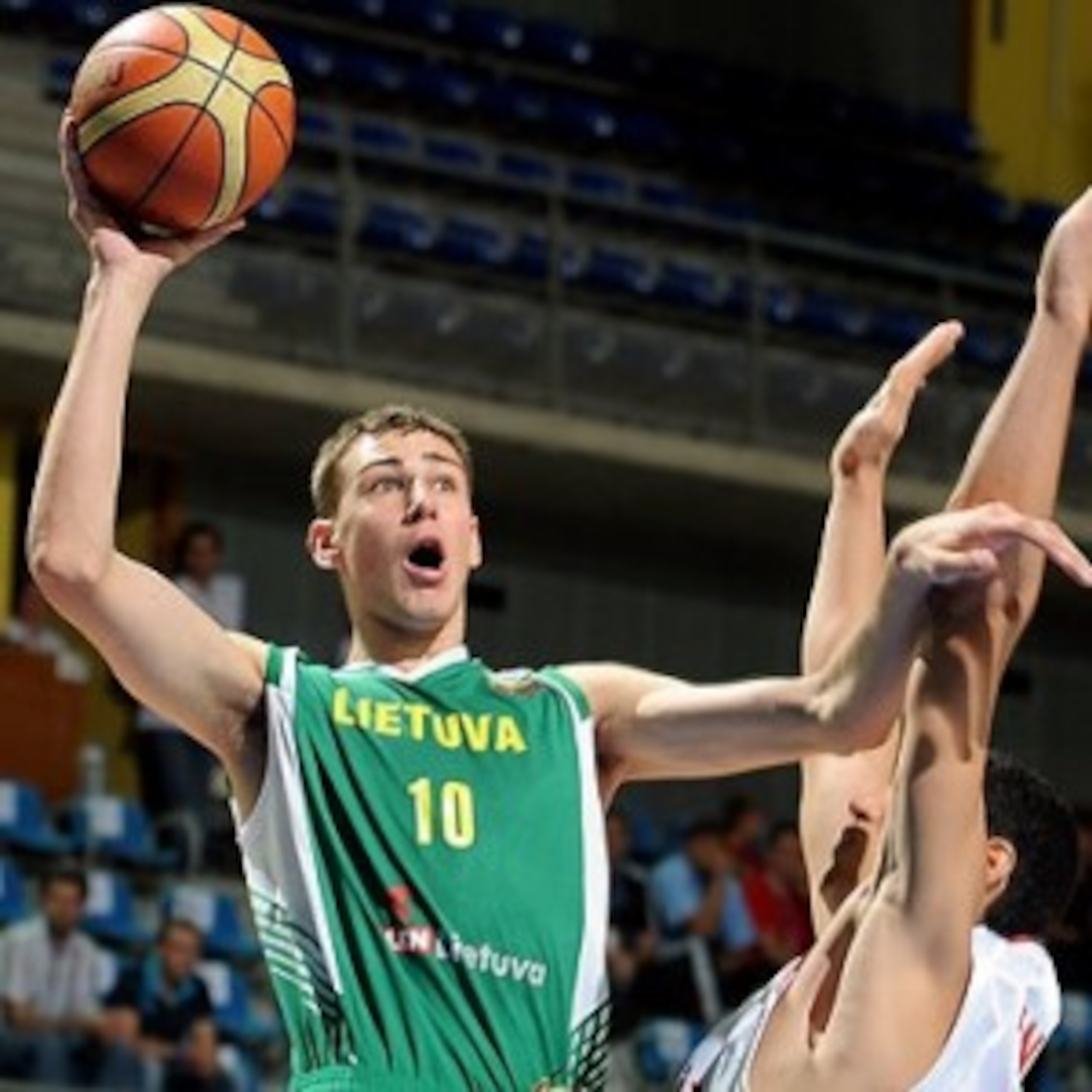
The player: An athletic 6'11 240 center out of Lithuania, Valanciunas has more than held his own playing against grown men in the Euroleague, the second best basketball league in the world. He has the size and athleticism to be a difference maker defensively in an NBA front-court, at only 18 years old he is one of the top players in per-40 minute numbers in scoring (21.4), rebounding (13.4) and blocked shots (1.8).
For a more in-depth scouring report, check out Draft Express, the pre-eminent source on international prospects.
The fit: Minnesota has one of the best young forward tandems in the NBA in Kevin Love and Mike Beasley. But neither has the size or athleticism to be a good defender, and Valanciunas represents a chance to get a player who can defend low-post centers, combo forwards and block shots from the penetration the young Timberwolves allow.
3. Washington Wizards -- Derrick Williams SF/PF, Arizona
3 of 30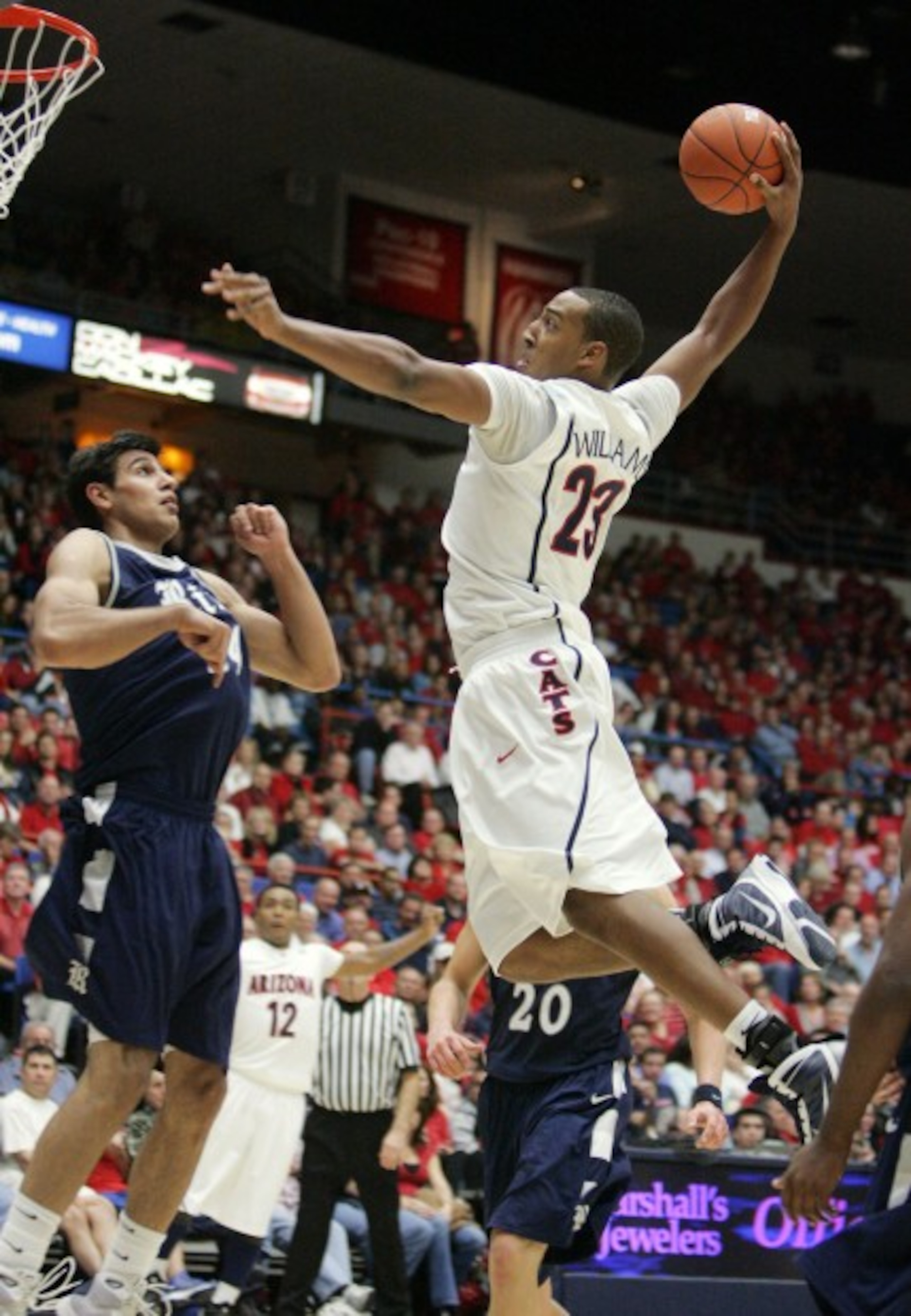
The player: The best finisher in college basketball, Williams can explode at the room as well as shoot all the way out to the three-point line (shooting 57% for the year). He scored nearly 20 points a game at Arizona, despite not having many plays run for him, and ended up shooting a phenomenal 60% from the floor.
Best case: A bigger Shawn Marion.
Worst case: Marvin Williams
The fit: The biggest hole in Williams' game, an inability to create his own shot off the dribble, would be hidden playing next to John Wall in Washington. Defensively, Javale McGee's length and athleticism at the 5 would allow Williams to play as a power forward in the NBA, where his athleticism would be most useful.
.jpg?w=2560 "NBA Gambling Charges")

4. Toronto Raptors -- Kyrie Irving PG, Duke
4 of 30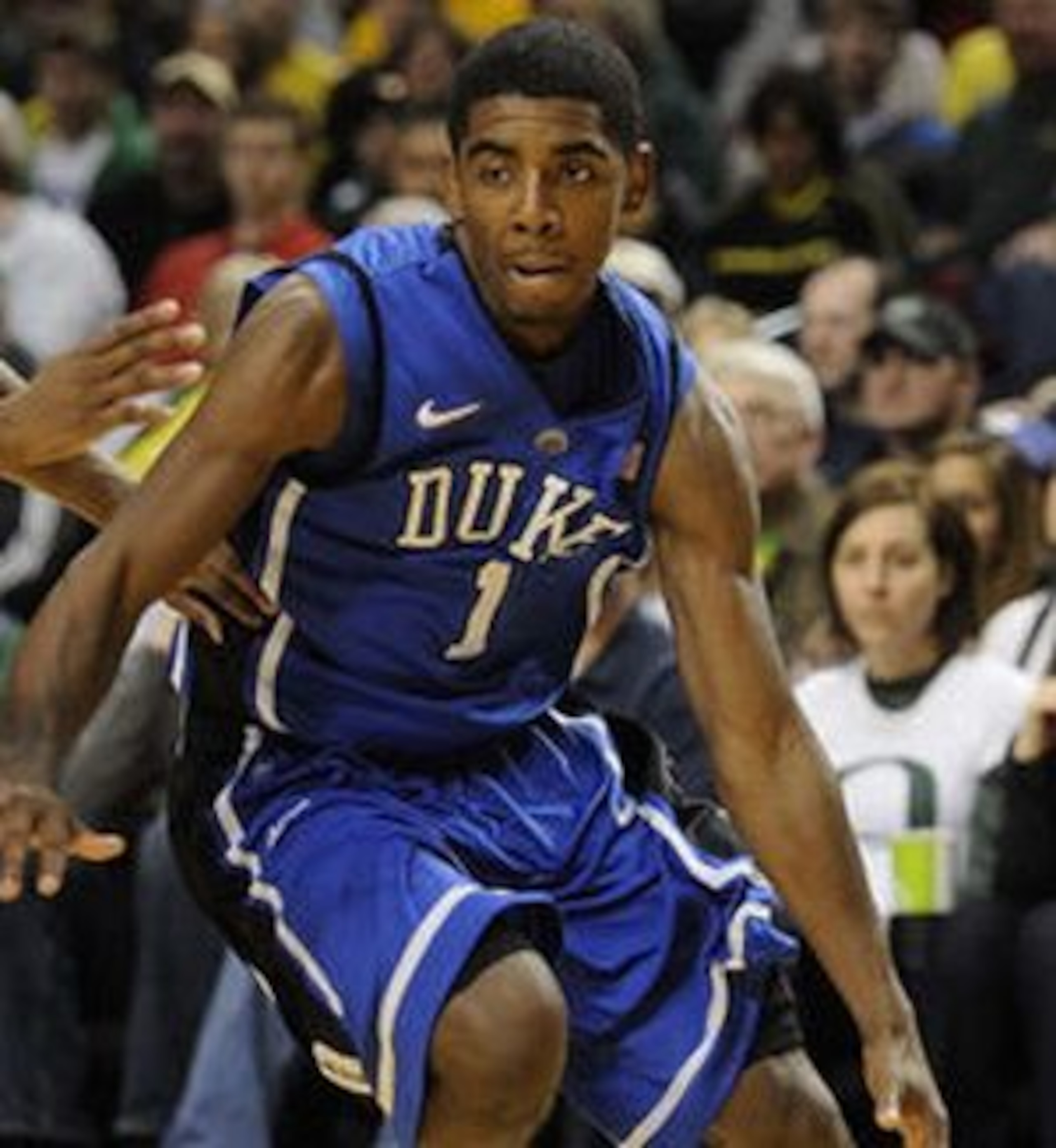
The player: One of the most unstoppable players in college basketball, Irving is a true five-tool point guard, with the ability to create his own shot, defend on the perimeter, shoot from the outside, pass and rebound. In only eight regular season games at Duke before injuring his foot, Irving dominated the competition, averaging 17/3/5 on 53% shooting.
Best case: Chris Paul
Worst case: Ray Felton
The fit: The Raptors are a team of finishers with shooters on the perimeter and athletes in the front-court, but they have no true #1 option offensively. Irving would fill that void immediately, playing with the ball in his hands and igniting the type of fast-tempo team Raptors GM Bryan Colangelo (who got his start in Phoenix) has been trying to re-create north of the border.
5. Sacramento Kings -- Jan Vesely SF/PF, Lithuania
5 of 30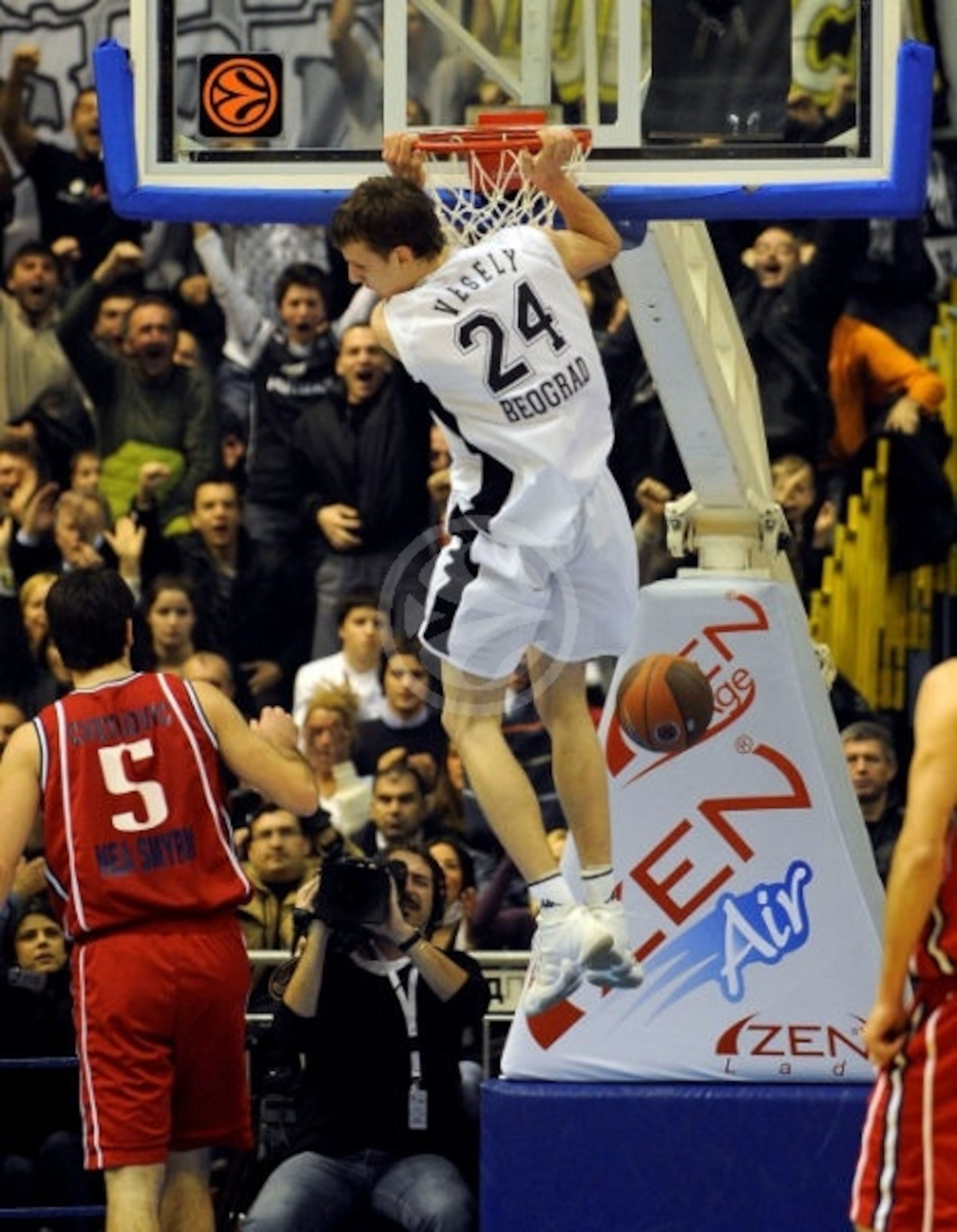
The player: An extremely athletic 6'11 240 forward, Vesely is one of the best finishers in the Euroleague and has the foot-speed and strength to be able to defend multiple front-court positions in the NBA.
For a more in-depth scouting report, check out Draft Express.
The fit: Vesely's ability to impact the game without having the ball in his hands would be huge playing next to DeMarcus Cousins, Tyreke Evans and Marcus Thornton, three of the biggest gunners in the NBA. He would be a great complement to the front-court rotation of Jason Thompson and Cousins, and could slide to the small forward position on occasion, giving the Kings' one of the biggest front-lines in the league.
6. Utah Jazz (from New Jersey) -- Terrence Jones SF/PF, Kentucky
6 of 30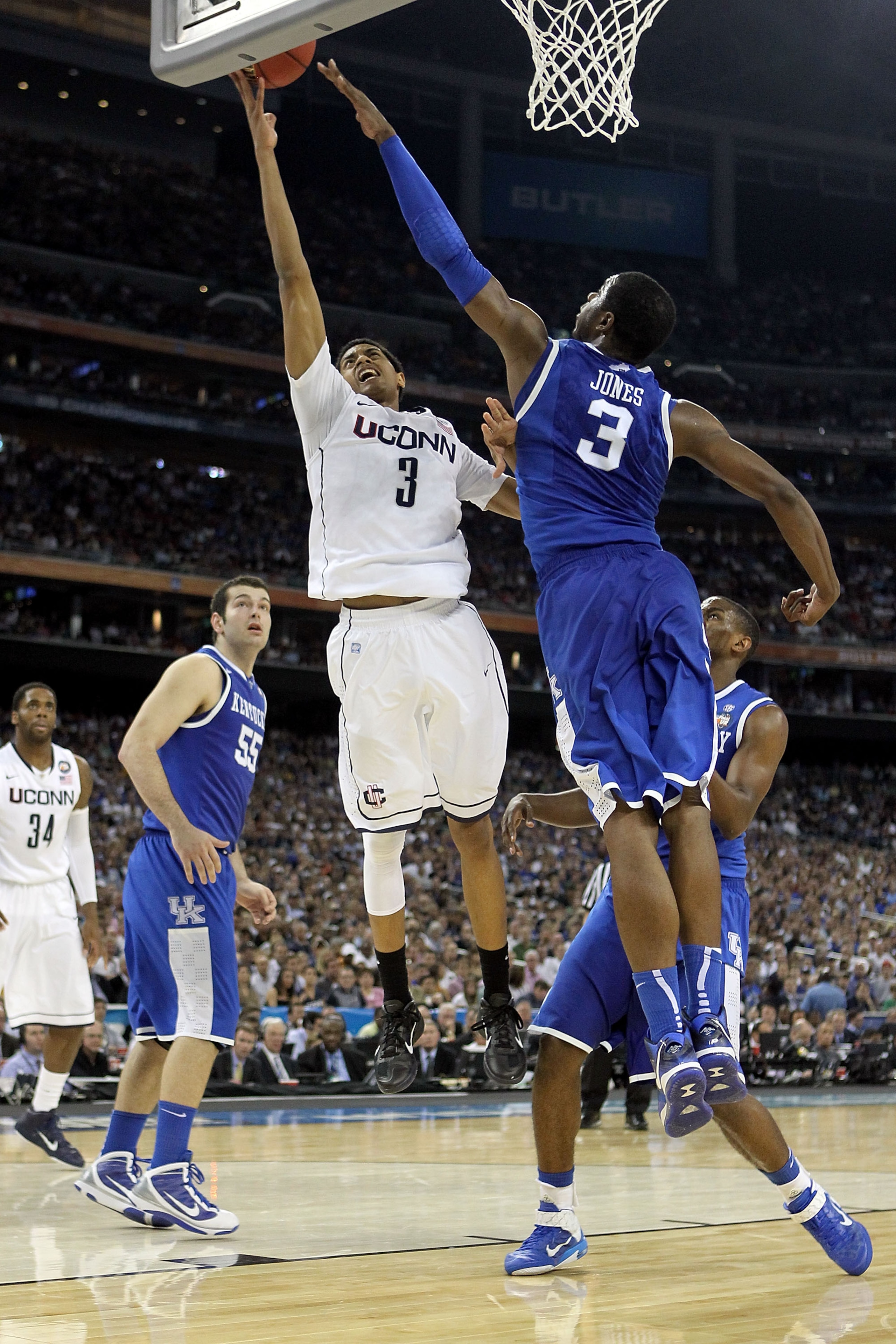
The player: An intriguing forward with a great combination of size, athletic ability and skill, Jones has struggled at times at Kentucky but has shown more than a few flashes of greatness as well. He can put the ball on the floor and get right to the rim offensively. On the defensive side of the ball, he has the chance to be an excellent weak-side shot-blocker and rebounder while still being able to defend both forward positions.
Best case: Gerald Wallace
Worst case: Thaddeus Young
The fit: A team full of un-athletic shooters who play undersized front-court players Al Jefferson and Paul Millsap significant minutes, Utah desperately needs a guy who can drive the ball to the rim and defend multiple positions like Jones.
7. Detroit Pistons -- Enes Kanter C, Turkey
7 of 30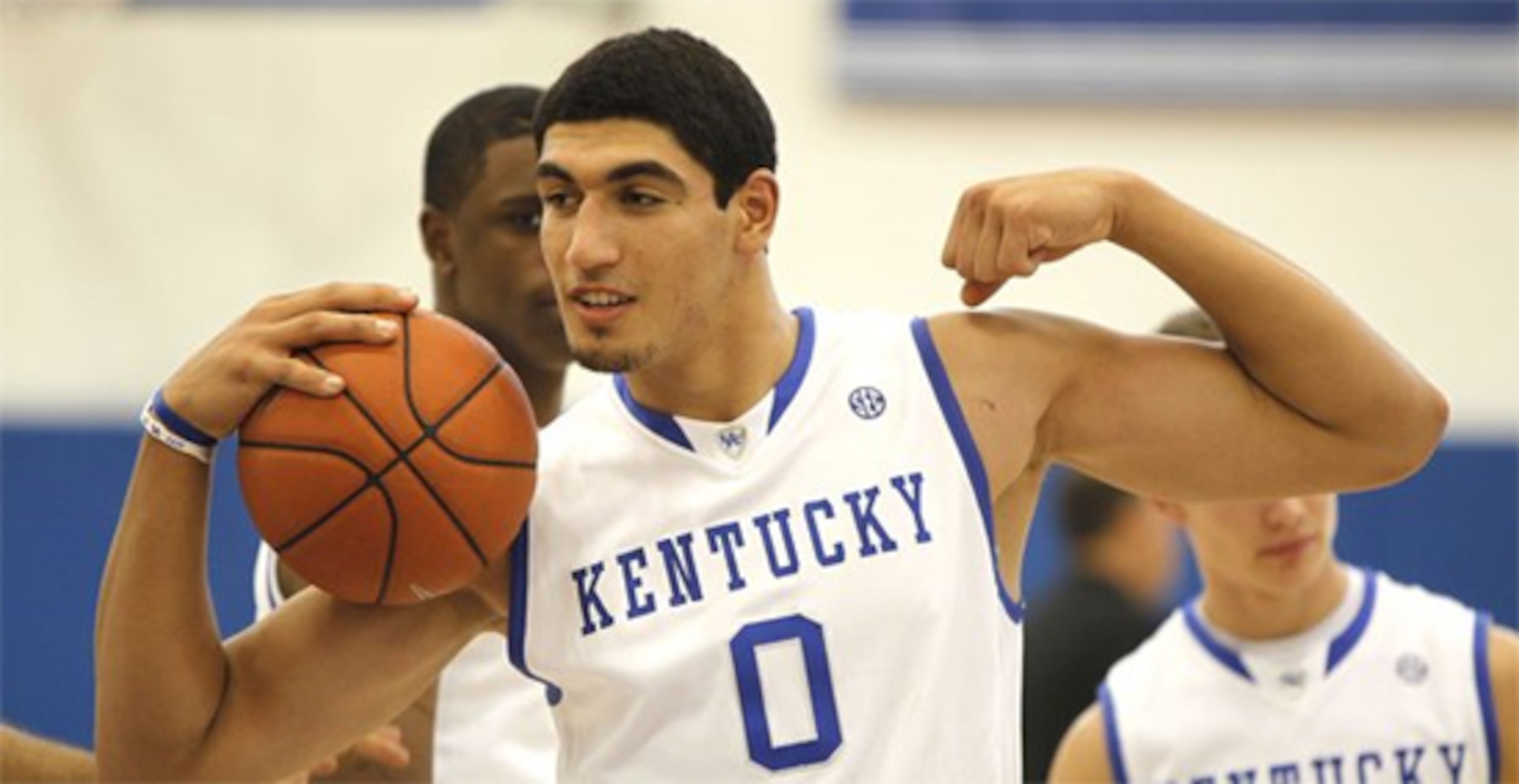
The player: Despite missing the entire NCAA season because of amateurism violations, Kanter is still one of the most coveted prospects in the Draft. A 6'10 250 center with the ability to score with his back to the basket, he is one of the rare number of true centers available.
For a more in-depth scouting report, check out Draft Express, the pre-eminent source for information on international prospects.
The fit: The Pistons' future depends on building around Greg Monroe, a skilled 6'11 power forward with the ability to play in the low and high post. Pairing him with Kanter would give the Pistons one of the biggest and most skilled front-lines in the NBA, a proven recipe for success.
8. Cleveland Cavaliers (from LA Clippers) -- Tyler Zeller C, UNC
8 of 30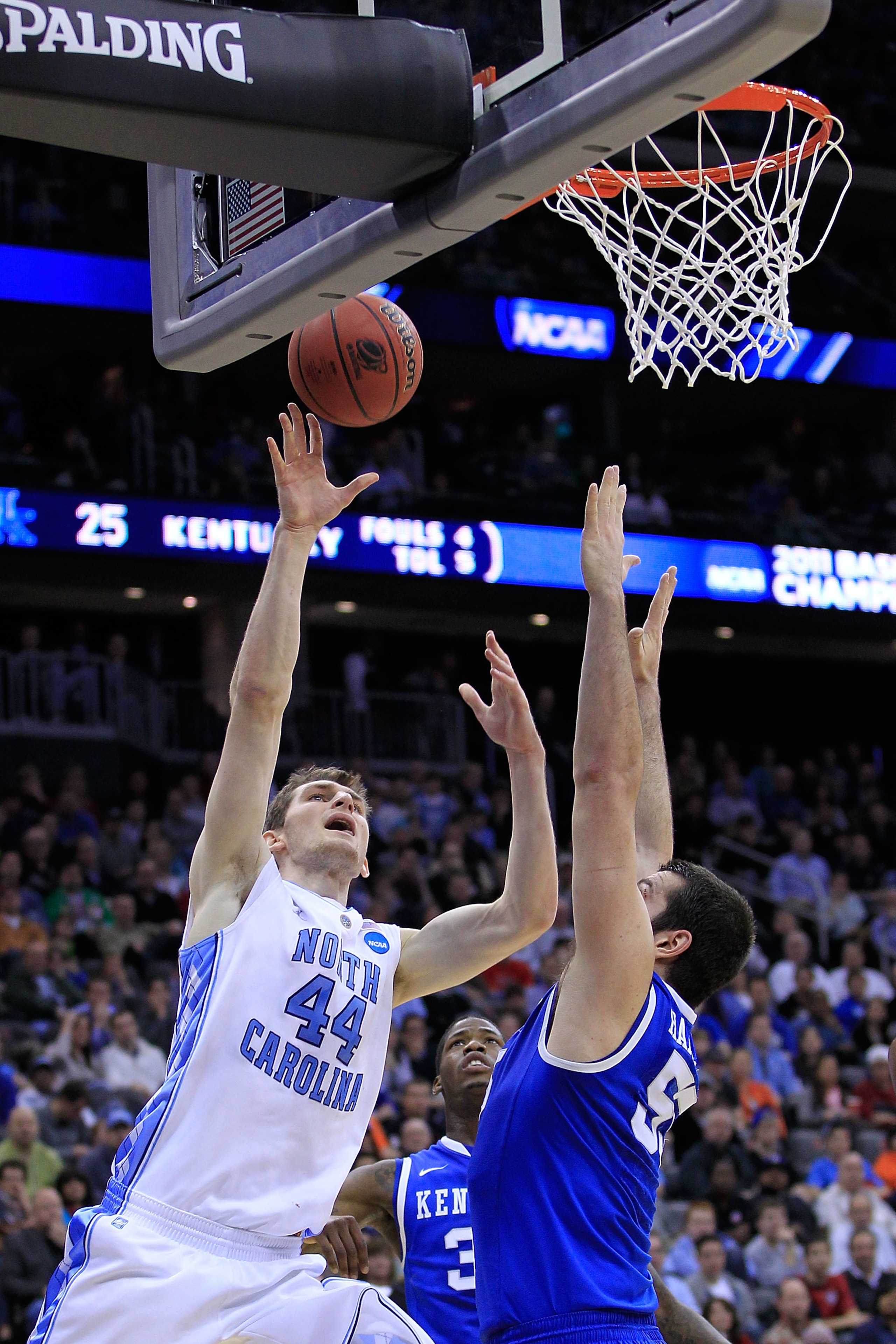
The player: One of the most skilled seven-footers in the Draft, you can count on two hands the number of centers who can score like Zeller can in the NBA. With an accurate jumper out to 15-20 feet, and a great jump hook with both hands, he'll be an instant offensive threat on the next level.
Best case: Andrew Bogut
Worst case: Spencer Hawes
The fit: Pairing him with Jones, one of the most athletic big man in the Draft, would minimize his weaknesses defensively and give Cleveland a promising pair of skilled young seven footers to build around for the future.
9. Milwaukee Bucks -- Donatas Motiejunas PF/C, Lithuania
9 of 30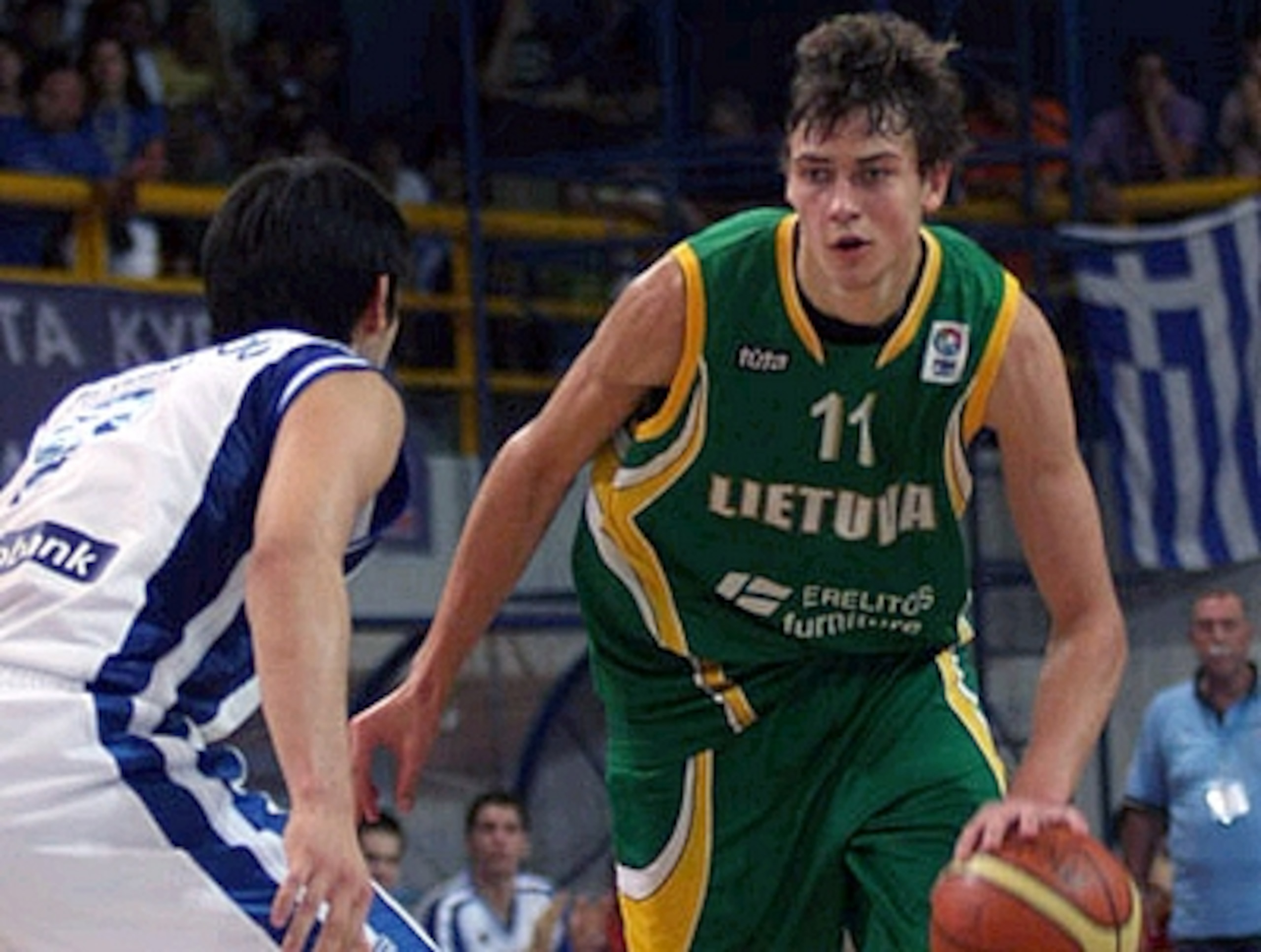
The player: A sweet-shooting seven-footer with the ability to stroke from the outside (41% from 3) and put the ball on the floor, Motiejunas is an instant offensive-threat whenever he steps on the court.
For a more in-depth scouting report, check out Draft Express, the pre-eminent source on international prospects.
The fit: Questions about his defensive intensity and toughness have been raised since he first emerged as a prospect on the international circuit, but he could be effectively hidden on Milwaukee, one of the best defensive teams in the NBA. And the Bucks desperately need his ability to space the floor and score from the perimeter, as they have the worst offensive rating in the NBA.
10. Golden State Warriors -- Chris Singleton SF/PF, Florida State
10 of 30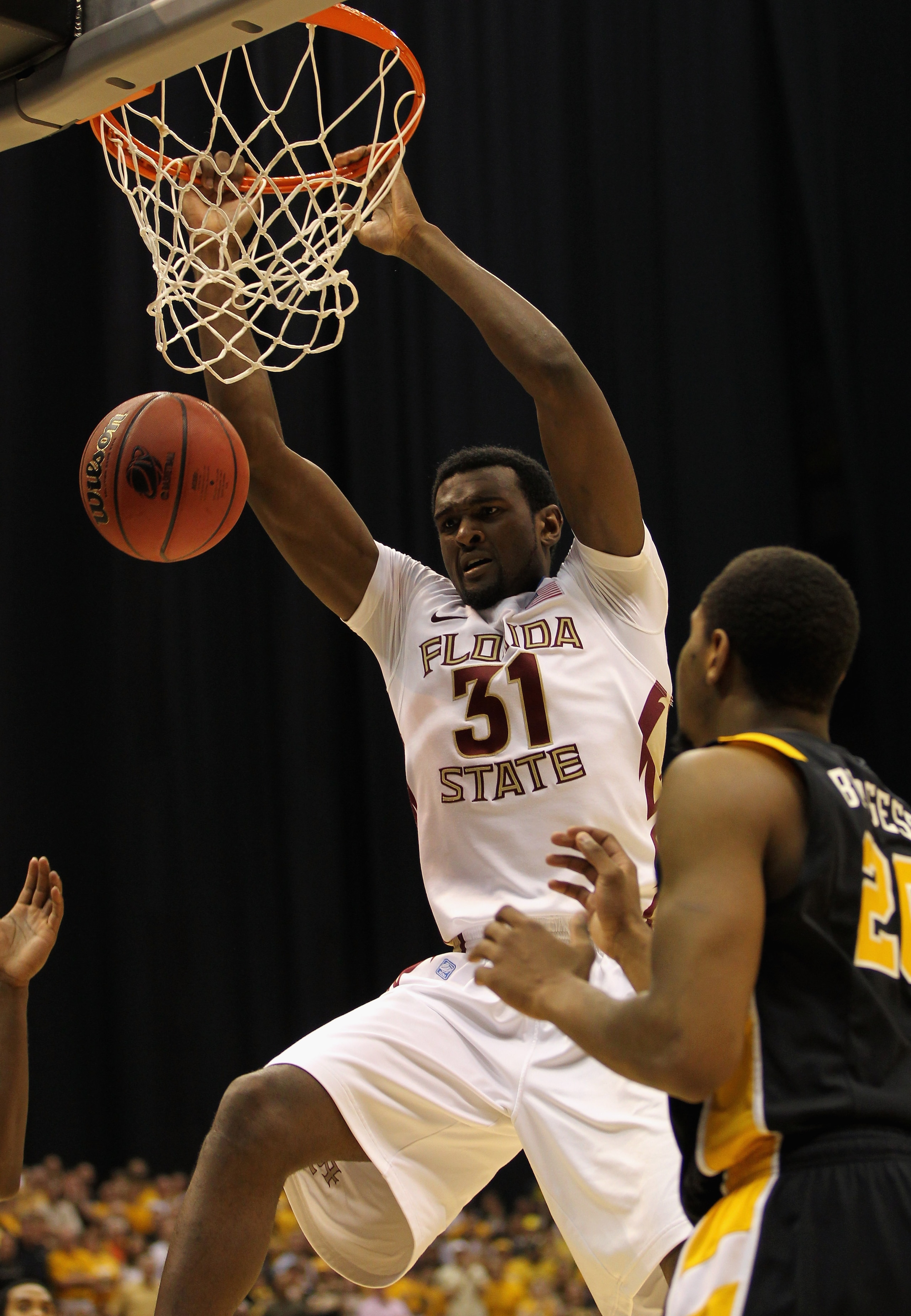
The player: One of the best defenders in college basketball, Singleton was the lynch-pin for Florida State's suffocating defense. A phenomenal athlete at 6'9 225, he has the strength to defend the low post and the foot-speed to defend the perimeter; he averaged 2 steals and 1.5 blocks a game. He's not a terribly dynamic offensive player, but his ability to shoot from long-range (37% from 3) will keep him from being an offensive liability.
Best case: Shawne Williams
Worst case: Luc Richard Mbah A Moute
The fit: Exactly the type of defensive-minded role player Golden State needs, Singleton would make up for a lot of the defensive mistakes the trio of Ellis, Curry and Lee make, while his long-range shooting would space the floor for them on the offensive end.
Charlotte Bobcats -- John Henson PF, UNC
11 of 30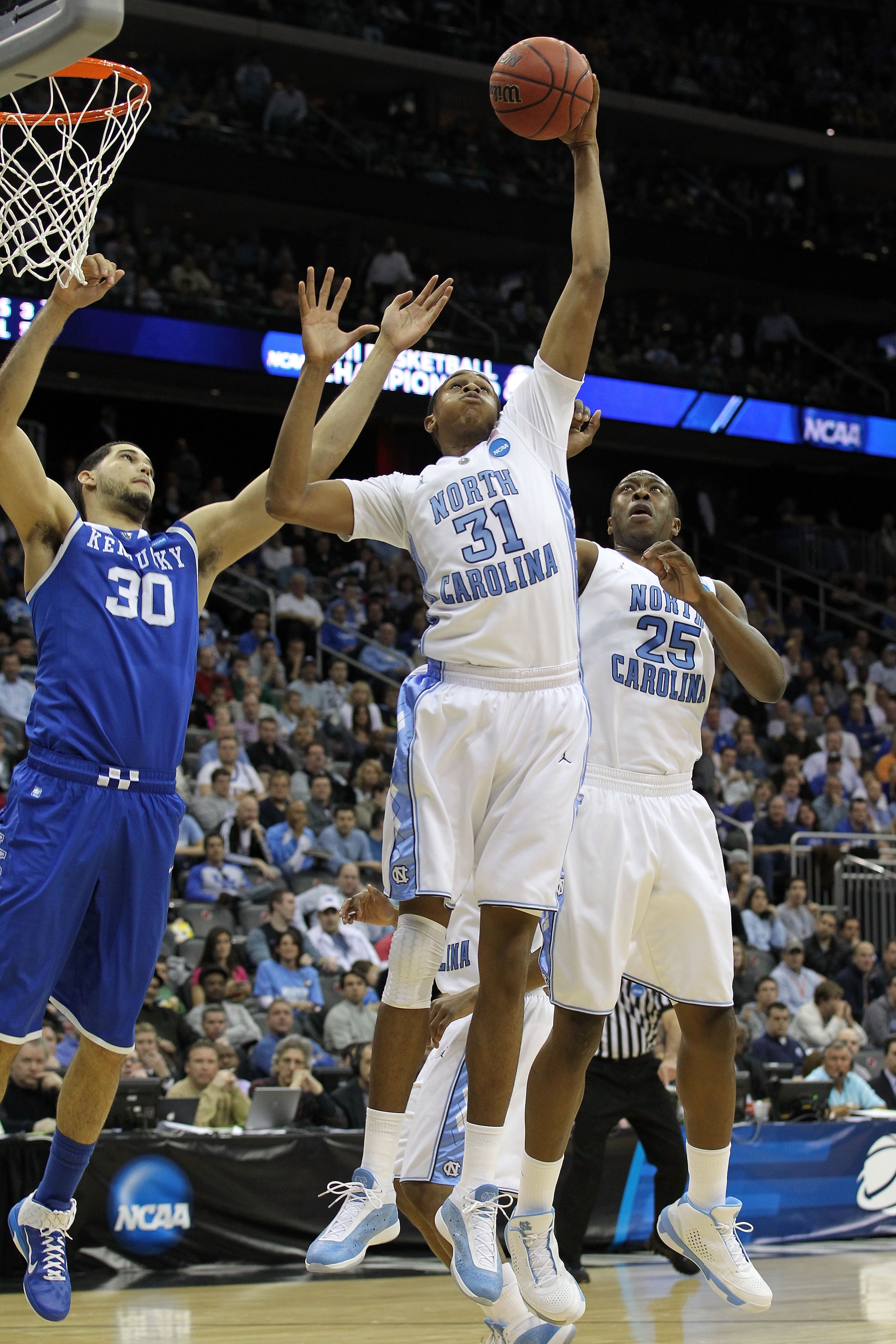
The player: One of the best defensive prospects in the Draft, Henson, at 6'10 with a preposterous 7'4 wingspan, dominated the backboards for UNC and shut down several big-time prospects in one-on-one match-ups. His offensive game is still a work in progress, but he has the skill level to score in the paint once he puts on more weight.
Best case: Andrei Kirilenko
Worst case: Anthony Randolph
The fit: Charlotte is one of the most hopeless situations in the NBA, still too talented to get a high draft pick despite dumping Gerald Wallace for pennies on the dollar but not nearly talented enough to be any kind of playoff threat. They need to get worse before they can get better, and drafting a high-upside big man is a good gamble for them at the #11 spot.
Utah Jazz -- Alec Burks SG, Colorado
12 of 30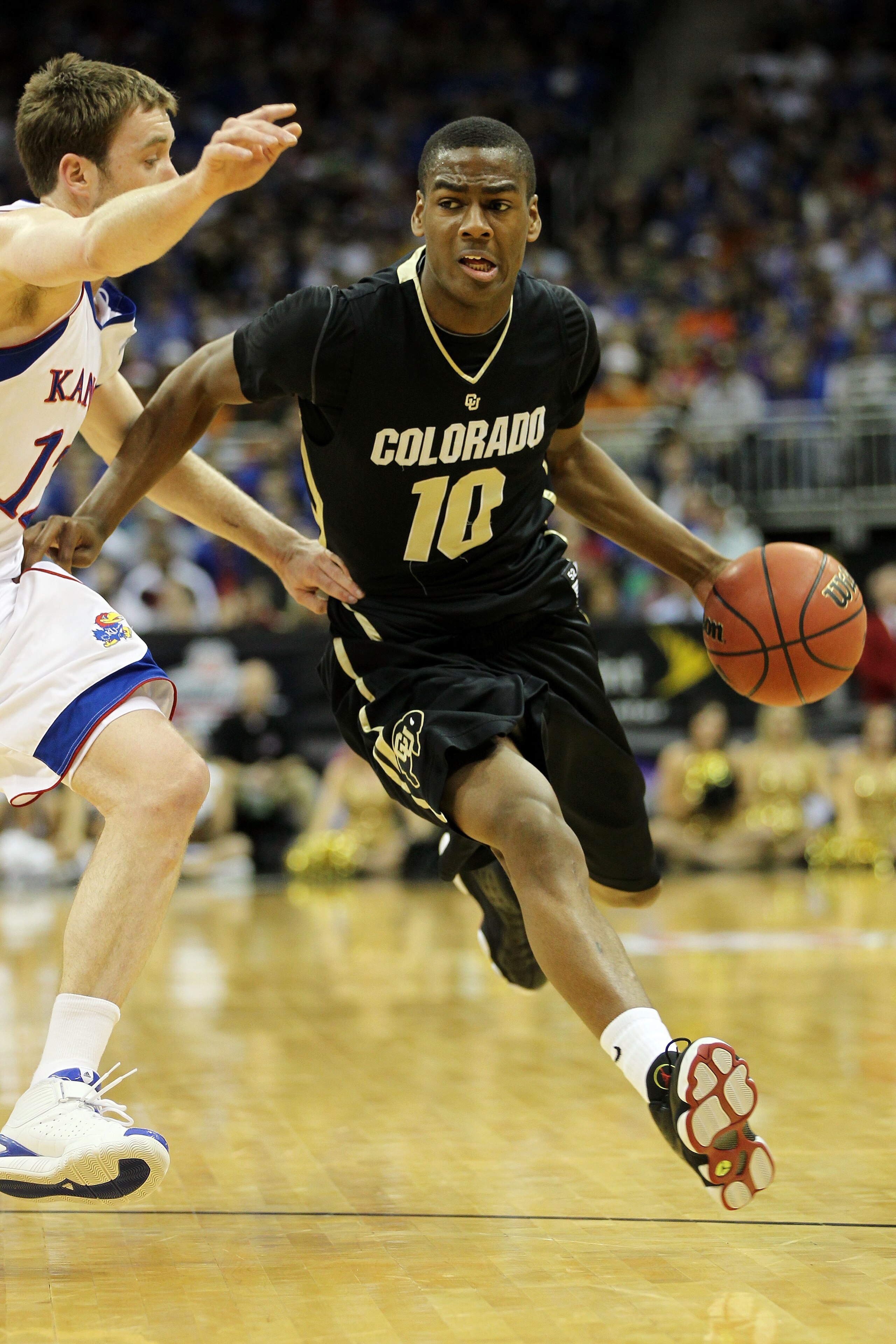
The player: Burks, one of the best shot-creators in college basketball and the best pure shooting guard in the Draft, carried a mediocre Colorado team to the brink of the NCAA bubble this year, averaging
Best case: Jamal Crawford
Worst case: Rodney Stuckey
The fit: If they draft Terrence Jones #6, the Jazz would have a bunch of young front-court prospects (Derrick Favors, Jones, Gordon Hayward) to pair with the still young Devin Harris at point. Burks, with his ability to get buckets and defend multiple back-court positions, could give them a young shooting guard to fill out their long-term starting line-up.
Phoenix Suns -- Nikola Mirotic SF/PF, Spain
13 of 30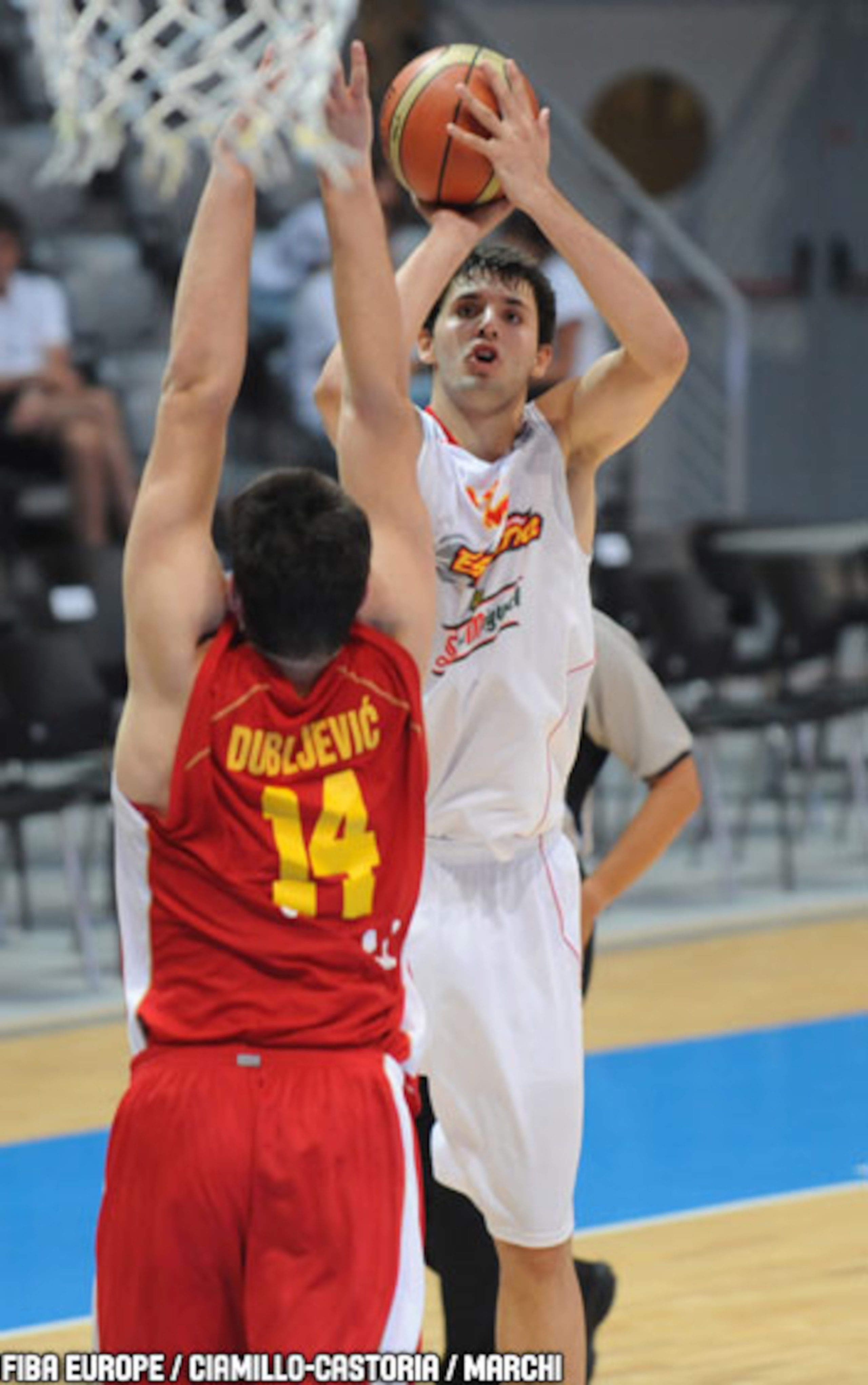
The player: Despite starting the year out on the bench, Mirotic has become the best player on Real Madrid, one of the top teams in the Euroleague, despite being only 20 years old. An athletic 6'10 210 with a 7'1 wingspan, Mirotic was one of the PER leaders in the Euroleague, due to his ability to score efficiently (56% from 2, 46% from 3), rebound the ball (9.4 boards per-40 minutes) and make plays defensively (1.4 blocks and 1.6 steals per-40 minutes.
For a more in-depth scouting report, check out Draft Express, the pre-eminent source for international prospects.
The fit: Until they decide what they want to do with Steve Nash, the Suns are a franchise in limbo, too good to be a high lottery team but not good enough to make the playoffs. If they do trade Nash the entire composition of their roster will look much different, so for now, they're better off taking the best available player, even if he stays in Europe for the time being.
Houston Rockets -- Kemba Walker PG/SG, UConn
14 of 30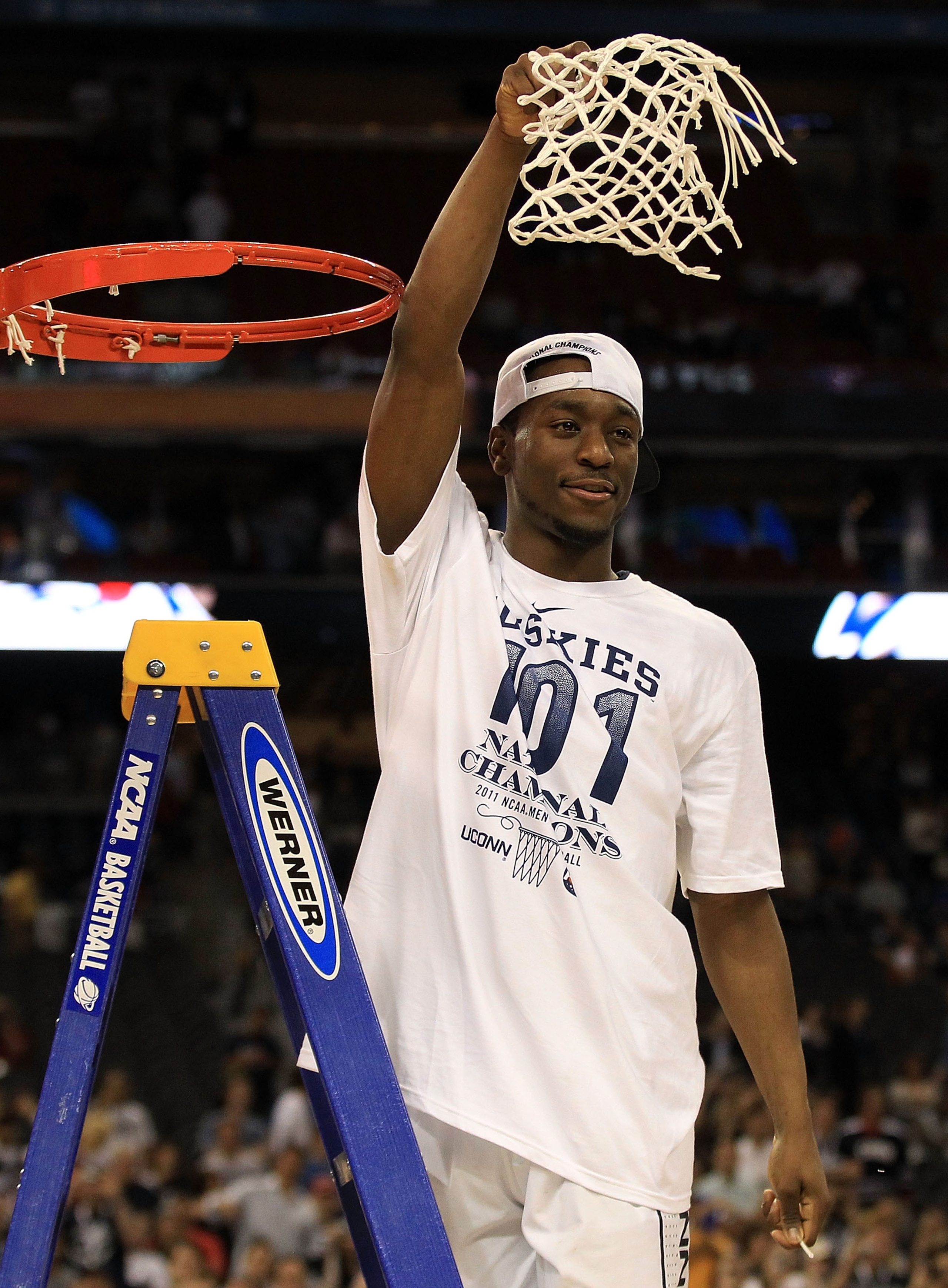
The player: One of the most indefensible players in the country, Walker just led an extremely young UConn team to a national title. His combination of blazing speed, a great handle and a smooth outside shot allow him to get a shot off at will, and his step-back jumper won more than a few games for UConn at the buzzer in his time at Storrs.
Best case: Jason Terry
Worst case: Jonny Flynn
The fit: Like the teams drafting immediately in front of them, Houston is in an unenviable position at the end of the lottery. To get out of the "mediocrity treadmill" they need to make some bold moves, and taking one of the most explosive players in the Draft who can instantly come in and win games for them qualifies.
Indiana Pacers -- Brandon Knight PG/SG, Kentucky
15 of 30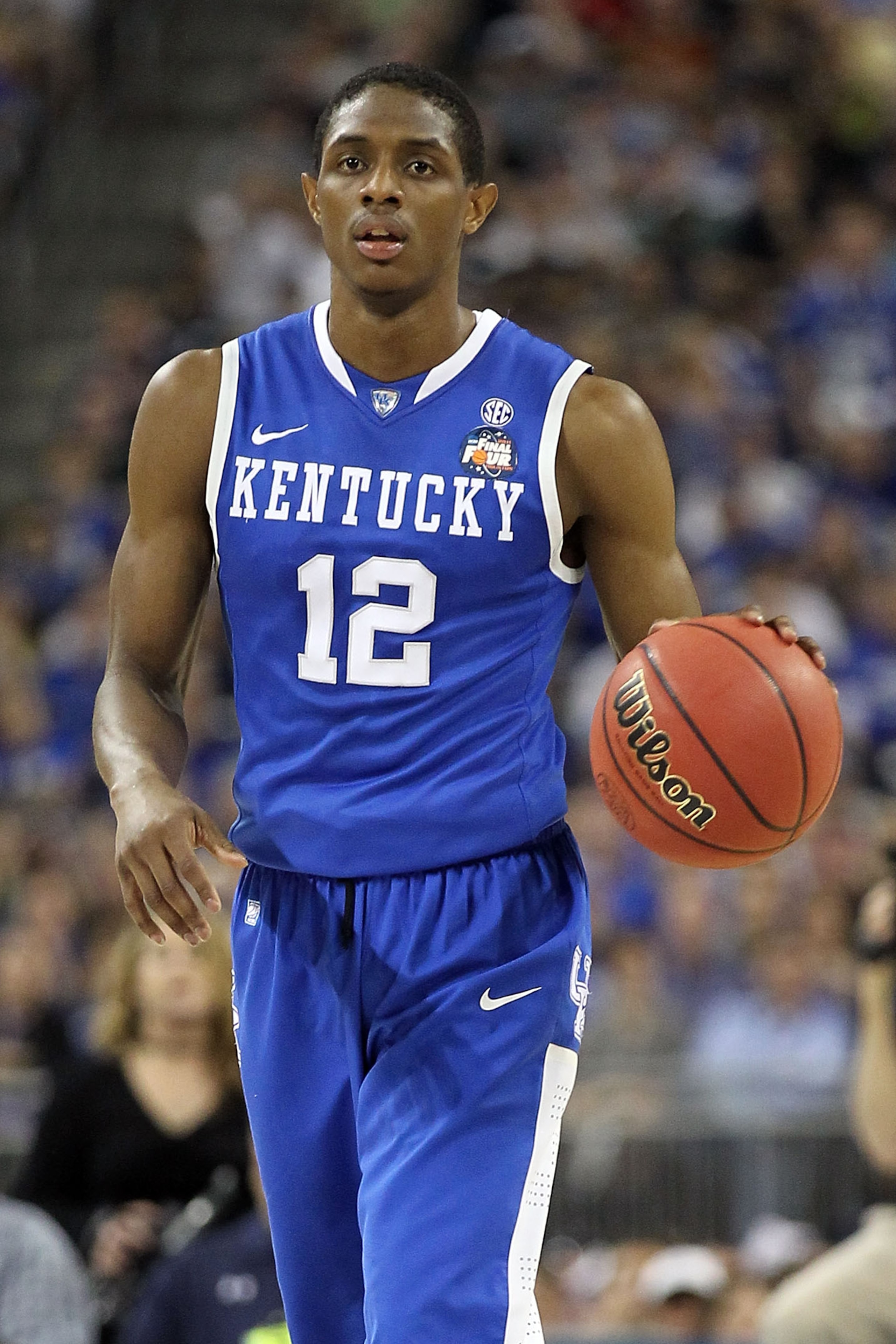
The player: The latest in an increasingly long-line of one-and-done guards for John Calipari, Knight is more in the mode of Tyreke Evans than Derrick Rose or John Wall. He's a pure scorer, who can shoot from outside, pull up for a mid-range jumper or take the ball all the way to the hole.
Best case: Leandro Barbosa
Worst case: George Hill
The fit: At 6'3 180 with a good-sized wingspan, Knight has the size to play the shooting guard position next to Darren Collison, and he would make Indiana a significantly more dangerous team on the offensive end of the floor.
New York Knicks -- Jeremy Lamb SG, UConn
16 of 30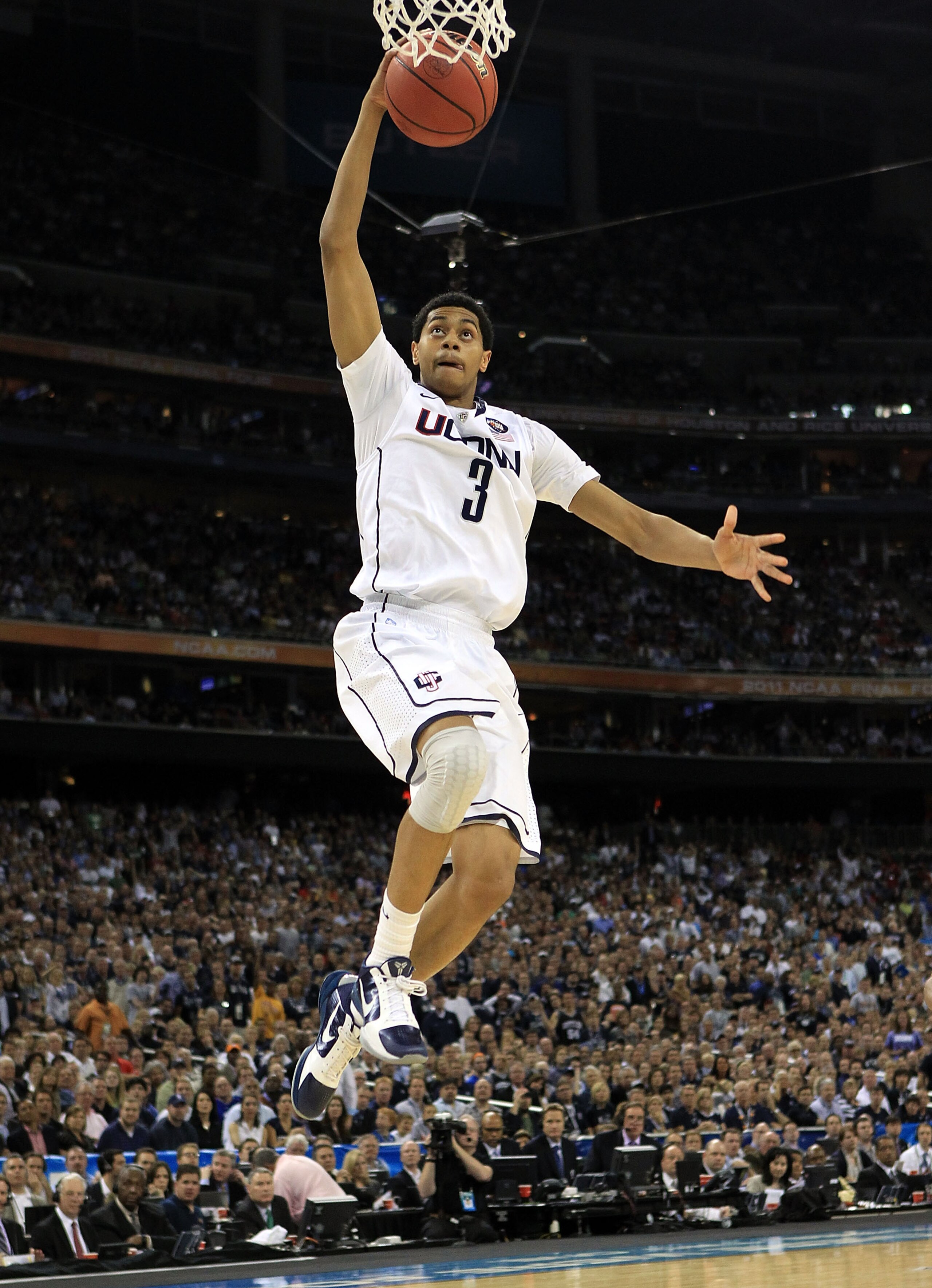
The player: With his crucial second-half points and a great defensive performance against Butler's Shelvin Mack in the national title game, Lamb's NBA stock couldn't be higher. A 6'5 185 shooting guard with a phenomenal 7'0 wingspan and range out to the three-point line, he proved he can score without having many plays run for him, and as his body fills out, he should become an excellent defender.
Best case: Rip Hamilton
Worst case: Reggie Williams
The fit: While Lamb isn't the defensive presence down-low the Knicks need, such a piece is unlikely to fall all the way to the #16 pick. His ability to space the floor and score without needing the ball too much should be a good fit next to Carmelo and Amare, and his defensive chops will make him a welcome addition to the primarily offensive-minded Knicks' roster.
17. Philadelphia 76ers -- Trey Thompkins PF/C, Georgia
17 of 30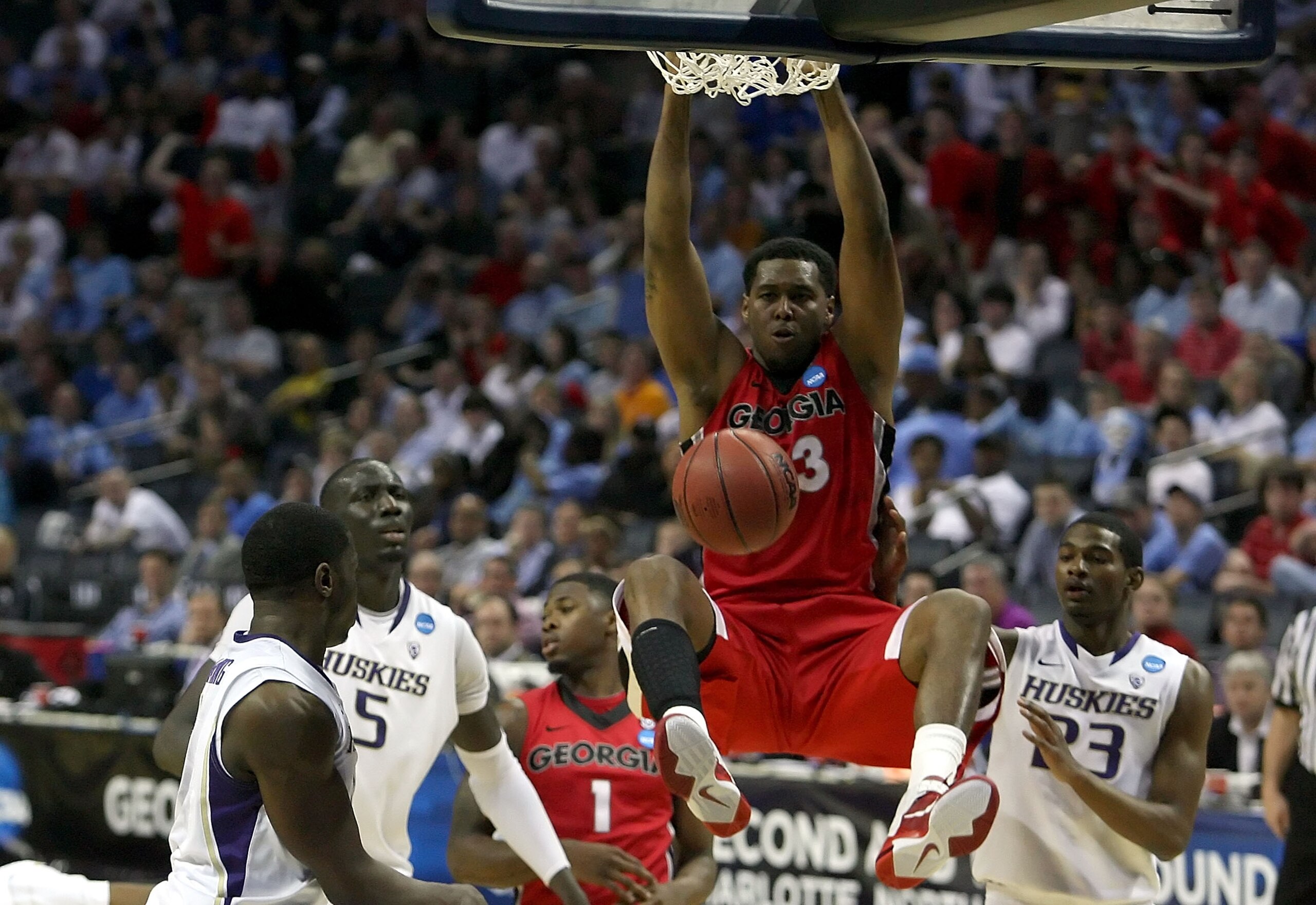
The player: A versatile 6'10 250 post player, Thompkins has a good combination of size and athletic ability, which should allow him to defend both post positions. On the offensive side of the floor, Thompkins has a decent post game as well the ability to shoot 3's, which NBA teams love 6'10+ players to have.
Best case: Jason Thompson
Worst case: Taj Gibson
The fit: Philadelphia has one of the worst interior defenses in the NBA, and Thompkins should be able to step right in and give them valuable minutes up-front. Offensively, the Sixers guards will be able to take advantage of the driving lanes his shooting ability creates.
18. Minnesota Timberwolves -- Scotty Hopson SG/SF, Tennessee
18 of 30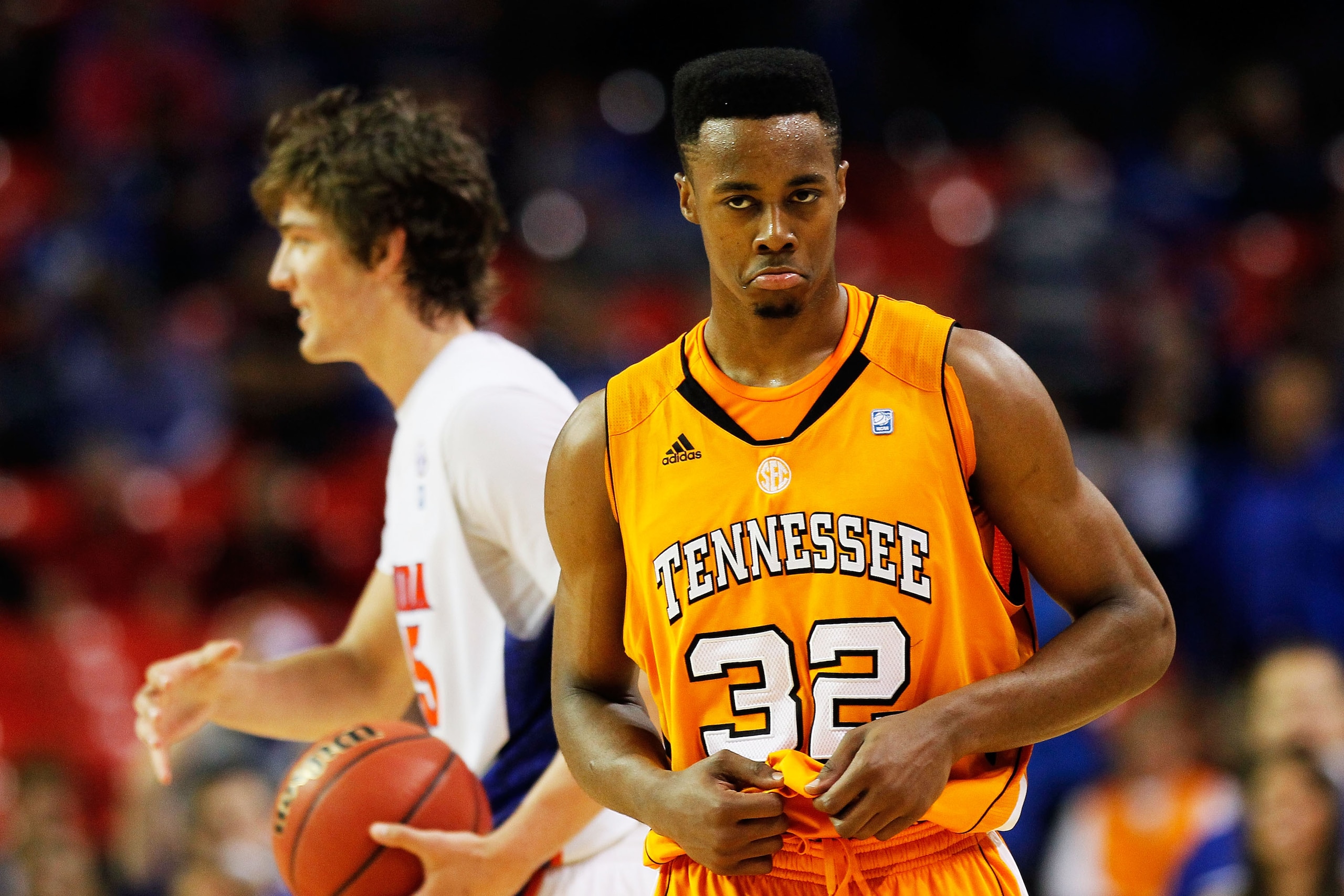
The player: A talented but inconsistent wing with NBA-caliber athleticism at 6'7 200 and an awesome hi-top fade haircut, Hopson has proven he can score at the collegiate level. He averaged 17 points a game for a Tennessee team in the midst of one of the most tumultuous seasons in recent memory, and he dropped 27 points on 10-13 shooting against Pittsburgh in their gym.
Best case: DeMar DeRozan
Worst case: Marco Bellinelli
The fit: Minnesota needs fire-power and athleticism at the wing positions, two things Hopson can provide in spades. Along with Valanciunas, he would give Minnesota the type of young up-tempo players they need to convince Ricky Rubio to come over to the US.
Washington Wizards (from Atlanta) -- Tobias Harris SF, Tennessee
19 of 30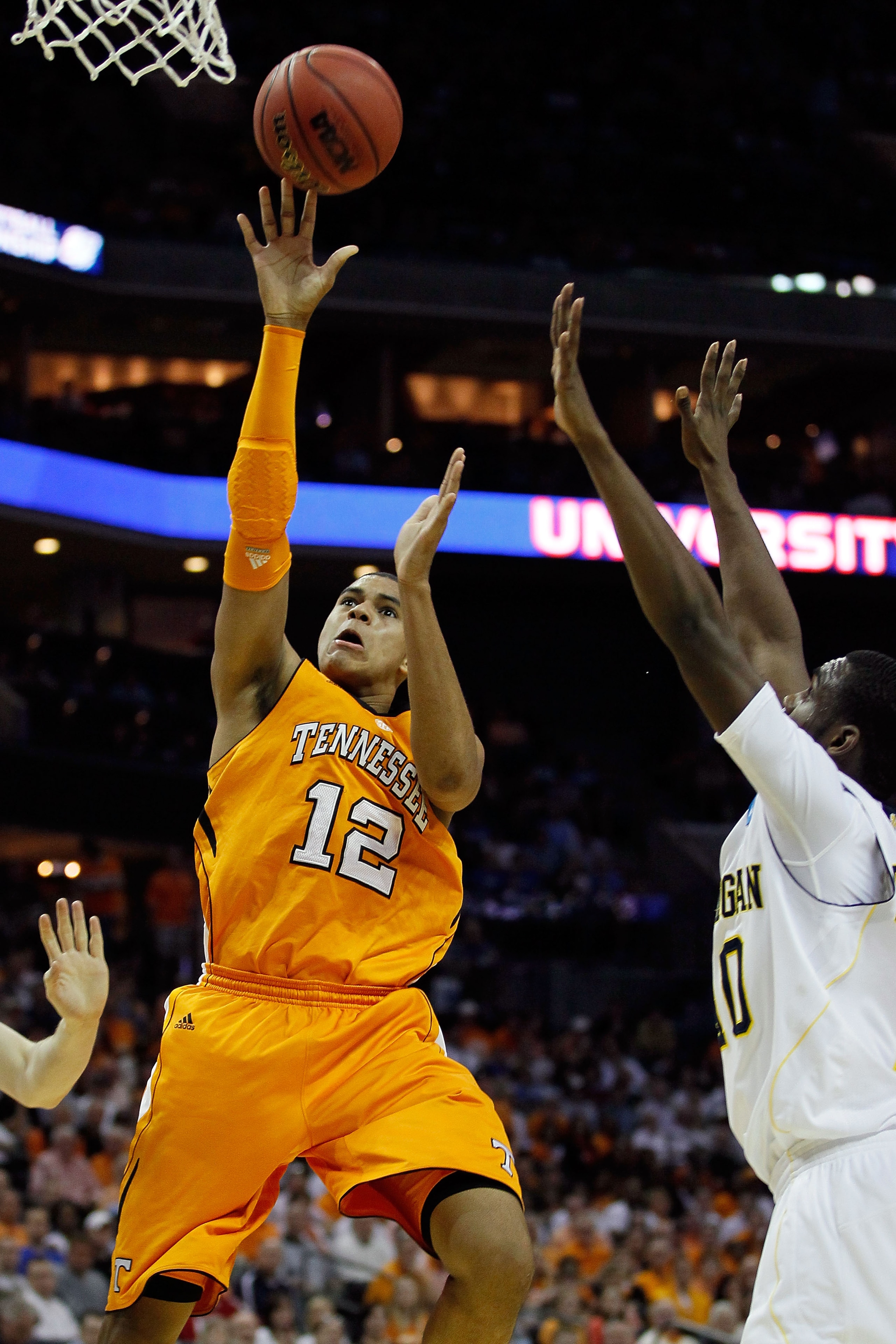
The player: Lost amidst the carnage of the Volunteers lost season, Harris had a strong freshman campaign, averaging 15 points and 7 rebounds as a do-everything small forward. The #6 ranked player in his high school class, he's far from a finished product, but he has the ceiling of an All-Star caliber, a rare find this late in the draft.
Best case: Luol Deng
Worst case: Jared Dudley
The fit: Harris would form with Derrick Williams to give Washington a skilled and athletic forward combination. Both have the ability to space the floor for John Wall, and both should be more than able to hold their own defensively.
Charlotte Bobcats (from New Orleans) -- Jordan Hamilton SF, Texas
20 of 30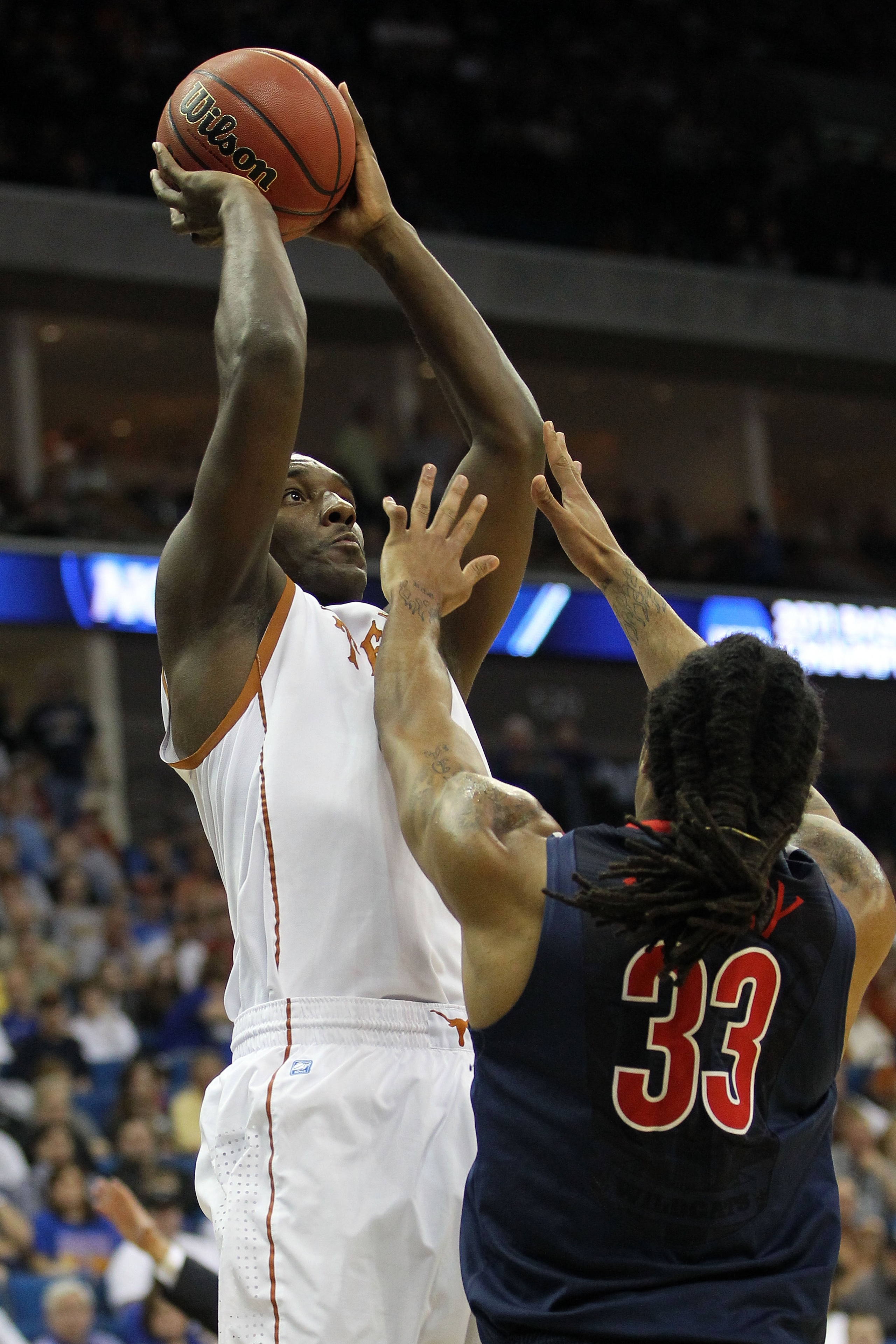
The player: A skilled 6'7 220 small forward, Hamilton combines a great-looking perimeter shot with advanced ball-handling skills, allowing him to create his own offense at will. In his second season at Texas, he improved his shot-selection skills tremendously, looking to set up his teammates and realizing that just because he can take a shot doesn't mean he always should.
Best case: Danny Granger
Worst case: Mike Miller
The fit: Lacking talent all over the court, the Bobcats need to acquire as many good players as possible right now and take the highest guy left on the board. After trading Gerald Wallace, Stephen Jackson is likely next to go in Charlotte, and Hamilton could step right in and fill most of his minutes at the small forward position.
Portland Trail Blazers -- Josh Selby PG/SG, Kansas
21 of 30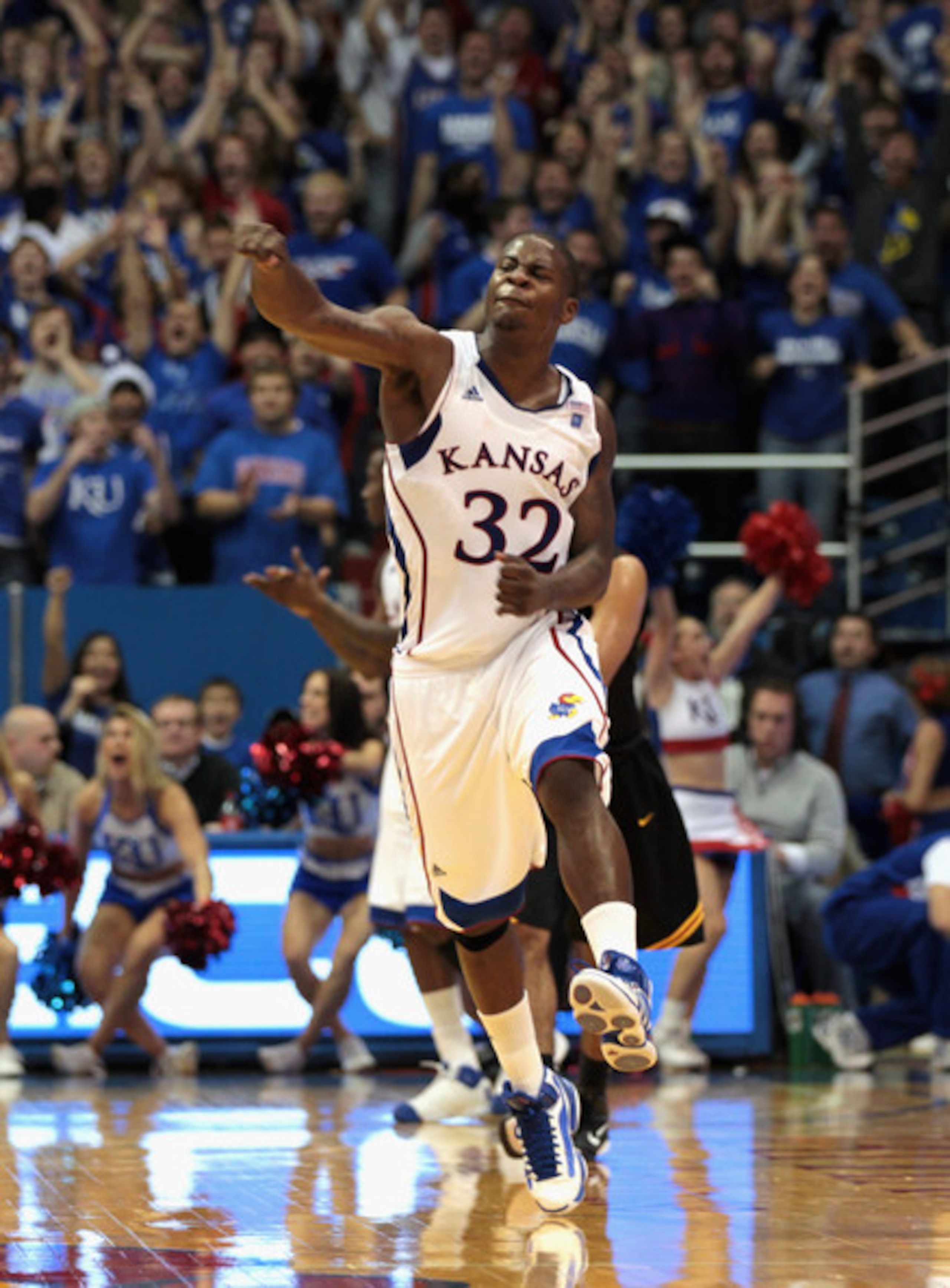
The player: One of the most athletic guards in the country, Selby did little to justify his lofty recruiting ranking in his one year at Kansas that was marred with injury and a nine-game suspension for amateurism violations. But players with his high school pedigree often out-perform their college performance in the pros, and there's no doubting Selby's talent -- he's an incredibly athletic 6'2 180 combo guard who can get to the front of the rim, distribute the ball and shoot from outside.
Best case: Eric Gordon
Worst case: Kyle Lowry
The fit: Portland is a a great position in the Draft, since they have no real holes to fill in their starting line-up. They have a chance to take a gamble here, and with Brandon Roy unlikely to ever regain his All-Star form, Selby gives them the opportunity to replace some of his scoring in the back-court, which they will need to do to get to take the next step as a team.
22. Denver Nuggets -- Tyler Honeycutt SF, UCLA
22 of 30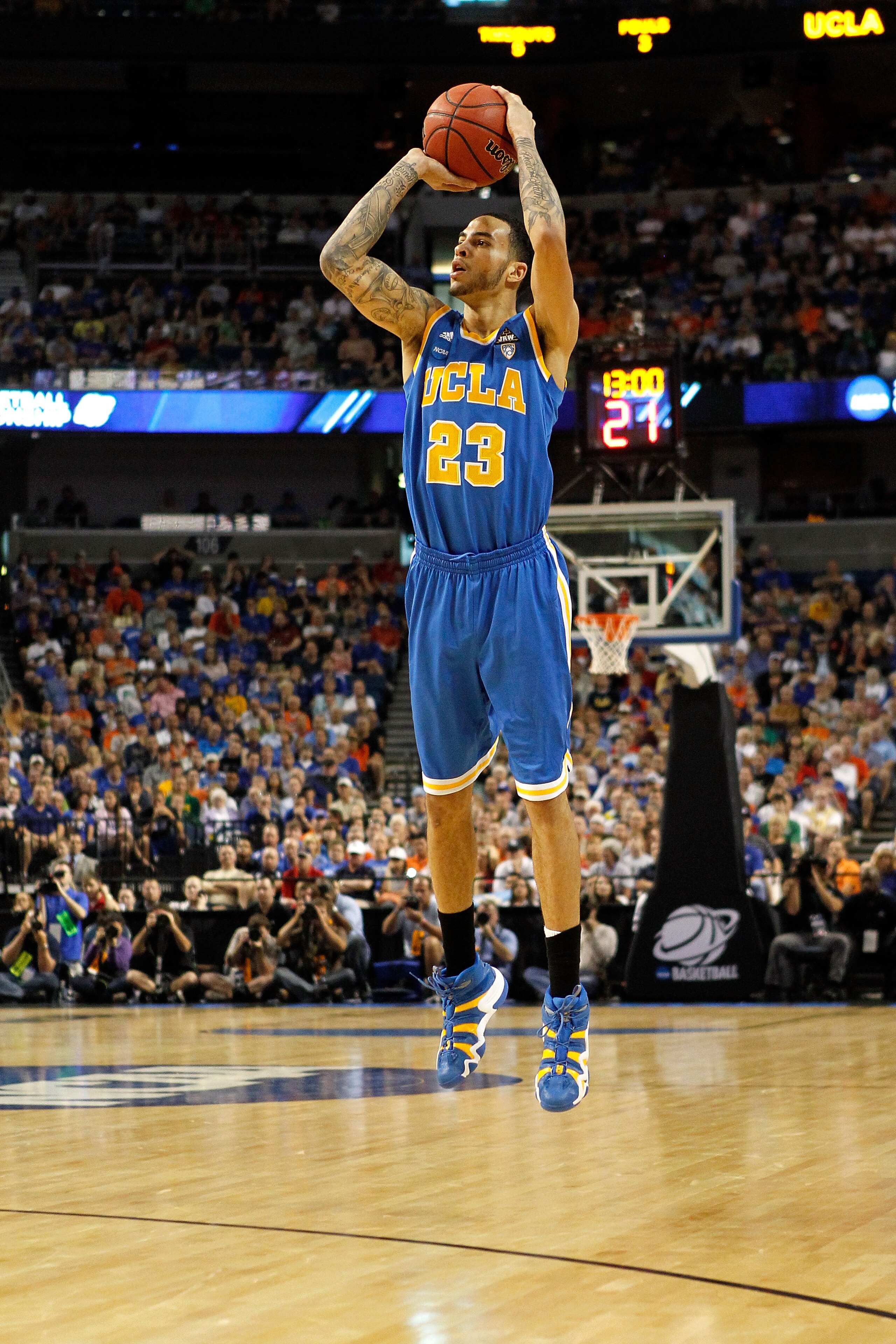
The player: A five-tool small forward, Honeycutt is a great athlete at 6'8 190 who can stretch the floor from 3 (shooting 34.5%), pass the ball to the open man (2.7 assists) and grab rebounds all over the floor (7.4 a game).
Best case: Nic Batum
Worst case: Francisco Garcia
The fit: Honeycutt should be able to step right into Denver's up-tempo system with his ability to run the court, defend multiple perimeter positions and hit from outside. It's unlikely the Nuggets will be able to keep Aaron Afflalo, Wilson Chandler and JR Smith, all of whom are entering free agency, so there should be plenty of minutes on the wings for Honeycutt.
23. Houston Rockets -- Jordan Williams PF/C, Maryland
23 of 30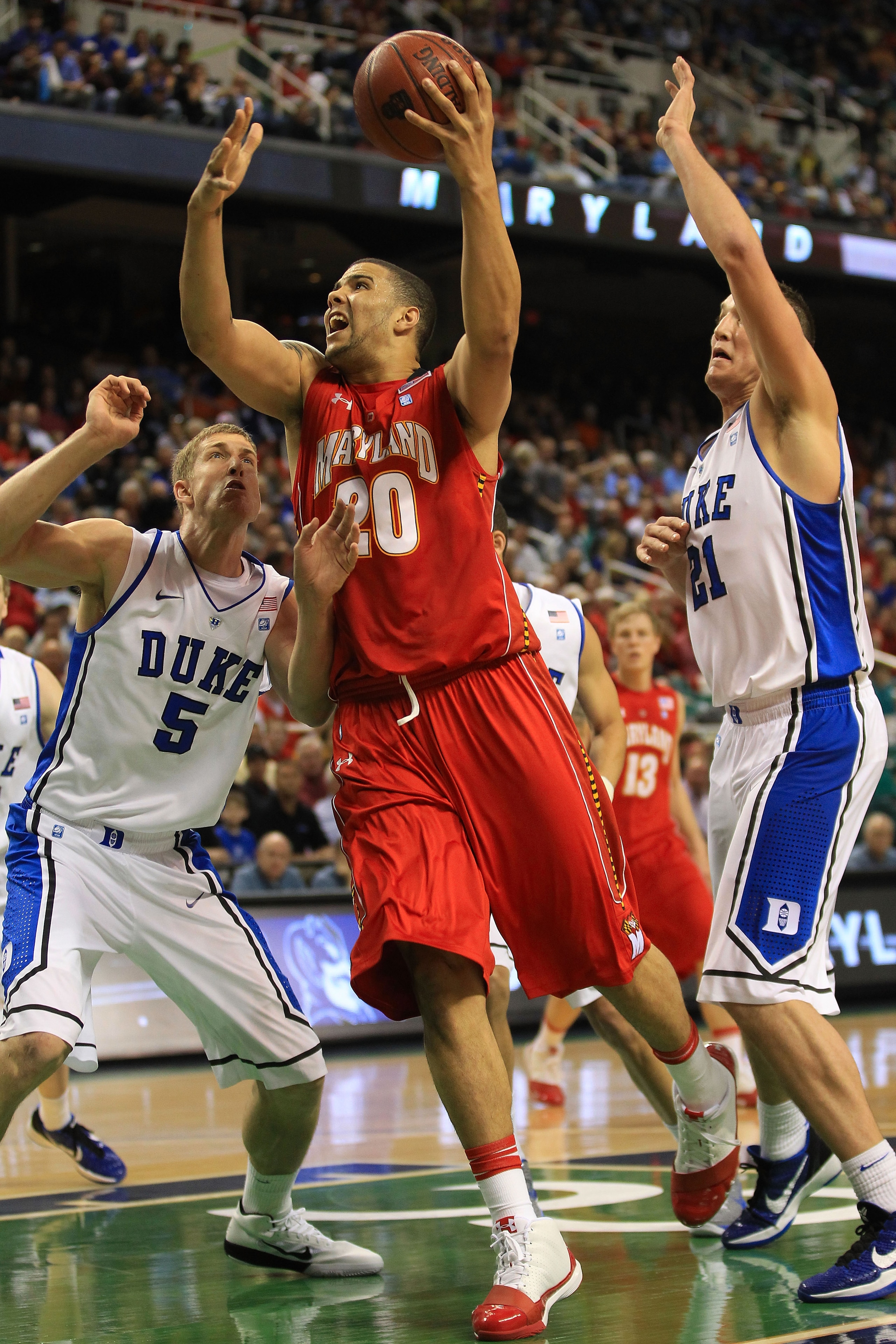
The player: One of the most underrated players in the country, Williams did many of the same things as Ohio State's Jared Sullinger for his Maryland team, but his teammates weren't nearly in the same class as David Lighty, William Buford and Jon Diebler. At 6'10 260, he dominated the backboards, getting almost 12 a game, and scored 16 points a game from the low-post despite not getting the ball nearly enough.
Best case: Al Jefferson
Worst case: Marreese Speights
The fit: The Rockets are in need of front-court players, and Williams has the bulk and scoring ability to provide a good complement to Jordan Hill down-low. Many defensive questions remain, and it's possible he's a 4.5 -- too short to guard centers and too slow to guard power forwards -- but he should be able to give Houston quality minutes off the bench regardless.
Oklahoma City Thunder -- Marcus Morris PF, Kansas
24 of 30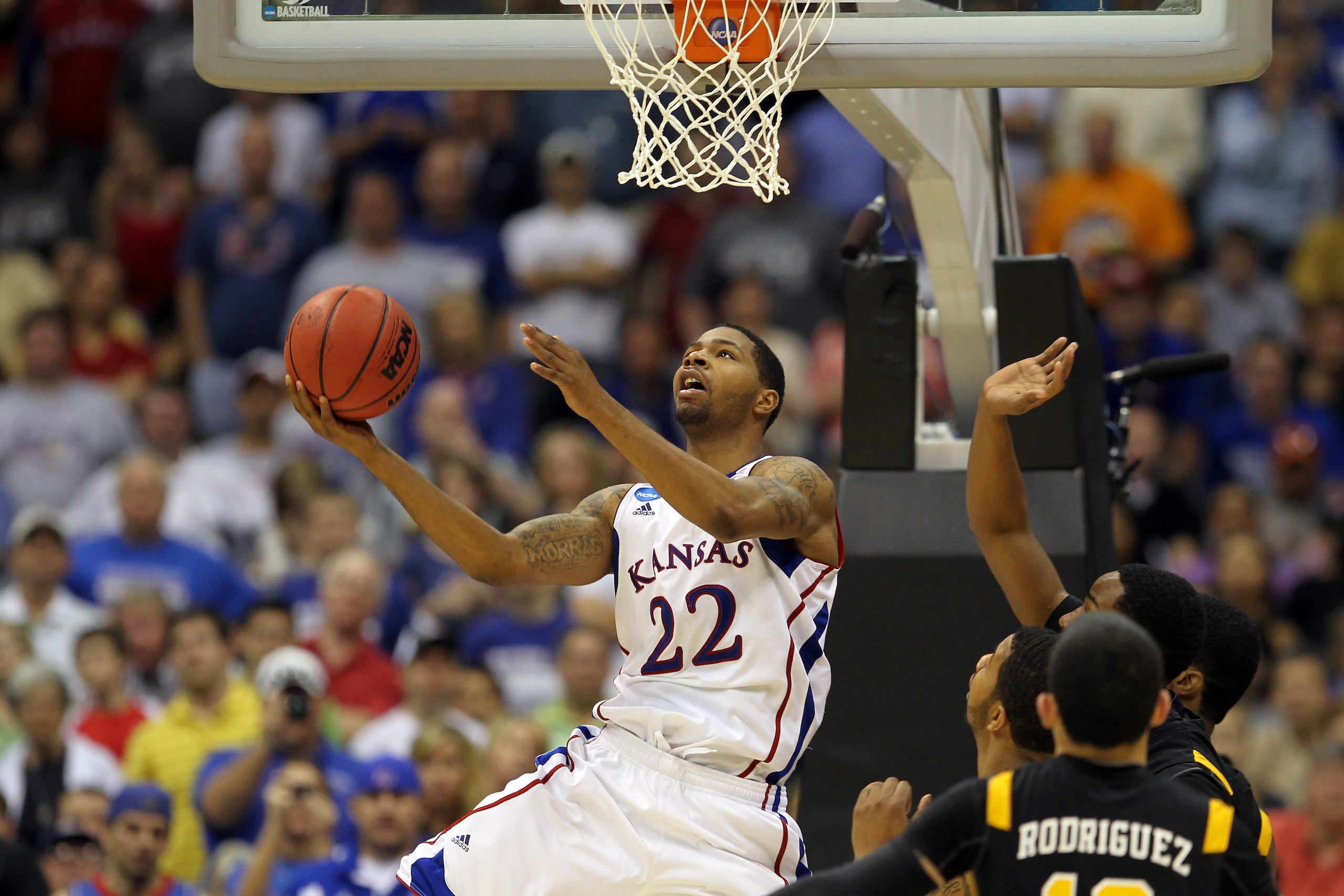
The player: One half of the twin brother tandem that led Kansas to an Elite Eight finish, Marcus is incredibly skilled for his size at 6'9 235. The Jayhawks ran much of their offense through him in both the low and high post, and he can score with his back to the basket, pass out of the double team and shoot from long-range.
Best case: Jeff Green
Worst case: Darrell Arthur
The fit: Morris could provide some of the outside shooting from the power forward position that Oklahoma City lost in the Jeff Green trade, and his ability to space the floor and handle the ball along the perimeter would create more driving lanes for Kevin Durant and Russell Westbrook.
Chicago Bulls (from Miami Heat) -- Travis Leslie SG, Georgia
25 of 30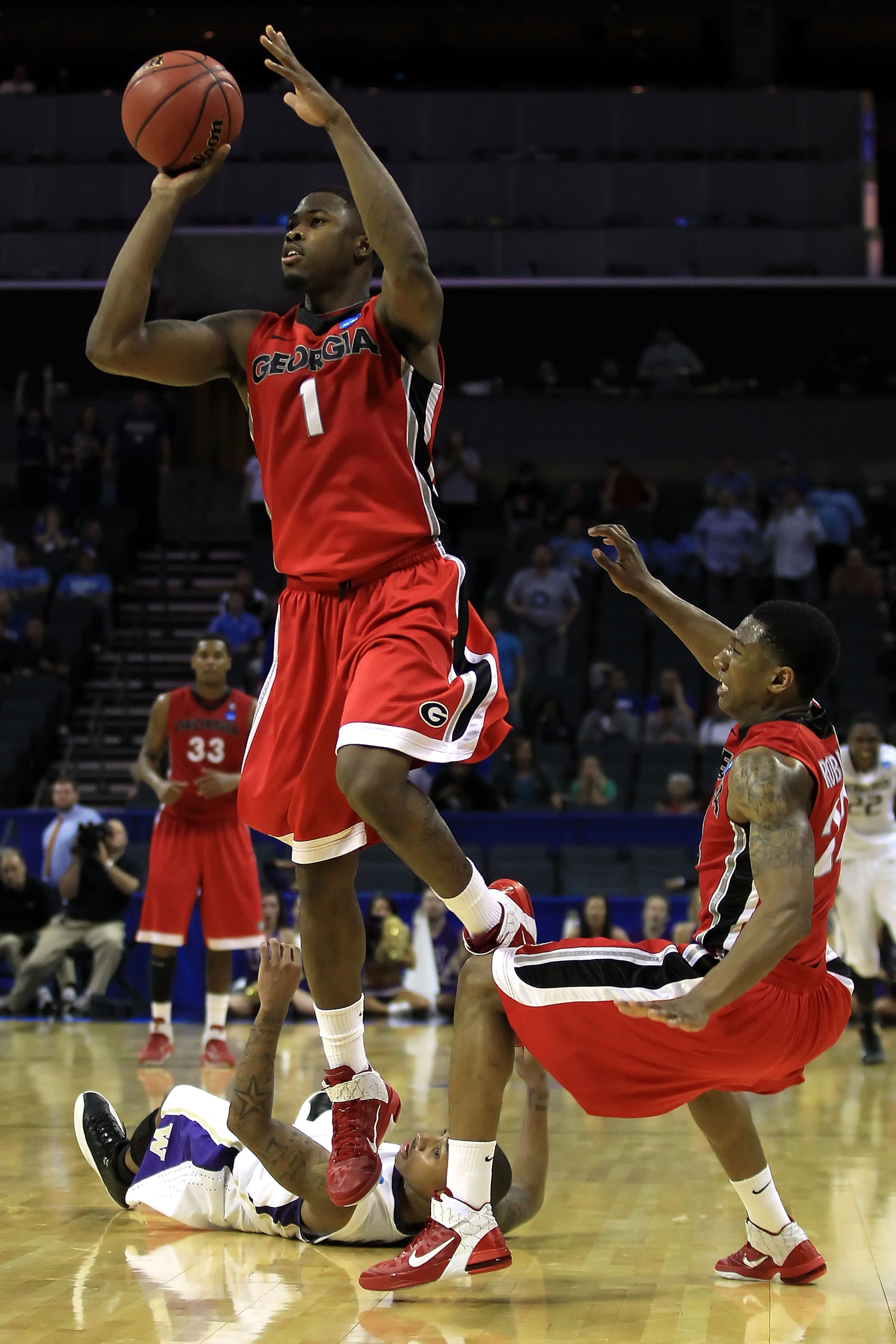
The player: A future NBA dunk-contest competitor, Leslie is an incredibly athletic 6'4 200 shooting guard who can get up in a hurry. He was the Bulldogs' main shot-creator on the perimeter, but he still managed to pull down over 7 boards a game, a huge number for a guard.
Best case: Shannon Brown
Worst case: Gary Neal
The fit: While most rookies struggle with defensive rotations, Leslie would still be the most talented shooting guard on the Chicago roster if the Bulls drafted him. And long-term, his athleticism and shooting ability would make him a great complement to Derrick Rose in the back-court.
Boston Celtics -- Kenneth Faried PF, Morehead State
26 of 30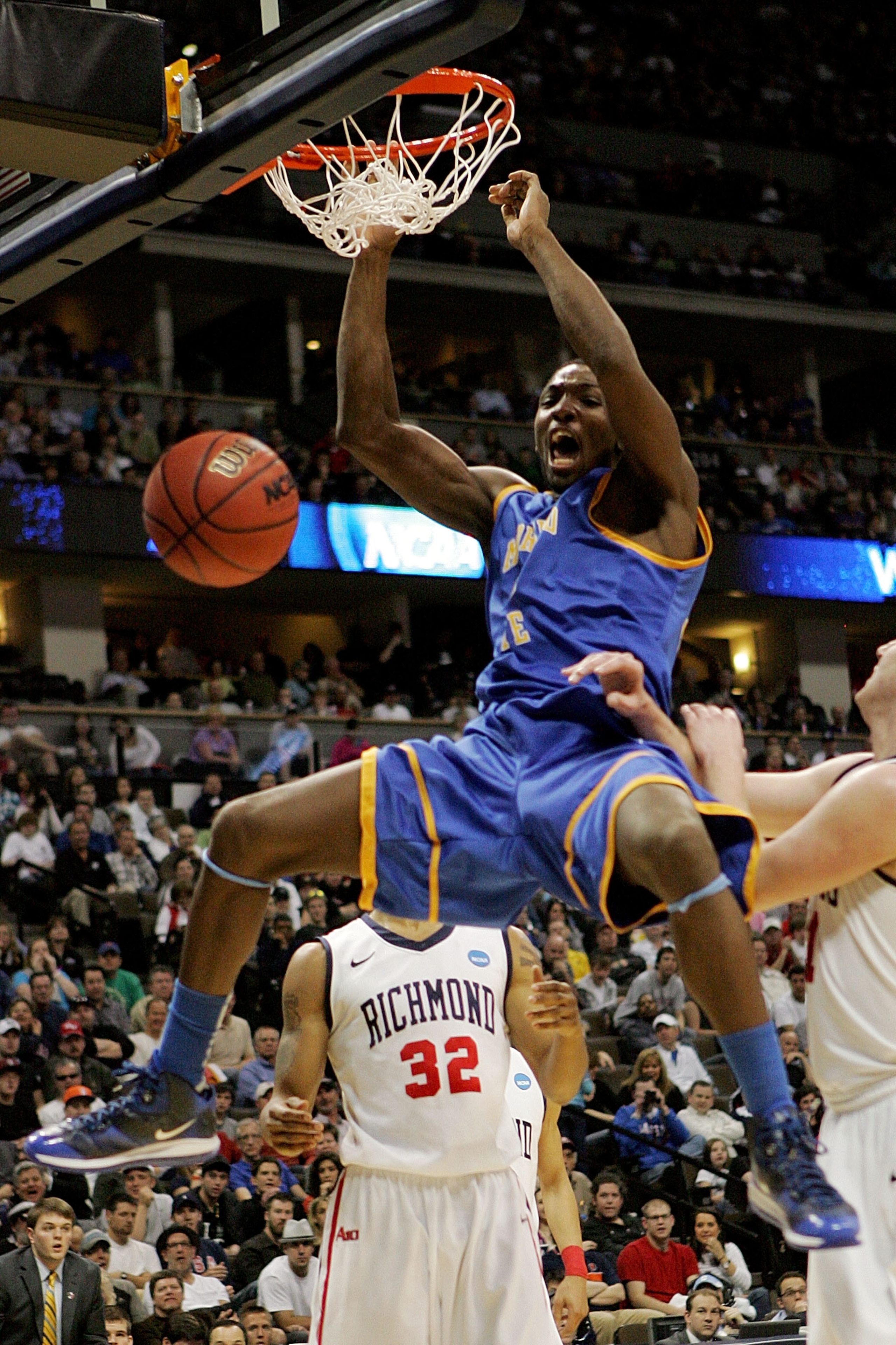
The player: One of the best low-major players in some time, Faried's athleticism and hard work made him the NCAA's best rebounder, grabbing 14.5 boards a game and being a second-team All-American. Undersized at 6'8 225 and lacking much offensive skill outside of 5 feet, Faried projects as an excellent energy big man off the bench who can change the game with his hustle and defensive chops.
Best case: Ben Wallace
Worst case: Reggie Evans
The fit: Faried's intensity and work ethic should make him a great under-study to Kevin Garnett, and his defensive ability would make him a great complement to the pair of jump-shooting big men (Nenad Krstic and Jeff Green) the Celtics acquired from Oklahoma City in a mid-season trade.
Dallas Mavericks -- Kawhi Leonard SF, San Diego State
27 of 30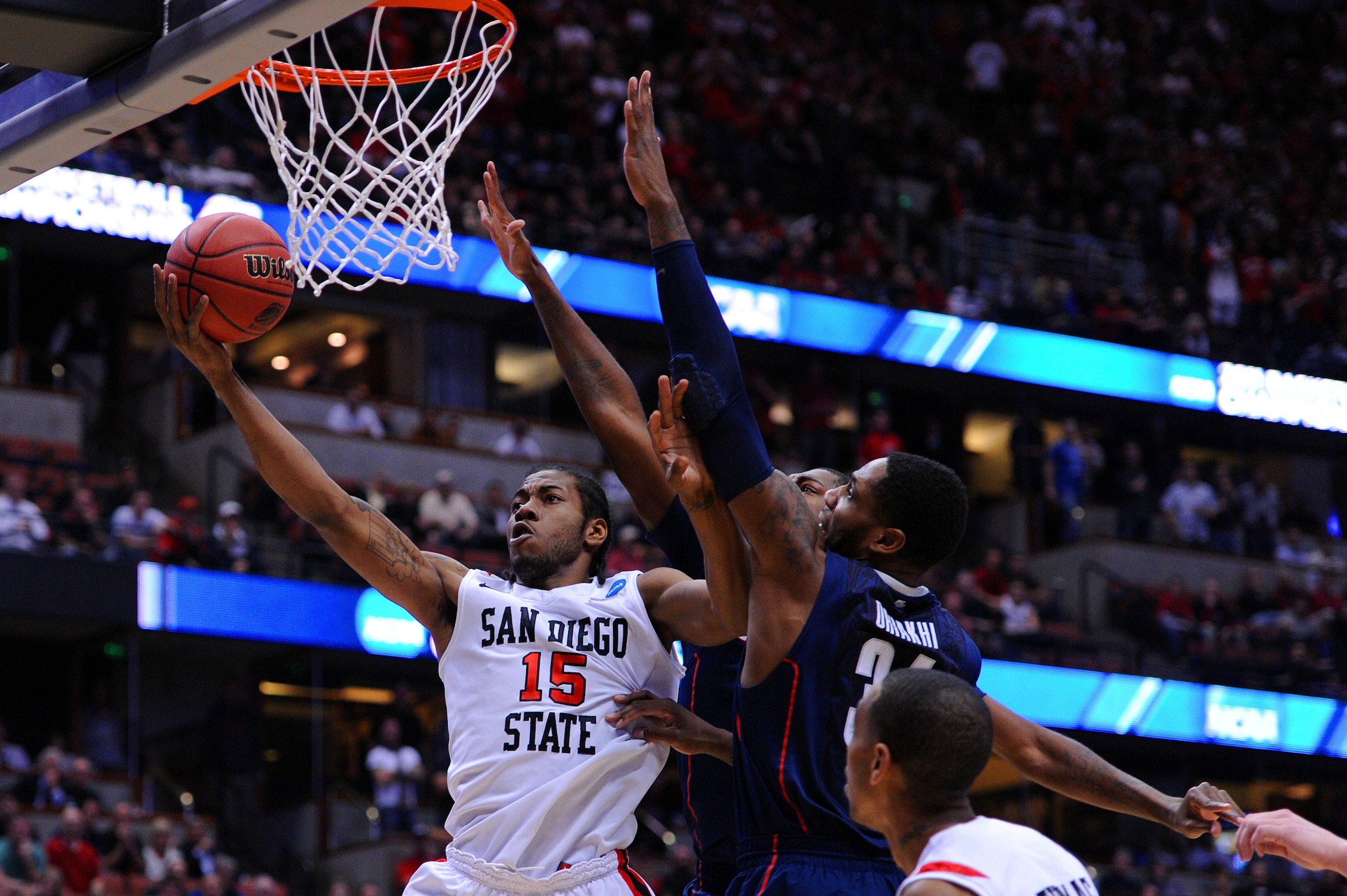
The player: A phenomenal athlete at 6'7 225, Leonard has the athletic ability to defend the wing, take the ball to the hole and dominate the defensive glass, leading his SDSU team with over ten rebounds a game. But without a consistent jumper, His offensive game is still a work in progress, despite leading the Aztecs in scoring and getting almost 3 assists a game.
Best case: Josh Childress
Worst case: Ronnie Brewer
The fit: Dallas is an aging team that needs athletic slashers on the wing, and the Mavericks bevy of three-point shooters should cover the main hole in Leonard's game.
28. Chicago Bulls -- Jimmer Fredette PG/SG, BYU
28 of 30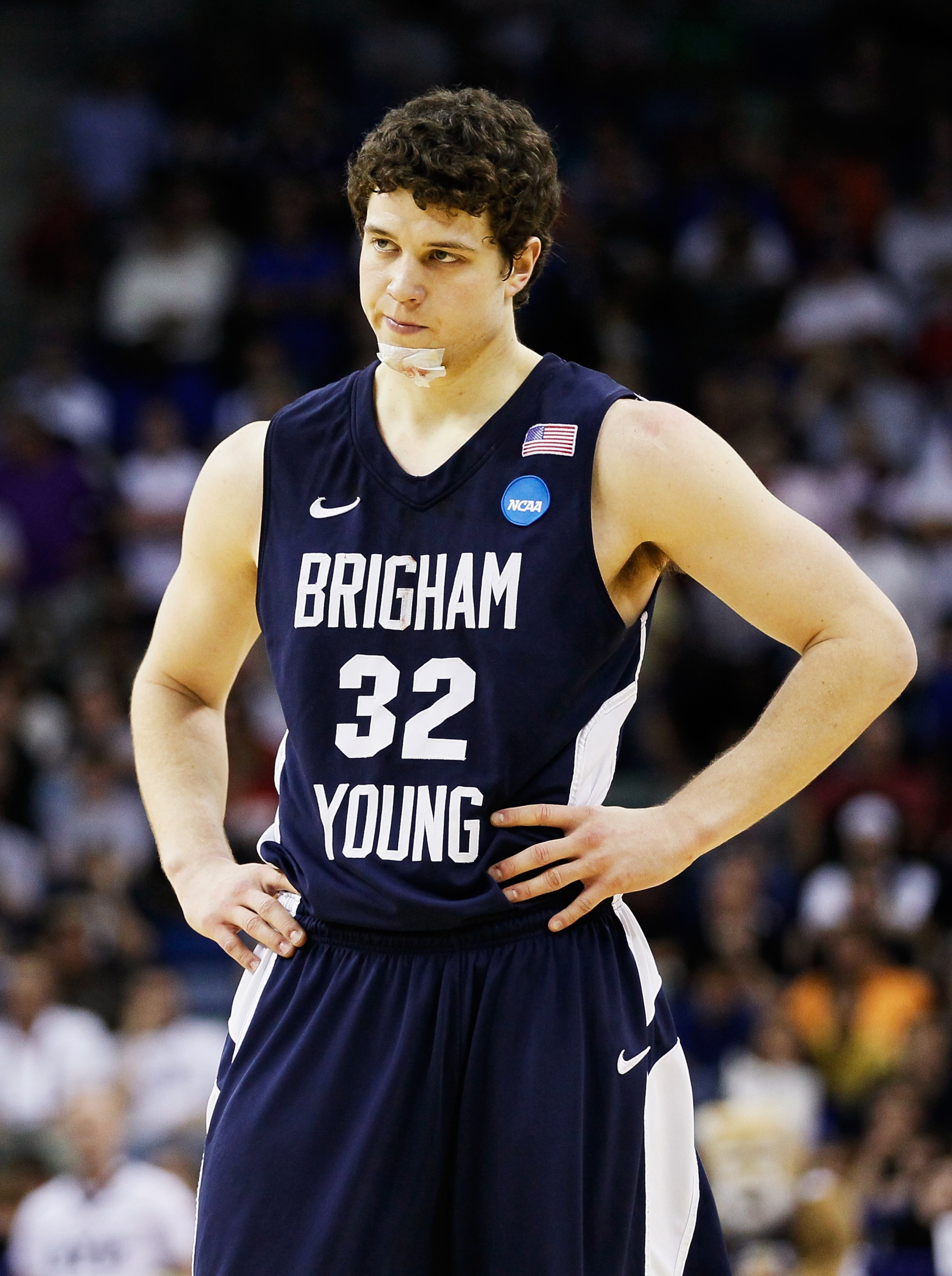
The player: A 6'2 195 combo guard with range out to the parking lot, "the Jimmer" captivated the nation, winning the national POY award and leading BYU to the Sweet 16 as a mostly one-man show of pull-up 3's, running floaters and fade-away jumpers. While no one doubts his ability to score, Fredette will most likely be a defensive liability on the next level and you would see a full-scale mutiny before you would see any NBA team let him dominate the ball like the Cougars did.
Best case: Stephen Curry
Worst case: A bigger JJ Barea
The fit: Fredette's defensive liabilities could be hidden playing on one of the best defenses in the NBA in Chicago, while his outside-shooting would be a great perimeter complement to Derrick Rose's ability to attack the basket.
29. New Jersey Nets (from LA Lakers) -- Justin Harper SF/PF, Richmond
29 of 30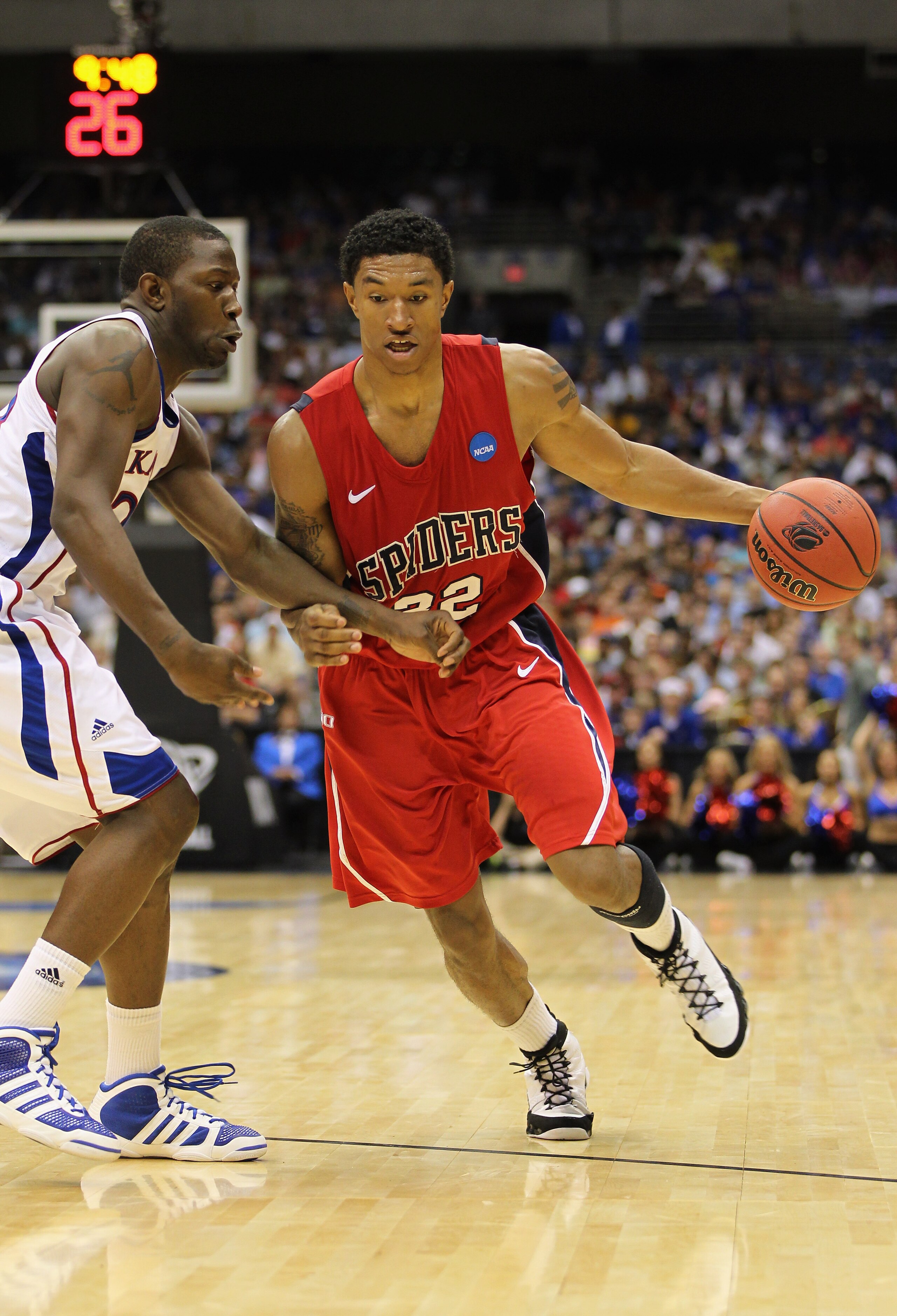
The player: A great three-point shooter for his size at 6'10 220, Harper knocks down three's at an incredible 46% rate. The threat of the shot forces defenders to crowd him, which allows him to drive as well as hit open men. And while he doesn't project to be a great defender, he has the size and speed to defend both front-court positions adequately.
Best case: Marvin Williams
Worst case: Donte Greene
The fit: Outside of Deron Williams and Brook Lopez, the cupboard is pretty bare in New Jersey, as the Nets had to gut much of their roster to acquire Williams. There should be more than enough minutes at the 3 and 4 positions for Harper to grab immediately.
30. San Antonio Spurs -- Markieff Morris PF, Kansas
30 of 30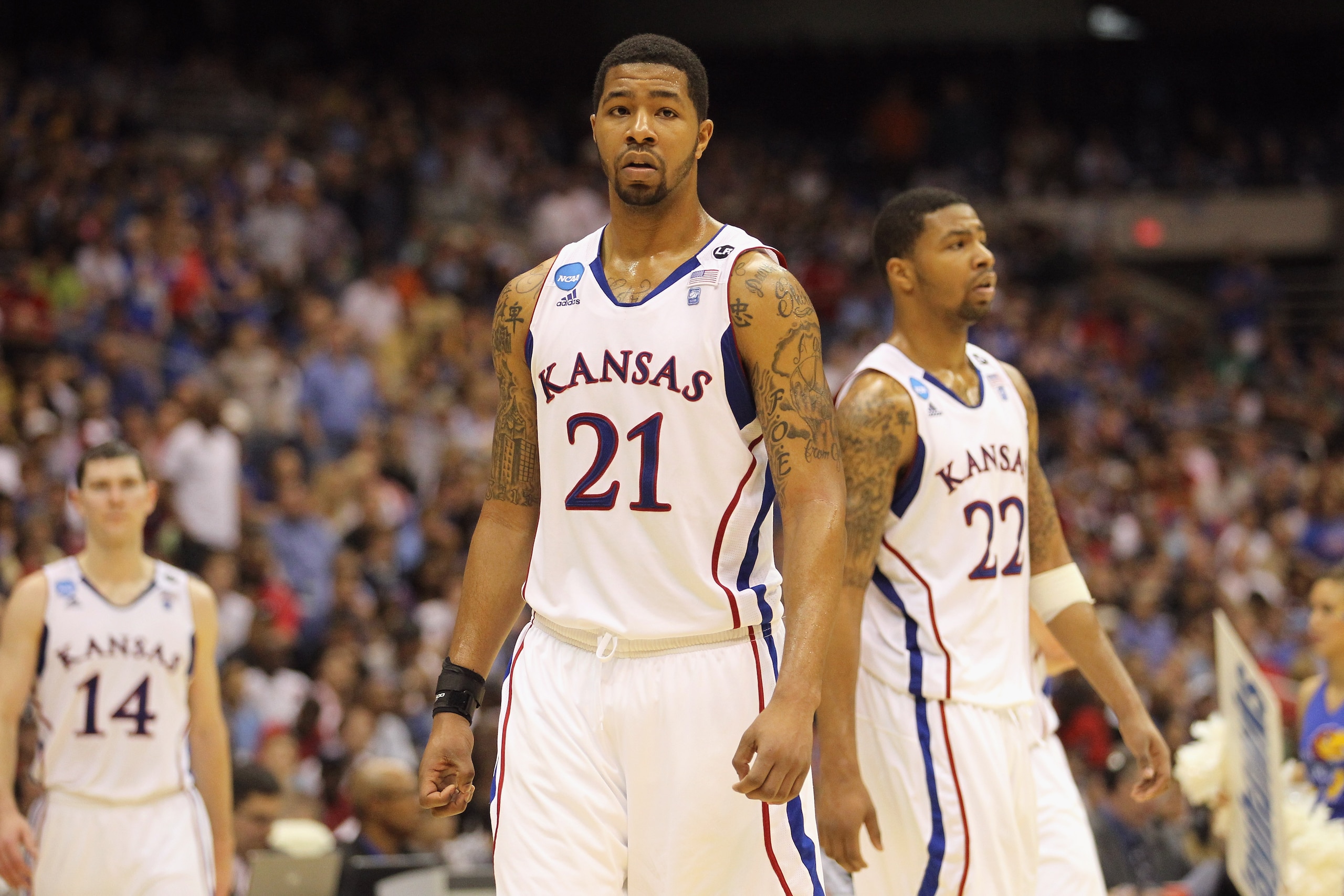
The player: The other half of the Jayhawks' twin brother combination, Markieff is more of an interior presence than Marcus, averaging 8 boards and 1 block a game. And while he doesn't have his brother's ability to create his own shot, he is the better three-point shooter (42% from down-town) which might make the transition to being a role player in the NBA easier for him.
Best case: Ryan Anderson
Worst case: Udonis Haslem
The fit: The Spurs need an athletic front-court player to take some of the pressure off of Tim Duncan defensively, and Markieff has the size and foot-speed to guard the perimeter-oriented 4's the Spurs have struggled with ever since Robert Horry's retirement. Offensively, his ability to shoot the 3 should make him a good fit in the Spurs' system.




.jpg?w=2560 "Aikman Blasts Cowboys WR 🫣")
.jpg?w=2560 "Jonathan Taylor Landing Spots")