
Boston Celtics: What Can the Team Do To Fix Their Interior Defense?
It’s troubling to think that the Boston Celtics, the top defensive team in the NBA, have a hole in their game that needs to be fixed before the playoffs start in April.
But such is the case with the current incarceration of the 2011 team.
It’s no secret that opposing fans and media alike have pointed to the Celtics' trading of Kendrick Perkins and thought the move made the C’s weak inside. At first, it wasn’t something that was entirely noticeable due to the added offense, but with all the recent Celtics losses, this has changed.
So now it’s imperative that the Celtics address the situation and on top of that, fix it. It’s too late in the season to make any drastic changes, but there are things the team can do on both sides of the basketball to improve its interior D. Here are some ideas.
Fix the Offense First
1 of 5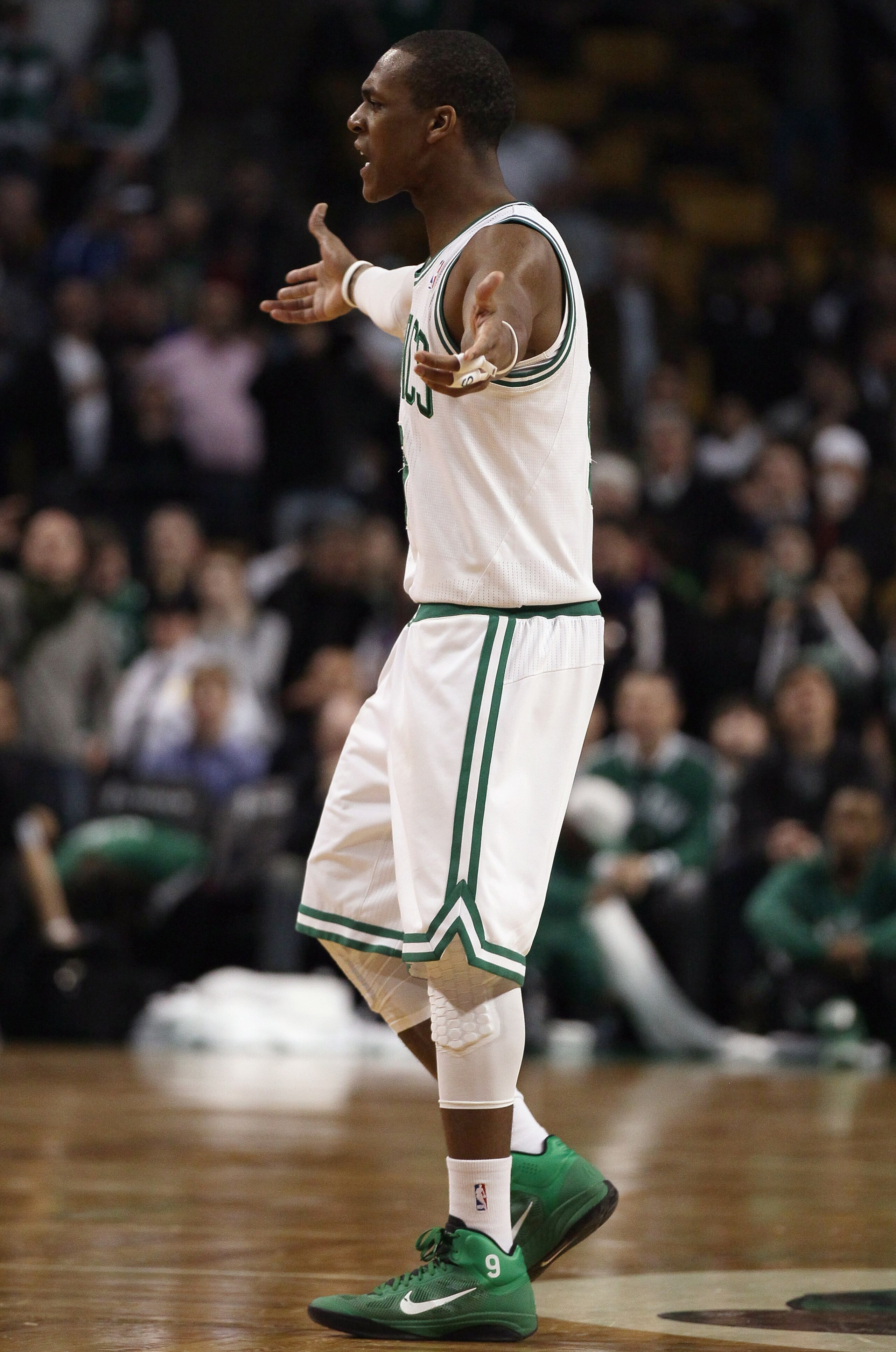
Before you can fix the defense, the offense needs a tune-up. Right now Rajon Rondo isn’t playing his best basketball, and to go further, he’s actually playing his worst of the season so far. His sprained pinky may be to blame, but no one is admitting it’s a factor.
Regardless, the team is shooting about three percentage points lower since the trading deadline and scoring about 3.5 PPG fewer as well.
When the offense is clicking, it leads to a greater time of possession, playing while ahead and more confidence on the defensive side. Monday's game was a step in the right direction.
Boost Baby’s Minutes
2 of 5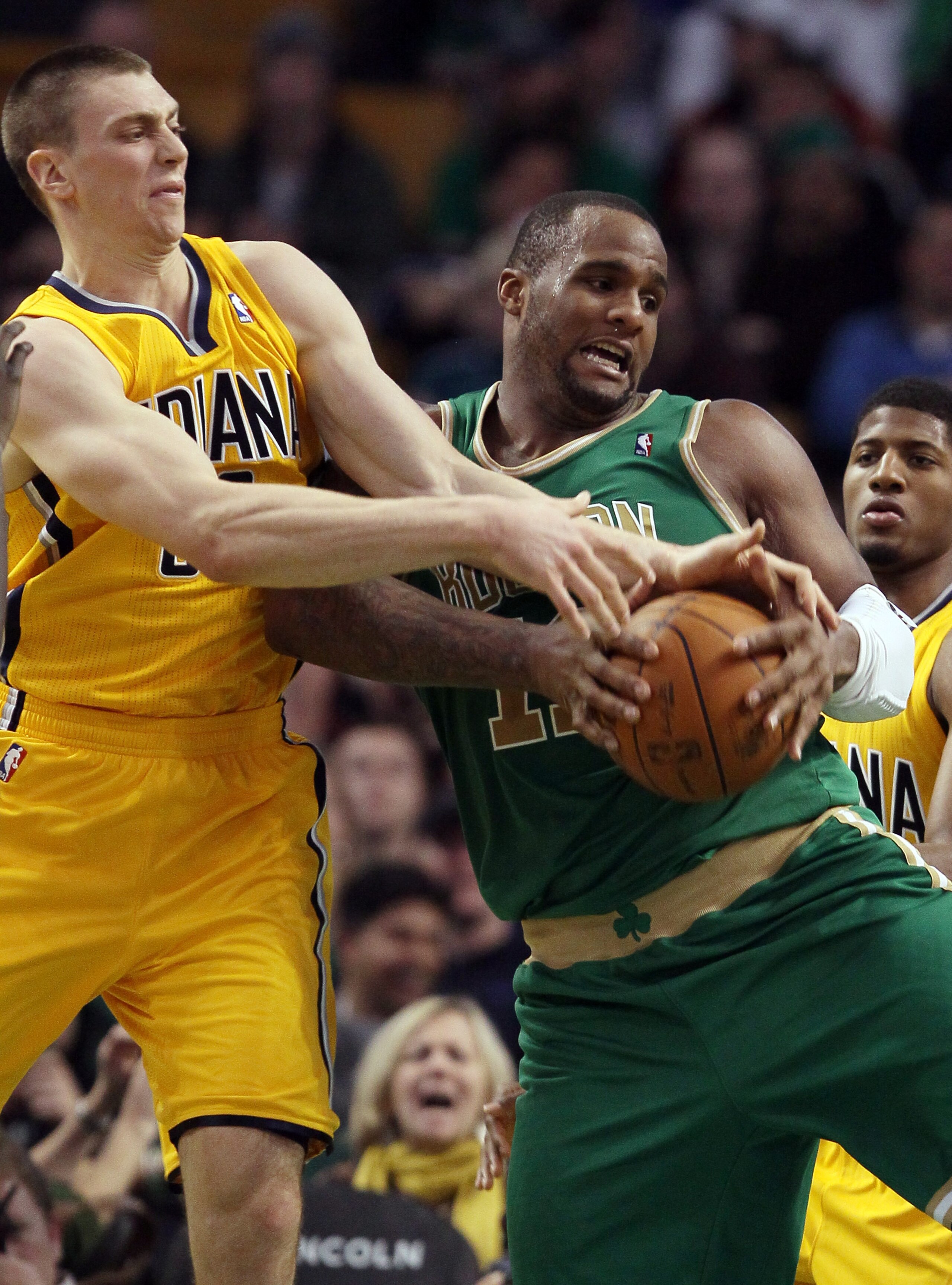
Glen Davis is only playing about 28 MPG over the Celtics’ past 10 games. During that stretch he’s pulled close to 9.0 RPG, while leading the team in that category.
If Baby is pulling down the most boards on the team, shouldn’t he be in the game more?
Eliminate Double Teams Involving Krstic
3 of 5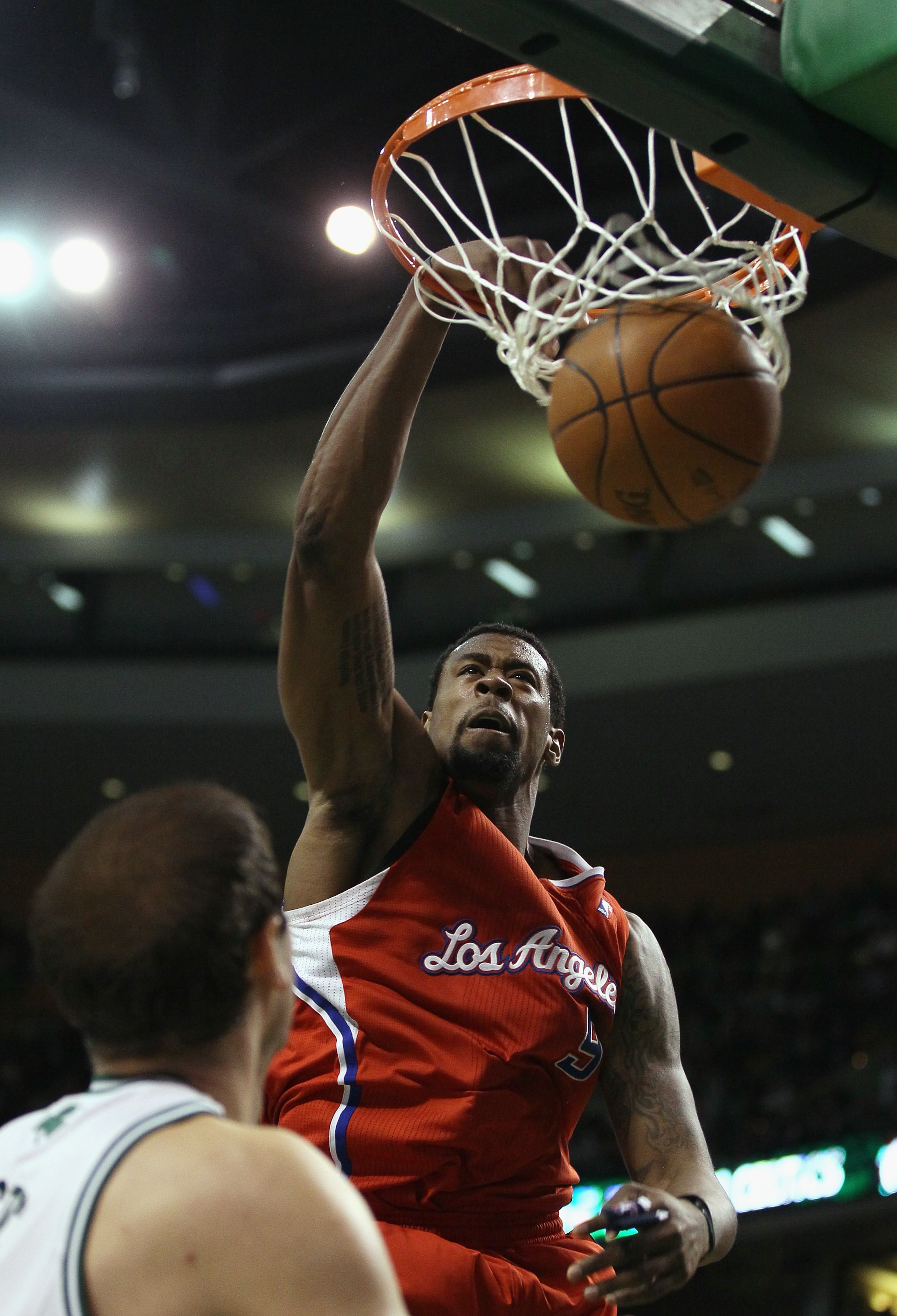
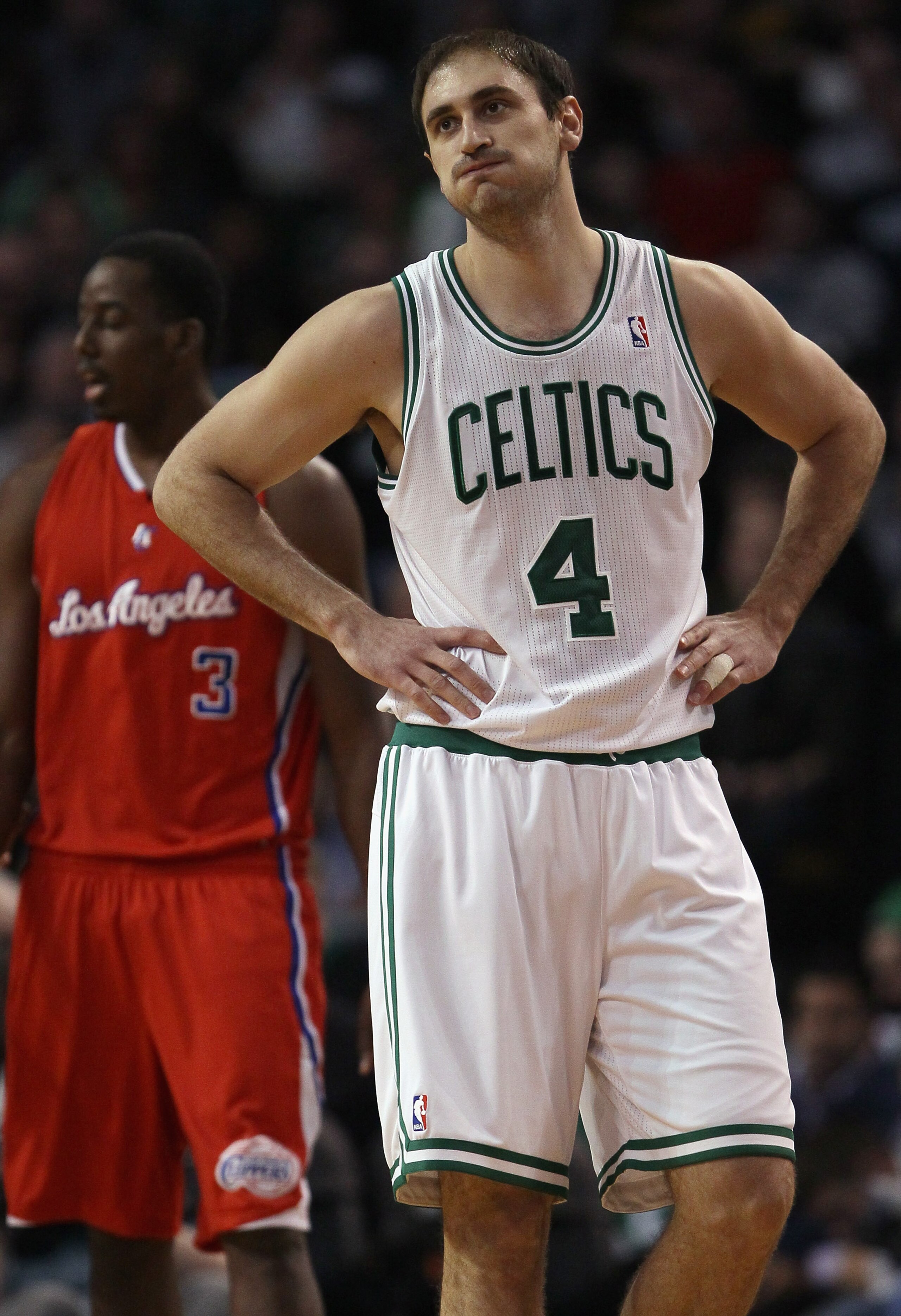
Too many times, Nenad Krstic loses his man when he “helps” out on a double team. This doesn’t always result in the opponent’s center scoring, but someone scores because there’s an uncovered body now.
Krstic doesn’t exhibit very good lateral movement. He can run up and down the court, but struggles to keep his man in front of him. He proves ineffective when helping, because he’s not able to create pressure and can’t get back to cover anyone.


Keep Troy Murphy on the Bench
4 of 5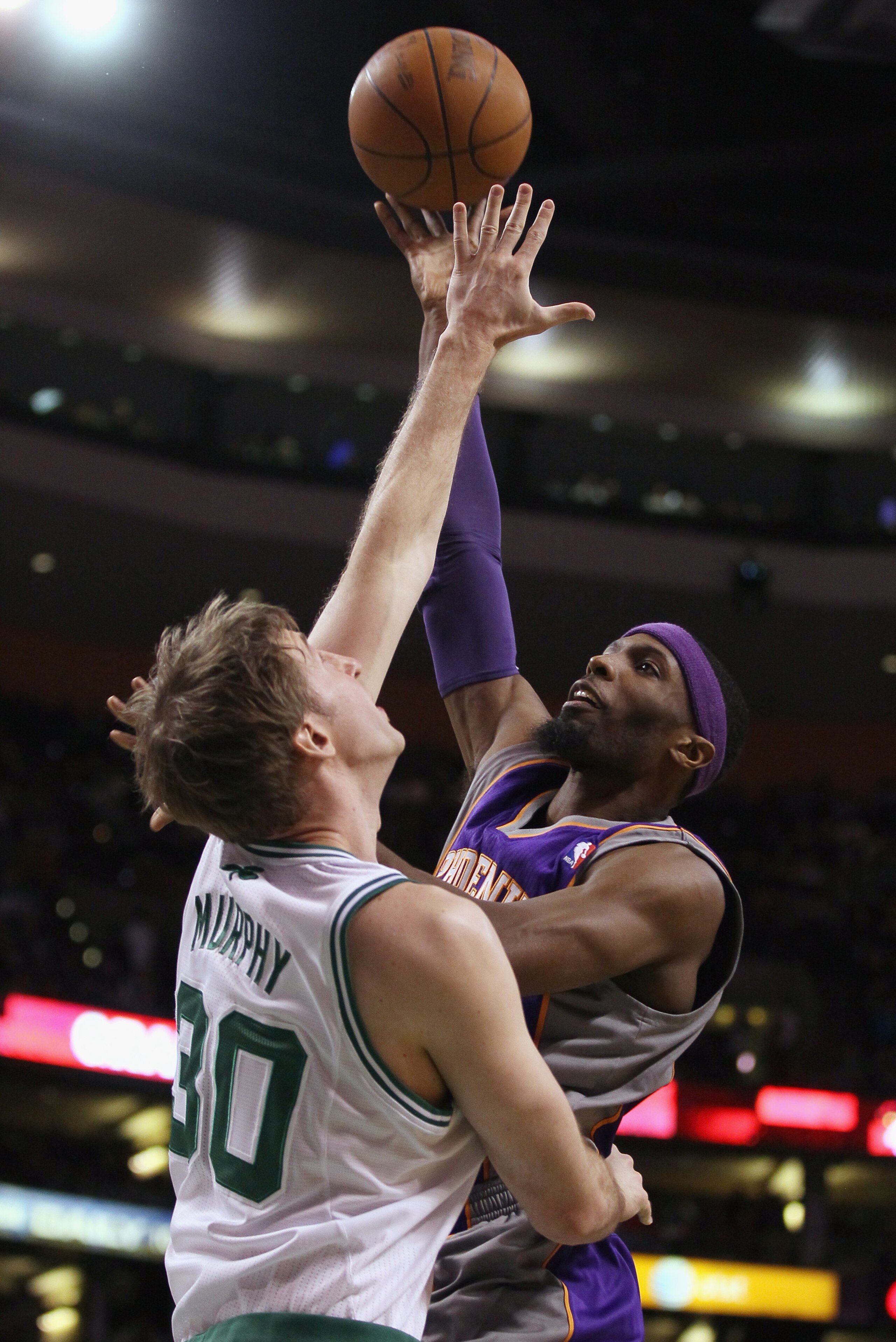
The Troy Murphy experiment may need to come to an end sooner than some may like, but the numbers indicate he’s not helping out on either end, especially the defensive end.
Murphy’s plus/minus rating currently sits at minus-36 after Monday’s game against the Knicks. That means the Celtics are losing nearly 4 PPG when Murphy is playing.
Not to over blow things, but Murphy’s minus-five against Philadelphia in only four minutes could have been the difference maker in the team’s three-point loss that night.
It Doesn’t Matter Who Scores; a Basket Is a Basket
5 of 5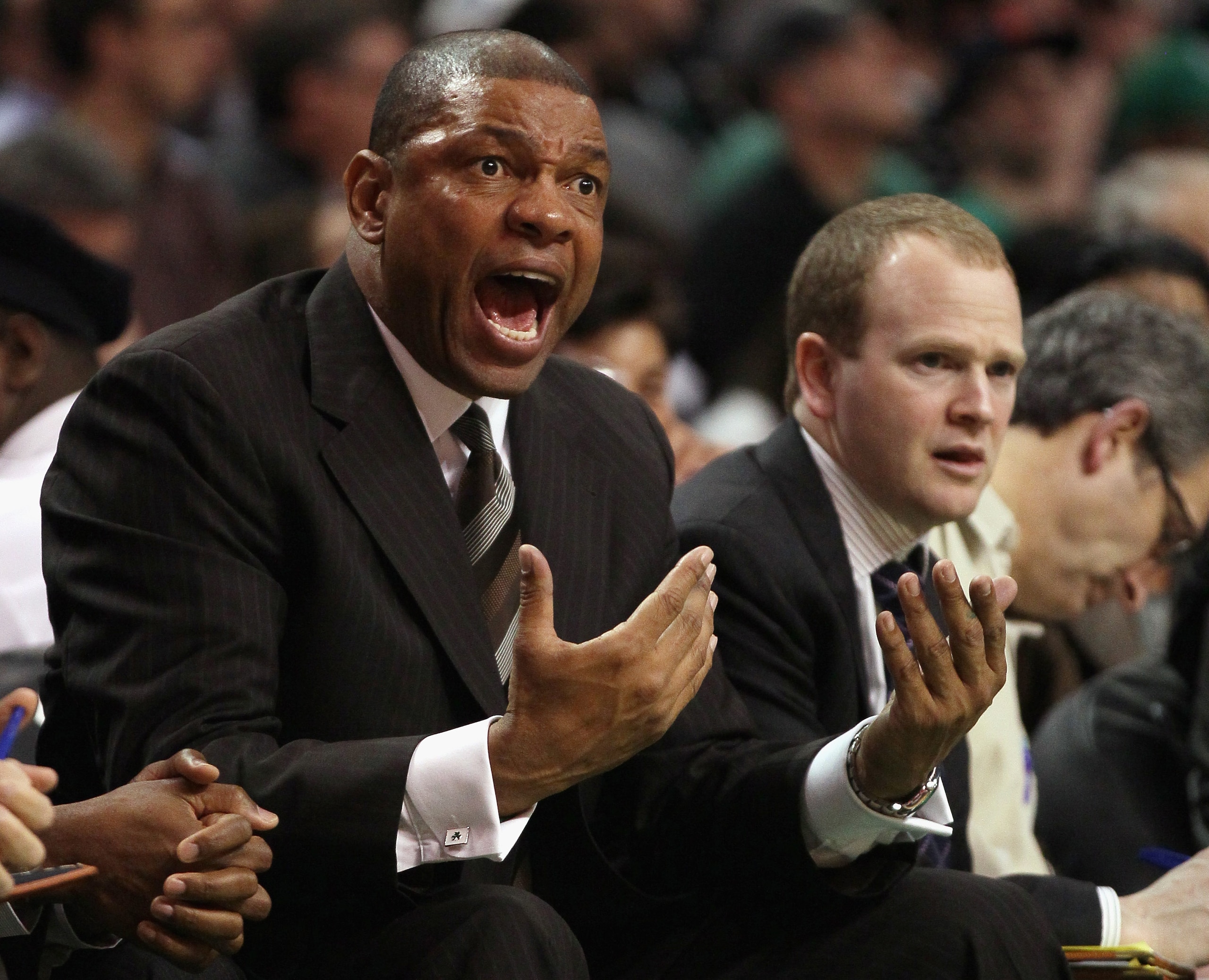
During the second quarter of the Knicks game, Celtics sideline reporter Greg Dickerson relayed a conversation he had with head coach Doc Rivers beforehand. The gist of it was that the players needed to trust each other more and work on their team defense.
It doesn’t matter who scores on the other team, it’s still a basket for the opponent. Doc indicated that the new guys were concerned about their specific matchup scoring when they should be worried about whoever has the ball scoring.
From the sound of things, trust and teamwork need to be made a priority. Luckily for the Celtics, there are still 13 games to go for Boston before the playoffs to iron out all the wrinkles in their defensive game.

.jpg?w=2560 "Weather Channel Trolls Texans-Titans 💀")