
ACC Background Checks: The Origin of Every Team's Nickname and Mascot
Blue Devils? Tar Heels? Demon Deacons?
Some nicknames in college athletics sound ridiculous, but there is, in fact, some reasoning behind why they were chosen.
The Atlantic Coastal Conference certainly isn't lacking in the area of odd names, but most have a logical explanation.
For those of you who were wondering, here are the origins of each ACC college's nickname.
Note: If you are interested in NFL, NBA, NHL, or MLB nicknames, check out my profile for the articles.
Boston College Eagles
1 of 12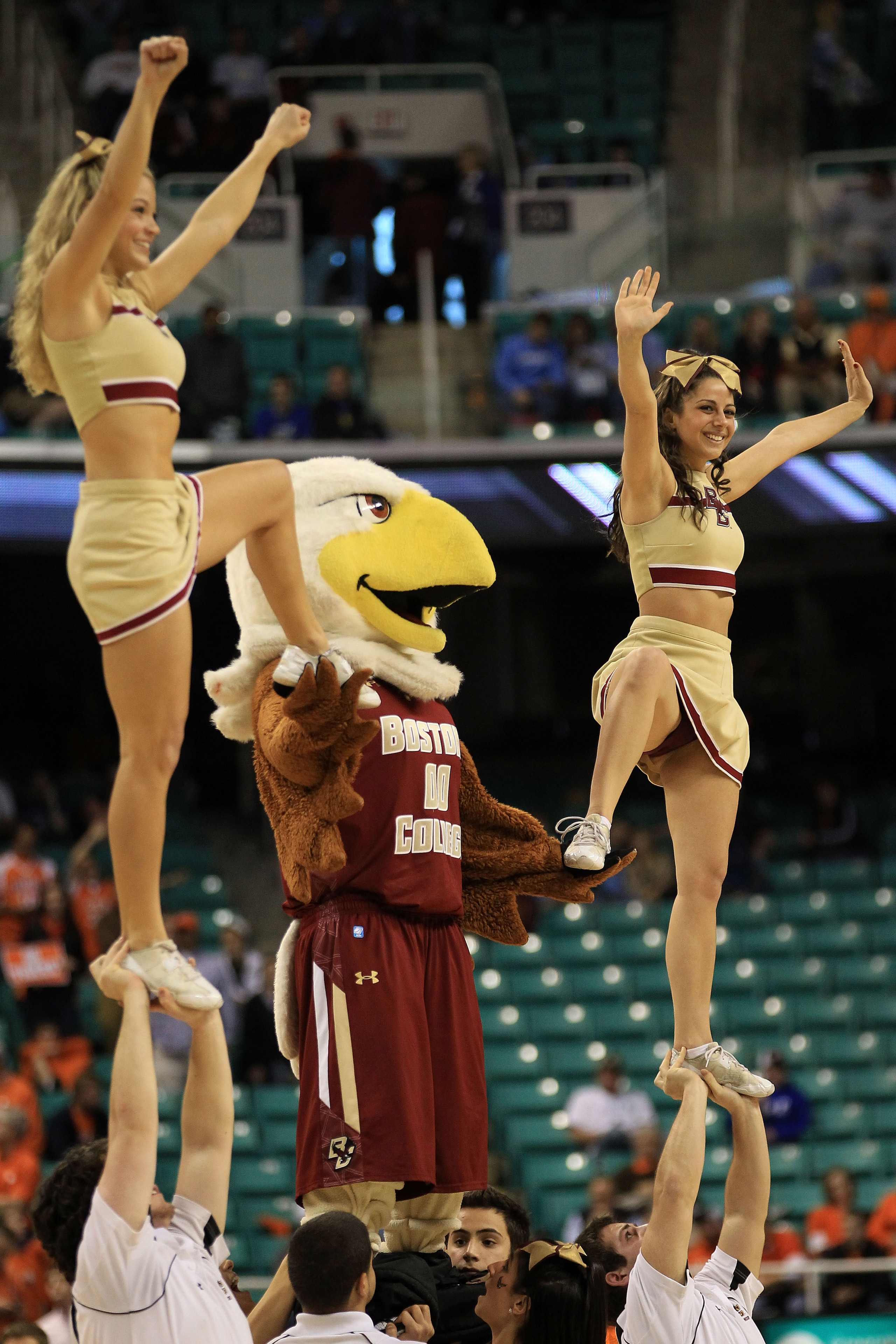
BC's nickname originated from the American bald eagle, which is also their mascot.
His name is Baldwin the Eagle, derived from the words bald and win. You never would've thought...
Clemson Tigers
2 of 12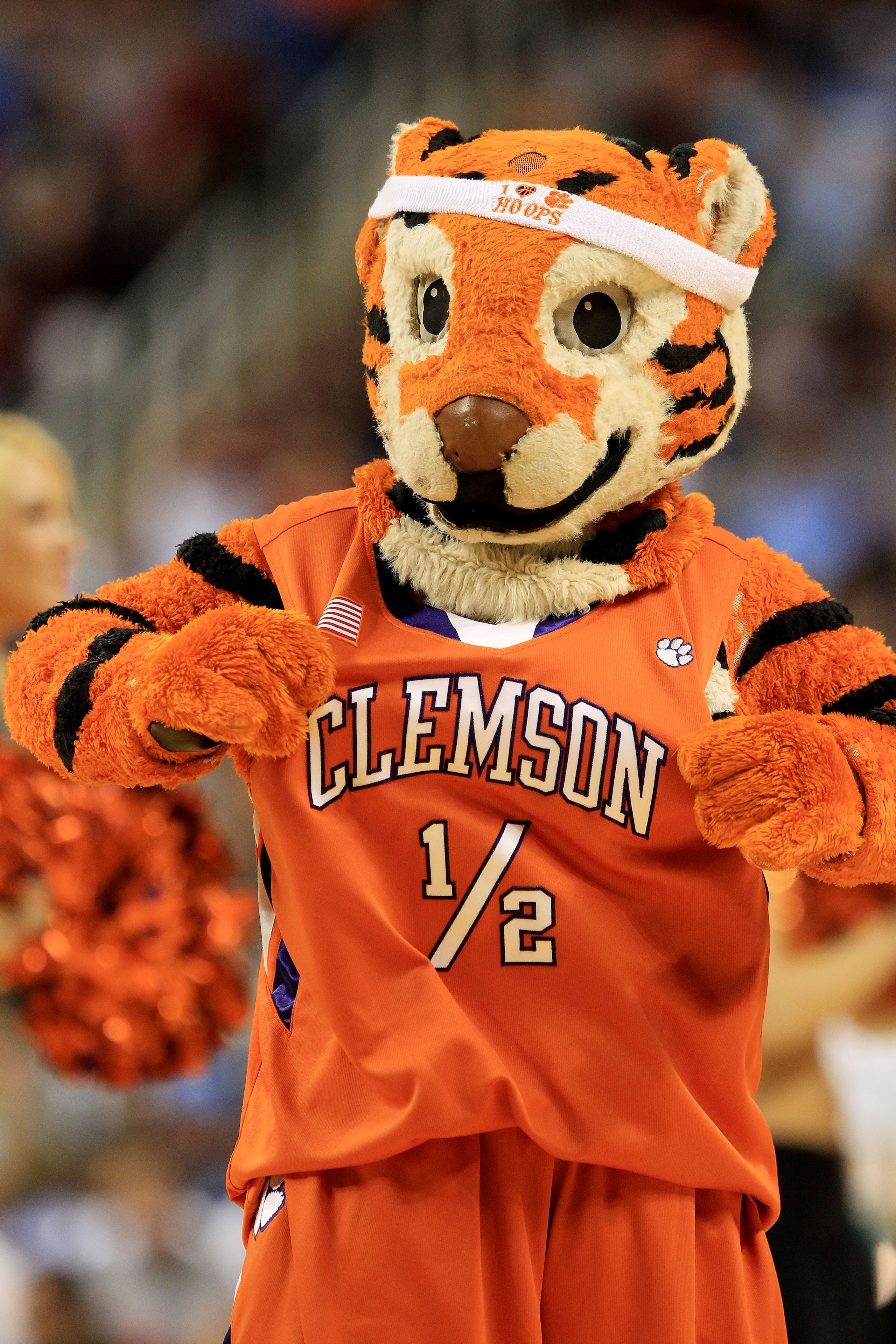
Football coach Walter Riggs came to Clemson in 1896, and gave the team the name the Tigers because he had always admired the Princeton Tigers.
Clemson's mascot is known simply as "The Tiger".
Duke Blue Devils
3 of 12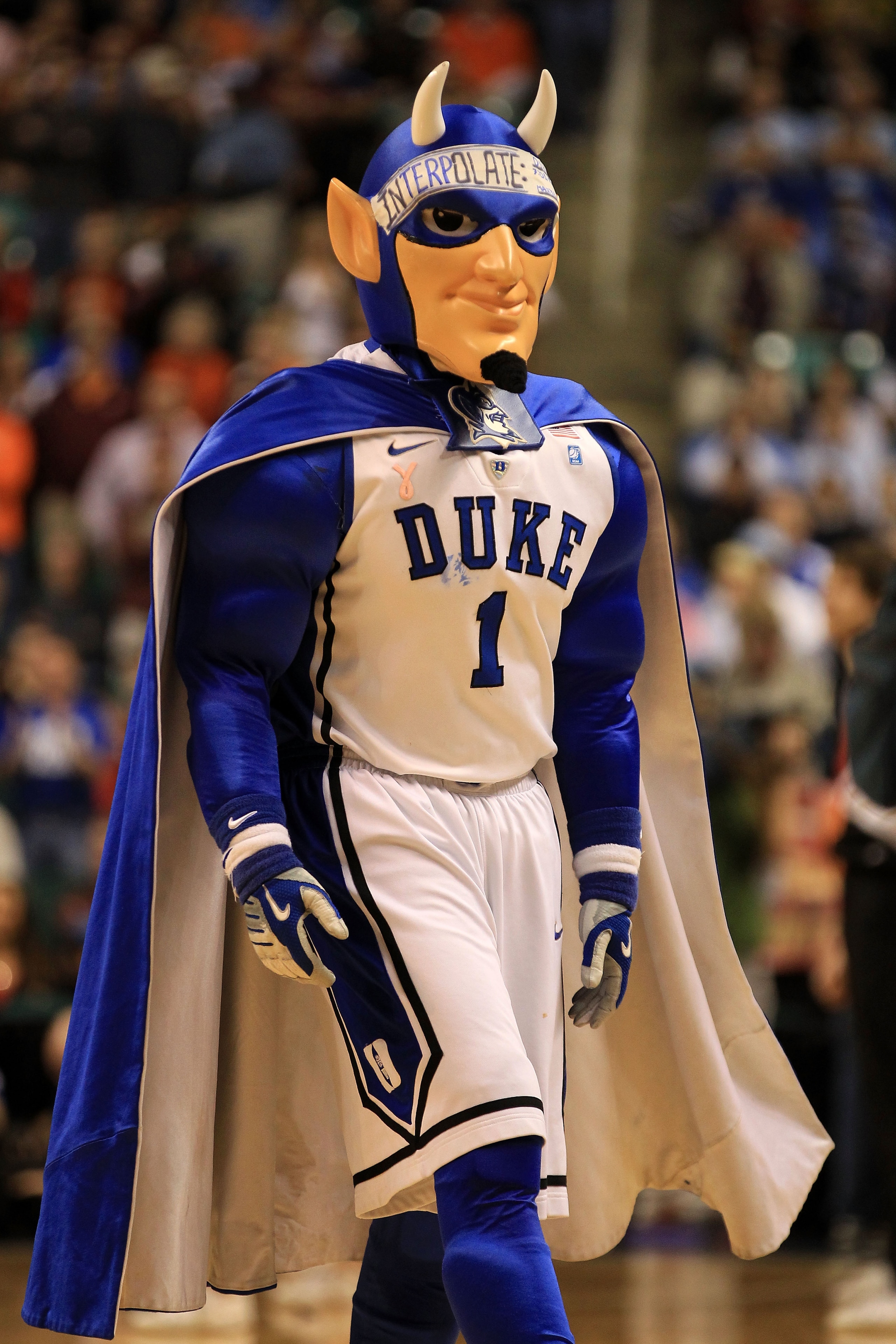
A French Alpine light infantry batallion, the Chasseurs Alpins, was nicknamed the Blue Devils during World War I because its men wore blue.
Other possibilities were considered for Duke's nickname including Blue Titans, Blue Eagles, Polar Bears, Royal Blazes, and Blue Warriors because the team's uniforms were also blue.
The mascot was intended to portray patriotism, not devils and evil.
.jpg?w=2560 "Seahawks Chiefs Football")


Florida St. Seminoles
4 of 12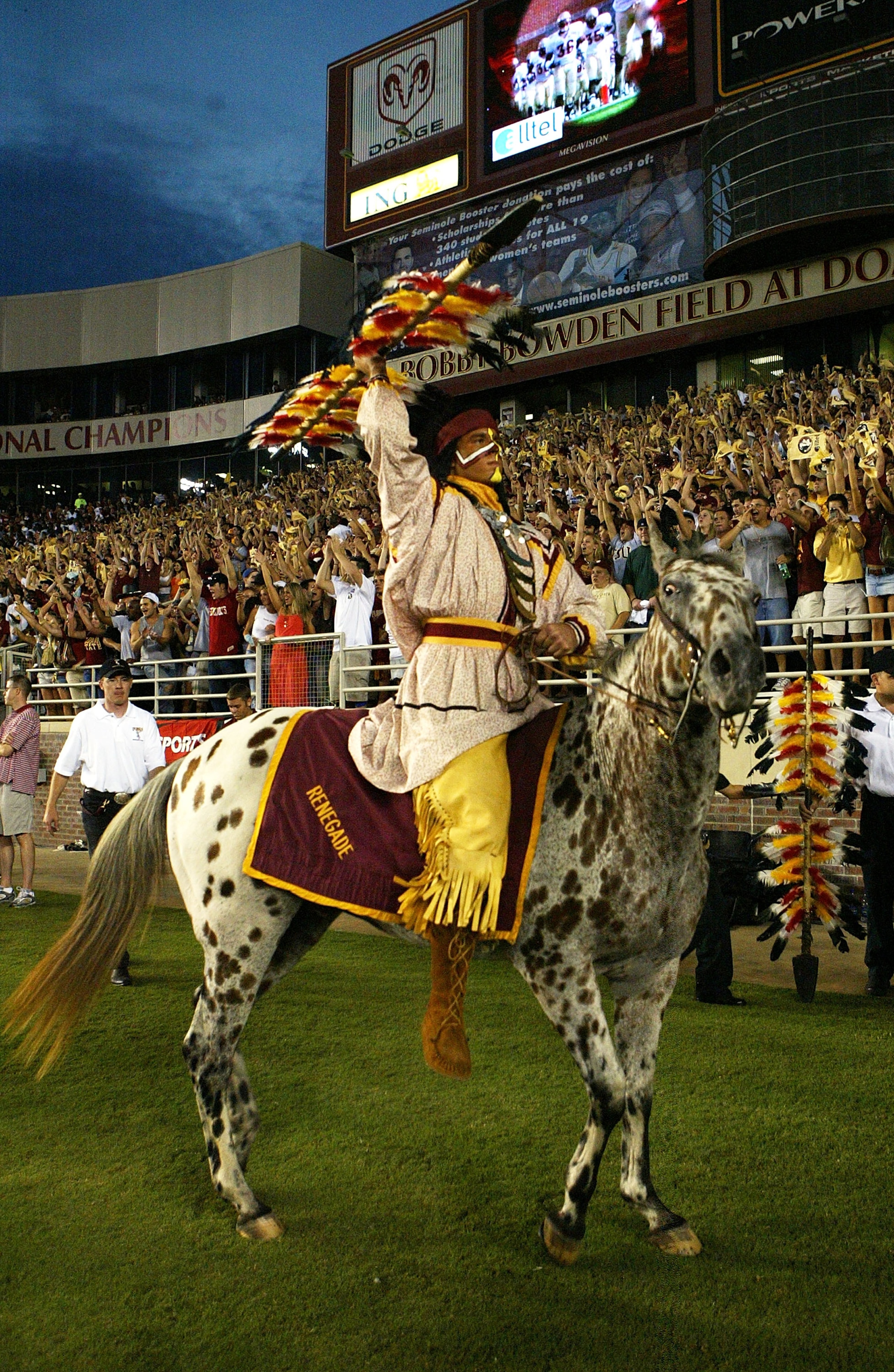
In 1947, the nickname was selected by students as a tribute to the Native American tribe, the Seminoles.
Chief Osceola is the mascot and he is often seen riding his horse, Renegade.
Georgia Tech Yellow Jackets
5 of 12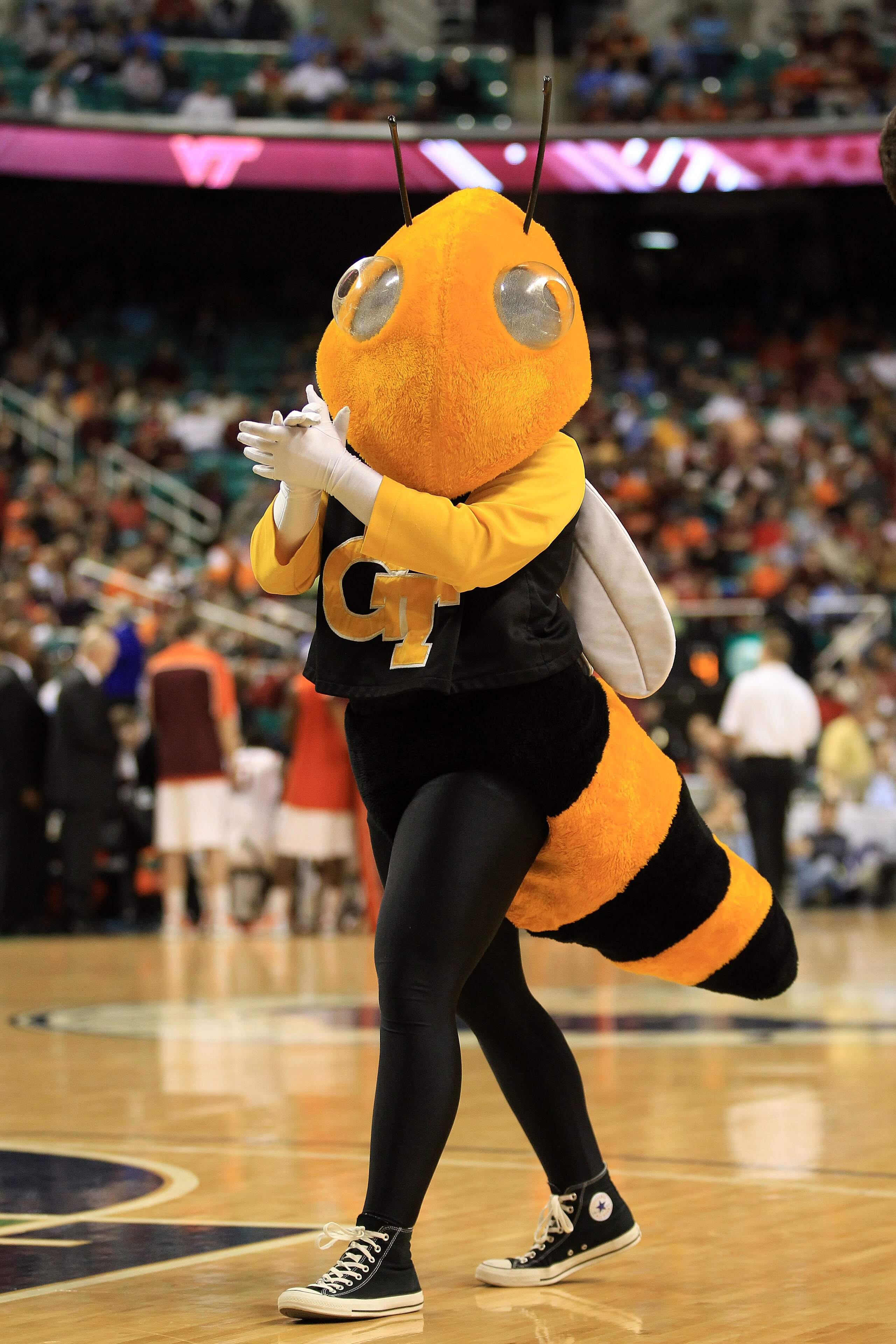
Fans would often wear yellow jackets to sporting events at the college, thus the nickname was born.
The Yellow Jackets have two official mascots, Buzz, who is a yellowjacket at basketball games, and the Ramblin' Wreck, which is a 1930 Ford that leads the football team on to the field.
Maryland Terrapins
6 of 12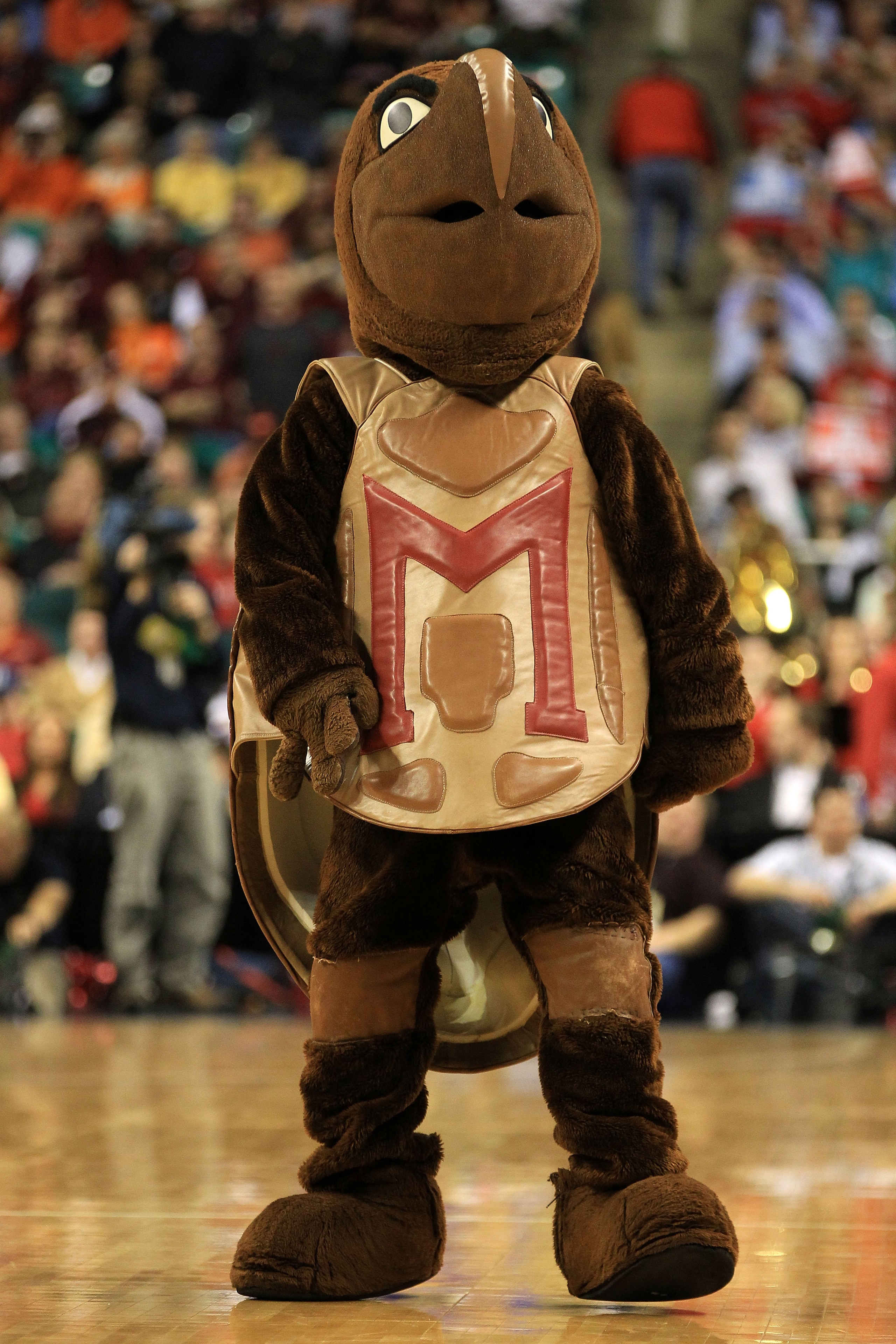
The school's newspaper was called The Diamondback. Diamondback terrapins are a turtle species native to the Chesapeake Bay.
Harry Byrd, the football team's coach in 1932, coined the nickname because his hometown was famous for the large amounts of terrapins that covered its shores.
The team's mascot is Testudo the Terrapin.
Miami Hurricanes
7 of 12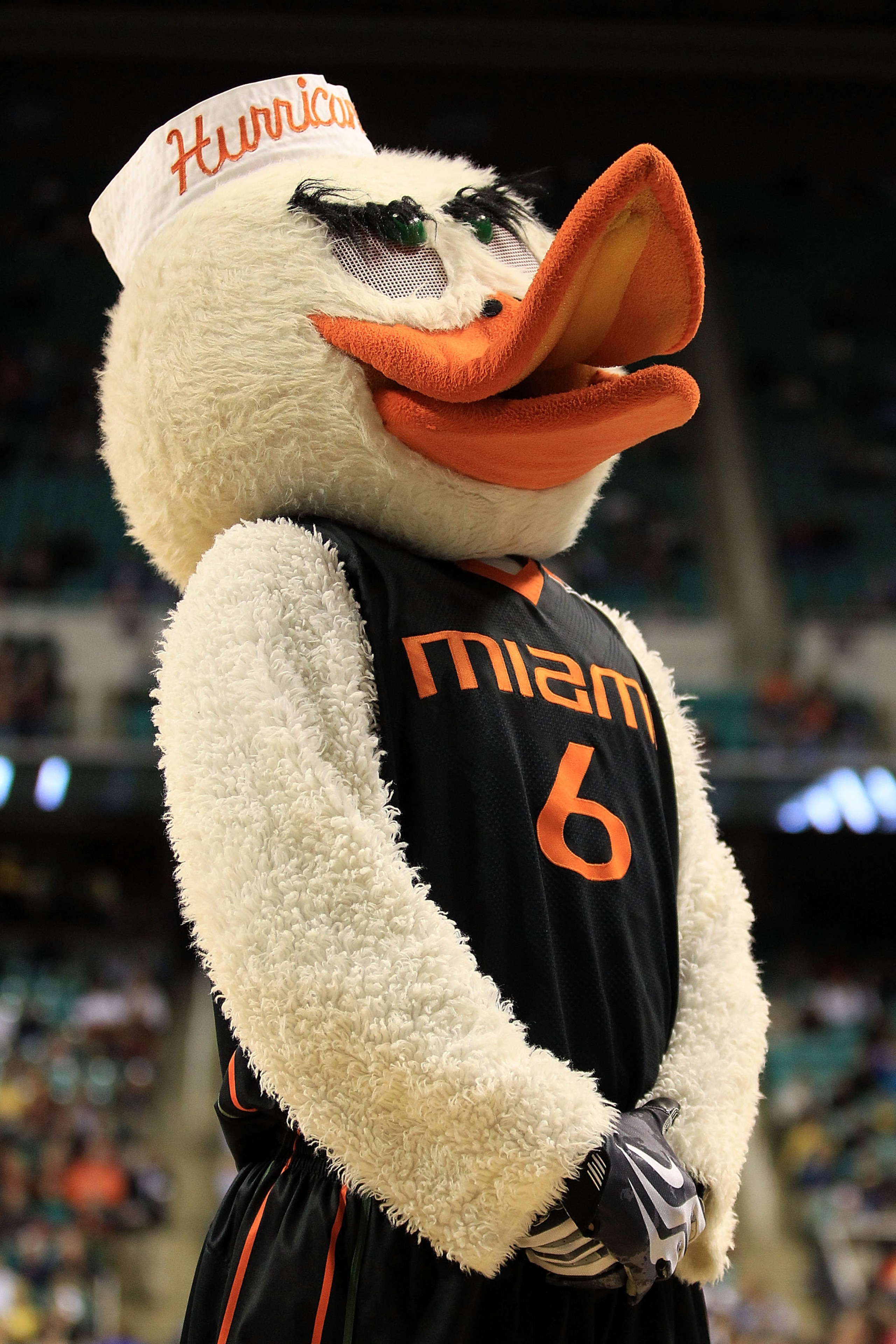
It is said the team's nickname originated from a devastating hurricane in 1926 that postponed football for a month.
Miami's mascot is Sebastian the Ibis. According to legend, the ibis is the last animal to flee an approaching hurricane and the first to reappear after it has passed through.
North Carolina Tar Heels
8 of 12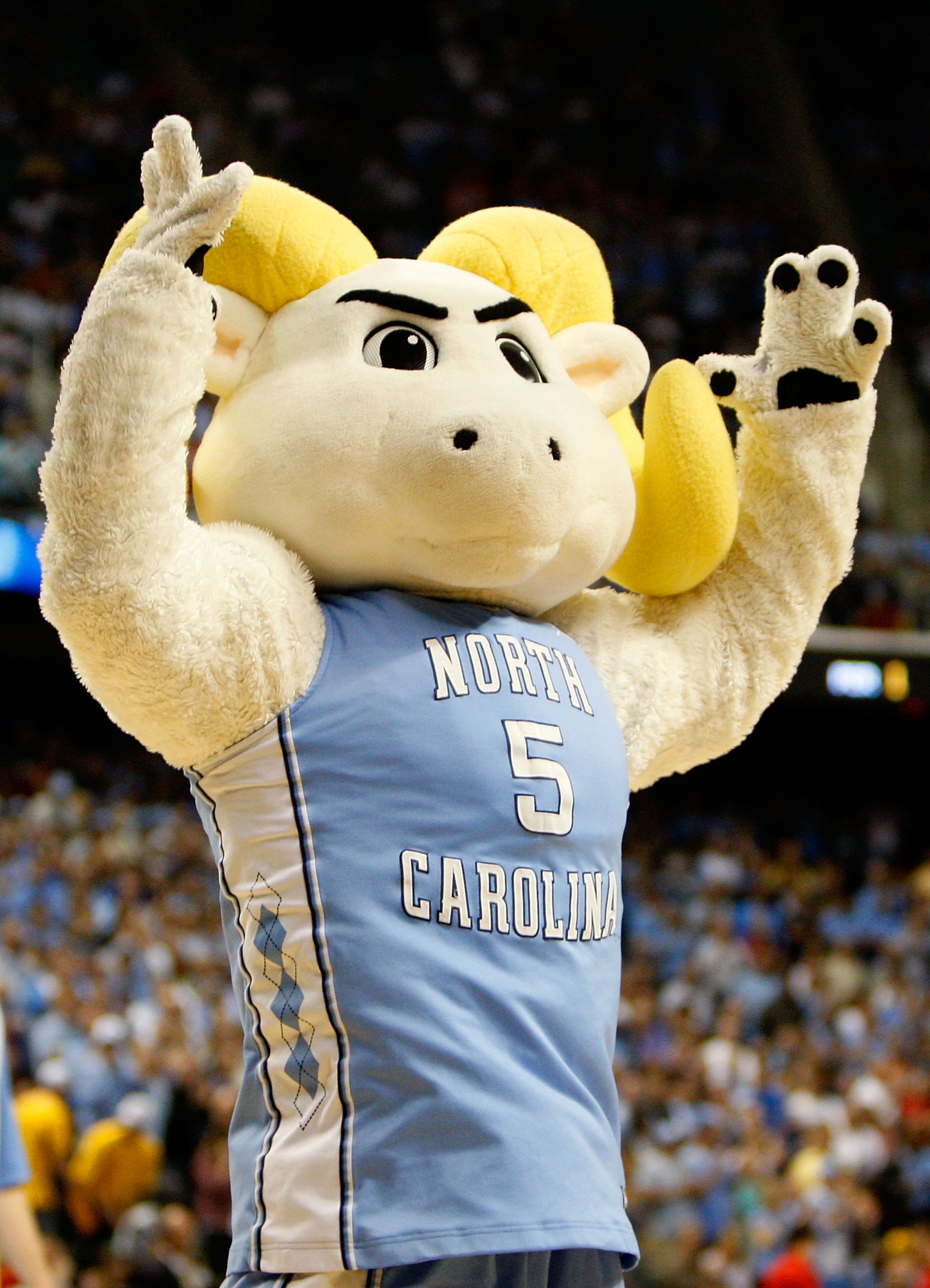
Tar Heel is a nickname for the state of North Carolina and its inhabitants.
The colony was an important source of tar and pitch to the British navy. Later, tar became one of the state's chief exports because it was home to vast pine forests.
Another legend is that, because North Carolina was an important Confederate state during the Civil War, the troops "stuck to their ranks like they had tar on their heels".
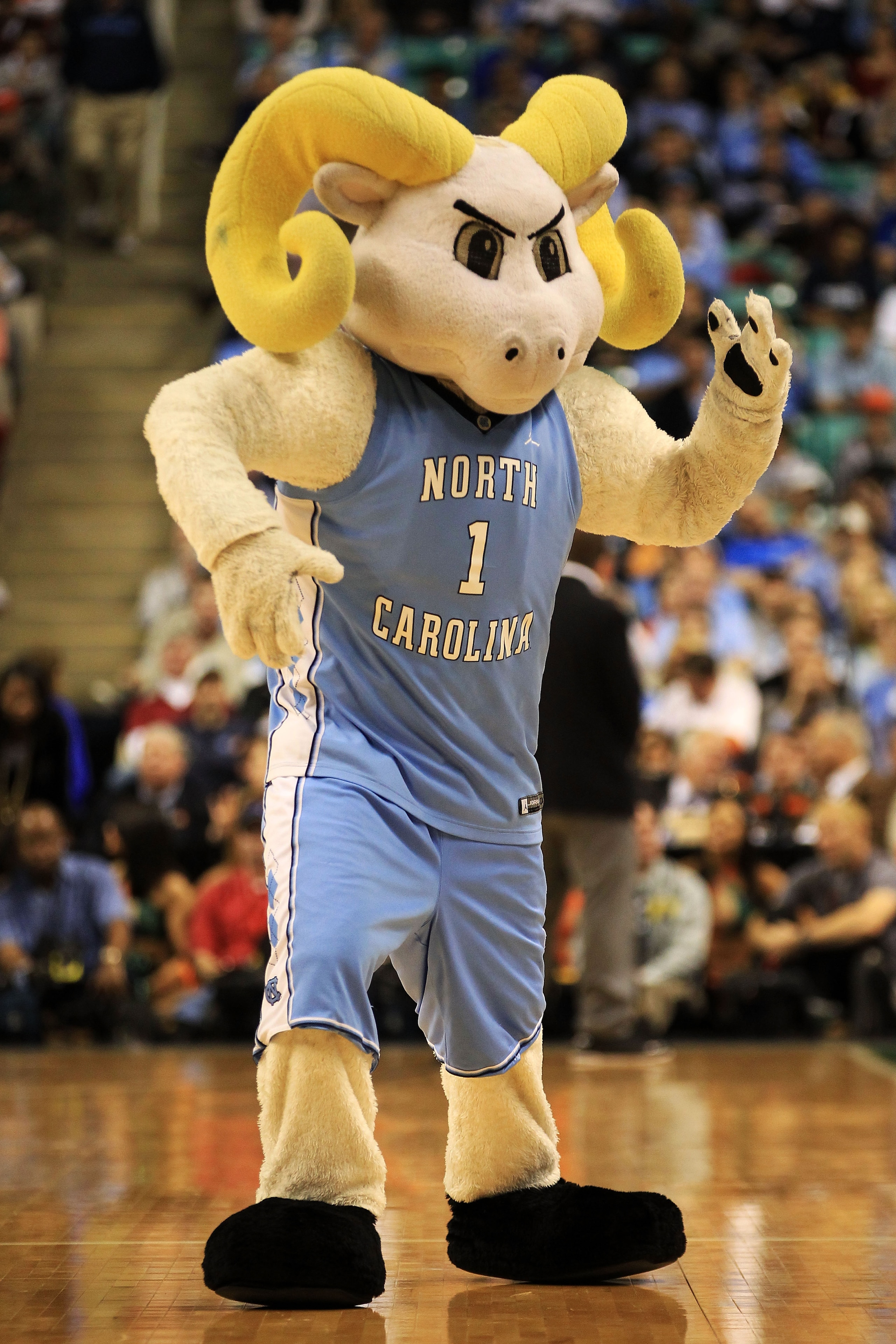
Rameses the Bighorn Ram is UNC's mascot. The mascot idea was inspired by star fullback, Jack Merritt, in 1922 because he was nicknamed "the battering ram".
North Carolina St. Wolfpack
9 of 12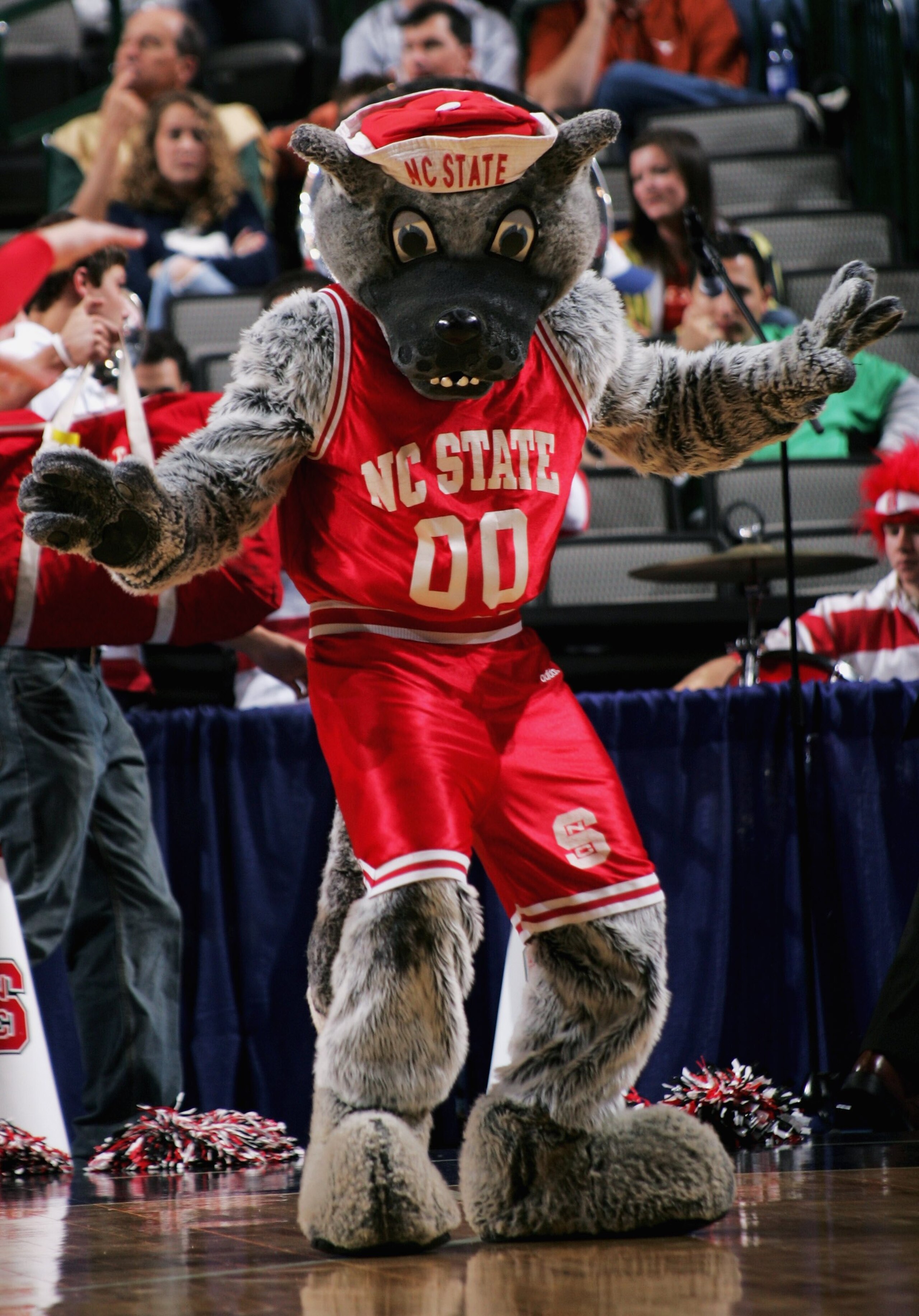
The nickname originated when the team's student section was described as a misbehaved wolfpack.
Mr. and Mrs. Wuf are the Wolfpack's two mascots.
Virginia Tech Hokies
10 of 12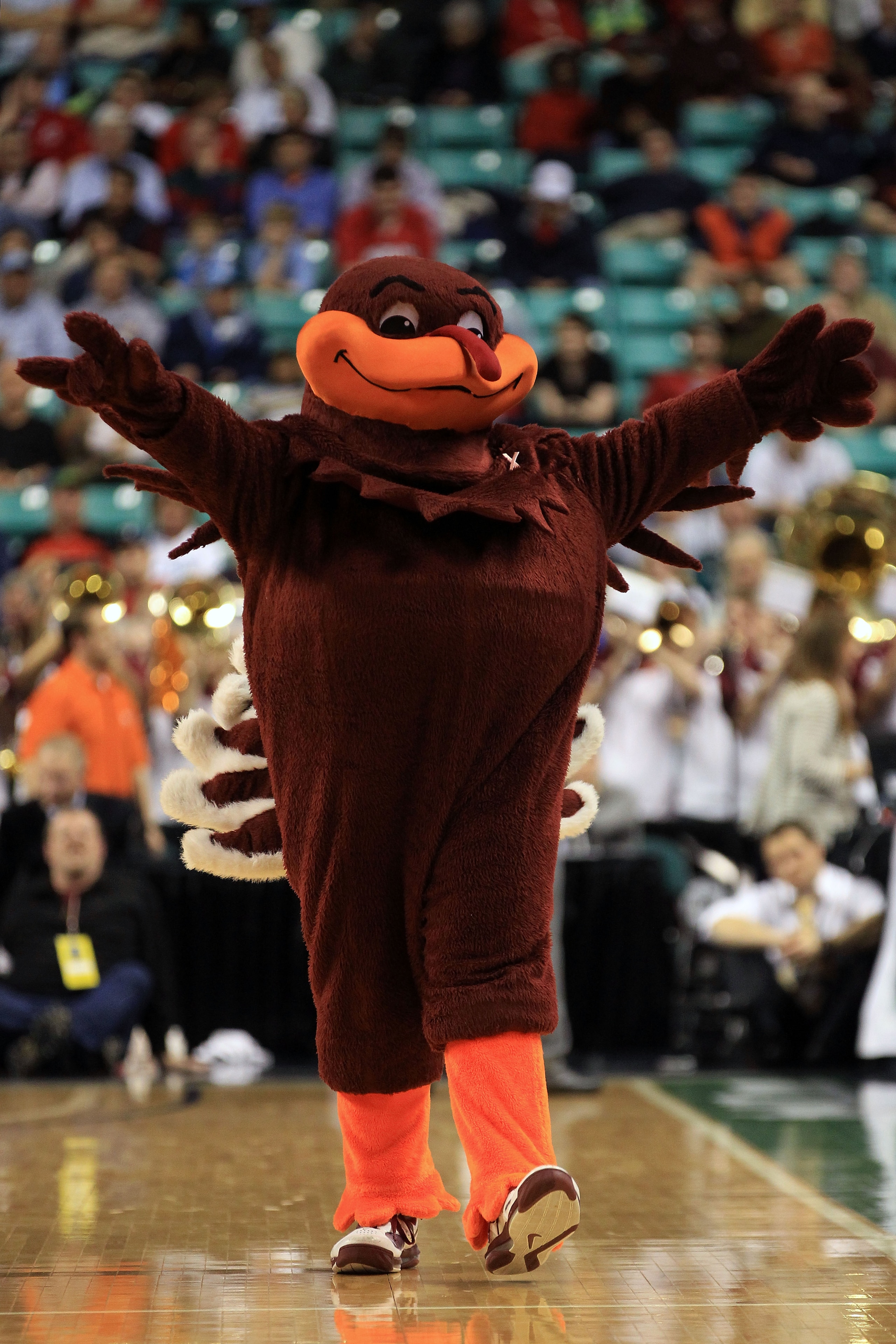
While some may believe it is a castrated turkey, the word "Hokie" was part of a chant that O.M. Stull created for a competition in 1896. The competition was held to determine a new spirit yell for Virginia Tech.
The team was originally known as the Fighting Gobblers, which is why their mascot is a turkey named HokieBird.
Virginia Cavaliers
11 of 12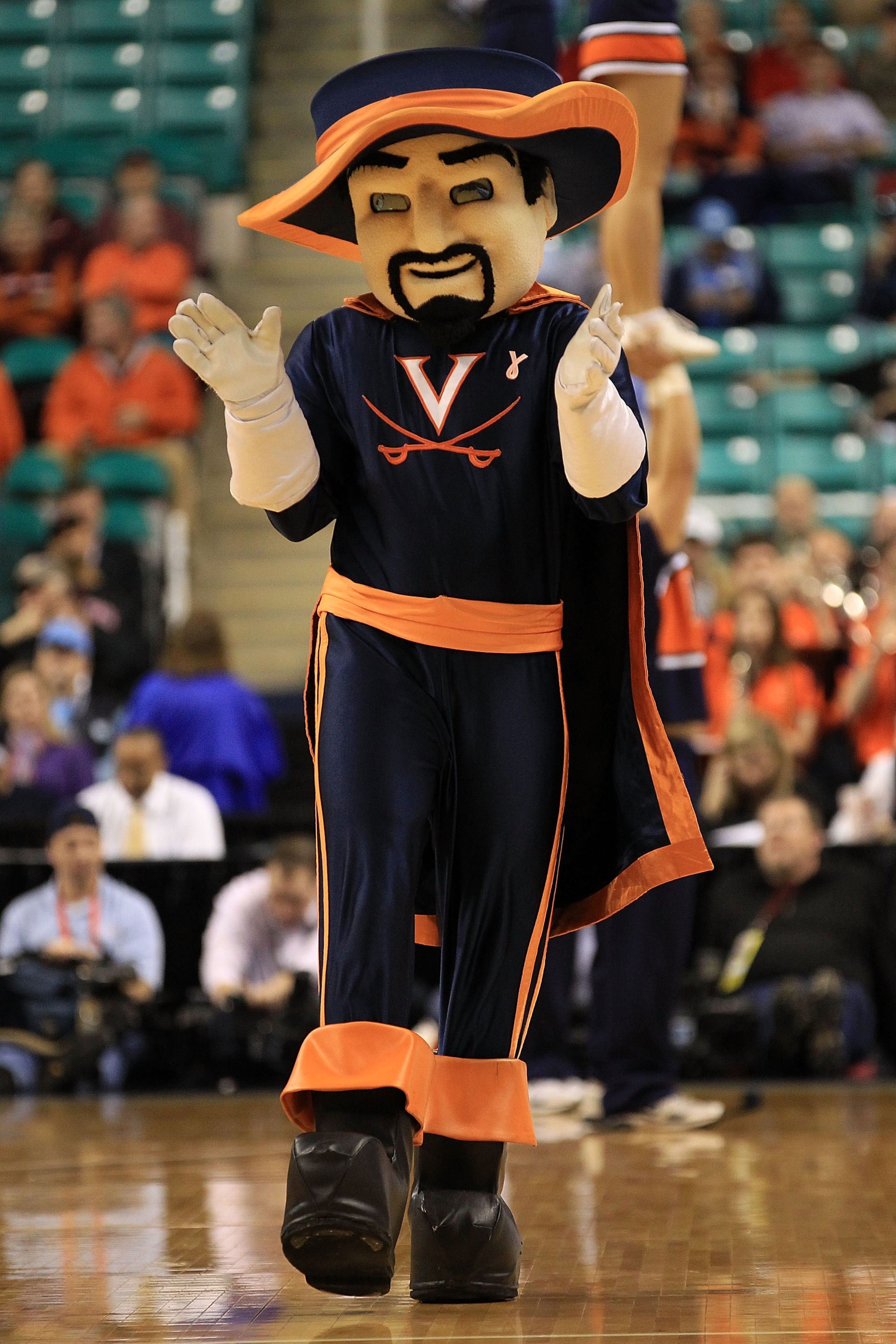
Virginia was a hotspot for those loyal to England during the English civil war. These loyalist were known as cavaliers.
The team's mascot is a mounted swordsman, or a cavalier, called CavMan.
Wake Forest Demon Deacons
12 of 12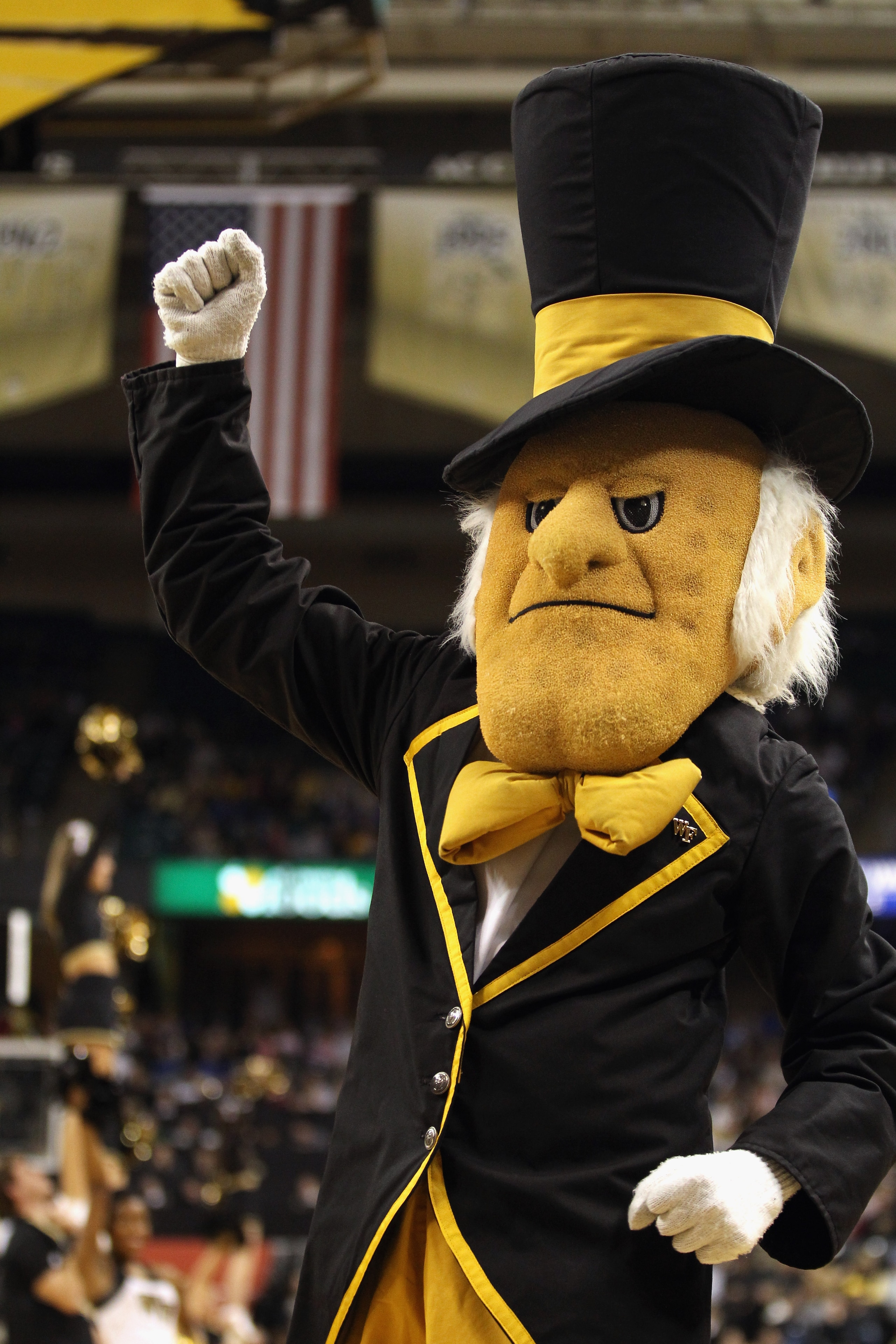
Wake Forest was originally associated with the Baptist Convention and its teams were known as the Fighting Baptists.
In 1923, after a big win over Duke, a sportswriter wrote that they played "like demons" and the Demon Deacons nickname caught on.




.jpg?w=2560 "Raiders Sticking with Cousins")