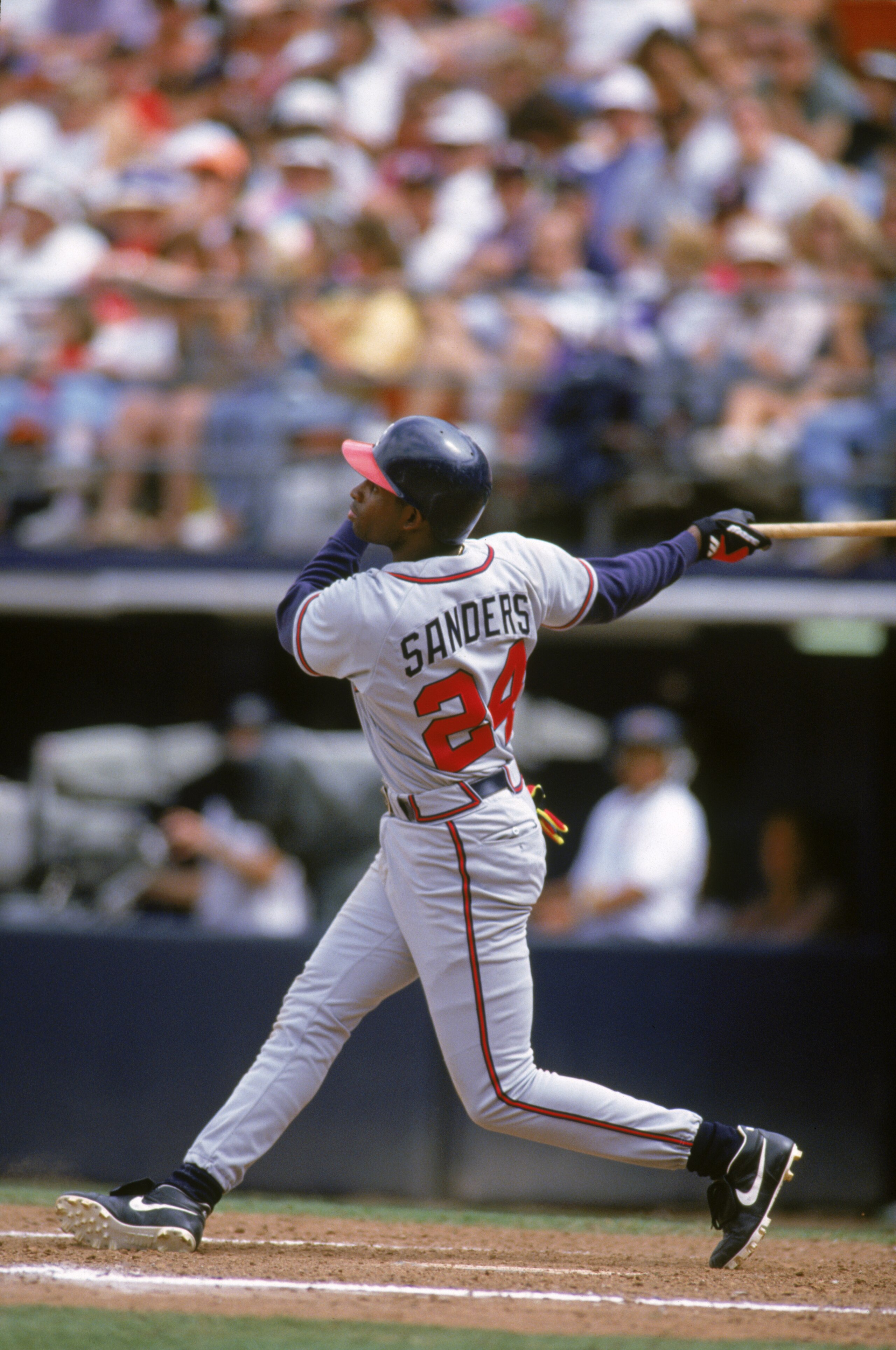
The National Football League vs. Major League Baseball: Which Is Better?
Bo knows. So does Deion. George Carlin knew it, too.
Football and baseball are different.
I'm well aware that being a two-sport athlete or a comedic icon are not prerequisites for understanding the obvious; even indigenous people from the remote areas of Mozambique, isolated from the modern world, would be able to see the differences immediately.
Yes, football and baseball are unique in the dimensions of their playing fields, the scoring of each game and the time regulations.
The elite professional leagues of each sport, the National Football League and Major League Baseball, have a flavor and a personality unique unto themselves though. These contrasts beg the question, which league is better?
By noting the differences in the folks who own, coach, play and watch the two games, I hoped to find an answer. To accomplish this, I deconstructed and psychoanalyzed each league's style, persona and idiosyncrasies in a manner that would make Sigmund Freud envious.
The Owners
1 of 6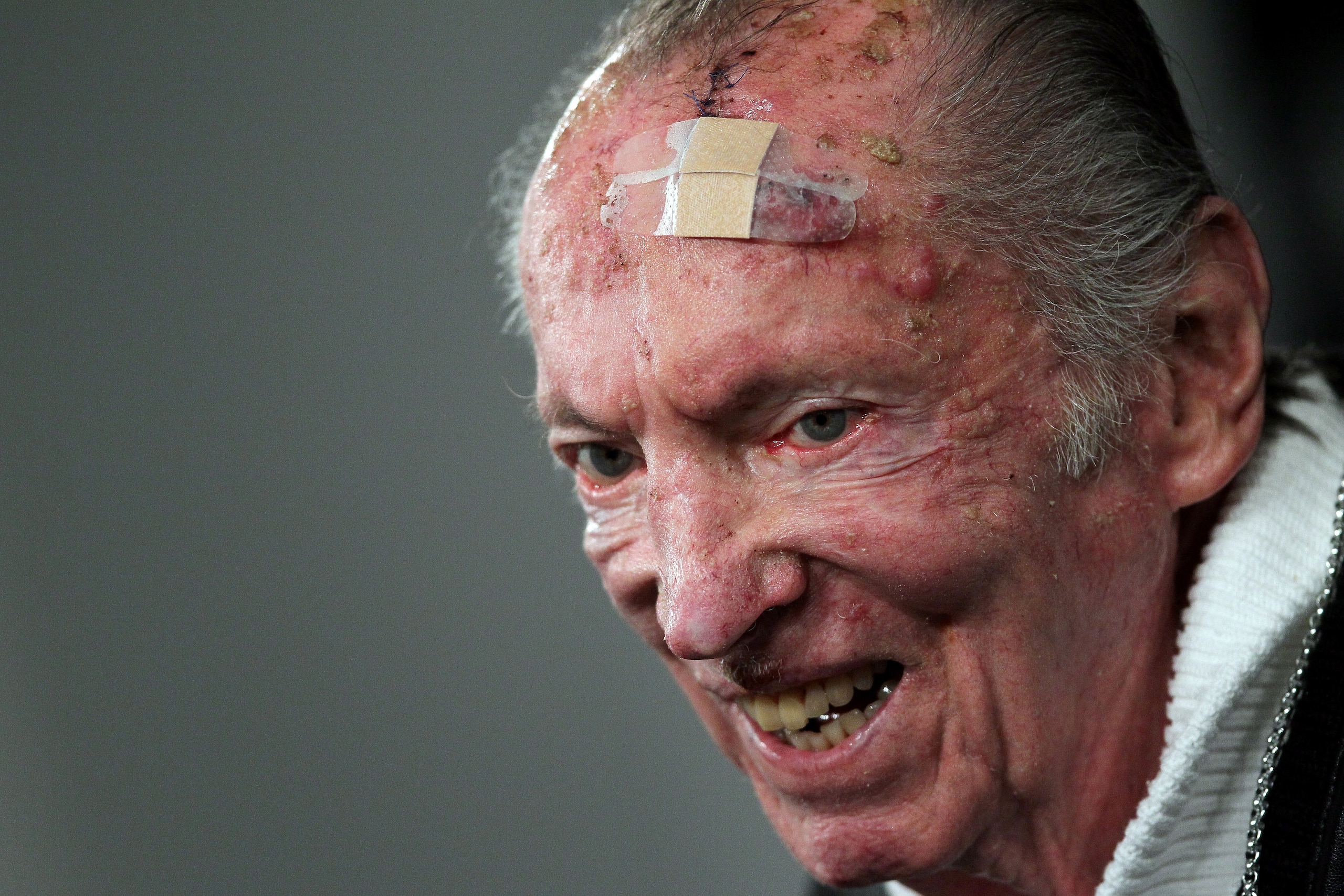
No, that is not a photo of Robert Englund in character, but rather a disturbing cryptkeeper-like image of Al Davis.
Yes, both leagues have their share of eccentric, enigmatic owners.
The NFL has the aforementioned Davis, who single-handedly built and then destroyed the Raiders, and the self-aggrandizing Jerry Jones, who built an obnoxious, bloated football stadium to honor himself, only to be forced to watch two of the Cowboys' bitter rivals, the Packers and the Steelers, play a Super Bowl in it.
Baseball had bizzaro Charlie O. Finley, who built the Oakland A's into World Champions, and then, in an act of spite, gave many of the players away, some of whom eventually played for megalomaniac George Steinbrenner.
Although each league possesses a motley crew of ownership styles and personalities, as a collective, they couldn't be any more different.
Football owners are a shrewd bunch. They created a model for running a league that is second to none. When dealing with the NFLPA, they have stood together and fielded teams consisting of "scabs" rather than kowtow to the players' demands (The 1987 "scab" games gave ownership a large amount of leverage against the union due to games selling out in various cities like Denver and Pittsburgh.).
Because of their solidarity, the NFL thrives like no other league in sports history.
On the contrary, baseball owners are a disjointed group, unable to agree on what to order for lunch, let alone how to work together on running a league. Time and time again, the MLBPA has had its way with them. Even when the owners resorted to collusion to loosen the players' grip, the tide went against the owners, with a judge ruling in the players' favor (coincidentally in 1987, the same year as the NFL "scab" season).
Because of baseball owners' ineptitude, MLB is a caste system of have and have-nots.
Advantage: The NFL, Al Davis notwithstanding.
The Managers/Head Coaches
2 of 6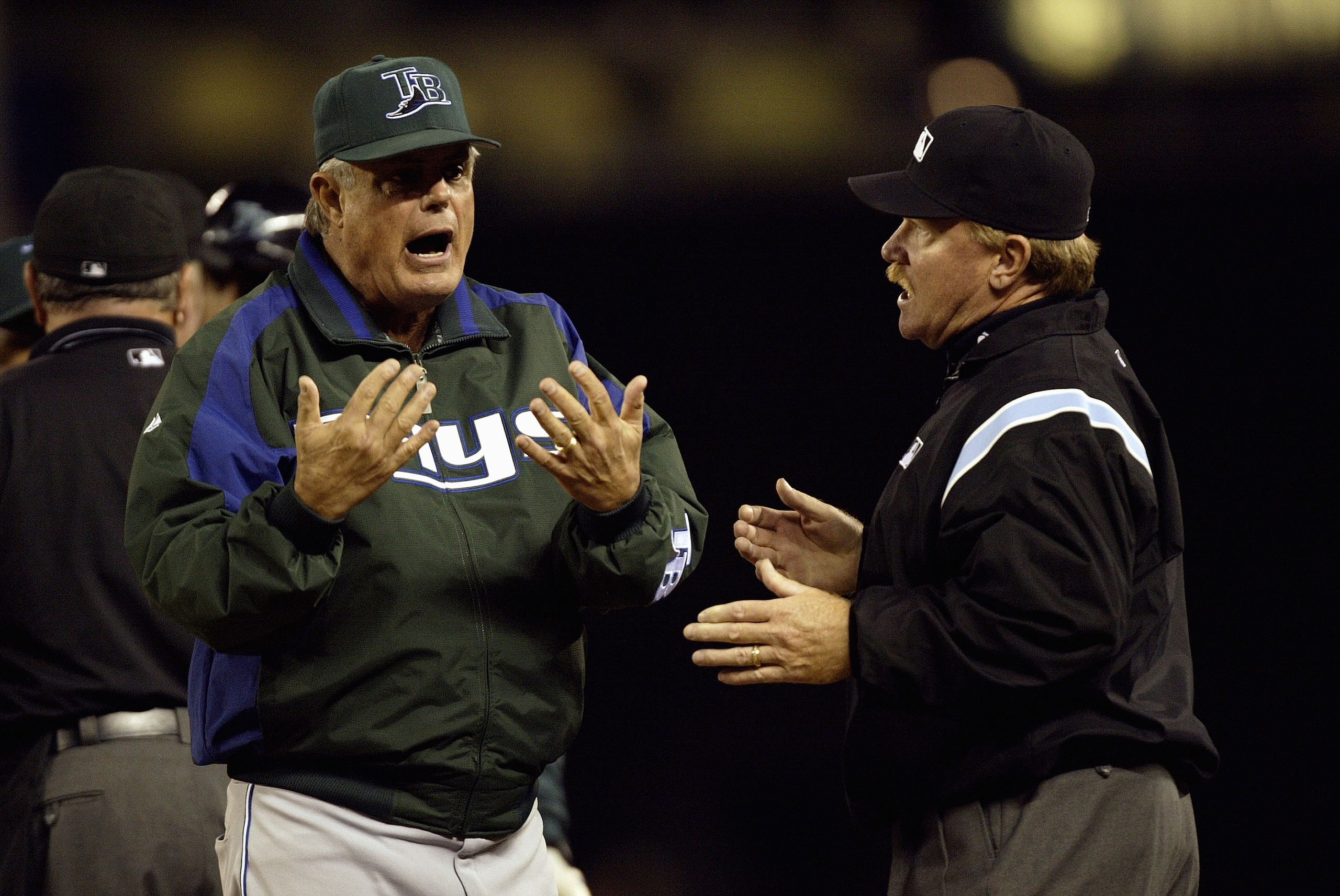
The personalities and demeanor of managers and head coaches usually follow acceptable norms within each league.
Baseball managers are quirky characters who sometimes say silly things (i.e. Casey Stengel) chew tobacco, grab their crotches and at times, appear catatonic with their arms folded. Some of them resemble a high school gym teacher standing in front of an 8th grade health class trying to explain where babies come from.
Football head coaches are either labeled as stoic, intellectual innovators or passionate, emotional motivators. A select few are even called geniuses. They stand on the sidelines wearing headsets and periodically yell, "Aww, c'mon!" or "What the hell was that?"
Although both groups spend a great amount of time berating the umpires or referees, they approach it differently.
For example, baseball managers are masters of arguing with the umpires. Guys like Earl Weaver, Billy Martin and Lou Piniella have given us hours of video footage to enjoy. Whether it's kicking dirt on an ump's feet, ripping out second base or low-crawling to the pitcher's mound, baseball managers have turned disputing a call into performance art.
On the other hand, football coaches are usually more reserved in handling their disputes. Some will chirp in the sideline official's ear throughout the game or protest vehemently over a bad call. Once in a while, they give a good sound-byte, like Jerry Glanville saying the NFL stands for "Not For Long" to a rookie official. Yet, seldom do they storm onto the middle of the field and never do they kick grass on the refs or throw a helmet into the stands.
Can you imagine Bill Belichick low-crawling behind Ed Hochuli?
Advantage: MLB, based on the entertainment factor alone.
The Assistant Coaches
3 of 6
Nowhere is there a greater discrepancy between the two leagues than with the role of the assistants.
In baseball, the role of a coach is to pitch batting practice, hit fly balls and utter such banality as "Attaboy", "Way to get 'em," and "Throw it in there, Meat!". While hitting coaches and pitching coaches appear to have a marginally necessary role, base coaches and bench coaches do not.
With a base coach, your main responsibilities are to relay signals to the hitter from the manager—most of which is pure nonsense—and to give "go" or "stop" signals to baserunners, who usually ignore them. No base coach, that I'm aware of, has been recognized as someone the opposing team needs to figure out schematically to be victorious.
Furthermore, to become a bench coach requires nothing more than being an ex-ballplayer with no other marketable skills than telling old war stories about pitching to Ted Williams or batting against Sandy Koufax. Most bench coaches can be found nodding off next to the water jug.
What about assistant coaches in football, especially the coordinators?
They are different. They play a significant role. Many of them have changed the game with their innovations, like Dick LeBeau who created the zone blitz. Assistant coaches in football help design the game plans and the schemes for game day. They are figures to be studied, commended and as other teams know, reckoned with.
Advantage: The NFL. It's not even close.
.jpg?w=2560 "Seahawks Chiefs Football")

The Players
4 of 6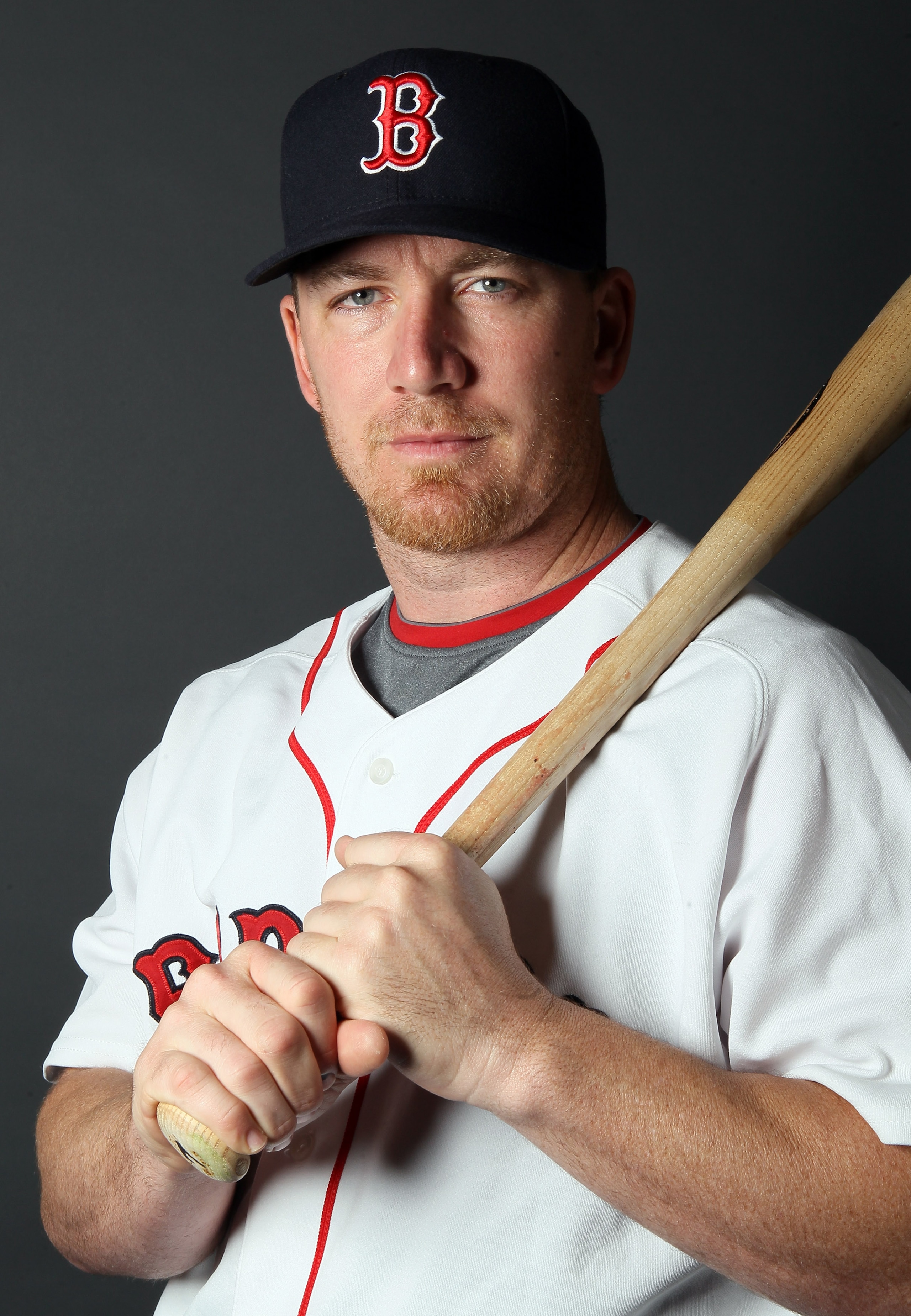
The best way to delineate the difference between baseball and football players is how they handle injuries.
In baseball, a term common to the sport's vernacular is "tweak". A tweak is a minor injury not serious enough to put a player on the disabled list, but supposedly bad enough to prevent that player from being in the lineup for a short period of time.
The master of the tweak is J.D. Drew. He has "tweaked" his back, groin and hamstring. Drew has even managed to "tweak" his vestibular system in the form of vertigo.
Drew's current teammate, Josh Beckett, has "tweaked" his fingertips in the form of blisters and former teammate, Manny Ramirez, has "tweaked" his own ego. Tweaks also come in the form of migraines, cold sores, priapism and halitosis.
Okay, maybe I exaggerated a couple of them.
In football, a tweak is either shattered vertebrae or shredded ligament. Players have been know to play a significant amount of games with broken bones. One year, Anquan Boldin played a game with a broken face. Somehow, I can't see Drew toughing that one out.
Curiously, baseball and football cultures have completely contrasting views on players' use of performance-enhancing drugs (PED).
In baseball, the use of PED by players is seen as an affront to the integrity of the game and a betrayal to the fans.
In football, PED use is met with a benign indifference and is seen as nothing more than an explanation as to how a player gained 50 pounds of muscle in the offseason.
Advantage: The NFL, for the fans, because we get to satiate our blood-lust by watching players beat themselves brain dead. MLB, for the players, because they have a better chance of not spending their later years confined to a wheelchair and eating pureed dinner through a straw.
The Fans
5 of 6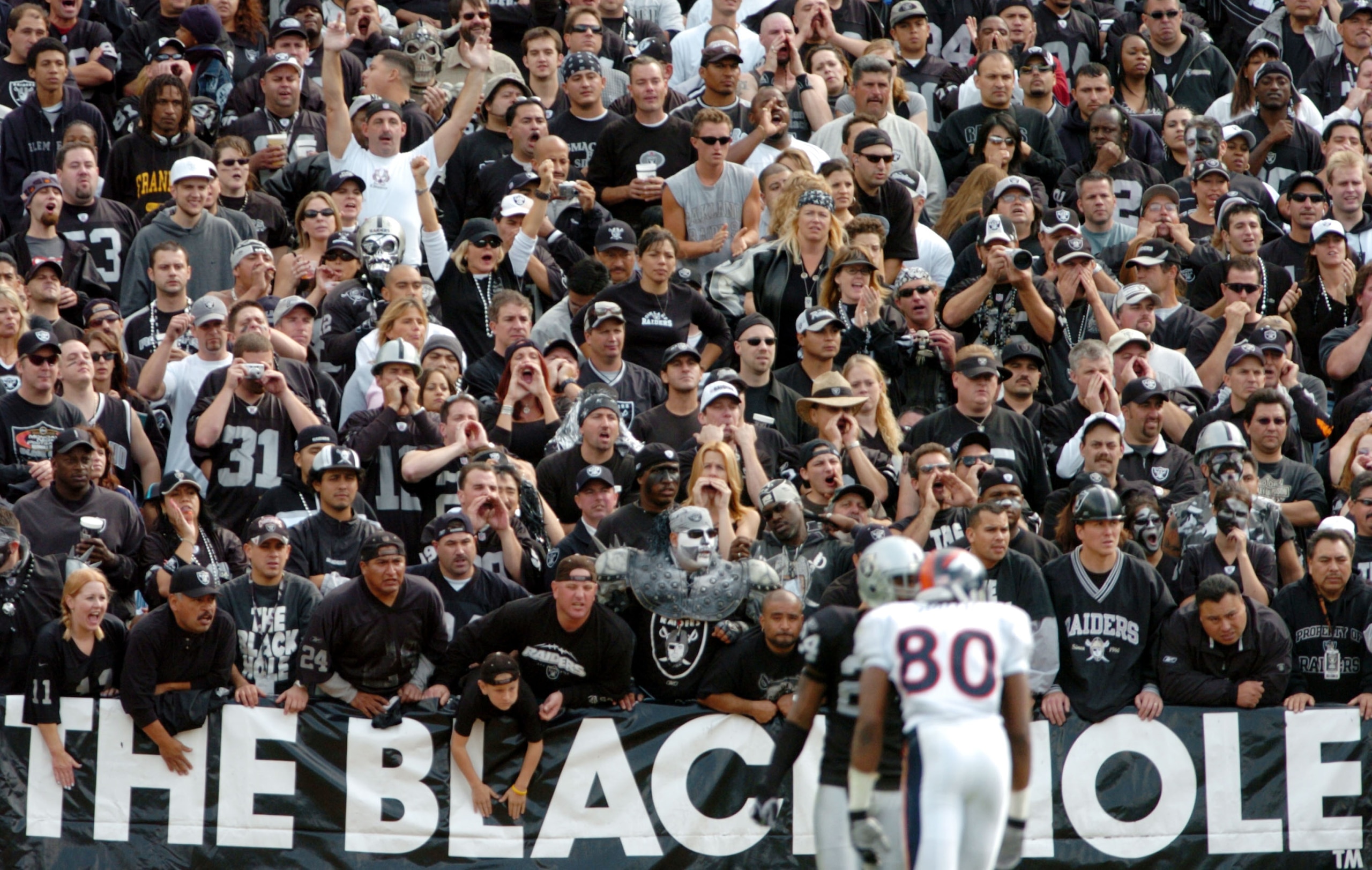
Oh yes, the fans. Like night and day.
Baseball fans are subdued. For the most part, they are leisurely in their observation of the game. They keep score, discuss statistics, debate the history of the game and eat peanuts and Cracker Jacks. The atmosphere is mostly congenial, and rude temperament is usually reserved for the drunken yahoos in the cheap bleacher seats.
Conversely, football fans are certifiably nuts. They show up in the parking lot three days before the game dressed in full theatrical garb and tailgate hard until kickoff. During the game, rude behavior is not only tolerated, it's expected. They yell, cuss and spit—and that's just the female fans.
You're guaranteed to see a group of football fans half-naked, even if the temperature is zero Kelvin. Again, female fans aren't exempt from this insane behavior, either. Look for the Packers' bikini girls during a game at frozen Lambeau Field.
Advantage: MLB. Fat, drunk and stupid is no way to go through life, son.
Conclusion
6 of 6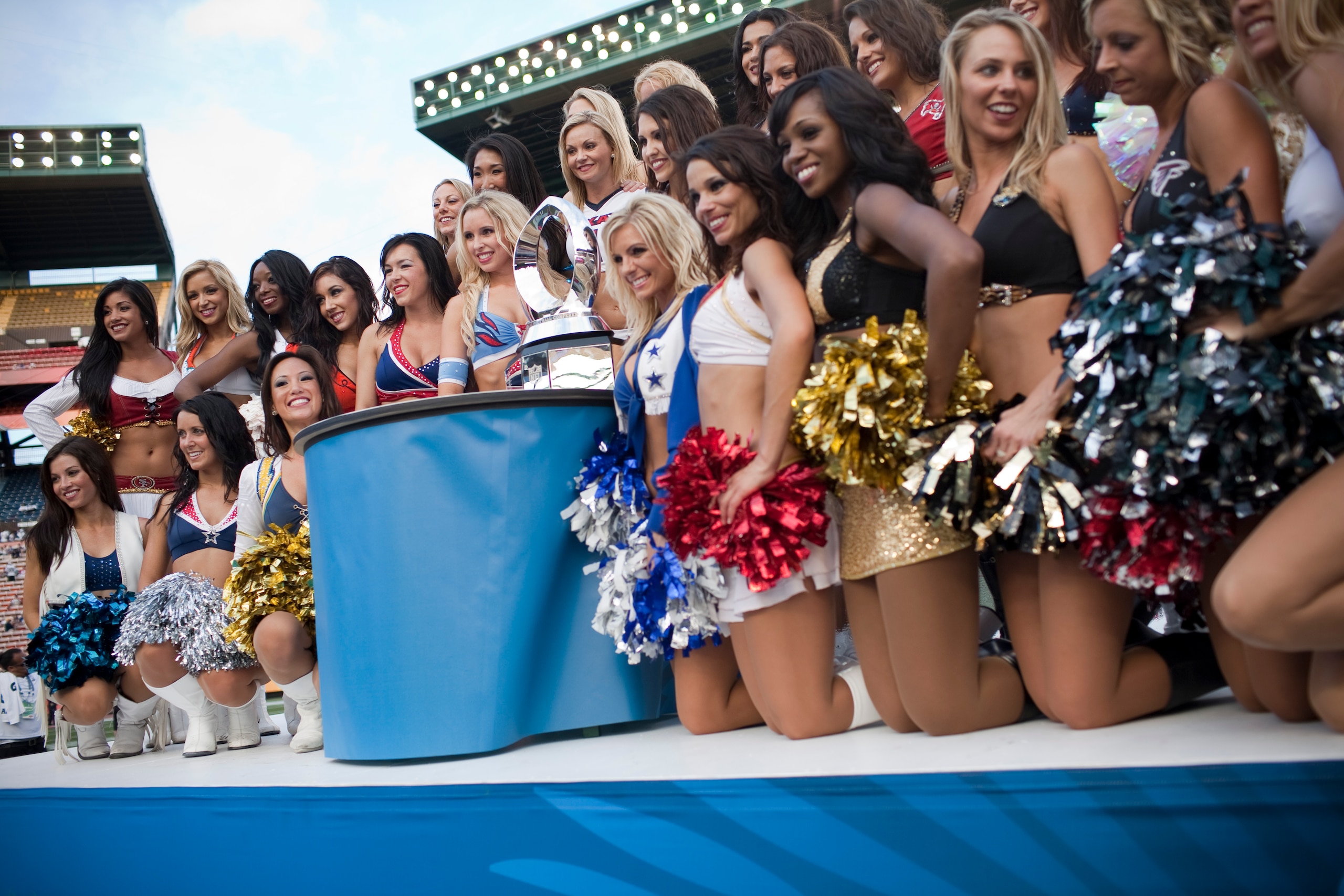
Which league is better? Looks like my analysis concluded in a tie.
But, in reality, it depends on your point of view.
Some prefer the nuances and geometry of Major League Baseball.
Others desire the violence and the strategy of the National Football League. Sideline camera shots of scantily-clad cheerleaders don't hurt the cause, either.
Still, many of us enjoy watching both.
Regardless of your preference, I think we can all agree that they provide us with the necessary diversion to make us forget about our semi-miserable existence.





.jpg?w=2560 "WWE Raw Live Grades 🔠")