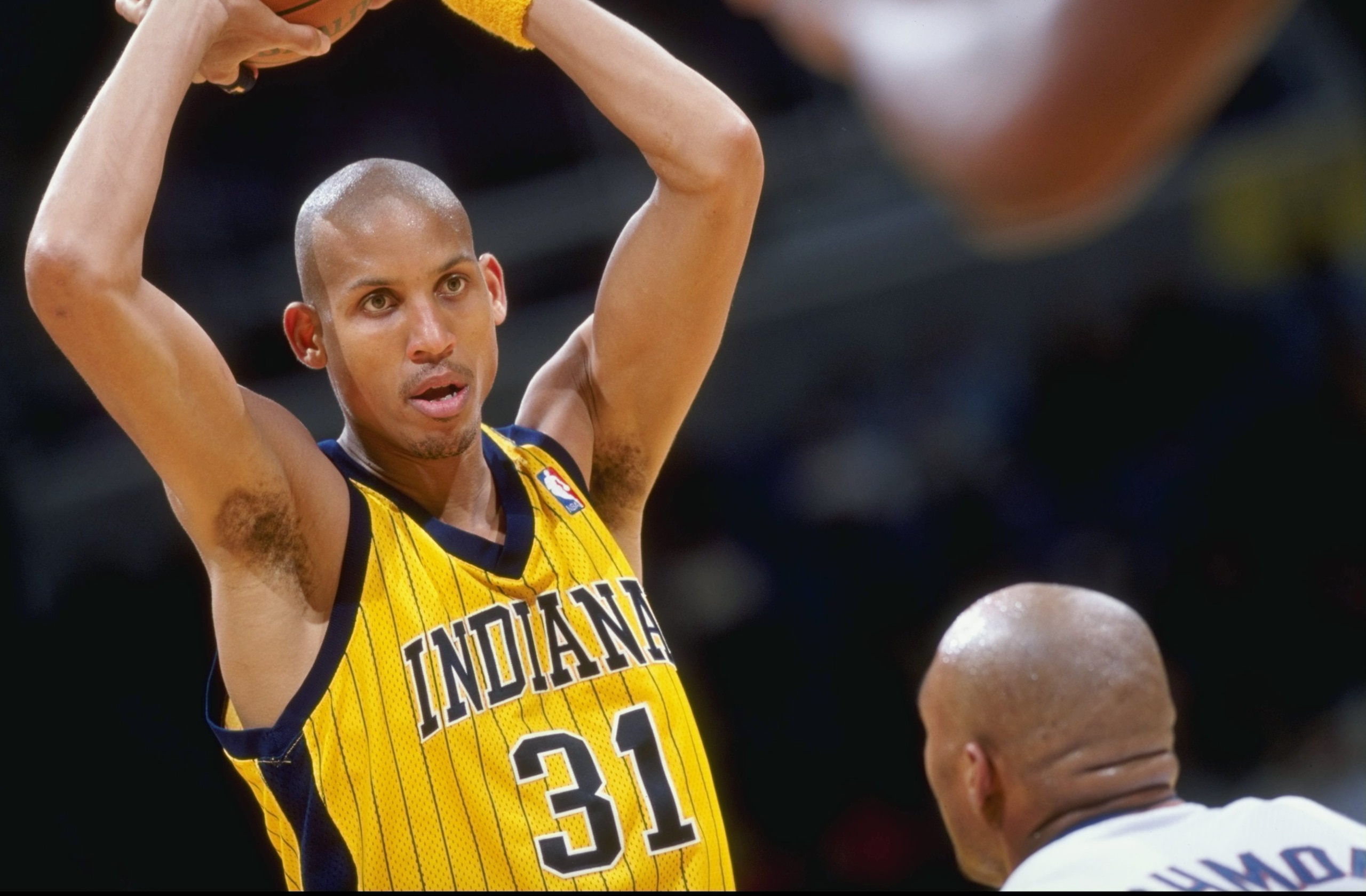

Basketball Hall of Fame: 10 Reasons Reggie Miller Should Be a Finalist
The finalists for this year’s Basketball Hall of Fame voting have been selected, and first-time candidate Reggie Miller didn’t make the cut.
Whether Miller deserves to make the Hall of Fame is, apparently, another question for another time.
That said, leaving him out of the list of finalists is ridiculous. Herein, 10 reasons why Miller has earned a chance to be among the Hall finalists.
10. How Many Non-Players?
1 of 10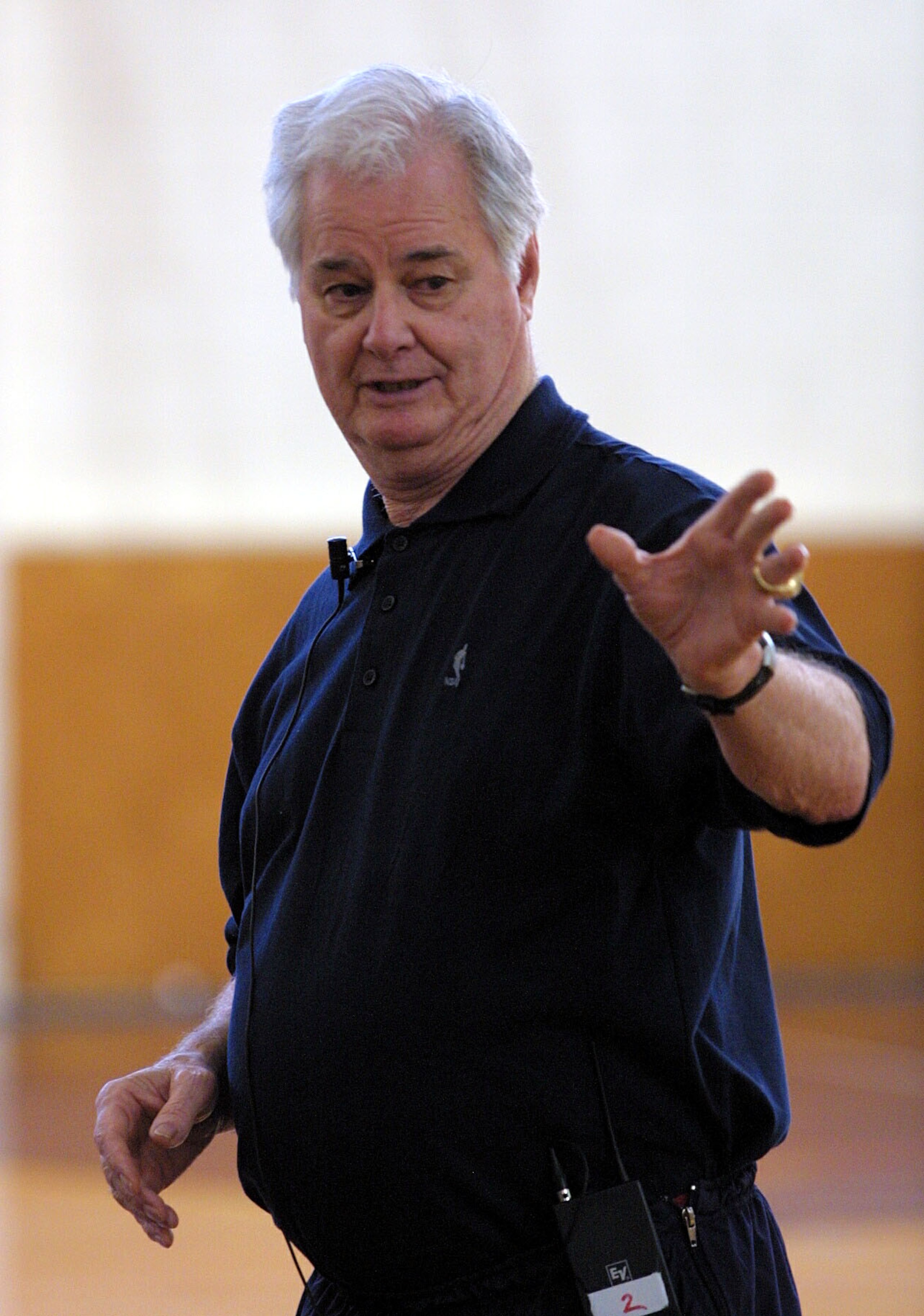
This point is not, of course, specific to Miller’s candidacy.
It’s also not meant to indicate that coaches, referees, executives, et al., don’t deserve to be in the Hall of Fame.
However, this year’s finalists include only six players against six non-players (including Tex Winter, pictured).
That shouldn’t happen.
No other Hall of Fame gives its players such a small slice of the induction pie, and neither should basketball.
Asking voters to compare the candidacies of a player and, say, a referee is already a dicey business.
If there are going to be 12 finalists, at least eight of those spots should go to players; that would still be more non-players than any other sport's HOF includes.
9. "Obnoxious Loudmouth" Is Not A Good Reason For Exclusion
2 of 10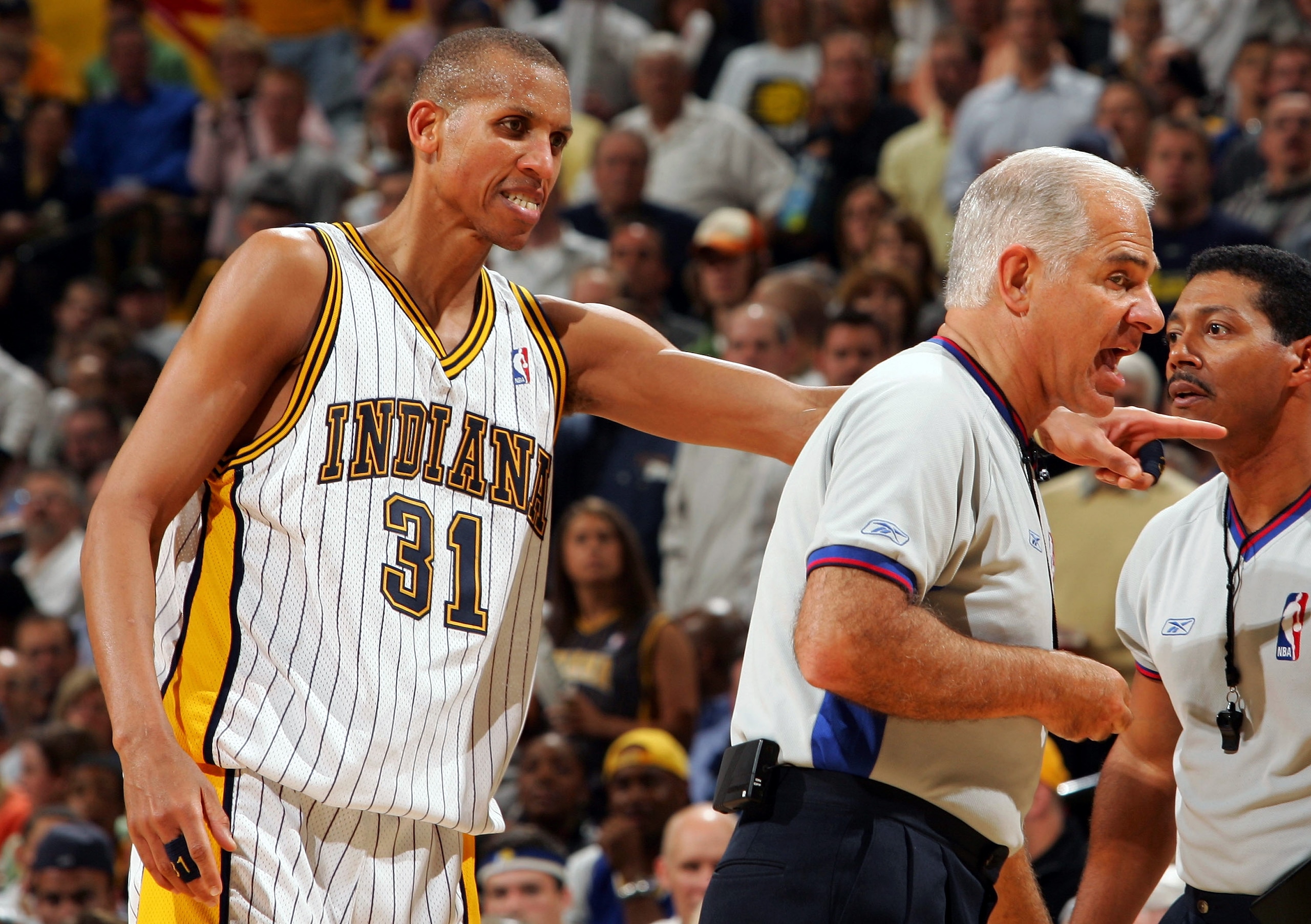
Reggie Miller has a lot of enemies, and he’s worked hard to create them.
In addition to being a great player, he also worked the referees harder than almost anyone (notably his ability to draw phantom fouls) and trash-talked louder than almost anyone.
His announcing gig with TNT has only kept him in the public eye, reminding everyone of Miller’s remarkable ability to not shut up.
None of those statements changes the fact that Miller was a great basketball player.
His reputation may have helped keep him off the ballot, but it shouldn’t have.
8. He's The Best Player In Indiana Pacers' History
3 of 10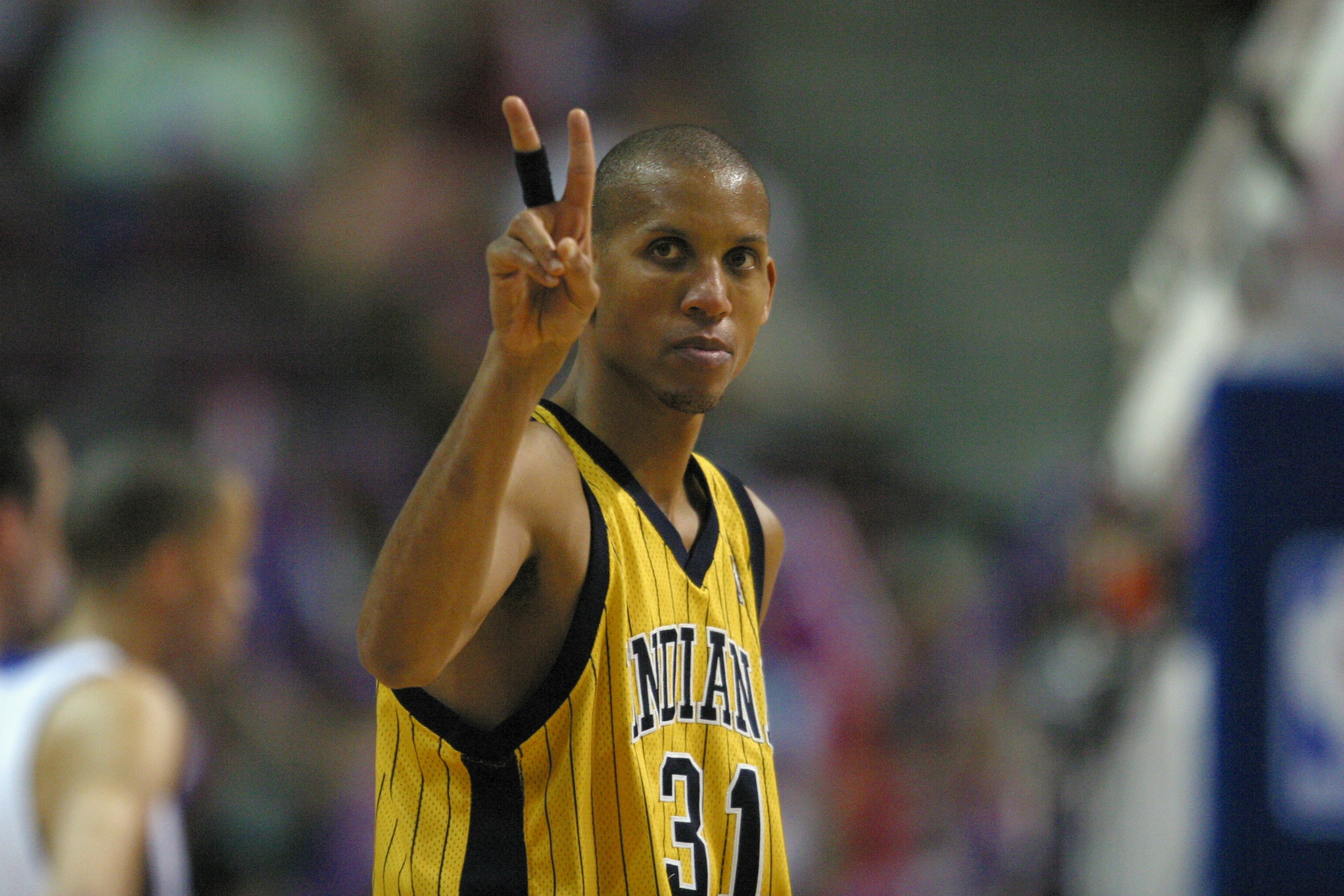
Counting their ABA days, the Indiana Pacers have been around for 43 years.
Reggie Miller was their leading scorer in 10 of them.
He has nearly twice as many points as Rik Smits, second on the team’s career scoring list.
Most importantly, he turned a Pacers team that had had just one winning NBA season before his arrival into a perennial playoff team.



7. 2,650
4 of 10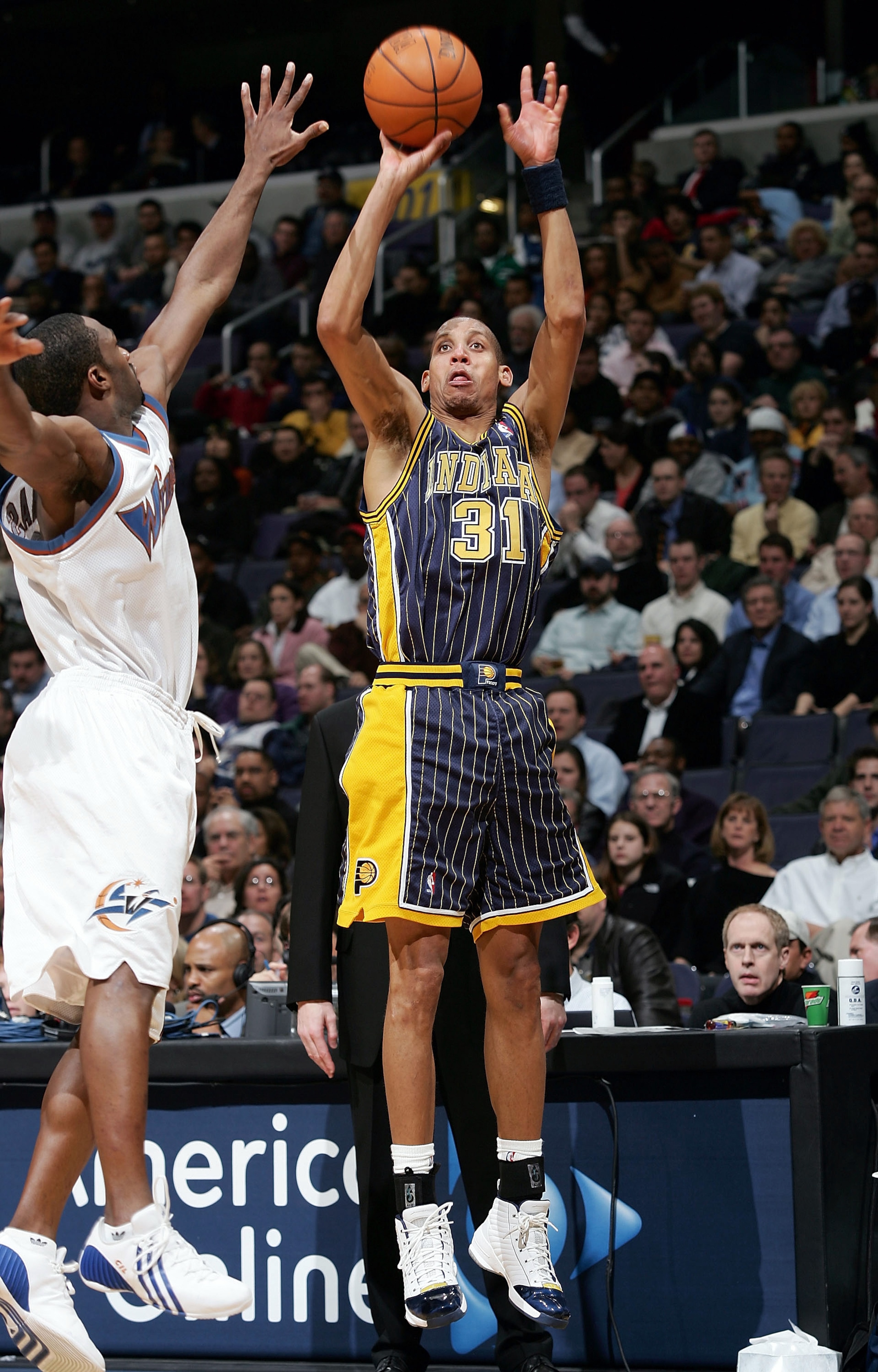
That’s the number of three-point shots Reggie Miller hit in his NBA career.
Ray Allen has deservedly received plenty of publicity for breaking that record earlier this season, publicity which may well have kept Miller out of the finalists’ circle.
Ranking second all-time is still an impressive piece of Miller’s candidacy.
6. He Came Through In The Playoffs
5 of 10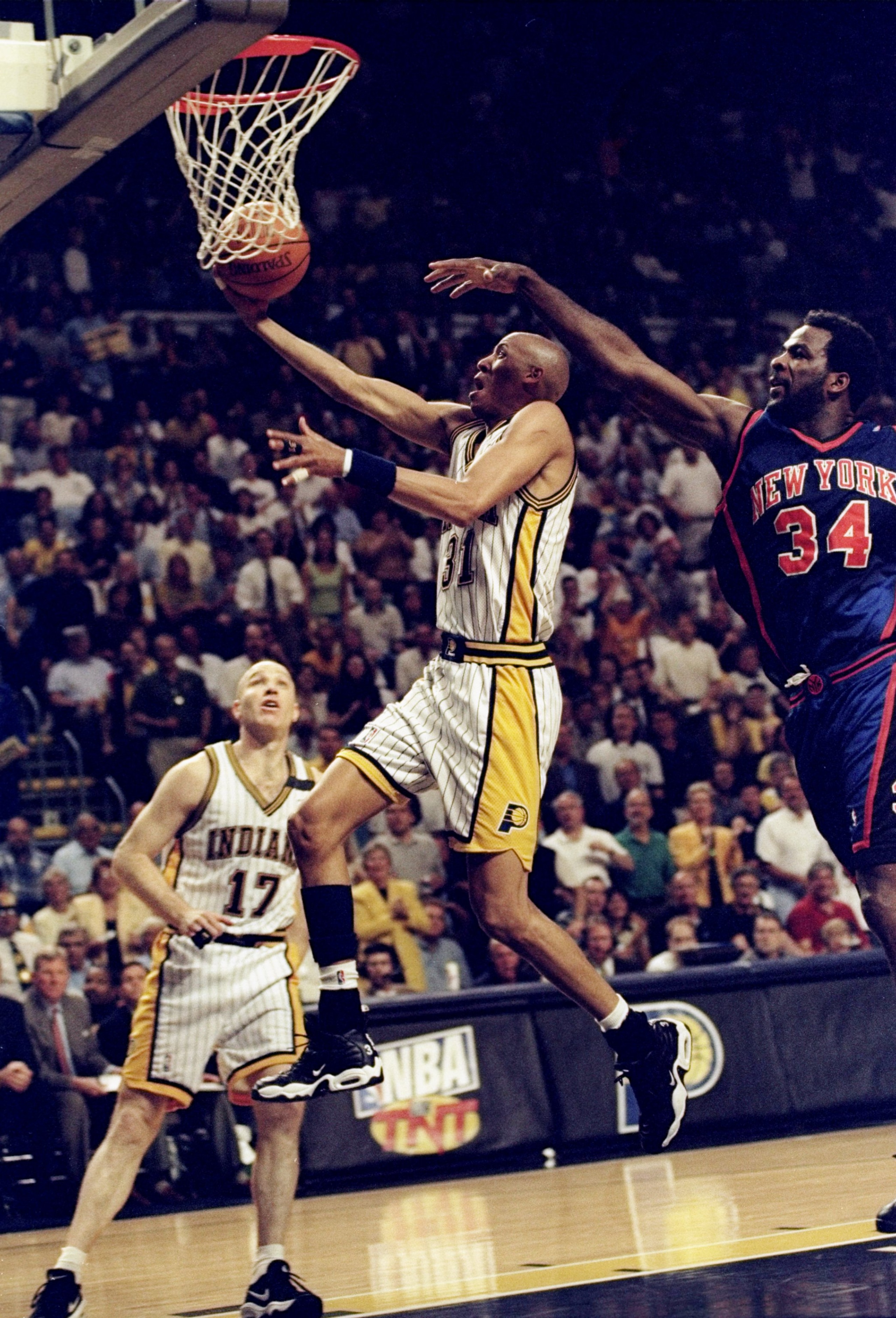
Miller’s legendary postseason battles with the New York Knicks and Chicago Bulls highlighted his competitiveness and his ability to knock down shots when his team needed them most.
Against the league’s top defenses (most of which were in the East in Miller’s prime), he increased his career scoring average from 18.2 PPGin the regular season to 20.6 in the playoffs.
Plus, he did score eight points in 8.9 seconds to win a road playoff game.
5. Reggie Miller vs. Chris Mullin
6 of 10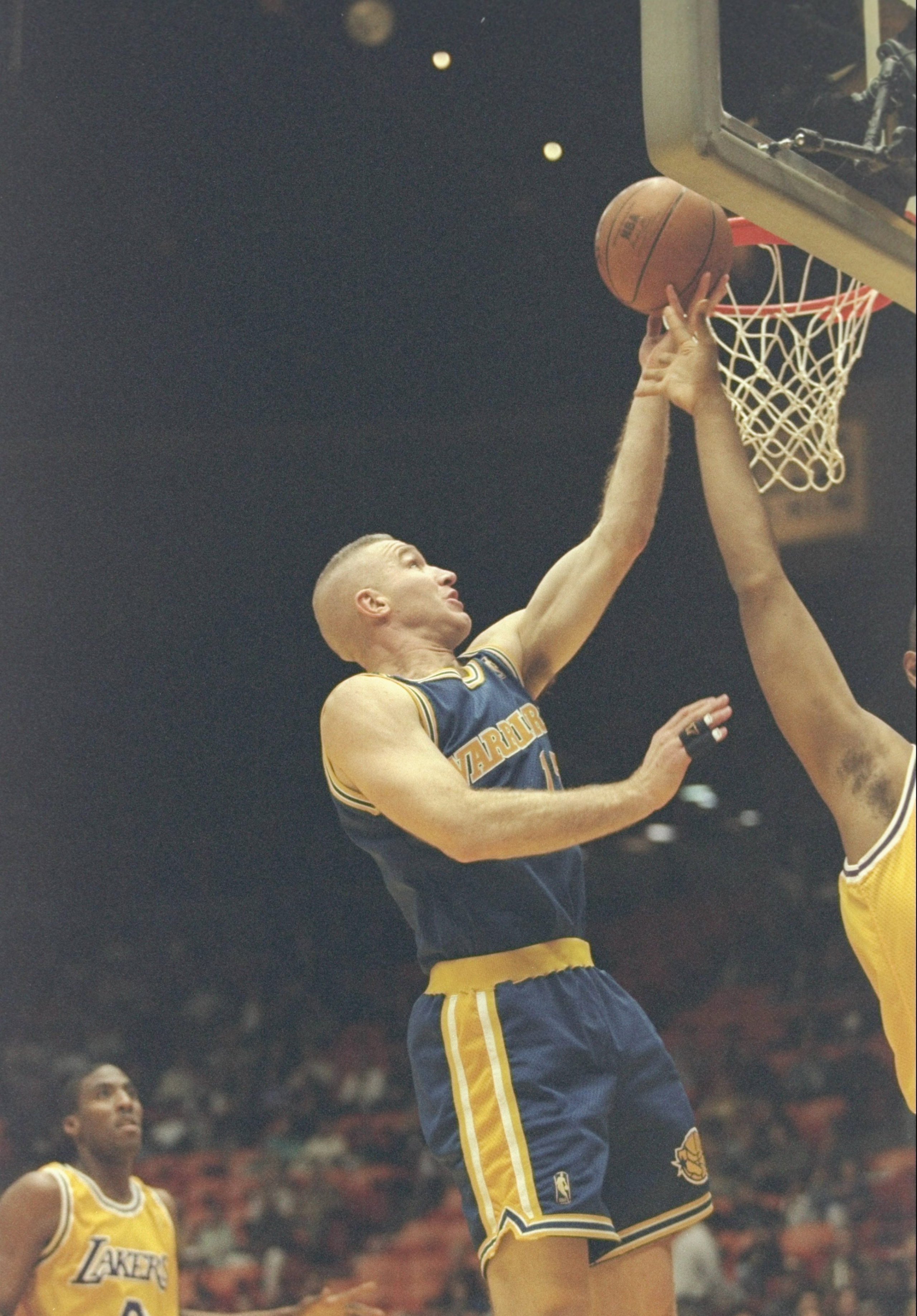
The remaining points to be made in Miller’s favor are actually one point in five parts: his candidacy as compared to the five NBA players who made the list of finalists.
(Comparing Miller to Teresa Edwards, who lacked a major pro league to play in for most of her career, becomes too much of an apple-and-oranges proposition.)
First up is Chris Mullin.
Of all the NBA players among the finalists, Mullin seems the most similar to Miller.
Both were devastating three-point shooters who scored and did little else of note.
Both had impressive college careers: Mullin at St. John’s and Miller at UCLA.
Their career scoring averages are dead even at 18.2 PPG.
If anything, Miller—whose Pacers made one NBA Finals and five Conference Finals—has a stronger case than Mullin, who never made a Conference Finals until he joined Miller in Indiana.
4. Reggie Miller vs. Ralph Sampson
7 of 10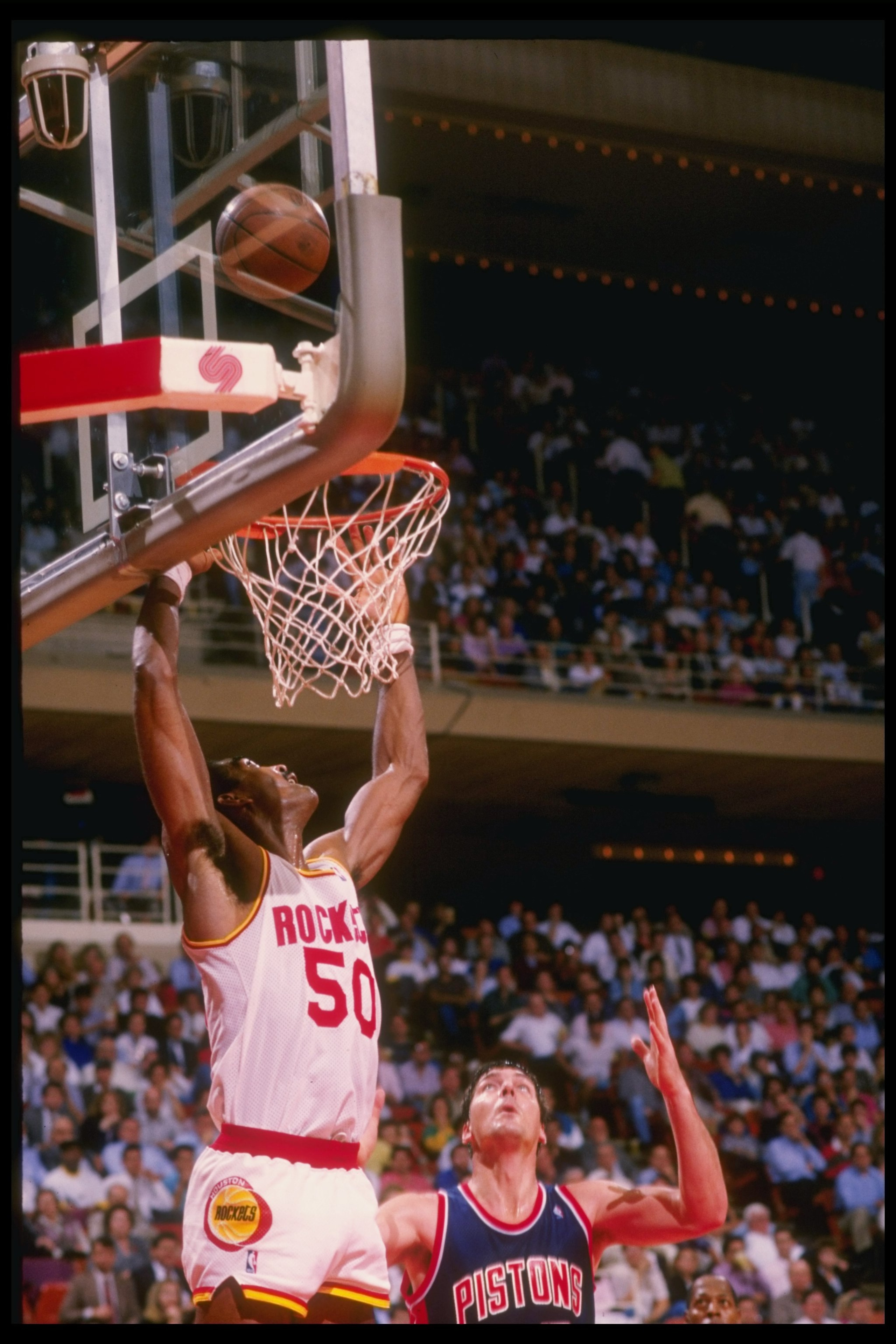
Sampson’s candidacy rests heavily on his brilliant career at Virginia, where he was one of the great college players of all time (a combined five Naismith and Wooden awards for Player of the Year).
As an NBA player, he was a four-time All-Star in Houston before being cut down by knee and back injuries.
Miller’s candidacy does rely primarily on his NBA career, but his days at UCLA shouldn’t be overlooked.
He graduated having scored more points in a Bruin uniform than any player except Lew Alcindor.
Adding that to his long and distinguished pro career gives him a resume at least the equal of Sampson’s.
3. Reggie Miller vs. Maurice Cheeks
8 of 10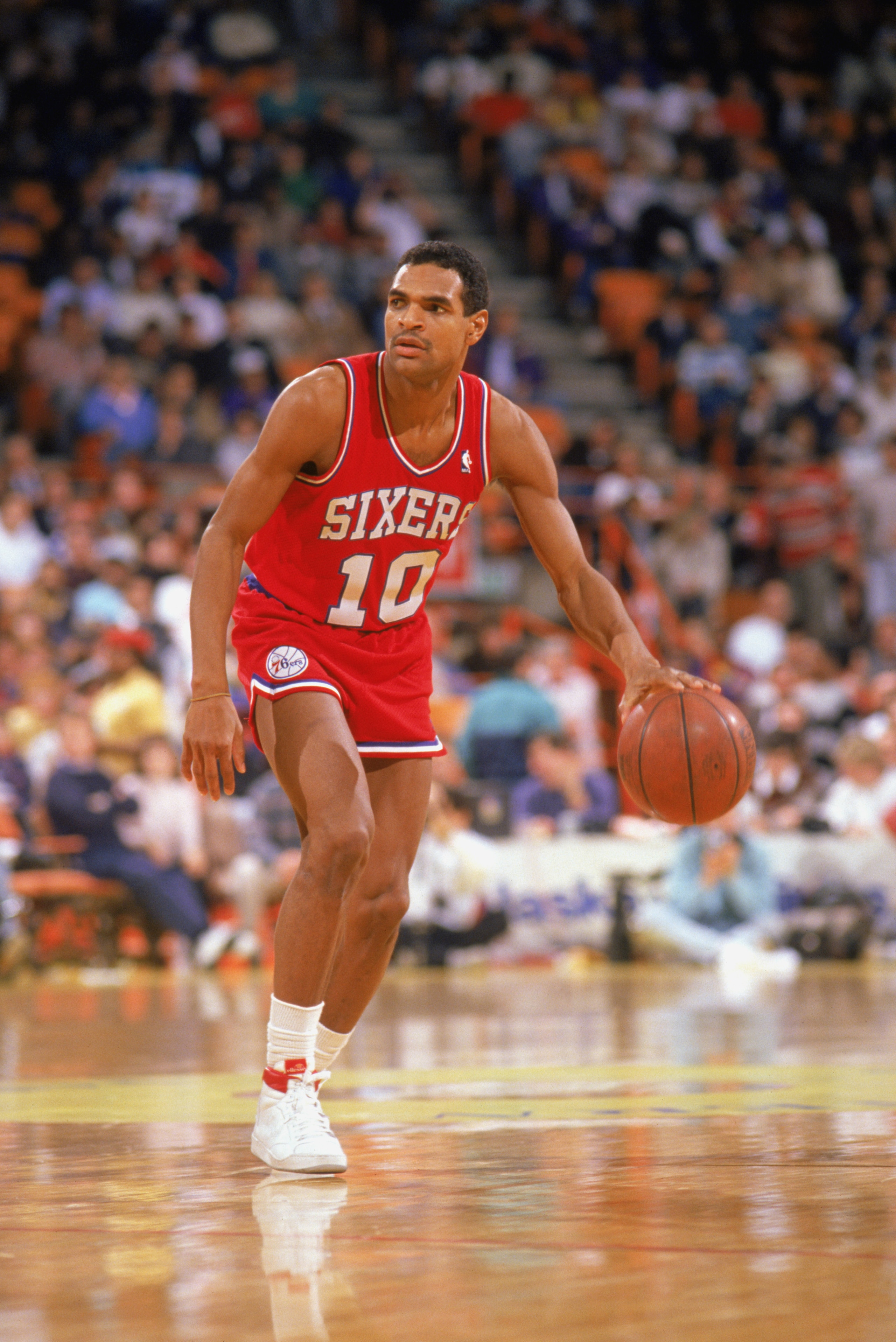
Maurice Cheeks was the point guard on Julius Erving’s NBA-champion 76ers in 1982-83.
He was one of the great defensive players of the 80s (twice topping 200 steals in a season), and a fine starting point guard for many years.
Like Miller, Cheeks didn’t receive a whole lot of individual recognition (four All-Star appearances to Miller’s five).
Like Miller, he was largely a specialist (steals vs. three-pointers).
Both seem to be very comparable as HOF candidates.
2. Reggie Miller vs. Jamaal Wilkes
9 of 10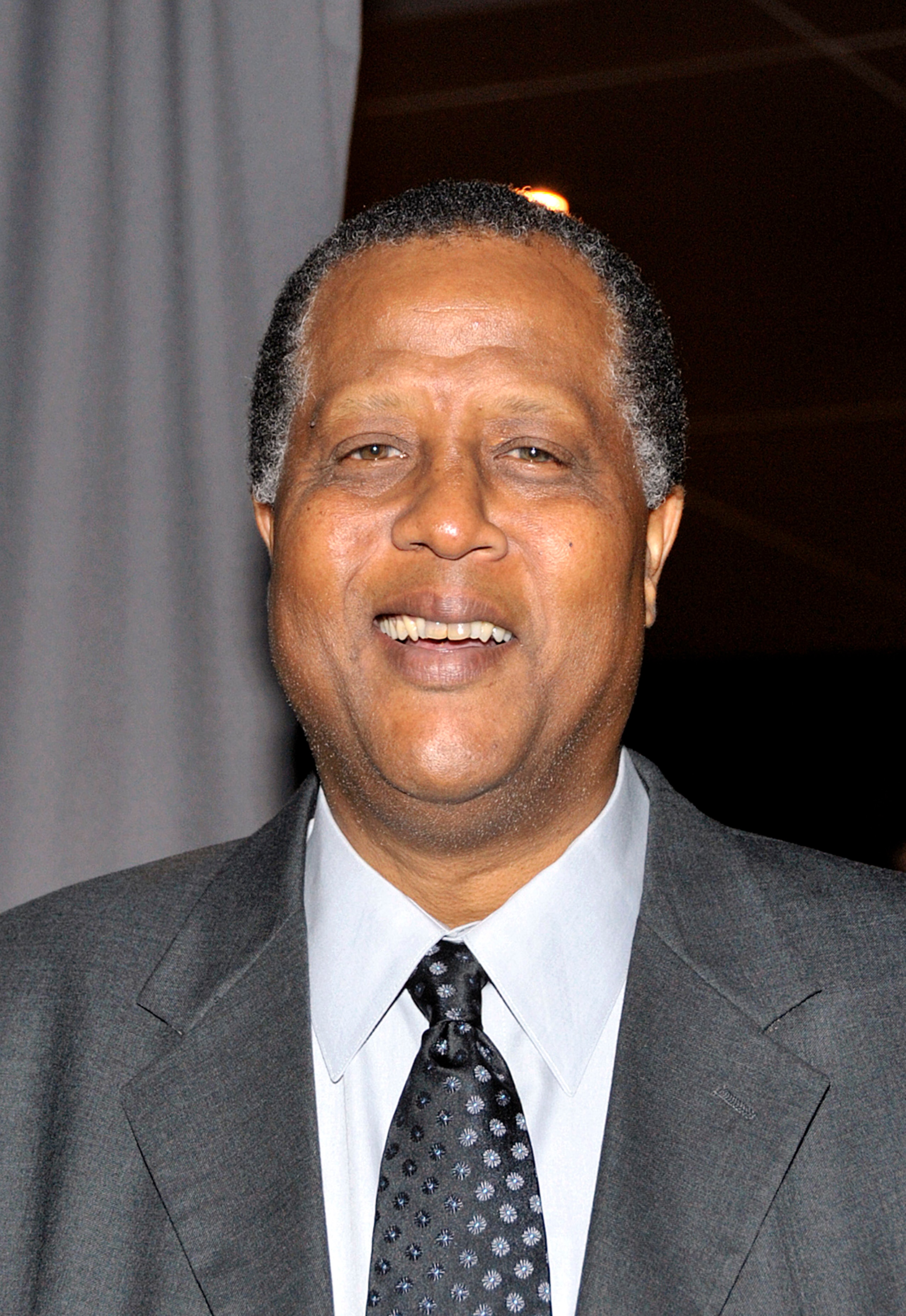
Wilkes’ major claim to HOF status is his four championship rings.
He earned one as the Rookie of the Year with the Warriors in 1974-75, on a team that spent most of its time giving the ball to Rick Barry and watching him shoot.
The other three titles came with the Showtime Lakers in the 1980s.
None of this is to say that Wilkes didn’t contribute to the titles he won, but he also never had to carry a team the way Miller did.
Also, like Miller, Wilkes’ major value was as a scorer, but his career average of 17.7 PPG is no more impressive than Miller’s 18.2.
Wilkes was in the right places at the right time, and took full advantage, but he’s not a clear-cut favorite over Miller.
1. Reggie Miller vs. Dennis Rodman
10 of 10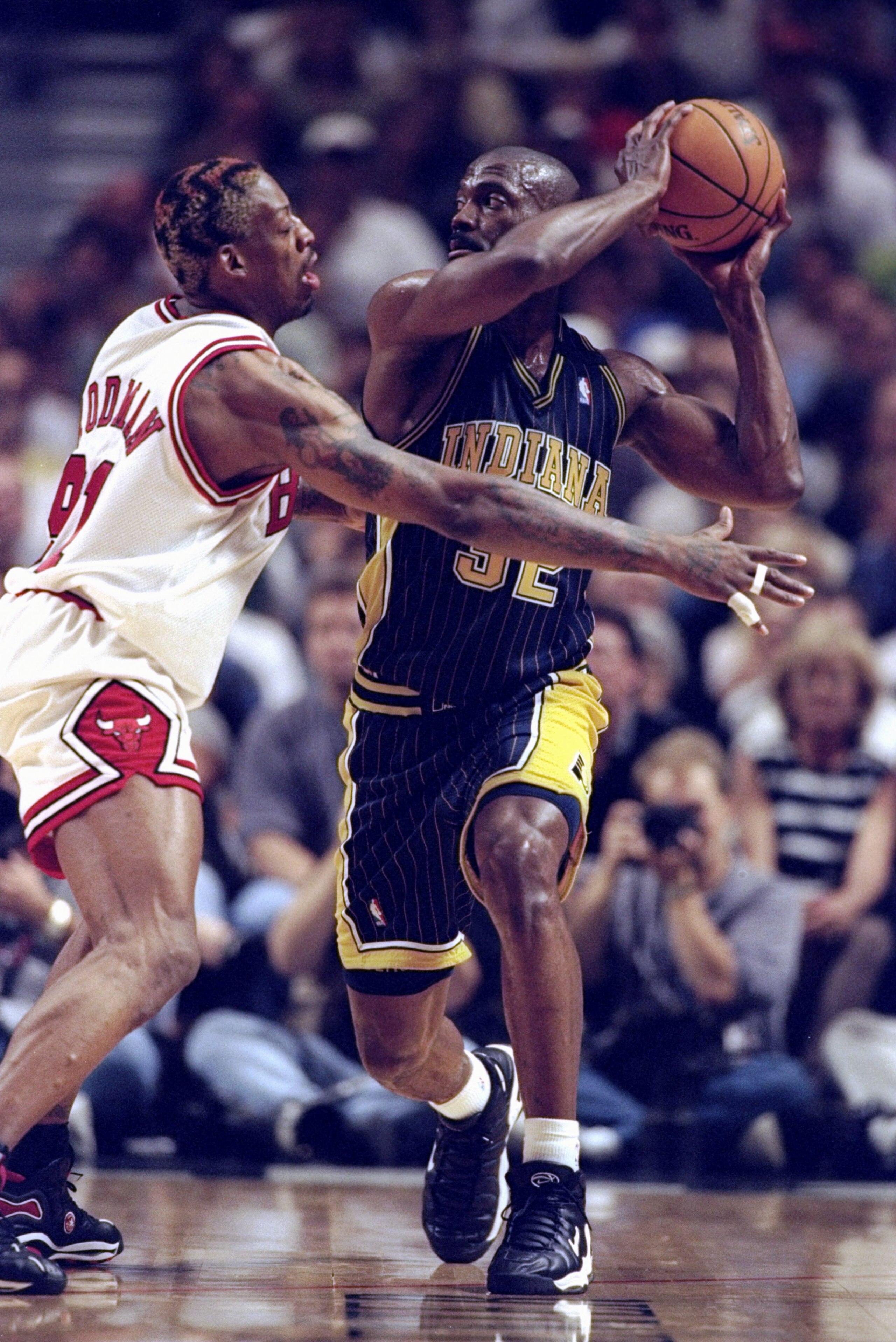
Rodman’s bizarre career progression, from workman-like Detroit power forward to feather-boa-wearing sideshow in San Antonio to class clown and contributor in Chicago, is unlike anything the NBA has ever seen.
Setting aside the hair dyes and other trappings, Rodman was as good a 6’7” rebounder as the game has ever seen, a magnificent defender, and a dreadful mess as an offensive player.
Everything Miller did well, Rodman did badly (and, largely, vice versa).
Rodman was a role player on several NBA champs; Miller, a star unto himself on a long string of teams that weren’t quite good enough to get over the hump.
Though the success of Rodman’s teams is hard to ignore, the limitations of his game (at least as severe as Miller’s, probably more so) make it hard to see how he’s obviously more HOF-worthy than Miller.
.jpg?w=2560 "Raiders Could Start Mendoza")

.jpg?w=2560 "Rodgers Iced Out on Plane 💎")
.jpg?w=2560 "🚨 Week 8 AP Top 25 Poll")
