

NBA Power Rankings: Ranking the Starting Power Forwards From Every NBA Team
Blake Griffin has been generating a lot of attention, and deservedly so. His power and athleticism are a combination matched by few, perhaps none except the man standing on his right in the picture to the left. It has people wondering whether he should be starting in the NBA All-Star game.
RANKING SCORES
If you don't want a gob of details then I'll just tell you this much. A great score is over 24, a good score is over 22, an average score is 20-22, and a below average score is 18-20 and a sucky score is below 18. If you want to know why read below. If you don't care, then just go to the next slide.
METHODOLOGY
I've been working with a formula to rank players objectively based on both their offensive and defensive production. Part of the problem with that is that there are so few defensive stats out there which can give you a real grasp of how a player actually plays on defense. Steals and blocks are limited in that they can be misleading, partly because, if a player is exceptional it will account for at most five or six plays on average out of a hundred.
Better stats that are available are defensive rating, which shows how many points a players' team gives up on defense while he's on the court, and Opponent Player Efficiency Rating (oPER) which shows the PER of the player they are guarding while on the court. I've been trying to figure out a method that incorporates both of these figures into a number that indicates the players overall defense.
In essence, oPER can show a player's on the ball defense while a defensive rating suggests their help defense. Either one by itself can be somewhat misleading. After much playing around (and a few failed attempts) I think I've come up with a formula that adequately measures defense without over crediting it.
The formula is a bit complicated but essentially the logic of it is that it takes the offense that the league's starters are generating and distributes the points to whom it is being performed upon. Therefore the average defensive score is the same as the average offensive score. I've also adjusted the oPER to reflect the actual minutes played rather than a "per minute" basis because the offensive scores are based on totals.
I realized by just using PER I was crediting offense only for about 75 percent of what I was crediting defense for, (I.E.. actual minutes played on offense versus per 48 minutes played on defense). Anyway, the adjusted formula is below.
OFFENSIVE SCORE
PTS+(ASST*2)+(REB+BLK+STL)*1.05-(MFGA+TO(.5*MFTA))*1.05
DEFENSIVE SUBTOTAL
((DRTG*.2)+((oPER/48)*MINUTES)
DEFENSIVE SCORE
AVERAGE OFFENSIVE SCORE+(AVERAGE DEFENSIVE SUP SCORE-((DRTG*.2)+((oper/48)*MINUTES)))
TOTAL SCORE
OFFENSIVE SCORE+DEFENSIVE SCORE
Disclaimer
1 of 31
These rankings are entirely objective. They are a statistical ranking of how players are producing in the system they are in, nothing more nor less. I fully acknowledge and concede that the ranking may not be an accurate reflection of their value to the team, or of their quality as a player.
So why have this done this way? What's the point? Because sometimes it's helpful to step back and take a look at things purely objectively. We can't ignore the subjectivity but we can't ignore the objectivity either. Particularly when you can have an emotional investment it's helpful to take an objective look and then make considerations based on that..
It is helpful to consider not how high or low a player "should be" based on some subjective measure, but to consider why the player is ranked statistically where they are. Understand that Excel came up with these rankings, not me. Excel had no motive or feelings about arranging the order of the list.
Also, the objective rankings aren't final rankings. There is room for subjectivity and I hope the comments below will be filled with discussion about those things.
Finally, if there is any input as to how the formula can be improved, I'm open to them.
30: Channing Frye
2 of 31
Offensive Score: 14.6
Defensive Score: 16.2
Total Score: 30.8
Pretty much whether you're talking about offense or defense, Channing Frye is not getting the job done for the Suns. Averaging six boards and 11 points per game is no way to hold on to your starting job, particularly when the guy you're "replacing" is making an MVP run with another team.
29: Jeff Green
3 of 31
Offense: 16.8
Defense: 15.8
Total: 32.6
He's averaging 15.1 points and 5.5 rebounds a game for the Oklahoma City Thunder. He's been expected to step up and be the third option in the Thunder's young big three, but while the scoring is there, 5.5 rebounds is just not doing it for a power forward. Having an oPER of 19.9 isn't helping anyone either. When you account for the minutes he's played, he's actually yielded the most total production to his opponents of any power forward in the NBA.



28: Charlie Villanueva
4 of 31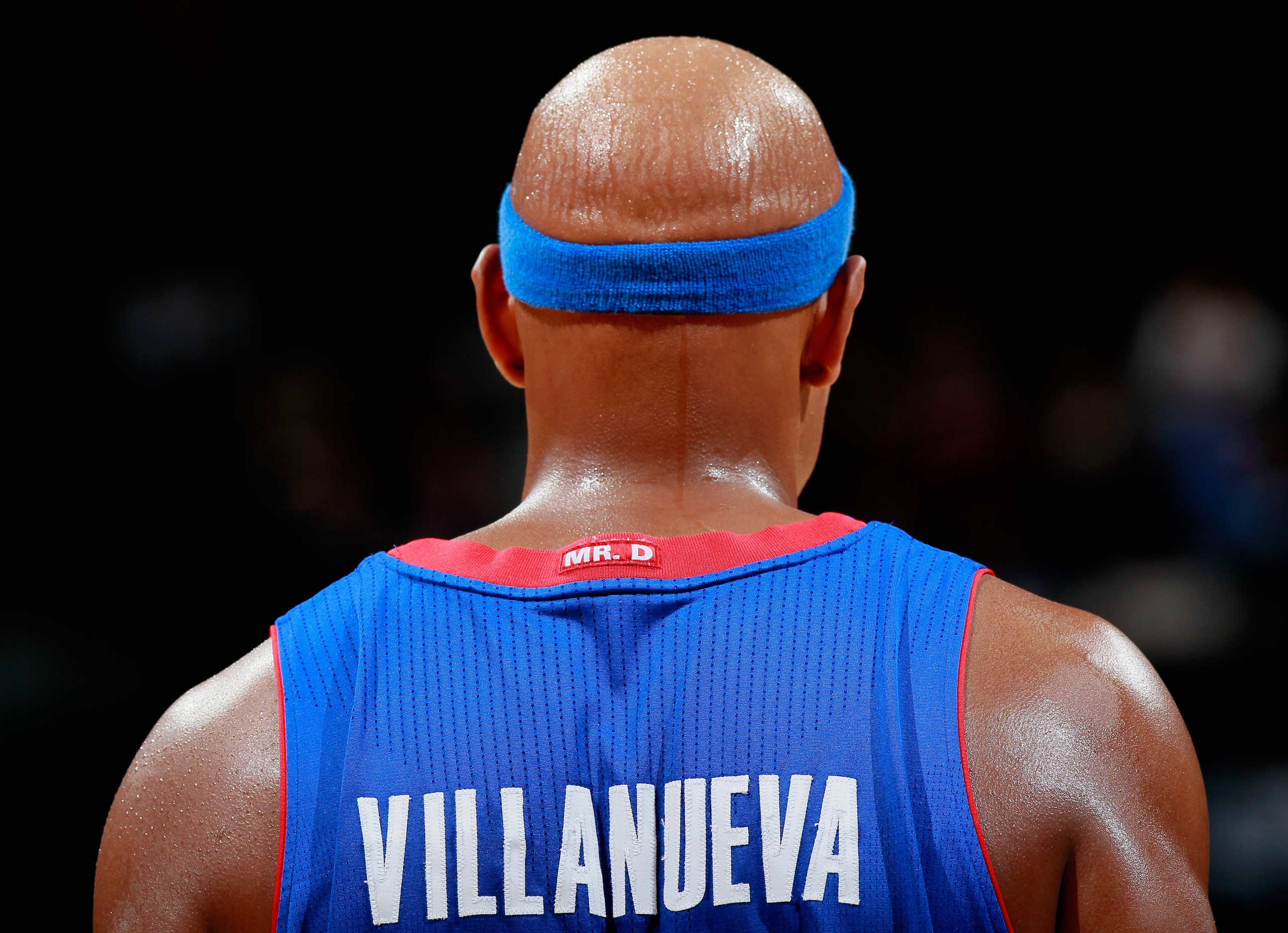
Offense: 13.39
Defense: 20.1
Total: 33.5
He might not be a "cancer to his team and to the league" as some people might have you believe but he's not the cure for much that ails you either. Needless to say, his whopping 13.1 points and 4.8 boards aren't sweating his opponents.
27: Kenyon Martin
5 of 31
Offense: 13.57
Defense: 21.4
Total: 35.0
His offense is barely noticeable at less than six points a game. He has seven boards, though, and a respectable 14.2 oPER which brings him up ever so slightly in the rankings. Still, it's hardly worth the nearly $17 million he's making.
26: Jason Thompson
6 of 31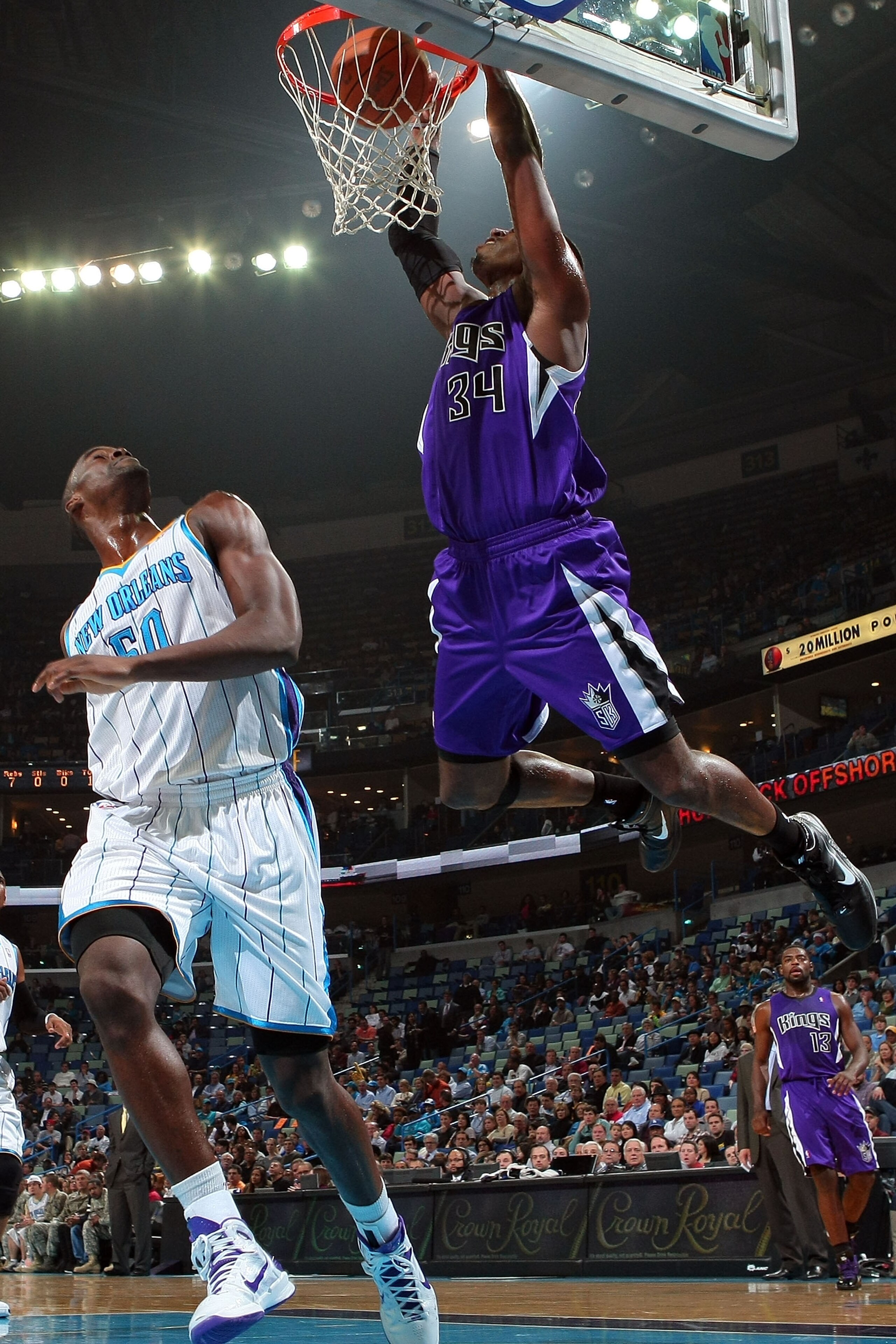
Offense: 11.9
Defense: 24.9
Total: 36.8
His relatively high defensive ranking is partly an issue of the minutes he's getting. You're not going to give up as much production if you aren't playing as many minutes, but you aren't going to get as many either. In essence, his ranking here is mostly a factor of him not getting as out-worked as the players beneath him per minute. Still, 8.4 rebounds and 5.9 boards is not what you're looking for from your starting power forward.
25: Antawn Jamsion
7 of 31
Offense: 16.7
Defense; 20.4
Total: 37.1
What's frightening about his placement here isn't that he's the 25th best power forward in the NBA. It's that he's the 25th best power forward in the NBA and he's the best player on his team. *shudder* Why was LeBron supposed to stay there again?
24: Andray Blatche
8 of 31
Offense: 18.5
Defense: 18.6
Total 37.1
Remember when Blatche "broke out" last year after the trade deadline? He had that two-week run where he was virtually unstoppable? What happened to that guy? Where has he gone? I thought he was going to turn into a star. Instead, he was a very brief nova if anything. He seems to have already burned himself out.
23: Ersan Ilyasova
9 of 31
Offense: 12.1
Defense: 25.4
Total: 37.5
Ersan Ilyasova is one of the top five Turkish players in the NBA. There! I said something nice. The Bucks have just been obliterated with injuries this season, and that's the primary reason he's starting. He's really not a starting caliber player.
22: Josh McRoberts
10 of 31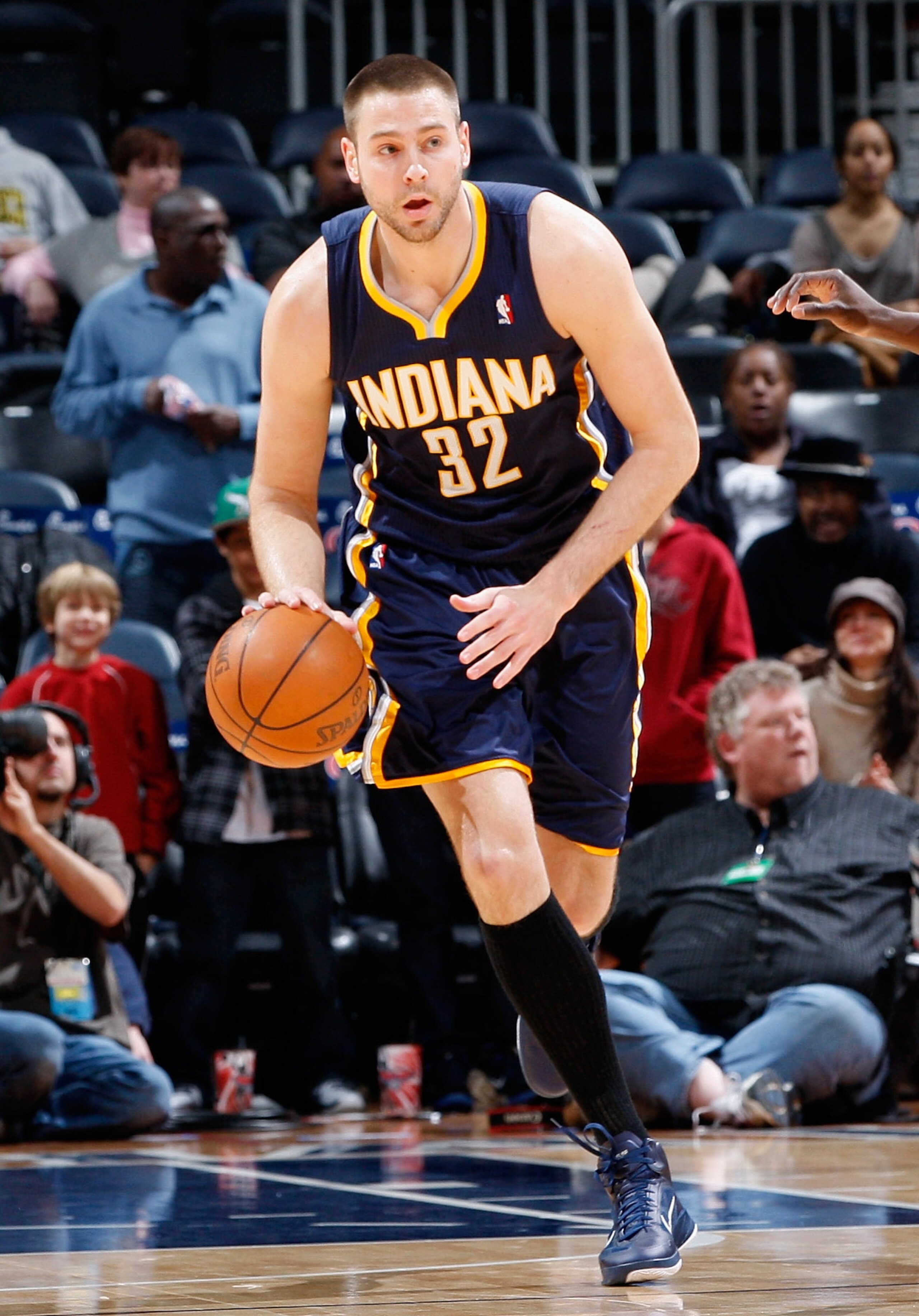
Offense: 13.4
Defense: 24.7
Total 38.1
Josh McRoberts is only on the list because he was the starter for most of the season and his replacement, Tyler Hansborough hasn't logged enough starts yet to register. I guess that says everything you need to know about McRoberts, though. I would like to take credit for the change though, as I'm sure the reason they did this was that they took my advice.
21: Boris Diaw
11 of 31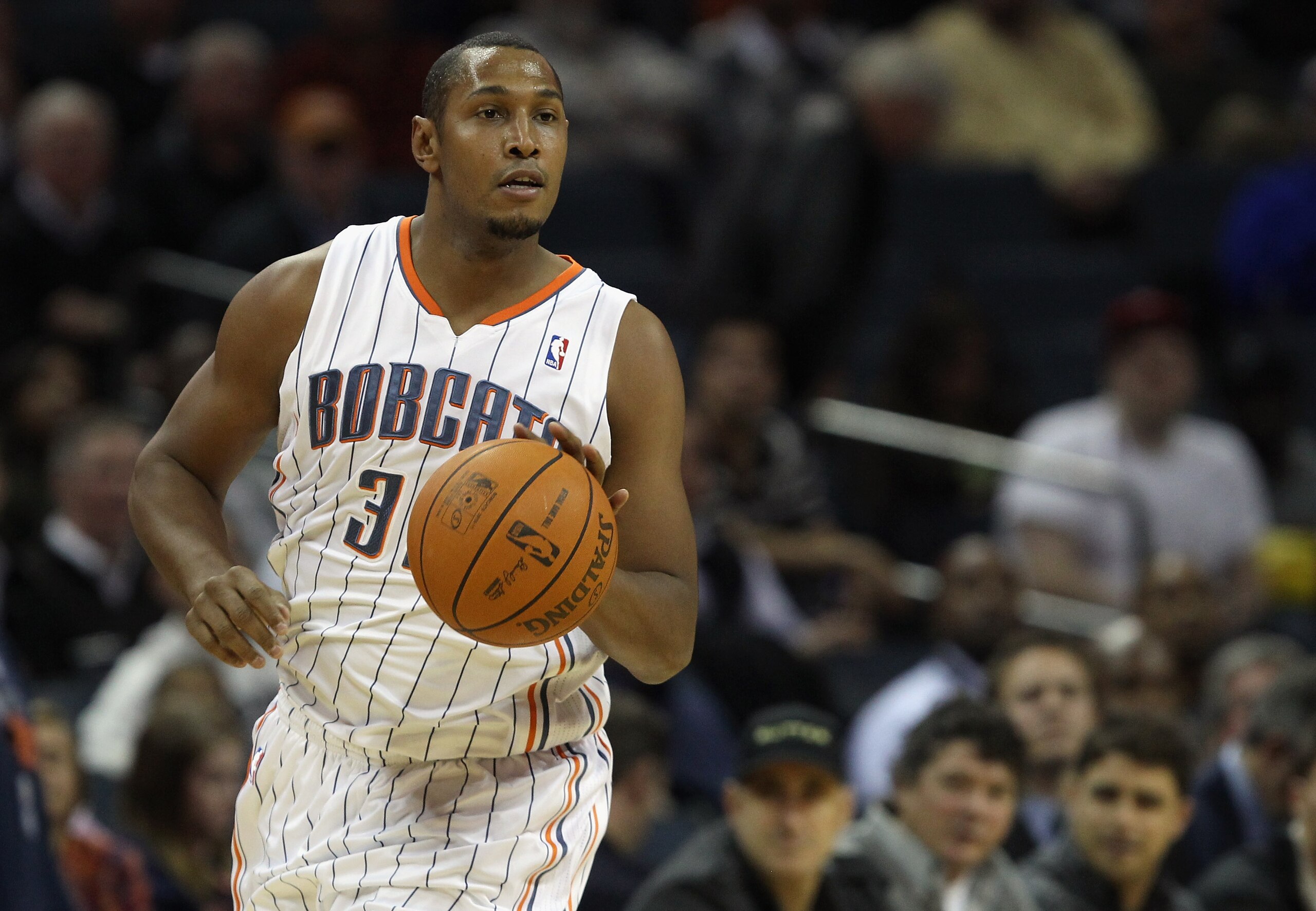
Offense: 18.9
Defense: 19.5
Total: 38.4
Diaw has had some good seasons in the past, and is actually a very nice respectable all around player. New coach Paul Silas seems to have Diaw's role improving, though, and he recently had a triple double to show for it.
20: Amir Johnson
12 of 31
Offense: 15.8
Defense: 23.0
Total: 38.8
He's a great finisher as indicated by his stellar 57.7 field goal percentage. The problem is that he collects fouls like stamps and is a soft interior defender. He's starting right now because of Reggie Evans' injury issues, and unless he learns to play without fouling, he'll never be more than a bench player.
19: Brandon Bass
13 of 31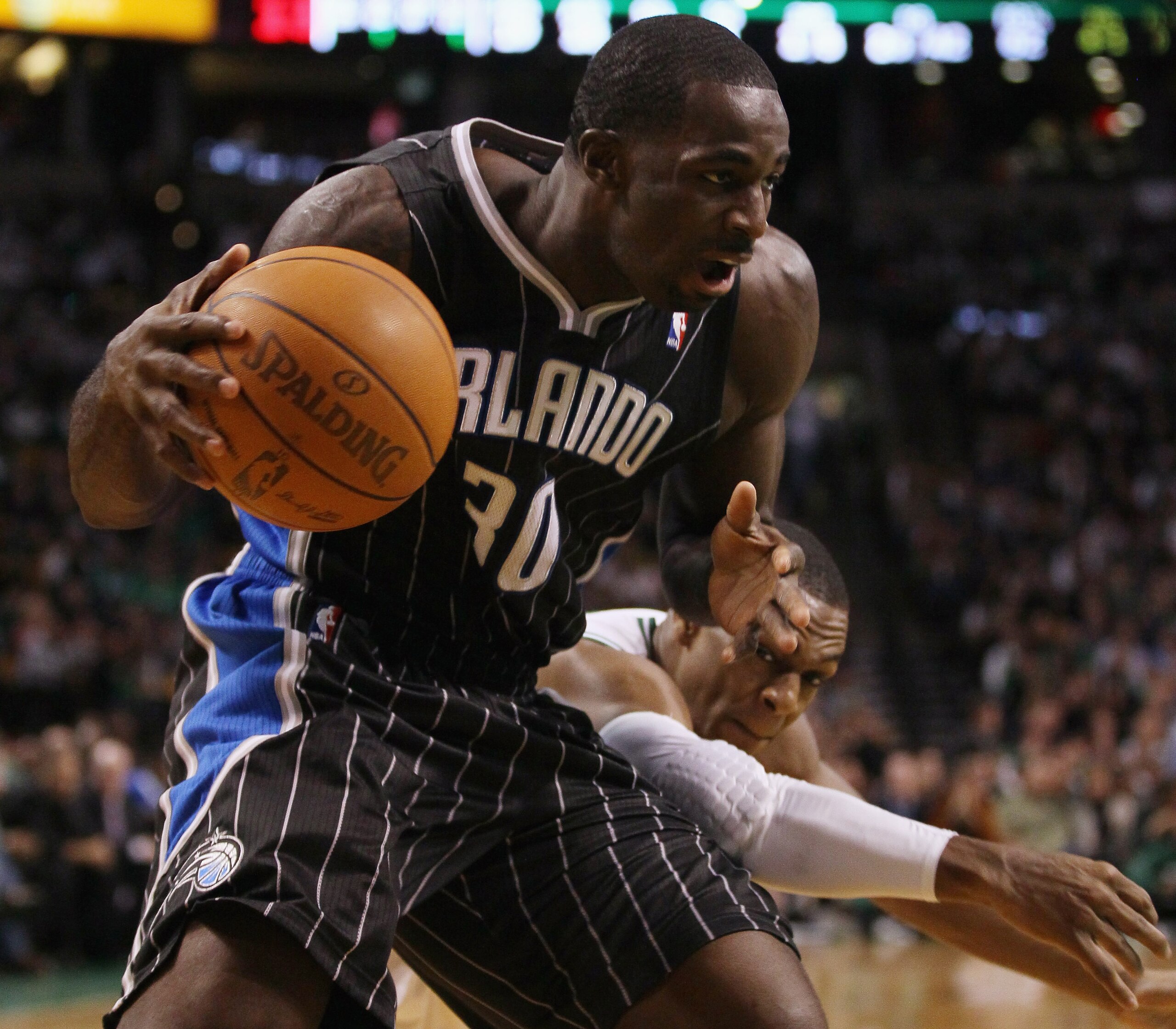
Offense: 13.3
Defense: 28.0
Total 41.3
One nice surprise that has come out of the Magic trade has been the production of Brandon Bass. As a starter he's been averaging over 12 points and almost six rebounds per game. That, coupled with him being a pretty tough defender make him a surprisingly high 19th in the rankings.
18: Kris Humphries
14 of 31
Offense: 17.4
Defense: 23.7
Total 41.1
Really is Kim Kardashian a "WAG" or is he a "HAB?" I mean honestly, she's more celeb than he is, right? The question is whether he'll actually ever be known for his basketball than who he's dating. With the amount of time he's been in the league, it sadly looks like he won't. He's probably peaked, which is to bad, because he seems to have fallen short of his potential.
17: David Lee
15 of 31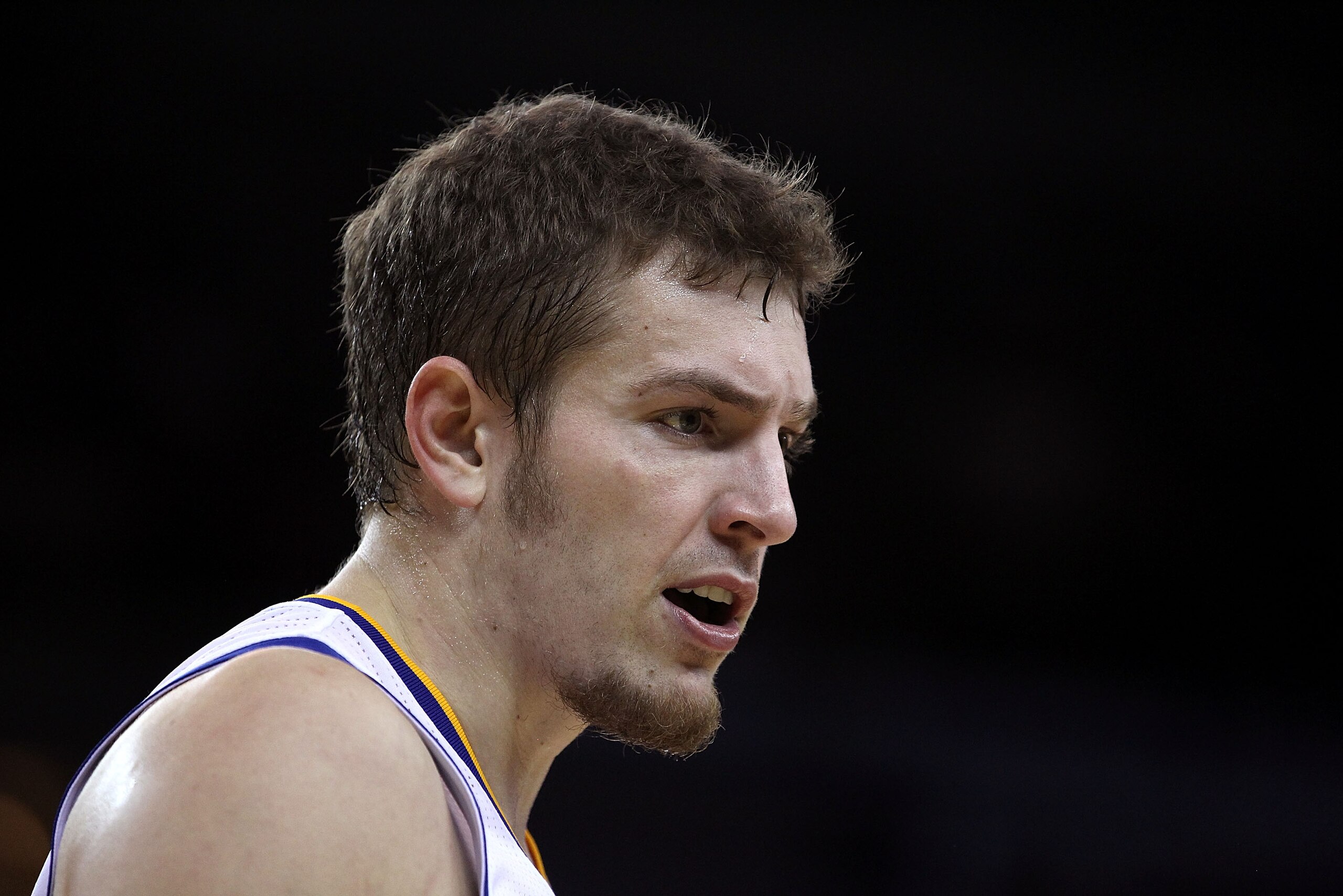
Offense: 24.2
Defense: 17.8
Total: 41.0
Now would be the time to remind you that these are objective rankings, based entirely on hard stats, having nothing whatsoever to do with opinions. So the question isn't "why do you have Lee so low" as much as "Why is Lee so low?"
There are two reasons. First, for a power forward his field goal percentage is fairly low, which means more missed field goals, which means that his Offensive Score takes a bit of a hit. The other reason is that he's not a great personal defender and he plays on a team that doesn't pay attention to defense. His DRtg is 111 and his oPER is a below average 17.6. Those things combine to drag his score down.
16: Luis Scola
16 of 31
Offense: 23.1
Defense: 19.0
Total: 42.1
Luis Scola is either underrated or overrated, I haven't figured out which. Sometimes he looks great and sometimes, not so much. I can tell you this much about the guy, he seems too be milking everything he can out of his ability. He plays within himself, but to the extent of himself. I like his effort.
15: Paul Millsap
17 of 31
Offense: 24.4
Defense: 17.8
Total: 42.2
What I like about Millsap is he steps it up when injuries come in and he steps back and shares the spotlight when it's time to do that. Admittedly, I have limited opportunities to watch the Jazz play, but from what I've seen I really like Millsap. I also like that he continues to work on weaknesses. Last year, he upped his range from the field. This year, he's improved his free-throw percentage. He's a workman, which is the kind of mentality you like from a power forward.
14: Elton Brand
18 of 31
Offense: 22.0
Defense: 20.9
Total: 42.8
Elton Brand is having his best year in Philadelphia, but that's kind of like saying this is the best financial year since the economic collapse; it's all relative. He's shown flashes of the Bull/Clippers Brand that got him his contract, but only flashes. He just doesn't see the power you used to see from him anymore. It will be interesting to see if they can parlay his turn around into a trade.
13: LaMarcus Aldridge
19 of 31
Offense: 24.6
Defense: 19.4
Total: 44.0
Here's one where you can more or less just throw the stats out of the window. Forget about where he is placed here or what you think of it. He's the MVP of the Trail Blazers right now; zero questions asked. He is the most stable consistent player they have and his valuable simply cannot be measured by stats.
12: David West
20 of 31
Offense: 22.8
Defense: 21.9
Total: 44.7
David West should change his name to "Nobody." The reason is that whenever people talk about Chris Paul and the Hornets they have to say that "Chris Paul has nobody to pass to." Since West is the recipient of a good number of those passes, and a consistent converter of them into points, he must be the "Nobody" they are referring to. Did you know he's second all time in franchise history in both rebounds and points?
11: Chris Bosh
21 of 31
Offense: 22.8
Defense: 22.8
Total: 45.6
When will he be able to start providing for his family again? The world wants, nay demands, to know. Or not. Bosh has taken a back seat to whomever is driving LeBron or Wade, but as a result he's down statistically, and that's why he's further down here than you might expect.
10: Amar'e Stoudemire
22 of 31
Offense: 29.8
Defense: 16.6
Total: 46.4
When it comes to pure offensive production, counting just the positive things, then STAT is the best in the league. However, there's more to basketball than that. He also has the most negatives, things like turnovers and missed shots. Then on top of that he's given up the second most production to opposing power forwards in the league.
I suppose people are going to do what they want with this placing, but it's objective. He scores the most points, yes. He also gives up the most turnovers, he misses the most shots and he plays the second weakest defense, while only rebounding at an average level. Basketball is not just about scoring. If it were, he'd be on top. But it's not so he's not. Somehow though, I don't think this explanation will satiate Knicks fans.
9: Zach Randolph
23 of 31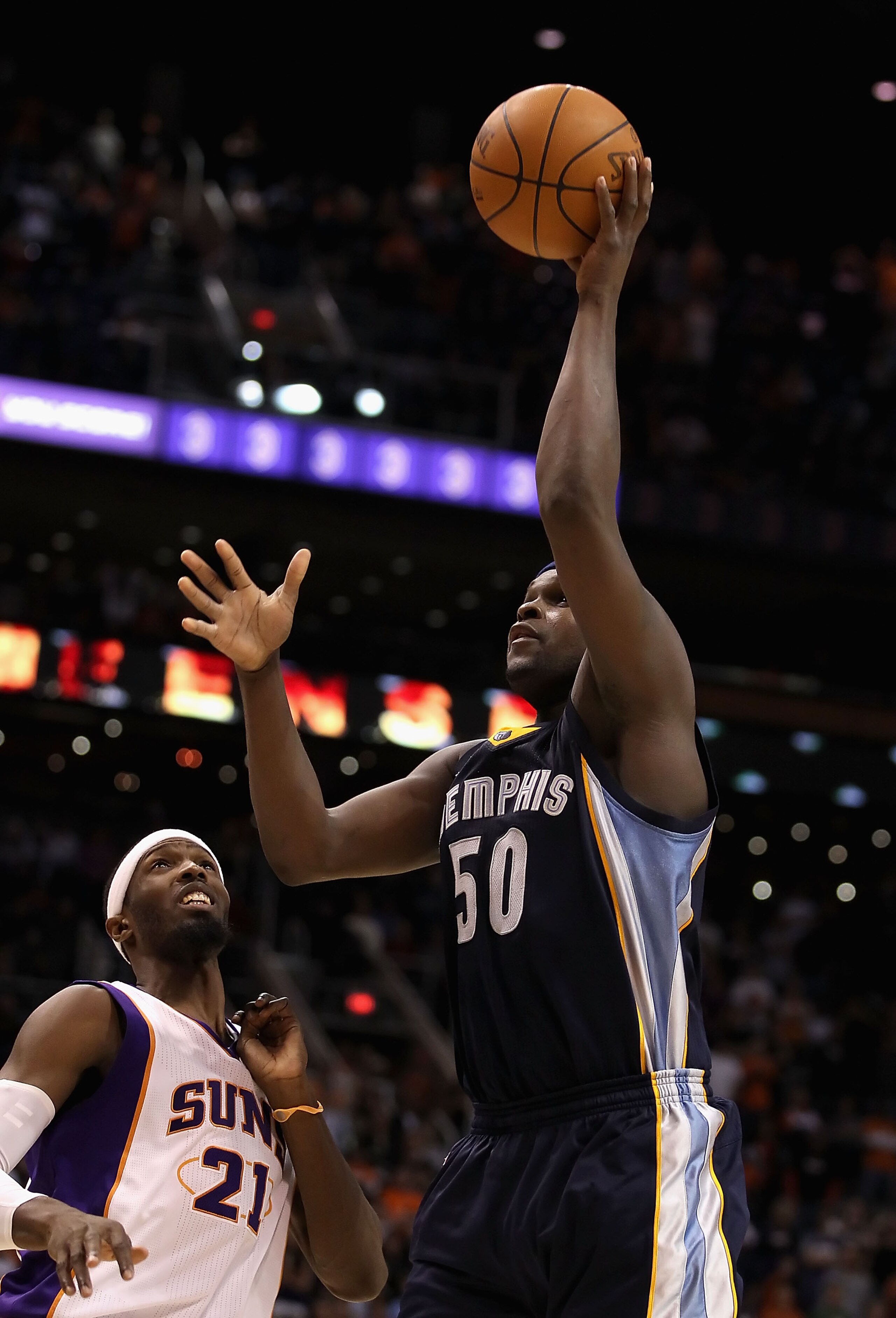
Offense: 26.7
Defense: 20.8
Total: 47.5
Z-Bo is a beast. He's one of the strongest players in the league. If I were to ask you to name the 20/10 players in the league how many would accurately mention Randolph as one of them? Or for that matter, how many know that he's third behind only Howard and Love in rebounding in the NBA? Add to that he's a solid defensive player, and the initial shock at seeing him as a top 10 power forward might go away.
8: Dirk Nowitzki
24 of 31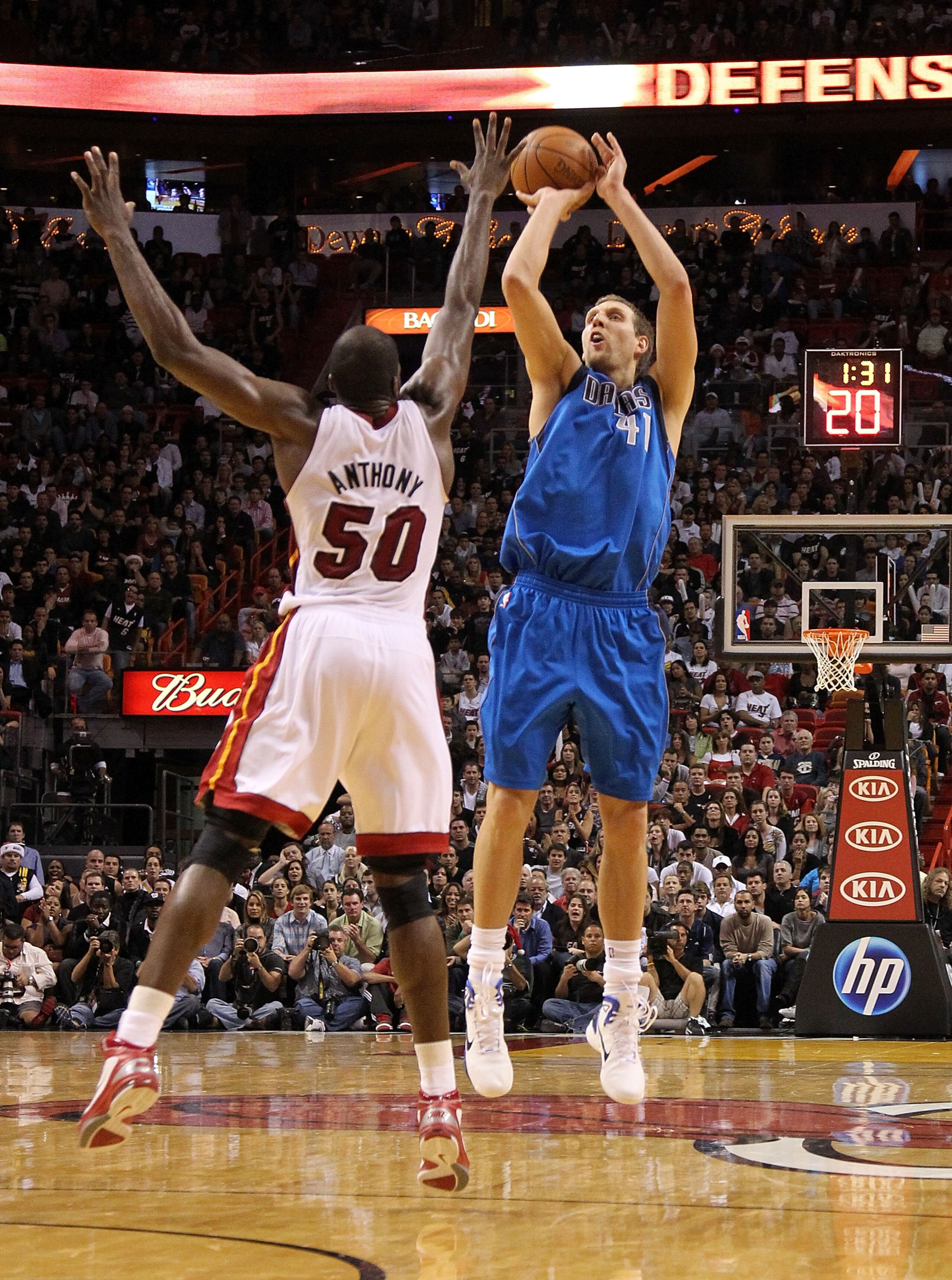
Offense: 27.5
Defense: 20.3
Total: 47.8
I have to admit, I have a man-crush on Dirk's shot. Not Dirk himself so much, just his shot. It has to be one of the most beautiful things in the history of basketball. It's technically perfect. Is it any wonder his true shooting percentage is a ridiculous 57 percent? And while his defense isn't ready to frighten anyone, he's elevated it to average. I think that the floundering Mavs did while he was out is an indication of his value to the team.
7: Josh Smith
25 of 31
Offense: 25.0
Defense: 22.8
Total: 47.8
No "Josh"ing. He deserves to be at the number seven spot. He ranked eighth in the offense rankings and tenth in the defensive rankings. That means he's giving up less production defensively than people that are playing a lot less than he does. He's just very good all the way around. I think he would be better as a small forward, particularly if he could develop his outside shot. He's quick enough to play there, and his ball handling is outstanding. For now though, he's holding his own as a power forward.
6: Tim Duncan
26 of 31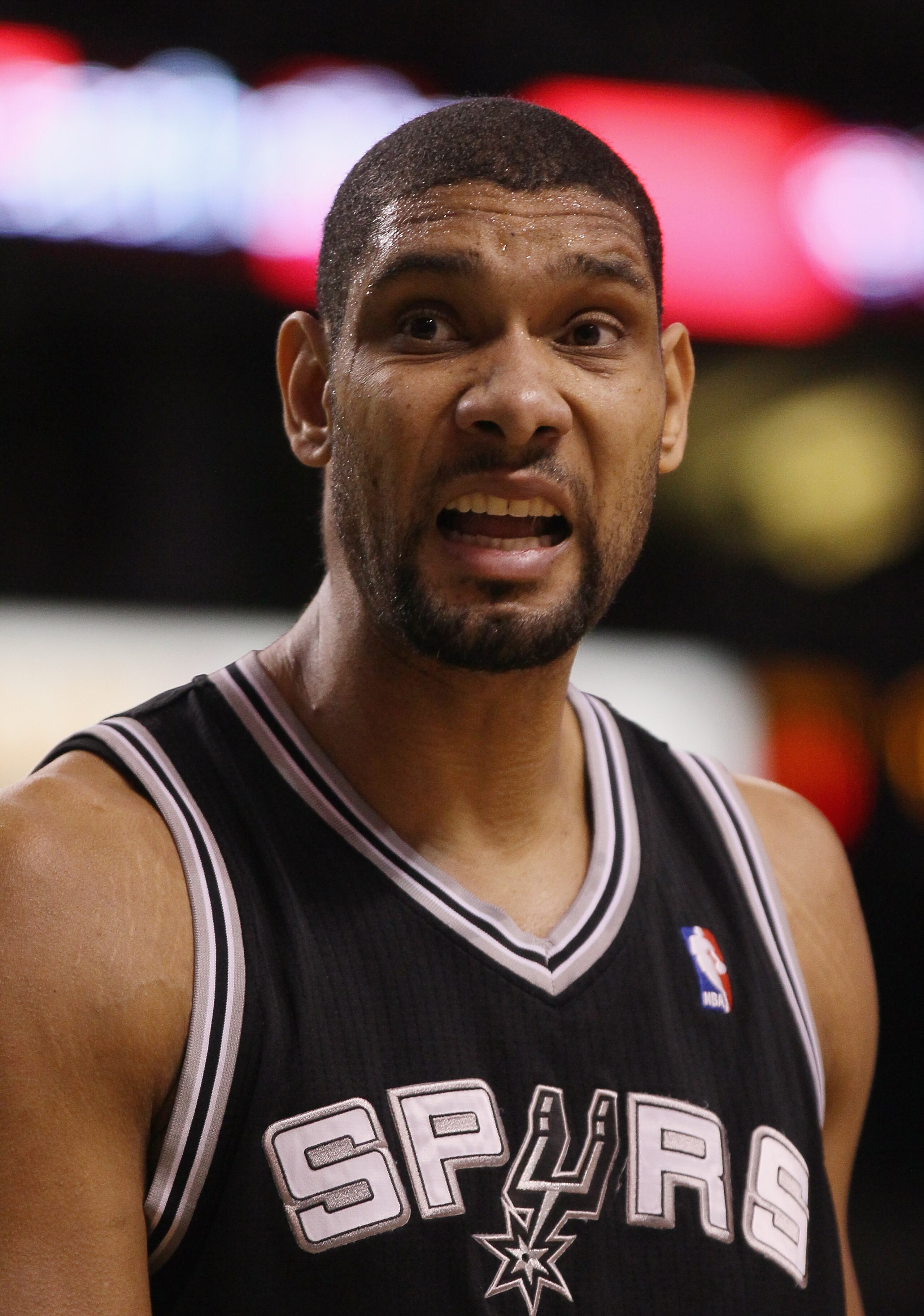
Offense: 24.0
Defense: 24.9
Total: 48.9
Keep in mind that these are just rankings from this year, they aren't career rankings. Tim Duncan is one of two players in the top 10 who was not top 10 in offense, but is top 10 on defense. He's second in defense (and first, Brandon Bass, is more there because of less minutes than excellence). He's still a force on the Spurs, even if the offense is gong through Park and Ginobili now. Duncan is in the conversation with only Kobe and Shaq for greatest player playing today.
5: Kevin Garnett
27 of 31
Offense: 24.2
Defense: 25.4
Total: 49.6
If you look up the word "resurgent" in the dictionary, you'll see a picture of it lovingly staring starry-eyed into a picture of KG. He's hardly, "The Kid" anymore, he's more like the "Old Man." But this year, he's playing like a kid. Fortunately for the Celtics, he was back for the game against the Magic. While he's gotten little mention in the MVP conversation, I think he deserves some thought. Or else maybe they should bring back the Comeback Player of the Year Award just for KG.
4: Carlos Boozer
28 of 31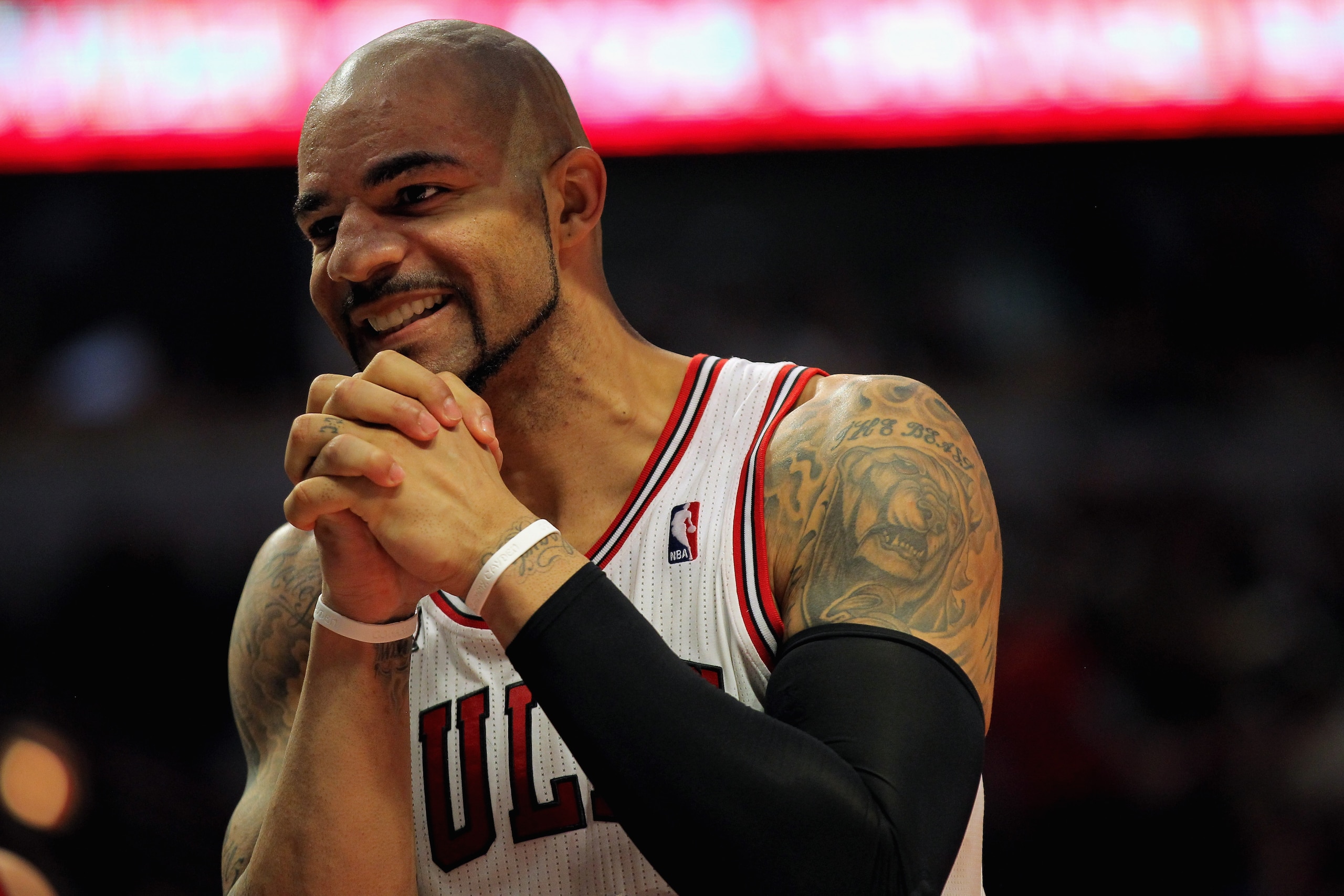
Offense: 25.8
Defense: 24.4
Total: 50.3
If you want to know how much a defensive guru Tom Thibodeau is look no further than Carlos Boozer, and I'm not kidding. Yes there was the much hullabalooed frenzy about the end of game benching, but over the course of the season Carlos Boozer has played excellent defense. Either that or there's been a massive coincidence of players having off nights when they play the Bulls. Boozer's 98 DRtg is second among all power forwards, and his oPER of 13.9 is second lowest.
He's always been one of the better rebounders and low post scorers in the league. Now that he's becoming, at least statistically speaking, an elite defensive player, there's a lot to be said for Carlos Boozer. While some may point to the system, and say that it's more Thibs than Boozer, the same can be said of any defense or offense for that matter. This is very much a measure of how players are doing in the systems they are in. We can only conjecture, but not measure how players would perform in different systems.
3: Kevin Love
29 of 31
Offense: 32.0
Defense: 19.9
Total: 52.0
Can I get a little Love love? His oPER is exactly average for an NBA player at 15.0. He gets vaulted though because of his huge rebounding numbers. His 15.7 rebounds are worth a lot. They come though on a team which misses more shots than any other in the NBA and also which has its opponents miss the most of any team in the NBA. That's a lot of rebound opportunities.
Kevin Love also has a high rebound percentage, though. But then, no one else on his team does. So it begs the question, is he getting all those rebounds because he's a great rebounder? Is he getting them because there are a lot of missed shots and no other great rebounders? Or is it a combination of the two?
It all comes down to a lot of questions that just get more and more complicated the deeper you get. The bottom line is that it's just too hard to do. It's possible that you could take Kevin Love, swap him out with Amar'e Stoudemire, and make both players worse while making both their stats better.
In the end, all you can do is measure how players are doing in the system they are in, and at least in terms of rebounding, Kevin Love is making the most of his situation.
2: Blake Griffin
30 of 31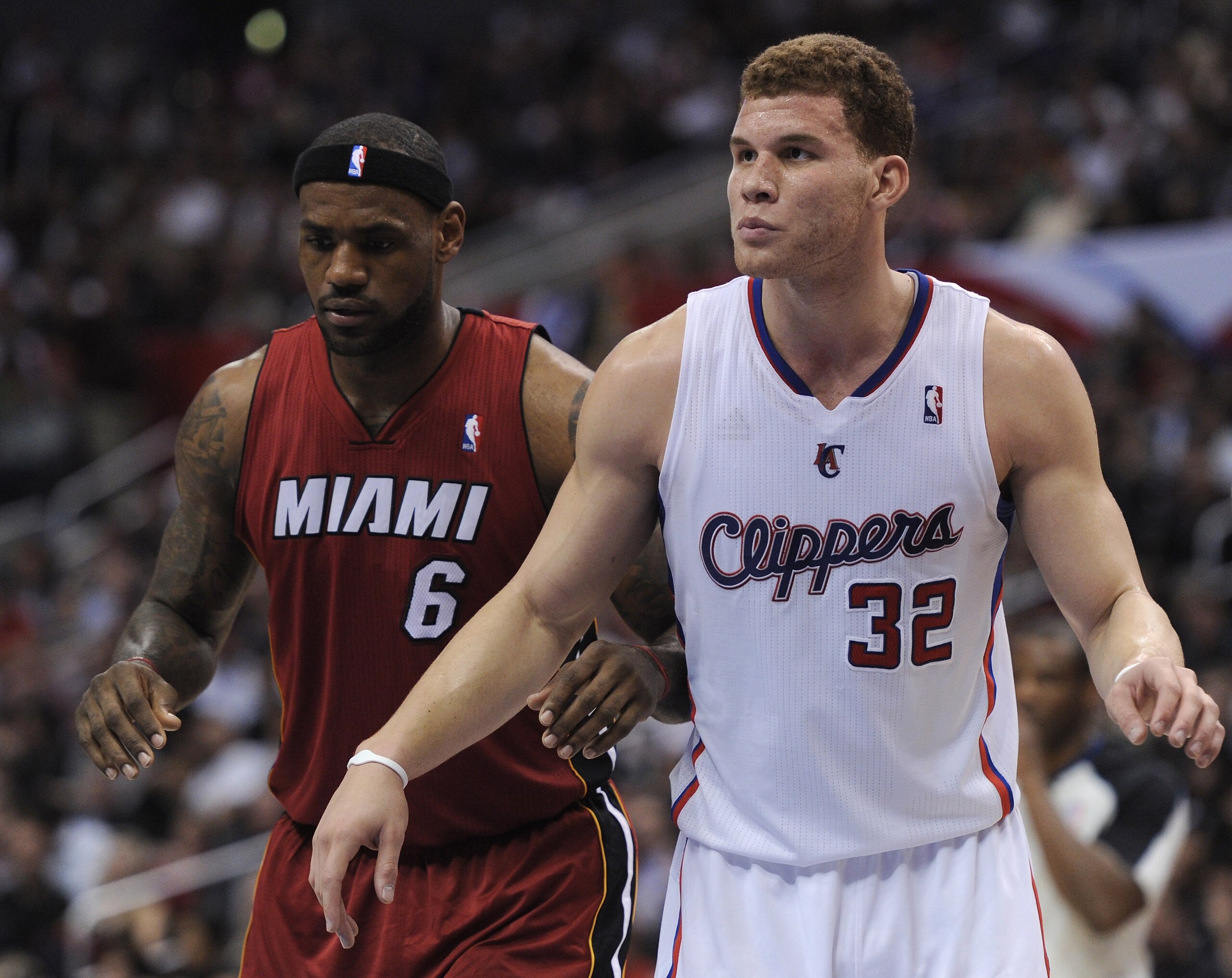
Offense: 31.5
Defense: 20.8
Total: 52.2
Blake Griffin isn't just a great dunker, he's rapidly becoming a great basketball player. He's improving at a rate that is just hard to fathom. His monthly splits have gone up across the board in rebounds, points and assists every month this season. I think it's safe to say at this point he is the most dominant rookie since Tim Duncan. He's third in the NBA already in total stats. He and Dwight Howard are the only two players in the NBA averaging over 22 points and 12 rebounds. Imagine how good this guy is going to be when he turns 22!
1: Pau Gasol
31 of 31
Offense: 30.9
Defense: 22.8
Total: 53.6
Pau Gasol is the best power forward in the NBA, at least statistically speaking. That's not to say he's not the best one period either. If he's not the best, he's got to be in the conversation. His scoring, rebounding and shot blocking are all either excellent to way above average. Of the top half of all starting power forwards in terms of total production, he has the negative plays on the offensive end. I believe that when he's healthy, he is the perfect complement to Kobe Bryant. There's a reason that as soon as they got Pau the Lakers started going to the NBA Finals every year. They make for the best tandem in the NBA.
_0.png?w=2560 "Unranked Teams Cause Chaos in Rankings 📊")
.png?w=2560 "Week 8 Winners & Losers 📊")
.jpg?w=2560 "Jonathan Taylor Landing Spots 📍")



