

NBA Power Rankings: Tim Duncan and the 50 Best Power Forwards of All Time
While other positions may get more love, playing power forward is very demanding and just as crucial to a team's success as any other spot.
Those who play the four must possess a good defensive presence, rebounding skills, a post game and the ability to knock down midrange jump shots. In more recent times, we have seen power forwards able to stretch the floor beyond the three-point line more than ever before—thanks largely to the influx of European talent in the NBA.
Power forwards are generally some of the biggest players on the floor, but there have been a number of relatively undersized men who have excelled in that role.
Without wasting any more of your time, I present to you the 50 best power forwards in NBA history.
50. Blake Griffin
1 of 50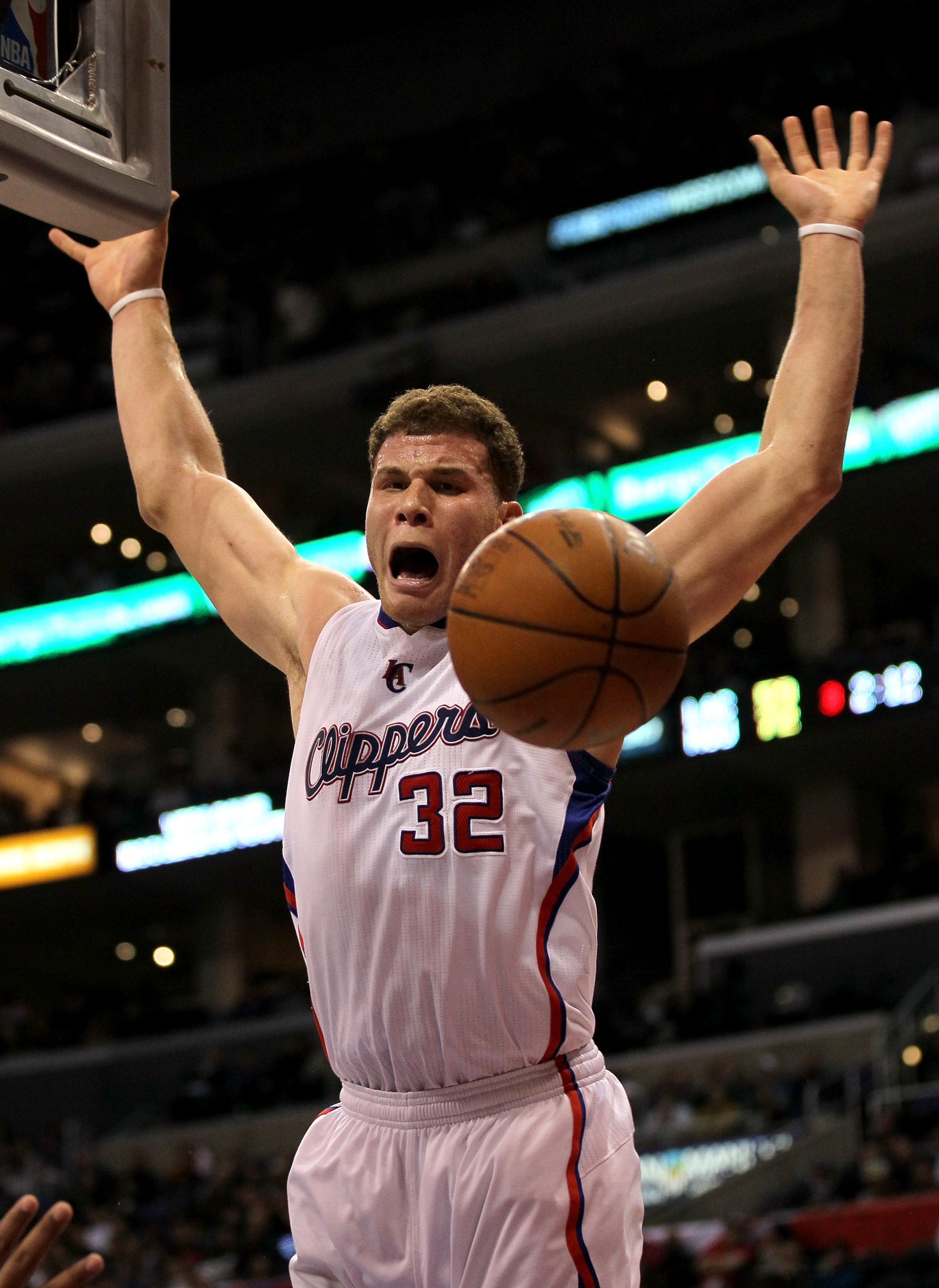
Griffin is technically a rookie, so this is more of a projection than anything. Based on what we've seen of him in his young career, though, he has greatness written all over him—so long as he can avoid the Clipper Curse.
In his first full (so far) season as a pro, Griffin is averaging 21.2 points and 12.4 rebounds on 52 percent shooting.
49. LaMarcus Aldridge
2 of 50
Aldridge has played four seasons in the NBA and his production has steadily increased each year.
He came into the league with decent range on his jump shot and he is getting better in the post. He should probably be grabbing more rebounds for a guy with his size, although his numbers on the glass are increasing.
If he can continue to develop, he'll climb higher up this list.
48. Josh Smith
3 of 50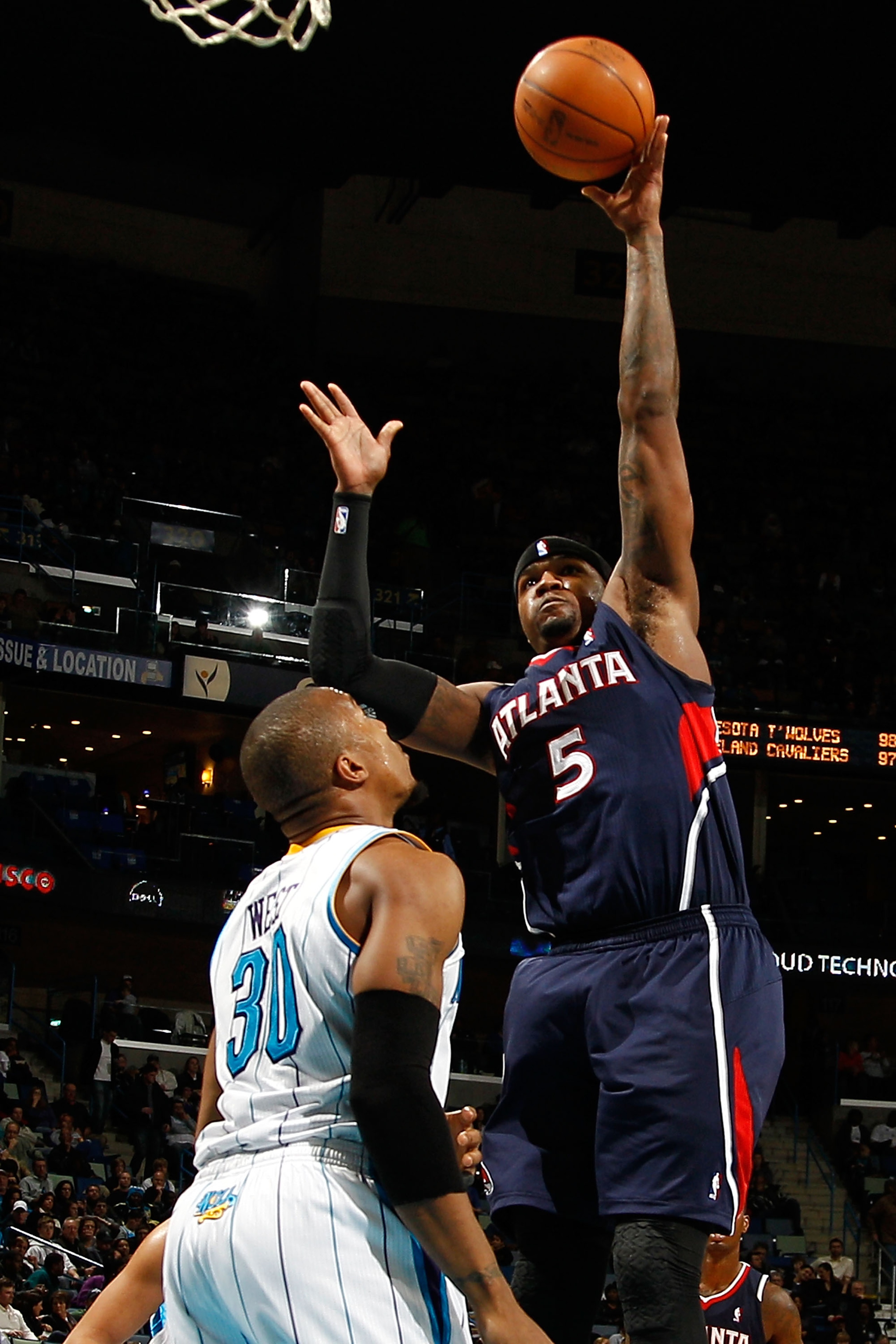
The biggest drawback to Smith's game is that he seems smitten with shooting threes. He got much better in that regard last year, but he has reverted back to his old ways this season.
To be fair, his three-point percentage is way above his career average right now.
Like most of the younger players on this list, it is a bit of a projection that Smith will go down as an all-time great. He consistently ranks near the top of the league in blocks and is currently averaging a career high 9.2 rebounds one year after posting a career-best 51-percent field-goal percentage.
Continued improvement will lead to a higher ranking.

.jpg?w=2560)

47. Danny Manning
4 of 50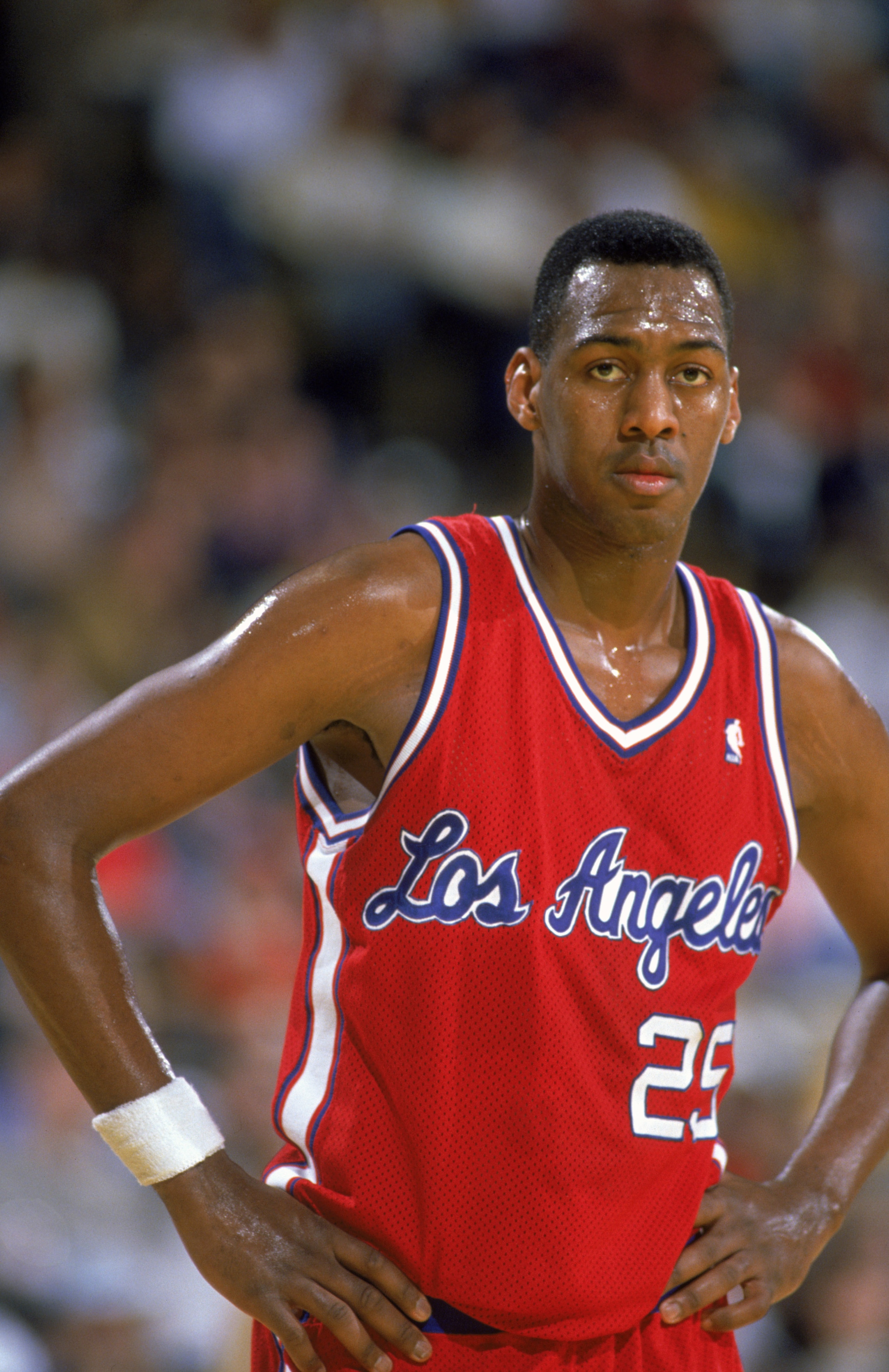
Proof that being drafted by the Clippers dooms NBA careers, Manning had tremendous potential that was limited due to injury problems related to his knees.
His best season, the 1992-93 campaign, saw him average 22.8 points on 51-percent shooting.
He was able to make two All-Star teams and won the Sixth Man of the Year award in 1998. He is also the only NBA player to successfully return to the league after undergoing reconstructive surgery on both knees.
46. Larry Nance
5 of 50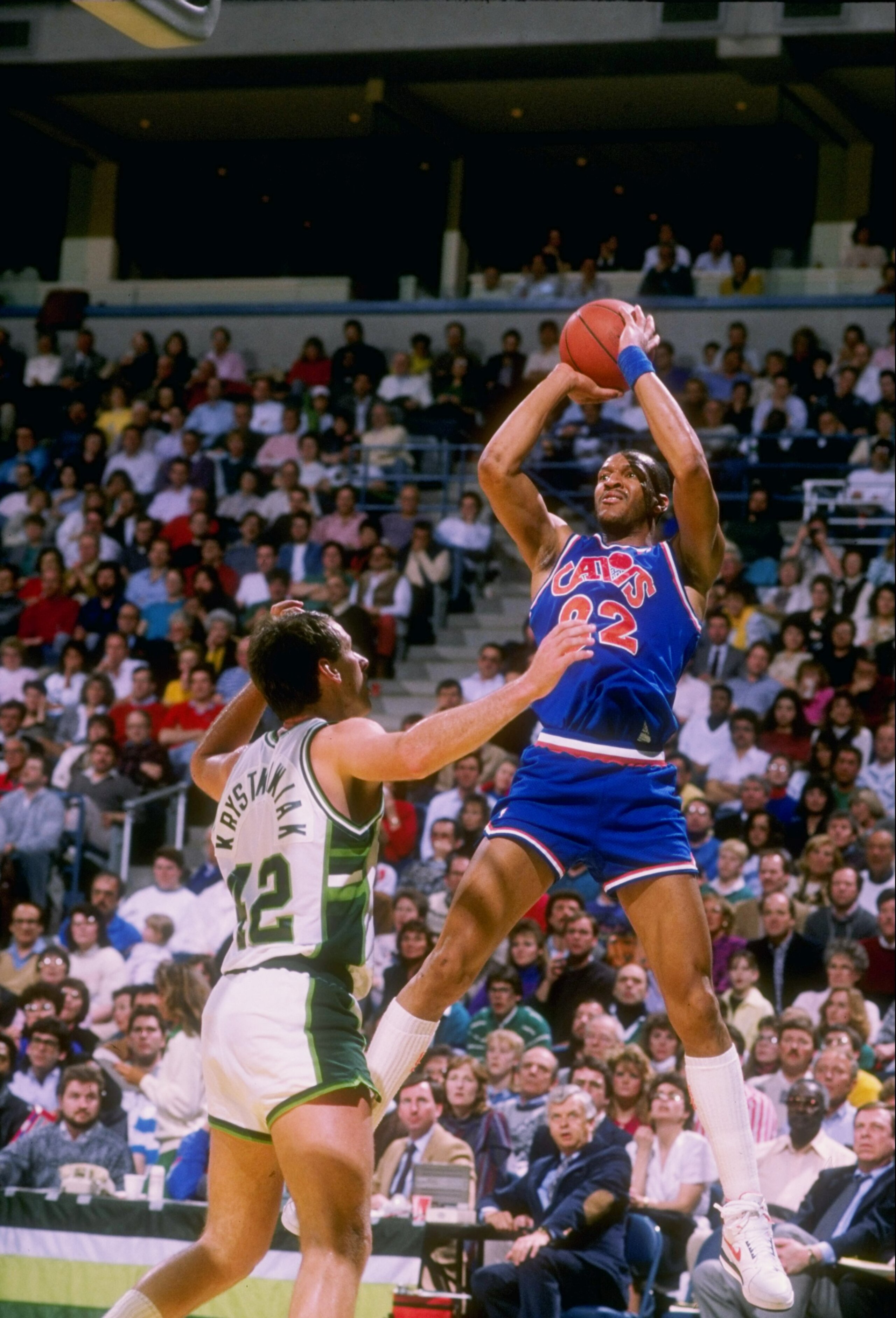
Winner of the first Slam Dunk Contest in 1984, Nance was also a good mid-range jump shooter (he owns a 55-percent career field-goal percentage) and a very good defender.
He was a part of the Cleveland Cavaliers during possibly their best time as an NBA franchise, making the All-Star team three times and being named to the All-Defensive First Team one time.
The Cavs retired his jersey in 1995.
45. Cliff Robinson
6 of 50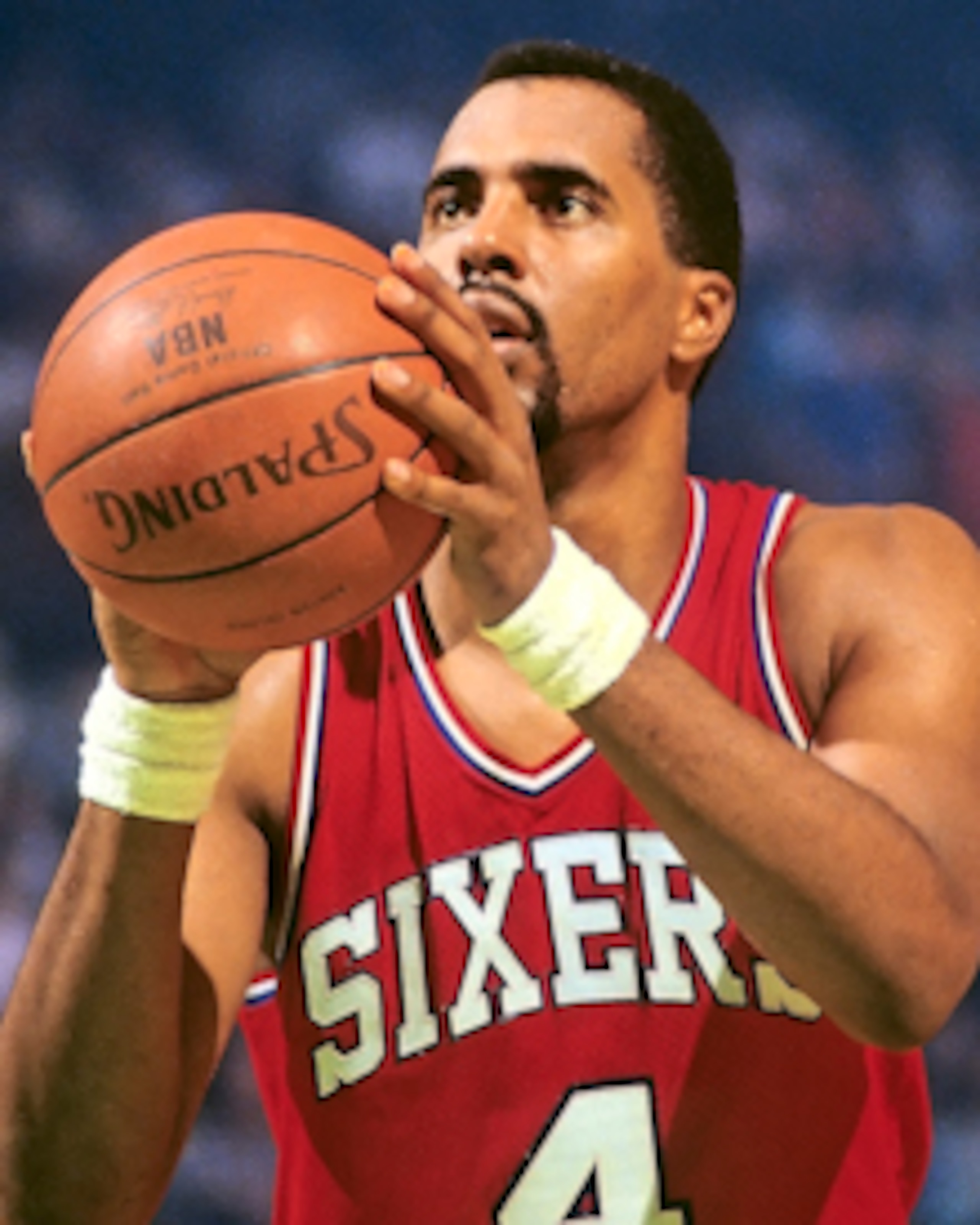
Injuries cut Robinson's career short. When he was able to stay on the floor for a modest total of 60 games a year, however, he averaged 17.7 points and 8.7 rebounds.
Despite his bodily woes, Robinson played in 11 NBA seasons before calling it quits at age 31.
44. Clifford Robinson
7 of 50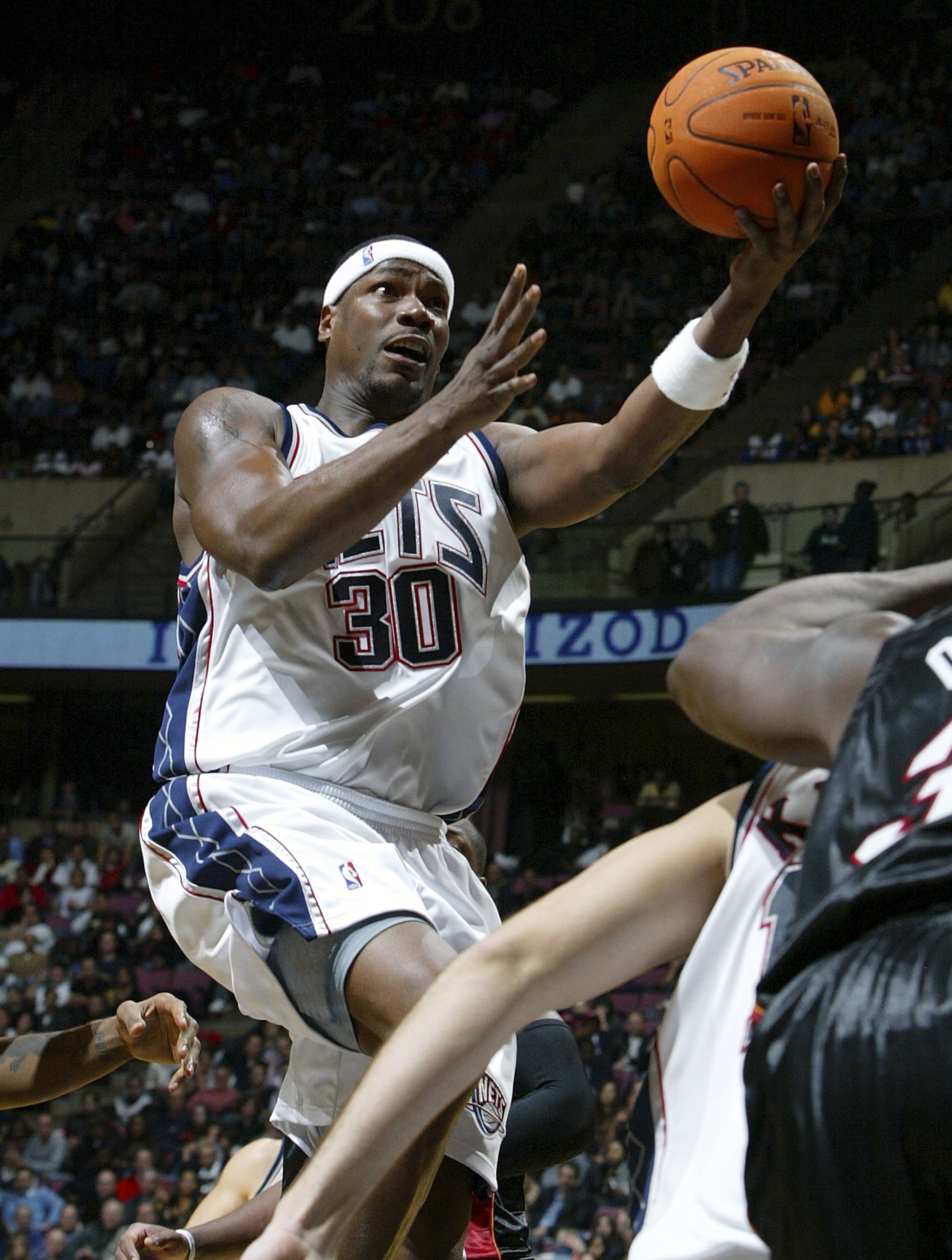
If your parents name you Cliff Robinson at birth, it seems you'll end up as a pretty good power forward.
This Cliff won the Sixth Man of the Year award in 1993 and was an All-Star in 1994. He played in the seventh most games in NBA history and is currently 34th on the all-time scoring list.
He bounced around a bit in his career, which came to an unceremonious end when he was suspended and released by the New Jersey Nets after violating the league's substance abuse policy.
43. David West
8 of 50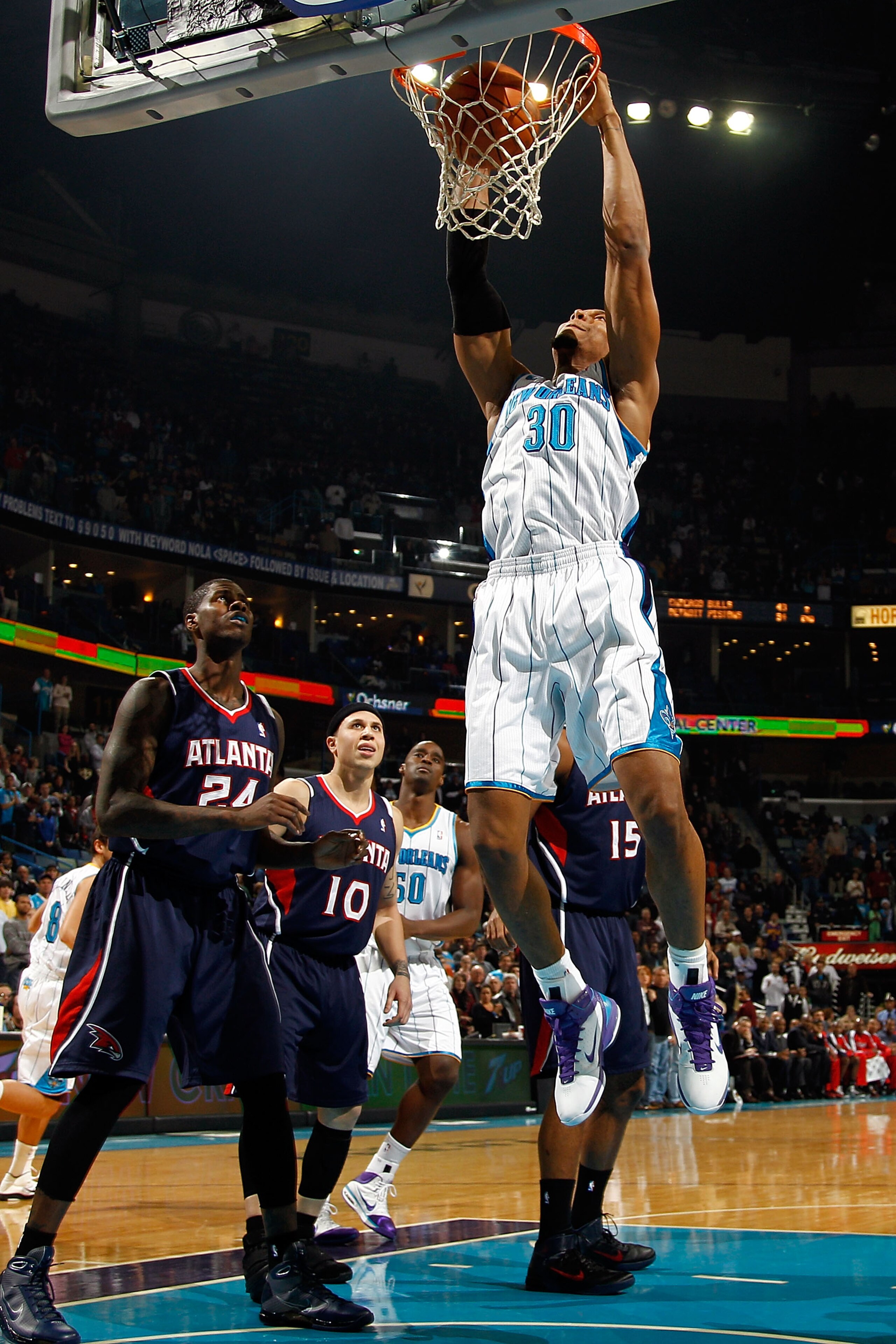
With seven NBA seasons under his belt, West has quickly become one of the best scoring forwards around.
After struggling some in his first two seasons, he has averaged 19.2 points and 8.1 rebounds in his last six.
While he certainly benefits from having Chris Paul as his point guard, West has been an All-Star twice and should tally more appearances if this level of production continues.
42. Maurice Stokes
9 of 50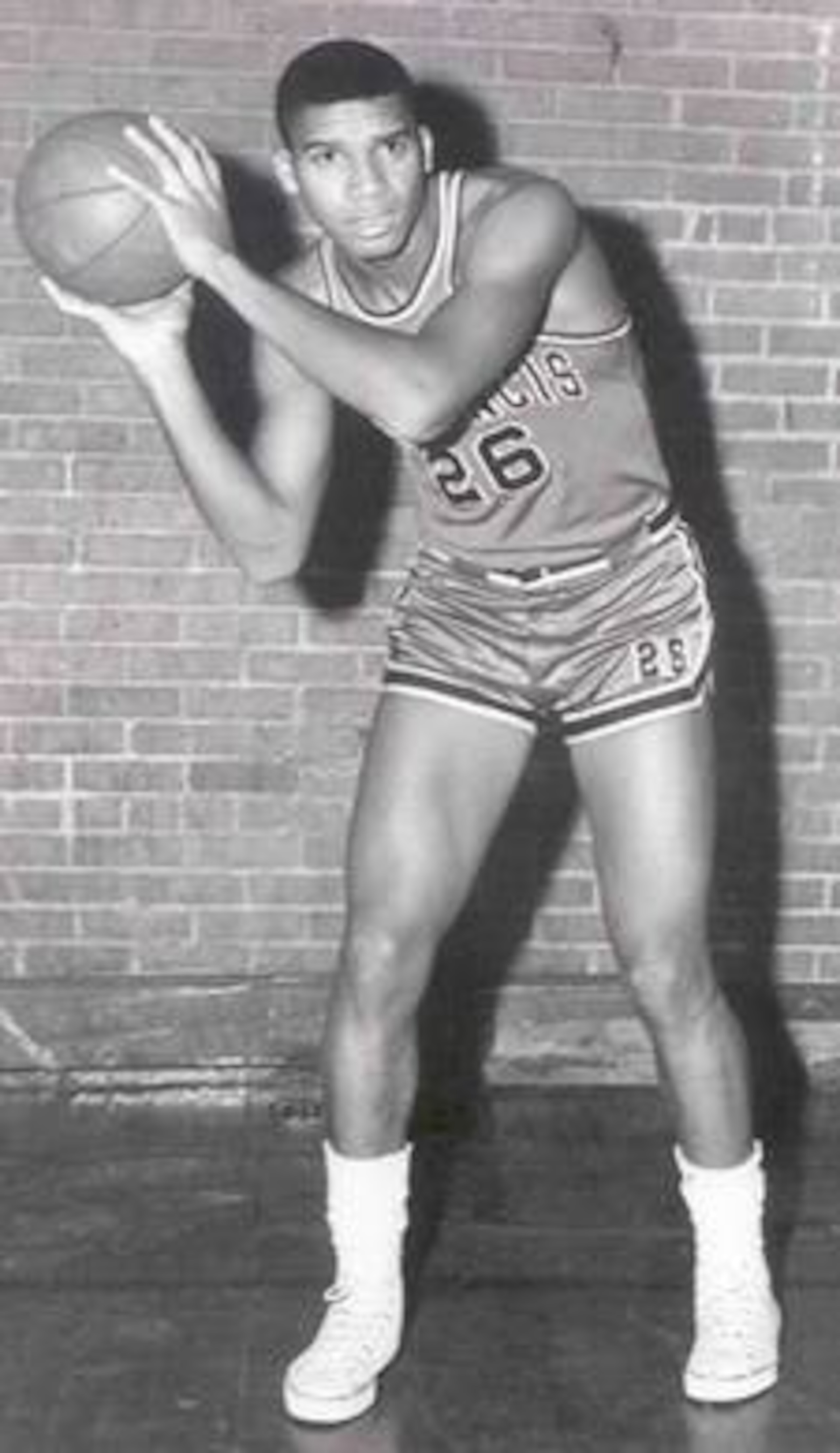
Stokes had his playing career cut short after a hard fall to the floor that briefly knocked him unconscious and ultimately resulted in him falling into a coma that left him permanently paralyzed.
It was incredibly unfortunate, as Stokes was unfathomably talented.
In his brief three-year career, Stokes averaged 16.4 points and 17.3 rebounds. He died of a heart attack at age 36 and was inducted into the Hall of Fame in 2004.
41. Derrick Coleman
10 of 50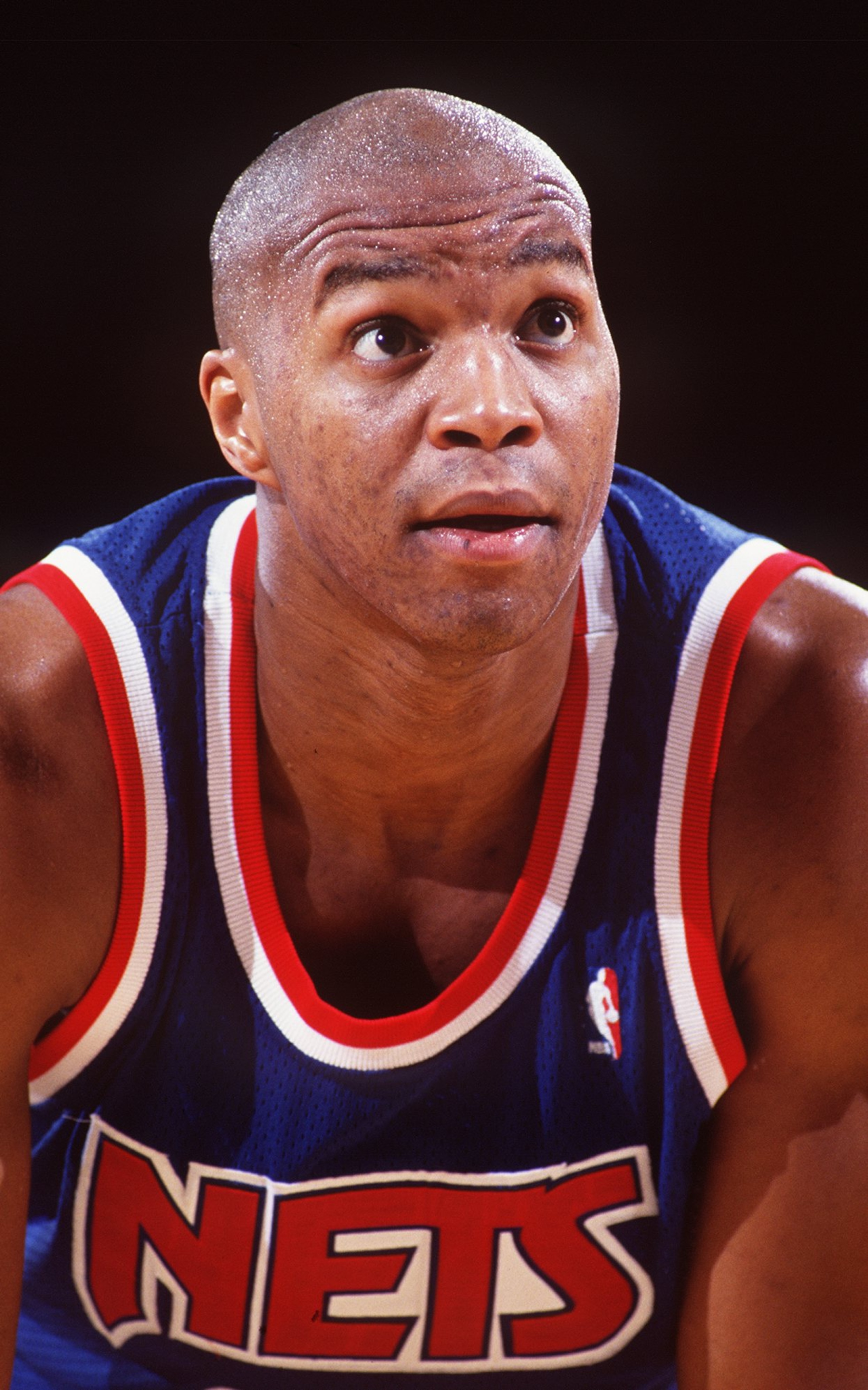
Coleman exploded onto the scene early in his career, posting averages of 19.9 points and 10.6 rebounds in his first five seasons. He went off track a bit after that, but still finished with a respectable 16.5 points and 9.3 rebound career average.
Among his career highlights, Coleman was Rookie of the Year in 1991 and made one All-Star team.
40. Larry Johnson
11 of 50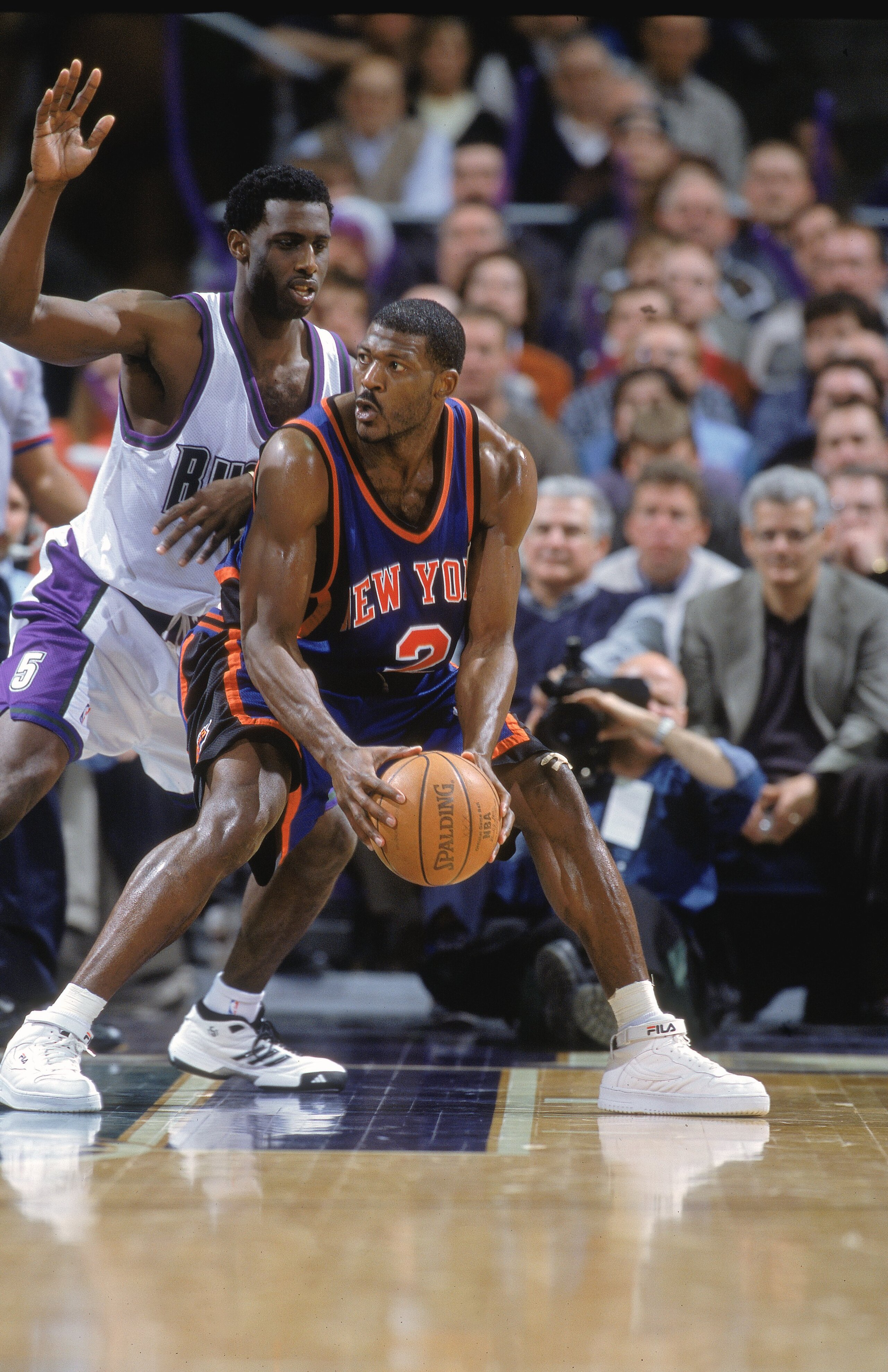
Early in his career, Johnson showed flashes of greatness, even posting the difficult 20-10 season in just his second year in the league.
He played for the Charlotte Hornets during their best stretch as a franchise and made one of the more memorable plays in Knicks history on a four-point play in the 1999 playoffs.
Johnson was Rookie of the Year in 1992 and made two All-Star teams. He was forced into early retirement in 2001 due to chronic back pain.
39. Bob Boozer
12 of 50
Of all the late bloomers we have seen in professional sports, Boozer must rank near the top.
Early in his career, Boozer showed rebounding ability while not being too much of a threat on the offensive end. When he went to Chicago late in his career, he had three seasons where he averaged 20.4 points and 8.7 rebounds.
Perhaps Boozer was not utilized correctly earlier in his career, or maybe he just figured it all out near the end.
Either way, he went out in a blaze of glory.
38. Anthony Mason
13 of 50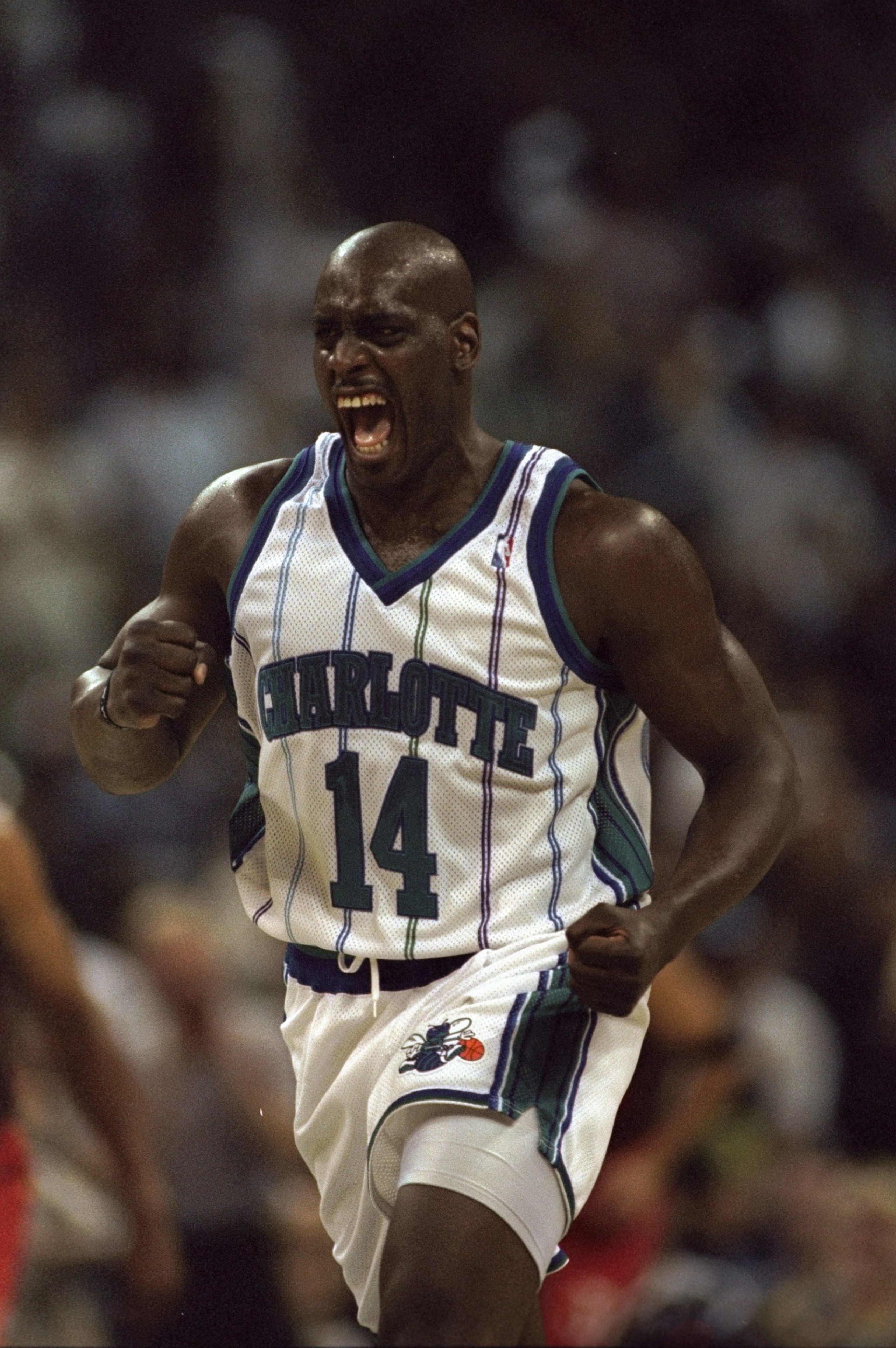
Mason overcame his relatively small size with tremendous strength to become a terrific defensive player and solid rebounder.
He didn't contribute too much in terms of points—just 10.8 points for his career—but was a great passer with excellent floor vision. He had a career high 5.7 assists in 1996-97.
He also led the league in minutes per game twice.
37. Charles Oakley
14 of 50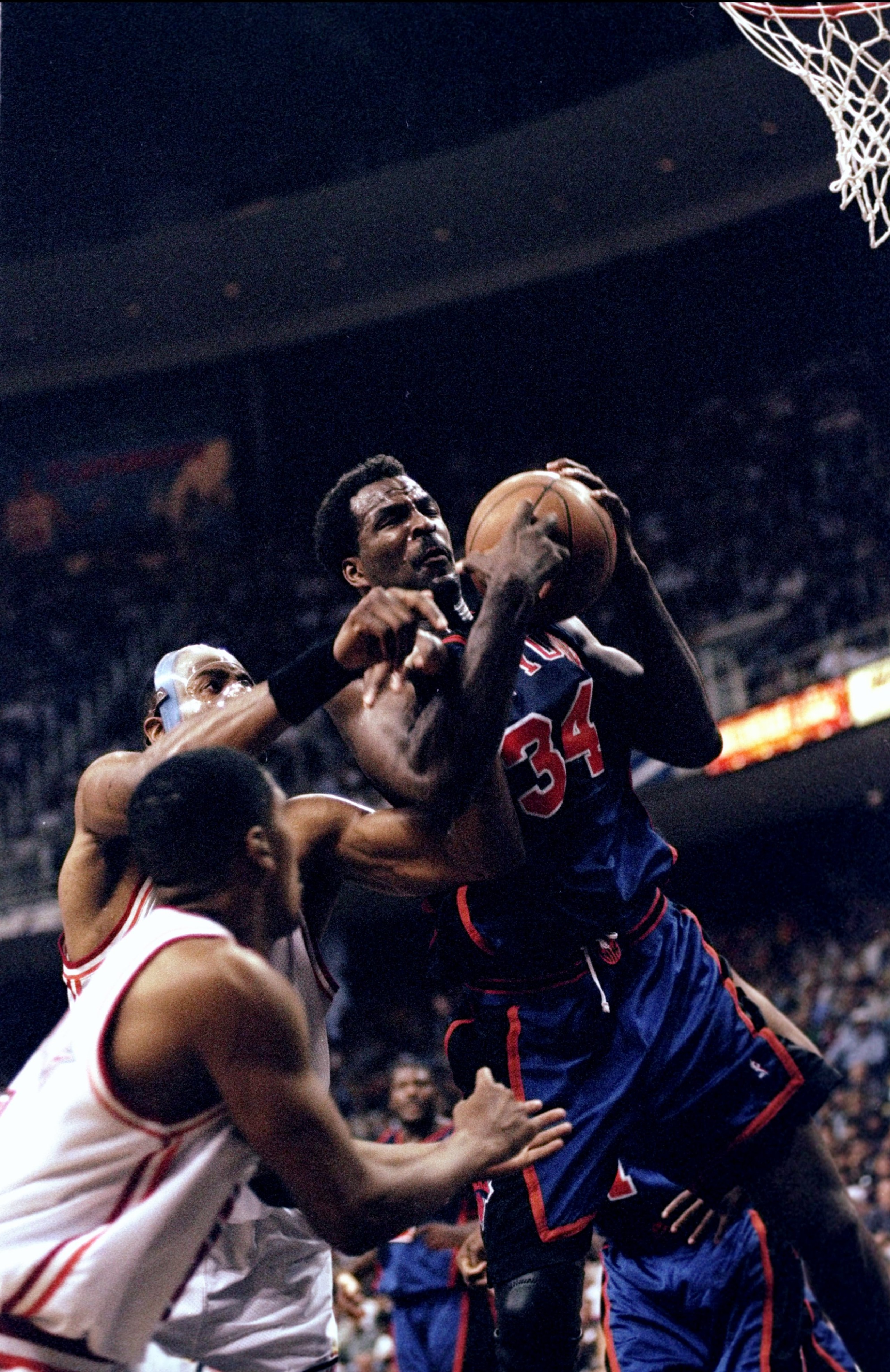
Oakley came into the league with the Chicago Bulls, serving as the team's enforcer and becoming a favorite of Michael Jordan.
When Horace Grant emerged as a starting caliber player, Oakley was sent to New York, where he quickly won over fans with his tough, physical play.
He was a very good rebounder, averaging 9.5 rebounds for his career and made the All-Defensive First Team and All-Star team one time apiece.
36. Kevin Willis
15 of 50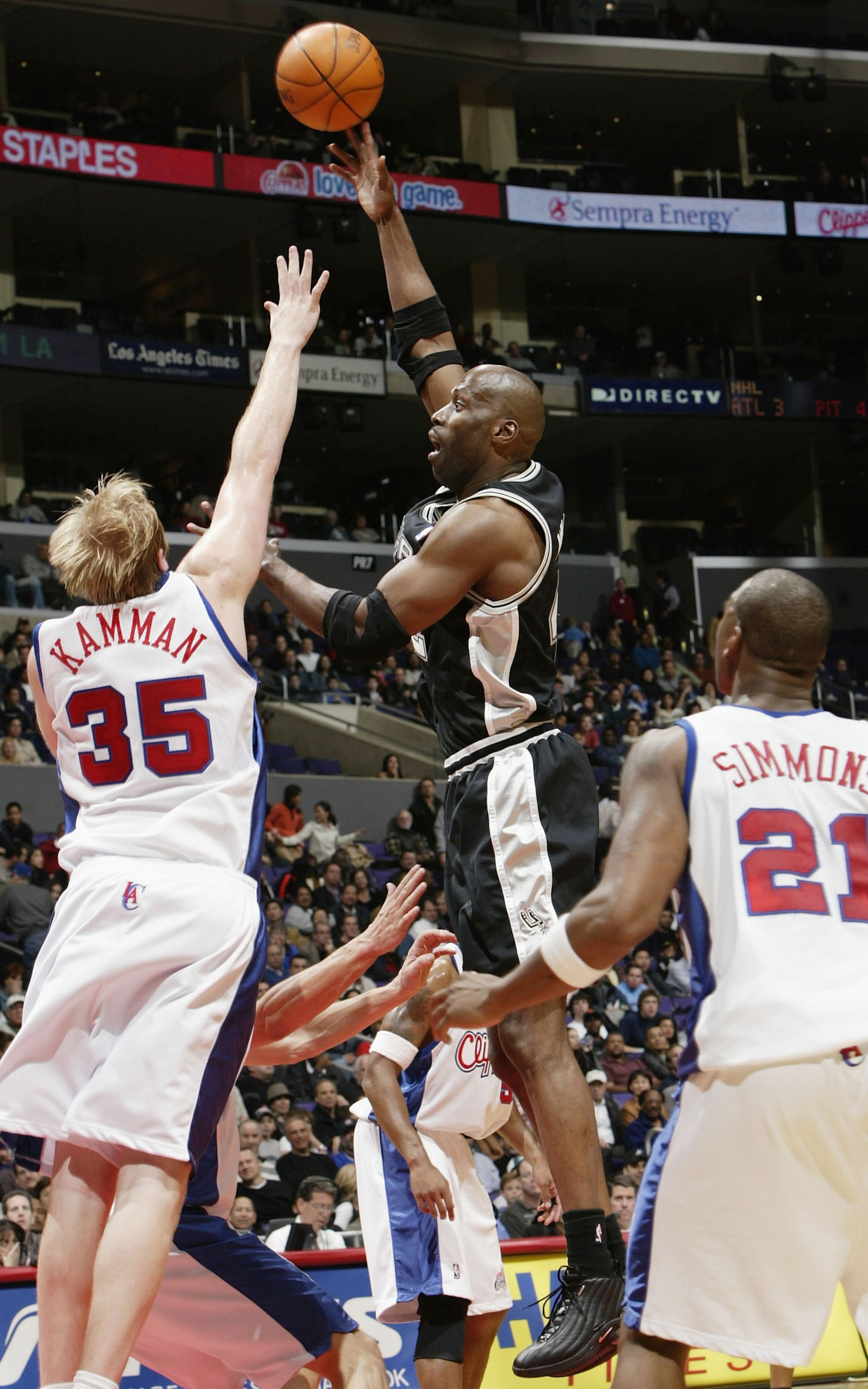
Willis played an astounding 21 years in the NBA, finally retiring at the ripe age of 44.
His career numbers won't make anyone fall out of their chair, but three times he averaged at least 17 points and once averaged 15.5 rebounds.
He won his lone championship in 2003 with San Antonio, and just the longevity of his career speaks to his playing ability. He is also one of only 15 players to total 16,000 points and 11,000 rebounds in a career.
35. Jermaine O'Neal
16 of 50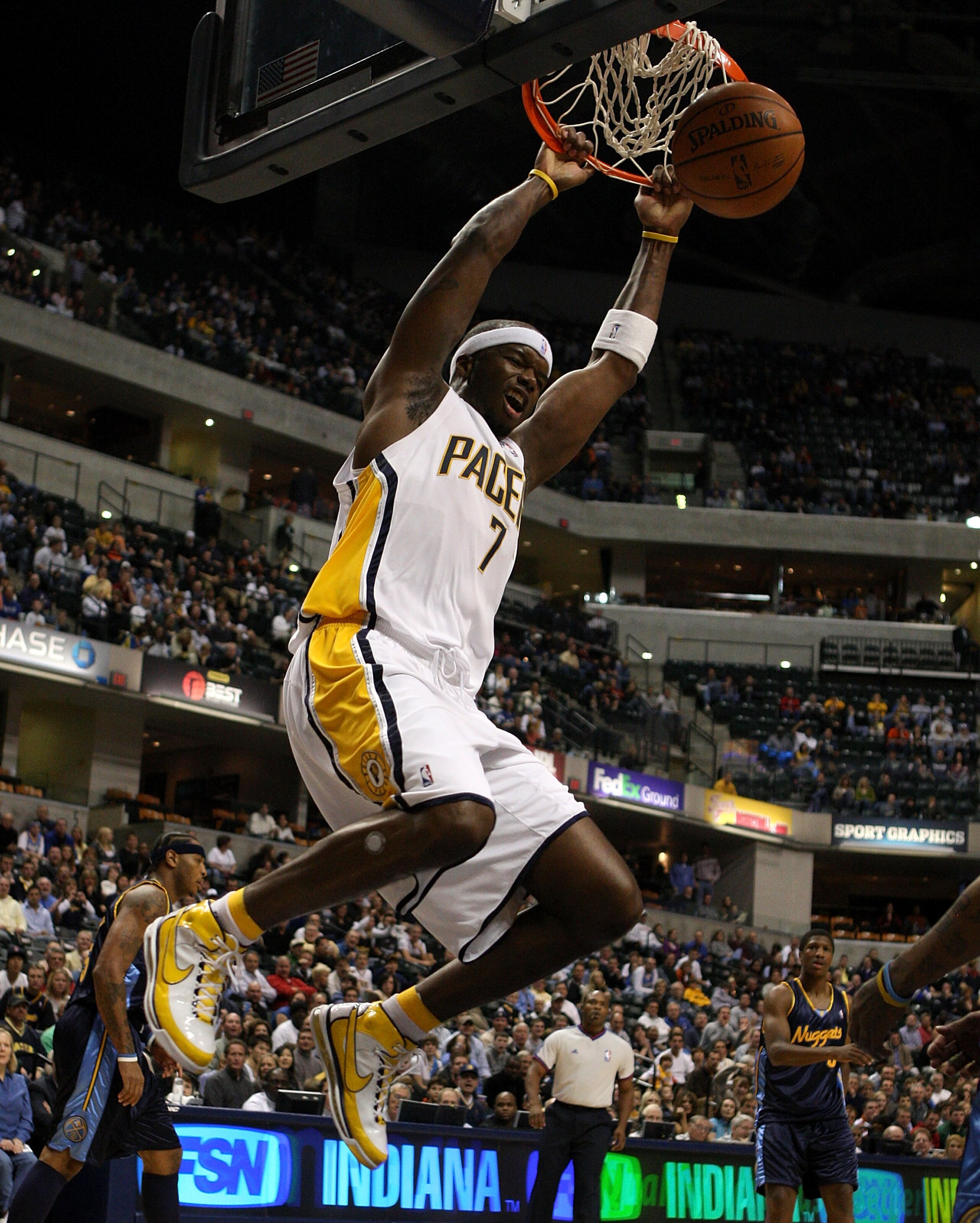
One of many players on this list to be hit with the injury bug, O'Neal was stuck on the bench in Portland early in his career before being traded to Indiana.
In his healthy years with the Pacers, O'Neal averaged 18.4 points and 10 rebounds. The potential was there, his body just did not cooperate.
He is currently hoping to win a ring with the Boston Celtics.
34. Otis Thorpe
17 of 50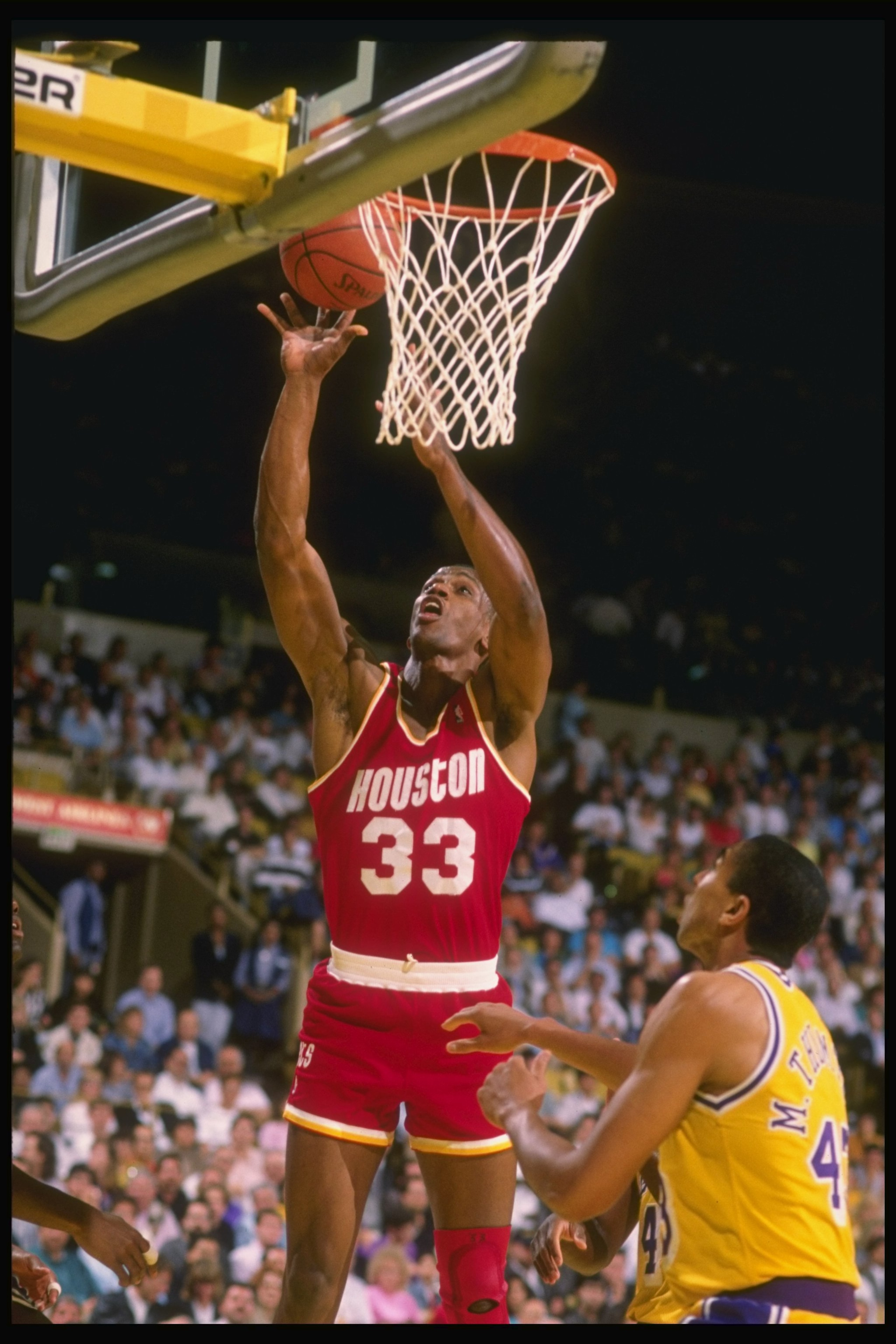
Thorpe made one All-Star Game (1992) and won one NBA Championship with the Houston Rockets in 1994. He is also Houston's all-time leader in field goal percentage at 56 percent.
His best year came in the 1987-88 season when he averaged 20.8 points and 10.2 rebounds.
He ended up playing 17 years in the NBA, totaling over 17,000 points and 10,000 rebounds.
33. Maurice Lucas
18 of 50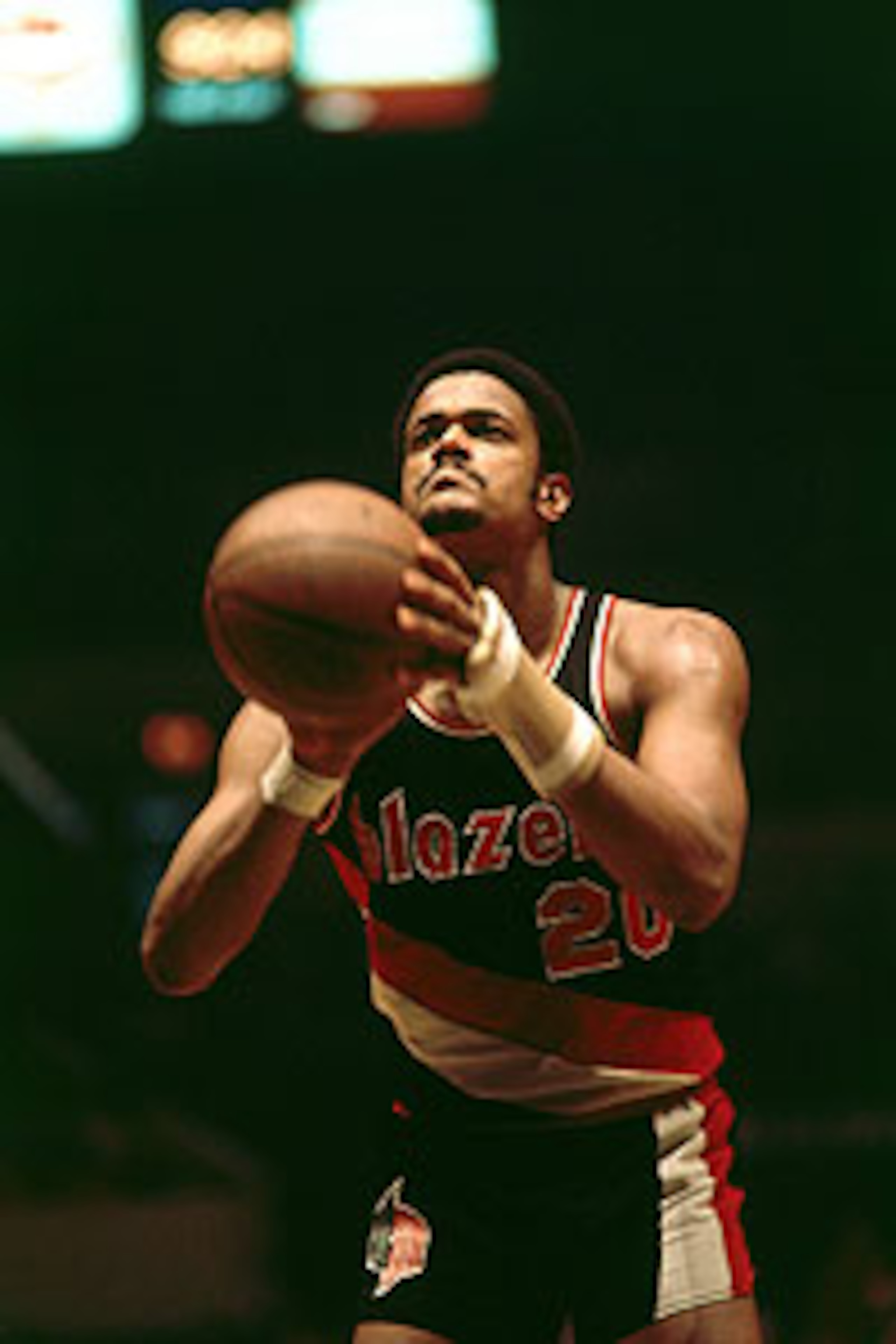
Lucas posted two 20-10 seasons in his career, but was more known for his defensive abilities and role as an enforcer.
He won one NBA Championship and was an All-Star four times. He died on Halloween this year at the age of 58.
Luke Walton, a role player for the Lakers, was named after him by his father and former teammate of Lucas, Bill Walton.
32. Paul Silas
19 of 50
Silas played 16 years in the NBA, collecting over 10,000 points and 10,000 rebounds in the process.
He was an excellent defensive player—being named to the All-Defensive First Team twice—and played in two All-Star games while winning three championships.
31. Antawn Jamison
20 of 50
When Jamison was dealt from Washington to Cleveland last year, he thought he was leaving a bottom-feeder for a championship contender.
Maybe that was the case a season ago, but now Jamison is stuck in another rebuilding situation after the departure of LeBron James.
Not too long ago, Jamison would have been a player the Cavaliers could build around. With the end not too far away for him, though, they will need other plans.
Jamison has averaged 19.6 points and eight rebounds in his career. In the 2007-08 season he was able to put up a 20-10 year, and his career high in points came back in 2000-01 when he was with the Warriors (24.9 PPG).
The two-time All-Star is still producing at a decent rate, but is clearly not the player he once was.
30. Horace Grant
21 of 50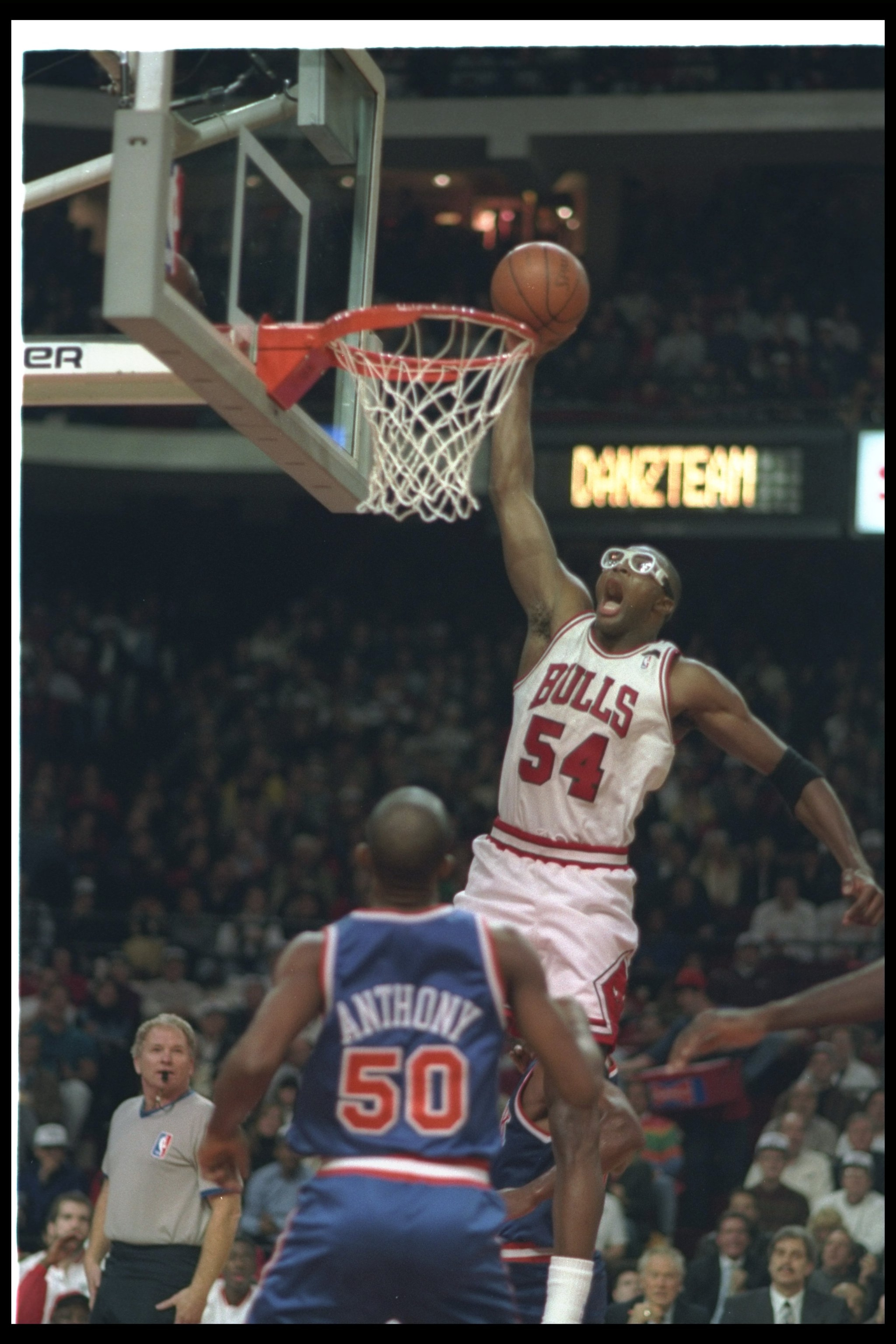
Grant was stuck in the shadows of Michael Jordan and Scottie Pippen in his time with the Bulls, but he was instrumental in helping them to three consecutive NBA Championships.
He was noted more for his defense and rebounding, although he was capable of scoring when called upon—evidenced by his 51-percent career field-goal percentage.
Grant won a fourth championship with the Lakers in 2001 and is most remembered for his trademark goggles.
29. Chris Webber
22 of 50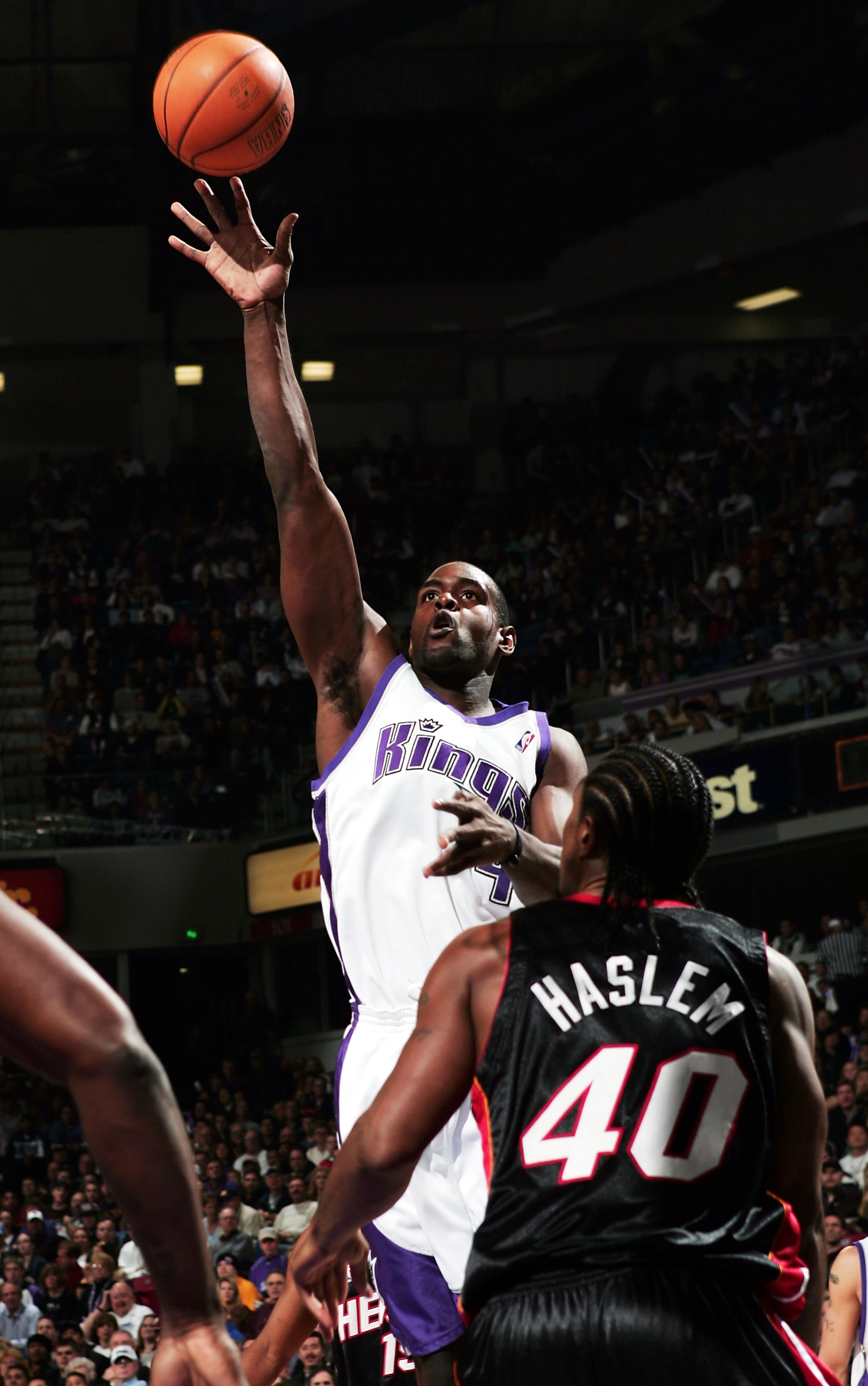
Webber is most known for his time with Sacramento, but also had good runs with Golden State and Washington.
A five-time All-Star and one time All-NBA First Teamer, his best year came in the 2000-01 season, when he averaged 27.1 points and 11.1 rebounds. He also led the league in rebounds in the 1998-99 season with 13 and was consistently in the top 10 in points in his prime.
28. Buck Williams
23 of 50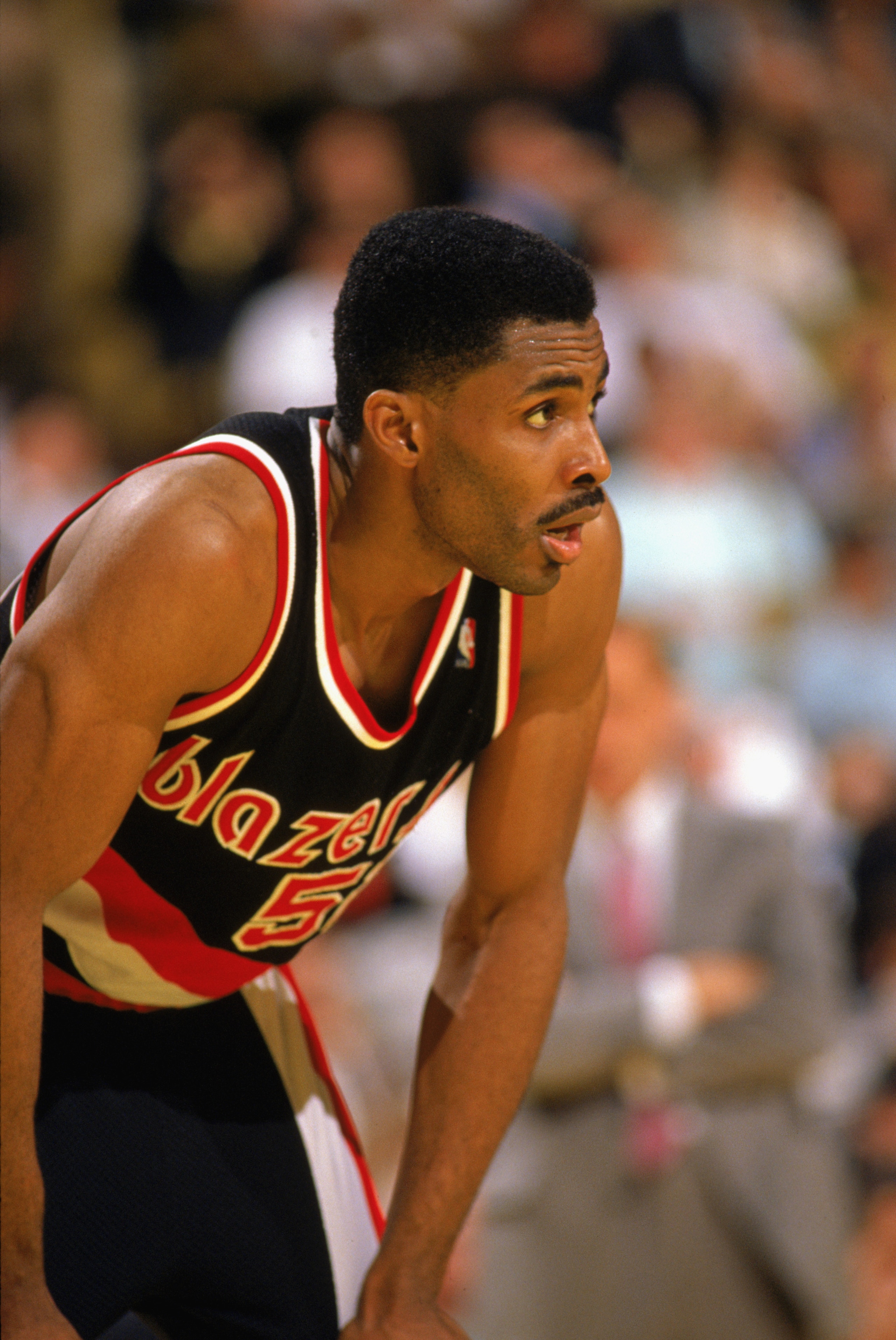
Williams holds franchise records for both the New Jersey Nets and Portland Trail Blazers.
He is the Nets all-time leader in points, total rebounds, rebounds per game and free throws made and is the Blazers leader in field goal percentage.
The 1982 Rookie of the Year, Williams played in three All-Star Games and twice led the league in field-goal percentage—clocking in at over 60-percent shooting in consecutive years.
His No. 52 jersey was retired by the Nets in 1999.
27. Harry Gallatin
24 of 50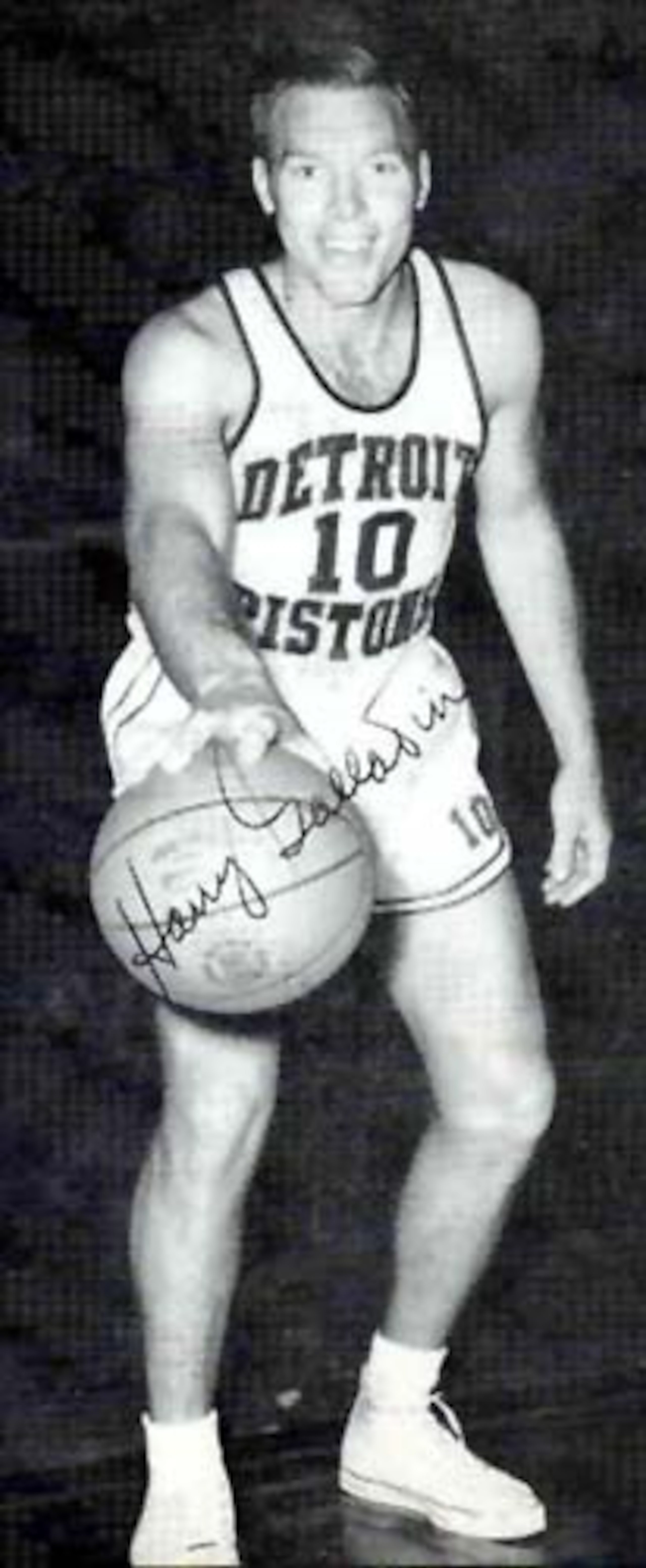
David Stern's childhood idol, Gallatin was inducted into the Hall of Fame in 1991.
He made the All-Star team in each of his nine NBA seasons (he played one year in the BAA), averaging 13.3 points and 11.9 rebounds in those years. In the 1953-54 season, Gallatin led the league in rebounding at 15.3 rebounds per game.
Gallatin also made the All-NBA First Team one time.
26. Shawn Marion
25 of 50
An adage about "The Matrix" throughout his career has been that he rarely, if ever, has a play called for him.
Despite this, he has averaged 17 points in his 11 year career to go along with his 9.5 rebounds. He has twice averaged greater than 20 points and four times has been above 10 rebounds.
He can stretch the floor, finish and play defense—a pretty good combination.
25. Shawn Kemp
26 of 50
Kemp has become the bud of many jokes in recent years due to his weight, substance abuse and legal issues.
Before it all unraveled, though, he was an absolute force—averaging 18.8 points and 10.3 rebounds in the best years of his career.
He failed in many comeback attempts in the early-to-mid 2000s, never fully delivering the production his talent promised.
24. Zach Randolph
27 of 50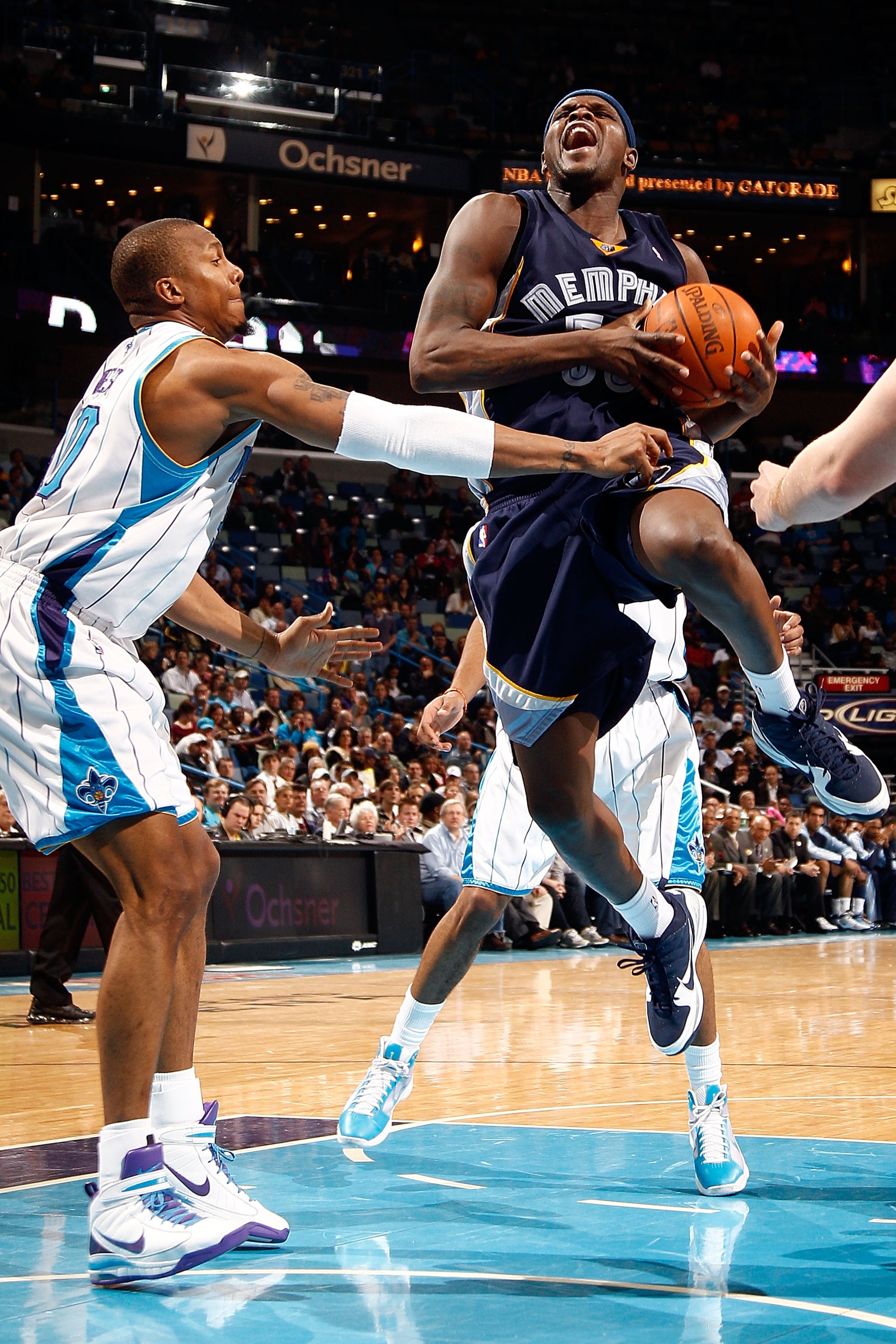
"Z-Bo" got off to a bit of a slow start in his career, but since winning the Most Improved Player award in 2004 has averaged 19.7 points and 10.5 rebounds.
Randolph has been viewed as somewhat of an underachiever in his career. If that's the case, he is certainly changing how he is perceived.
In his one-plus seasons with Memphis, he is averaging nearly 20 points and greater than 12 rebounds. He is also possibly the best offensive rebounder currently playing, averaging more than four offensive boards a game in his time with the Grizzlies.
You don't get numbers like that unless you're good. Like really, really good.
23. Rasheed Wallace
28 of 50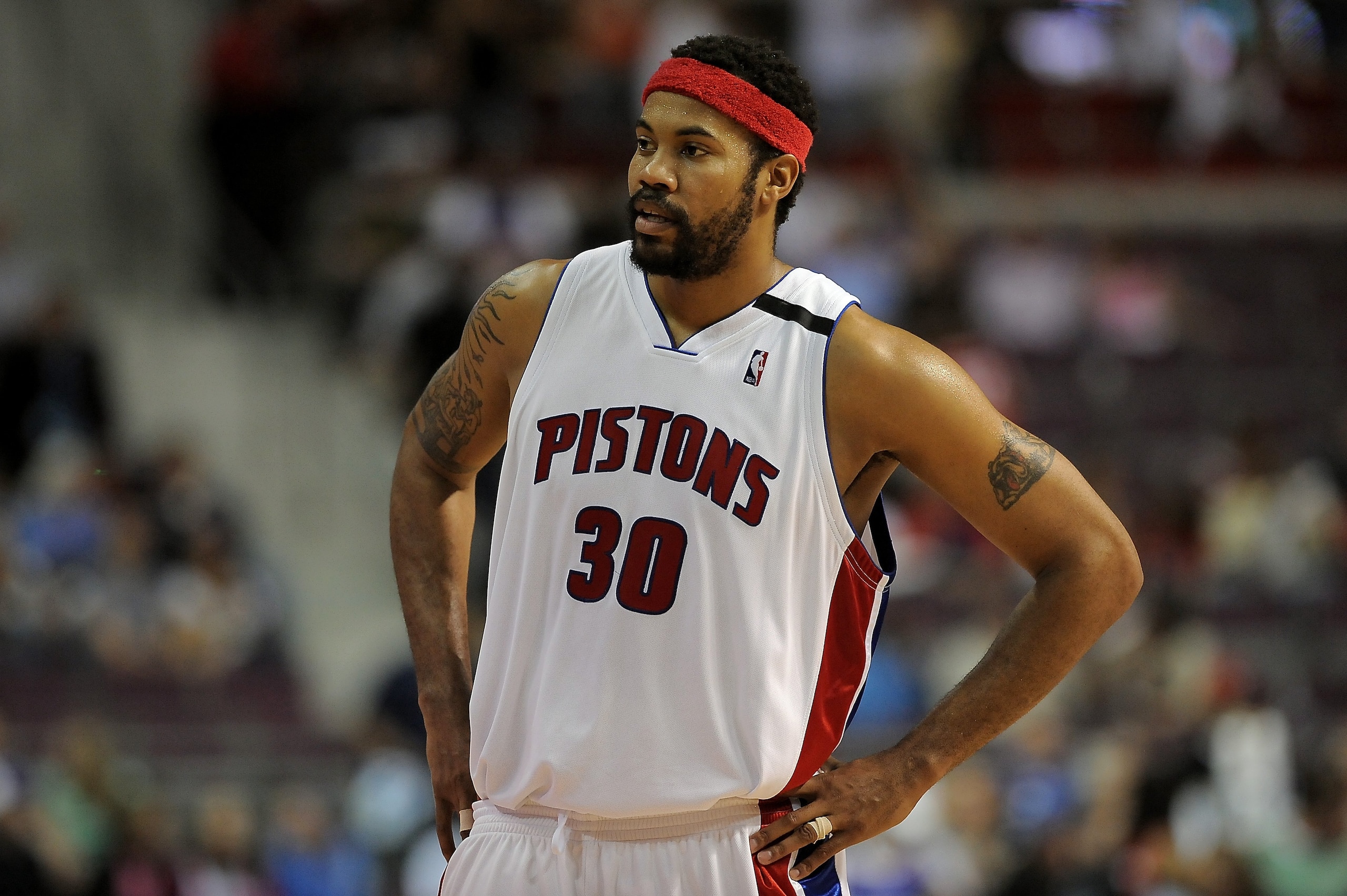
Some believe that, if we were looking at talent alone, Wallace was one of the best to ever play. Charles Barkley even once said that if 'Sheed really wanted it, he could be the best in the game.
Wallace won a title with Detroit in 2004, but, much like those Pistons teams in subsequent years, the larger view is that he severely underachieved in his career.
In his best years, Wallace averaged 19 points and nearly eight rebounds, finishing with a career average of 14.6 points and 6.7 rebounds.
A four time All-Star, he is best known for being the NBA's all-time leader in technical fouls.
22. Elton Brand
29 of 50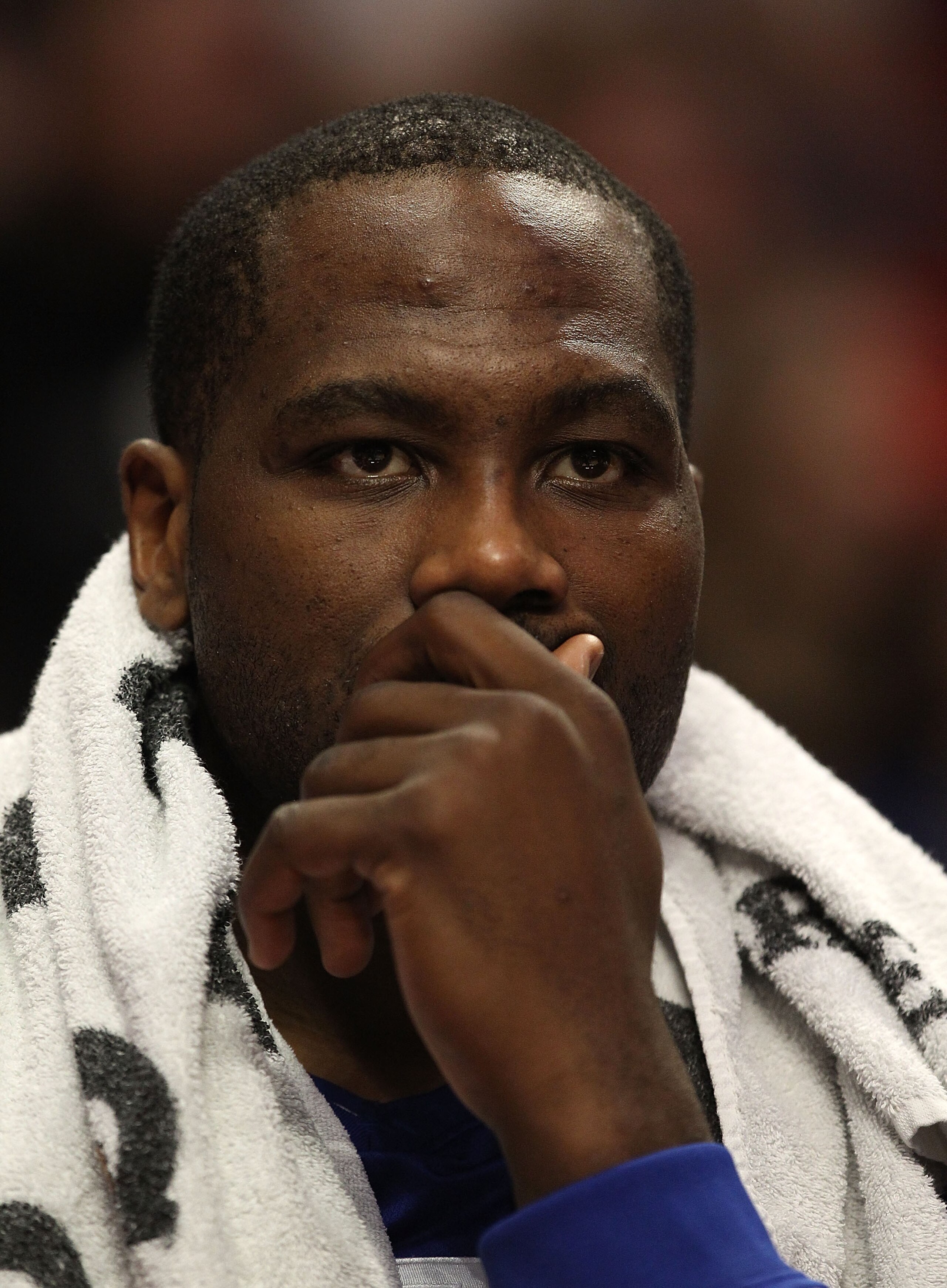
Before injuries began sucking away at Brand's abilities, he was one of the best players in the league.
In 2007, Brand ruptured his Achilles tendon and he has never been quite the same. Before that though, he averaged 20.3 points and 10.3 rebounds in eight seasons.
There is a never-ending list of athletes whose bodies failed them, cutting short their careers and ending the promise they showed. Here in 2010, it seems Brand is one of them.
He is a two-time All-Star and was co-Rookie of the Year in 2000.
21. Carlos Boozer
30 of 50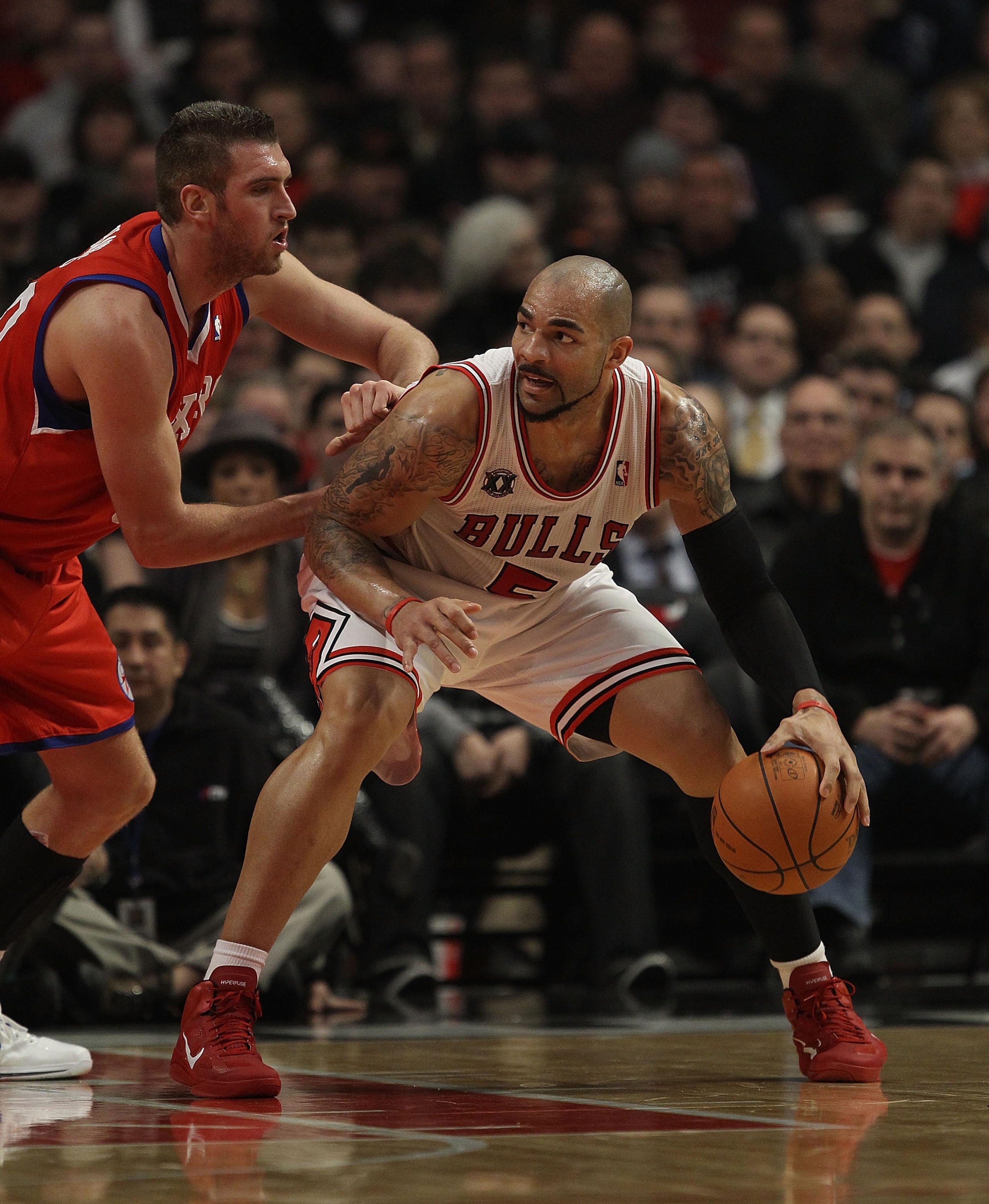
Boozer is looked at as an overrated player by some and has certainly been injury prone in his eight-year career, but in seasons in which he's played at least 74 games, Boozer averages 17.9 points and 10.5 rebounds.
Twice he has been an All-Star and he won an Olympic gold medal in 2008.
He may not go down as an all-time great overall, but when looking at power forwards, he cannot be left off the list.
20. Tom Heinsohn
31 of 50
Inducted into the Hall of Fame in 1986, Heinsohn won eight NBA Championships with the Boston Celtics in a nine-year playing career.
His statistics (18.6 points and 8.8 rebounds) are exceeded by many, but the titles don't lie. Basketball is a team game after all.
Heinsohn was an All-Star six times, won Rookie of the Year in 1957 and had his number retired by the C's in 1966. He currently does television analysis for his former team and is one of the biggest homers you will find in broadcasting.
19. Clyde Lovellette
32 of 50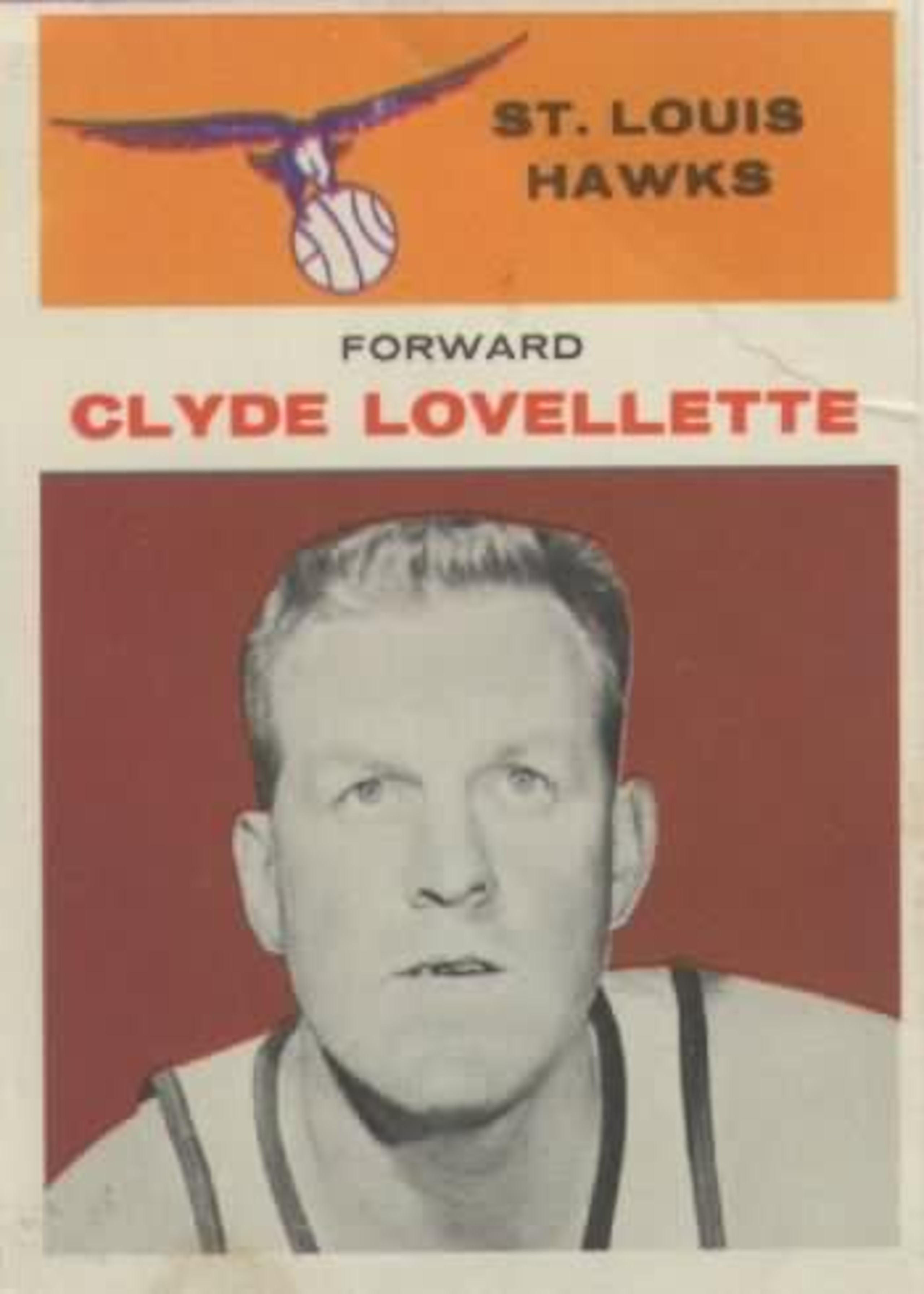
Lovellette's career averages of 17 points and 9.5 rebounds look good, but not great.
Consider though, that when he averaged at least 28 minutes a game in his 11 year career, Lovellette posted 21.2 points and 11.5 rebounds. Now those are the numbers of an all-time great, which Lovellette is, as he was inducted into the Hall of Fame in 1988.
And here's an interesting bit of trivia for you: Lovellette was the first player to win an NCAA, Olympic and NBA Championship. He won it all in the pros three times and his high school team fell just one game short of the grand prize.
18. Chris Bosh
33 of 50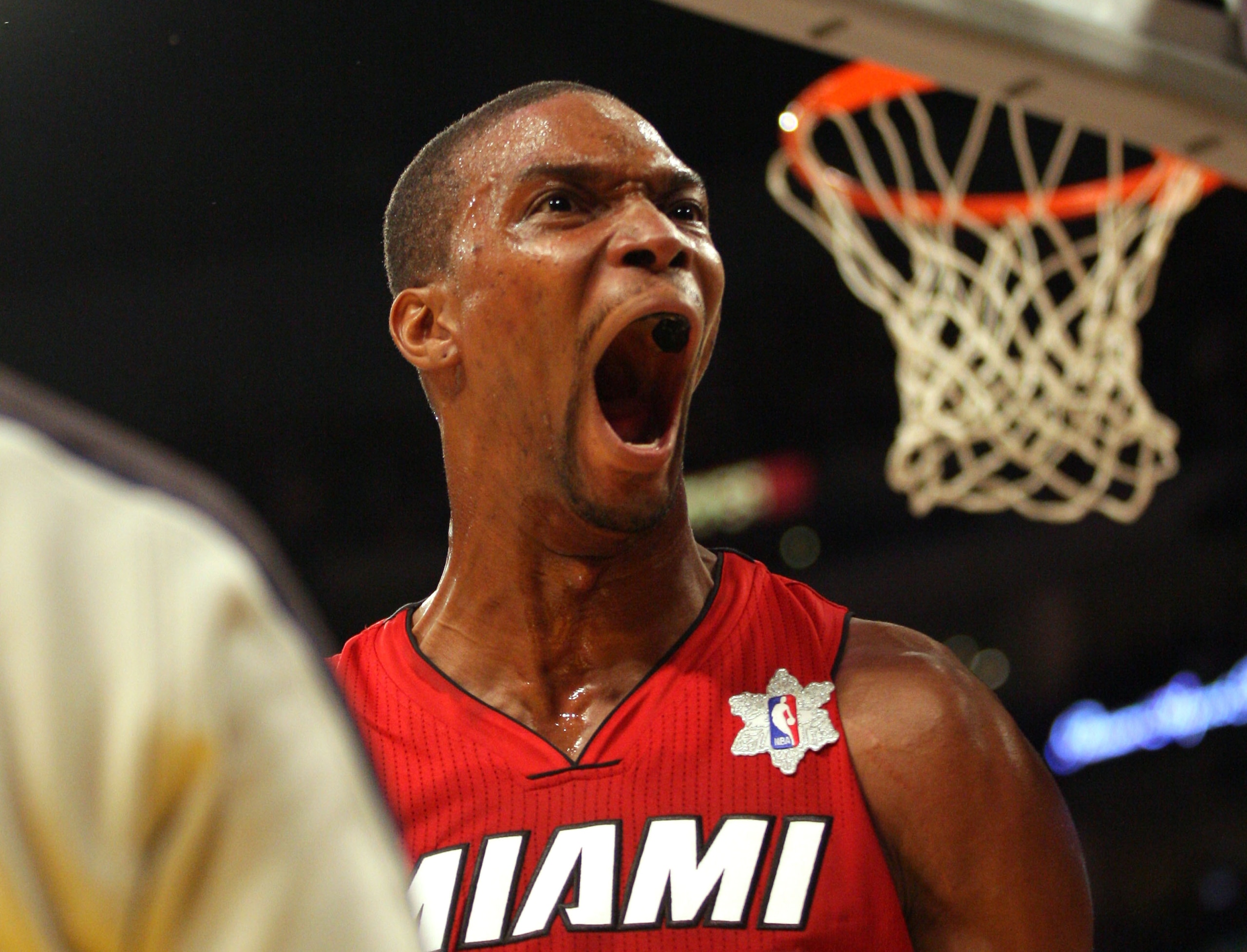
While Bosh was part of last summer's free agent bonanza, he was viewed as slightly below the level of guys like LeBron James and Dwyane Wade.
That's fine, but he still averaged 20 points and nearly 10 rebounds in his time with Toronto.
It is also no coincidence that the Heat really got it going once Bosh found his way and started scoring. The five All-Star appearances strengthen his case.
17. Amar'e Stoudemire
34 of 50
Many were ready to write Stoudemire off after microfracture surgery effectively ended his 2005-06 season. He was also viewed as simply a consolation prize for the New York Knicks after they were unable to land LeBron James this offseason.
The survivor of a difficult childhood, Stoudemire has been overcoming the odds all his life and he is once again proving people wrong.
His career averages of 21.6 points and nine rebounds have actually gone up since it appeared his knees were failing him, and this year he is at 26.2 points and 9.3 rebounds while being an early favorite for league MVP.
He has been an All-Star five times and a member of the All-NBA First Team once.
Basketball fans can thank Tupac Shakur for providing the words that helped Stoudemire make it through his early life struggles.
16. Pau Gasol
35 of 50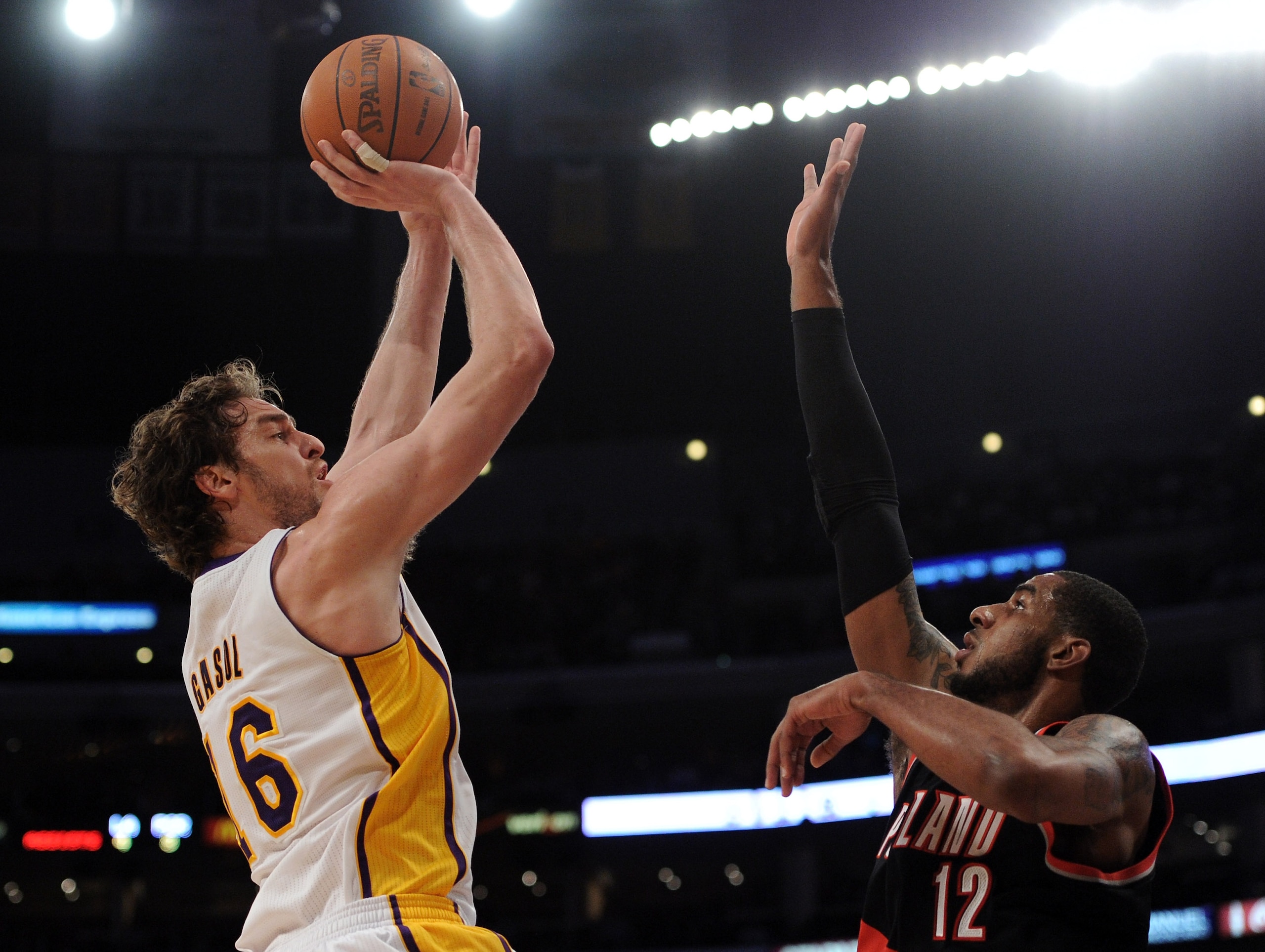
Gasol was a very good player in his time with the Memphis Grizzlies. Since joining the Lakers during the 2007-08 season, however, he has made the leap to superstar.
The 2002 Rookie of the Year, Gasol's scoring numbers took a hit in L.A. with better players around him, but his rebounding numbers went up and in 2010 he is averaging nearly 20 points.
He has won the NBA Championship twice, been to the All-Star Game three times and is only getting better.
15. Connie Hawkins
36 of 50
Larry Brown, the Hall of Fame coach, once said of Connie Hawkins: "He was Julius before Julius. He was Elgin before Elgin. He was Michael before Michael. He was simply the greatest individual player I have ever seen."
Hawkins had a rough go of it initially, as he was banned from the NBA after a point-shaving scandal. Hawkins was attending the University of Iowa at the time and, although he was never convicted or really even implicated of serious wrongdoing, the league forbid him from stepping foot on NBA hardwood.
During his time in exile, Hawkins played in the ABL and ABA and even had a stint with the Harlem Globetrotters before a legal battle with the NBA ended with his being allowed to play with the big boys.
He proceeded to wow, averaging 22.2 points and 9.3 rebounds in his first three seasons. His numbers declined drastically after those years, but keep in mind that he was already 30 by that time.
Known as a playground legend in New York City, Hawkins was one of the first players able to perform the electrifying dunks that are commonplace today.
He was inducted into the NBA Hall of Fame in 1992.
14. Dave DeBusschere
37 of 50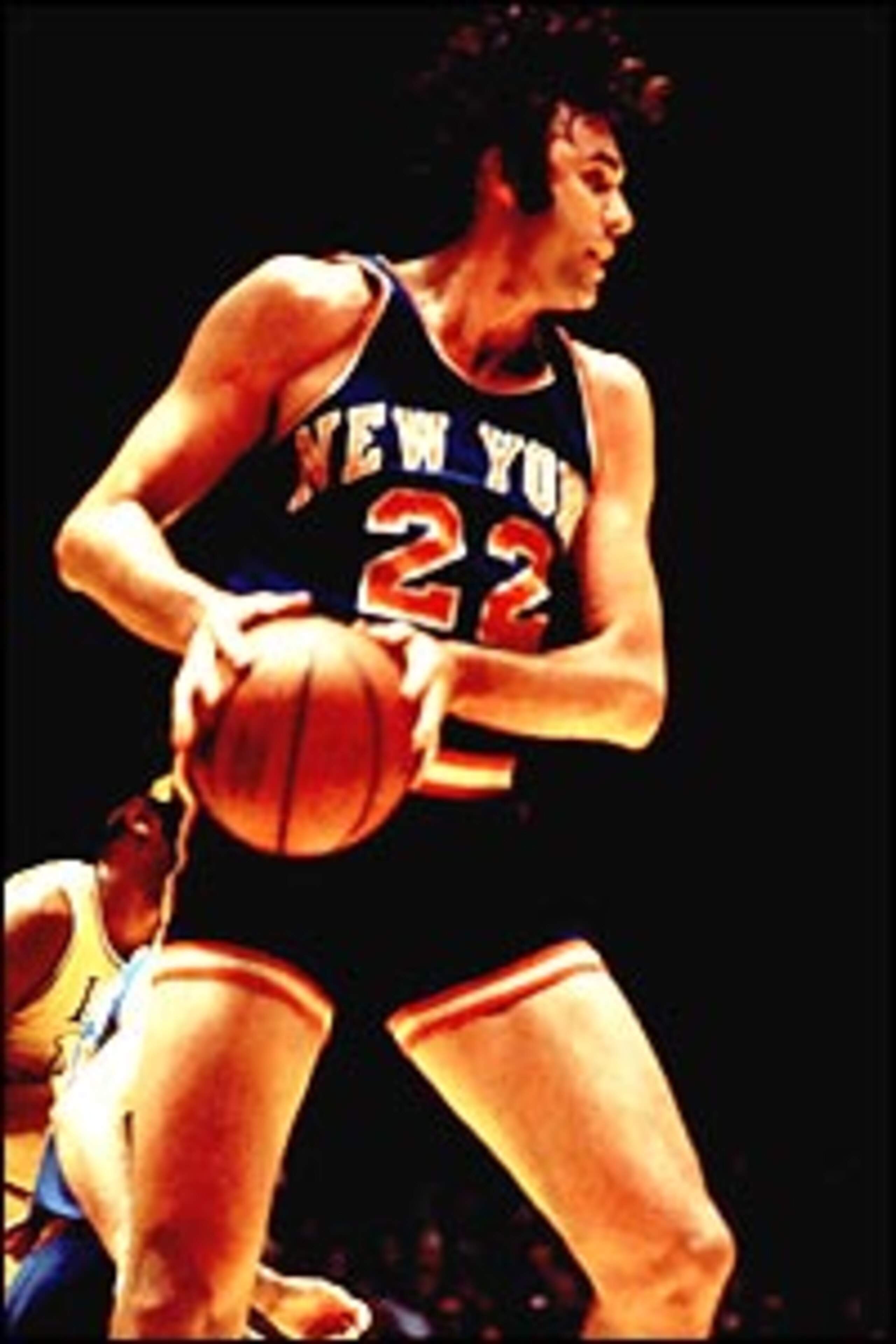
DeBusschere is known best for his tenacious defense and his winning of two NBA Championships with the New York Knicks, but he was also a nice offensive player and was even a pitcher for the Chicago White Sox.
He finished his career with averages of 16.1 points and 11 rebounds, although he had seasons with numbers well above those marks during his 12 years in the league.
He was an eight-time All-Star, was named to the All-Defensive First Team six times and was noted as one of the 50 Greatest Players in NBA History.
13. Elvin Hayes
38 of 50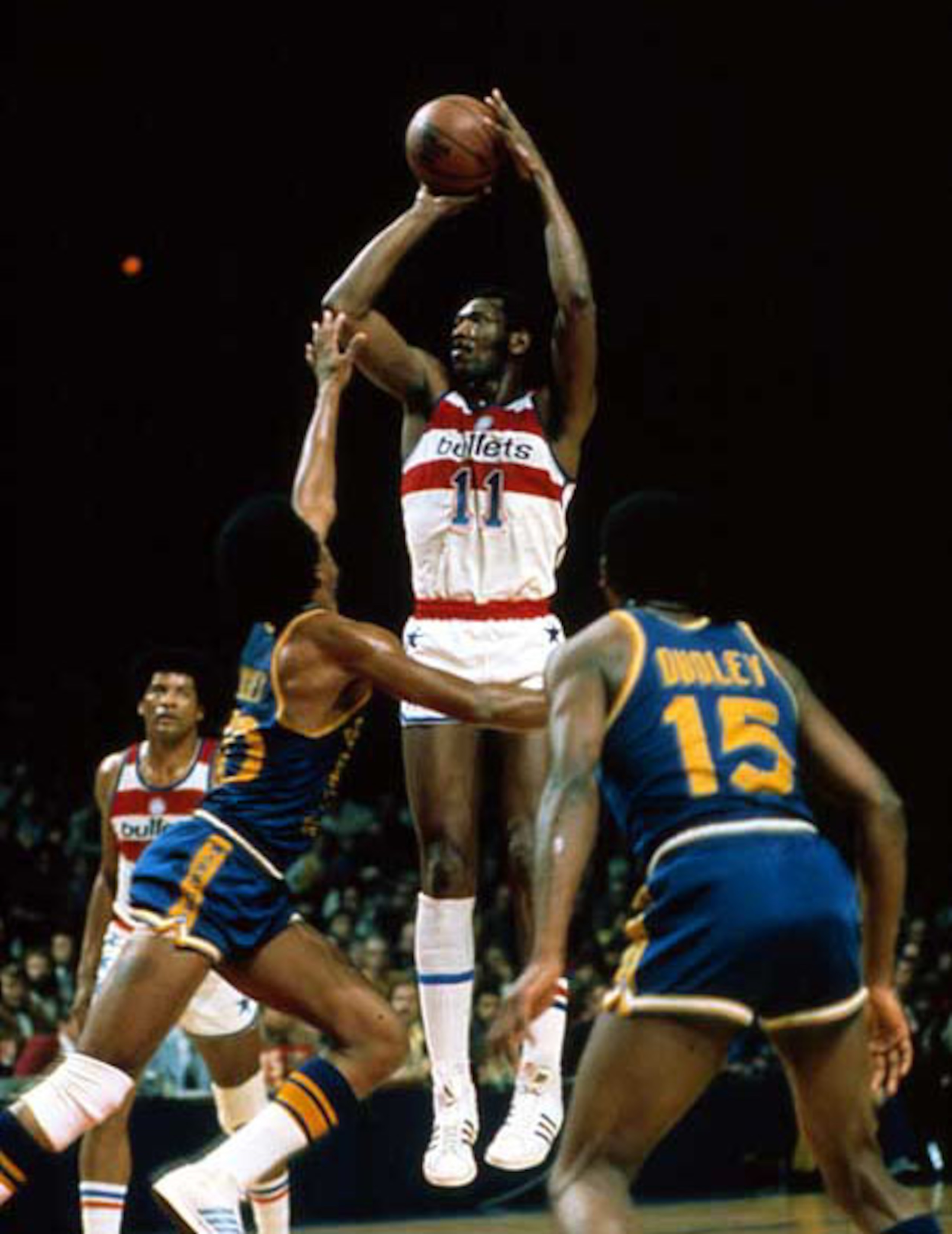
Known simply as the "Big E", Hayes remains the last rookie to lead the league in scoring. In the 1968-69 season, his first pro year, Hayes averaged 28.4 points.
His last three years brought down his averages significantly, but for much of his career he averaged well over 20 points and greater than 12 rebounds. His career highs were 28.7 points and 18.1 rebounds.
He was also remarkably durable, never missing more than two games in a season throughout his 16 year career.
He won one NBA Championship, was an All-Star 12 times, is in the Hall of Fame and made the cutoff as one the 50 Greatest Players in NBA History.
12. Jerry Lucas
39 of 50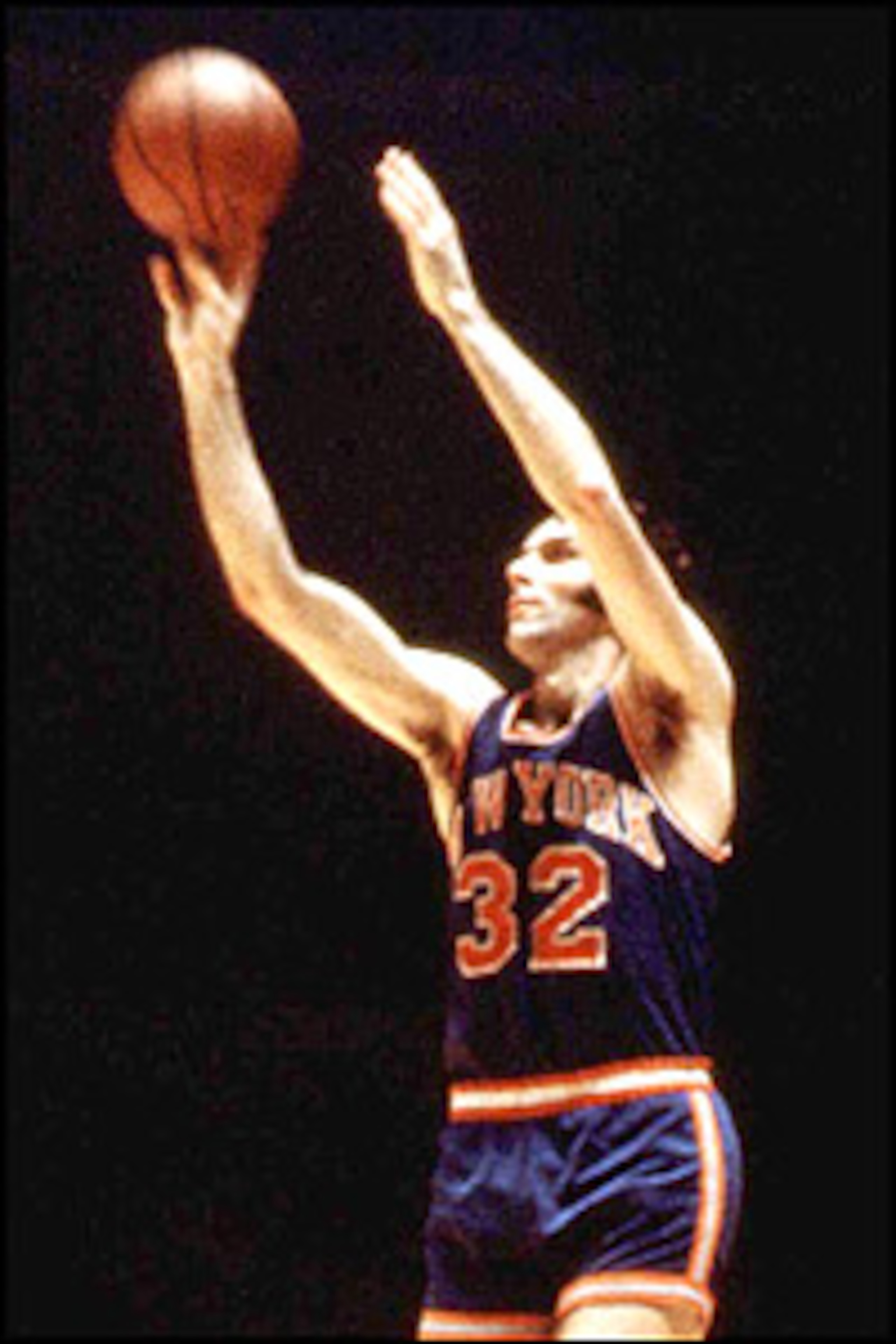
Lucas' career average of 17 points per game is nice, but what really stands out is his 15.6 rebounds career average. He also had four seasons with at least a 19 rebounds average and had two 20-20 seasons.
Lucas won a title with the Knicks, was an All-Star MVP, is in the Hall of Fame and was named one of the 50 Greatest Players in NBA History.
He used his extraordinary 20-10 vision, as well as the creation of his own training drills to maximize his talent.
11. James Worthy
40 of 50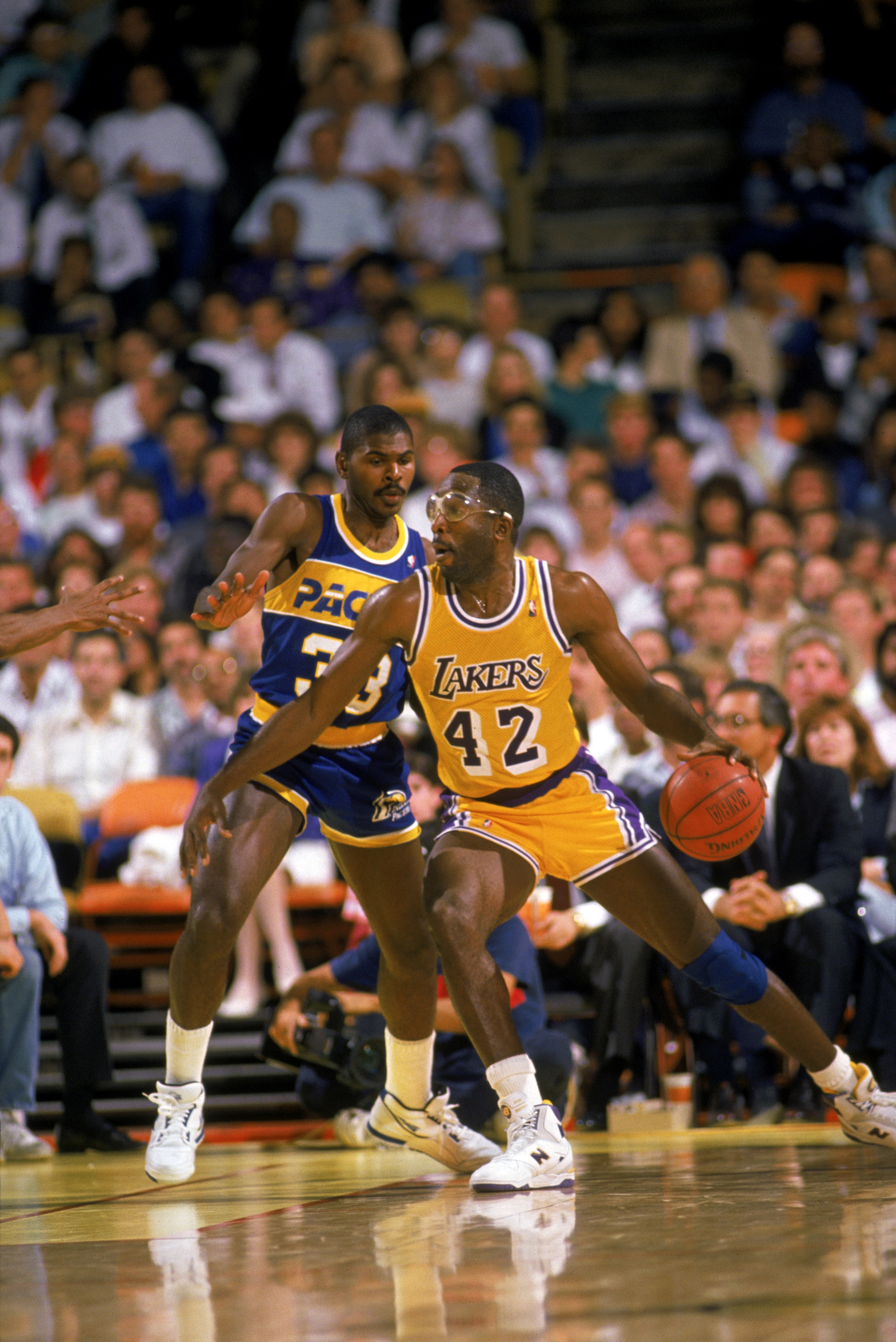
"Big Game James" was named one of the 50 Greatest Players in NBA History in addition to being a three-time NBA champion, a seven-time All-Star and a one-time Finals MVP.
Worthy's career mark of 17.6 points per game doesn't tell the whole story as he had a knack for turning it on when it mattered most.
The 1984-85 season is the biggest example of this—a year in which Worthy averaged 21.5 points on 62-percent shooting in the playoffs and 23.7 points in the Finals en route to his first NBA Championship.
It took longer than it probably should have, but Worthy was inducted into the Hall of Fame in 2003. His No. 42 jersey was also retired by the Los Angeles Lakers.
10. Vern Mikkelsen
41 of 50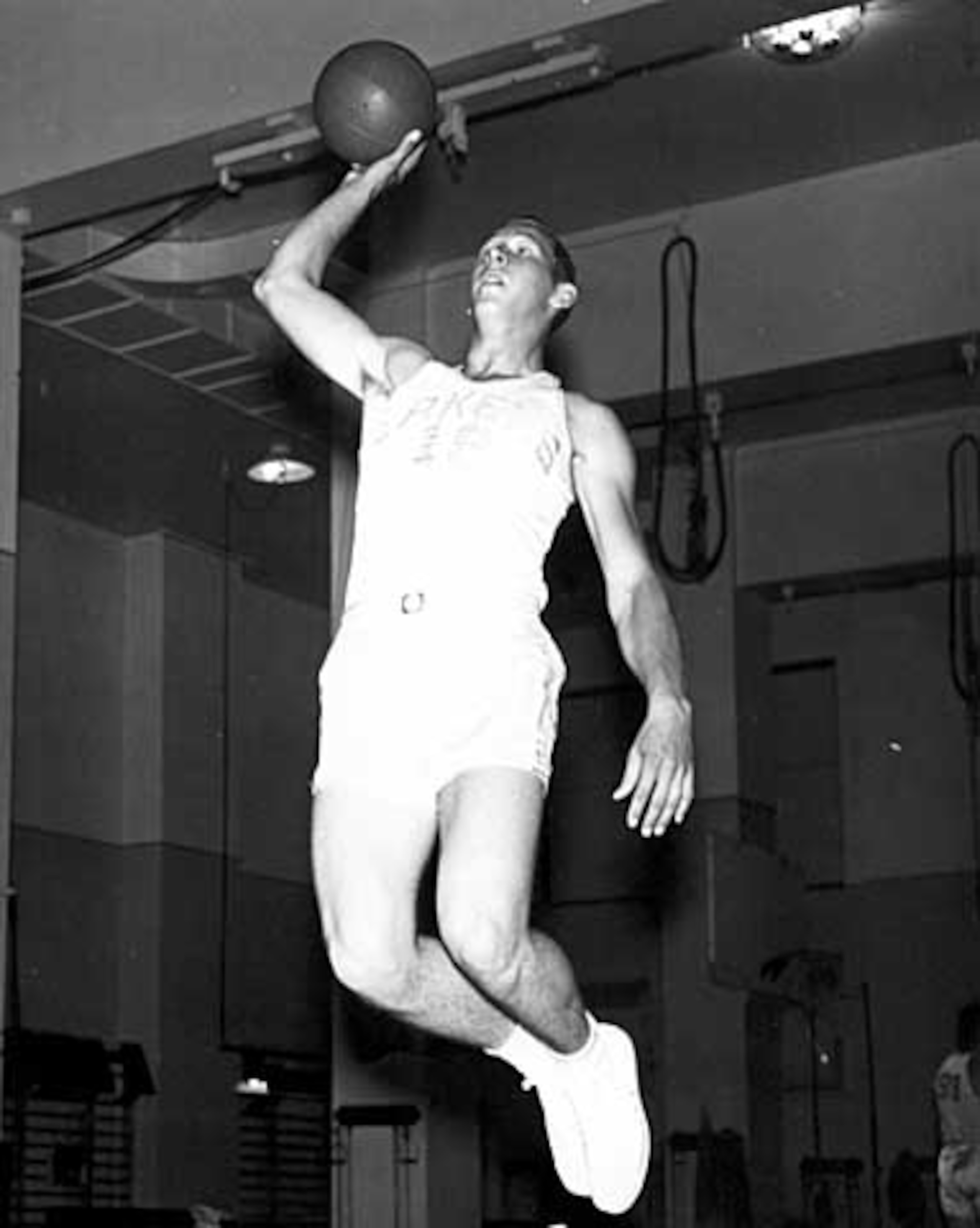
Winner of five NBA Championships, Mikkelsen is also known as the league's first power forward, debuting in the 1949-50 season.
An unyielding defensive player, Mikkelsen also was incredibly tough, playing in 798 of a possible 800 career games.
A six-time All-Star, he was enshrined in the Hall of Fame in 1995.
9. Dennis Rodman
42 of 50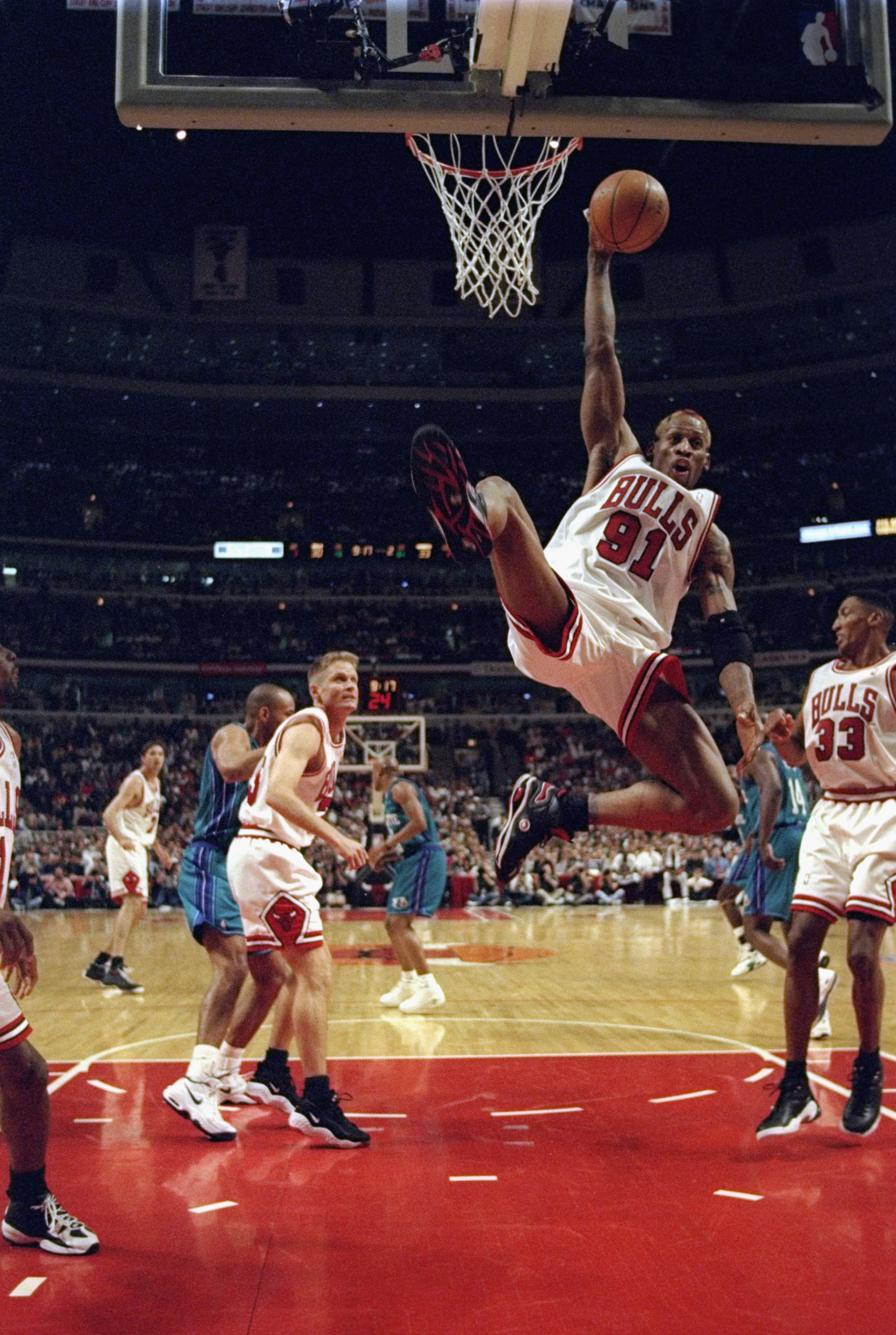
It's unfortunate that Rodman's antics on and off the court are what he will largely be remembered for, because he is widely regarded as the best rebounder of all-time.
Despite being severely undersized for the power forward position, Rodman used angles, percentages, instincts and a tip technique to be a dominating figure on the glass.
Rodman led the league in rebounding a record seven consecutive years from 1991-98. In those seasons, he averaged 16.7 rebounds. He also made the All-Defensive First Team seven times and won five NBA Championships.
It's a shame that the controversy surrounding him is likely keeping him out of the Hall of Fame.
8. Dirk Nowitzki
43 of 50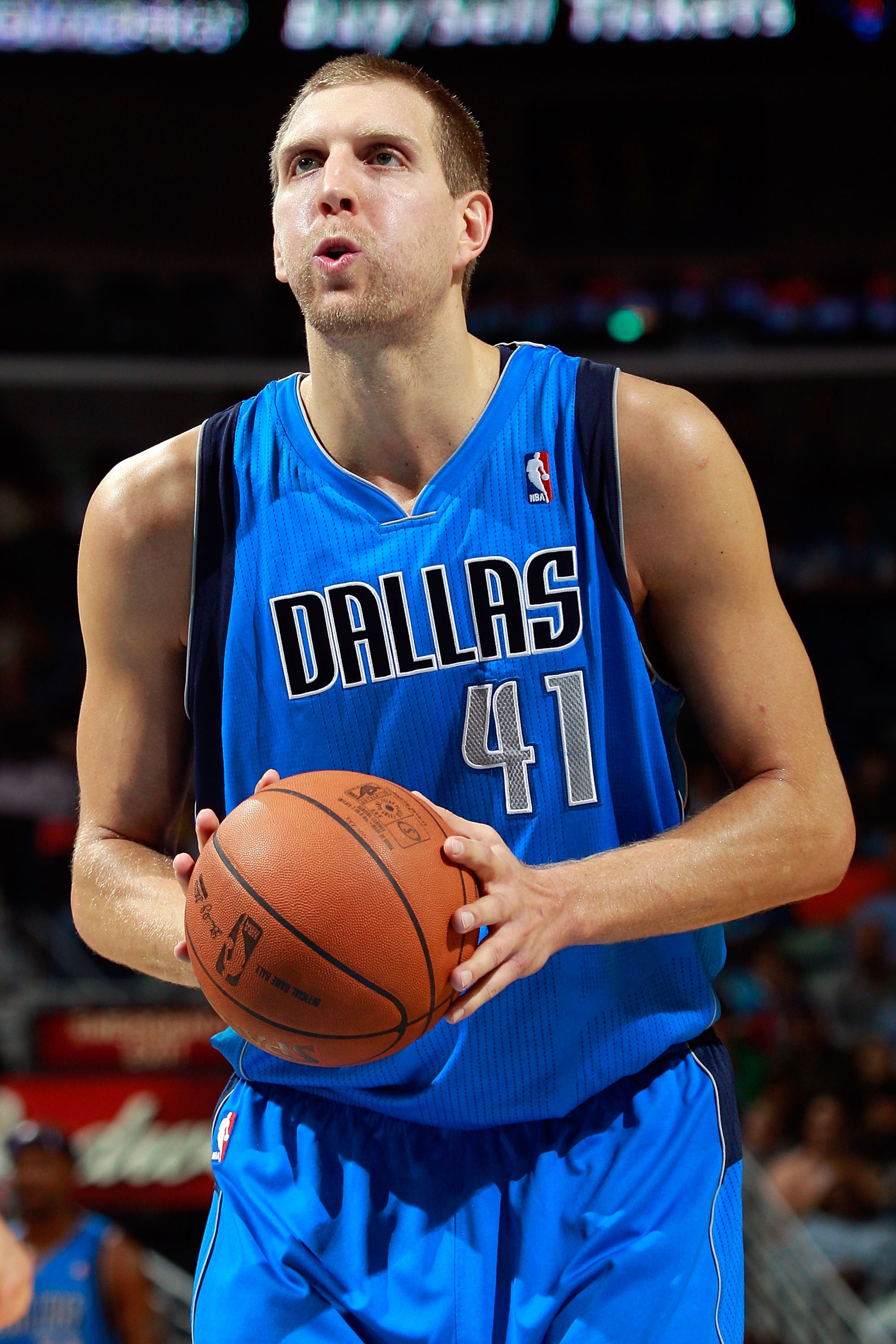
Nowitzki revolutionized the power forward position with his long range shooting ability. For his career he is a 38-percent three-point shooter and has had three seasons above 40 percent from downtown.
In 2007, he became the first European-born player to win the NBA MVP award and has been made an All-Star nine times in addition to being an All-NBA First Teamer four times.
Unfortunately for Nowitzki, the Dallas Mavericks' championship window could be closing shortly as the team gets older and the franchise has been noted for a number of playoff flame-outs in his time there.
Winning a ring would boost him up a bit, but nevertheless, he is one of the best ever.
7. Dolph Schayes
44 of 50
Dolph Schayes played in the NBA from 1949-1964. Upon his retirement, he was the all-time leader in both points scored and games played.
He was named one of the 50 Greatest Players in NBA History in 1996, was an All-Star 12 times and is in the Hall of Fame.
He played his entire career with the Syracuse Nationals, which later became known as the Philadelphia 76ers. Schayes played one season in Philly.
Able to shoot and drive to the basket, he once played an entire season with his arm in a cast. This caused him to learn to shoot with both hands, making him incredibly difficult to defend.
His career averages are 18.5 points and 12.1 rebounds.
6. Bob Pettit
45 of 50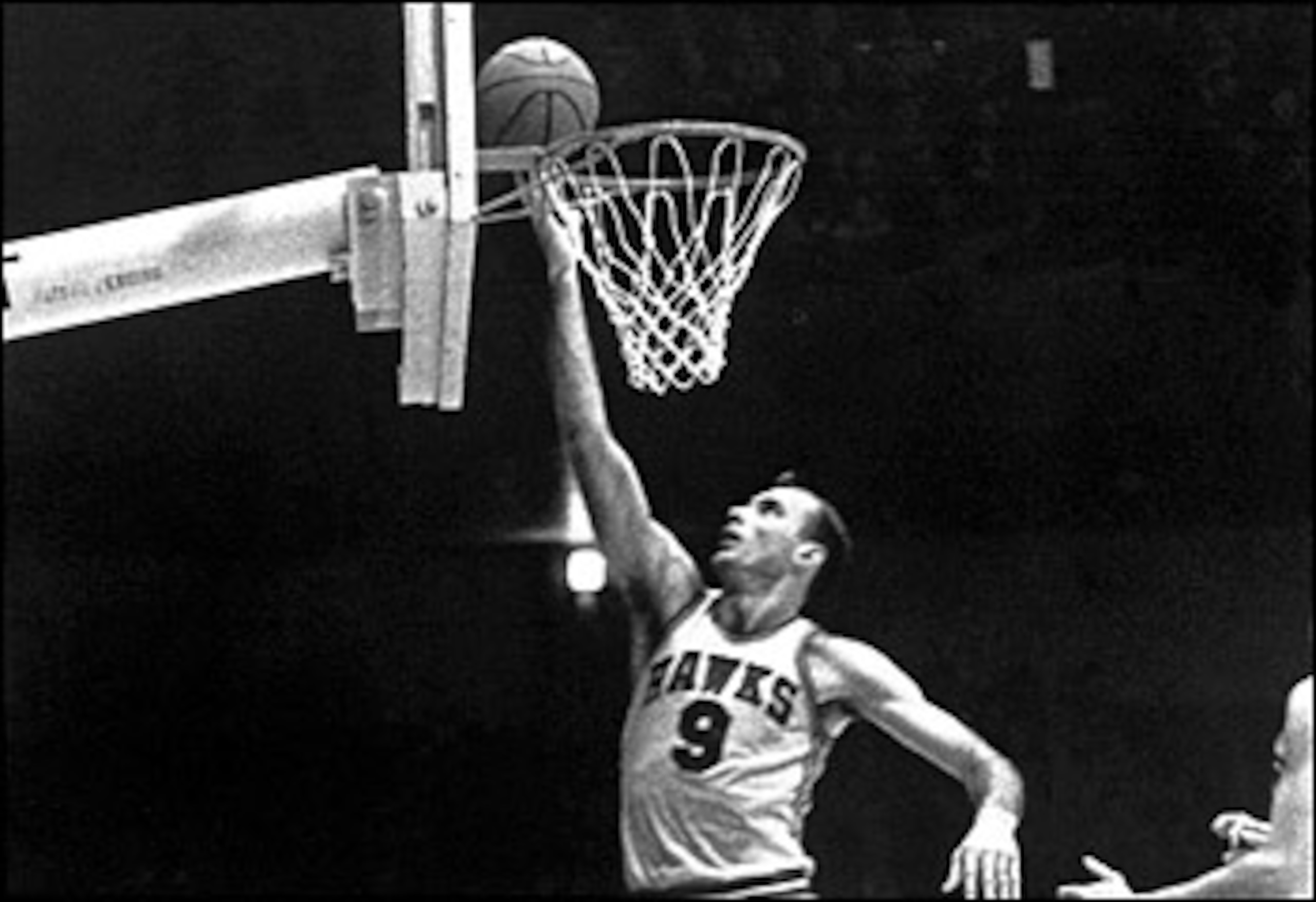
The first-ever NBA MVP, Pettit put up an average of 26.4 points and 16.2 rebounds for his career.
He would go on to win another MVP award and a title, make 11 All-Star teams and 10 All-NBA First Teams and would eventually be inducted into the Hall of Fame.
He was also part of the 25th, 35th and 50th NBA Anniversary Teams.
5. Charles Barkley
46 of 50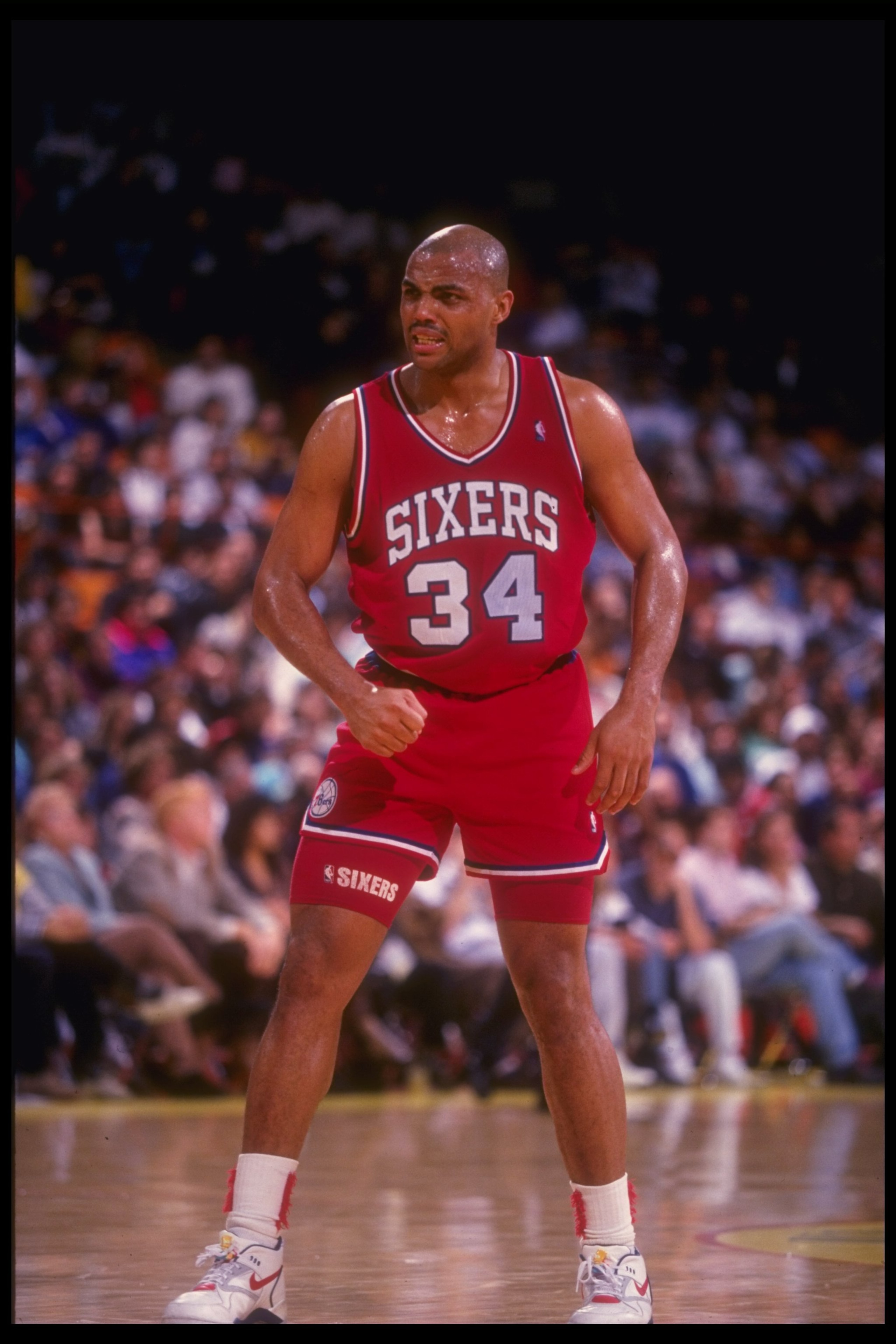
He may not be a role model, but Barkley is simply one of the best to ever play the game. Inducted into the Hall of Fame in 2006, "Sir Charles" was also named one of the 50 Greatest Players in NBA History.
At the time of his retirement in 2000, he was just the fourth player in league history to record 20,000 points, 10,000 rebounds and 2,000 assists.
At 6'6", he was a bit small for a power forward, although he made up for his lack of height with his overall size. His career averages are 22.1 points, 11.7 rebounds and nearly four assists per game.
He won the MVP award in 1993 and was an All-Star 11 times. The only thing missing from Barkley's resume is that elusive championship ring.
4. Kevin McHale
47 of 50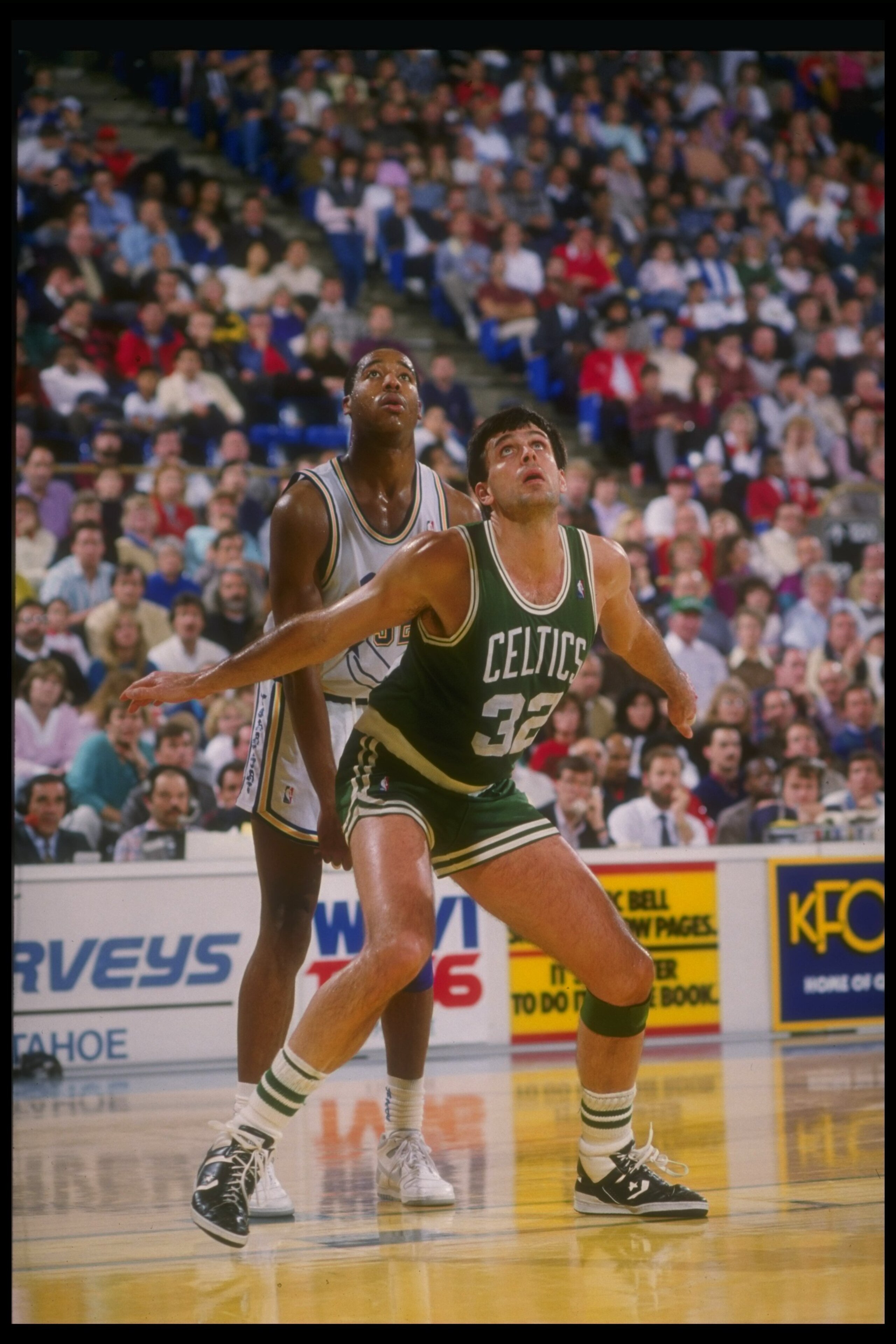
Along with Larry Bird and Robert Parish, McHale formed Boston's original "Big Three", helping the Celtics to five NBA Finals appearances and three championships.
McHale's career numbers of 17.9 points and 7.3 rebounds per game are not as eye-popping as those of Kevin Garnett or Tim Duncan, but you must also consider that for the first five years of his career, McHale was a bench player—a role that earned him the two Sixth Man of the Year awards.
In the ensuing five years in which he was a starter (1984-89), he averaged 22.7 points and 8.6 rebounds while shooting 57 percent from the floor.
He was also a seven-time All-Star and was named to the All-Defensive First Team three times.
3. Kevin Garnett
48 of 50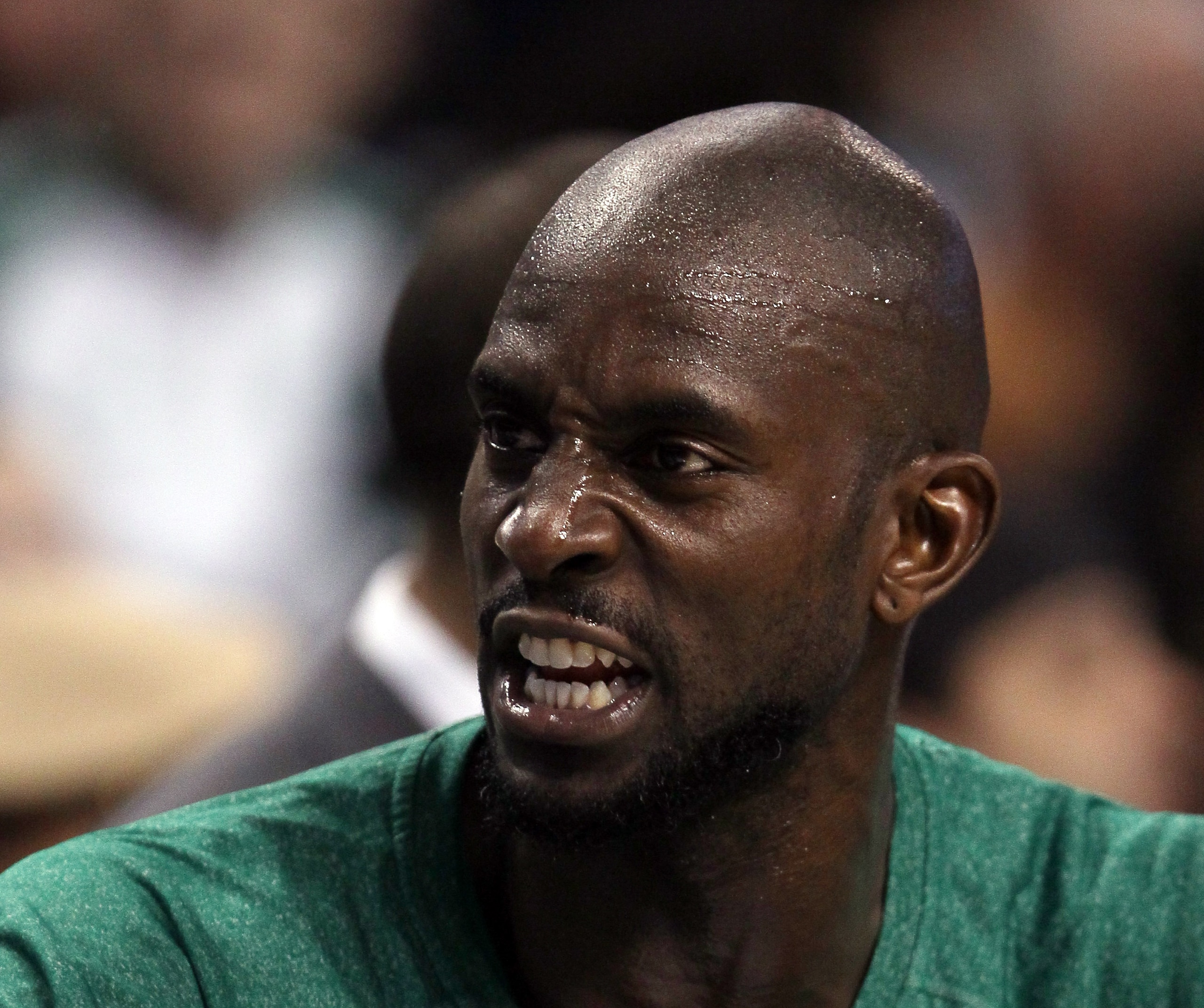
In his days with the Minnesota Timberwolves, Garnett was viewed as unselfish to a fault, given the lack of talent surrounding him. The only real playoff run the Wolves had during Garnett's tenure came when he was playing alongside Latrell Sprewell and Sam Cassell.
Once Garnett was traded to the Boston Celtics prior to the 2007-08 season to form a "Big Three" with Paul Pierce and Ray Allen, that selflessness payed off as Boston ran through the regular season en route to an NBA Championship.
Garnett has averaged 19.7 points and 10.8 rebounds. In his peak years, 1998-2007, he averaged 22.3 points and 12.5 rebounds and has been above, or right at, 50-percent shooting for much of his career.
He has been an MVP, the Defensive Player of the Year, is a 13-time All-Star and has been named to the All-Defensive First Team eight times.
2. Karl Malone
49 of 50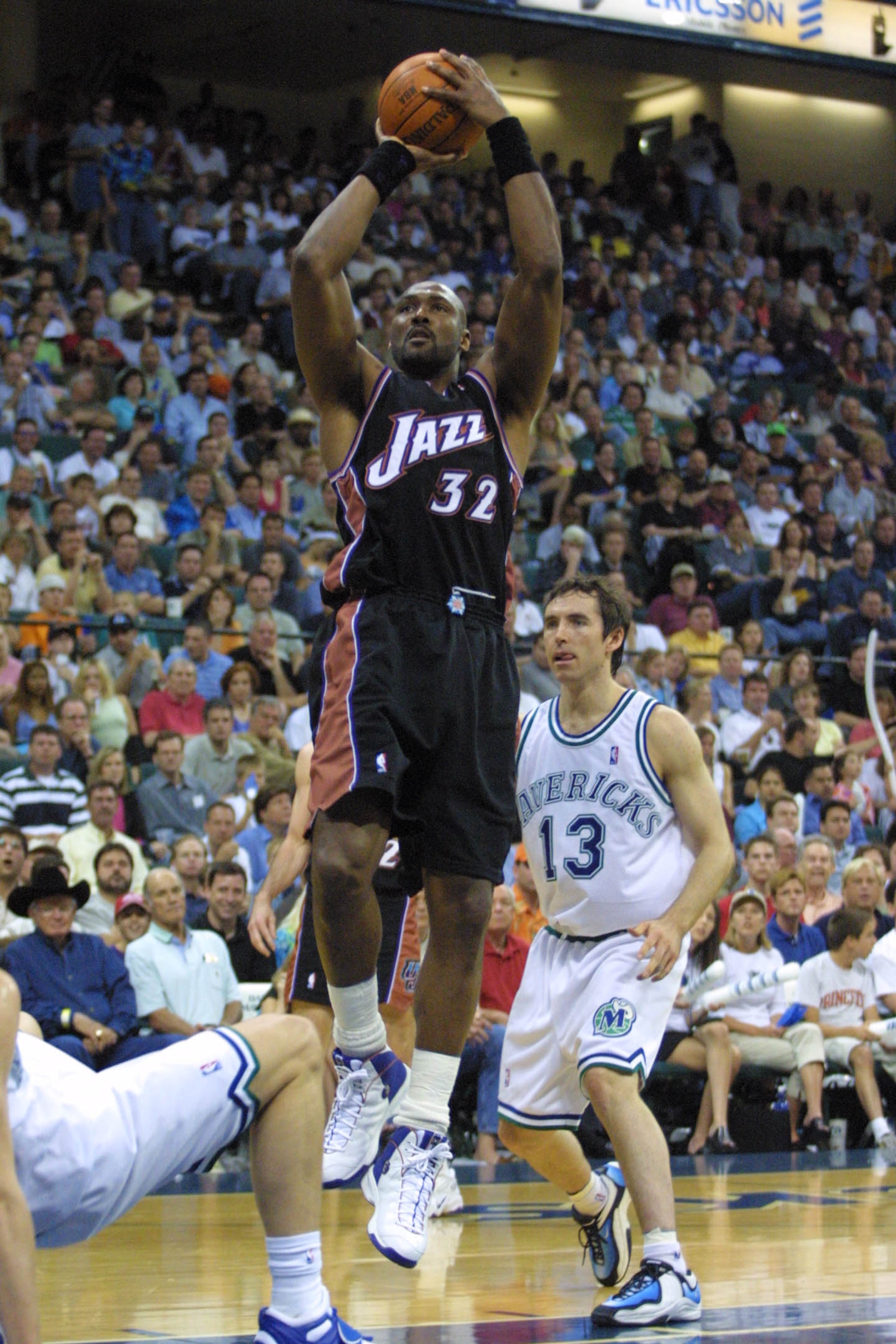
With 36,928 career points, "The Mailman" trails only Kareem Abdul-Jabbar on the all-time scoring list.
Malone's career averages of 25 points on 52-percent shooting and 10.1 rebounds are simply astounding.
He was awarded the league MVP twice, made the All-Star team 13 times, was an 11-time All-NBA First Team member, was selected as one of the 50 Greatest Players in NBA History and was inducted into the Hall of Fame in 2010.
Like many others who played during the 1990s, Malone never won it all thanks largely to the exploits of Michael Jordan and the Chicago Bulls.
His career ended with a fizzle in an injury-plagued 2003-04 season with the Lakers.
1. Tim Duncan
50 of 50
All substance and little flash, Tim Duncan has four NBA championships, two MVP awards and three Finals MVP wards to his name. He also been an All-Star 12 times, a member of the All-NBA First Team nine times and is an eight-time All-Defensive First-Teamer.
Quietly intense and remarkably consistent, Duncan's year-by-year numbers have been nearly identical. For his career, his averages are 20.9 points and 11.5 rebounds to go along with his 2.3 blocks per game.
With his age and the grind of 13 NBA seasons catching up to him, "The Big Fundamental" has taken a backseat to Manu Ginobili on the Spurs in hopes of winning it all one more time.
A true champion through and through.
.jpg?w=2560)


.jpg?w=2560 "Raiders Could Start Mendoza")
.jpg?w=2560 "Rodgers Iced Out on Plane 💎")
.jpg?w=2560 "🚨 Week 8 AP Top 25 Poll")