
New Orleans Hornets Limping into December: Five Ways to Ensure a Quick Recovery

After shocking the basketball world with an 11-1 start, the New Orleans Hornets have lost four of their last five games, including two blowouts dealt by the Utah Jazz and San Antonio Spurs. If the playoffs started in December, the Hornets (12-5) would have less momentum than a derailed freight train.
Maybe it’s the recently arrived cold weather, the toll of road trips or the inevitable growing pains of fielding a young team with a rookie head coach. But regardless, New Orleans seems to have temporarily lost their explosive offensive chemistry, the asset fans initially counted on for playoff contention.
The first week of December is an ideal time for New Orleans to right its momentarily sinking ship, at least in theory. But will they put it into practice? And do so decisively enough to convince fans and opponents that their blistering start was not a fluke, but an extended glimpse of a team playing at its full potential?
The Hornets get three home games to start the month against the Charlotte Bobcats, New York Knicks and Detroit Pistons, who have a combined 22-32 record, and a tough road game against San Antonio (15-2), who has still beaten very few teams of quality (the Hornets being one if you buy that notion).
It’s true that the Knicks (10-9), by most standards, are off to a good start, but let’s face it, anything short of 3-1 in that stretch will start tipping the Hornets’ fact/fiction legitimacy scales to the fiction side—not irrevocably, but convincingly. As both the Jazz and the Oklahoma City Thunder proved, stellar point guard and bench play can beat the Hornets. Or basically just fighting Big Easy fire with fire.
Good shooting and more points are not light switches that players turn on and off at will, but there are a few simple, implementable measures New Orleans can take to ensure their contention in the Southwest Division—almost like getting back to fundamentals.
Here are some things within the Hornets’ capacity to correct that can help counteract the imminent speculation on their legitimacy.
Theyre Not Called Charity Shots For Nothing
1 of 5
Free throw shooting hasn't been atrocious for New Orleans, who rank 17th in the league in team percentage at .762, but with all the shooters on this club, it could be better. This is the one area where the departures of the hacking, foul-drawing Jerryd Bayless and all-time great free throw shooter Peja Stojakovic might actually hurt the Hornets.
Free throw shooting made the difference in New Orleans' most recent loss to the Thunder, admittedly one of the best and most frequent free throw shooting teams in the league. But missed free throws also covered the spread of the Hornets' 99-95 loss to the Los Angeles Clippers, who won despite an awful 17-34 free throw performance of their own.
And despite their athletic ability, the Hornets run a motion-oriented, point-guard driven offense where ball movement and perimeter shooting are more important than fearless slashing and ridiculous shots.
Which means that when the Hornets do get to the line, they have to capitalize, and that begins with the guys who are expected to get fouled—the starting four and five. David West, a career .840 free throw shooter, has barely broken .700 this year, and Emeka Okafor, for all his offensive improvement, is shooting only .585 from the stripe.
Their backups, Jason Smith and D.J. Mbenga (tentatively), are shooting .699 and .571 respectively, although Mbenga's minutes have certainly been limited. Not bad averages, but not good enough to sustain the team during their current offensive lapse.
Whats The Worst That Could Happen With Willie Green Getting More Minutes
2 of 5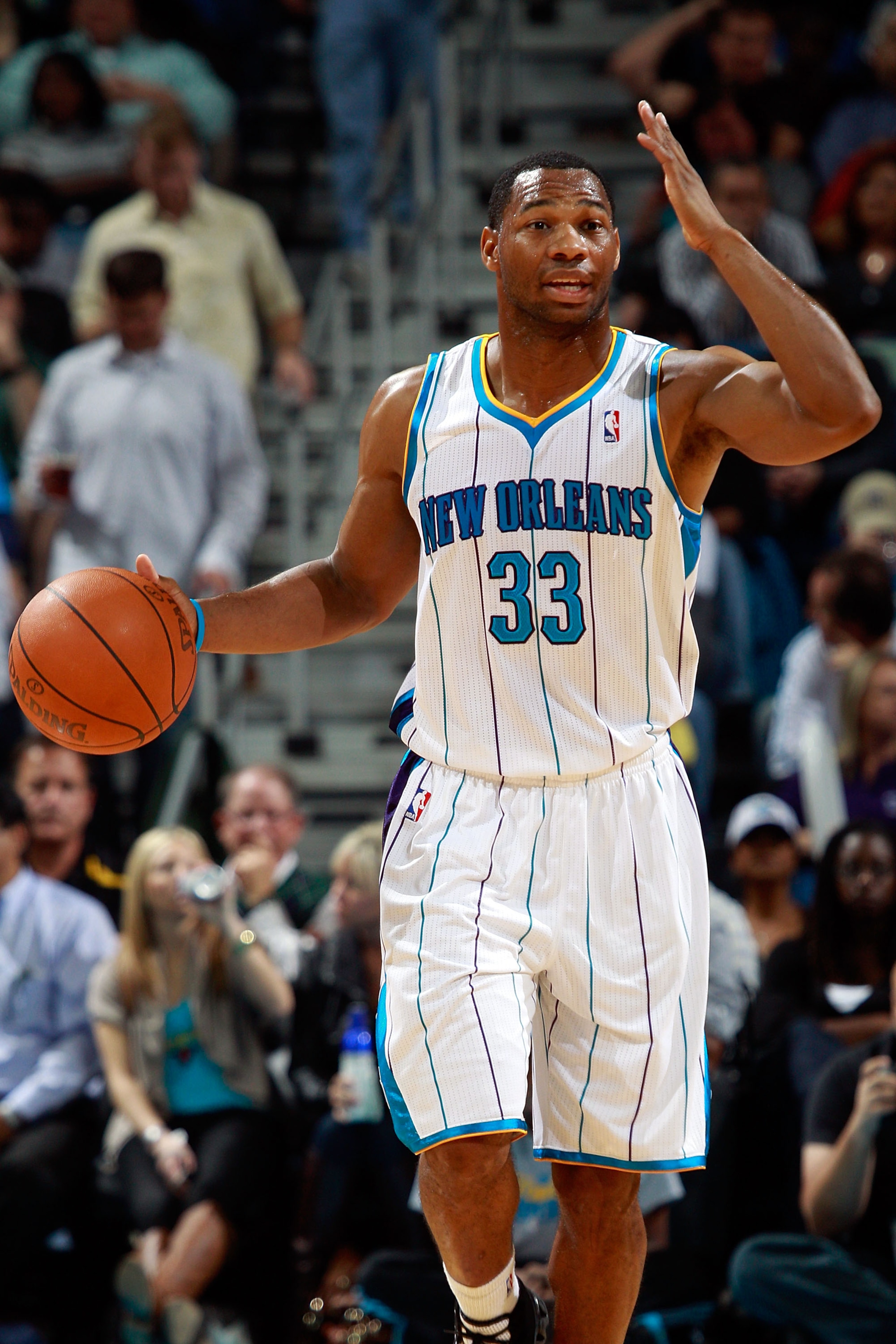
Age: 29
Height: 6-foot-3
Weight: 200 lbs
College: Detroit
Impact: Nothing serious, just a candidate for Sixth Man of the Year and the best player off the bench on both ends of the court. He's had consistently good games throughout New Orleans's current losing streak, and though his offensive numbers—nine points in 17 minutes on .452 field goal shooting—aren't spectacular, he's aggressive without being careless in his shot selection and continually makes big plays in the clutch. And he's been a force on defense, which on this club, is the ticket to getting good time off the bench.
With the three guard sets the Hornets often run, he does have a comfortable niche as the sixth man, and not to take anything away from Marco Belinelli, but Green is something special. Not to say that he deserves to start over Belinelli, who has a more complete offensive game, but there's no telling how much Green's numbers would improve with more playing time.
Green's size prevents his placement at small forward, and the recent acquisition of Jarrett Jack precludes him playing point guard. But even at age 29, he's got the physical tools to run with this young team, something that's been missing lately.
With Diminished Offensive Production Has Come a Diminshed Tempo
3 of 5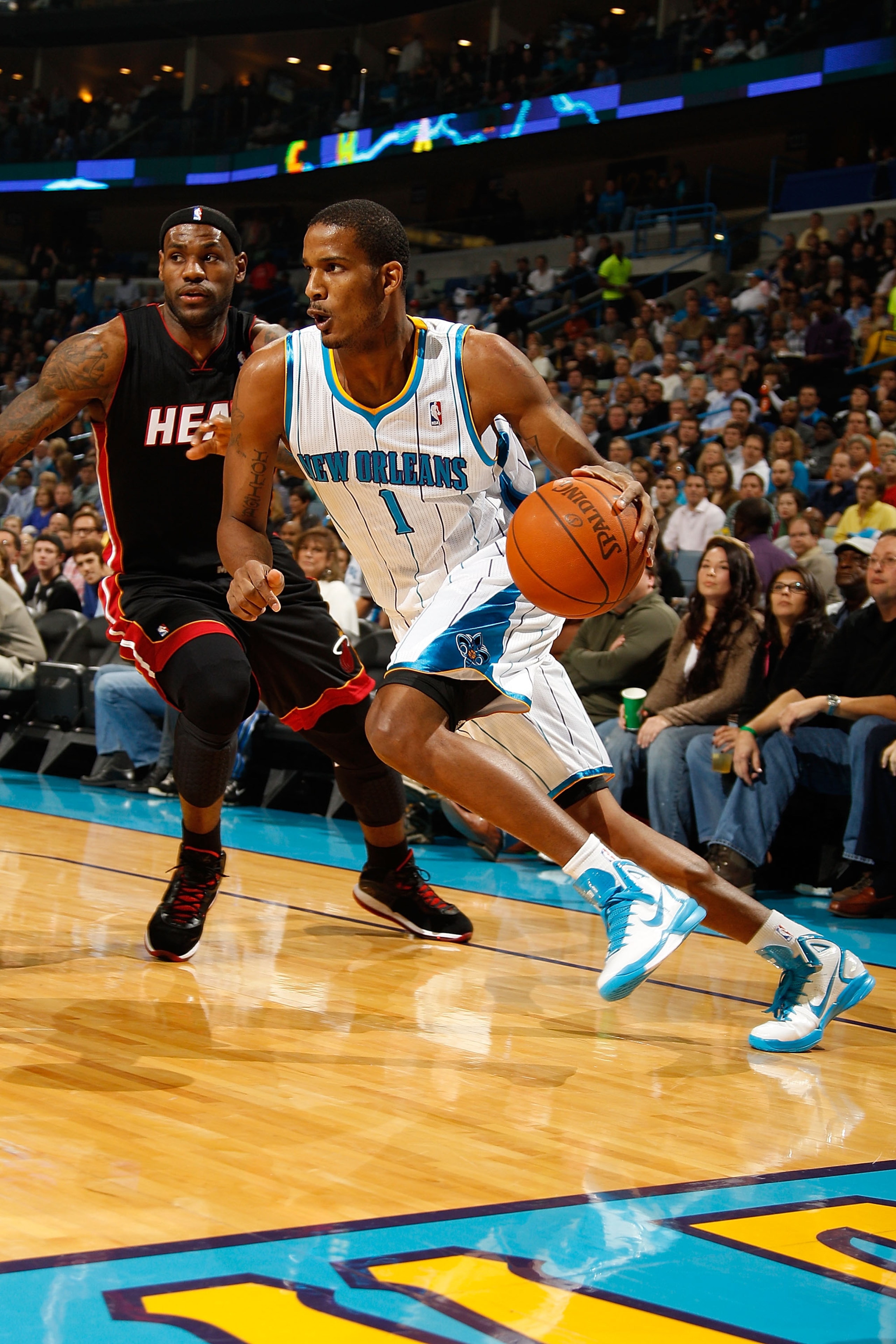
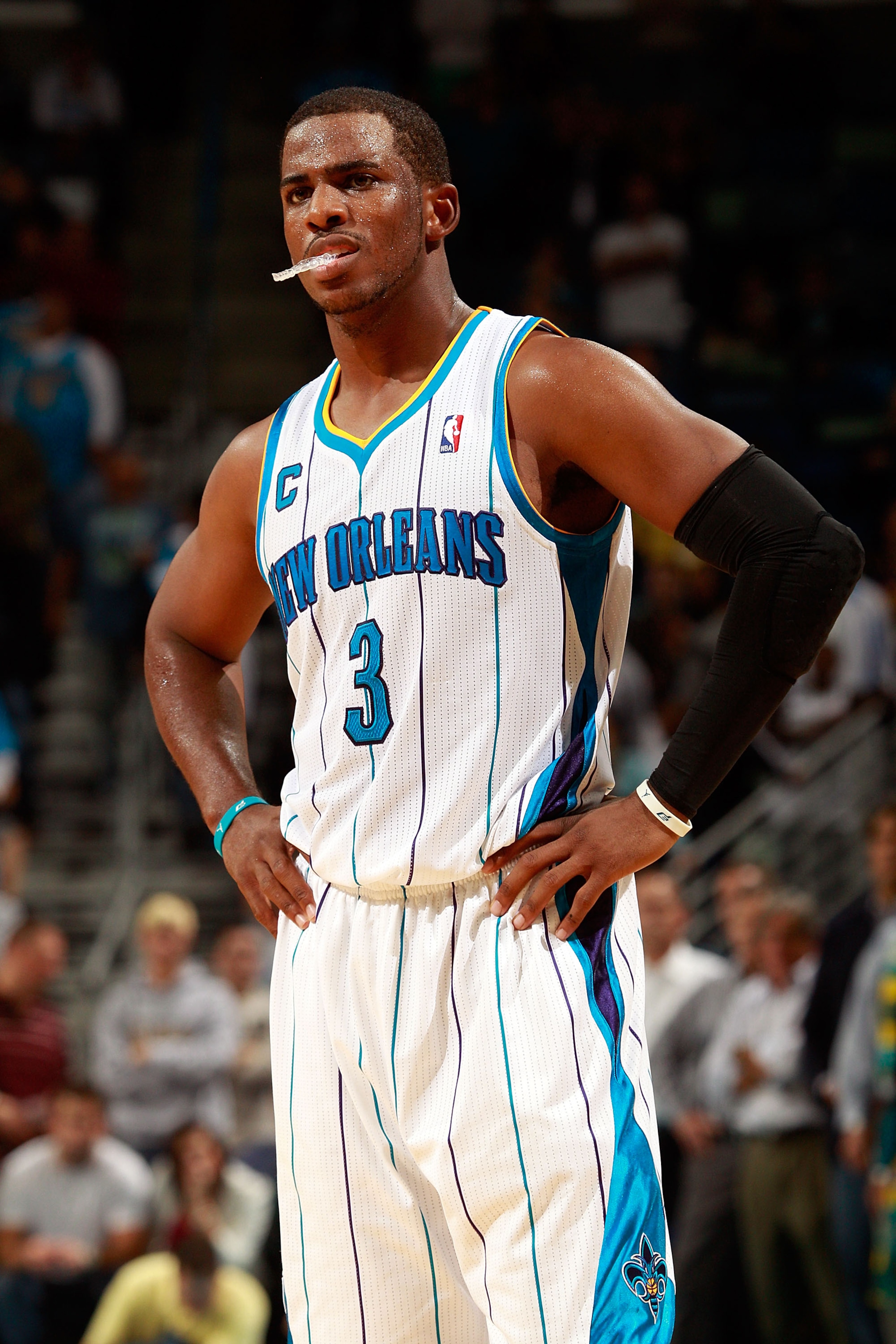
Before the season began and the Hornets began exceeding expectations, they were billed as a young, athletic team with a superstar point guard. But Paul has been noticeably slowing the tempo over the last few games and running more designed offensive plays.
Anyone who watched New Orleans play prior to its Thanksgiving skid undoubtedly noticed the proliferation of fast-break opportunities and points off turnovers. But beyond Paul and Trevor Ariza, the Hornets have not identified any serious and consistent floor-runners in their starting five.
Marcus Thornton should be an integral part of the fast break game, but his shooting slump has seriously limited his playing time. Rookie small forward Quincy Pondexter is a plausible fit in this part of the offensive scheme, but it's uncertain whether or not he'll be given a legit opportunity to prove it.
And the problem isn't creating opportunities; the Hornets rank respectably in the fast-break mechanism categories—defensive rebounding (12th), steals (11th) and turnovers in general (14th). True, they are a motion offense predicated on good ball movement, but they possess some speed and quickness advantages that seem to have been underutilized recently.
Fast break points may not be necessary against the likes of Charlotte and New York, but with San Antonio playing the way they are right now, New Orleans needs to use every conceivable advantage at its disposal.

The Rotation Needs to Move Beyond the Experimental Stage
4 of 5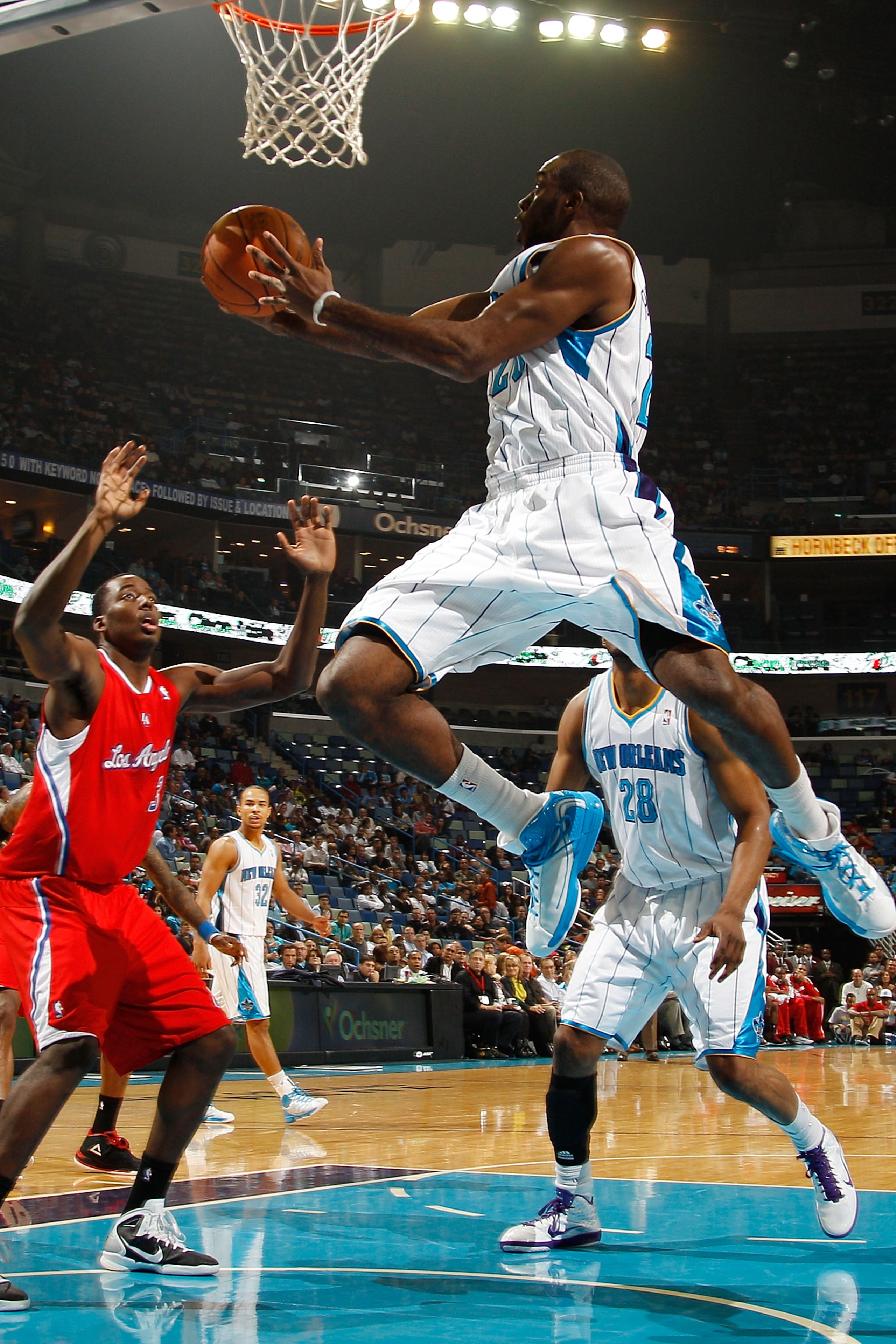
No one can say head coach Monty Williams isn't giving everyone a chance or exploring all possible options, but having eleven or twelve players getting time detracts from the emerging talents off the bench (ahem.. Willie Green).
No discredit to Williams, he's working with young personnel who need time to learn the system, at least from an offensive standpoint, which is why defensive effort and proficiency have translated into increased playing time for the reserves. But the second string has to enter the finalization stage soon.
Jarrett Jack, Willie Green and Jason Smith are entrenched, but either Quincy Pondexter or Marcus Thornton could still be the backup three (or in Thornton's case, just the third guard). Although Smith is a seven-footer, this team is in no position to compete for a championship without another talented big man off the bench, and so far, D.J. Mbenga, Aaron Gray and Pops Mensah-Bensu really haven't shown that they belong in the rotation.
Bench play was huge in facilitating an 11-1 start, and equally debilitating to the current slump. New Orleans has always been a somewhat streaky team, but that can change indefinitely with the finalization of a solid nine or ten-man rotation. Anything more or less than that is precarious.
If There's One Area of Defensive Improvement, it's on the Perimeter
5 of 5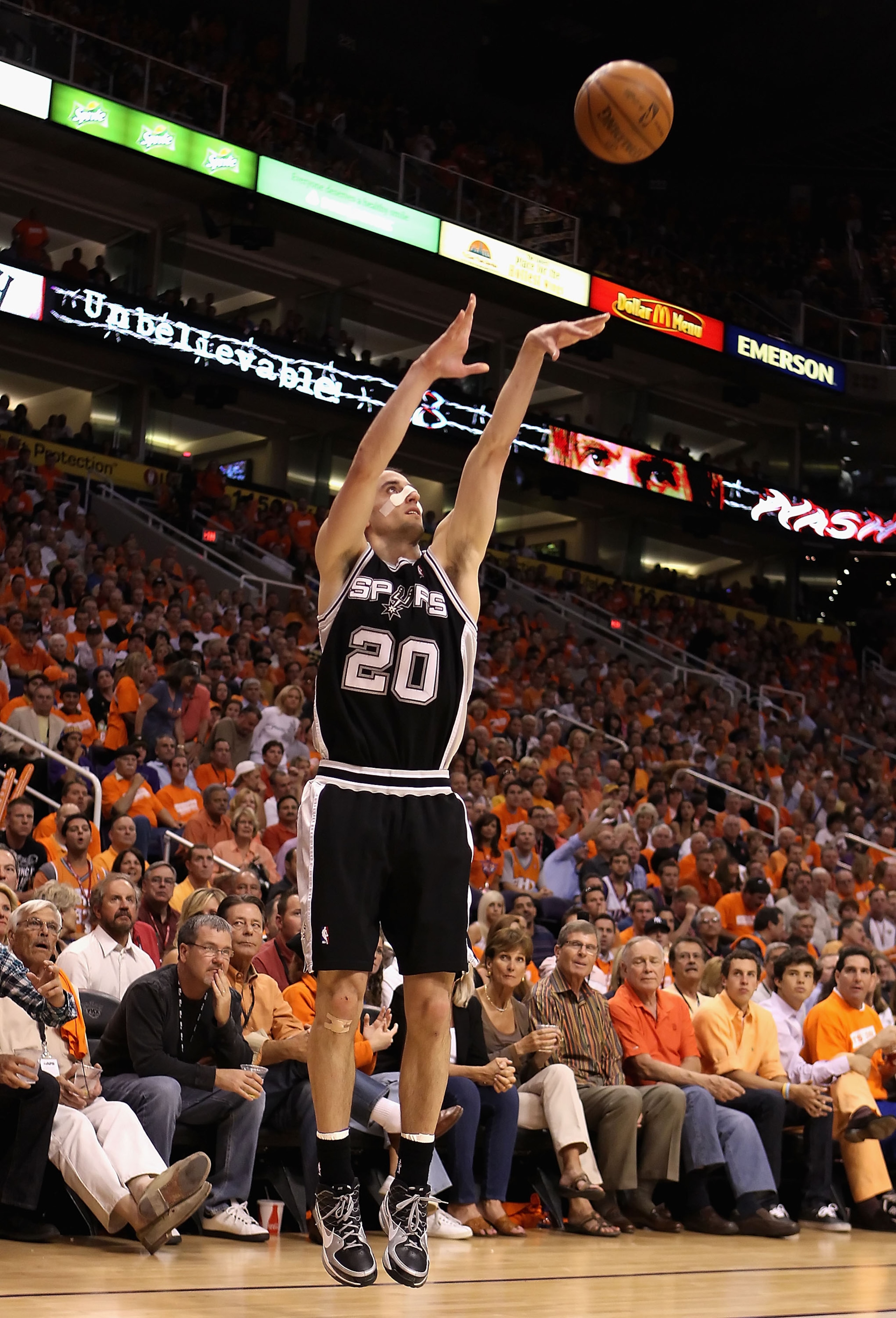
This one is more game-specific and directed to the San Antonio Spurs, the top three-point shooting team in the league. The Hornets aren't too shabby themselves from downtown, with a .382 average that puts them at sixth in the NBA, but against the bombs, they're allowing a comparable .329 average, the seventh worst in the league.
It sounds surprising, since low-post defense was forecast to be the biggest defensive liability with the team's lack of size, but Emeka Okafor has become a shot-blocking machine and teams have begun to take more outside looks against them.
It showed against Oklahoma City, traditionally a poor three point shooting team whose bread and butter lies in the athletic moves of Russell Westbrook and Kevin Durant. But the Thunder, also a small team, didn't hesitate to shoot from downtown, mainly because the Hornets allowed them to. If they'd forced Durant and Westbrook to continue driving and taking difficult shots, the result could easily have been different.
Like the other features of this slide show, tight perimeter defense manifested itself throughout the opening tear of victories, and has dropped off recently. And with the offense currently struggling, the Hornets can't afford any defensive drop-offs during this pivotal first week of December.

.jpg?w=2560 "Mahomes Told Teammate to Leave Meeting")
.jpg?w=2560 "🚨 Week 8 AP Top 25 Poll")

.jpg?w=2560 "Baker Gets Glove From Rays 🧤")
.jpg?w=2560 "Steelers Roll Saints in Paris")
.jpg?w=2560 "NFL investigating Eagles")
.jpg?w=2560 "Updates from EVERY Game")
.jpg?w=2560 "5 Teams Eyeing Jonathan Taylor")