
New York Knicks: 3 Reasons Wilson Chandler Was Not Given an Extension
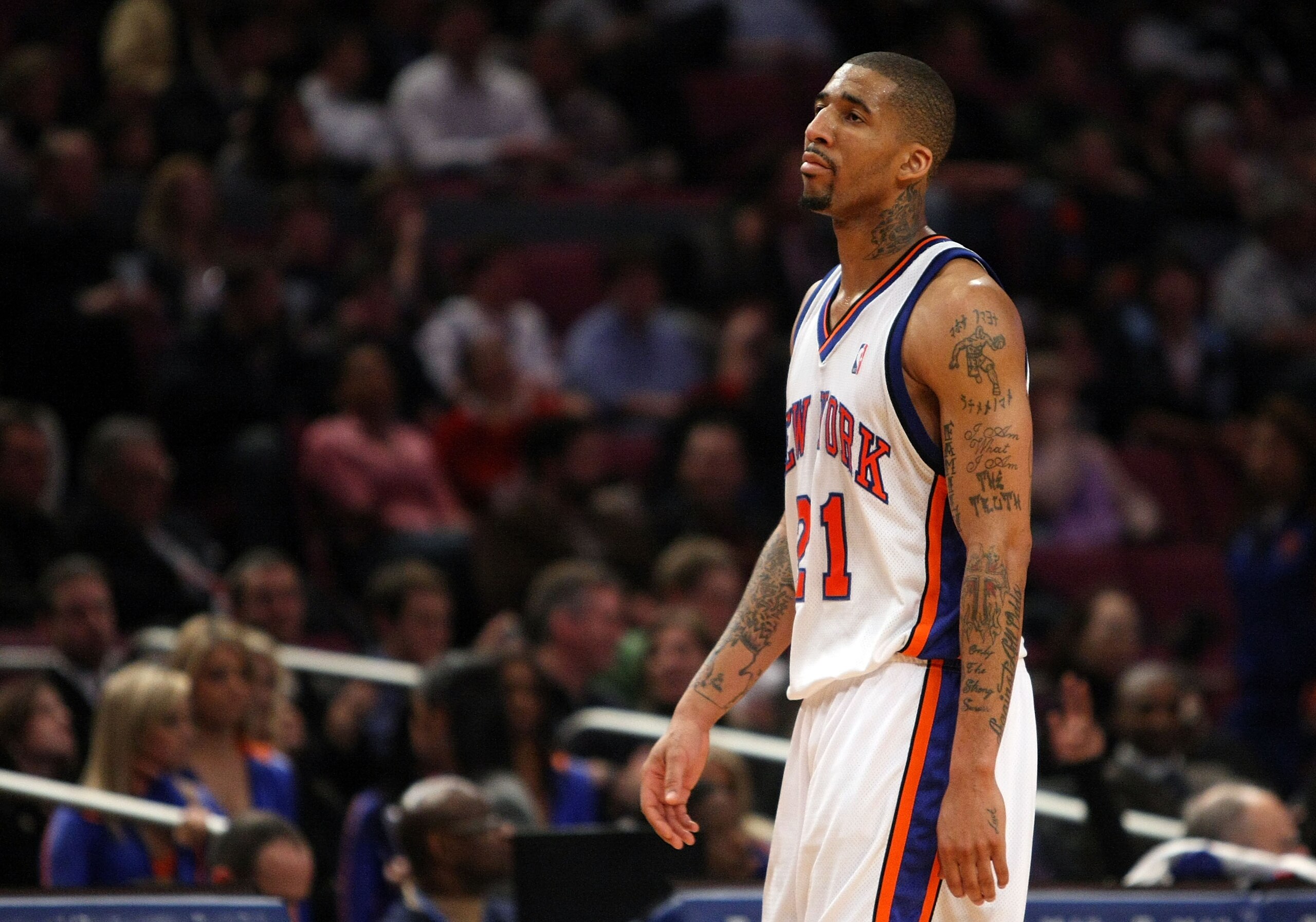
New York Knicks forward Wilson Chandler has been playing like a man possessed thus far in 2010-11.
Following his move to the sixth-man role, he has responded by putting up averages of 21 points, 10 rebounds, 1.3 steals, three blocks and less than one turnover per game—arguably better numbers than those of New York's five-time All-Star acquisition, Amar'e Stoudemire.
However, Chandler and the Knicks still did not manage to work out an extension to his contract by the NBA's deadline for 2007 first-round draft picks, November 1.
Therefore, he is set to become a restricted free agent following the season—meaning that New York will have the chance to match any team's offer to their fourth-year, 23-year-old.
But, given Chandler's solid contributions in the past and his promising start this year, why did the Knicks fail to lock down such a potential star?
Well, there are a number of explanations, largely summed up by the following three reasons.
No. 3: Uncharacteristically Good Start
1 of 3
So far, through three games in the 2010-11 NBA season, Wilson Chandler has been playing uncharacteristically well.
And this is not to say that his career averages of 13.5 points, 5.1 rebounds, 0.7 steals and 0.8 blocks per game are not impressive, but rather, that his current numbers are All-Star caliber.
Therefore, the Knicks likely would like to see if Chandler will be able to continue to produce at such a high level, as it would be unwise to re-up a player based upon three good games.
No. 2: Carmelo Anthony
2 of 3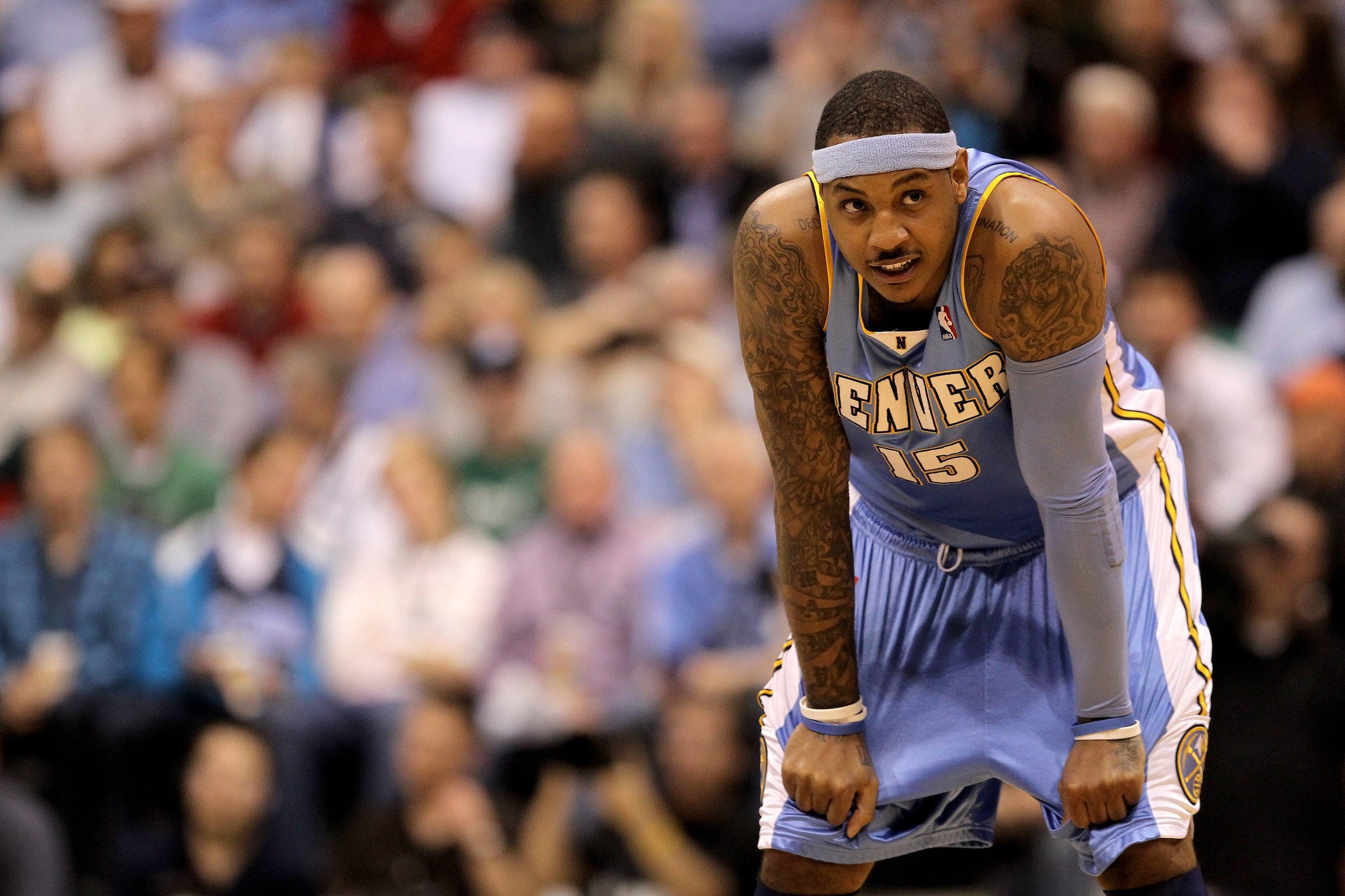
The New York Knicks have seemingly been willing to move Wilson Chandler, as evidenced by his name frequently popping up in Rudy Fernandez trade rumors.
Furthermore, it has been no secret that the Knicks long for the services of Denver Nuggets forward Carmelo Anthony.
Therefore, with Chandler's impressive play thus far, he could see himself become an instrumental piece in any potential Melo-to-New-York trade.
Consequently, extending his contract at this point could possibly hinder any such trade (since the Nuggets might not like the extension), so it makes sense that it was not done.
Moreover, should the Knicks try to work out a deal for Anthony, while also retaining Chandler, a larger, extended contract could prove a hindrance to the team's financial flexibility.
Also, in that scenario Chandler would likely be the odd man out, since playing time at the forward positions then would be dominated by Melo and Amar'e.
In those circumstances, it would be awful for New York to have committed a significant amount of time and money to a player who would likely not be playing very much.
Therefore, due to the ramifications of potential transactions, it makes a good deal of sense that the Knicks did not extend Wilson Chandler.
No. 1: Collective Bargaining Agreement
3 of 3
When discussing Chandler's contract situation, New York Knicks' president Donnie Walsh said, "We will wait until the year is over. It has nothing to do with Wilson. We want him. It has to do with the fact that there will be a new collective bargaining agreement, and we are not sure what impact it would have."
Apparently in agreement with Walsh was Chandler's agent, Chris Luchey, who stated, "I think the Knicks have an interest in extending him," going on to declare, "I think it's more of a question with ownership and the direction and, really, collective bargaining."
Therefore, it seems that the discussions about proposed changes to the NBA salary structure under the new CBA, including setting a hard cap and lowering the cap, have scared the Knicks and some other teams away from extending their young players (of the 2007 class, only Kevin Durant, Joakim Noah, Mike Conley, Jared Dudley and Al Horford have received extensions).
Many of these franchises probably want to keep their players, but worry about a contract that may seem reasonable today, but could be crippling under the new CBA.
Therefore, the members of the 2007 draft class may end up being some of the biggest losers in the new CBA, as they will be the first generation of NBA players whose post-rookie contracts or extensions will be severely limited under new rules.
So, with regard to Wilson Chandler and his contract, it seems that the Knicks are acting in a similar manner as many teams throughout the league, holding off on contract talks until the owners and players union agree upon a new CBA.






.jpg?w=2560 "Jonathan Taylor Landing Spots 📍")
.jpg?w=2560 "Mahomes Asked OT to Leave Meeting")