NHL: How Long-Term Contracts Are Killing Teams
 With the chaos that Ilya Kovalchuk's lifetime deal with the Devils has seemingly caused in the early goings of this NHL season, it seems appropriate to examine the productivity of the exclusive members of the lifetime contract club.
It seems that once or twice a season a new contract signing makes fans, the lowly serfs of the NHL caste system, say to their friends, spouses, or random passerby, "WOW! I wish I had just a day's worth of that player's salary!"
What is not to love about having 15 years to not worry about contract negotiations? That's guaranteed salary for the length of the contract. It assures your family that likelihood of movement from a city is exceptionally low. It also locks up your services, so that the franchise you play for can build a team around you.

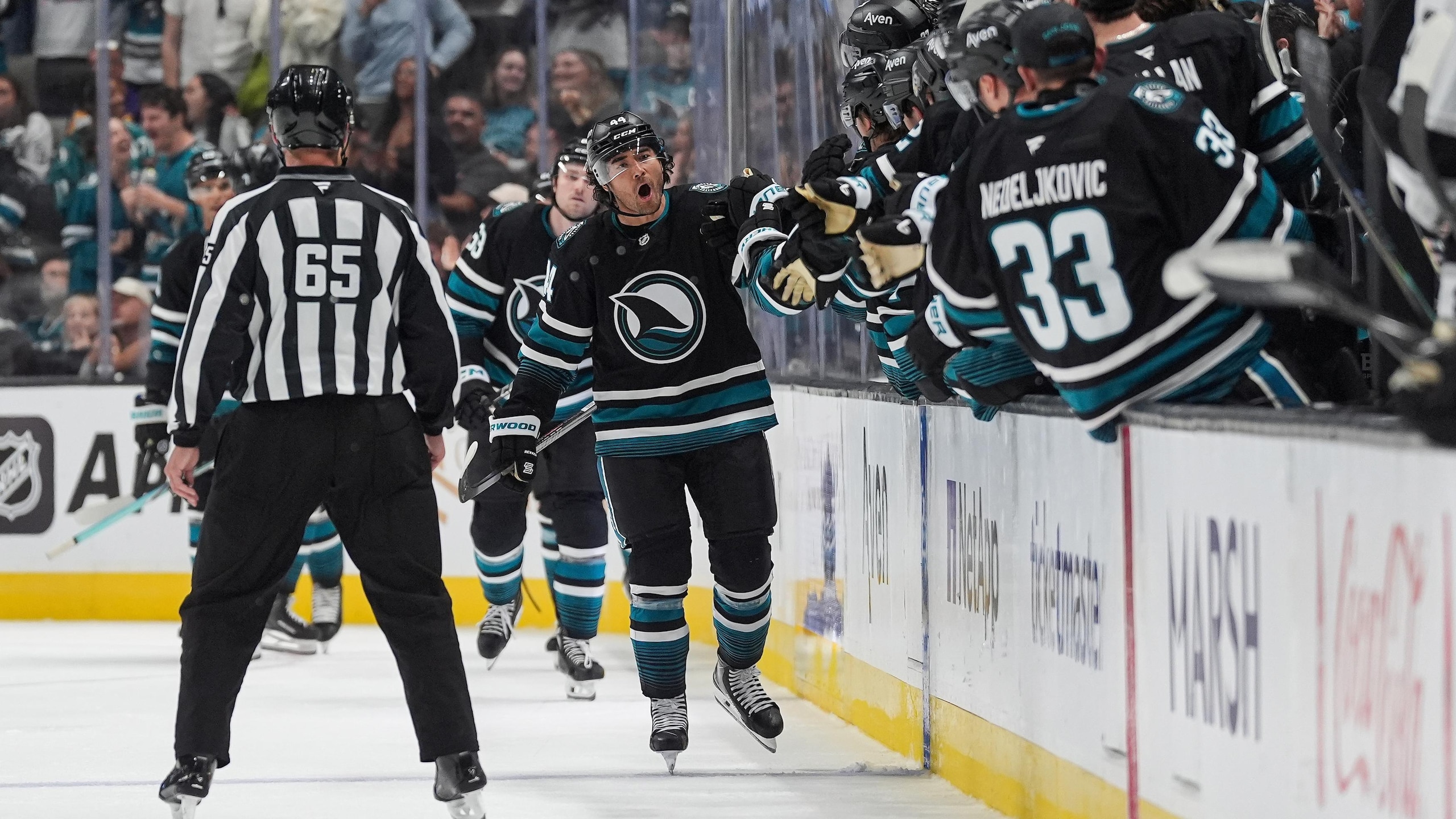

But what happens when injury occurs, or the contract a player signs is so cost prohibitive that they have to move established players to get under the salary cap. Or, your play just simply declines quickly.
It seems that more often than not, organizations that commit large amounts of time and monetary resources to a single player, are watching their well laid plans fall to pieces like sand through their general manager's fingers.
The first of these monstrous contracts was franchise goaltender Rick DiPietro, of the New York Islanders, who signed a 15-year, $67.5 million contract on September 12, 2006. Because of various injuries (concussions, knee), between 2008 and today, DiPietro has appeared in only 18 games.
Although he seems to be healthy this season, he has hardly been unbeatable. From that perspective, it seems that a lot of the money problems that the Islanders are having could be solved if DiPietro is not offered that contract.
The next is Roberto Luongo's contract. Luongo, thought of as a legend by some, and wildly overrated by others, signed a 12-year, $64 million contract on September 1 of this year. What surprised this writer is that it was almost a expected that Luongo would get a deal like this. Last season, Luongo's play was inconsistent, and certainly not going to earn him, and his Canucks, a Stanley Cup.
Yes, he did win an Olympic gold medal last year, but that was not due to his spectacular dominant play. This season (and yes, it is early on) Luongo has largely been outplayed by his back up, unknown Cory Schneider. Worth every penny? That's yet to be seen.
Marc Savard is an unfortunate case. His contract, worth $28.05 million over seven years, got signed on December 1st, 2009. After recovering from a knee injury, Savard fell victim to a controversial hit by Penguins Matt Cooke in March of this year. He is still recovering from post-concussion syndrome and hasn't played a game this season. Of course, the Bruins are doing fine without him...
And then there's the curious case of Ilya Kovalchuk and the New Jersey Devils. I will not go into detail here, but if you would like to know more about that contract, and it's ill effects on a usually unflappable Devils franchise, please reference this writer's last column on the subject.
Of the these huge contracts, two come to mind that have worked out for the organizations that signed them. Alex Ovechkin is a world class player and is considered in some circles to be the finest player in the world today. The Washington Capitols bestowed a 13-year, $124 million contract upon him to make sure that he remained a Cap.
This has been proving quite a good move, considering they are considered to be a contender for the Stanley Cup. Time will tell if that is a correct prediction, but Washington has the potential to dominate any team they face.
Before last season, the Chicago Blackhawks signed Marian Hossa to a 12-year, $62.8 million contract just before they announce that he would be placed on long term IR for the first third of the season. Many people questioned the validity of this deal. However, the Blackhawks seemed to be on a mission from the opening face off and were rewarded by winning the Stanley Cup this passed June. Hossa played a large role in getting the Blackhawks there, through his play and leadership.
These contracts can be hugely useful, but in a world where injury can happen at anytime, are they really worth the gamble of time and money?
At the end of the day, this may be all for naught, as another Collective Bargaining Agreement is set to expire, and this writer is very sure that the Board of Governors will want to add some sort of language to the new CBA protecting teams from the disaster that losing the aforementioned gamble could cause.
The question is, will the NHLPA concede that discouraging these deals is in the best interest for all parties?


.jpg?w=2560 "OBJ Calls Out Giants After Release")



.jpg?w=2560 "Rap: Lions, LaPorta End Contract Talks")