

2010-11 NBA Predictions: Ranking How the Western Conference Will Wrap Up, 1-15
No team since the 1960s, not Jordan's Bulls or Magic's Lakers or Bird's Celtics, has won four straight conference titles.
The LA Lakers have to enter the 2010-2011 season feeling pretty confident they will be the first.
Since the Pau Gasol heist in 2008, LA has dominated the Western Conference unchallenged. In an instant, one of the most competitive conferences in league history, where all eight playoff teams won 50 or more games, became one of the most one-sided.
LA has been the No. 1 seed in the West the last three seasons and rolled through the playoffs with a 36-13 record against conference foes.
Their biggest competitors have been either too old (Dallas and San Antonio) or too young (Portland and Oklahoma City) or just too injury-prone (Houston). Can anyone find just the right formula for beating them?
For more, check out the FanTake Blog: Get Buckets
Follow on Twitter at: GetBucketsFT
Follow on Facebook: Get Buckets
15. Minnesota Timberwolves
1 of 15
Biggest Strength: They have nothing to lose. They can afford to give Michael Beasley 40 minutes a night and see if he can match his college production. They can afford to make Kevin Love the focal point of their offense for a night.
Biggest Weakness: Talent. Beasley, Love and Brewer are the only guys guaranteed a spot in the rotation around the rest of the league.
X-factor: Nikola Pekovic. He's supposed to be a good young post player. The Wolves need all the help they can get.
Bottom Line: If they get the No. 1 pick next year... they'll still be years away from contention.
14. Golden State Warriors
2 of 15
Biggest Strength: Explosive offensive team with three guys capable of putting up big numbers in the Warriors' system—Curry, Ellis and Lee.
Biggest Weakness: None of them play a bit of defense, and the rest of the roster isn't much of a help either.
X-factor: Keith Smart. He's a Don Nelson protege, but will he at least try to slow the pace and install some defensive principles in Golden State? The inmates were running the asylum there as Nelson trudged towards the career victories record the last few years.
Bottom Line: If you want to get an idea of how good a team can be offensively, watch them play Golden State.
13. Memphis Grizzlies
3 of 15
Biggest Strength: Post scoring. The Grizzlies have two players who can reliably score with their back to the basket in Zach Randolph and Marc Gasol.
Biggest Weakness: Interior defense. What those two giveth on offense, they taketh away on defense. Two of the most slow-footed big men in the league, they don't block shots or move their feet very well. If only the Grizzlies had invested a pick in a shot-blocking center ...
X-factor: Hasheem Thabeet. If he could get his act together in the slightest, he could play well with either Gasol or Randolph, both of whom can operate out of the high post.
Bottom Line: The gap between 6-13 in the West isn't very big. Memphis is a very talented team, and if they could ever tap the potential of a No. 4 overall pick (Conley) and a No. 2 overall (Thabeet), they'd be dangerous.

.jpg?w=2560 "NBA Gambling Charges")
12. New Orleans Hornets
4 of 15
Biggest Strength: Chris Paul. Don't let last year's injury-plagued season fool you; he's one of the top five players in the NBA. He will make Trevor Ariza, Marcus Thornton, David West and Emeka Okafor a lot better this season.
Biggest Weakness: Those five are literally the only five above-replacement players the Hornets have on their roster. They are depending on Marco Bellinelli, Aaron Gray and Peja Stojakovic for major minutes this season.
X-factor: Quincy Poindexter. The Hornets need every player they can get, and as a four-year senior, he should be ready to play right away.
Bottom Line: New Orleans is running a text-book clinic in how not to build a team around a franchise player. Basketball fans deserve better.
11. Phoenix Suns
5 of 15
Biggest Strength: Perimeter shooting. The Suns have guys who can stroke the three-pointer at 6'1" (Goren Dragic) and 6'11" (Channing Frye) and every inch in between.
Biggest Weakness: Lack of size inside. Robin Lopez is their only legitimate seven-footer, and they seem destined to play a lot of small-ball at the 4 position with Warrick and Turkoglu. Without Amare, they are like a grown-ups version of the Golden State Warriors.
X-factor: Earl Clark. In college, this 6'9" combo forward was a mini Lamar Odom. If he could earn consistent playing time, he could add some needed athleticism and length on the Suns' front-line.
Bottom Line: The Suns lack the size to compete in the West. Nash, more than ever, needs his minutes monitored, but Phoenix will be depending on him for everything offensively and he is likely to over-extend himself.
10. LA Clippers
6 of 15Biggest Strength: Three players capable of creating their own shots from different parts of the floorBaron Davis (perimeter jumpers), Blake Griffin (high post and slashing to the basket) and Chris Kaman (low-post scorer).
Biggest Weakness: The lengthy injury history of each of those players.
X-factor: Blake Griffin's knees. Maybe they just can't handle the stress of 250 pounds flying through the air.
Bottom Line: If the Clippers can keep their best players on the court, they are a potential playoff team. Pretty big if though.
9. Denver Nuggets
7 of 15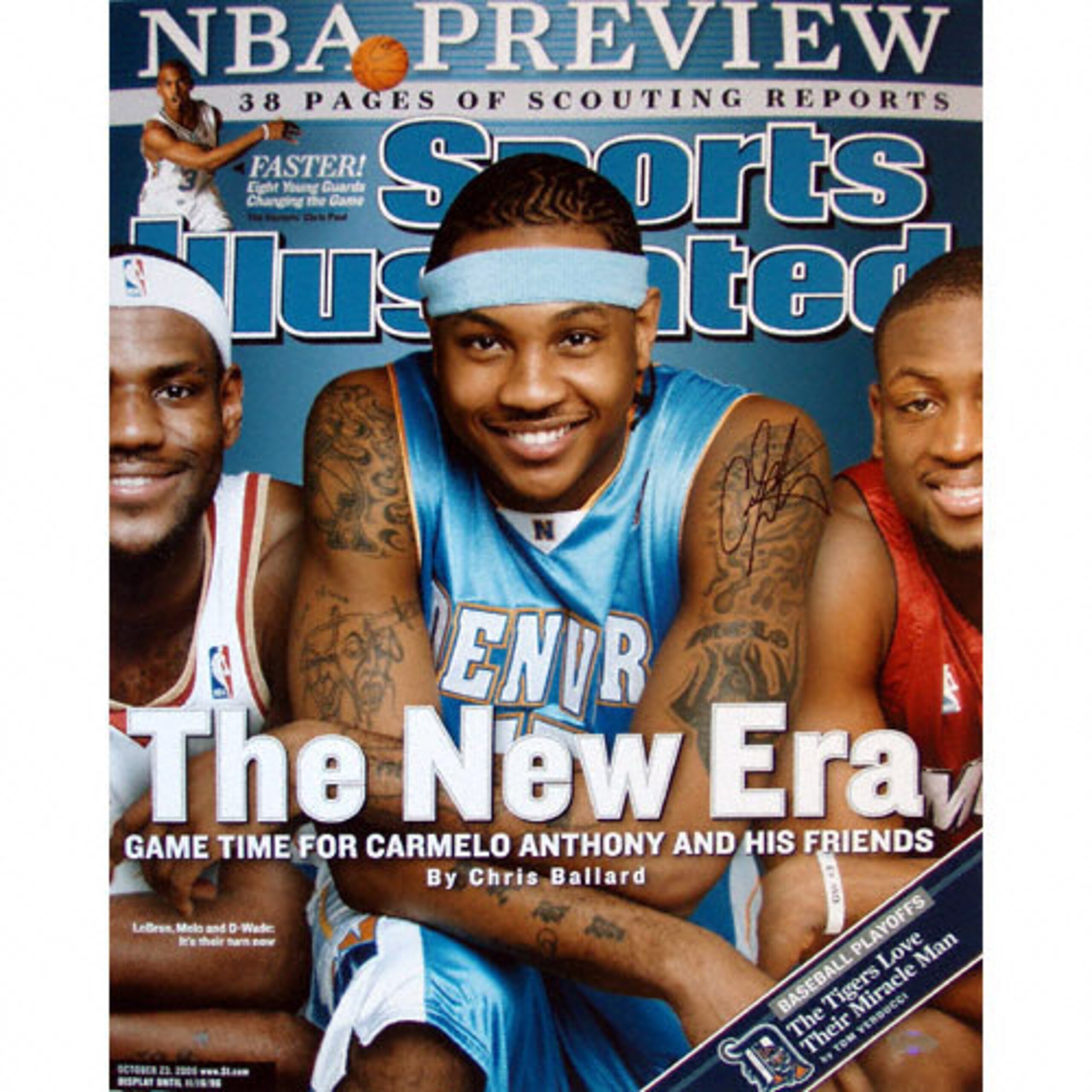
Biggest Strength: Explosive perimeter scoring. The Nuggets feature four players on the perimeter who can create baskets for themselvesMelo, Billups, Junior Smith and Ty Lawson.
Biggest Weakness: Interior defense. With Kenyon Martin injured, the Nuggets are starting the jump-shooting Al Harrington at the 4. "The Birdman" is a one-trick pony while Nene has never been a great shot-blocker.
X-factor: Carmelo. The Nuggets are easily a play-off team with him. But it's hard to see him not getting traded at some point this year, especially considering what happened this summer with his Team USA friends.
Bottom Line: A season hangs in the balance on the whims of the franchise player. Such is life in the NBA.
8. Sacramento Kings
8 of 15
Biggest Strength: Ability to score inside. At 6'6", 220 and with an exceptional handle, Tyreke Evans is one of the best slashers in the NBA. Combine that with the NBA-ready low-post game of DeMarcus Cousins, and the Kings have two players capable of getting baskets (and double-teams) at the rim. They also have the perimeter shooting to make teams pay for crowding the paint.
Biggest Weakness: Defensive attention. Sacramento is a young team full of players trying to make a name for themselves to get a second contract. From the outside, Paul Westphal seemed to be running a pretty loose ship over there.
X-factor: Coaching. Can the Kings coaches get their players to buy in to playing defense? They have the athletes to do it at every position, it's just a matter of mental discipline on the part of the players and coaches willing to discipline guys who aren't playing their part.
Bottom Line: Every season a young team sneaks into the playoffs a year before everyone think they're ready. The Kings have the tools to be that team this season.
7. Utah Jazz
9 of 15
Biggest Strength: Offensive efficiency. Deron Williams is the most complete point guard in the NBA, and the Jazz surround him with capable shooters at every position. New addition Al Jefferson is one of the toughest covers in the league in the low post, and should provide Utah with more easy points in the paint.
Biggest Weakness: Interior defense. It was already a big problem in Utah, and now with Boozer leaving in free agency and Okur out with an Achilles, the Jazz start one of the smallest front-courts in the league -- Jefferson at 6'10" and Millsap at 6'7".
X-factor: Al Jefferson. How will he respond to playing on a contending team and no longer being the primary offensive option? Even more importantly, has he regained any lift in his legs or lost any weight since his knee injury?
Bottom Line: The Jazz, like 85 percent of the league, need a shot-blocking 7-foot center to shore up their defense. Until they do, they are running in place out West.
6. Houston Rockets
10 of 15
Biggest Strength: Team depththey've proven they can withstand injuries over the years. At every position, they have at least two guys capable of giving above replacement value level production.
Biggest Weakness: Uncertainty about their best player. It's an entirely different team when Yao is on the court, so will they be able to depend on him to play a full season? A team's best player shouldn't average only 24 minutes a game over a season, because it throws everyone else's roles in a state of constant flux.
X-factor: Yao's foot. Obviously.
Bottom Line: With the natural improvements of their young players and even a slight dosage of Yao, the Rockets should be able to claw their way back into the playoffs.
5. San Antonio Spurs
11 of 15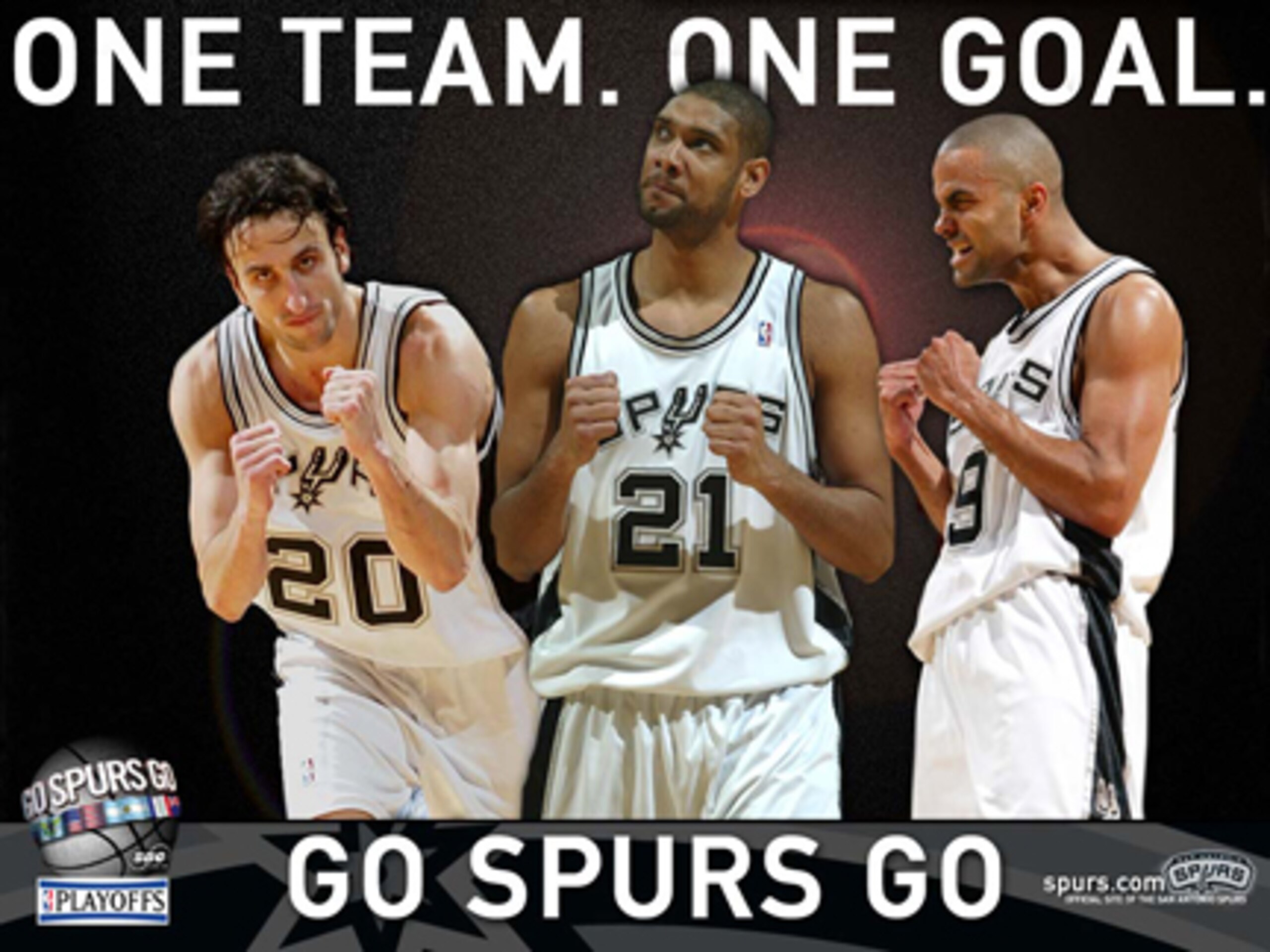
Biggest Strength: Offensive balance. The Spurs still have three former All-Stars capable of creating shots from different parts of the floor and a bunch of perimeter shooters to punish teams for double-teaming.
Biggest Weakness: Lack of athleticism. San Antonio was absolutely murdered by perimeter oriented big-men last year, as they had no one who could guard athletic 4's. Jefferson was supposed to replace Bruce Bowen as their perimeter stopper, but he has lost more than one step since his days in New Jersey. Also he has a terrible tattoo of his initials that looks like an incompetent jail-house sketch on his arm.
X-factor: Tiago Splitter. Spurs fans have waited a long time for this seven-foot import to come over. If he can co-exist next to Tim Duncan and add some athleticism to the Spurs' front-court, than he could be a game-changer.
Bottom Line: The Spurs are not who we thought they weretheir defense is nowhere near as good as their offense.
4. Oklahoma City Thunder
12 of 15Biggest strength: Well-constructed offense. Their best player, Kevin Durant, is an incredibly efficient jump-shooter. Their second best player, Russell Westbrook, is a great slasher. And they start two big men who can step out and hit jumpers to create space for their All-Stars.
Biggest weakness: Interior defense. Krstic and Green are neither tough interior defenders nor shot-blockers. Their back-up bigs are better equipped defensively (Collison, Ibaka and rookie Cole Aldrich) but dramatically take away from the team's offense.
X-factor: An athletic 6'10" shot-blocker, Ibaka could thrive as an undersized speed 5 in the Thunder's system. This would work against almost every team in the league except the one that mattersthe team that beat OKC in the first round last year.
Bottom Line: The Thunder are young and improving, but are still one piece away.
3. Dallas Mavericks
13 of 15
Biggest Strength: Perimeter shooting. The Mavs have one of the most unstoppable offensive players in the league in Dirk Nowitzki. A great shooter with a high release point, he can get his shot off against almost anyone in the NBA. If he's double-teamed, the Mavs surround him with a bevy of accurate three-point shooters.
Biggest Weakness: Lack of athletes on the perimeter. None of the Mavs current starters project to be under 30 years old. This equates to slow feet on defense and a lack of an ability to get the basket on offense. The Mavs desperately need someone who can create his own shot and drive to cup.
X-factor: Rodrigue Beabouis—a speedy 6'1" French slasherhe is the antidote to the flaws on the current Mavs roster. He couldn't gain the trust of the coaching staff last year, but if Dallas has a better than expected season, expect him to be the primary reason why.
Bottom Line: An injection of youth and athleticism at the 2 and 3 positions is all that's keeping the Mavericks from title contention.
2. Portland Trail Blazers
14 of 15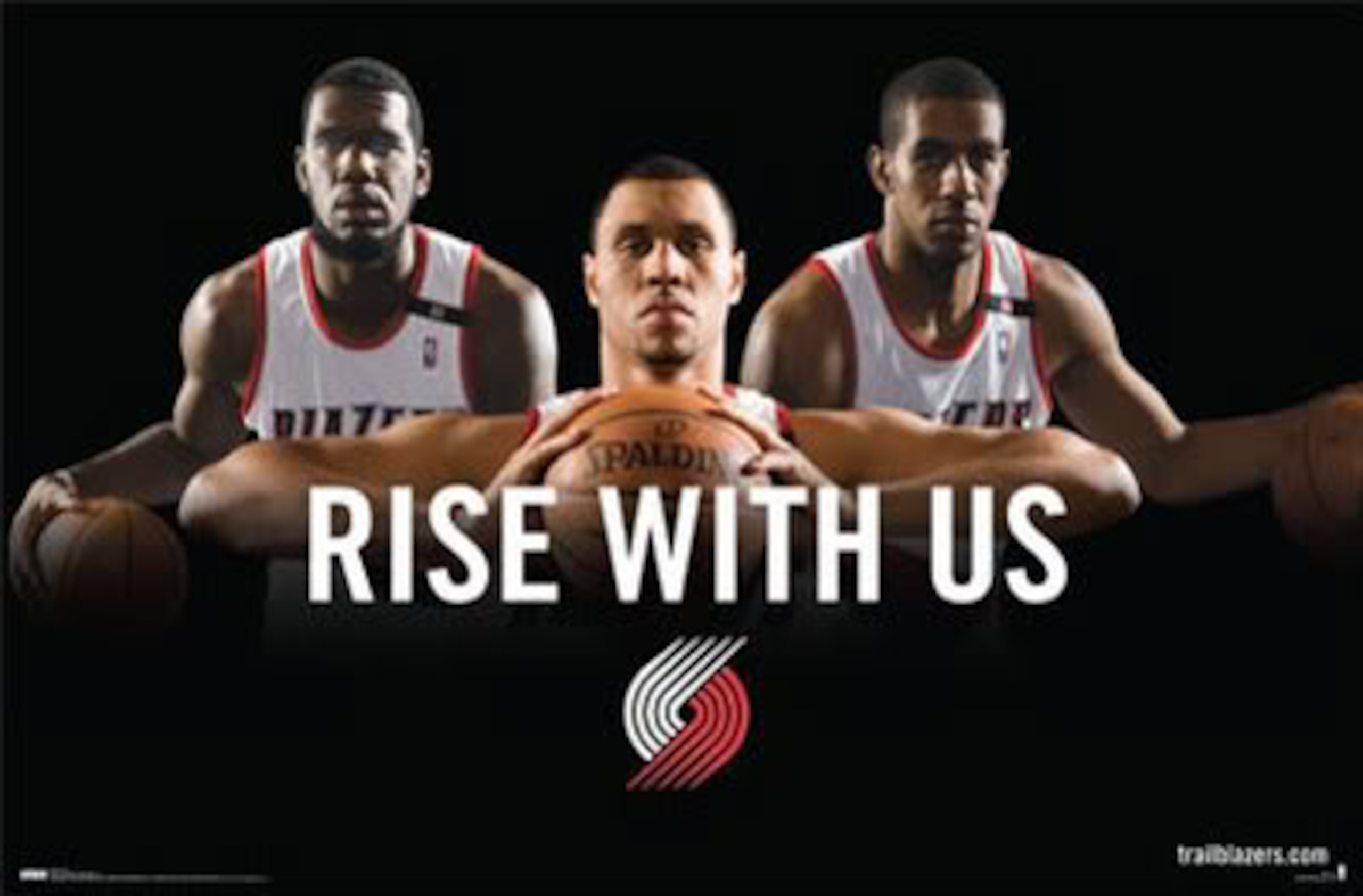
Biggest strength: Interior depth. Portland has a former Defensive Player of the Year in Marcus Camby at center, and LaMarcus Aldridge, one of the longest (6'11") and most athletic power forwards in the league. Combine that with recovering seven-foot defenders Greg Oden and Joel Pryzbilla, and Portland should be one of the top defensive teams in the league.
Biggest weakness: Can Andre Miller and Brandon Roy co-exist? The two starting guards are their two best shot-creators, but their on-court chemistry is iffy at best. Great shooting guards prefer to have the ball in their hands as much as possible, which is why they are mostly paired with spot-up shooters at the point (see: Kobe and Fisher). The problem is Andre Miller can't shoot from the outside, making it easier to double Roy, and giving him the ball takes it out of your best players hands.
X-factor: LaMarcus Aldridge. To take the next step, Portland needs someone who can consistently create offense on a one-on-one move besides Roy. Aldridge, has all the tools (a Rasheed Wallace starter kit) and now the money (a $65 million extension), to be that person.
Bottom Line: If healthy, Portland is LA's biggest threat in the West.
1. LA Lakers
15 of 15
Biggest Strength: Length and talent inside. A seven-footer who can score in the low-post is one of the most prized commodities in the NBA. The Lakers have two. Add the versatile and long-armed Lamar Odom at 6'10", and LA has the best big-man rotation in the league by far. All that length also makes them a fearsome defensive teamthere just isn't much room to operate in the paint for opponents.
Biggest Weakness: Lack of slashers. Kobe Bryant has become mostly a jump-shooter at this stage in his career, so if they play a team who can shut down the post, their offense tends to stagnate as they can no longer get good looks at the basket. See: their offensive struggles against Boston in the Finals.
X-factor: Injuries. The Lakers' best players have played an extra season's worth of playoff games over the last three years, not counting the international play of Kobe, Gasol and Odom. Combine that with Bynum's troublesome knees, and they could be the Lakers' biggest threat to win the West.
Bottom Line: Still the overwhelming favorite to win the West.

.jpg?w=2560 "Jonathan Taylor Landing Spots")



.jpg?w=2560 "NFL House in Paris Closes for Protests (AP)")