
Pitt Football: Miami, Tradition, National Titles, Urban FBS Challenges
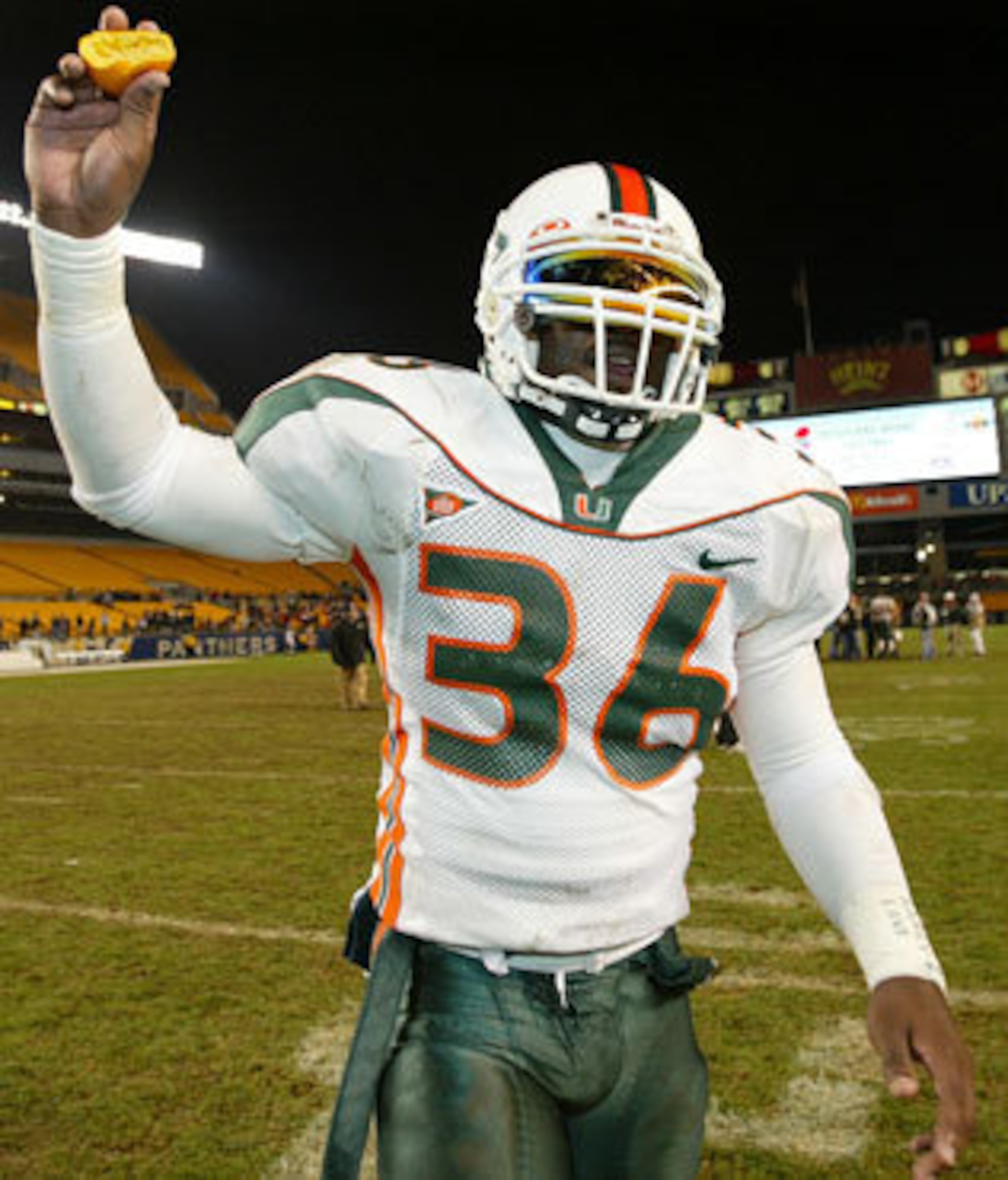
The last time the Miami Hurricanes played the Pitt Panthers the Orange Bowl and Big East title were on the line.
In 2003 one of the bleakest nights for ex-Pitt coach Walt Harris saw the Hurricanes dominate the Panthers before a full house at Heinz Field, ending what was a season of futility for Pitt.
The Panthers had been ranked in the Top Ten early in the season. A surprising loss at Toledo then big losses to Notre Dame and West Virginia dogged Harris in the Pittsburgh media.
Beating Miami that cold late November night in 2003 would have changed everything.
His Panthers would have been in the limelight at the school's first BCS Bowl.
Instead, a demoralized team shuffled off to the inaugural Continental Tire Bowl in Charlotte, NC, and lost a close game to Virginia.
The 2003 Pitt-Miami game was typical of the hard-nosed battles these two urban universities had been waging since their first meeting in 1950.
In the early 50s the Hurricanes were in the throes of upgrading their football schedules, finally eliminating the last non-Division 1 opponent in 1954.
Miami demonstrated what a force it would be whenever it met Pitt by clobbering the Panthers 28-0 in their first meeting.
Sure there were blowouts - almost all Miami wins were blowouts as the Pitt administration vacillated between full support of athletics and raising entrance standards above those of their Eastern seaboard cohort.
Pitt's greatest days were in the 1920s and 1930s. A brief resurgence lifted the Panthers in the 70s and early 80s.
Miami reached the zenith of college football five times - in 1983, '87, '89, '91, and 2001.
Only seven years separated two of the universities' national titles. Pitt won its last in 1976; Miami won its first in 1983.
Despite the wide disparity of achievement between the two schools in the modern era, both Miami and Pitt have wrestled with the disadvantages of being major college football programs in major American cities.
1963 Panthers Beat Miami 31-20 On Way To 9-1 Record
1 of 9
Pitt football enjoyed some success in the mid 1950s and early 60s.
John Michelosen's first squad in 1955 posted a 7-3 regular season record and earned a bid to the Sugar Bowl. The Panthers hosted the Hurricanes that year on Oct. 29 but were soundly defeated by a bowl less 6-3 Miami team.
The following season marked the first of several December games between the East coast rivals. The Panthers capped off their 7-2-1 regular season record with a 14-7 slug fest over the Canes at the Orange Bowl. Pitt went on to lose to Georgia Tech in the Gator Bowl.
The 1963 Pitt Panthers rank high on par with the 1936, 1937, 1976, and 1980 squads as one of the best ever.
Once again, the game was played at the end of the season. Pitt had moved its final game with Penn State to early December in deference to the assassination of JFK.
The Miami game was played on November 30.
Although the Canes were 3-6 at the time, they were not big underdogs to Pitt at the Orange Bowl.
Pitt had four blowout victories in '63: UCLA 20-0; California 35-15; Notre Dame 27-7; Army 28-0.
The Miami game would be no blowout.
Pitt managed an 11 point victory, 31-20.
'76 Panthers Blasted Hurricanes On Way To 12-0 Record, National Title
2 of 9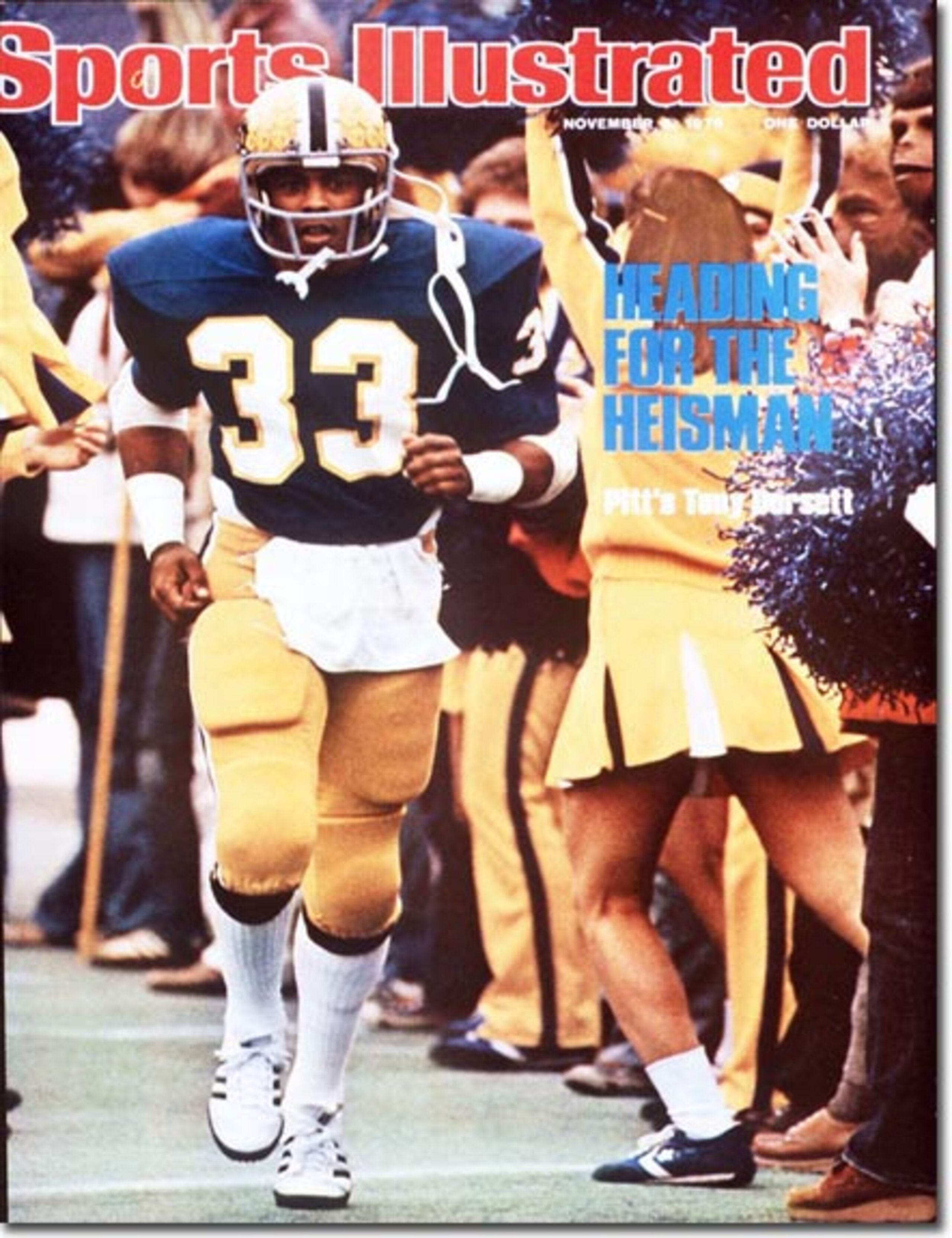
When Collegefootballinsiders.com rated the top 100 college football teams of all time, Pitt's last national championship team, 1976 Sugar Bowl champions, is not listed.
Instead, the 1980 Pitt squad led by Hugh Green, Dan Marino, and a host of NFL starters, receives a high ranking. The 1980 squad lost one game - at Florida State in a driving rain storm - finished 11-1 and were proclaimed by the New York Times as the nation's #1 team.
What's the wrap of the '76 Panthers?
Its strength of schedule rankings weren't that high despite wins over Notre Dame (9-3); Penn State (7-5); and Georgia (10-2).
Pitt beat the Hurricanes in the sixth game of the '76 season, 36-19.
The Canes just were not thought about much at that time.Coming into Pitt Stadium on Oct. 16 they were 1-3. They had played some stiff competition, having already lost to Colorado (8-4) and Nebraska (9-3-1).
Pitt was much more focused on the slate of five Eastern opponents they faced after the Hurricanes. Games with Navy, Syracuse, Army, West Virginia, and Penn State were just more important at the time than the Hurricanes.
Pitt was in the middle of its magic ninth national championship season.
The Miami Hurricanes hadn't yet won one.
1st Year Coach Gottfried Learns The Hard Way: Hurricanes Now Category 4 Storm
3 of 9
In 1985 Forge Fazio's 5-5-1 record was considered reason for termination.
In 1986 Mike Gottfried's 5-5-1 record was considered reason to hope.
The Panthers were 4-3-1 when they hosted the Hurricanes in the ninth game of the season. With wins over West Virginia and Notre Dame and a hair-biting 24-20 loss to nationally ranked Syracuse, Pitt was a team with bowl aspirations in 1986.
Tucked into the three losses was a 19-13 defeat by Temple, Gottfried's nemesis in his first two seasons and the team which crowned Gottfried with the sobriquet "Mediocre Mike."
Miami was finishing up an 11-1 preview season to its 1987 national championship.
Flying on the promise of a moral victory at Syracuse the week before and playing before a spirited bicentennial celebratory crowd, at least when the game began, Pitt was psyched up for a victory.
The Canes and a driving rainstorm completely stymied the Panthers' chances.
How ominous to see the ABC segment on Pitt's bicentennial televised from dark Pitt Stadium in a pounding rain with a few Pitt cheerleaders huddled around the bicentennial cake as icing and lettering ran down the sides.
Miami was skyrocketing upward; Pitt, like the Titanic, was beginning its slow descent to the bottom, the morass of Pitt football under Paul Hackett and Johnny Majors II.
Pitt fielded bowl squads in '87 and '89.
The fact that Pitt's 24-3 loss to the Canes in '89 was described in terms of "Pitt held its own" said everything fans needed to know about the growing schism between the two soon-to-be Big East rivals.



Panthers' Victory Over Hurricanes In 1997 Began Walt Harris' Honeymoon at Pitt
4 of 9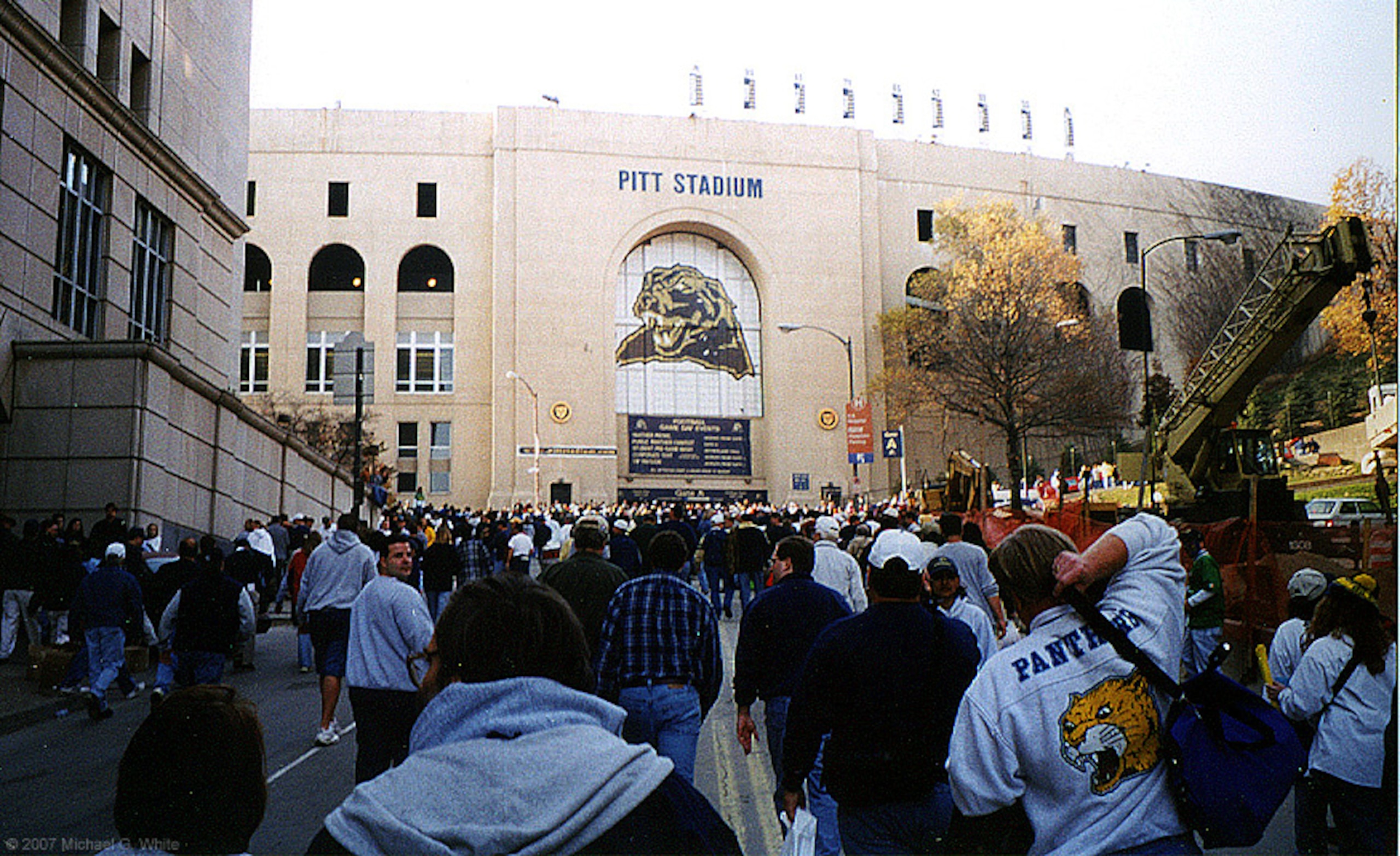
In Johnny Majors II, the Hurricanes were dominant in 1993, 35-7, and 1996, 35-7.
But Johnny's teams in '94 and '95 battled the Hurricanes with every once of energy they had, forcing the much more talented Canes to sweat out wins.
The Hurricanes 17-12 victory in '94 was followed by a last minute win, 17-16, in '95 when, with just a little luck, Pitt could have pulled the biggest upset of the season.
The Miami-Pitt games Johnny II coached summed up the "almost there" nature of his return years.
Doing all they could, oftentimes with great effort that far surpassed their talent, they almost won those two Miami games, just as they had almost beaten Texas twice and West Virginia in a heart-breaking 47-41 loss in '94.
When Johnny II's teams ran out of gas, they failed miserably, and the 1996 Pitt football season lives on ignominiously as testament.
In 1996 usher in Steve Pederson. Steve launched a seemingly endless but unsuccessful search for a big name football coach. Finally, he ended the search and introduced Ohio State quarterbacks coach, Walt Harris, as Pitt's new head guy.
What Walt didn't know at the time provided Pitt fans with a thrill a minute during the episodic 1997 season. The bad luck had run out, clear skies and smooth sailing were just ahead.
Lady Luck smiled down on Pitt in multiple overtime wins over Rutgers early on and West Virginia in the season finale.
After almost beating highly ranked Syracuse at cold and damp Pitt Stadium before small groups of fans huddled under blankets, many empty seats, and a second half snowstorm, the Panthers whipped Virginia Tech 30-23 the following week in a complete turn-your-head oh-my-God-tell-me-again shocker.
Pitt's run of good luck began on a Thursday evening in mid-September when ESPN brought its game-of-the-week crew to Pitt Stadium and the Hurricanes brought a probation-depleted team.
Pitt's 21-17 win sent the students scurrying to the astro turf where they hauled down the goal posts. ESPN loved televising the shots of Pitt students carrying their goal post bounty out of Pitt Stadium.
ESPN loved even more the resurgence of winning Pitt football.
Panthers Make Believers Of Nation's College Football Fans In 28-21 Loss
5 of 9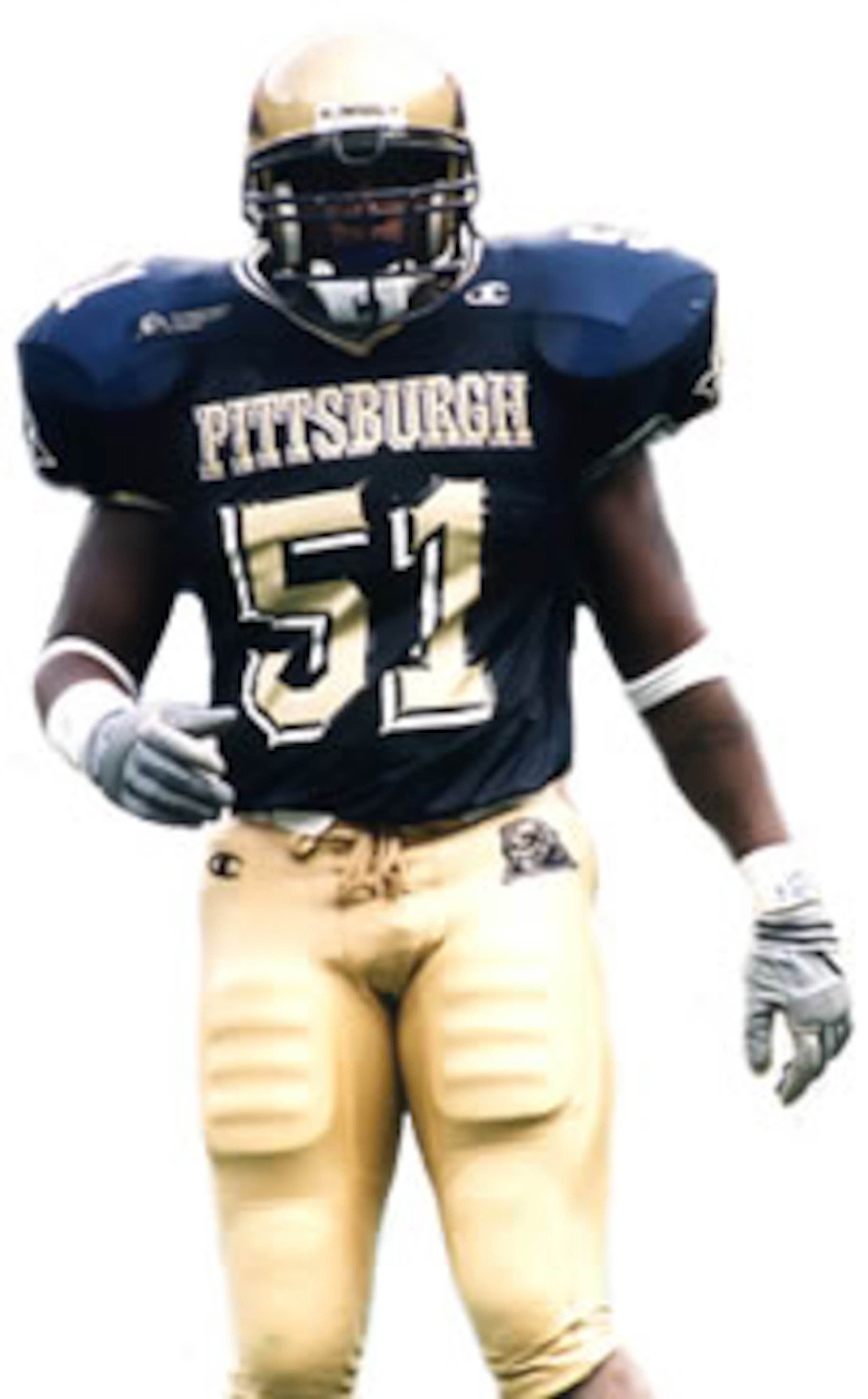
28-21.
The score of an amazing game played at the Orange Bowl.
A game that shook the BeJesus out of Hurricane fans and sent a loud message:
Pitt wants your throne.
Miami was completely dominating Big East Football with conference championships in 1991, '92, '94, '95, '96, 2000, 'and 01.
In 2002 both Pitt and Miami were ranked - Miami #1 and Pitt #17 - when the two tangled in a November encounter at the Orange Bowl.
Pitt (8-2, 5-0) entered the contest with a three-game winning streak and needed a victory to grab at least a share of the conference crown. The Panthers took a 14-7 lead late in the first half, but could not hold on.
Rod Rutherford completed 16-of-37 passes for 143 yards with two touchdowns and ran for 68 yards with a score for the Panthers. His three-yard touchdown run with 4:37 left in the fourth quarter pulled Pittsburgh within 28-21.
The Panther defense then forced a Miami punt and the offense took over at its own 42 with 2:12 remaining. Pitt QB Rod Rutherford was sacked on the first two plays, but hit Larry Fitzgerald with a pair of passes to put the ball at the Miami 35 with just over a minute left.
Rutherford faced a 4th-and-5 moments later and overthrew an open Yogi Roth in the end zone with 20 seconds remaining.
That was it.
Miami took its #1 rank and perfect 12-0 record to the Fiesta Bowl where it lost the title to Ohio State.
Pitt accepted a bid to the Insight.com bowl and smashed Oregon State 38-13.
Pitt made believes of millions of college football fans across the country and set the stage for what was to be a highly anticipated but under-achieving 2003 Panther football team.
They Never Been The Same Since They Left The Orange Bowl
6 of 9
Since 1937, Miami football had called Orange Bowl Stadium its home turf.
Between 1985 and 1994 it was the site of the longest home winning streak in college football history. The Canes won 58 home games in a row until the Washington Huskies ended the streak in 1994.
Located in diverse Little Havana just west of downtown Miami, the Orange Bowl possessed inner city charm and the big city diversity that required fans to put possessions in the trunk and check door locks twice.
To Miami Hurricane students, the Orange Bowl was home.
But it was also old and it sat on land coveted by Miami's pro baseball franchise the Marlins.
The aged structure was no match for Hurricane Wilma in 2005 and local politics.
Wilma, Miami's dwindling college football fortunes in the mid-first decade of the 21st Century, and local politics doomed it.
Like many urban FBS programs forced to contend with pro franchises, limited parking at or near their campus stadiums, and a host of other options for the entertainment dollar, Miami always faced the possibility that finances for its storied football program would crumble.
To replenish its coffers, Miami left the Big East after the 2003 season.
Unable to afford structural repairs to the aged bowl and unwilling to expend financial and political capital to fight the Marlins, Miami president Donna Shalala and AD Paul Dee took the path of least resistance - for themselves.
Instead of playing home games nine miles from campus at the Orange Bowl, Shalala and Dee moved home games 22 miles away to then-named Dolphin Stadium.
Sun Life Stadium has been called many names: previously Land Shark Stadium, Joe Robbie Stadium, Pro Player Park, Pro Player Stadium, Dolphin Stadium, and Dolphins Stadium.
Tradition-loving Miami fans are disconcerted by the annual name changes of its new home football stadium especially since the university has no control over them.
For fans needing to save a buck on gas, the 22 mile drive to Sun Life has been formidable.
The saying among Cane fans goes something like this: "They never been the same since they left the Orange Bowl."
Pederson-Alumni Clash Over Plans To Destroy Pitt Stadium
7 of 9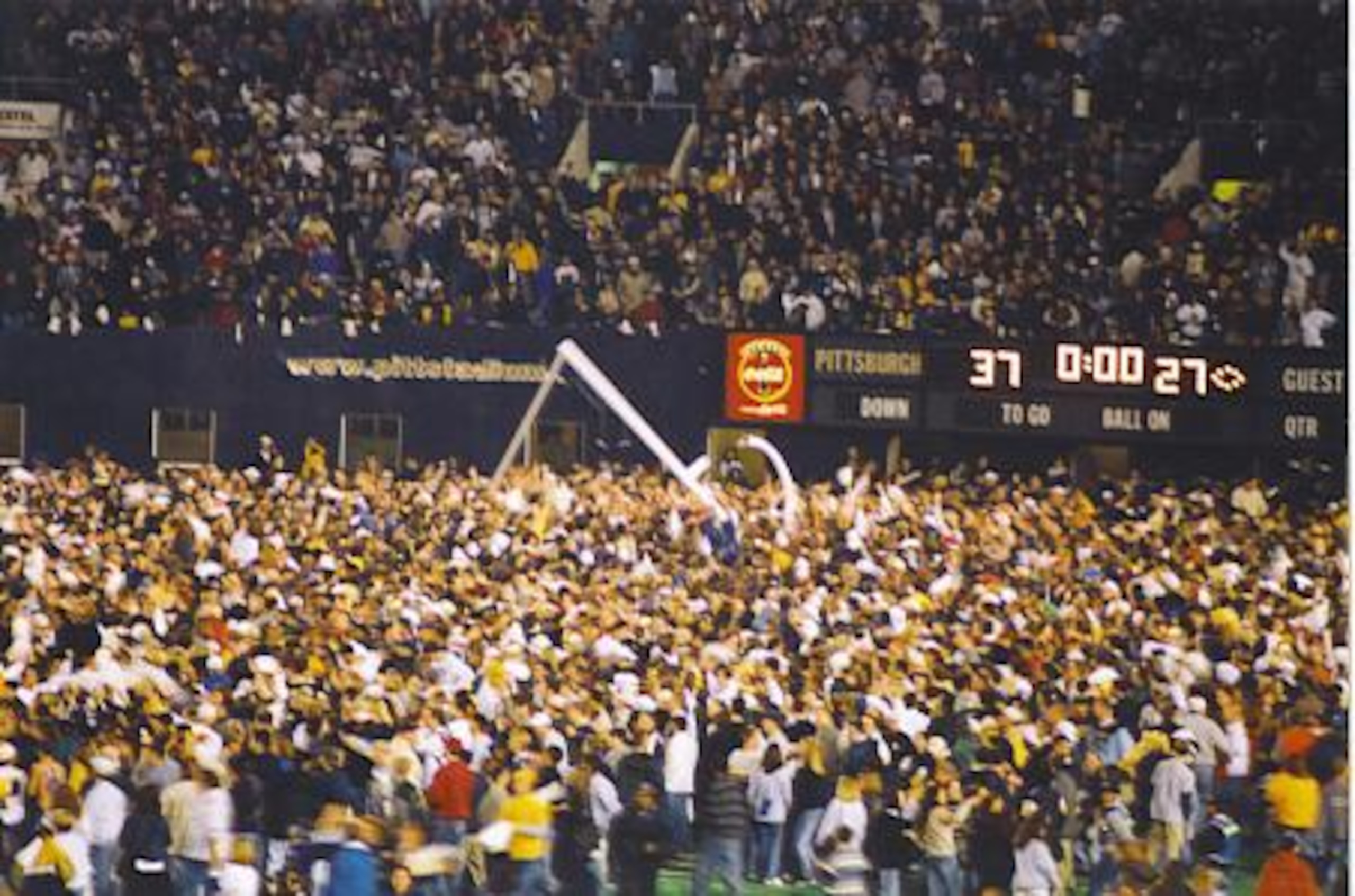
Pederson believed the Panthers would never fill Pitt Stadium every home game.
The stadium was located at the top of a hill affectionately dubbed "Cardiac Hill" by the locals. It also had the good fortune of being located atop a row of some of the best hospitals in the US.
Collaspe on the way up stadium hill? No problem, we'll have you admitted to ER in no time.
Fans who visited concession stands or went to the rest room could easily miss a quarter of play.
The main entrance from DeSoto Street led fans into a cavernous, chilly, dark concrete expanse and a narrow walkway leading upwards.
Just what the doctor ordered. A trek up a steep hill then another once inside the stadium.
Pederson was disingenuous in selling his municipal stadium plans.
He neglected to mention that Pitt Stadium averaged over 50,000 fans in 1989. Three home games - Notre Dame in 1982, Penn State in 1981 and 1983 - averaged over 60,000 fans.
When the Panthers won, they could attract fans to Pitt Stadium.
The stadium configuration in 1925 allowed for an upper deck to be added later on.
69,000 fans jammed the stadium for a game with Fordham in 1938.
In rushing in his stadium plans to the press and public, Pederson never mentioned the positives: tradition, a stadium on campus, former player support for Pitt Stadium, and sold-out attendance for big games when the Panthers were winning.
Pederson was right about one thing. The site lines in Pitt Stadium had to be among the worst of its generation of 1920s stadiums.
Miami Officially Opens Panthers New Home at Heinz Field In Terror-Tainted 2001
8 of 9
Art Rooney has secured himself a little piece of heaven when the time comes.
Beloved by Pittsburghers, respected by President Obama, Mr. Rooney should be given a slot in the Panther hall of fame.
When Steve Pederson became convinced he needed to move Panther football from decrepit Pitt Stadium to the new municipal stadium, Art Rooney was there for him and for the university.
Calling the Steeler-Panther arrangement joint ownership may be going a little too far. But the Panthers do own their piece of Heinz Field. The Panthers are permanent residents there.
The Panthers were primed for a big year in 2001.
Coming off Walt Harris' second bowl season in 2000 with a 7-5 record, Pitt was supposed to have easy tune up games with East Tennessee State and South Florida to open its first season at Heinz.
The ceremonial home opener before a projected sellout crowd and ESPN's Thursday night TV crew was scheduled for Sept. 27.
The opponent? Miami Hurricanes.
Steve Pederson had manipulated the Pitt home schedule as best he could to ensure the Panthers would be in mid-season form when they hosted the Hurricanes.
What a great way to premier Pitt's new stadium to a national television audience.
The terrorist attacks of 9/11 wrapped a shroud around the entire 2001 season.
Pitt's upset loss to South Florida helped sew it shut and kept Pitt fans away from Heinz.
The Miami game was just another Pitt loss as it turned out.
The 2001 Pitt season can be split in two. In the first six games Pitt was 1-5. Miami decked the Panthers 43-21 at Heinz, a moral victory of sorts as the Hurricanes went 12-0 and beat Nebraska in the Rose Bowl for the BCS title.
After Miami, Pitt's fortunes turned even worse. Big losses piled up to Notre Dame 24-7, Syracuse 42-10, and Boston College 45-7.
By the time Pitt turned it around with a 33-7 win over Temple, Pitt's home fans lost interest.
After the Temple win Pitt had just two home games remaining. Wins over Virginia Tech, an impressive 33-7 domination by the Panthers, and Alabama-Birmingham attracted small crowds to Heinz.
Steve Pederson's grand plans for selling-out Pittsburgh's municipal stadium had to be put off to another season.
Pitt, Miami Battle Attendance Challenges Of Urban FBS Football
9 of 9
Penn State fans love to point out Pitt's home attendance averages each season. They are about half of what the Lions draw in Happy Valley.
Upstate of Miami, the Seminoles and Gators laugh at the problems the Hurricanes have drawing fans, exacerbated now by the long trek to Miami Gardens for home games.
Comparisons can be misleading.
Just take a look at the first AP poll in 1936:
1936
1. Minnesota Minneapolis
2. Louisiana State
3. Pittsburgh Pittsburgh
4. Alabama
5. Washington Seattle
6. Santa Clara
7. Northwestern Chicago
8. Notre Dame
9. Nebraska
10. Pennsylvania Philadelphia
11. Duke
12. Yale
13. Dartmouth
14. Duquesne Pittsburgh
15. Fordham New York City
16. Texas Christian Forth Worth
17. Tennessee
18. Arkansas
(tie) Navy
20. Marquette Milwaukee
Nine of the Top Twenty teams were located in major American cities.
Now, in the current AP poll there are only three: TCU (Dallas-Fort Worth); Utah (Salt Lake City); and Miami.
More importantly, look at the ranked urban programs in 1936 that have disappeared.
Pitt and Miami have weathered all the urban distractions caused by location.
Miami's South Beach and non-stop partying keeps fans out of Sun Splash Stadium.
The Steelers and Penguins keep fans away from Heinz Field. The Pittsburgh night life provides many more entertainment options than Tuscaloosa, Alabama, or State College, Pennsylvania.
Unlike struggling athletic programs in major cities such as those at the University of Houston UAB and Rice, Miami and Pitt draw well in good times.
Pitt averaged 53,446 fans per home game in 2009 and ranked 38 out of 120 schools.
Miami averaged 47,551 fans per home game and ranked 50th.
Miami is barely holding its own when compared with other FBS urban universities.
Below Pitt and above Miami in the attendance rankings fall South Florida with 52, 553 per home game; Minnesota (50,805); Colorado (50,088); and Arizona State (48,556).
Eliminate USC, UCLA and Texas, big urban schools in cities without pro football teams, and the pattern is pretty clear.
An urban university with a solid football program will max out between 40,000 - 60,000+ fans per game.
In the past, 60,000 average home attendance would have been considered great. State-supported and land grant institutions are engaging in a Goliath vs. Goliath battle with Michigan and Penn State going to ridiculous extremes to win the NCAA attendance title.
Urban schools like Pitt and Miami don't have the ammo to join that battle.



.jpg?w=2560 "5 Teams Eyeing Jonathan Taylor")
.jpg?w=2560 "Mahomes Told Teammate to Leave Meeting")

.jpg?w=2560 "NFL investigating Eagles")
.jpg?w=2560 "Jonathan Taylor Landing Spots 📍")
