Reggie Bush Scandal: 10 Most Un-Heisman Worthy Recipients
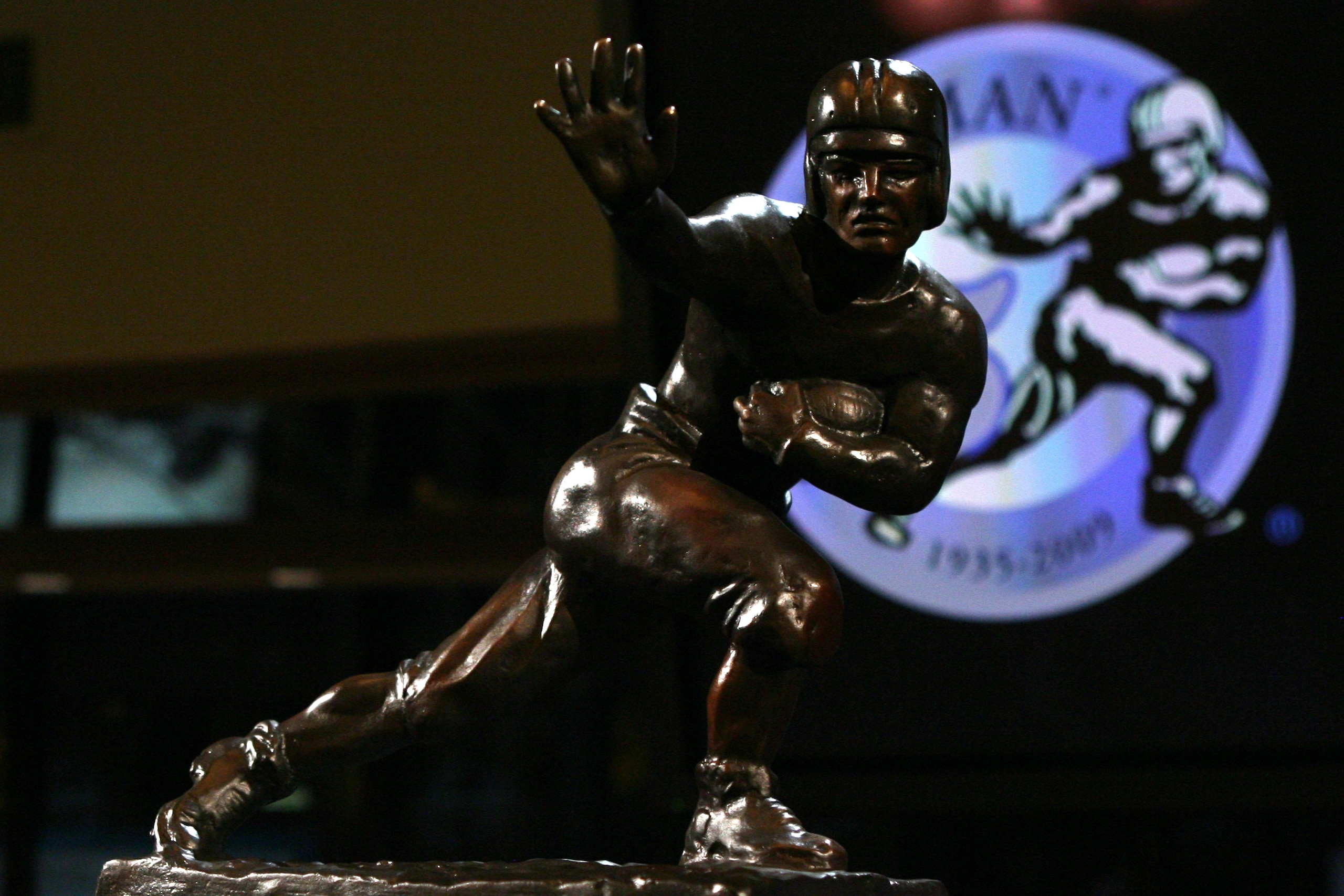
The annual Heisman Trophy is awarded to someone who supposedly embodies "the best" of college football. With Reggie Bush reportedly having his Heisman stripped in light of his improper benefits, several other Heisman mishaps came to mind. Here is a list of the top 10 least deserving Heisman Trophy recipients.
Number 10: Eddie George, Ohio State, 1995
1 of 10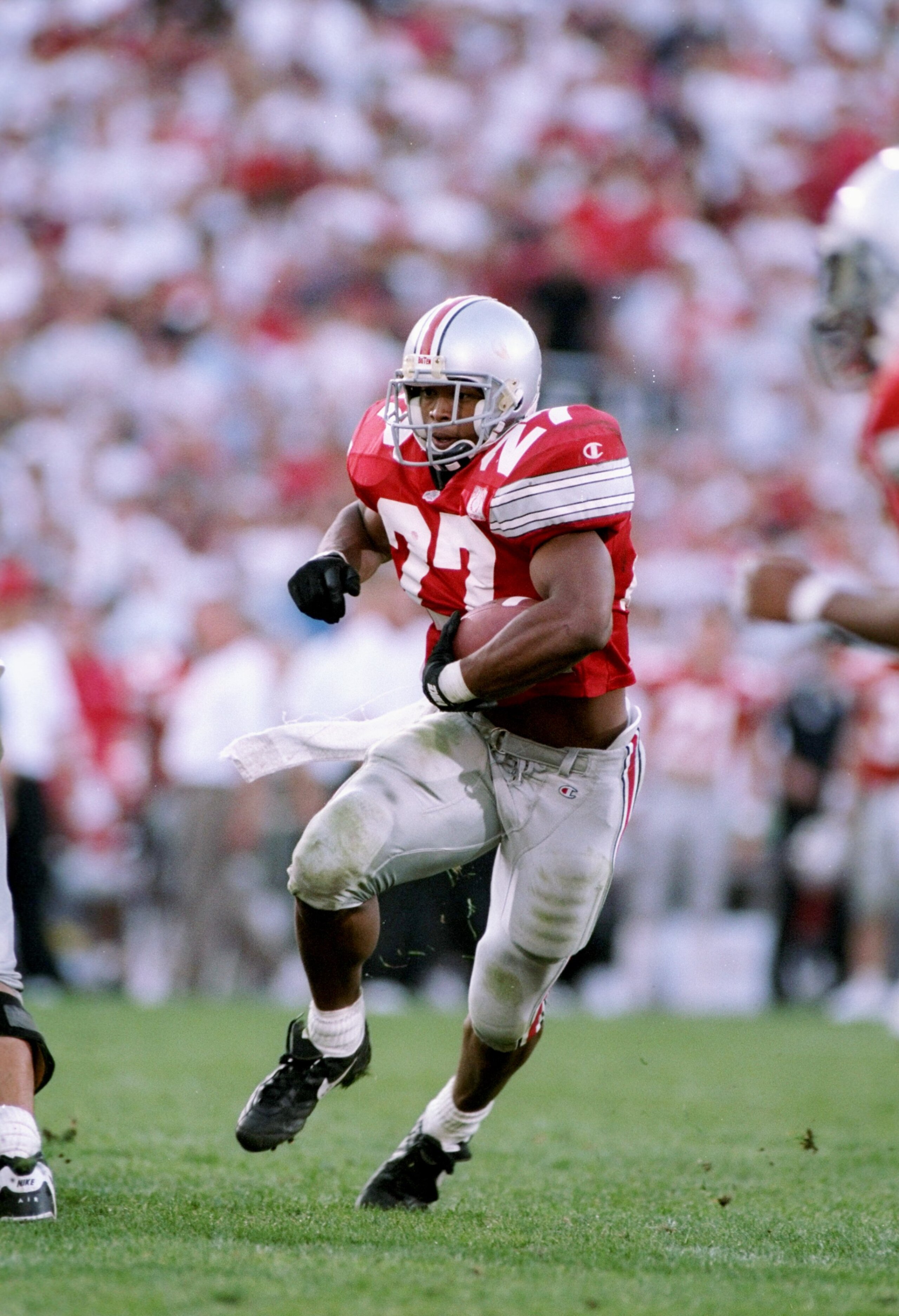
Eddie George had a fine season in 1995, setting the school record for single season yards and touchdowns. And the Buckeyes enjoyed a good year too, starting off 11-0. But losses to Michigan in the regular season finale and a loss in the Citrus Bowl was another late-season blemish on Coach John Cooper's resume. George rushed for a touchdown and 104 yards on 21 carries in the 31-23 loss but was completely upstaged by Michigan's back: Tim Biakabutuka who totalled 313 yards on the ground.
Who should have won: Nebraska's Tommie Frazier: The Cornhuskers finished undefeated that year, then stomped Florida in the Fiesta Bowl. The senior quarterback didn't post eye-popping stats (just 605 yards and 14 rushing touchdowns) but his impact on the offense was magnificent that year: Nebraska averaged over 50 points and just about 400 yards per game. And he proved his worth in the Fiesta Bowl victory, with 199 yards rushing, including that miraculous 75-yard touchdown run in the 3rd quarter.
Number 9: Charlie Ward, Florida State, 1993.
2 of 10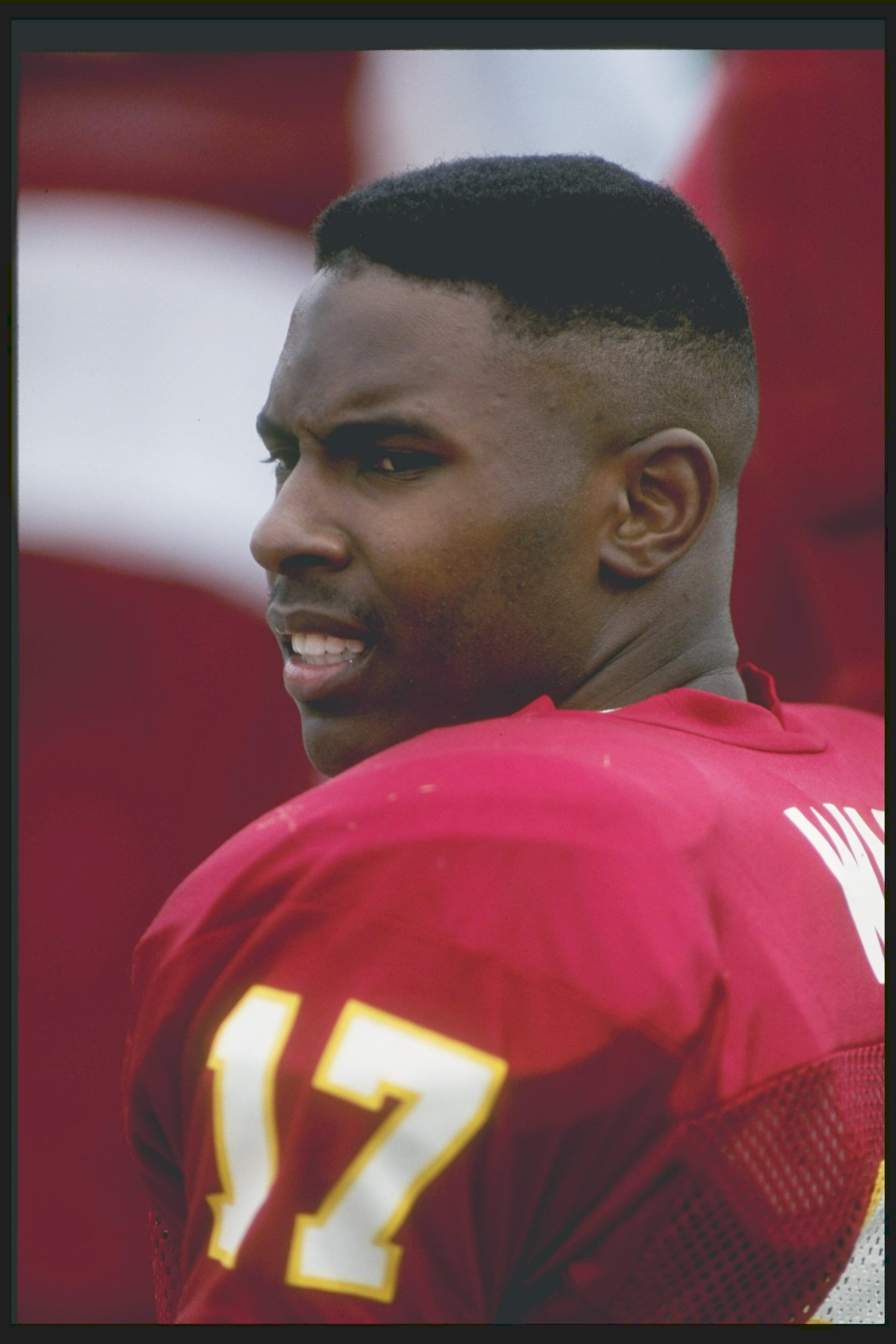
Nothing personal against Charlie Ward: he was a great college quarterback and led Bobby Bowden to the National Championship with their great victory over. He was a stellar passer throwing for over 3,000 yards and posted a great TD-INT ratio: 27-4. And of course he was a wonderfully agile, scrambler. But don't you think the Heisman should go to someone who's career is in the NFL and not the NBA? Someone who plays in the Super Bowl not the NBA Finals?
Who should have won: I would like to say that one of the runner-ups (Heath Shuler of Tennessee or David Palmer of Alabama) should have won. But their NFL careers weren't any better than Ward's [SIDE NOTE: I DON'T THINK THE HEISMAN SHOULD GO TO A PLAYER WHO MAKES THE BEST PRO....IT'S OBVIOUSLY AN COLLEGE AWARD...BUT IT IS STRANGE TO SEE YOUR HEISMAN TROPHY WINNER IN SHORTS ON THE HARDWOOD AND NOT ON THE GRIDIRON]. I really can't say Ward didn't deserve the Heisman, he was probably be the best player in college that year, and the best player on the best team as well. But it might have been nice to see the winner be the man who should have won the award in the next slide: Marshall Faulk.
Number 8: Jason White, Oklahoma, 2003
3 of 10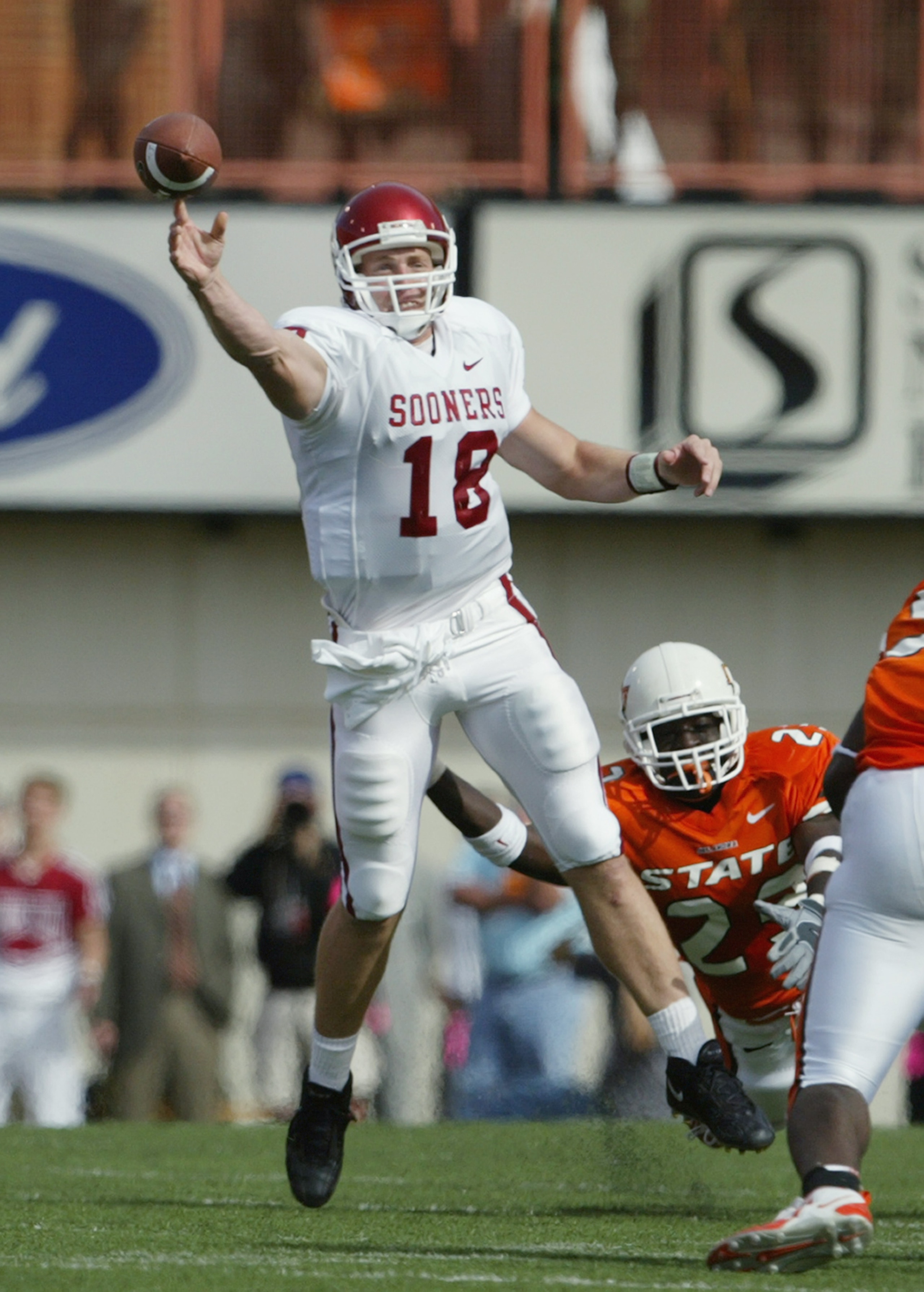
White was a good quarterback for the Sooners and posted serious numbers as a junior in 2003: 4,046 and 40 touchdowns. Oklahoma returned to the defacto National Championship game that year, only to be narrowly defeated in the Sugar Bowl by LSU. And his recovery from his terrible knee injury was a great story of redemption and perseverance. But his winning the award that December again begged the annual, never-fully-answered question of should the Heisman go to the BEST PLAYER in college football or the BEST PLAYER ON THE BEST TEAM in college football.
Who should have won: Larry Fitzgerald, Pittsburgh. He was the best player in all of college football that year. No one could cover him. Wide receivers usually get snubbed when it comes to the Heisman--Tim Brown and Desmond Howard are the only full-time WRs to win the award and they were major factors in the punt return game as well. Fitzgerald was purely a wide out and should have become the first wide receiver-only to win the award. With an average to below average offense and a mediocre quarterback, Fitz 92 catches, 1672 yards and 23 touchdowns and added to his record 18-straight games with a TD catch.
.jpg?w=2560 "Chiefs Giants Football")

.jpg?w=2560 "Titans Colts Football")
Number 7: Gino Torretta, Miami, 1992
4 of 10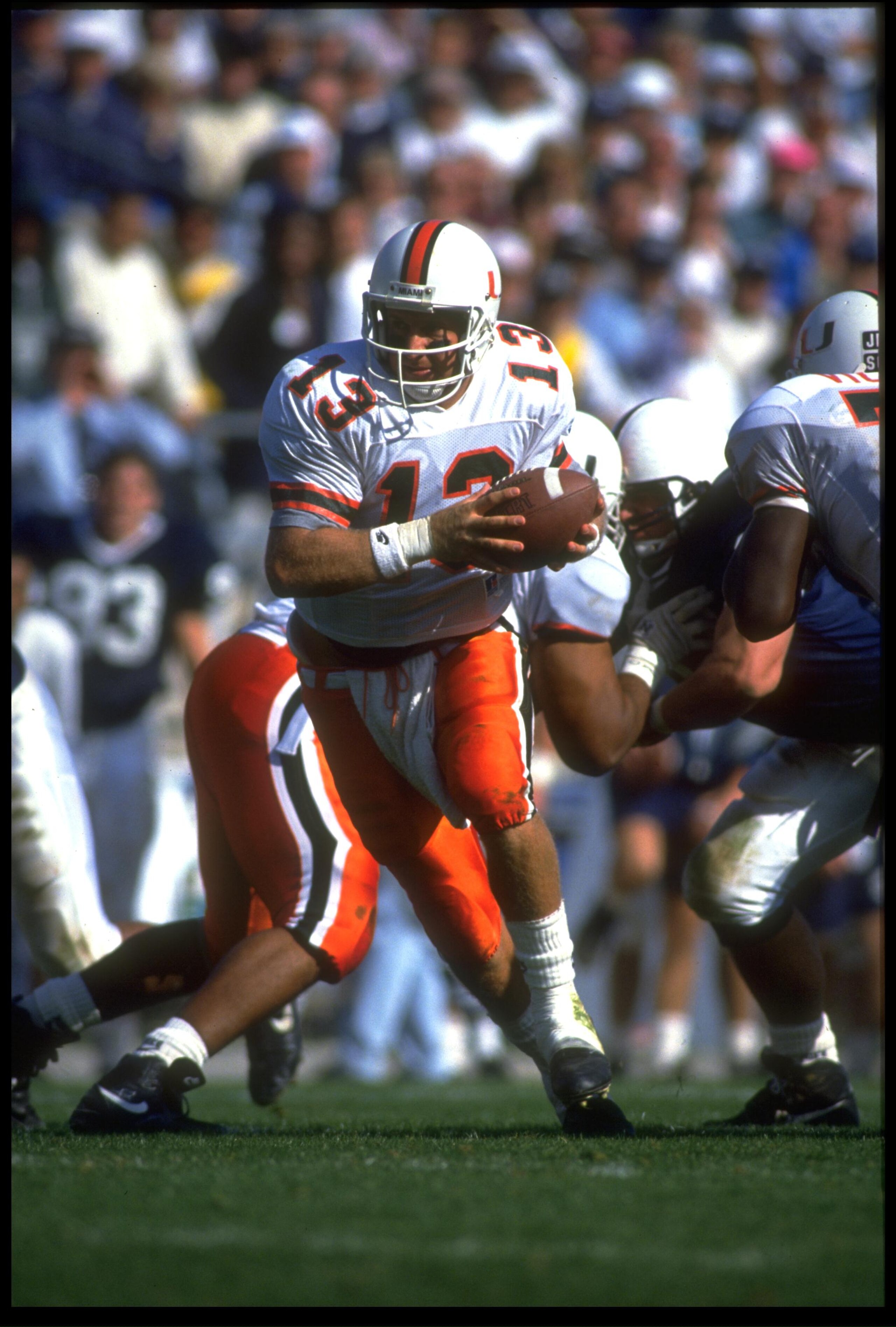
Shouldn't the unbelievably long line of great Miami quarterbacks have cost Torretta votes in 1992. Within the previous 10 years of that season, Jim Kelly, Bernie Kosar, Vinny Testaverde, Steve Walsh and Craig Erickson were all great college players. Torretta just continued the line, which is fine. But it's strange that he didn't even post great numbers (3,060 yards and 19 TDs vs. 7 INTs) OR lead Miami to a National Championship. The Hurricanes could have won the title, had they beaten Alabama in the Sugar Bowl. But they were defeated 34-13 and Torretta did not play well: 24 for 56, 278 yards and no TDs.
Who should have won: Marshall Faulk, San Diego State: Garrison Hearst of Georgia was also a worthy candidate but Faulk was so dominant as a junior that season. Had he posted slightly more mind-boggling numbers than the 1,630 yards and 15 touchdowns, he probably would have overcame the smaller college issue.
Number 6: Ty Detmer, BYU, 1990
5 of 10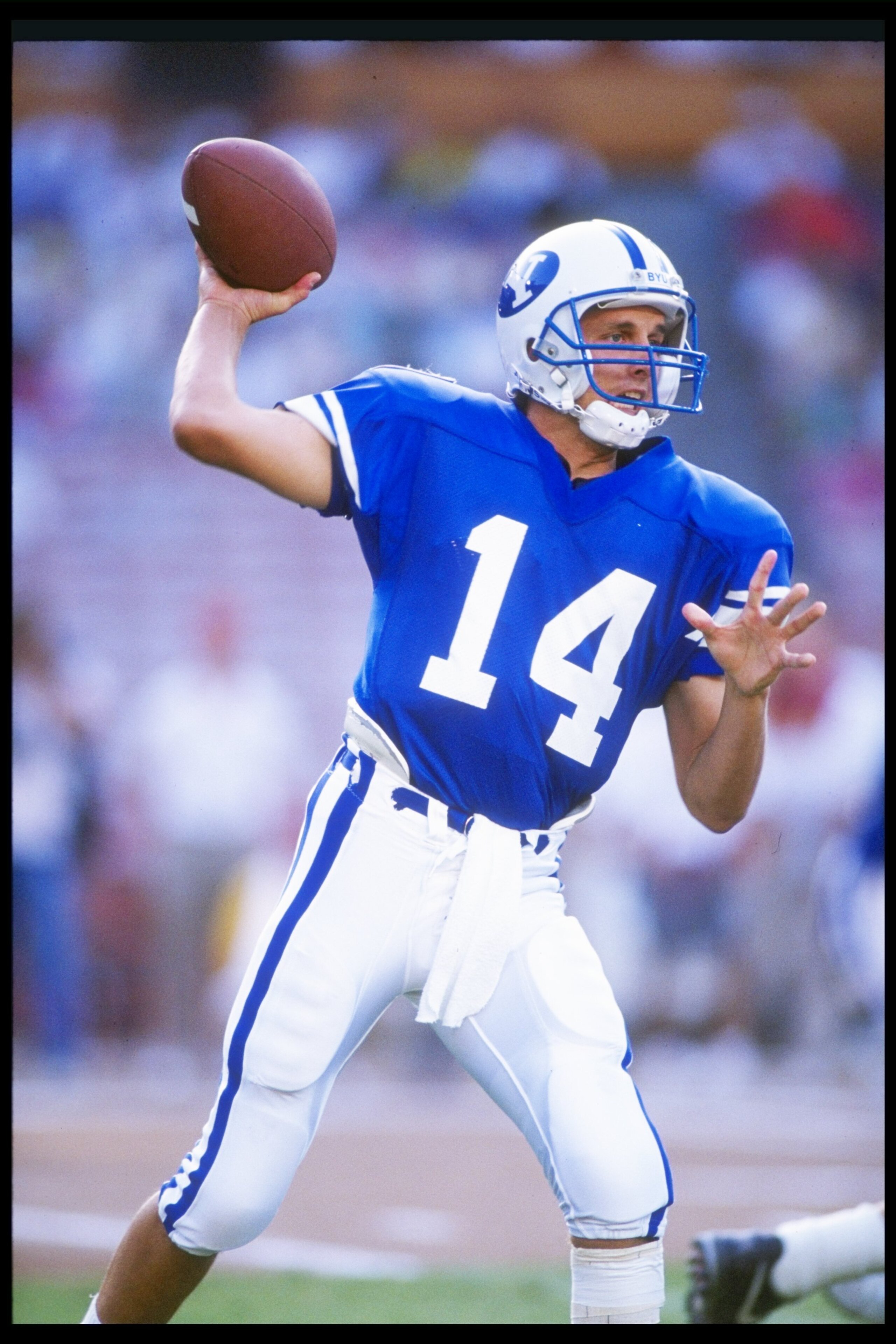
Detmer's junior season--in which he threw for 5,188 yards and 41 touchdowns--was another one of those incredible statistical seasons of the late 1980s, early 1990s. Like the other amazing QBs of his time, Andre Ware and David Klingler, Detmer took advantage of their opportunity. It's not their fault they posted most of their great numbers against teams that weren't powerhouses. Detmer leading the Cougars to an early season win over #1 Miami made him a Heisman front-runner, as did his great stats. But the Cougars lost by 31 points to Hawaii in the last game of the season and were trounced 65-14 in the Holiday Bowl against Texas A&M.
Who should have won: Rocket Ismail, Notre Dame. The Rocket contributed so many great plays on special teams and on offense for the Irish that season. He won the Walter Camp award, was an All-American and finished a close second to Detmer in the Heisman. But because Notre Dame produced such great talent each year (and had already won 7 Heismans....and another Notre Dame wide receiver named Tim Brown, won the award 3 years earlier) Ismail may have been hurt by his school's prestige. This might be a case were people voted for what they thought was the best statistics (Detmer) instead of the best player (Ismail).
Number 5: Pat Sullivan, Auburn, 1971
6 of 10
Sullivan did a great job leading the Tigers to a 9-0 start to the 1971 season. And he would finish the year with 20 touchdown passes and a 57% completion. But Auburn was crushed, 31-7, by their Alabama rival in the last game of the season then defeated soundly by Oklahoma in the Sugar Bowl. The voters might have been rewarding the fine quarterback for his previous season: in 1970, Sullivan, a junior, led the entire NCAA in total offense.
Who should have won: Ed Marinaro, Cornell. It would have been nice to see the award not go to a big-time program. But giving the award to an Ivy Leaguer would have been special, considering the academic workload. (Princeton and Yale each had Heisman trophy winners but no Ivy League player has won it since 1951). Marinaro was a great collegian: his record of 39 average carries per game during the 1971 season remains in tact and that year he led the nation in rushing for a second straight season. Even with the Heisman, though, he probably still would have made all those TV movies.
Number 4: Eric Crouch, Nebraska, 2001
7 of 10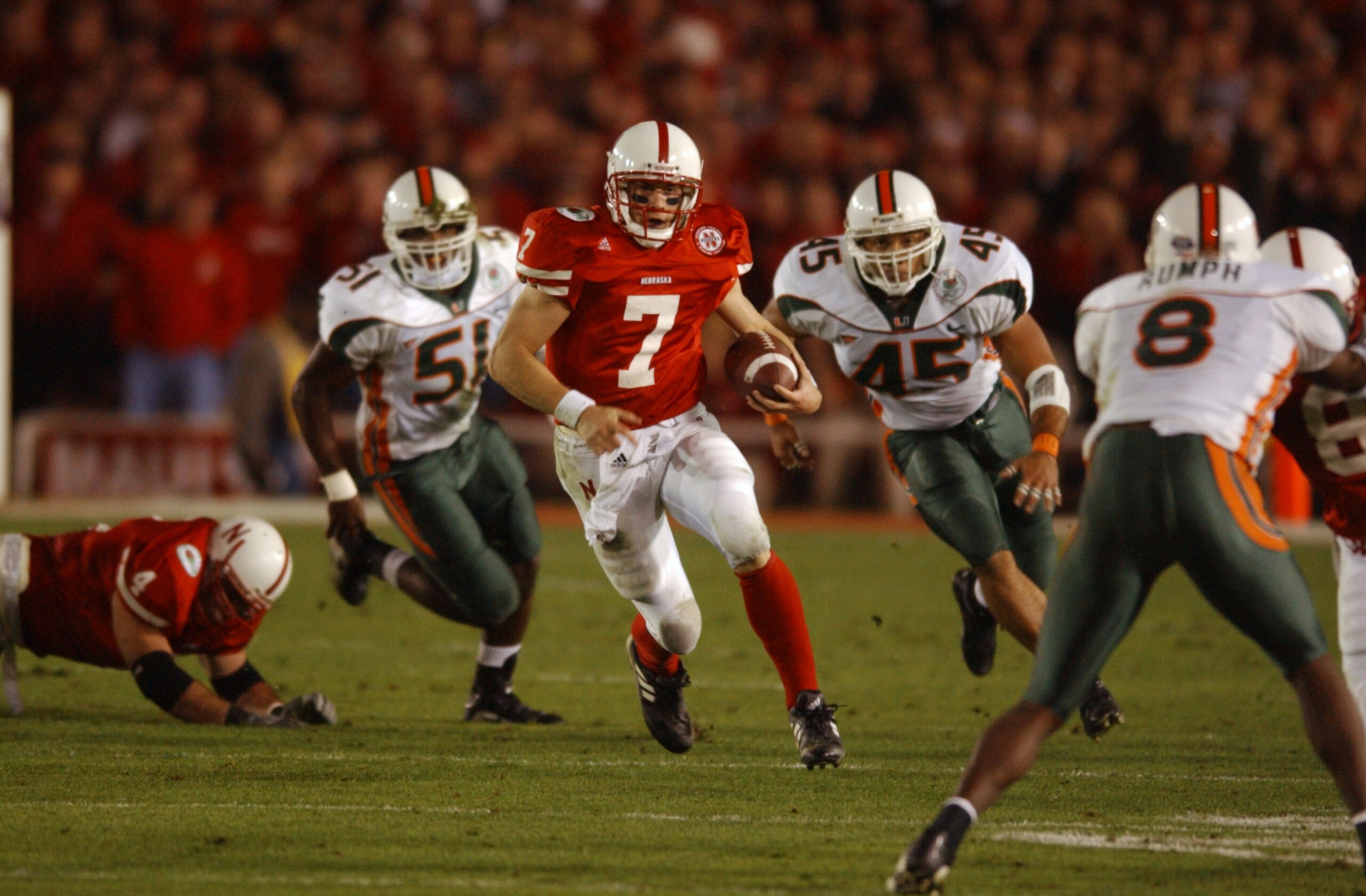
Nebraska benefited from their history twice that season: in the top individual award and the top team honor. The Cornhuskers should not have been playing in the Rose Bowl that year against Miami, the game in which they were thumped 37-14. The debate over whether or not the Hurricanes opponent in that game should have been Oregon, Colorado or Nebraska is for another list but clearly the Heisman trophy winner should not have been Nebraska's quarterback. That year, Crouch broke all of Tommie Frazier's career records and many of the single season ones too. He ran and threw for 1,000 yards which was a big deal for a true option quarterback but his 2001 performance is not why he won the award. This was a case where he was honored for a great career (35-7 as a starter) in Lincoln, NE. Perhaps, he also tallied votes to help make up for Tommie Frazier not winning in 1995.
Who should have won: Rex Grossman. This was one of the closest races ever and it probably should have gone to Grossman. The last of the great Steve Spurrier UF-QB products led the Gators to an 8-1 record late in the season and had they been able to defeat Tennessee late in the season, Florida probably would have been in the Rose Bowl, instead of Nebraska...and Grossman (who led the Gators on a late touchdown drive but couldn't convert the 2-point conversion in that 34-32 loss) probably would have claimed the trophy.
Number 3: Paul Hornung, Notre Dame, 1956
8 of 10
Again, this is another case of someone else just being a little bit more deserving. Hornung was fantastic for the Irish that season, as the team's QB. Naturally, he didn't have outstanding numbers: it was his value to the team as the leading rusher, passer, punter, scorer and contributor on defense that made him the favorite. But Notre Dame was 2-8 that season. How bad would Notre Dame have been in 1956 if they DIDN'T have Hornung?
Who should have won: Jim Brown, Syracuse. Brown's stats weren't great by today's measures but his 986 rushing yards was third best int he nation and he did score 14 touchdowns. He was a unanimous All-American. And the Orangemen were 7-1 going in the regular season--their only loss an early season 14-7 defeat at Pitt--then lost by a single point to TCU in the Cotton Bowl. Brown should have become the first African-American to claim the award, instead of his college and pro teammate Ernie Davis.
Number 2: Reggie Bush, USC, 2005
9 of 10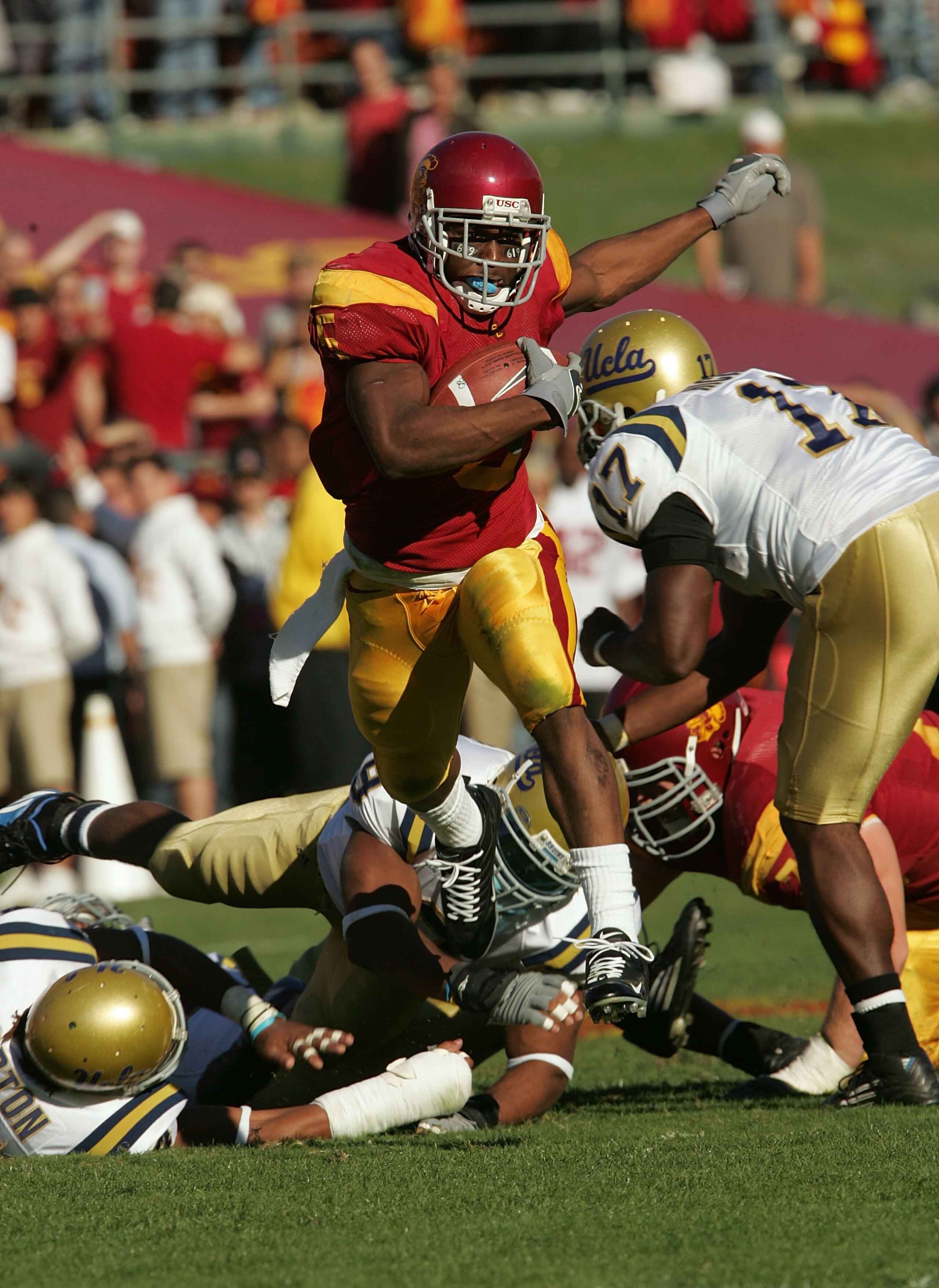
Forget the fact that Bush had his Heisman stripped from him 5-plus years later because of his lack of amateur status. Long before that every college football fan in the nation had an opinion on whether or not Bush was the most deserving player. He was electric and came through in the big game: whether it was that run against UCLA late in the season or just pushing Matt Leinart into the end zone against Notre Dame. But that USC team was as loaded as any in history. With Leinart (the previous season's Heisman winner), LenDale White, Steve Smith, Dwayne Jarrett and a great defense, the Trojans tore through the Pac-10. For a school that already had 4 running backs win the Heisman, Bush was a fine choice (from an athletic standpoint) to win a fifth. But being stripped of the trophy years later severely taints the achievement, even if he will always be remembered as the 2005 winner.
Who should have won: Vince Young, Texas. If they had voted AFTER the Rose Bowl, Young--who embarrassed Pete Carroll's defense throughout the second half with both his legs and arm--probably would have won in a cake-walk. But even before that, Young's ability to get the Longhorns "over the hump" should have earned him the award, Reggie Bush or not; Reggie Bush Scandal or not. His incredible 80-yard touchdown run against Oklahoma State was the signature "Heisman Moment" that should have clinched it.
Number 1: O.J. Simpson, USC, 1967
10 of 10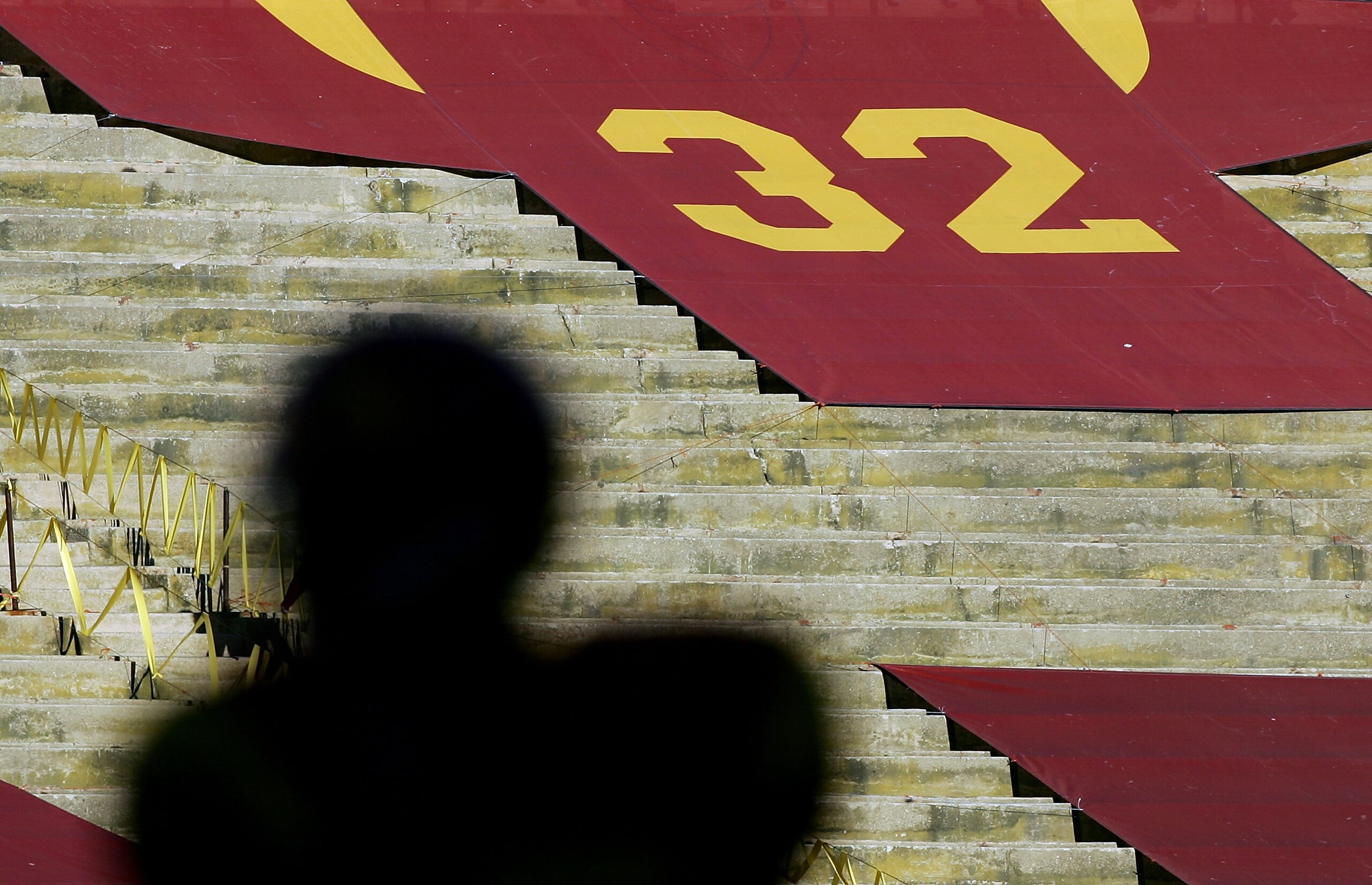
O.J. was the best player, bar-none, in college football that year....maybe any year. He totalled 1,709 yards and 22 TDs as the Trojans went on to play in the Rose Bowl, where they lost to Ohio State. He very well could have won the award a year earlier, when Gary Beban of rival UCLA won. But what happened in June 1994 with the alleged double-homicide will always hang over that years selection. The fate of the actual trophy--first it was stolen, then auctioned off to pay for losing the civil suit in his wife's death--is as pathetic as the fate of the man who won it.
Who should have won: No one. It should just be a vacant space in the record books.



.jpg?w=2560 "NFL investigating Eagles")
.jpg?w=2560 "Jonathan Taylor Landing Spots 📍")