The Bellator Fighting Championships: Five Reasons To Watch
The Bellator Fighting Championships began airing on ESPN for their first season in April of 2009—in the beginning they struggled to get attention of the MMA world outside of the hardcore audience.
Then, at their fifth event in a lightweight tournament semifinal scrap between Jorge Masvidal and Toby Imada, everything changed.
The bout was controlled by the heavily favored Jorge Masvidal for the majority of the encounter until Toby Imada secured an inverted triangle choke that would win submission of the year 2009 and make Bellator FC a youtube sensation.
The following week the trend of the underdog continued—Estevan Payan was considered a heavy favorite to take home the featherweight tournament by many fight insiders, however he was stopped in his tracks by a highlight spinning back fist by opponent Yahir Reyes.
This was dubbed knockout of the year 2009, and to this day is one of the most viewed MMA clips on youtube.
A little over a year later and Bellator is hosting their 26th event just a few hours from now—here's why you should tune in each and every week.
The Future Is Now!
1 of 5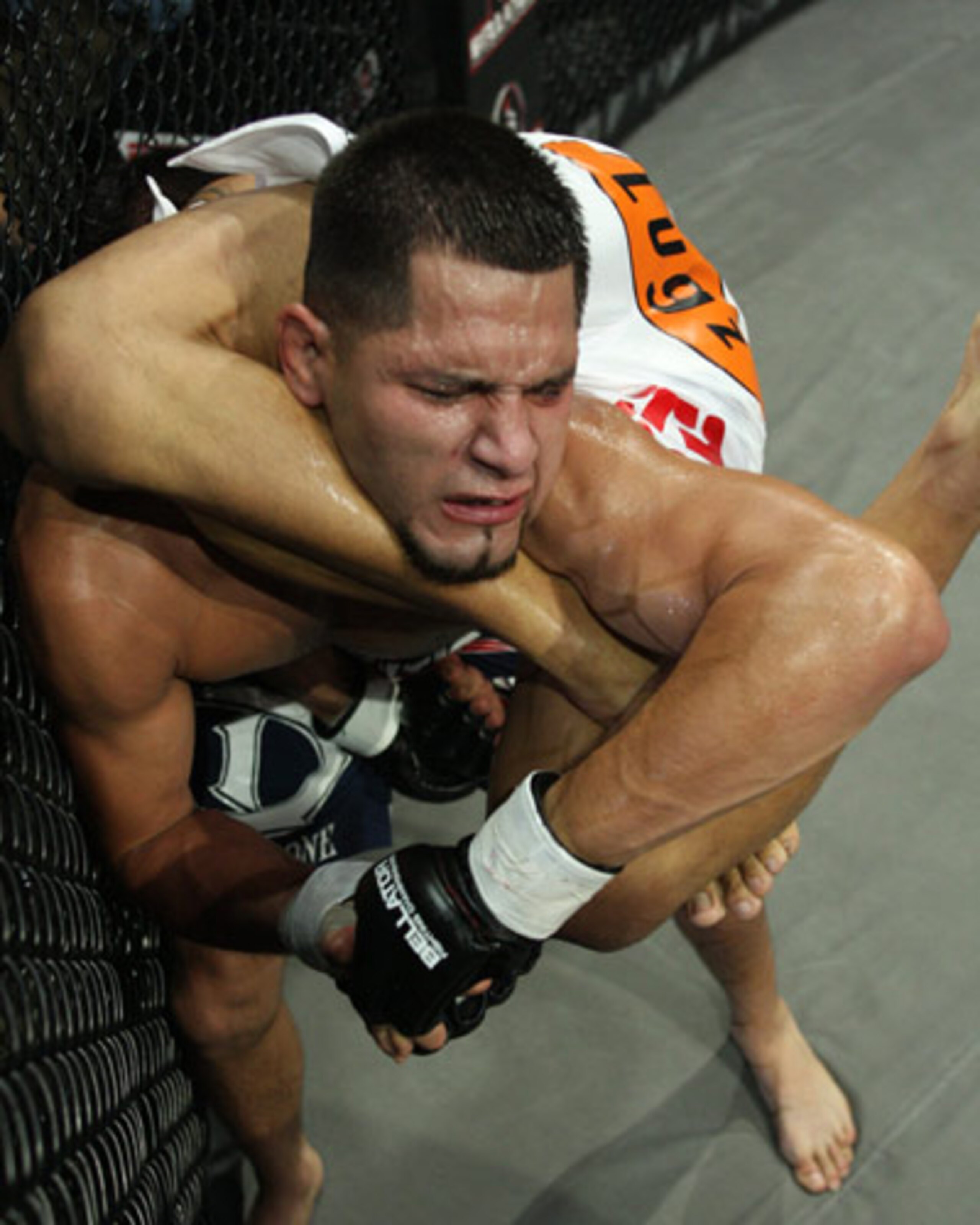
One of the best things about tuning into a Bellator FC event is the diverse range of talented fighters.
Whether they are established names in the sport like middleweight destroyer Hector Lombard or lightweight sensation Roger Huerta, or they're young, talented fighters that the public may not know...yet.
Sam Caplan—the VP of talents relations and current match maker has done an excellent job of getting multiple future superstars in this sport under contract and giving them a chance to shine on free-to-air television.
Five years from now I can guarantee you names like Joe Warren, Joe Soto, Ben Askren, Eddie Alvarez, and Jorge Masvidal will all be notable names in this sport whether they continue to grow with Bellator or move on to brighter pastures and bigger opportunities elsewhere.
Focus On Women's MMA
2 of 5
Bellator returned with their third season two weeks ago with an exciting fight card—the biggest difference between this event compared to the 23 that come before it was the addition of a women's 115 pound tournament.
Bellator gathered an excellent group of females to compete for their first ever women's championship including consensus pound-for-pound queen of MMA, Megumi Fujii, experienced wrestler Lisa Ward, and the ever-improving Jessica Aguilar, just to name a few.
To date we have seen three tournament bouts: Megumi Fujii stopped newcomer Calra Esparza with an arm bar, Jessica Aguilar submitted Lynn Alvarez with a slick arm triangle submission, and Zoila Frausto slugged her way to a decision over the heavily favored Jessica Pene.
On tonight's Bellator 26 card we have the undefeated Aisling Daly facing her toughest opponent to date: the consensus No. 4 ranked 115 pound female in the world, Lisa Ward.
Weekly Fight Cards
3 of 5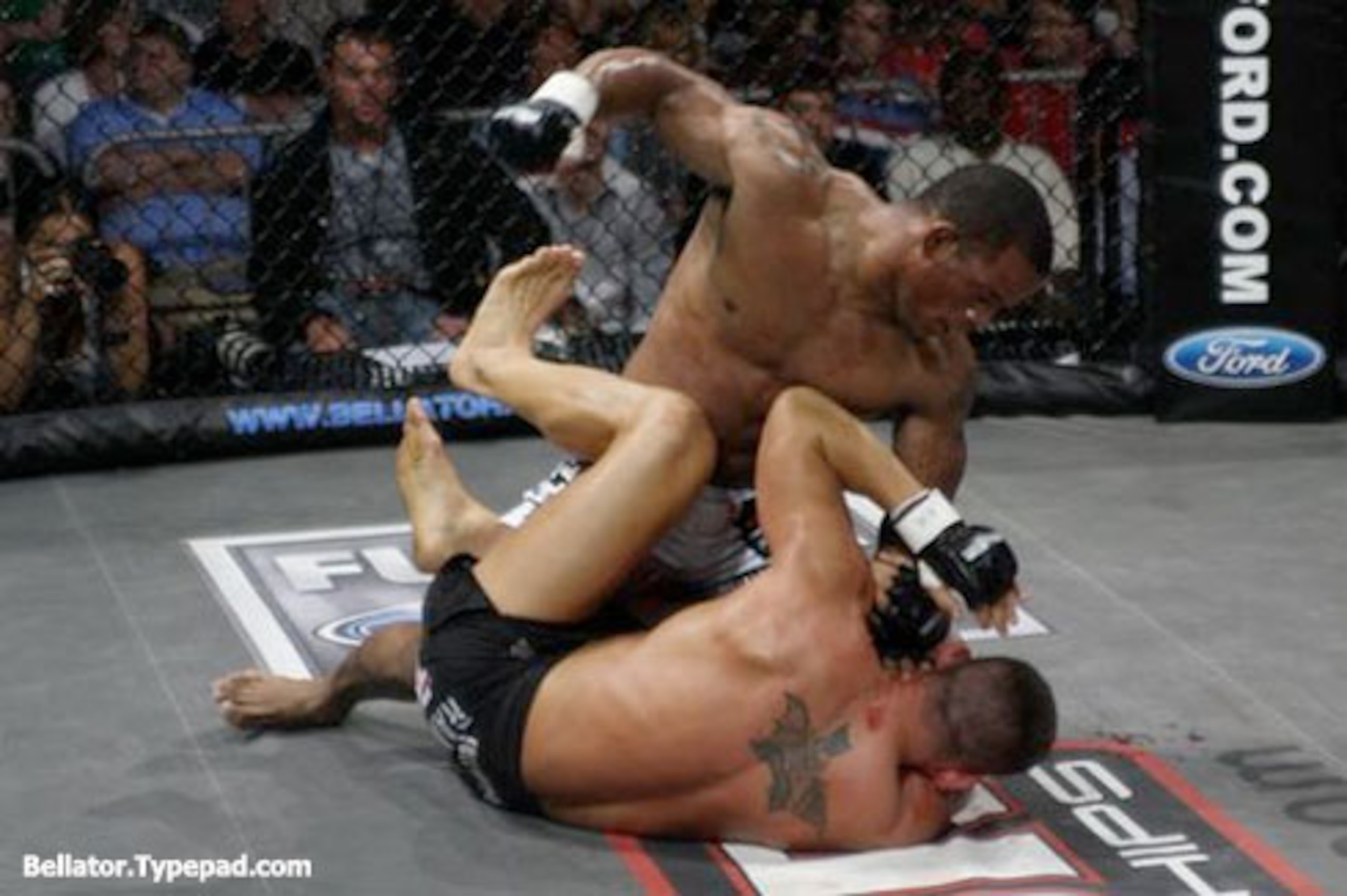
The season format is the thing that makes Bellator FC stand out from the rest of the pack—instead of events being held every month or two, they host their events in a series of 11 or 12 exciting fight nights.
Bellator has continually grown as an organization, and they are bringing in an audience of followers along the way.
The first season crowned their first-ever champions at middleweight, welterweight, lightweight, and featherweight while the second season determined the number one contenders for the title holders.
In the third season they are set to crown their first ever heavyweight, bantamweight, and women's champions.
You can tune in to Bellator each and every week during its air dates and catch a compelling fight card with a little bit of everything ranging from heavyweights to lightweights to women.
.jpg?w=2560 "Seahawks Chiefs Football")


Tournament Format Done Correctly
4 of 5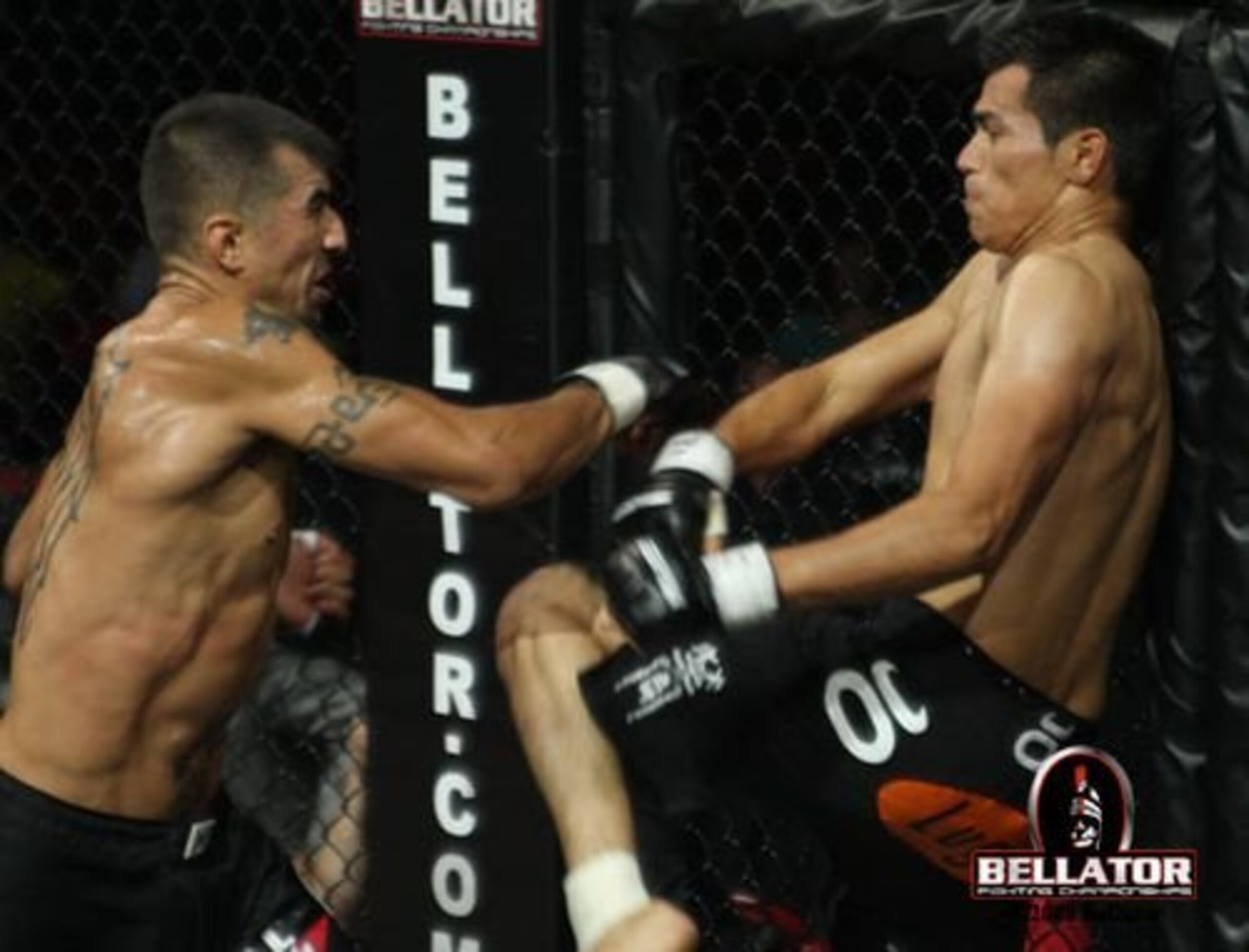
Tournament fighting—placing two martial artists in a cage to see which discipline will win out over the other was an intriguing concept in the beginning—and it's what put our great sport on the map
Over time the tournament style has faded away as a regular aspect of the MMA game because of many flaws, most notably fighter injuries.
Take Sengoku's featherweight grand prix for example—the semifinal bout between Hatsu Hioki and Masanori Kanehara was controlled by Hioki who picked up a unanimous decision on the judge's score cards, but was unable to continue in the tournament.
In his place stood the man he defeated minutes prior. Kanehara would go on to capture the featherweight championship by defeating Michihiro Omigawa.
Bellator has found the solution to this problem by not having their fighters compete twice in the same event, but having them compete three times over a period of three months to capture the title at their desired weight class.
The Promotion On The Rise
5 of 5
In the past two years Bellator FC has done more to grow as an organization than any other non-Zuffa promotion.
In a little over a year Bellator has gone from just another MMA promotion out there who had a few notable names on their roster, to a commonly watched fight product.
The thing I love about Bellator is they're not aiming to dethrone the UFC as the undisputed kings of the sport right now—they are focusing on putting on the best possible show they can.
And this is only the beginning, as the sport continues to grow at a rapid rate and Bellator expand their horizons, I think they will become a more notable company, and in time I would not be surprised if they are the No. 2 MMA promotion in the world.