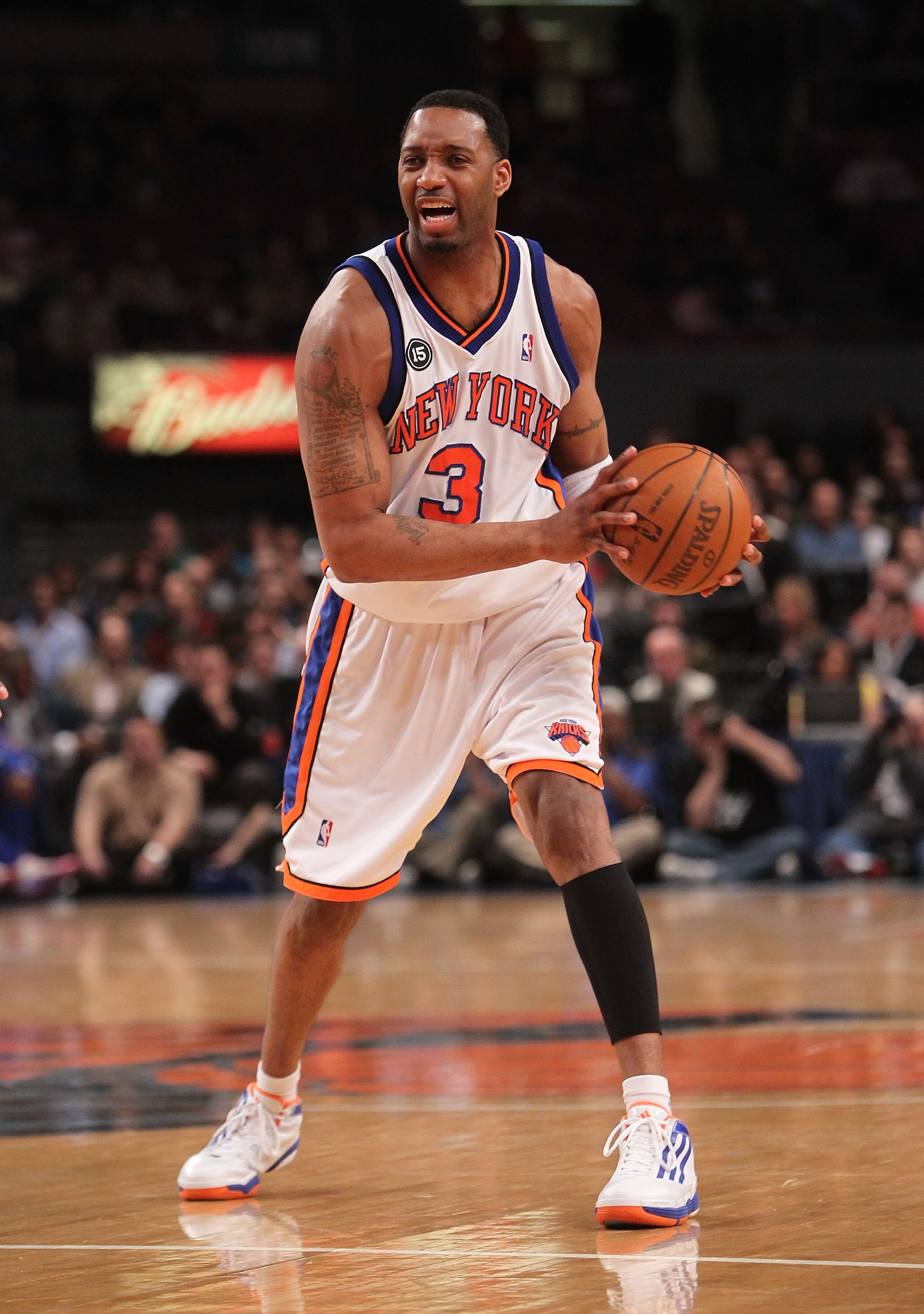

Revised Trade Grades: Who Fared Best at the NBA Trade Deadline?
Typically, the trade deadline is a lot of talk and not a lot of dealing. Every year, blockbuster trades are reported as close, but rarely do big trades ever occur.
Fortunately enough for NBA writers, this was the year that finally lived up to the hype. Tracy McGrady finally was granted his wish in a trade to New York, Kevin Martin found a new home in Houston, and Caron Butler and Brendan Haywood came to Dallas in a blockbuster trade.
If Amare Stoudemire had been traded to Houston as was rumored, the trading season would go down as arguably the biggest ever. But still, it was a time that could define the league for the next five years.
Houston found its wing scorer they had needed ever since McGrady's demise, Chicago, Los Angeles, and New York all cleared cap room for the fabled 2010 free agency, Washington held a fire sale, and the Wolves...well, they got Darko.
So who came out on top? You'll have to read to find out.
Nate Robinson to Boston
1 of 12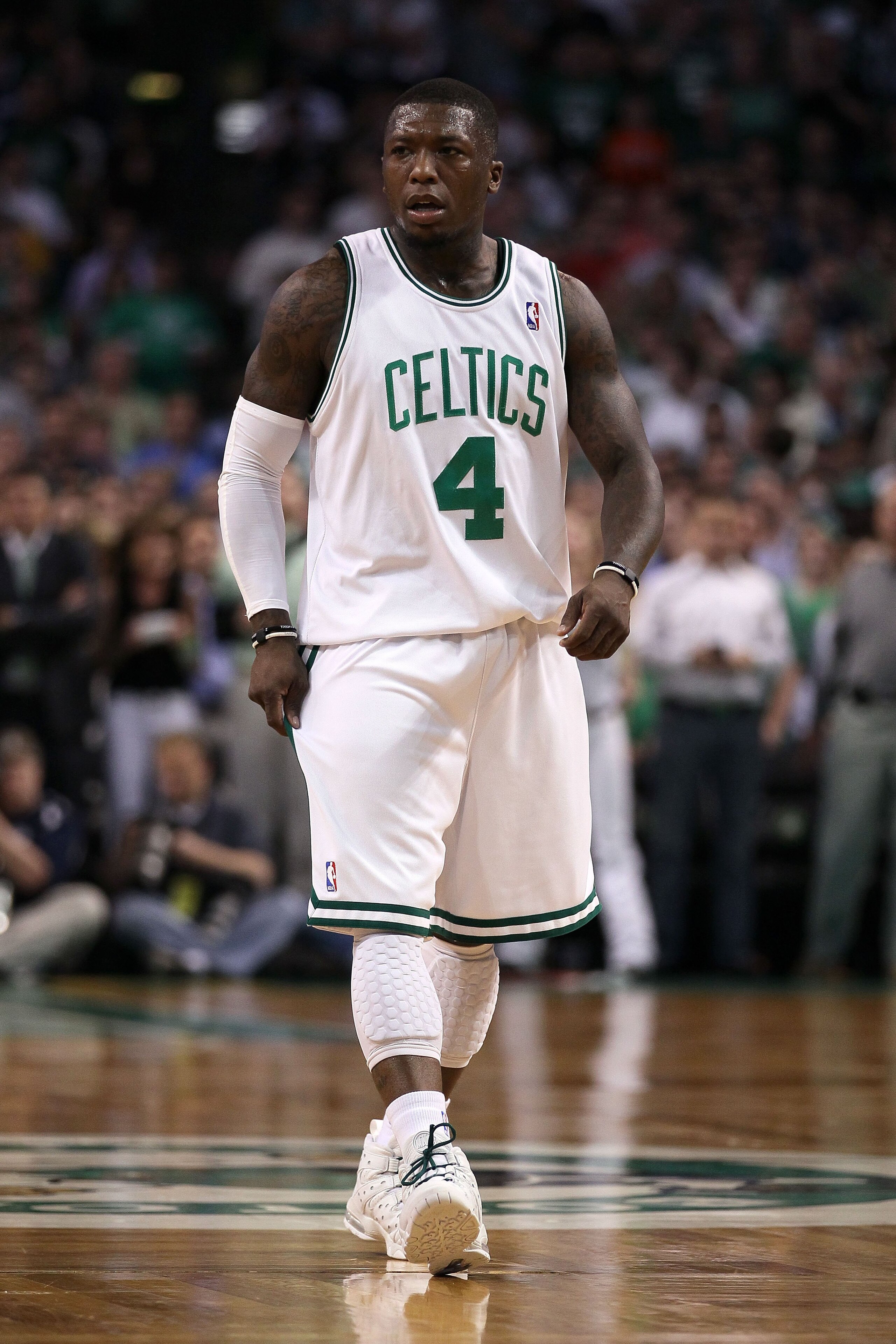
Celtics receive: Nate Robinson and Marcus Landry
Knicks receive: J.R. Giddens, Bill Walker, and Eddie House
Celtics: With Eddie House's shot no longer falling and their bench scoring disappointing, the Celtics were in dire need of a scoring punch off the bench. Nate Robinson provided that scoring punch somewhat during the regular season, averaging seven points and two assists per game in 15 minutes of playing time a night.
During the playoffs, Robinson disappeared before a thunderous reemergence in the clincher against Orlando, scoring 13 points in the first half with Rajon Rondo hurting on the bench.
Considering how little they gave up for him, it turned out to be a smart move.
Grade: B
Knicks: For New York, anything they could get for Robinson was gravy. He wasn't playing for them and he obviously did not have a future with the team. And in Bill Walker, they may have found a decent player.
Under contract for just $850,000 next season, he may have a future with the Knicks, a team eager for cheap players to fill out their roster if they can sign two max free agents. He shot the lights out and kept his turnovers down, showing the Knicks enough to start him 13 games as the year went along.
Still, for a player like Robinson, they should have demanded a draft pick in return, because if they can't sign two big names this offseason, the outlook is fairly grim for a team that doesn't own their own first-round pick for the next three years.
Grade: C
Kevin Martin to Houston, Carl Landry to Sacramento, and T-Mac to NY
2 of 12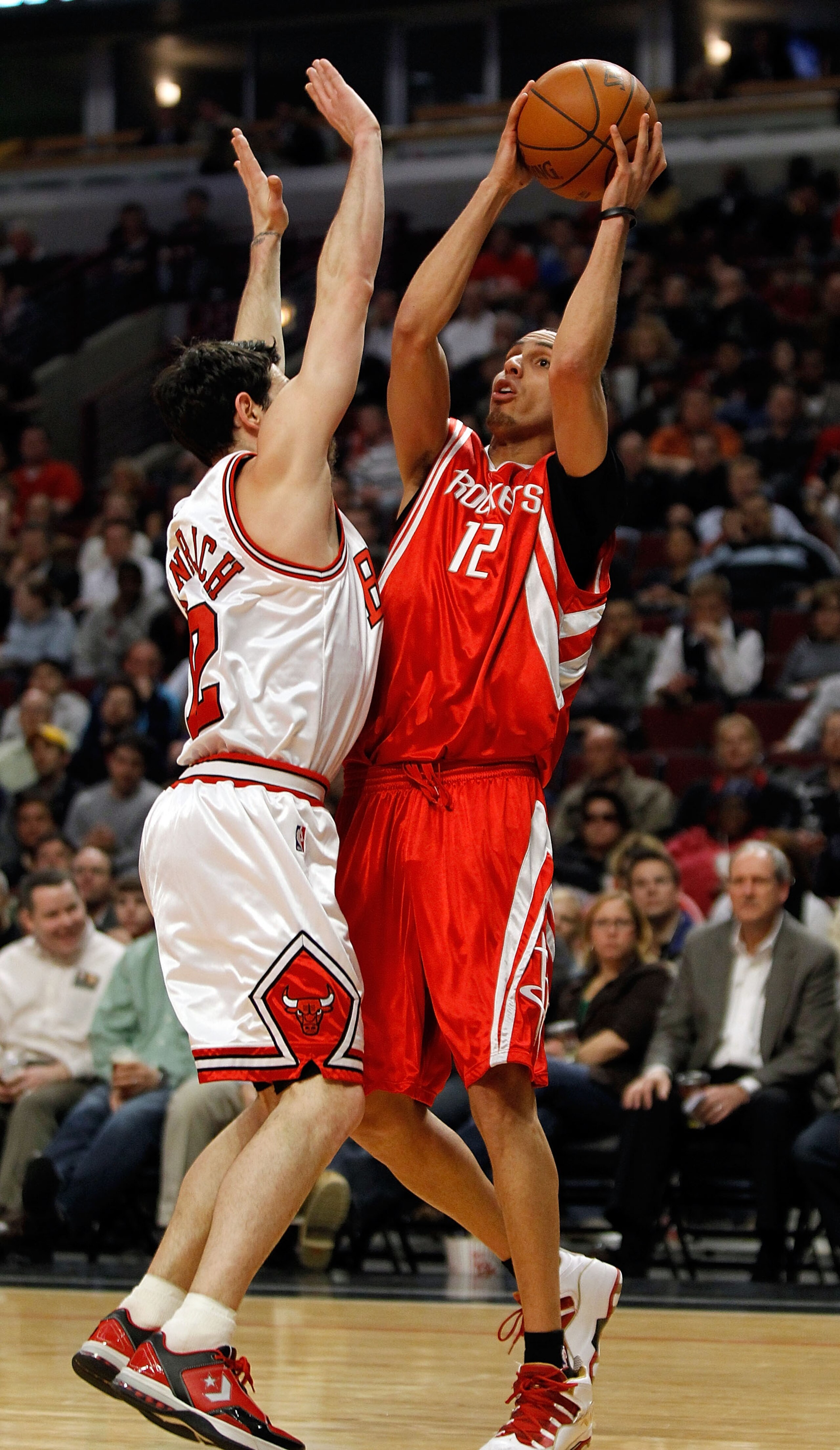
Houston receives: Kevin Martin (from Sacramento), Hilton Armstrong (from Sacramento) Jordan Hill (from NY), Jared Jeffries (from NY), the option to swap first round picks with the Knicks in 2011 (top one protected), and the Knicks first round pick in 2012 (top five protected)
Sacramento receives: Carl Landry (from Houston), Joey Dorsey (from Houston), and Larry Hughes (from NY)
New York receives: Tracy McGrady (from Houston), Sergio Rodriguez (from Sacramento)
Houston: The three way deal is basically two separate trades, Carl Landry (and filler) for Kevin Martin and Tracy McGrady for Jordan Hill, Jared Jeffries, and the Knicks' draft considerations.
The first part, acquiring Kevin Martin proved to be a fairly even trade for Sacramento and Houston. However, while Carl Landry and Kevin Martin are fairly evenly matched, the deal made a lot of sense for Houston because of their desperate need for wing scoring.
With Luis Scola a scorer in the post and Yao Ming coming back next year, Carl Landry was not as important to the team anymore. However, with Shane Battier and Trevor Ariza on the wings, the Rockets were completely devoid of scoring from their guards outside of Aaron Brooks.
Ariza attempted to score, but that just led to turnovers and losses for the Rockets. The fact is that acquiring Martin made them a more balanced team.
The second part of the trade was where Daryl Morey did his best work. Nabbing Jordan Hill and a potential ticket to the lottery for two years in a row just to take Jared Jeffries off the Knicks' hands was incredible.
Jordan Hill did not play much in New York, but hit his stride in Houston, establishing himself as a strong rebounding big man with a decent feel around the basket and a shot blocking mentality.
Grade: A
Sacramento: The Kings did well to not give away one of the league's most underrated players away for an expiring contract, managing to acquire stud power forward Carl Landry as well.
With Spencer Hawes and Jason Thompson already entrenched in the middle, the Kings had a nice start to building a strong frontcourt, but didn't have anyone who could score like Carl Landry.
Additionally, by ditching Kevin Martin, they made sure that Tyreke Evans knew this was his team.
Martin and Evans were like oil and water, and in ridding themselves of this unfortunate pairing, they also opened up almost $10 million to spend on free agents or to put in their pockets next year, a crucial measure for a team short on cash.
Grade: A-
New York: The Knicks had better hope that LeBron comes to New York, because if he doesn't, they are going to look very, very dumb. Giving up so many assets just to rid themselves of a $7 million commitment next year is not only irresponsible, but just plain dumb.
Why would LeBron want to come to New York now? They have a few nice players in Danilo Gallinari and Wilson Chandler, a borderline point guard in Toney Douglas, but none of their own first-round picks the next three years. If LeBron truly wants to win, New York is not the place to do it.
Grade: D
Tyrus Thomas to Charlotte, Flip Murray and Acie Law to Chicago
3 of 12
Bobcats receive: Tyrus Thomas
Bulls receive: Acie Law, Ronald "Flip" Murray, future first-round pick
Bobcats: With their frontcourt struggling all year, most notably Boris Diaw and Tyson Chandler, the acquisition of Thomas proved to be exactly what they needed to propel themselves to their first-ever playoff bid.
He provided good bench play and his standard shot-blocking in his 25 games with the Bobcats but is a free agent this summer.
If the Bobcats can manage to resign him at a reasonable rate, their grade will go up, but for now, giving up a future first-round pick for a potential rental is dangerous.
Grade: C+
Bulls: The Bulls were tired of the poor match that was a Joakim Noah and Tyrus Thomas frontcourt and benched Thomas, instead giving playing time to Taj Gibson.
This move marked the end of a disappointing era which was filled with hope after they drafted him with the second pick in the 2006 NBA draft.
Still, getting a first round pick was a good move for the Bulls, who no longer had a pressing need for Thomas after the acquisition of Hakim Warrick.
Acie Law and Flip Murray gave decent production for what they were expected to do, but they were never the reason why the Bulls made the deal.
Grade: B



Theo Ratliff Dealt to Charlotte
4 of 12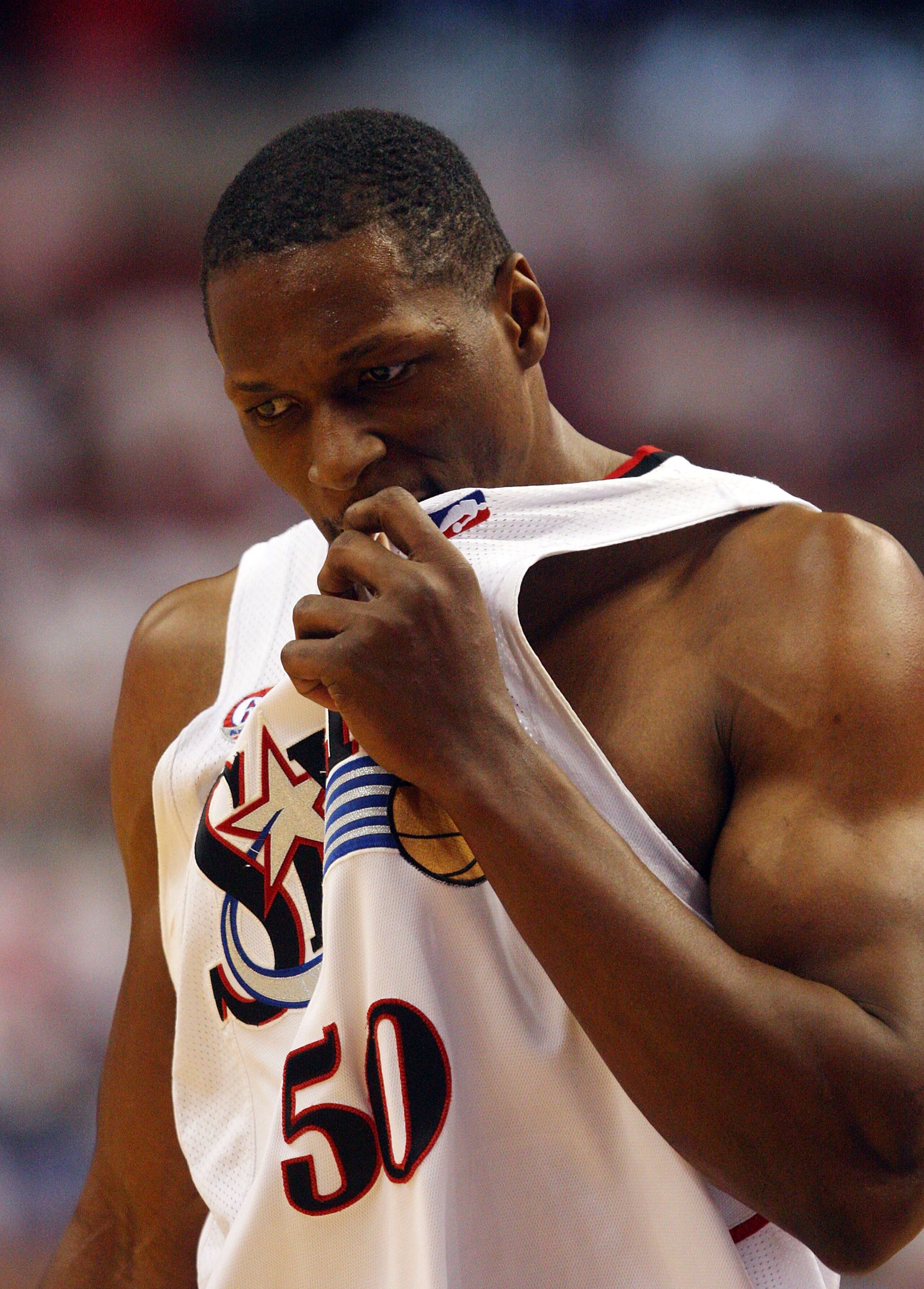
San Antonio receives: Conditional second-round pick
Charlotte receives: Theo Ratliff
Spurs: Theo Ratliff wasn't playing for the Spurs, so the move was a salary dump for the luxury tax paying Spurs.
The ubiquitous "conditional second round pick" will never be received, simply a smooth circumvention of league rules designed to stop one-sided trades of this sort.
It saved the team a bit over a $1 million, so at least San Antonio saved themselves some money.
Grade: B
Charlotte: The Bobcats managed to land Theo Ratliff's expiring contract! While the deal was a salary dump for the Spurs, the Bobcats actually had a use for Ratliff, as he played over 20 minutes a game and gave his standard replacement-level production.
He gave them some added depth at the center position, and for a team that made its first-ever playoff appearance, it was a solid, but unspectacular move.
Grade: B
Dominic McGuire Sent to Sacramento
5 of 12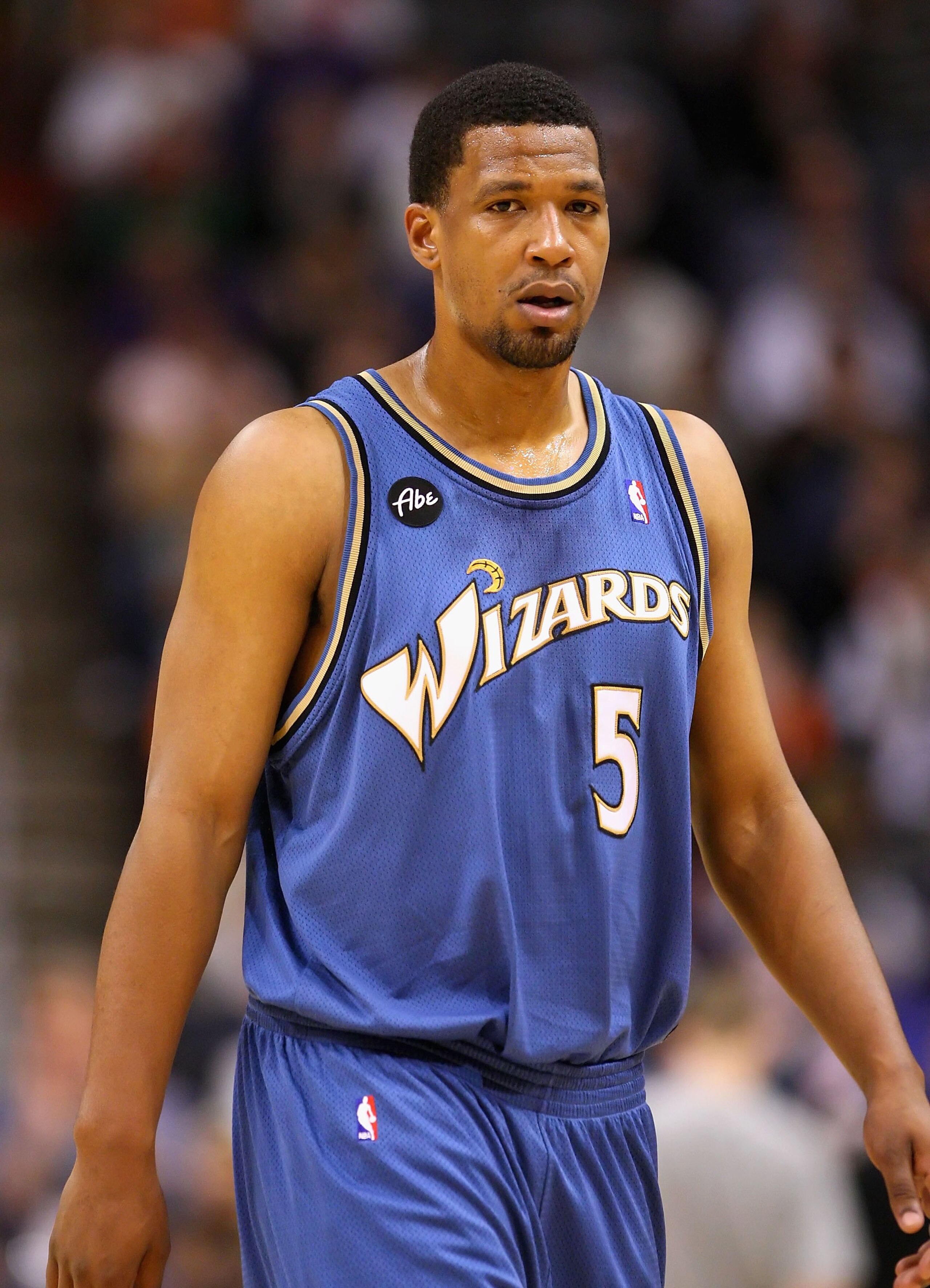
Sacramento receives: Dominic McGuire and cash considerations
Washington receives: Conditional second-round pick
Sacramento: The Kings manage to make money while taking on a player, acquiring McGuire and enough cash to cover his salary (and then some).
The only cost to them was the extra hotel rooms that they needed to rent for the rest of the season. Basically, they got a free look at a player that could stick in the league for his defense (probably not though).
Grade: A
Washington: They managed to get under the luxury tax with this trade, a good move that allowed them to strike a better bargain with Zydrunas Ilgauskas.
With the added leverage of not having to buy out Ilgauskas to get under the tax line, they were able to save a bit more money. They did, however, have to give up on a player who had been with the team for three years. But in the long run, who cares?
Grade: B+
Grizzlies Nab Ronnie Brewer
6 of 12
Utah receives: Protected 2011 first-round pick
Memphis receives: Ronnie Brewer
Utah: After the re-signing of Paul Millsap and the Carlos Boozer, Mehmet Okur, and Kyle Korver's acceptance of their player options, the Jazz were in major financial trouble, sitting well above the luxury tax line. While the Matt Harpring trade helped their bottom line, the Ronnie Brewer trade saved them another $3 million.
However, other than from a financial standpoint, this move made no sense for the Jazz. Brewer was playing well and was making just under $3 million this year. They definitely could've used him in the playoffs so this trade was a big letdown.
They didn't even get under the luxury tax with the move.
Grade: D+
Grizzlies: With such a horrific bench, the Grizzlies needed a big upgrade. While he got injured soon after the trade, as a restricted free agent, he will be with the Grizzlies for the long haul.
Because of his strong defensive instincts and slashing ability, Brewer has the ability to hurt opposing teams without handling the ball at all times, a valuable asset on a team like the Grizzlies. He looks to be a great fit for the Grizzlies for the next few years going forward.
Grade: A-
Milwaukee and Philadelphia Take Each Other's Garbage
7 of 12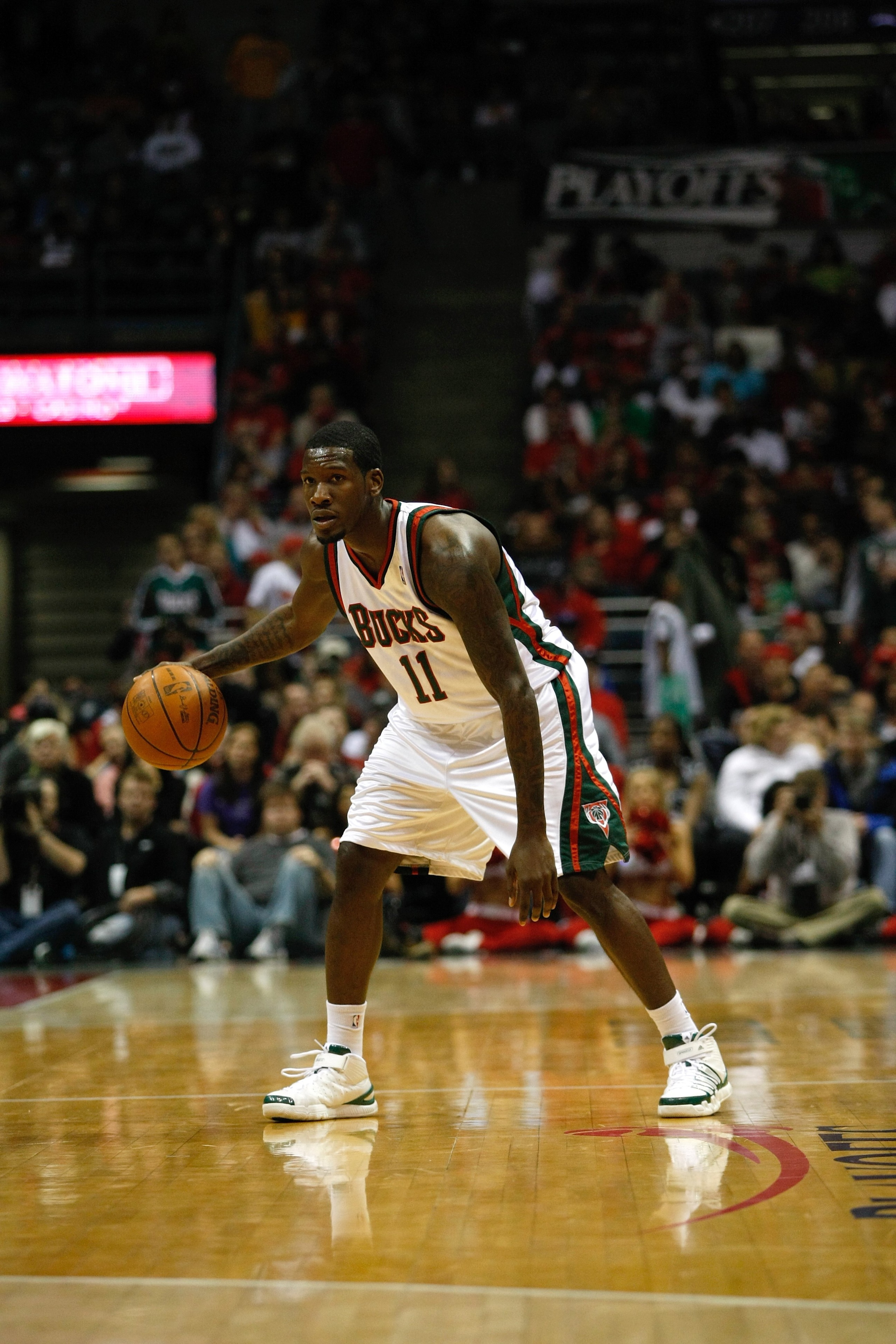
Milwaukee receives: Royal Ivey, Primoz Brezec, 2010 second-round pick
Philadelphia receives: Jodie Meeks, Fransisco Elson
Milwaukee: With the logjam they had at shooting guard created by the John Salmons trade, Jodie Meeks was expendable and Fransisco Elson didn't appear to have much of a role on the team with Kurt Thomas and Andrew Bogut ahead of him.
They could have used Elson after the injury to Bogut, but getting a second rounder in return for an expendable player was a solid move by the Bucks.
The players they received were not important, Ivey is a third-string point guard and Brezec is one of the worst players ever to play in the NBA, but the second-rounder could eventually pan out.
Grade: B
Philadelphia: After a rough start in Milwaukee, grabbing Meeks looked like a great move at the small cost of a second-round pick. His three-point shooting went up 10 percentage points, and he shot much better from the field.
In a pretty low-key move, the Sixers found a potential future rotation man.
Grade: B+
Cavaliers Snag Antawn Jamison in Three Way Deal
8 of 12
Washington receives: Zydrunas Ilgauskas (from Cleveland), rights to Emir Preldzic (from Cleveland), 2010 first round pick (from Cleveland), Al Thornton (from LA Clippers)
Cleveland receives: Antawn Jamison (from Washington), Sebastian Telfair (from LA Clippers)
LA Clippers receive: Drew Gooden (from Washington)
Washington: In basketball talent alone, the trade was a complete and utter joke on the part of the Wizards. However, given their struggles and unfortunate circumstances with a certain point guard, it was a necessity.
By ridding themselves of Jamison's contract, the Wizards put themselves in a position to win big in free agency come July 1.
The only problem is that nobody wants to go to Washington. Still, armed with John Wall and hordes of cap room, the Wizards' rebuilding process should not be that long now that they admitted their mistake and are ready to start over.
However, they should have demanded more than the 30th pick in the draft for Jamison, perhaps in the form of the enticing J.J. Hickson.
Grade: B
Cleveland: In the aftermath of the trade, the Cavaliers were almost unanimously praised in their acquisition of Jamison, as they basically added Jamison for nothing. Here is an excerpt of John Hollinger's assessment of the trade:
I can already hear the league's other GMs scoffing: "Sure, it's easy to make a deal when you're willing to spend more than anyone else." That said, I love this deal for the Cavs. Loveitloveitloveitloveitloveit. They hit a home run here.
I hate to disagree with John Hollinger, but for the Cavaliers I hate this deal. Hateithateithateithateithateit. Unlike Amare Stoudemire, Antawn Jamison is not the kind of player that keeps LeBron in Cleveland.
Additionally, while Stoudemire's defense is not exactly All-NBA worthy, there is no way he would get pushed around like a shopping cart all playoffs like Jamison.
With $28 million coming to him the next two years, this deal could prove disastrous for the Cavaliers if LeBron decides to leave town. Given the team's shoddy effort this postseason, that possibility is looking to be pretty likely.
He'd almost singlehandedly destroy the rebuilding effort, because if they didn't make this trade, they would have significant cap room this summer in the event of a LeBron James exodus.
Also, taking on Sebastian Telfair, an almost laughably bad player, was another unnecessary move to take on money.
Grade: F
Los Angeles: For the Clippers, this move was a straight salary dump. Getting rid of Al Thornton and Sebastian Telfair was a good move, giving them enough cap room to offer a max contract this summer.
Thornton showed flashes of potential in his years, but to get rid of almost $5 million to spend on free agents will prove to be a good move as the Clippers look to rebuild around the core of Baron Davis, Eric Gordon, Blake Griffin, and Chris Kaman.
Grade: A-
Bucks Grab John Salmons
9 of 12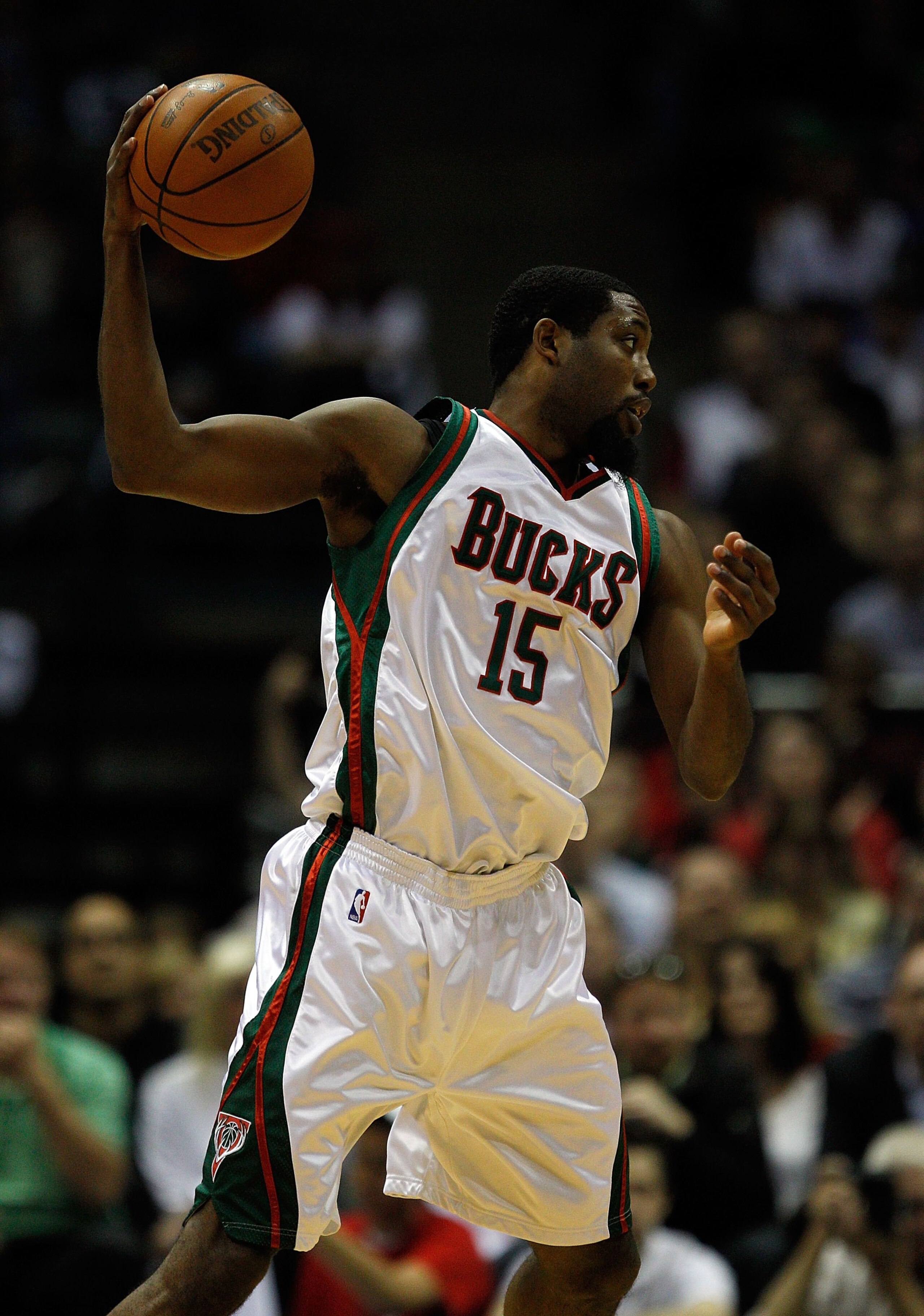
Bucks receive: John Salmons, option to swap 2010 first round picks with the Bucks (top 10 protected)
Bulls receive: Joe Alexander, Hakim Warrick
Bucks: In a shrewd move, the Bucks managed to land the shooting guard they needed to shore up their wing rotation without giving away any major assets and pushed them into the playoffs for the first time since 2006.
Continuing his success after being traded for the second time in as many years, Salmons broke out of a season long slump after the trade to Milwaukee, shooting more and more efficiently in his 30 games with the Bucks.
He may have struggled in the playoffs, but the move was a huge win for Milwaukee, who upgraded their talent significantly with this deal.
The reason that the Bucks were able to land such a superior talent was because of his contract situation. He was scheduled to make $5.8 million next year, a player option; however, because of his good play with the Bucks, he is expected to opt out.
Thus, even if Salmons moves on in the offseason, the trade becomes a swap of rental players, and the Bucks clearly got the better player in the exchange.
Grade: A-
Bulls: The entire motivation for this trade was financial. In order to clear enough cap room for a max free agent this summer, the Bucks needed to get rid of Salmons, and this move was a disappointing but necessary move.
Warrick produced decently for the Bulls after the trade, and Alexander was merely a throw-in for salary cap considerations but the move was not about who they got in return.
If they can land a big name free agent, whether it be LeBron James or Dwyane Wade, their grade will skyrocket, but for now it was a risky move that may pay off.
Grade: B-
Timberwolves Acquire Former No. 2 Pick
10 of 12
Minnesota receives: Darko Milicic
New York receives: Brian Cardinal
Minnesota: In a fairly low key move, the Timberwolves added Milicic in exchange for Brian Cardinal, costing them almost $1 million in the differences in salary.
Expecting little except a minor upgrade in interior defense, Milicic proved to be a great fit with the Wolves, compensating for Al Jefferson's defensive inadequacies and giving them reason to re-sign him.
Cardinal wasn't really playing and he eventually resigned with the Timberwolves, so in basketball value, the Timberwolves made a significant upgrade.
The money was not a huge sum, so the look they got at Milicic appears to be the right move.
The only downside of the deal appears to be the fact that Milicic cut into promising forward Kevin Love's playing time, potentially hindering his development into the player he could become.
Grade: B+
Knicks: The Knicks saved more than $1 million by making this trade, but it brought forward many questions to the forefront about who is running the Knicks.
Given the fact that Al Harrington, Danilo Gallinari, and David Lee were the three biggest frontcourt contributors for the Knicks, couldn't they have used Milicic's defense inside?
The Knicks went out on a limb to acquire him, yet sat him on the bench all year, a puzzling move for a franchise that has gone nowhere for a very long time.
Grade: C-
Camby Dealt to Blazers
11 of 12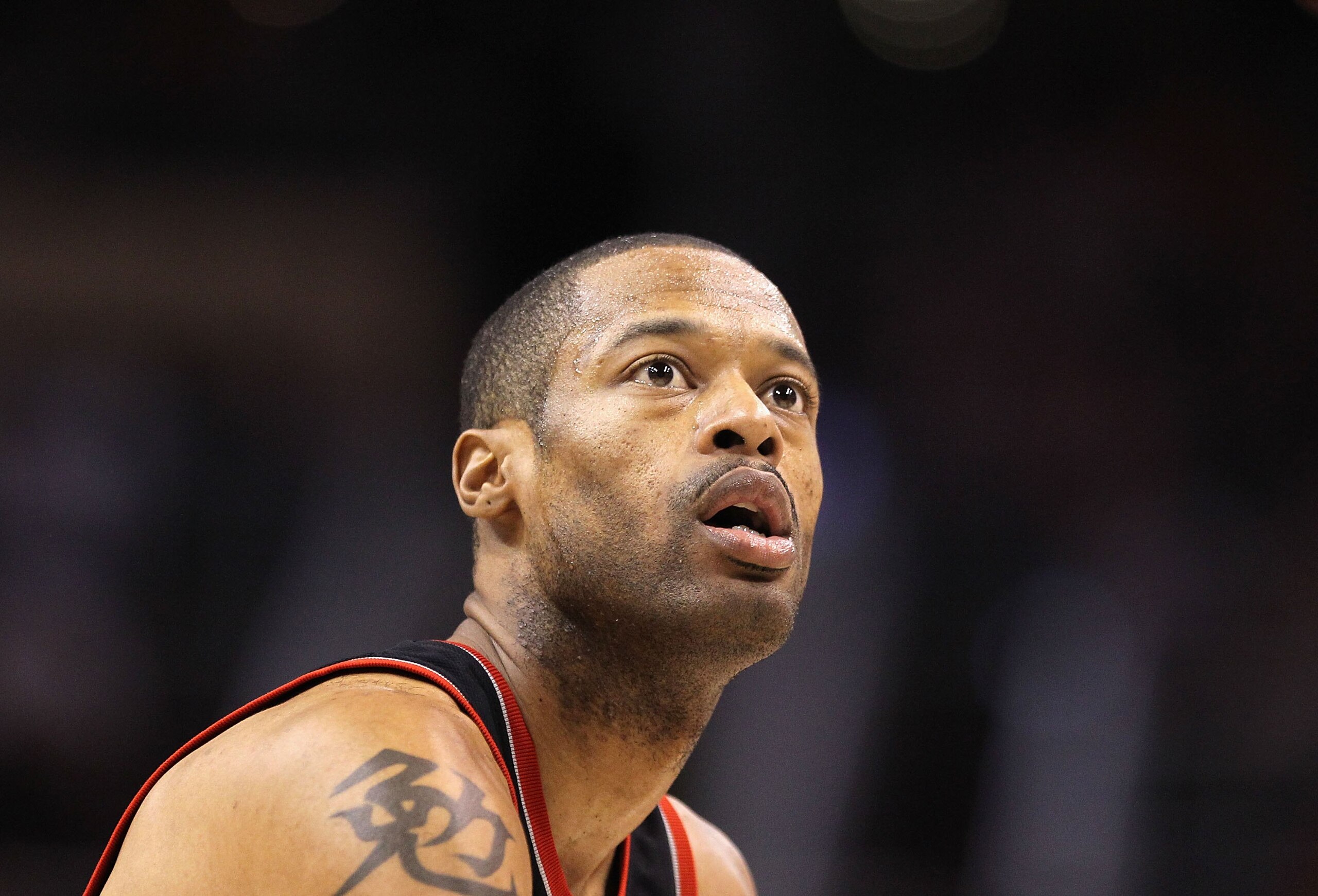
Blazers receive: Marcus Camby
Clippers receive: Steve Blake, Travis Outlaw, and cash
Blazers: After losing both of their centers in crushing injuries, the Blazers needed to make a move to acquire a big man desperately.
Clearly, no team starting Juwan Howard is going anywhere and Kevin Pritchard recognized this.
Despite not giving up a single young player or other asset, Pritchard managed to grab one of the best rebounding big men in the league and only gave up expiring contracts, continuing a string of teams acquiring Camby for outrageously low costs.
Camby kept up his stellar rebounding and defense, averaging 11 rebounds and two blocks in his time with Portland, helping them secure a playoff spot and upgrading the frontcourt for now and the future.
While this move appeared to be a "rental," which diminished the value the Blazers got out of it, Portland re-signed Camby to a two-year extension this year, ensuring that he will contribute for the next few years, and keep up his consistent play.
Grade: A
Clippers: In giving away possibly their most consistent player, the Clippers received a backup point guard and an inconsistent wing scorer who shoots too many jumpers. Doesn't sound like the beginnings of a good deal.
However, given the financial incentive to do a deal like this, it makes sense. With the Clippers potentially locking themselves into a huge long term contract this offseason, the almost $2 million that they gained in this deal makes it almost worthwhile.
While losing Camby hurt their team overall, this deal was not without positives basketball-wise. Steve Blake and Travis Outlaw improved the Clippers wing depth but more importantly, Camby's departure opened up the door for players like DeAndre Jordan and Craig Smith to prove themselves.
Camby probably was not in their plans for next year, so getting something in return for him was nice, but for a player of his caliber, a draft pick would have been ideal.
Grade: B+
Mavericks Land Haywood and Butler
12 of 12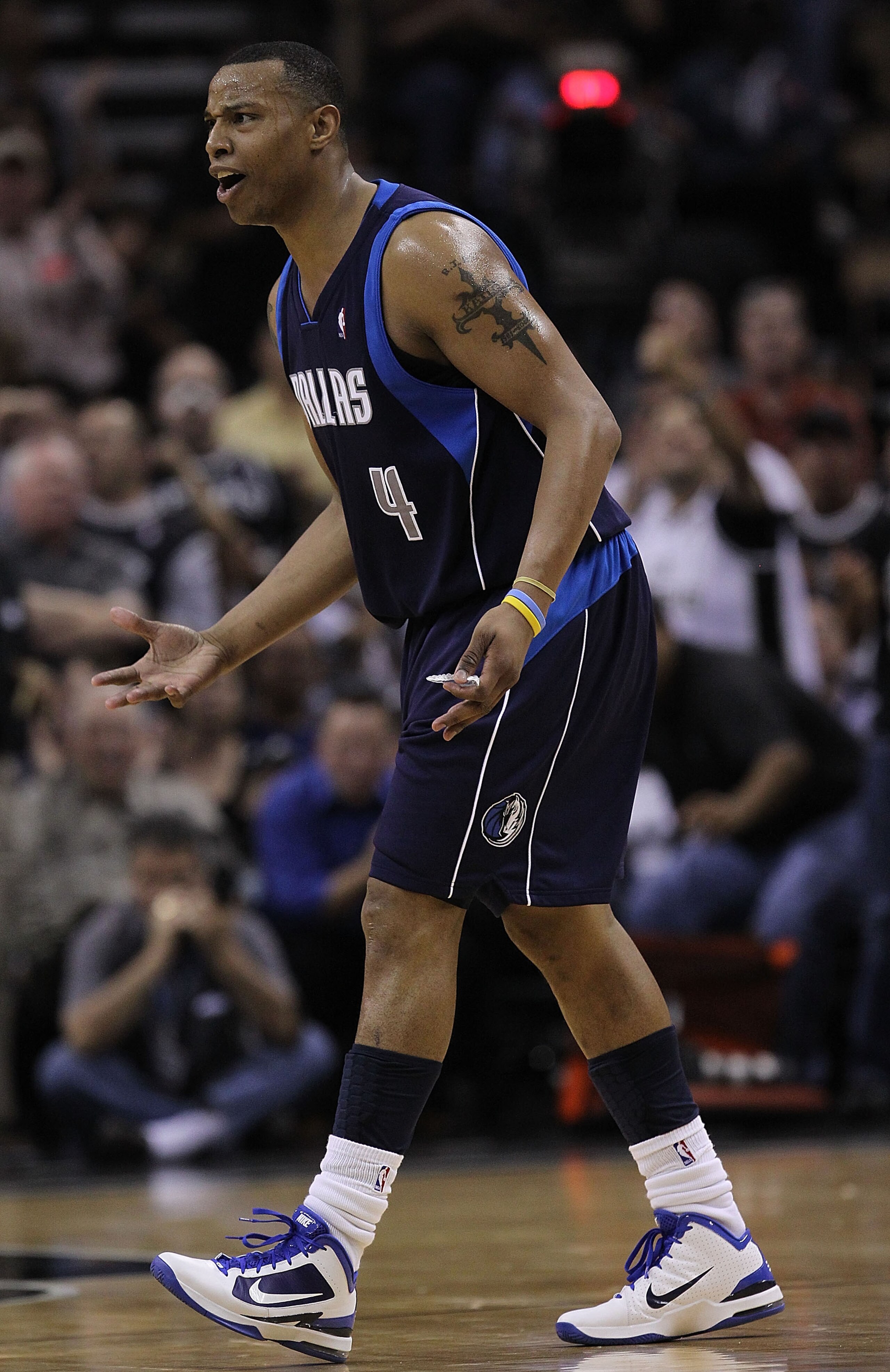
Dallas receives: Caron Butler, Brendan Haywood, Deshawn Stevenson
Washington receives: Josh Howard, Drew Gooden, Quinton Ross, and James Singleton
Dallas: On first glance, this deal looks like a complete landslide in Dallas' favor. Landing a quality center and a solid wing scorer just to take on the contracts of Butler and Stevenson appears to be a huge win for Dallas.
That, however, is not the case. Despite receiving the hype as a great player, Caron Butler's season was an unmitigated disaster. He fell into a disastrous shooting slump, forgot how to pass the ball, and continued his worrying trend of worsening defense.
Haywood was the bright spot in the deal. Despite playing tremendous defense and rebounding well in his 25 minutes a game during the regular season with Dallas, he only got 23 minutes a game in the playoffs. For arguably their second best frontcourt player, that is simply not right.
Between luxury tax payments and the additions in salaries, this trade cost Mark Cuban around $30 million. For a minor upgrade on the wings and the addition of a post player that can't see the court for more than 25 minutes, is it really worth it?
Grade: C
Washington: Along with the Jamison deal, the Wizards finally admitted defeat and prepared for a new regime centered around new players.
Fortunately, they did just poorly enough that they managed to win the John Wall lottery and have a building block for the future in him.
Not only was ditching Butler's salary a good move, but getting Dallas to take on DeShawn Stevenson's $4 million salary for next year was a shrewd move that could be the difference between signing Carlos Boozer or Shaquille O'Neal.
The rebuilding started two years too late, but now that they have started, they have done well to go all out. The next move will be trading Gilbert Arenas to New York for Eddy Curry.
Grade: B+

.jpg?w=2560 "Raiders Could Start Mendoza")

.jpg?w=2560 "Rodgers Iced Out on Plane 💎")
.jpg?w=2560 "🚨 Week 8 AP Top 25 Poll")
.jpg?w=2560 "Packers Safety Slams Refs 🤬")

.jpg?w=2560 "Fantasy Waiver Wire Stars 🤩")