
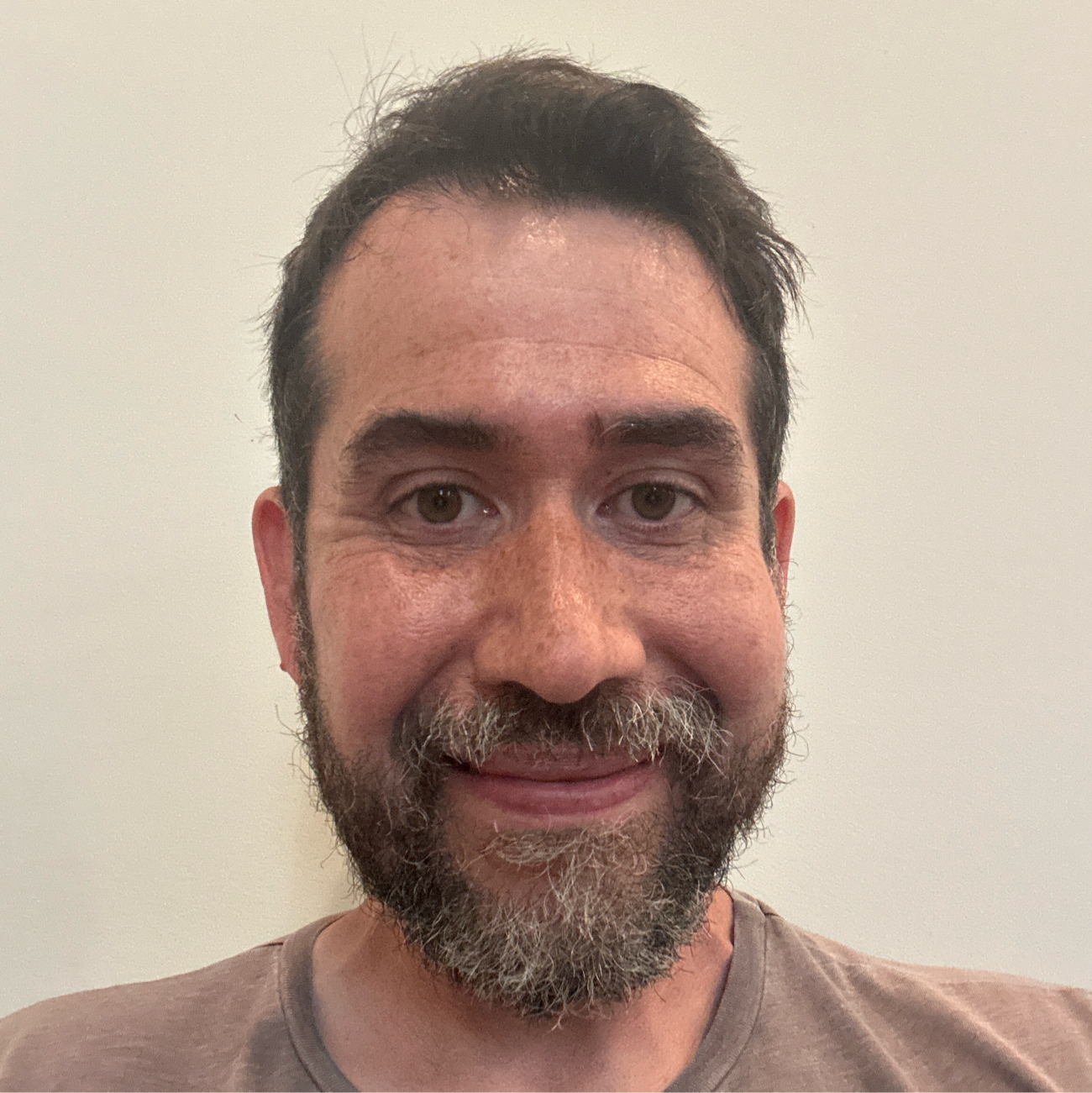
Where have all the hard fouls gone?
Who would have thought that after Game One of the 2010 NBA Finals, we’d be calling the Boston Celtics “soft?”
And yet, after the Lakers stormed out of Staples Center with a 13-point win over their hated rivals in Game One, there was only one culprit for the Celtics’ early downfall.



"They were the more physical team by far," Celtics coach Doc Rivers said. "They were more aggressive. They attacked us the entire night. I didn't think we handled it very well."
Ain't that the truth, Doc?
If nothing else, Game One proved one simple, fundamental truth: We’re not in 2008 anymore. The Lakers may go on to lose this series, but they’ll die before letting themselves get out-toughed again. (Especially with Ron Artest on the team now.)
You can talk about the Celtics’ rebounding woes—the C’s were out-rebounded 42-31 by the Lakers, and the duo of Pau Gasol/Kobe Bryant pulled down one less rebound than all five of the Celtics starters combined—but that was only one symptom of their complete mental breakdown.
The real question is: What happened to the hard fouls the Celtics were dishing out against Cleveland and Orlando?
"We have a group of guys that take the mentality that we can't take our fouls when we go home," Celtics guard Ray Allen said after Game Two in Orlando. "You can't let any easy layups come down the lane. Send them to the free throw line. We did that all game."
That philosophy was nowhere to be found in Game One last night.
27 seconds after the game tipped off, Paul Pierce and Artest got into a physical tussle under the basket, with both men earning technical fouls as they stumbled to the floor. Good start.
But from that point on, the Celtics played…dare I say, scared?
Six minutes into Game One, Jeff Van Gundy noted that Kobe Bryant had already gotten to the basket twice, while he hadn’t gotten to the basket cleanly twice all series back in 2008. What happened to the defensive intensity of the Celtics of yesteryear?
Hell, the Lakers' third basket of the game was an uncontested Andrew Bynum dunk, despite two Celtics being in close enough proximity to foul. I don't know about you, but if I know a guy on the opposing team is already injured, I'm fouling him every single time he goes up for an uncontested shot in the paint. (At least make him earn his points, you know?)
Granted, the Celtics may have been tempering their defensive aggressiveness after noticing the referees were calling a tight game early.
The refs of Game One—Joey Crawford, Joe DeRosa, and Derrick Stafford—collectively aren’t known for being cool, calm, or collected . (After all, DeRosa was the one who threw the ball at a fan during the Boston-Orlando series.) And yes, those refs may have blown "whistle upon glorious whistle, early and late and debatable and downright specious," as Sports Illustrated's Chris Ballard noted .
Still, that’s no excuse for changing your fundamental defensive philosophies.
One of Boston’s greatest advantages coming into the series was Rajon Rondo’s quickness matched up against Derek Fisher’s 35-year-old legs. To exploit that quickness the Celtics would need to play tough defense, generate stops, and let Rondo work his magic in transition.
No stops, no transition. No transition, no offensive fluidity for the Celtics.
Meanwhile, the Lakers stole the Celtics’ identity.
With 6:30 left in the fourth quarter, the Lakers were protecting a 13-point lead. Kevin Garnett caught the ball in the high post and drove straight to the basket despite having Ron Artest and Andrew Bynum in his way. Artest and Bynum converged on K.G., cleanly blocked his shot, and Artest turned the block into a full-court pass to Gasol for an uncontested layup.
One minute later, Rondo fed a wide-open Garnett right under the basket…and Garnett missed the bunny lay-up. K.G. pulled down the offensive board…and missed another gimme.
The Celtics can't win if they don't convert easy chances. The Big Three aren't going to pour in 60 points/game like they did in 2008.
But the Celtics' larger concern should be on the defensive side of the ball after allowing a team to score 100+ points against them for just the second time in their past 10 games.
In the first game of the 2008 NBA Finals, the C's out-rebounded the Lakers 46-33 and forced L.A. to shoot 41.6 percent from the field collectively. Two years later, the Celtics allowed the Lakers to pound them on the boards and shoot 48.7 percent from the field.
More importantly, the Lakers only attempted 10 three-point shots (a stark contrast to the 32 they shot in Game Three against Phoenix), demonstrating a commitment to pounding the paint all night long.
That's the statistical difference between 2008 and 2010. But the philosophies haven't changed.
The Celtics can't win if they don't play tough, tenacious defense. They can't afford to get out-rebounded. And they can't (and won't) win if they don't get back to fouling…hard.

.jpg?w=2560 "Raiders Could Start Mendoza")

.jpg?w=2560 "Rodgers Iced Out on Plane 💎")
.jpg?w=2560 "🚨 Week 8 AP Top 25 Poll")
.jpg?w=2560 "Packers Safety Slams Refs 🤬")

.jpg?w=2560 "Fantasy Waiver Wire Stars 🤩")