
Manchester United is Overvalued at £1 Billion
A value of £1 billion is way in excess of the market valuation that any sane investor should remotely consider putting on Manchester United. If debt was the road to ruin in 2004, then overpaying for Manchester United in 2010 would be the continuation of that road.
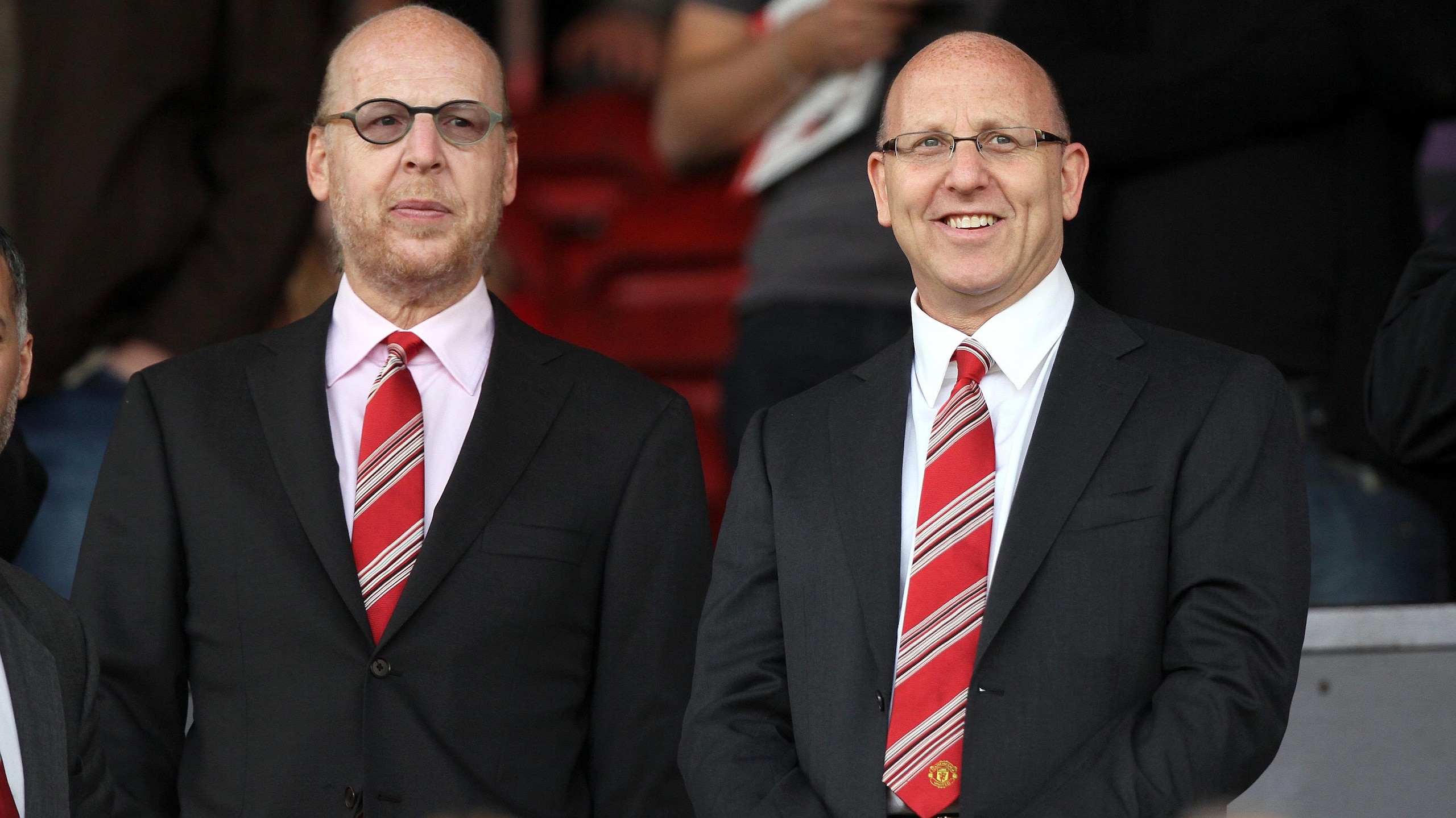
The Glazer takeover of 2005 put a market valuation on the club of £790 million. In the years 2003 and 2004, just before the Glazer takeover, Manchester United made an average annual profit after tax over the 2 years of £24.6 million. In the 5 years since the Glazers took over, the declared profits before tax and interest payments of 'Red Football Joint Venture', have not been disimilar, so nothing much has changed in terms of gross operating profitability.
So why is the club now worth more than what the Glazers paid for it? Quite simply it’s not. Figures like £1 billion are only being talked about because otherwise sane businessmen seem to loose all sense of reality when it comes to football.
Those commentators who throw around figures of £1.5 or £2 billion remind me of those individuals who up to 2007, told us that house prices would never fall and the days of boom and bust were gone forever.
If you apply normal investment rules, Manchester United’s market value in 2005 should have been closer to £370 million, approximately half of what the Glazer valuation was. How do I work that out? Let me explain.
Let’s assume that £12.3 million or half of a typical average £24.6 million profit made in years 2003 and 2004, could have been made available as a dividend with the balance reinvested back into the club.
Annual dividend payments of £12.3 million when set against the Glazer’s 2005 market valuation of £790 million gives a P/E ratio of 64. When you consider that a P/E ratio of 25 is really the sensible upper limit when deciding on the value of any share price, you can see how far out of the park the Glazer’s 2005 valuation of £790 million actually was.
A share’s P/E ratio is worked out by dividing the cost of the share by the amount of the dividend attached to that share. Therefore, £790 million divided by £12.3 million gives a P/E ratio of 64. It wasn't just out of the park, it was stratospheric!
A more sensible valuation of Manchester United, has to start with that sobering reality.
Is it any wonder that those shrewd investors Mr. JP McManus and John Magnier who owned something like 30% of the club in 2005, just couldn’t believe their luck when the Glazers’ offer arrived, netting the two racing tycoons a cool £70 million profit having built up their share in only a few years?
But going forward on a sustainable path, even a P/E ratio of 30 is optimistic when you factor in the requirement for a significant amount of Manchester United’s operating profits to be re-invested back into the club.
That is if we want to continue to compete for the world’s best players in a sustainable way and not depend on a rich owner, like Roman Abramovich, but even he has a line which he will not cross. We won’t always be so lucky, as we were with Ronaldo (bought for £12 million and sold for £85 million).
And, although the stadium is the biggest in the premier league, we cannot afford to stand still. Is it acceptable that we are so far off the capacity of Barcelona and Real Madrid? The current recession in the building industry makes it an excellent time to look at stadium development.
In the mini-recession of 2001-2003, Michael O’Leary helped Ryanair take a massive leap towards its current market dominance when he ordered around £1 billion dollars worth of new aircraft at massively discounted prices.
These are the things we should be thinking about, when we commit to any bid. Any amount paid out to the Glazer family will have a knock-on effect on our long term plans, just as the money that the Glazers paid out to the previous owners is now affecting their ability to manoeuvre.
Realistically, we may not be able to buy the club for £370 million, but do we really want to bail the current owners out of a financial mess of their own making, and reward them with huge profits on their original investment.
And that’s just the business perspective. Tomorrow, I’ll look at it from the fans point of view, and factor in the possibility that United’s form on the field may not always be what it is today.


.jpg?w=2560 "Mahomes Told Teammate to Leave Meeting")
.jpg?w=2560 "🚨 Week 8 AP Top 25 Poll")


.jpg?w=2560 "Baker Gets Glove From Rays 🧤")

.jpg?w=2560 "Updates from EVERY NFL Game 🏈")
