
Manchester United Fans Political Activism Shows Way for Debt-Ridden Clubs
People are political animals. Even those who sit on their couch and refuse to vote still possess the ability to stand up and be counted when something meaningful in their lives is affected by bureaucracy or an outside force that possesses the power to enact vast changes.
Their cause is often a simple one. A person will typically fight to protect their families, their country and indeed the clubs that merit their membership when they are seemingly under attack.
As England heads into its political season with the general election, it appears as if fans of the nation's sport are willing to come together to force legislators to consider pro-football legislation, aimed at combating the sheer deficits caused by greedy owners who seek to pay off debts by exploiting the loyalties of supporters.

.jpg?w=2560)
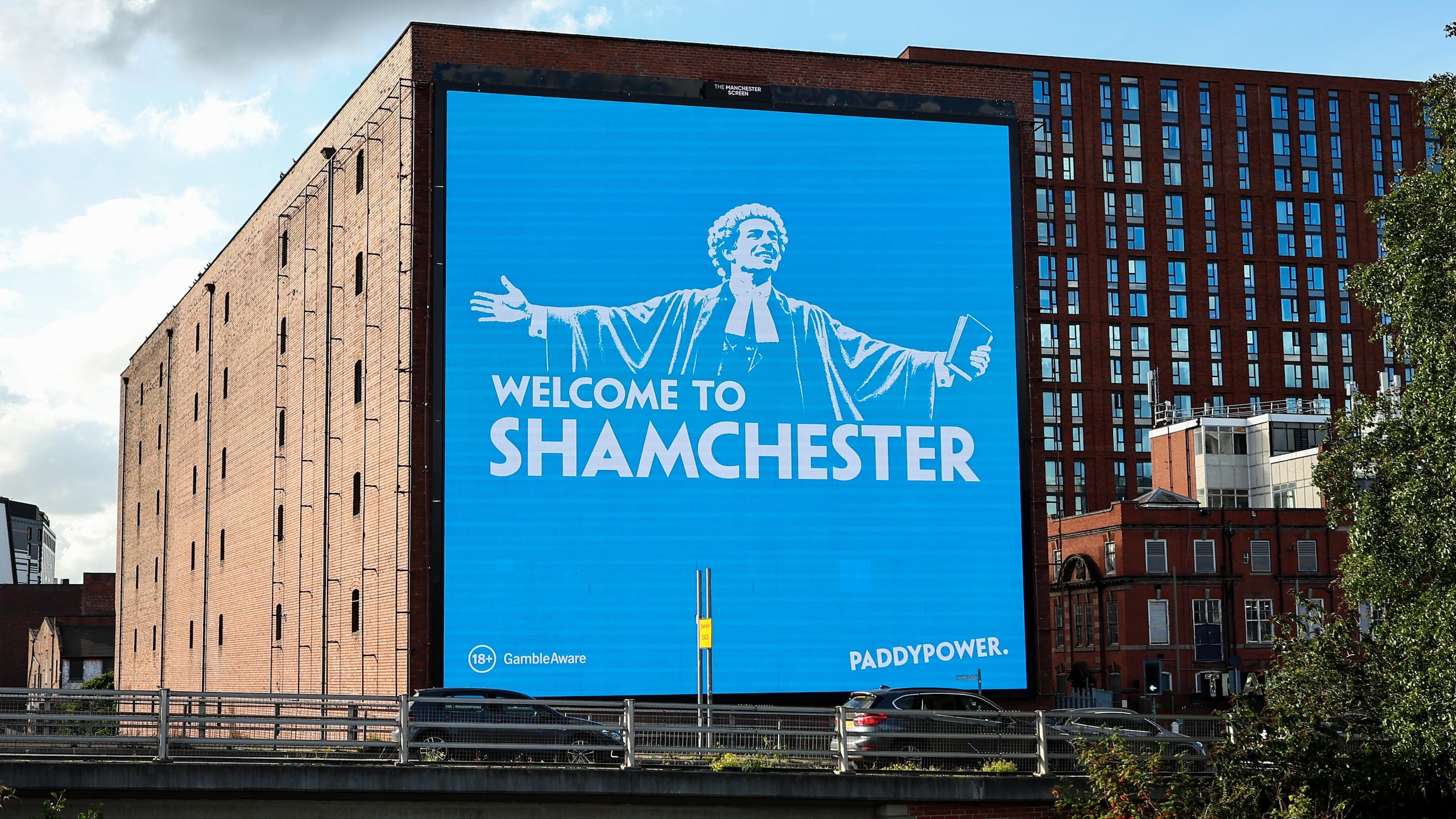
In Manchester, the Manchester United Supporters Trust is at the forefront of such a movement. Many fans who otherwise would have no reason to enter the political environment have chosen to do so for the sake of their beloved club.
MUST, it has to be said, shares several key principles with the Tea Party Movement in America, even if their ideals and methods differ greatly. Whilst the teabaggers, as they are so aptly called, come together to protect national interests, MUST protest on behalf of a shared fear that the club is threatened by mass changes, excessive debts and corrupt practices that make owners, corporations and politicians vastly wealthy.
This isn't just affecting United. Liverpool and Portsmouth are also experiencing similar fates, afraid of the future of their respective clubs, wondering how they will be able to function with the disparity of handling enormous debts whilst spending to improve their teams to challenge for the title or remain in the division.
Unlike Liverpool and Pompey, United have been extremely successful under the reign of the Glazer family. Since their acrimonious takeover, the Red Devils have won three league titles, the Champions League, the Fifa Club World Cup, and two League Cup trophies.
In addition, they have secured lucrative sponsorship deals with the watch company Hublot, Smirnoff and Kumho Tires, whilst maintaining ties with Audi, Nike and Budweiser. Through the help of Chief Executive David Gill, the club were able to find new shirt sponsors to replace the much maligned AIG, with insurance company Aon worth a reported $160 million over the next four years.
This however fails to address principal concerns. United's supporters may be pleased with performances on the field, but the future off of it remains rather bleak. The team itself are heading into transition. With Fergie's fledglings nearing retirement, the club look set to field a side with little resemblance to that of 1990s.
The impending exits of Ryan Giggs, Paul Scholes, Gary Neville, and Edwin Van Der Sar in the next three years place concern in the eyes of fans who have already had to come to terms with the departure of Cristiano Ronaldo and Carlos Tevez last summer.
It seems that the sale of Ronaldo and Tevez is just the beginning. It is believed that both Vidic and Rooney may be sold in the future to combat the heavy burden placed on the club's finances by the Glazer family. While it is unlikely that either will depart Old Trafford, there still remains concern over how the debt will impact the makeup of the team in the coming years.
Ferguson may have successfully managed to move United towards progress in the past, but MUST's supporters are wary. With rising debts of up to at least $600 million (or $1.5 billion if you believe MUST) and the majority of profits being swallowed up by large interest payments, spending the money required to replace Giggs and Scholes may be hard to come by, despite the $200 million treasure chest that Gill reports is available.
Other changes also look set to impact the club. The rise of Chelsea and hated rivals Manchester City appear to unnerve United's loyal followers. The idea that United could be replaced as Manchester's most lucrative and popular club is almost too scary to even comprehend.
The threat to United's domestic superiority pales in comparison to the challenges they face abroad. Real Madrid's spending spree on Ronaldo, Karim Benzema, and Xabi Alonso sent shockwaves around the world. Their message was one of intent, a desire to regain the supremacy it once enjoyed and reclaim its spot from its Catalan rivals Barcelona, inflating transfer fees and wages in the process.
These changes, coupled with fears over rising ticket prices and the potential sale of the club's training ground at Carrington have moved MUST to protest. Like the Tea Party Movement, they feel that the entity they hold most dear is under attack.
Their reasons are based not on frivolous accusations regarding Obama's birth or on his alleged socialist agenda, they reside in real concerns over their team's health. To them and many other fans, United is just as important as any country. The club is their home, their religion and their family.
MUST hope that several investors known as the Red Knights will come in and save the club from the same fate that surely awaits Portsmouth. Through the aid of businessman Keith Harris, the hope is that MUST will be able to secure enough money to force the Glazers to sell. Whilst it won't initially ensure fan ownership of the team, it is believed that investors may sell their stakes in the club to fans at a later date.
Until that point, United fans will use their political power to stage protests and place pressure on their local government representatives to enact the changes needed to protect United and ensure its success and profitability in the future.
The Green and Gold movement that has allowed fans to voice their disapproval of the Glazer's through the wearing of scarves and t-shirts has been a stroke of genius.
The display of Newton Heath's colours has not only provided an outlet through which supporters can show their distaste for the club's American owners, it also functions as a way of reminding them of United's former roots. All whilst cheering for United in the process. Brilliant.
Their protests haven't gone unnoticed. A recent radio interview given by David Gill to Radio Five Live, as well as an argument with a fan outside of Birmingham University demonstrates an anxiety within the club's hierarchy in dealing with the fan unrest that has now come to boil over findings that the team would have posted a loss in finances had Ronaldo not been sold for $160 million.
And it looks like their message is being heard. The ownership of many of the teams within the Premier League is based on debt. Whilst much of this can be attributed to the ever-growing gap between the top four and the rest of the division, it does not help that their is little regulation on the buying and selling of clubs to foreign and domestic investors.
The likes of Hicks and Gillett, Malcolm Glazer, and Alexandre Gaydamak cannot be allowed to secure profits for themselves whilst taking advantage of their fans through inflated ticket prices and increases in the cost of merchandise.
It is therefore up to the FA, the government and the fans to ensure that clubs remain fiscally sound. The possibility of liquidation and fan's being unable to attend games demands that. United are a team of great tradition, a family club that has been through the tragedy of the Munich air disaster to resurface as one of the world's greatest franchises.
Fans have to be politically motivated to prevent those who see them as mere numbers. They must save their teams, as well as themselves from financial suicide. Because nobody will like it when they find out that their Red Devil family has died.


.jpg?w=2560 "2 NFL Officials Suspended")


.jpg?w=2560 "Viral Rams Coach Vid 🖕")