
Men's NCAA Tournament 2022: Breaking Down Every Team's Chance to Win the Title
From a purely mathematical perspective, every team in the 2022 men's NCAA tournament has a 1-in-68 chance of winning the national championship.
However, unless this is your first time tracking March Madness—which, if that's the case, welcome!—you understand the list of realistic contenders is far lower. No team seeded worse than No. 8 has ever celebrated a title, and 31 of the 35 champions, since the field expanded to 64 teams in 1985, have been a top-three seed.
Trends don't mean everything. They are clearly valuable, though.
We've assembled this tiered list to provide a bunch of historical context, recent tendencies, statistical trends and more as you prepare to pick a winning bracket in 2022.
Tier 7: It's Never Been Close
1 of 7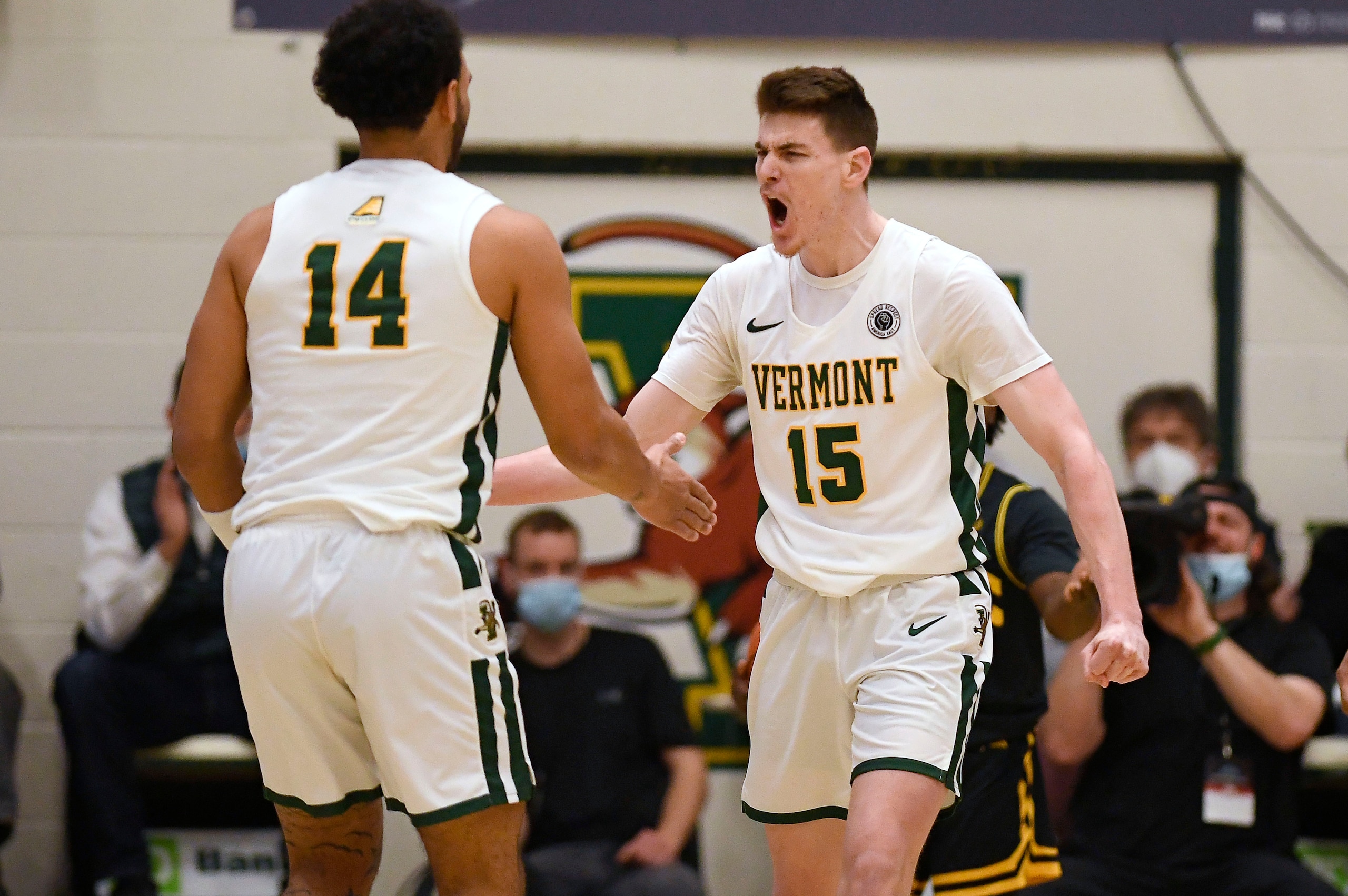
No. 16 Seeds: Bryant, Georgia State, Norfolk State, Texas A&M-Corpus Christi, Texas Southern, Wright State
Back in 1985, the NCAA tournament expanded to 64 teams. Since then, only 2018 UMBC has ever defeated a No. 1 seed. It'd be historic for any of these programs to reach the second weekend.
No. 15 Seeds: Cal State Fullerton, Delaware, Jacksonville State, Saint Peter's
The fascinating part is this 2/15 upset has started to become a little more common. Oral Roberts defeated Ohio State last year, becoming the fifth No. 15 seed to advance since 2012. Oral Roberts lost a heart-breaker to Arkansas 72-70 in the Sweet 16 last season, so the Elite Eight remains the next barrier for a 15.
No. 14 Seeds: Colgate, Longwood, Montana State, Yale
Similar story here. Abilene Christian downed No. 3 Texas in 2021, so six No. 14's have opened March Madness with a victory in the last decade. Only twice, however, has a No. 14 seed advanced to the Sweet 16, and the teams are 0-2 in that round.
No. 13 Seeds: Akron, Chattanooga, South Dakota State, Vermont
One more sweeping inclusion in this tier. Since the expansion in 1985, six programs with a No. 13 seed have moved on to the Sweet 16. They've yet to crack the Elite Eight.
Tier 6: Hoping for the 2nd Weekend
2 of 7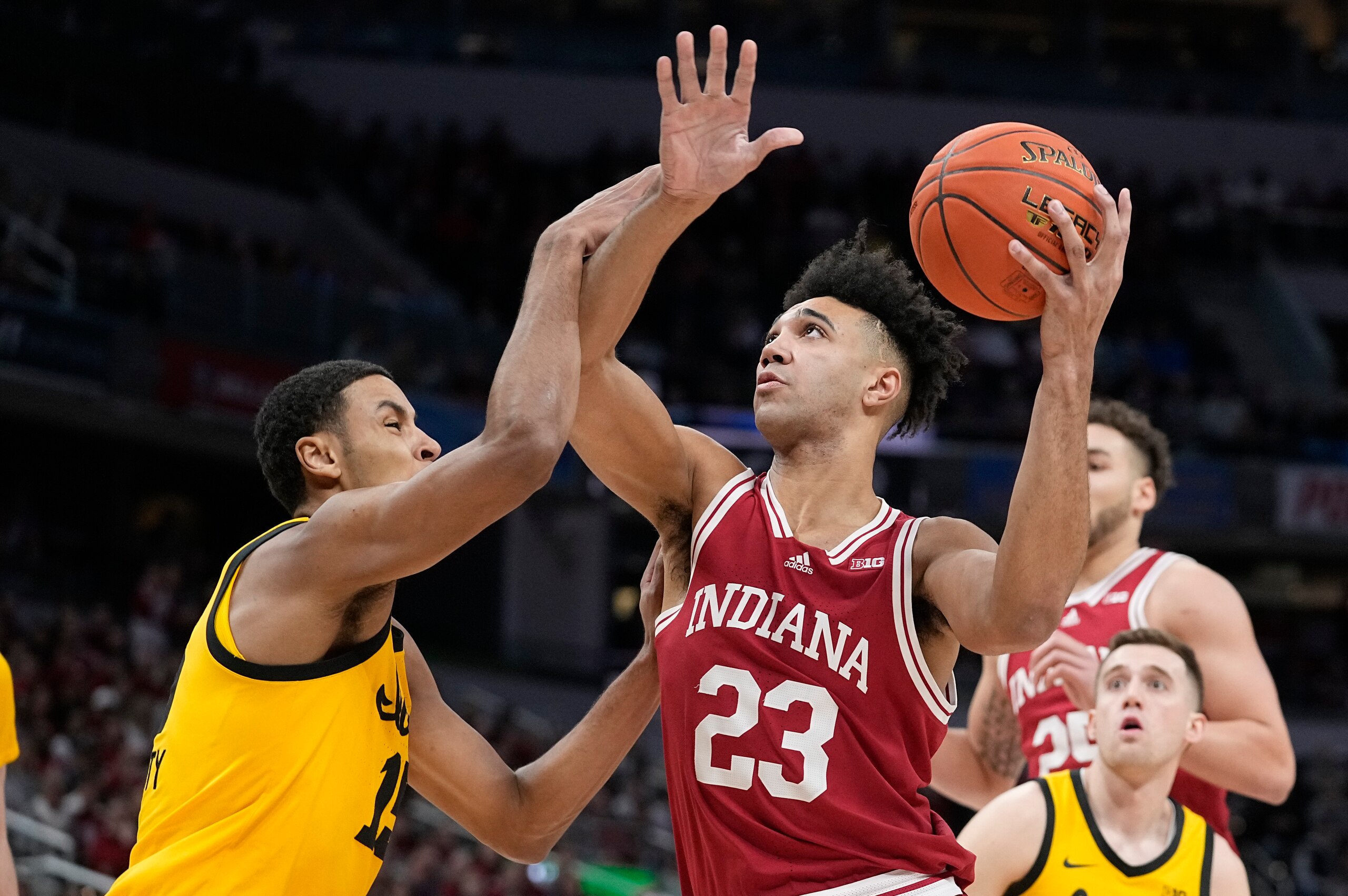
No. 12 Seeds: Indiana, New Mexico State, Richmond, UAB, Wyoming
We're in prime upset territory. In the last decade alone, five tournaments have featured multiple 5/12 upsets. Only four brackets in this millennium haven't had at least one. From a title perspective, however, it's still an unextreme unlikelihood.
Oregon State made history last season as only the second No. 12 seed to reach the Elite Eight, though it's worth noting that both the Beavers and 2002 Missouri avoided a No. 1 seed in the Sweet 16.
Tier 5: Cinderella Teams
3 of 7
No. 11 Seeds: Iowa State, Michigan, Notre Dame, Rutgers, Virginia Tech
Be sure to include a 6/11 upset in your bracket; every tournament since 2005 has featured at least one. Additionally, give all five programs an extra moment of consideration. UCLA reached the Final Four last season, so a No. 11 seed has played on the final weekend in three of the last 10 tournaments. None of them have appeared in the national title, but this no longer feels improbable.
No. 10 Seeds: Davidson, Loyola-Chicago, Miami (FL), San Francisco
Interestingly enough, the No. 10 seed actually has less success than No. 11's in the Big Dance. It wasn't until 2016 Syracuse that a 10 reached the Final Four, and the Orange were the first to secure a Sweet 16 win since Stephen Curry-led Davidson in 2008.
No. 9 Seeds: Creighton, Marquette, Memphis, TCU
Similar history for No. 9 seeds. In 2013, Wichita State advanced to the Final Four before losing in the national semifinals. Otherwise, only 1994 Boston College, 2018 Kansas State and 2018 Florida State have managed victories in the Sweet 16 as 9's. Kind of difficult to play a No. 1 seed in the second game, you know?

Tier 4: Need Some Help for a Title
4 of 7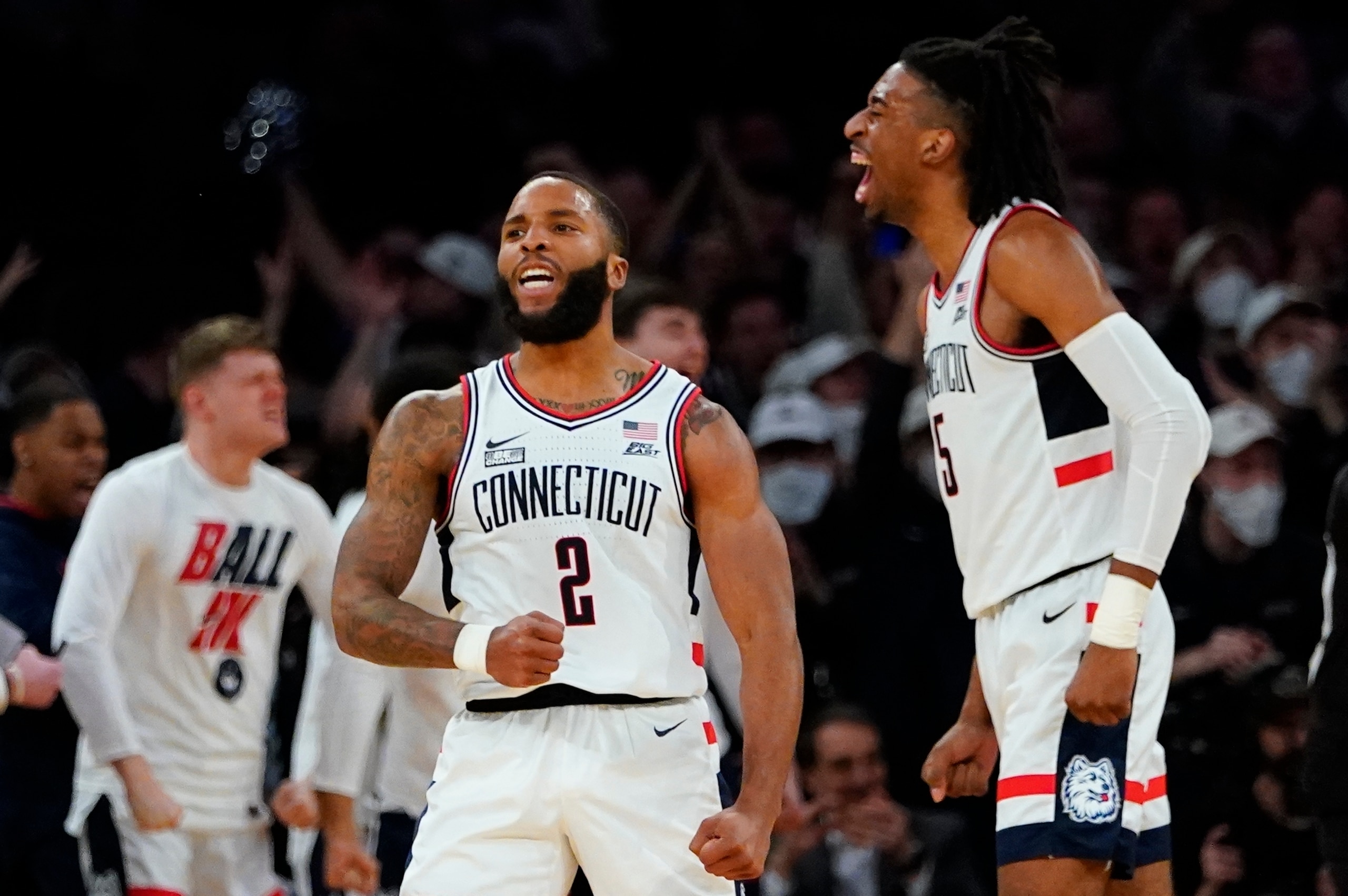
No. 8 Seeds: Boise State, North Carolina, San Diego State, Seton Hall
During the last 10 tournaments, both 2011 Butler and 2014 Kentucky have played in the national title. We're not quick to dismiss the possibility of a deep run at this position, especially since five No. 8's have dethroned a top-seeded opponent in that span.
No. 7 Seeds: Michigan State, Murray State, Ohio State, USC
Understandably, this is a considerable rarity, too. Along with 2014 champion UConn, 2015 Michigan State and 2017 South Carolina made the Final Four. Each one, though, upended a No. 4 seed in the Elite Eight; never has a No. 7 seed defeated a No. 1 since 1985. This group will need a fortunate break or two.
No. 6 Colorado State Rams
David Roddy is a potential All-American, and Isaiah Stevens has averaged 14.9 points and 4.8 assists. There's plenty of star power on this CSU squad. However, only two rotation players are 6'6" or taller; the Rams rank 194th in rebound rate and 230th in two-point percentage defense. They'll struggle to match up physically with top-seeded teams.
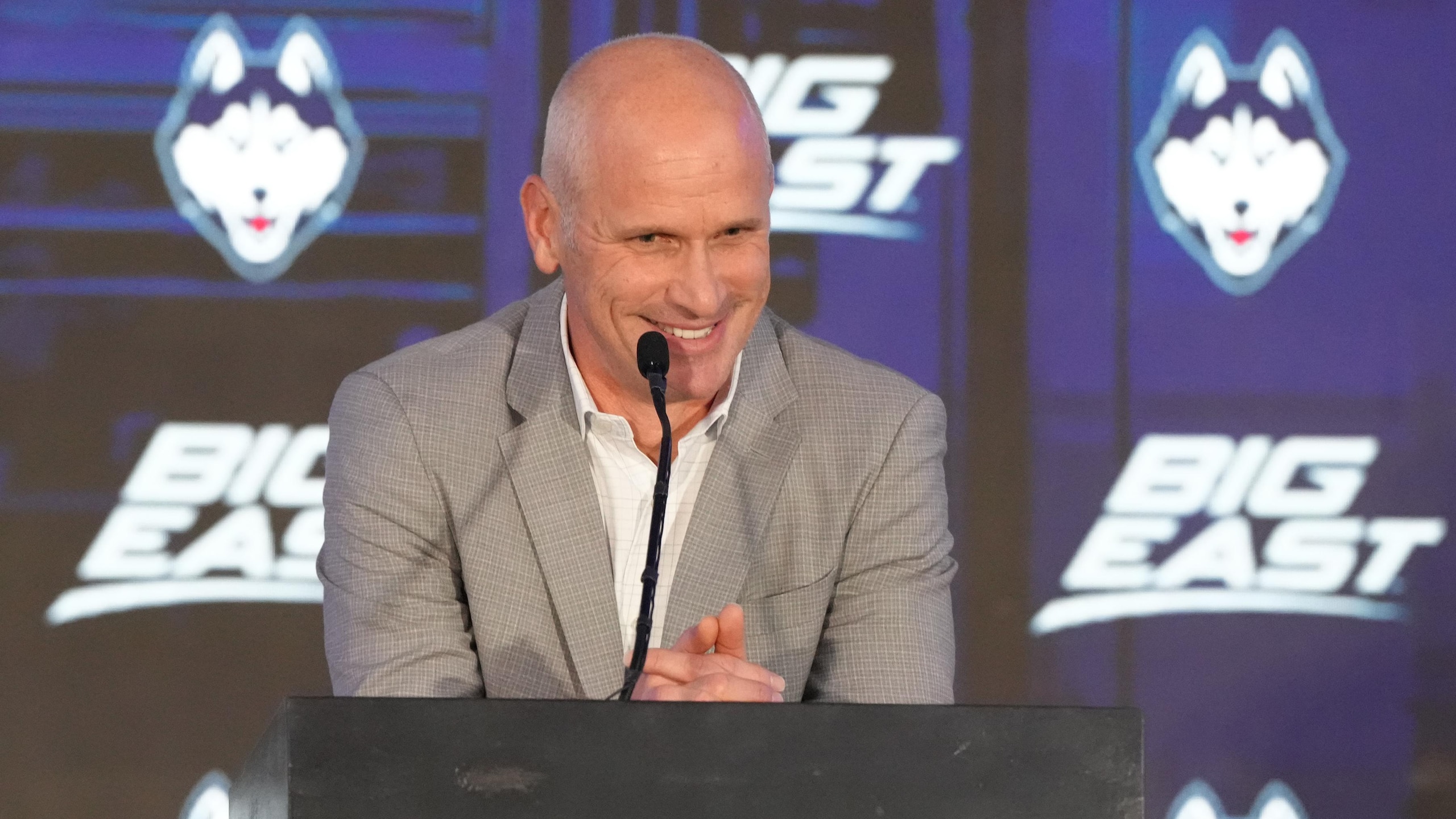
No. 5 UConn Huskies
No. 6 Texas Longhorns
Defense will carry both programs. Thanks to shot-blockers Adama Sanogo and Isaiah Whaley, UConn is fifth nationally in two-point percentage on defense. Meanwhile, Texas has surrendered the sixth-fewest points per game in the country. However, they're just 223rd and 206th, respectively, in effective field-goal percentage.
No. 5 Houston Cougars
Even without key guards Marcus Sasser and Tramon Mark, the Cougars surged to a 29-5 record and AAC crown. They play sensational team defense, holding top-20 rankings in rebounding, steal and block rate entering the tournament. Houston will force opponents to shoot a bunch of threes, but that's exactly the strength of first-round opponent UAB and potential second-round foe Illinois.
No. 4 Arkansas Razorbacks
Arkansas draws a ton of fouls and ranks 56th in opponent turnover rate. But if the Hogs aren't guarding the perimeter well, it's a major issue. Stanley Umude is the lone rotation player who shoots better than 32.6 percent from long distance on at least one attempt per game. Arkansas isn't suited for a three-point battle.
Tier 3: Trends Aren't a Fan, but They're Good
5 of 7
No. 3 Texas Tech Red Raiders
No. 5 Saint Mary's Gaels
No. 6 LSU Tigers
Ken Pomeroy's statistical database includes the last 19 NCAA tournaments. Since 2002, no champion has ranked lower than 39th in adjusted offensive efficiency. Although these programs have a top-10 defense, Texas Tech (65th), LSU (89th) and Saint Mary's (63rd) are well outside of the offensive trend.
No. 3 Purdue Boilermakers
No. 5 Iowa Hawkeyes
No. 6 Alabama Crimson Tide
On the other hand, no March Madness winner has ranked lower than 22nd in adjusted defensive efficiency. Purdue (3rd), Iowa (2nd) and Alabama (14th) can practically score with anyone, but their defenses are ranked 100th, 77th and 94th, respectively.
No. 3 Wisconsin Badgers
No. 4 Providence Friars
To recap, that's no offense below 39th and no defense below 22nd. Providence heads into March Madness ranked 31st and 79th, while Wisconsin is 49th and 38th. It's not necessarily a coincidence that both programs have played in 15-plus games decided by eight points or less, either.
No. 4 Illinois Fighting Illini
During the latter half of the campaign, Illinois went 4-4 in road or neutral-site games. This offense can be spectacular, but it's also incredibly streaky. While the talent is undeniable, it's tough to trust the Illini to have six consecutive strong games.
Tier 2: Key Teams to Know
6 of 7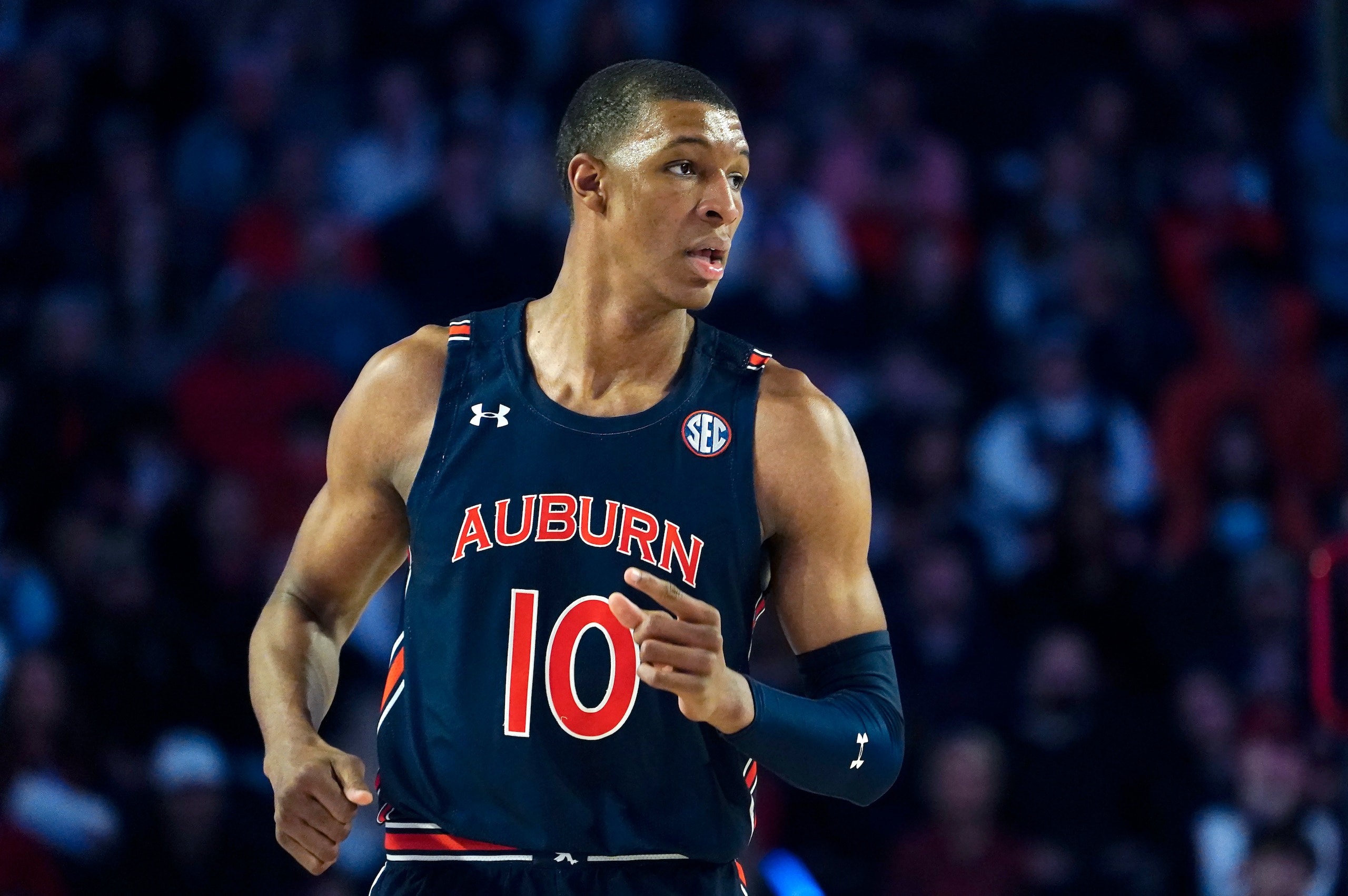
No. 2: Auburn Tigers
Auburn has slipped a bit lately, dropping four of its last nine contests while dealing with an inconsistent backcourt. Nevertheless, the Tigers have coveted NBA prospect Jabari Smith and shot-blocking maestro Walker Kessler propelling one of the nation's best defenses.
No. 1: Baylor Bears
How problematic will Jonathan Tchamwa Tchatchoua's absence be? The reigning national champions are 5-2 without him, but Baylor's rebounding rate has taken a considerable hit since his season-ending knee injury. Still, the Bears are loaded on the outside with LJ Cryer (13.5 PPG) if healthy, Adam Flagler (13.4) and James Akinjo (13.4).
No. 2 Duke Blue Devils
At various points this season, Duke looked disengaged or disinterested on defense. That shouldn't be a problem in March Madness, right? Otherwise, the Blue Devils are a matchup nightmare with star freshman Paolo Banchero leading an offense with five players averaging at least 10 points and four players averaging three-plus assists.
No. 1: Kansas Jayhawks
All-American guard Ochai Agbaji headlines the Jayhawks, who overcame a relatively thin rotation to win a Big 12 title thanks to a pesky perimeter group. The main concern as March Madness begins is if fourth-year big David McCormack isn't producing, Kansas can be vulnerable down low.
No. 3: Tennessee Volunteers
Last year, the Vols started hot and faded quickly. It's been the opposite story this season. Following an 11-5 start, they've rattled off a 15-2 record with victories over Kentucky (twice), Auburn and Arkansas. Tennessee's offense relies heavily on perimeter efficiency, but the defense ranks 11th nationally in steal rate and has surrendered a paltry 29.2 three-point clip during these last 16 games.
No. 4 UCLA Bruins
This is a favorable draw for UCLA, which overcame a rough midseason stretch to finish 25-7. UCLA isn't efficient on offense but holds the fourth-lowest turnover rate and routinely wins the battle for second-chance opportunities on both ends. Plus, the Bruins will be unfazed by the environment after their Final Four trip in 2021.
No. 2: Villanova Wildcats
Villanova, too, seems to be peaking at the perfect time. Since the start of February, the Wildcats are 10-2 with six victories over NCAA tournament teams. Villanova is even more dependent on three-point shooting, but Collin Gillespie (42.2 percent), Justin Moore (34.7) and Caleb Daniels (39.2) are all effective, high-volume options.
Tier 1: The Favorites
7 of 7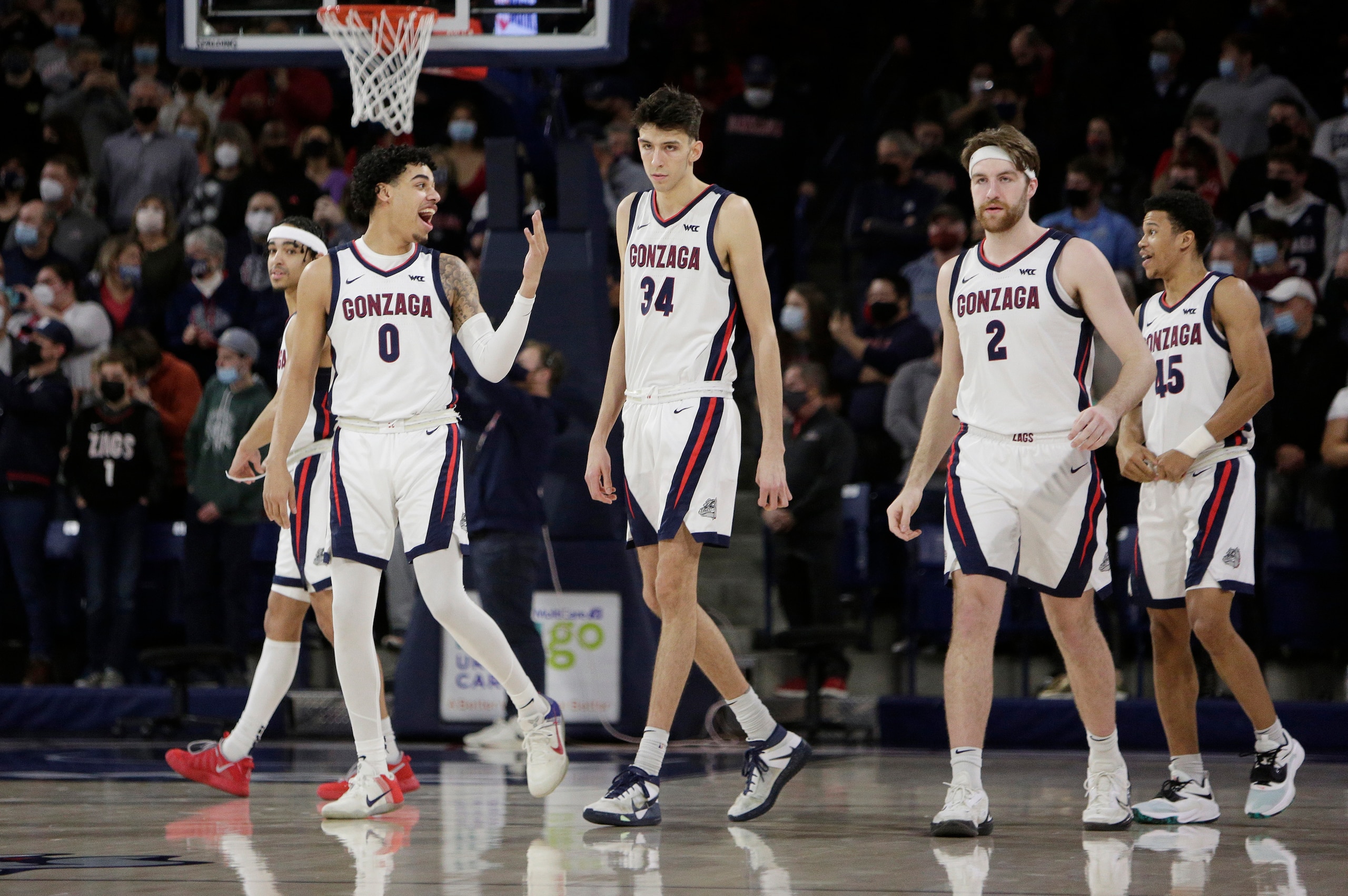
No. 1 Arizona Wildcats
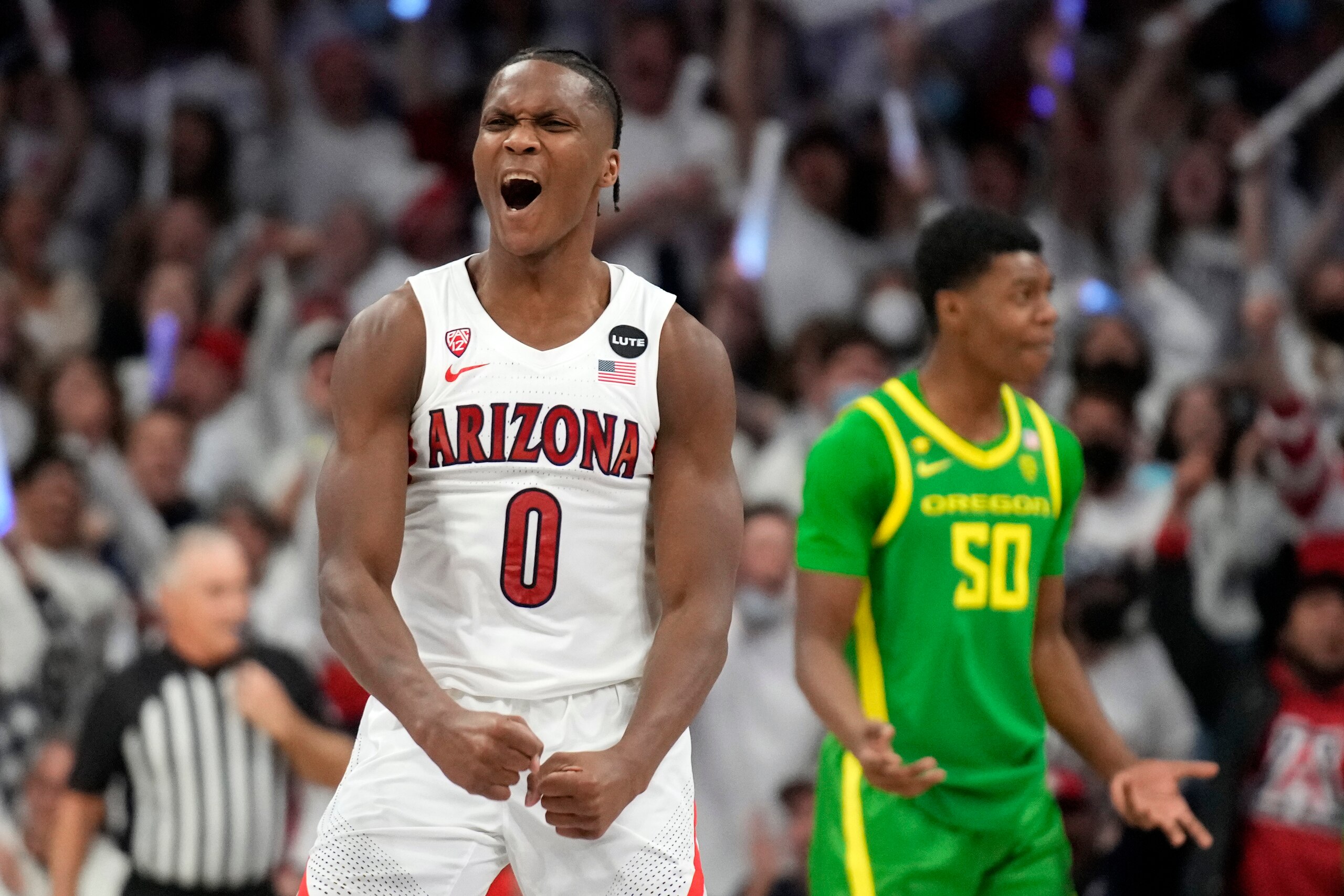
Recently crowned the Pac-12 champions, Arizona ranks second nationally in assist rate, third in two-point defense, fifth in two-point offense, 10th in opponent effective field-goal percentage and 11th in rebound rate. Arizona carries a dominant 31-3 record into March Madness. No questions about Arizona's upside, right?
No. 1 Gonzaga Bulldogs
As usual, Gonzaga is a juggernaut on offense. Compared to recent years, the major change in 2022 is an elite defense. Star freshman Chet Holmgren has swatted 3.6 shots per game, which has helped the Zags share the national lead in opponent eFG% at just 43.2. Though the criticism of no championship remains, Gonzaga has three Elite Eight appearances and two runner-up finishes in the last four tournaments.
No. 2 Kentucky Wildcats
Anchored by National Player of the Year candidate Oscar Tshiebwe, the 'Cats lead the country in rebound rate. They're also 14th in field-goal percentage. Kentucky lacks reliable perimeter shooters beyond Kellan Grady, so being efficient inside the arc is critical for the success of John Calipari's squad.
.jpg?w=2560 "Cardinals Giants Football")

.jpg?w=2560 "Report: Chiefs Contact Hill's Agent")
.jpg?w=2560 "OBJ Calls Out Giants 😳")
.jpg?w=2560 "Tyreek makes another cryptic post amid Chiefs rumors")



