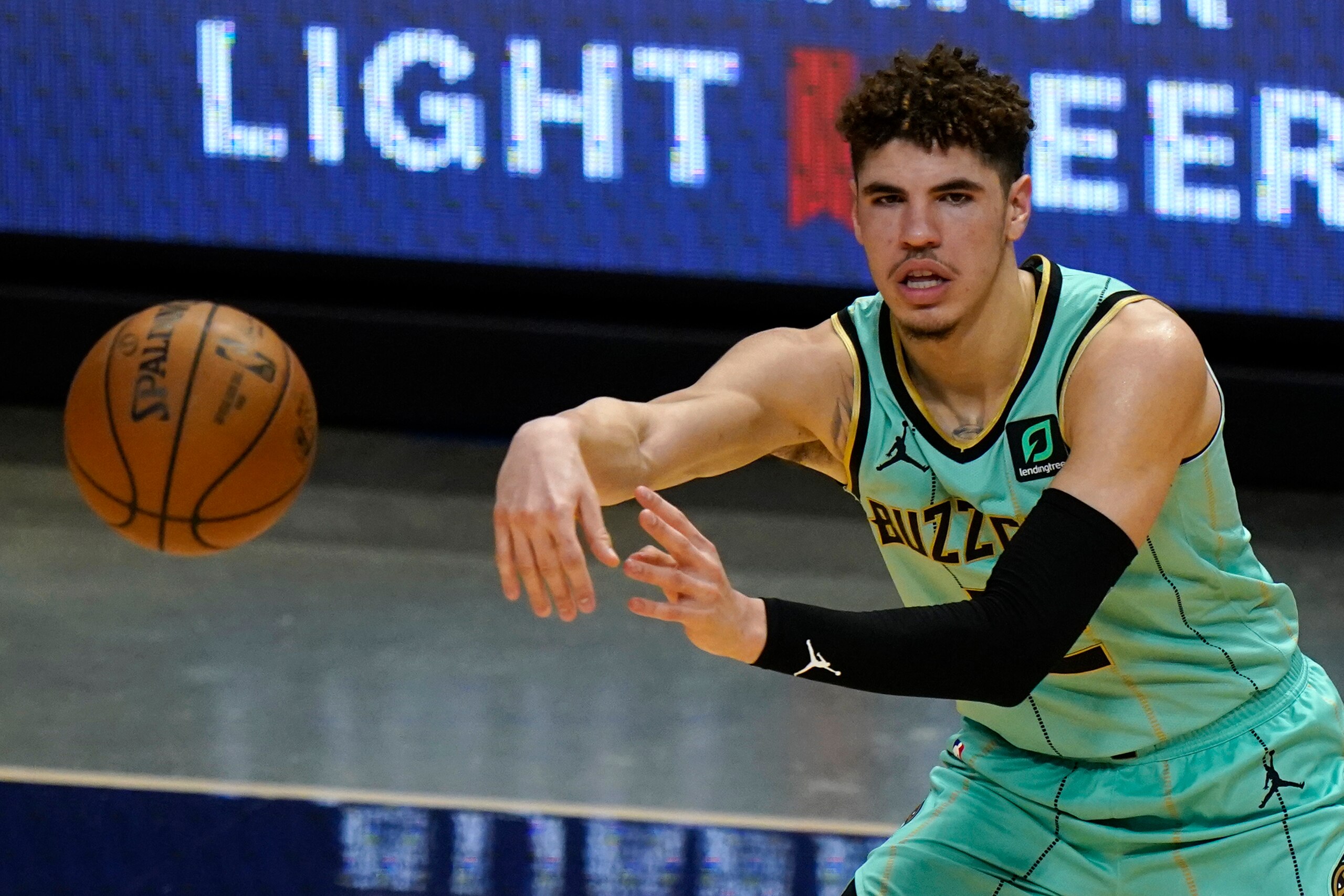

NBA Rookie Ladder: Is ROY Still LaMelo Ball's Award to Lose?
The 2020 NBA draft class has responded early after taking some heat over the summer for lacking excitement or star power.
The top picks are producing with promising flashes that point to upside, which the Minnesota Timberwolves, Golden State Warriors and Charlotte Hornets chose to bet on long term.
But so far, the class' depth has stood out most. The rookie ladder only has 10 spots, but another handful of youngsters have cracked their rotations and made compelling cases, including Boston Celtics guard Payton Pritchard, Houston Rockets glue guy Jae'Sean Tate, Cleveland Cavaliers stopper Isaac Okoro, Oklahoma City Thunder combo guard Theo Maledon and Miami Heat energizer Precious Achiuwa.
10. Xavier Tillman Sr. (Memphis Grizzlies, PF/C)
1 of 10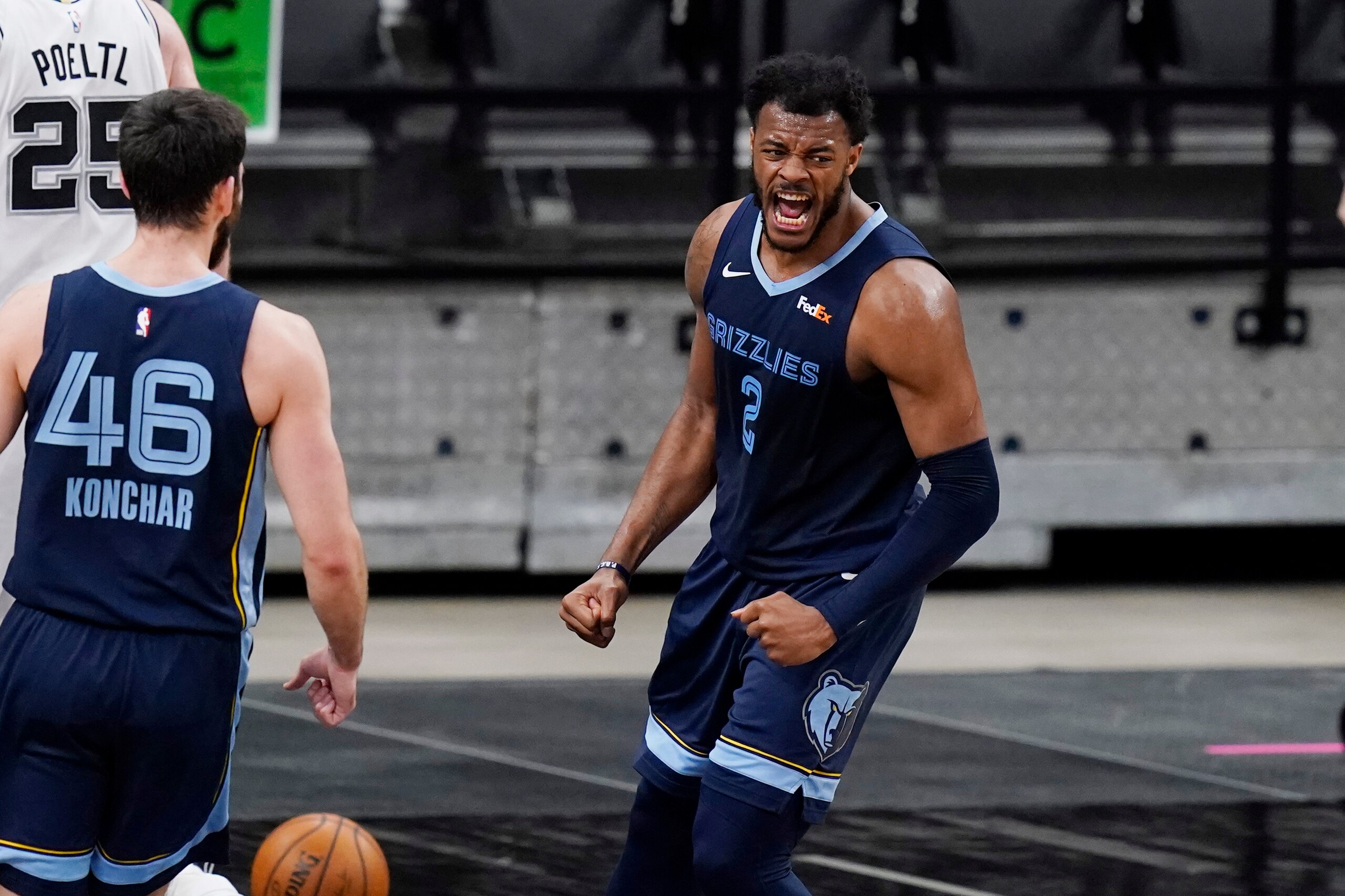
Moved into the starting lineup, Xavier Tillman Sr. is giving the Memphis Grizzlies what he gave Michigan State: a low-maintenance, efficient role player with strong defensive instincts.
Since becoming a 20-plus-minute player for head coach Taylor Jenkins five games ago, the team's second-round pick is averaging 11.0 points, 5.8 rebounds, 1.8 assists, 1.8 steals and 1.2 blocks. Opponents are also shooting just 43.8 percent against him on the season.
Tillman's value on the floor is ultimately driven by his knack for making reads at both ends. Though limited offensively, he's producing just by playing off Memphis' creators and scorers, putting himself in position to finish off rolls to the basket, missed shots, dump-offs and fast breaks.
Unless Tillman develops his three-ball, the Grizzlies may have to accept that his floor is also his ceiling. But even at his floor, he's proving a useful two-way big for a team winning games.
9. Cole Anthony (Orlando Magic, PG)
2 of 10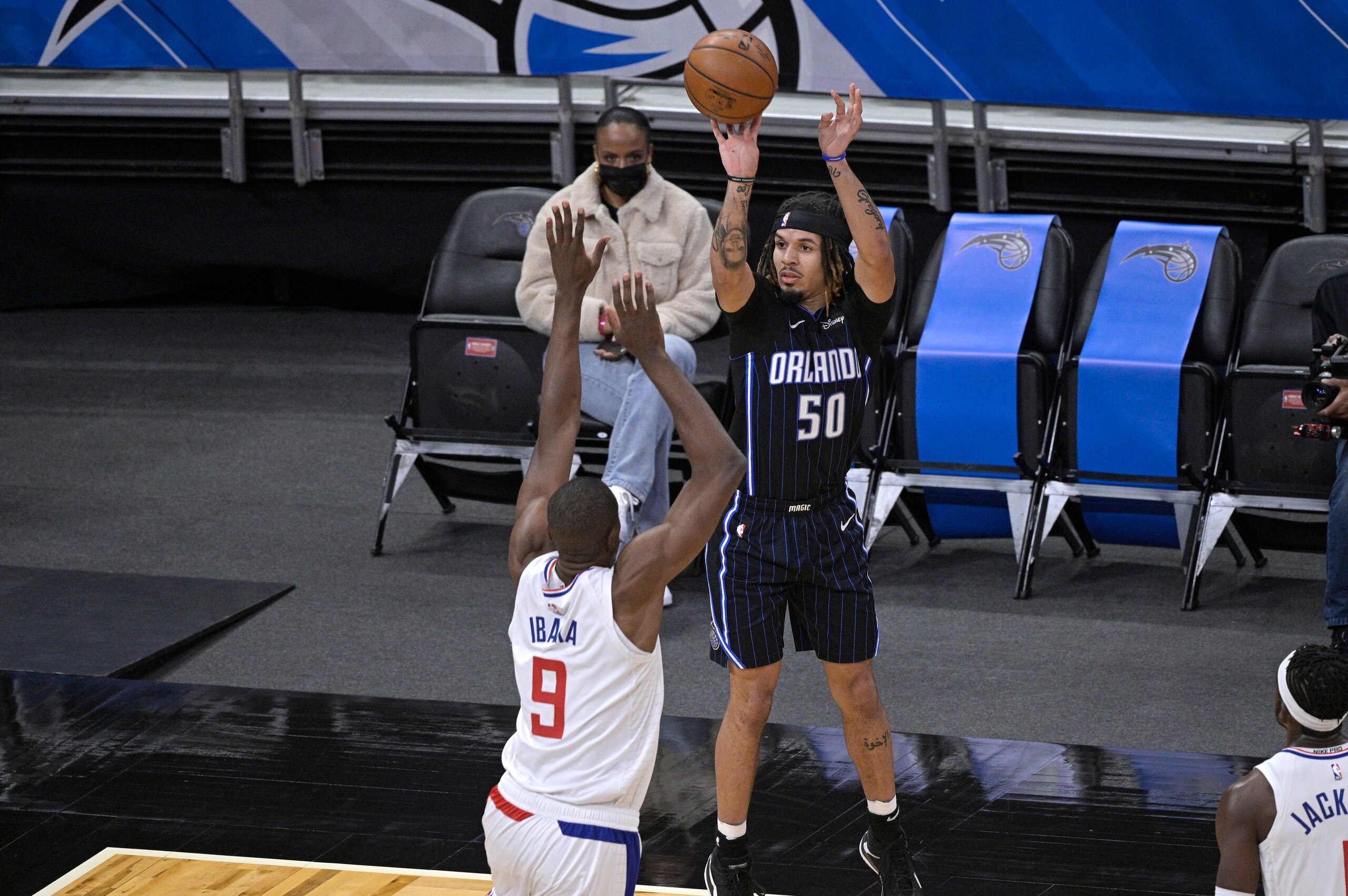
After a rough first 11 NBA games, Cole Anthony has settled in over his last 11, averaging 12.6 points, 4.9 rebounds and 4.2 assists on 42.9 percent shooting from three since Jan. 15.
A buzzer-beating fallaway to beat the Minnesota Timberwolves served as a reminder that shot-making has always been his distinguishable skill.
It seemed inevitable Anthony's jumper would start falling. The results have been erratic, but he's looked comfortable pulling up over screens and spotting up, particularly over the past few weeks.
His struggles as a finisher (45.3 percent within five feet) have carried over from North Carolina, and he's still more advanced with his scoring than playmaking (3.6 assists per game). Despite Markelle Fultz going down early with a torn ACL, the rookie hasn't been called on to initiate offense consistently with Aaron Gordon in the mix and frequent Nikola Vucevic post-ups.
Now that Gordon will miss time recovering from an ankle sprain, Anthony is looking at a big opportunity to work on his creation, particularly for teammates.
8. Tyrese Maxey (Philadelphia 76ers, SG)
3 of 10
With the Philadelphia 76ers lineup at full strength, Tyrese Maxey's opportunities have come and gone since his 39-point eruption on Jan. 9.
His production has unsurprisingly slowed down, but he's still giving the Sixers an efficient 9.6 points (46.3 field-goal percentage) in just 18.9 minutes per game off the bench.
The NBA's arc looks slightly out of Maxey's comfort zone so far, and he's used ball screens more for scoring than playmaking. However, he's grading in the 75th percentile as a pick-and-roll ball-handler, using his floater and pull-up game (44.2 percent) in the mid-range and his strength, body control, touch and eye for angles after turning the corner toward the paint.
Despite the low assist rate (15.8 percent), he's shown poise with his decision-making, rarely turning the ball over (14 times in 21 games) while confidently identifying scoring opportunities and executing inside the arc.


7. Patrick Williams (Chicago Bulls, SF/PF)
4 of 10
A bench player in college, Patrick Williams has started every game for the Chicago Bulls, and he's putting up nearly identical counting stats (9.6 points, 3.7 rebounds, 1.1 assists, 46.0 field-goal percentage) to the ones he averaged at Florida State (9.2 points, 4.0 rebounds, 1.0 assists, 45.9 field-goal percentage).
He's shooting better in Chicago, however, having hit 17 threes in 18 games at a 40.5 percent clip after making 16 threes his entire freshman season with the Seminoles. He is operating efficiently as a spot-up player, converting wing/corner threes and putting the ball down into drives or live-dribble passes. He's even hit 46.0 percent of his pull-ups, another promising sign that highlights his versatility at 6'7", 215 pounds.
Splitting time equally at small forward and power forward, he's competed defensively against some of the NBA's veteran stars.
Williams still isn't overly creative, and he's had some trouble finishing among the trees. But given his age (19) and limited on-ball reps dating back to his time at Florida State, his per-minute production and efficiency have been impressive.
6. Desmond Bane (Memphis Grizzlies, SG)
5 of 10
The last pick of the 2020 first round, Desmond Bane is the NBA's current leader in three-point percentage (minimum three attempts per game).
He's started his pro career 31-of-61 after finishing over 40 percent in three consecutive seasons at TCU. Bane has hit multiple threes in 13 of 16 games for the 9-7 Memphis Grizzlies.
With less responsibility as a creator compared to last year, he's aced his simplified role in Memphis, grading in the 92nd percentile as a spot-up player (44.2 percent of his possessions). While he's mostly produced as a catch-and-shoot option, he's capitalized on open lanes and vulnerable closeouts with straight-line drives from the wings.
Operating with patience and not trying to do too much, Bane has been productive and efficient drilling open shots, scoring opportunistically within the offense's flow and moving the ball.
5. Anthony Edwards (Minnesota Timberwolves, SG)
6 of 10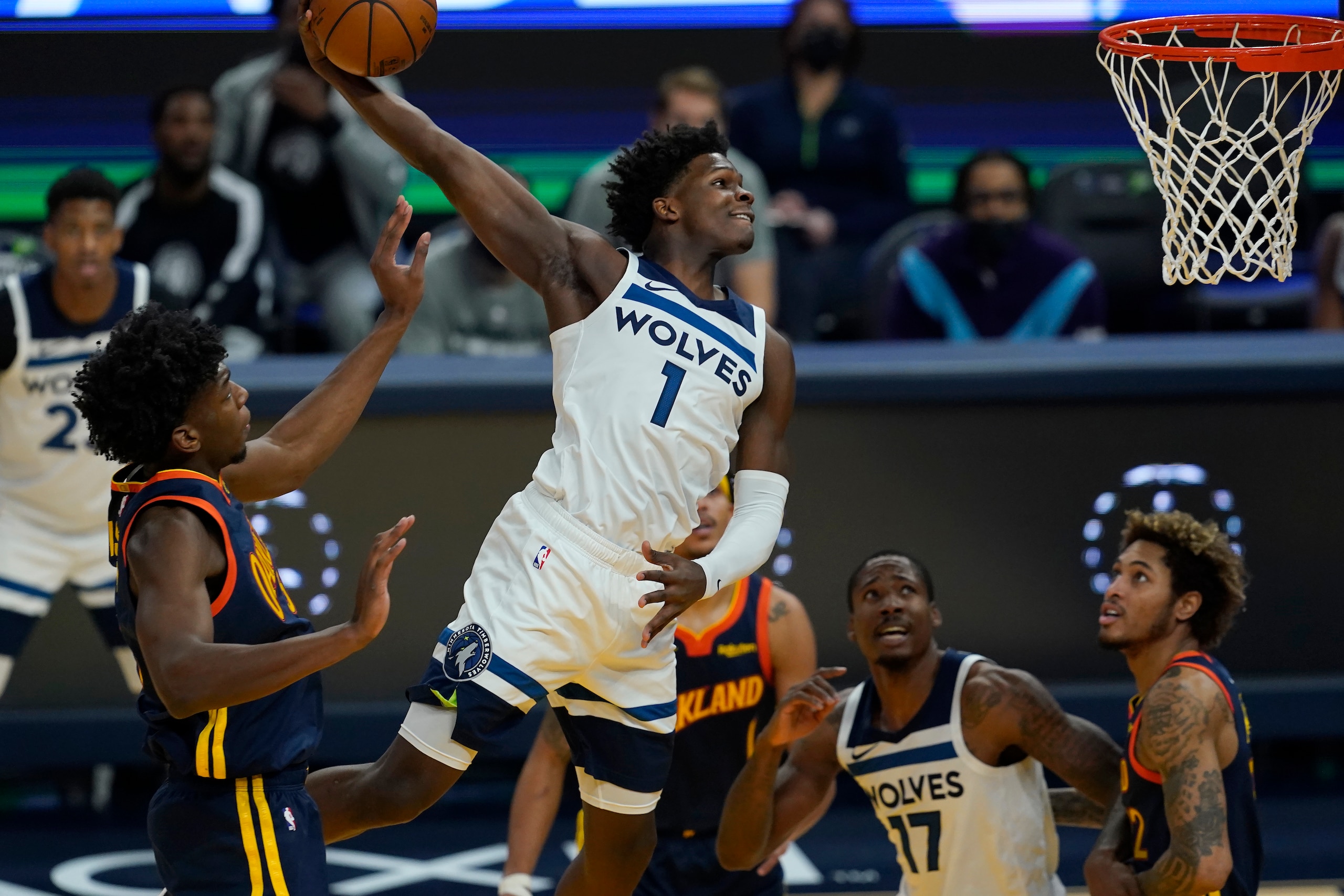
Productive but streaky, Anthony Edwards has delivered mixed results early and is leading all rookies in scoring (13.6 points per game) while shooting 37.3 percent from the field.
The arrow is currently pointing back up.
Averaging 19.0 points over the Minnesota Timberwolves' last four games, the 2020 No. 1 pick has entered a shooting zone. He's hit 14 of 27 threes during that hot streak, burying jumpers off the catch and his own creativity.
For the season, Edwards hasn't been consistent with his pull-up (27.2 percent). That's his preferred method for scoring, and it was an issue at Georgia that was tied to tough shot selection. He's also had trouble adjusting in the paint (44.7 percent on pull-ups inside 10 feet), but he has been better as of late, slashing with advanced off-the-dribble footwork to get through gaps.
Despite some struggles as a finisher, he's flashed the explosiveness to soar above shot-blockers, as well as the strength and coordination to convert after contact below the rim.
For a 19-year-old adjusting to a new role, the positives and highlight plays still outweigh the inefficiency. And Edwards has given the Wolves enough early scoring for coaches to feel satisfied and remain optimistic about his future.
4. James Wiseman (Golden State Warriors, C)
7 of 10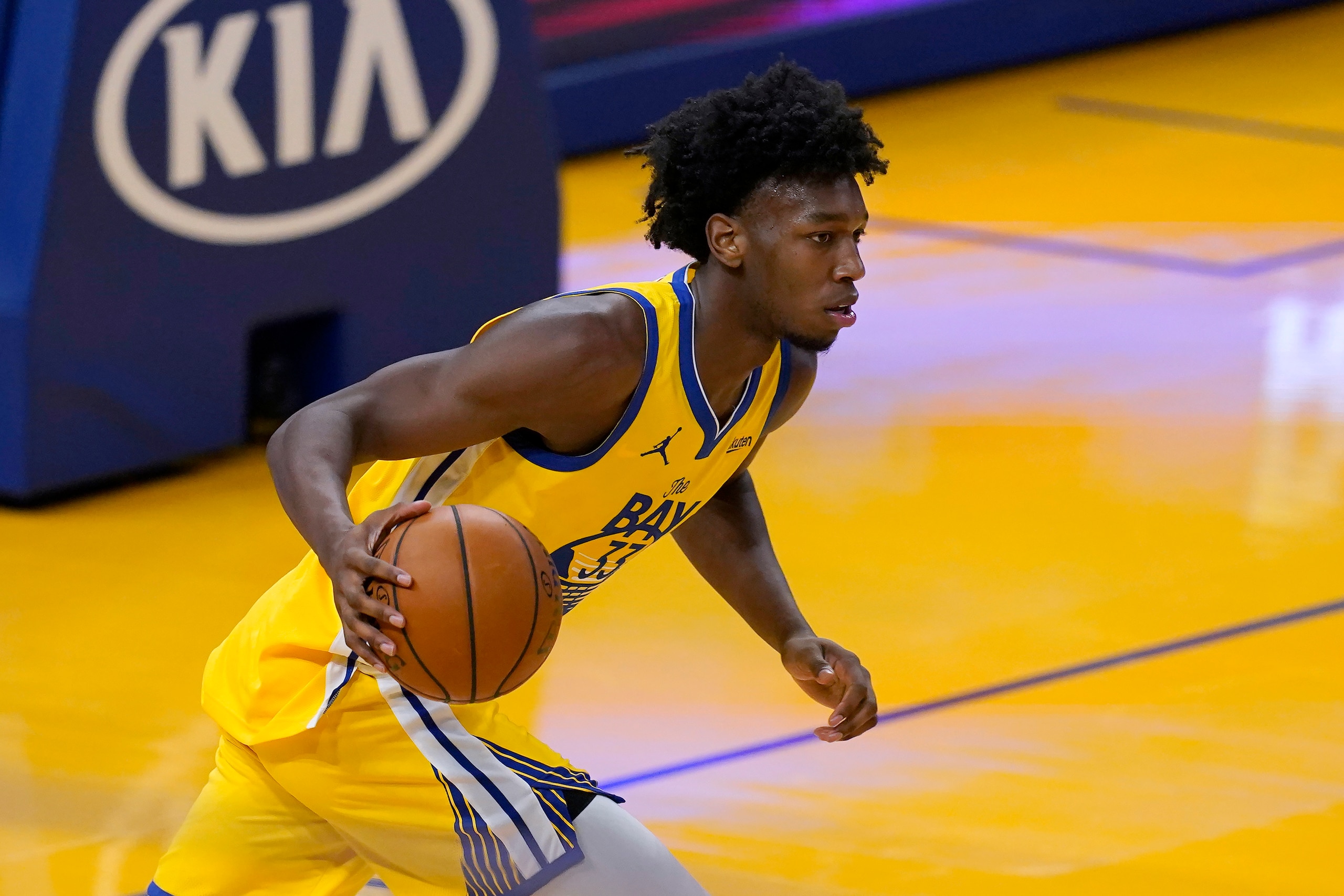
For the Golden State Warriors, James Wiseman's flash plays have been more exciting than his production, though the rotation will take his 12.2 points in 21.0 minutes per game.
With that 7'6" wingspan, he's regularly in position to finish an easy basket off dump-downs and lobs, secure deep position on the block and finish second-chance opportunities. But it's been the grab-and-go sequences, spin moves and three-point shooting that should amp up coaches, teammates and fans.
He's delivered some nifty moves around the key, showcasing fluid footwork and body control into his one-handers. He's also wisely picked when to attempt a jumper versus just moving the ball. Wiseman isn't forcing threes; he's taking open ones in rhythm, and so far, he's hit an impressive nine of 22.
He still hasn't been truly proficient as a skilled scorer, converting just 35.5 percent of his post-ups and 32.6 percent of his catch-and-shoot chances. And given his tools, you'd think he'd make more than 56.7 percent of his pull-up attempts inside 10 feet. It's also worth noting Golden State's offense is 8.8 points better per 100 possessions when Wiseman is off the floor.
Defensively, he's had strong possessions (especially lately) anticipating and using his length in rim protection, as well as teaching moments when it comes to contesting without fouling or reading pick-and-rolls.
He now has to deal with a wrist injury that will cause him to miss time. But through 20 games, he's given more reasons to feel confident than concerned about his development and future.
3. Immanuel Quickley (New York Knicks, PG/SG)
8 of 10
Early steal-of-the-draft discussions should start with Immanuel Quickley, the 25th pick who's second among members of the 2020 draft class in scoring but 15th in minutes. Over the New York Knicks' last five games, he's averaging 20.6 points, 4.2 rebounds and 3.6 assists on 40.0 percent shooting from three.
Quickley ranks top-20 in the NBA in fourth-quarter points, already beginning to establish a fearless reputation with his shot-making late in games.
Viewed as a shooting specialist coming in, the 6'3" combo guard has also flashed more creativity and elusiveness than we saw at Kentucky, where he shared the floor with the SEC's assist leader (Ashton Hagans) and another first-round pick (Tyrese Maxey). He's been somewhat reckless at times, but defenses have had trouble containing him off the dribble, and he's demonstrated enough vision and IQ on the move to play-make for teammates.
His signature floaters have carried over to the NBA, and he's consistently put himself in position to sink them by shaking defenders with changes of speed and finding space before he reaches traffic in the paint.
It's too early to say whether the Knicks have found their new starting point guard—or if that's even his ideal positional label. But it does seem obvious they've added a rotational cornerstone.
2. Tyrese Haliburton (Sacramento Kings, PG/SG)
9 of 10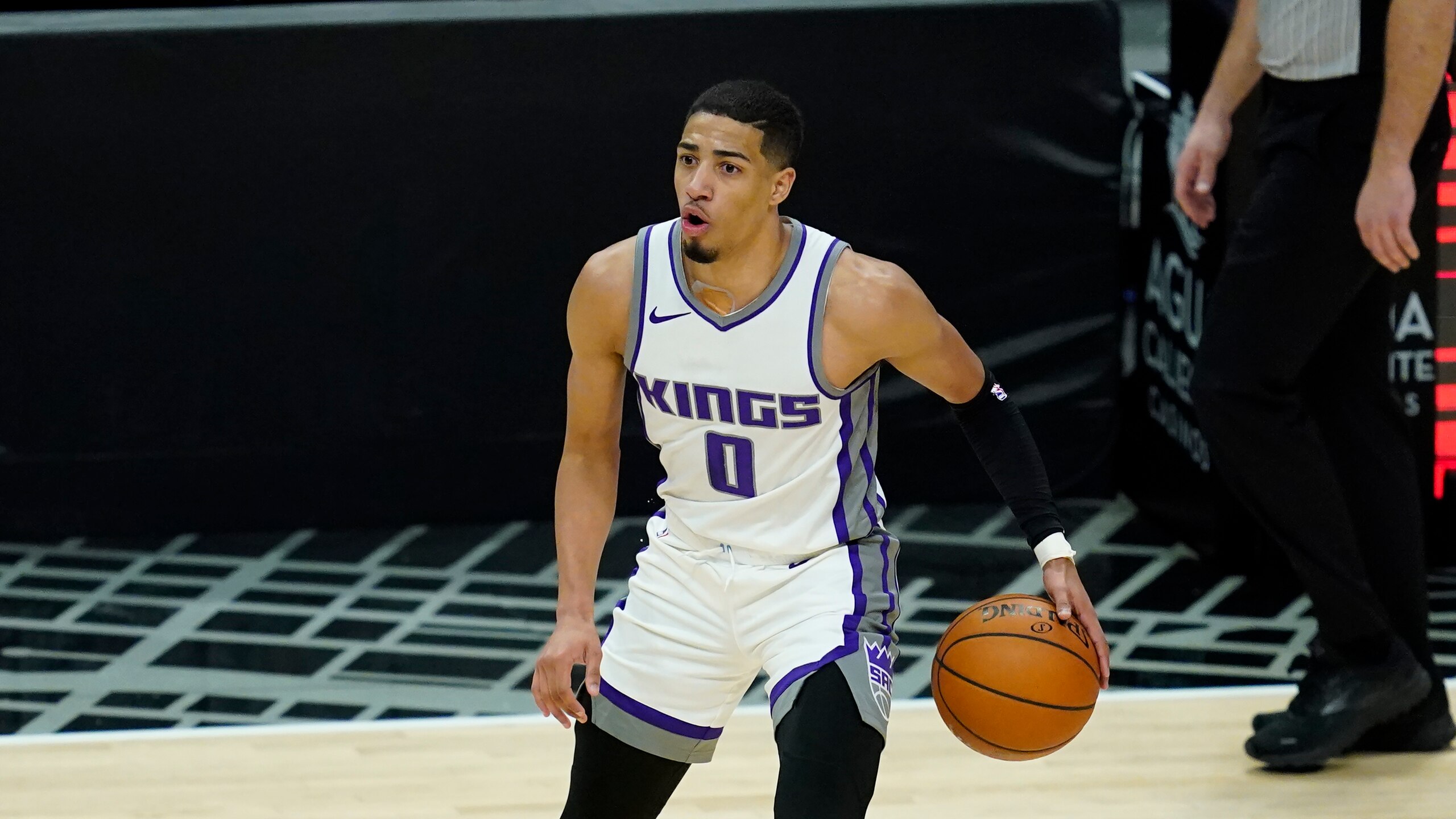
Logging 28.8 minutes per game, second among rookies, Tyrese Haliburton has been playing to his strengths, giving the Sacramento Kings a secondary playmaker, spot-up shooter and smart defender.
Averaging 5.4 assists to 1.6 turnovers, he's moving the ball and taking care of it, passing with purpose over flash aside from his signature jump pass off ball screens. He's making the right, simple reads and getting it to shooters in rhythm, cutters who have lanes or bigs with post position and space.
The biggest question out of Iowa State asked about his unconventional shot mechanics and whether his accurate shooting would translate. So far, he's answered doubters by hitting 2.0 threes per game at a 40.9 percent clip while converting 44.3 percent of his pull-ups and 43.4 percent of his shots off the catch.
Attempting just 3.8 two-point field goals per game, Haliburton has taken what the defense gives without forcing much, often using his touch on one-handers around the paint after turning the corner.
Playing on and off the ball, he's looked efficient and versatile, which is precisely what the strengths section of predraft scouting reports suggested he'd be.
1. LaMelo Ball (Charlotte Hornets, PG)
10 of 10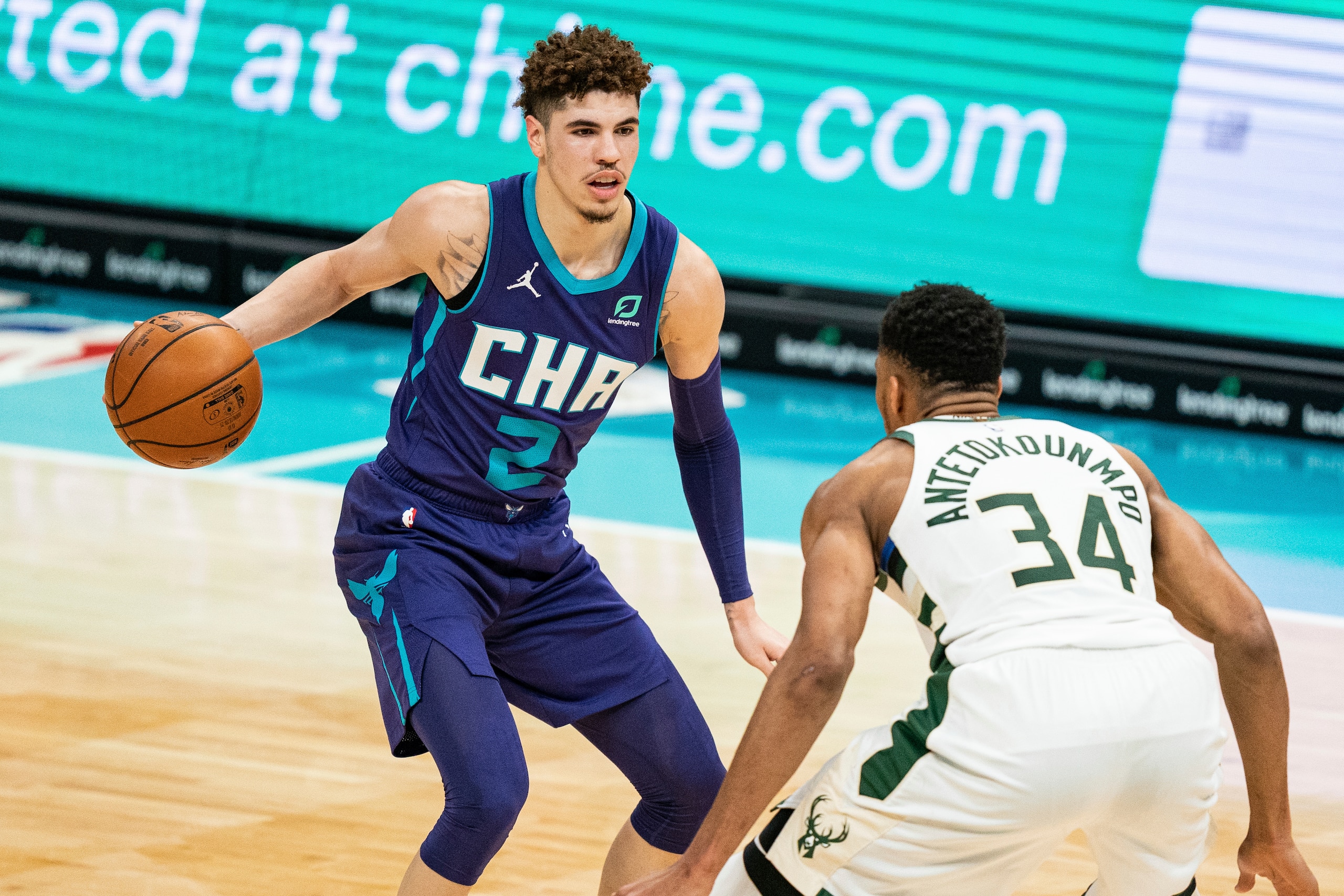
Our predraft No. 1 prospect and preseason prediction to win Rookie of the Year, LaMelo Ball checks in as the top rookie through roughly a quarter of the NBA season.
First in assists and steals, second in rebounding and third in scoring, LaMelo (17.5 player efficiency rating) has even been more productive and efficient than older brother Lonzo (12.1 PER).
His passing translating seemed like a given. No. 8 in the NBA in assist percentage (37.0 percent), Ball continues to create highlights and open shots for teammates off his ball-handling, vision and skill delivering dimes with both hands.
The bigger surprise has been his increasing comfort level as a scorer and shooter. He went for 27 points against the Milwaukee Bucks last week. He's hitting 1.3 threes per game and 42.4 percent of his pull-ups.
His lack of strength does show on some drives and finishes, but it hasn't been too problematic. Ball is still converting a respectable 57.1 percent of his shots at the basket and trails only Jarrett Culver for the lead among NBA guards in offensive rebounds per game (1.5).
Stats courtesy of NBA.com.

.jpg?w=2560 "Grading WWE Raw 🔠")

.jpg?w=2560 "Bijan's INSANE 1st Half 🤩")
.jpg?w=2560 "Viral Rams Coach Vid 🖕")
.jpg?w=2560 "Injury-stricken Seahawks signing veteran RB")

.jpg?w=2560 "2 NFL Officials Suspended")