


Most of the discussion around the top 2021 NBA draft prospects focuses on their strengths and what will translate to the next level. But scouts also must identify their weaknesses and determine the likelihood of them improving, and how much these weaknesses could set them back if they remain issues.
Even the consensus No. 1 prospect has a hole in his game that NBA teams need to consider.
We dove deep into the scouting reports and stats of projected lottery picks to address those potential concerns.
Scottie Barnes (Florida State, SF/PF, Freshman)
1 of 12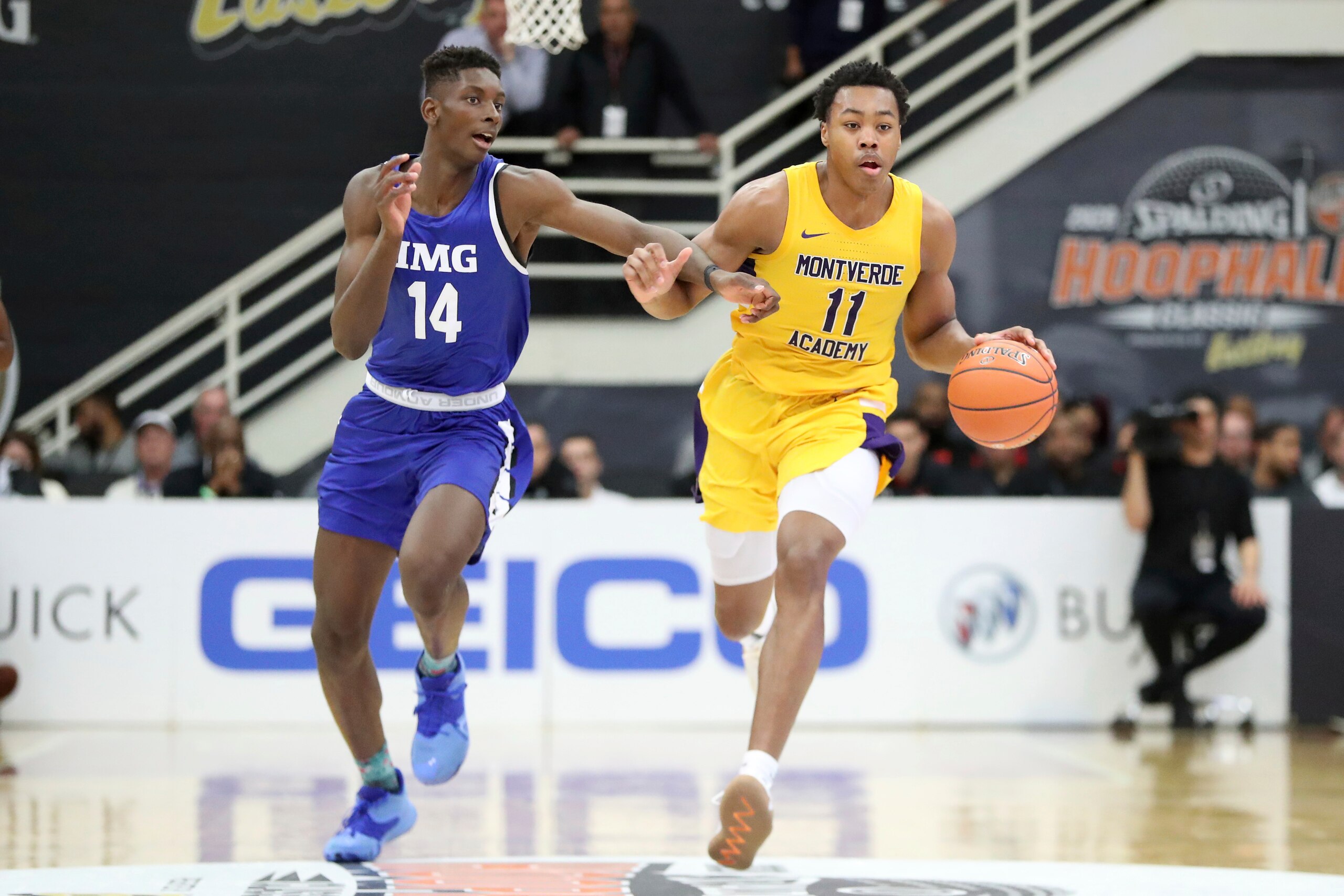
Big weakness: Half-court scoring/shooting
Scouts are high on Scottie Barnes, although they acknowledge he may never provide volume scoring.
Aside from his defensive upside and versatility, he's different from other 6'9", 227-pound bigs because of his ability to handle the ball, live-dribble pass and play-make for teammates. However, creating his own shot and shot-making aren't among his strengths.
Non-threatening out of isolation (1-of-6) or the post (0-of-1) and only 2-of-11 on pull-ups, Barnes needs driving lanes to earn himself a quality scoring opportunity. He can hit them attacking closeouts or ball screens, but he can't generate his own offense out of nothing or one-on-one.
Off the ball, he's had some success making catch-and-shoot threes, but his three-ball is tough to buy given the low volume (8-of-25) and poor free-throw numbers (14-of-31).
Sharife Cooper (Auburn, PG, Freshman)
2 of 12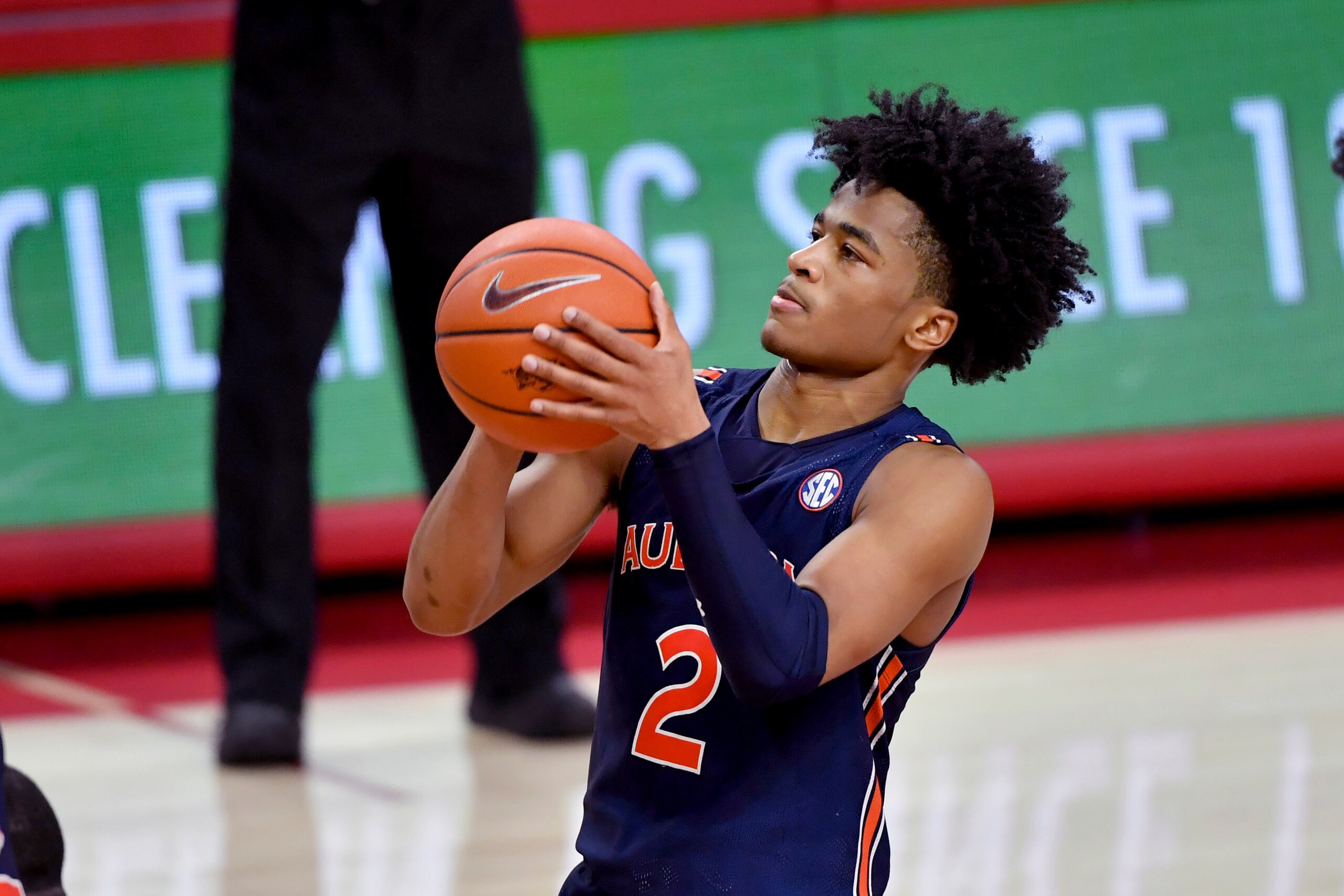
Biggest weakness: Shooting
The hottest name in the draft discussion, Sharife Cooper has NBA scouts talking about his dazzling playmaking and if his potent offense at Auburn can carry over to the pros.
There shouldn't be any debate about whether his passing will translate. But what about the scoring?
Lacking explosiveness to bounce above the rim, he's also listed at 6'1", which seems like a best-case measurement. Shooting will be key for Cooper, who's 5-of-27 from three, 4-of-17 on pull-ups and 4-of-14 off the catch.
His 80.3 free-throw percentage is promising, but he gets little elevation on his jumper. And with his current form, it's tough to picture a threatening three-pointer shooter behind the NBA's arc.
Cooper figures to rack up assists in any setting, but he won't be able to rely on running layup lines through NBA defenses, especially given his questionable tools and athleticism for finishing.
Cade Cunningham (Oklahoma State, PG/SG, Freshman)
3 of 12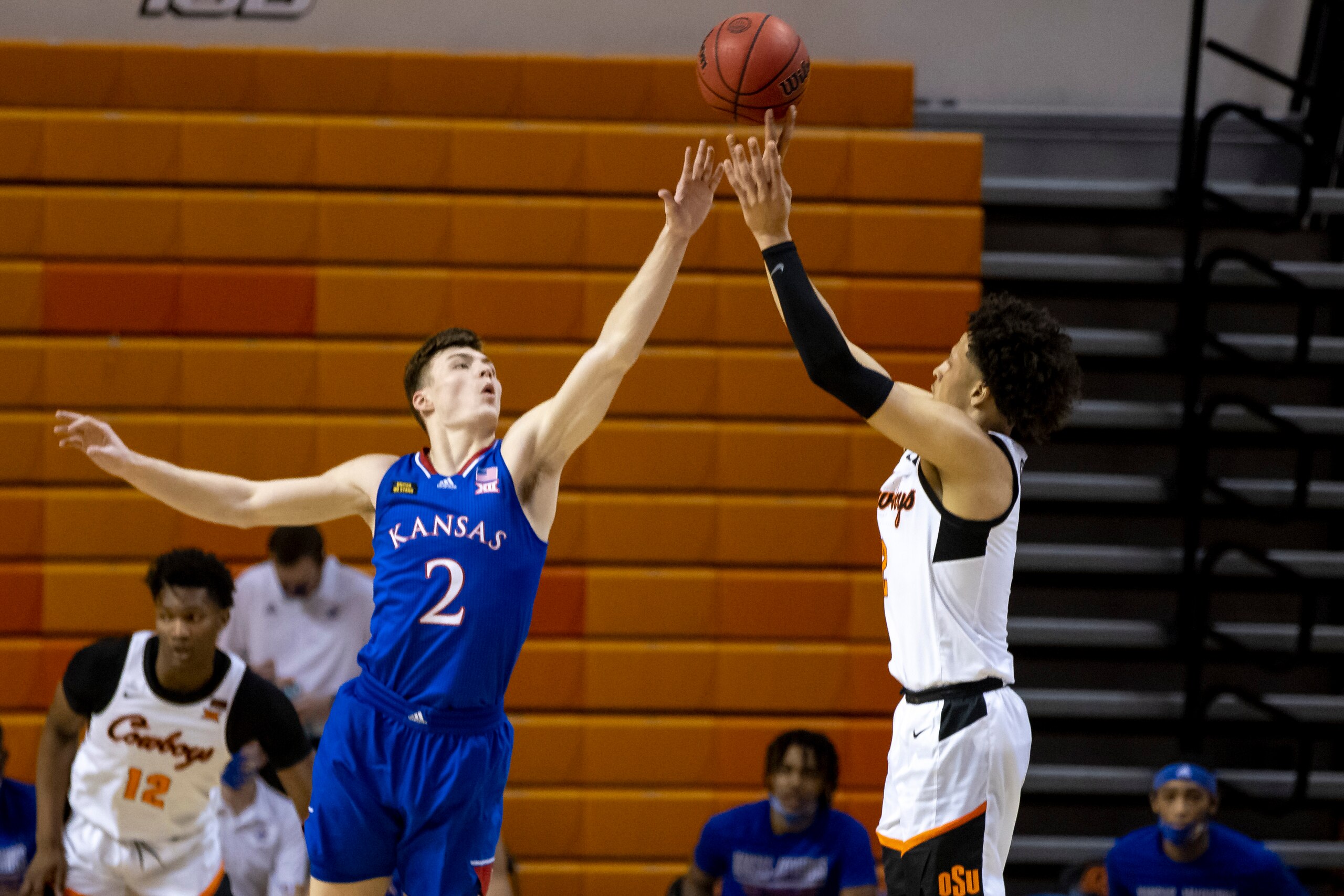
Biggest weakness: Spot-up play
Creating and pick-and-roll ball-handling are Cade Cunningham's greatest strengths. He isn't as comfortable or effective playing off the ball and standing around the arc.
Cunningham ranks in the 15th percentile as a spot-up player, shooting 5-of-20 on those catch-and-shoot chances and 0-of-6 when he's run off the line and forced into a quick pull-up or runner. And through 12 games, he's converted two cuts and one shot off a screen.
Whichever team drafts Cunningham should be prepared to let the offense run through the 6'8", 220-pound point guard, even though his size, scoring and defense suggest he could log minutes at positions 2-4. Having him stand around the wings and corner means playing him away from his strengths.
Still, he'd benefit from improving as a shooter off the catch (29.4 percent).
Jalen Green (G League Ignite, SG, 2002)
4 of 12
Biggest weakness: Inefficiency
Talent and skill could lead NBA teams to view Jalen Green as a No. 1 overall candidate, the way they did with Anthony Edwards. But like Edwards, Green has similar question marks about his ability to produce efficiently based on his particular style of offense and decision-making.
Despite Green looking like a lock to produce at the NBA level given his special athletic abilities, improved creation and confident shot-making out to the arc, his shot selection, streaky jumper and limited playmaking IQ are worrisome for a projected ball-dominant player.
He's an isolation scorer who relies heavily on his dribble-jumper game, which works. But from high school and AAU to FIBA, he's never been an efficient three-point or free-throw shooter.
Though there isn't any official listing for his weight, roughly 200 pounds seems like a best-case number using older measurements and the eye test. And he doesn't project to register a strong assist-to-turnover ratio.
Keon Johnson (Tennessee, SG, Freshman)
5 of 12
Biggest weakness: Offensive polish
Keon Johnson's powerful frame, athleticism for attacking, defensive quickness and a live motor hint at a high NBA floor. But for NBA teams, unlocking upside from the 6'5" freshman will require heavily developing his offensive skill level.
Johnson's ball-handling and decision-making must improve in creation. He's generated nine points on 21 pick-and-roll possessions (11th percentile) with a 23.8 turnover percentage in ball-screen situations.
Johnson's perimeter game and touch are also lagging. He's 5-of-21 from three and is shooting only 64.2 percent from the free-throw line.
It could be a few years before he adds any value to a team's half-court offense. In the meantime, Johnson has a chance to earn minutes by seeking out transition opportunities, putting pressure on the rim and hounding opponents on defense.
Jalen Johnson (Duke, PF, Freshman)
6 of 12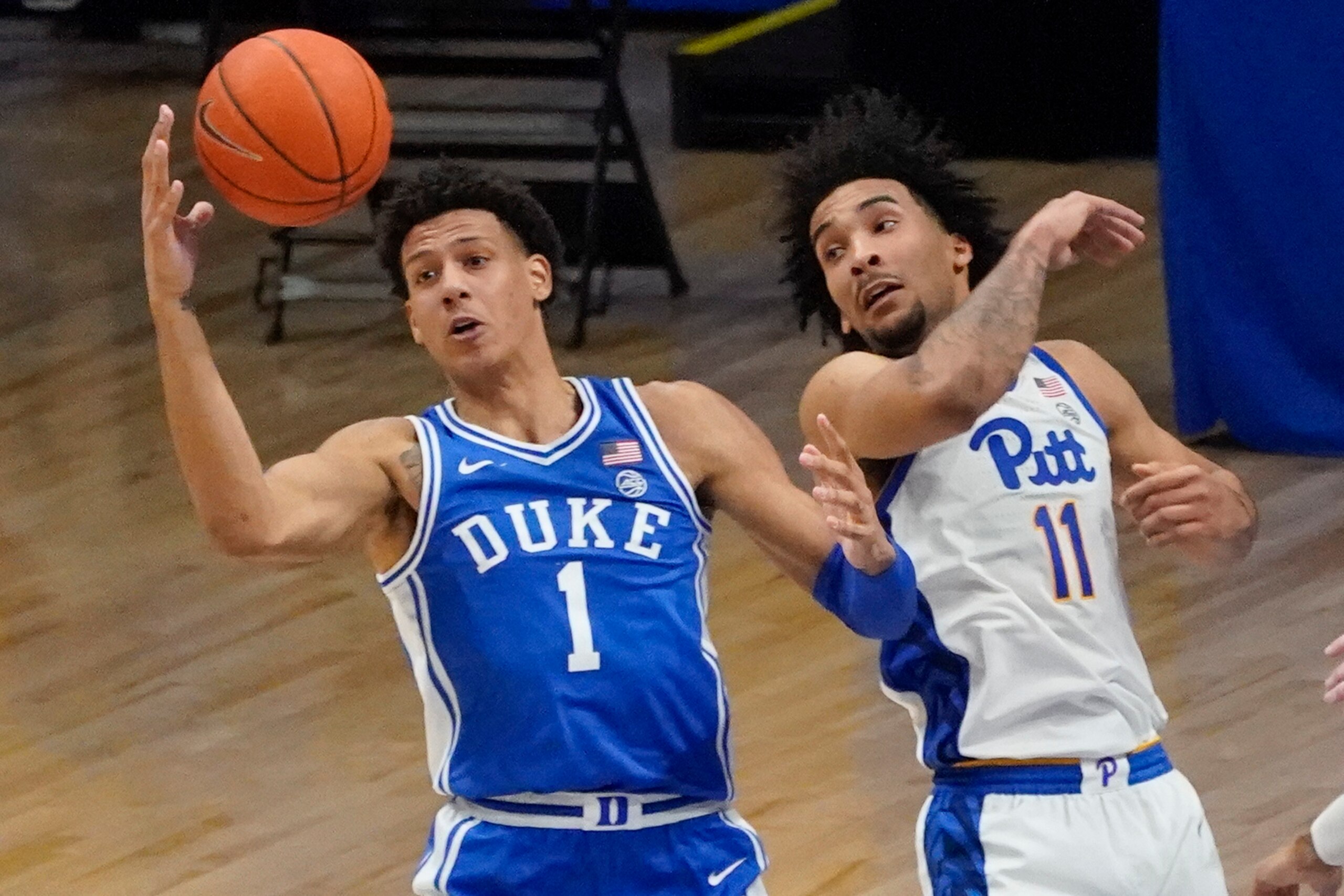
Biggest weakness: Shooting/half-court scoring
Jalen Johnson has done most of his scoring in transition or off-ball plays as a cutter and offensive rebounder. But with the ball against a set defense, he hasn't proved to be a significant threat.
The biggest concern with Johnson questions his shooting, since he isn't a self-creator or post player. How will he score in the half court at the NBA level outside of using his tools and athleticism to finish plays around the basket?
So far, he's 4-of-13 from three with a line-drive release that usually results in front-rim misses. The college arc seems to be out of his comfort zone. He's missed seven of his eight pull-up attempts, and he's at 60.7 percent from the free-throw line, where his lack of natural touch gets exposed.
There is a lot to like about Johnson's ability to grab and go, pass, hit the glass, play-make defensively and guard different spots. But his jumper seems far away from being useful at the NBA level, and he doesn't offer isolation or ball-screen creation, so there are concerns about his ceiling as a scorer.
Jonathan Kuminga (G League Ignite, SF/PF, 2002)
7 of 12Biggest weakness: Inefficiency/impact
From an NBA scouting perspective, Jonathan Kuminga pops off the screen with his 6'8", 220-pound frame and inside-out scoring ability. Now scouts will want to see if he can score efficiently within the flow of an offense.
Kuminga's shot selection has a tendency to reflect a me-first approach. The ball can stick to him, or it can leave his hands quickly on a jumper before the play develops. He doesn't project as a plus-playmaker or passer, so teams will be buying stock in his volume-scoring potential.
And at the high school level, he relied on his physicality and athleticism while looking capable—not proficient—with his shooting.
Scouts are anxious to see how efficient he'll be in the G League bubble, and what an offense looks like running through his iso-heavy game.
Evan Mobley (USC, C, Freshman)
8 of 12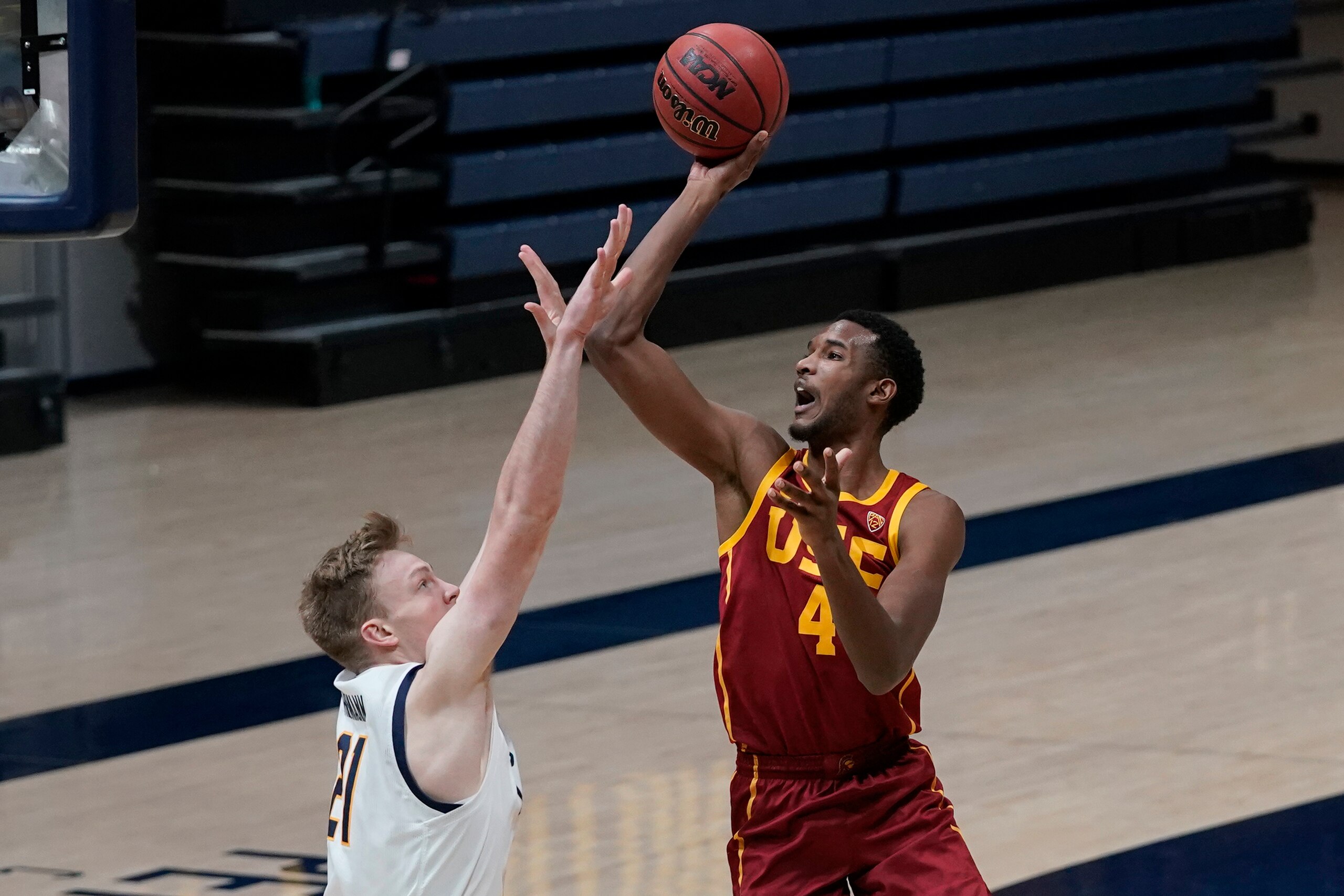
Biggest weakness: Physicality/strength
Versatility at both ends set Evan Mobley apart and paint the image of a perfect fit at center in today's NBA. The only question focuses on his physical presence and strength inside at 7'0" and 210 pounds.
His 10.3 rebounds per 40 minutes and 14.0 rebounding percentage are underwhelming for a big man expected to go in the top three of the draft. Those numbers are lower than Onyeka Okongwu's last year at USC (11.3 rebounds per 40 minutes, 15.5 rebounding percentage) when he shared the floor with another 5 in Nick Rakocevic. And they're significantly lower than what No. 1 overall picks Deandre Ayton, Ben Simmons and Karl-Anthony Towns did during their one-and-done seasons.
Mobley is also just 9-of-22 operating out of the post, where he relies more on touch and length than gaining position and moving defenders.
None of these issues should set off alarms given his potential to add muscle and the fact he can handle, face up and score, hit jumpers, block shots and switch defensively. But it wouldn't be shocking if he was pushed around in the paint earlier in his career.
Moses Moody (Arkansas, SG, Freshman)
9 of 12
Biggest weakness: Creating/playmaking
Moses Moody has jumped all the way up to No. 6 on our big board thanks to his shooting, defense and opportunistic scoring. But he still has plenty of room to improve as a creator and playmaker.
With 26.8 percent of his offense generated from spot-ups, 23.8 percent in transition, 13.4 percent off screens, 12.3 percent off putbacks and 6.9 percent off cuts, Moody has done little on-ball work. He's generated six field goals combined out of pick-and-rolls and isolation.
His 8.7 assist percentage is extremely low for a projected guard, though his role doesn't call for him to facilitate.
Still, Moody is mostly a set and pull-up shooter who also scores by attacking in straight lines or crashing the glass. His future NBA team won't use him much in ball-screen situations or late in shot clocks.
Jaden Springer (Tennessee, PG/SG, Freshman)
10 of 12
Biggest weakness: Creation/athleticism
My No. 10 overall prospect, Jaden Springer has inched up the board with his versatility, efficiency and defense. But some scouts have difficulty picturing upside because of his limited creation skills and lack of explosiveness.
Tennessee doesn't use him often in ball-screen situations (seven total possessions). Of his 43 made field goals, 38 have come off a combination of transition, spot-ups, shots off screens and cuts. Averaging 2.6 assists in 20.4 minutes, Springer is a smart passer, but he isn't an exciting playmaker off his own creativity.
Springer needs to improve his ball-handling, but he also lacks burst. He often leans on rising off two feet, rather than exploding off of one. That approach results in Springer taking balanced shots, but his inability to jet past a defender with a leap toward the rim limits his scoring opportunities and leads to more short jumpers than layups and free throws.
Jalen Suggs (Gonzaga, PG, Freshman)
11 of 12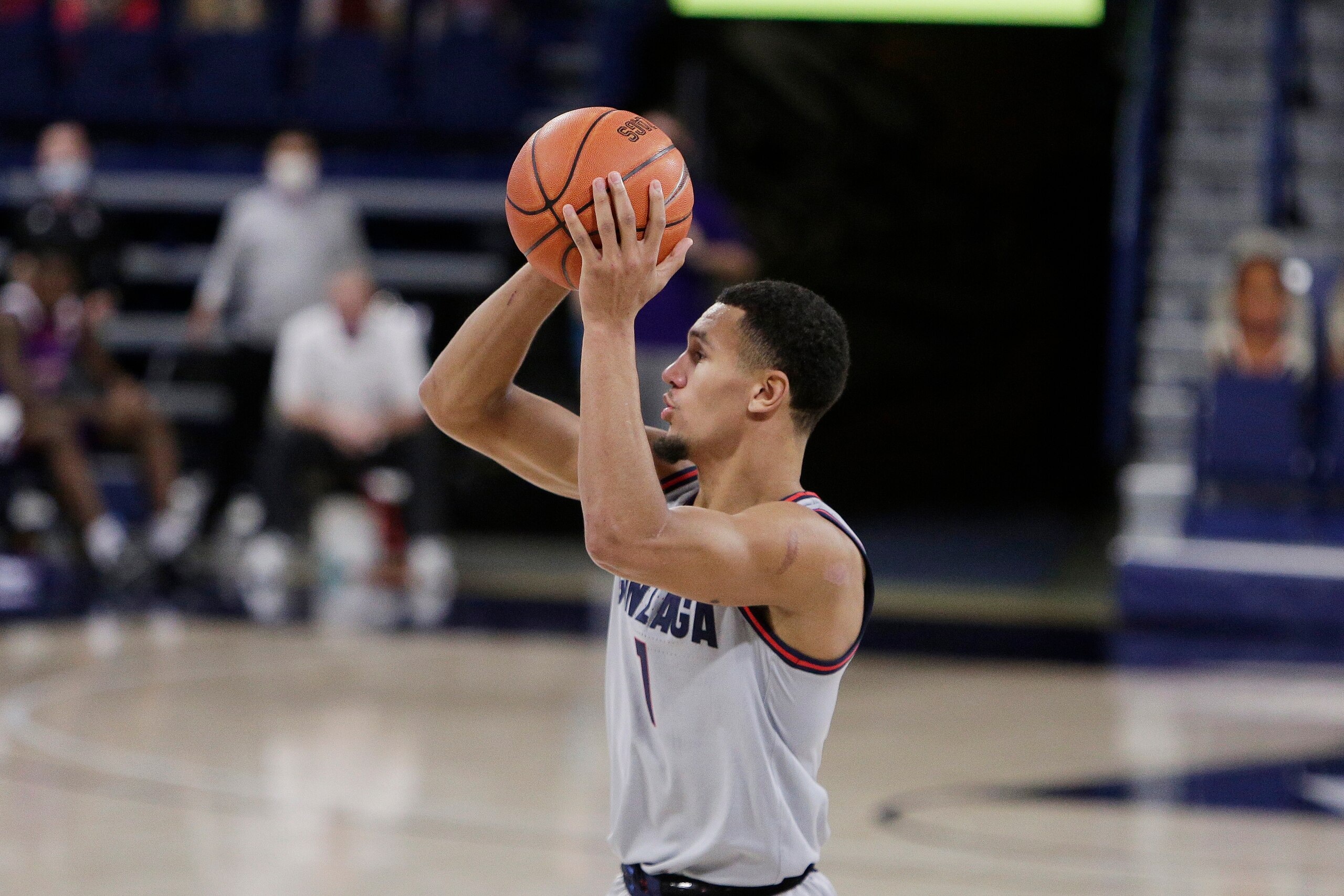
Biggest weakness: Shooting consistency
It's tough to pinpoint any worrisome weakness of Jalen Suggs, a well-rounded guard with a complete scouting profile in terms of physical tools/athleticism, skill versatility, defense and intangibles. But his shooting may take the longest to come around, particularly off the catch.
Suggs' jumper was viewed as capable when he arrived at Gonzaga based on high school tape, AAU and FIBA, and that's where it stands now. He showcased his ability to catch fire against Iowa, drilling 7-of-10 threes. However, in Suggs' other 12 games, he's hit only eight threes on 24.2 percent. He's 3-of-15 spotting up on the season, too.
Offensively, Suggs is at his best getting downhill and making passing reads. And when he's rolling, he's a threat to step into pull-ups out to the arc. It just may take a few NBA seasons for Suggs' three-point mark to approach the 35-37 percentage range.
Ziaire Williams (Stanford, SF/PF, Freshman)
12 of 12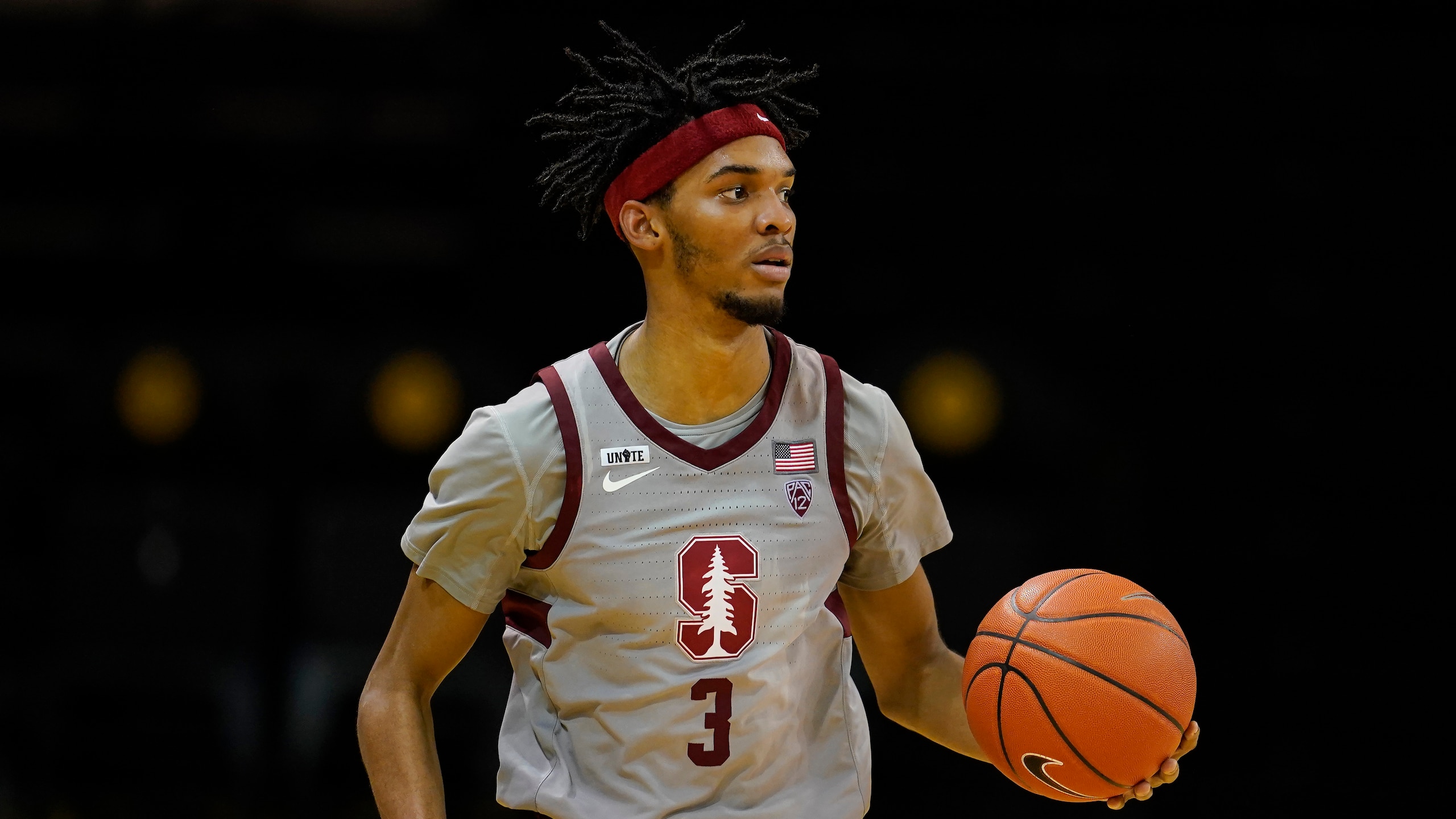
Biggest weakness: Strength/burst for two-point scoring
The immediate draw to Ziaire Williams stems from his textbook shooting stroke and shot-making versatility off deep spot-ups, pull-ups or step-backs. But he's almost too reliant on his jumper. And the reason stems from his limited burst to blow by defenders and lack of strength for converting inside the arc/paint.
Through 13 games in the half court, he's attempted 90 jumpers to 21 shots around the basket, where he ranks in the 23rd percentile as a finisher. He takes 3.3 free-throw attempts in 30.7 minutes per game. Of Williams' 48 possessions ball-screen possessions that resulted in a shot for himself, 35 have been pull-up attempts, and only one has been a successful take to the rim.
There is a still lottery-pick value tied to Williams' three-and-D projection for a 6'8" combo forward. But with a thin frame and body that tends to buckle through contact and not enough explosiveness to consistently put pressure on the defender and rim, Williams could struggle with scoring consistently if his jumper doesn't become automatic.
Stats courtesy of Synergy Sports and Sports Reference.
.jpg?w=2560 "Grading SmackDown 🔠")
.jpg?w=2560 "Aiyuk Slammed by Ex-Teammates 😬")

.jpg?w=2560 "Report: Eagles to Sign Cowboys QB")
.jpg?w=2560 "Caleb Reposts Hype Video 🥶")