As the year comes to an end, there's no time like the present to look back on what worked for Major League Baseball teams in 2020.
Or more accurately, what didn't.
Albeit with the benefit of hindsight, we've highlighted one regret that each team in MLB should have about this year's pandemic-shortened season. These include decisions that deserve second-guessing, as well as things that simply went wrong regardless of how much control teams had over them.
Since we're only looking at what happened in 2020, please note that trades and signings from 2019 were not on the table for consideration. So, don't expect any laments about Madison Bumgarner, Josh Donaldson or Stephen Strasburg.
We'll proceed in alphabetical order by city.
Arizona Diamondbacks: Their Curious Offensive Downturn
1 of 30
Following their 85-win season in 2019, not much went right for the Arizona Diamondbacks as they slipped to last place in the National League West in 2020.
They surely didn't expect Madison Bumgarner, Luke Weaver and Robbie Ray to each post ERAs north of 6.00. Even more jarring, though, was their steep offensive decline from 2019.
That was largely a case of key incumbents never getting it together. Specifically, Ketel Marte, Eduardo Escobar and Carson Kelly went from an .886 combined OPS in 2019 to just .661 in 2020.
The unprecedented nature of the 2020 season was surely a factor, yet the D-backs are also aware of how badly their hitters struggled to hit the fastball. For the team to bounce back in 2021, that will need to be a point of emphasis in spring training.
Atlanta: Letting the NLCS Slip Away
2 of 30
This season saw Atlanta play in its first National League Championship Series since 2001, in which it nearly punched its ticket to its first World Series since 1999.
Alas, the emphasis there is on "nearly."
After jetting out to a 3-1 lead over the Los Angeles Dodgers, Atlanta promptly lost the next three games. The killing blow was a 4-3 defeat in Game 7 that might have been avoided under different circumstances.
Atlanta didn't have the platoon advantage on Enrique Hernandez's game-tying home run in the sixth or Cody Bellinger's go-ahead blast in the seventh. The club also shot itself in the foot with a killer double play in the fourth, which later prompted manager Brian Snitker to say: "We're usually a good baserunning team. We just did some fundamental things wrong."
Baltimore Orioles: Not Promoting Ryan Mountcastle Sooner
3 of 30
In the context of the 223 losses that the Baltimore Orioles sustained across 2018 and 2019, their 25-35 showing this season was actually a step forward.
There was one puzzling part, though: Given that this year was always meant to be the latest step in an ongoing rebuild, it's odd that the O's waited so long to call up Ryan Mountcastle.
After demolishing Triple-A pitching in 2019 to the tune of an .871 OPS and 25 homers, the 23-year-old arguably belonged on Baltimore's Opening Day roster. But presumably for service-time reasons, he didn't get the call until Aug. 21.
From there, Mountcastle went off for a .333/.386/.492 batting line in 35 games. Had he been promoted sooner, he might have become Baltimore's first Rookie of the Year winner since Gregg Olson in 1989.
Boston Red Sox: Not Promoting Bobby Dalbec and Tanner Houck Sooner
4 of 30
The Boston Red Sox weren't rebuilding when this year began, but they changed that when they traded Mookie Betts and David Price to the Los Angeles Dodgers in February.
Because that deal helped reset the club's luxury-tax penalties, we're not taking it for granted that Boston regrets it. We're more baffled as to why, even after the club quickly began a slide to last place once the season began, the Red Sox waited so long call up Bobby Dalbec and Tanner Houck.
They didn't get promoted until Aug. 30 and Sept. 15, respectively. They wasted little time in showing they belonged, as Dalbec racked up eight homers in 23 games and Houck posted a 0.53 ERA in three starts.
Had those two arrived sooner, they would have at least injected more fun into Boston's season.
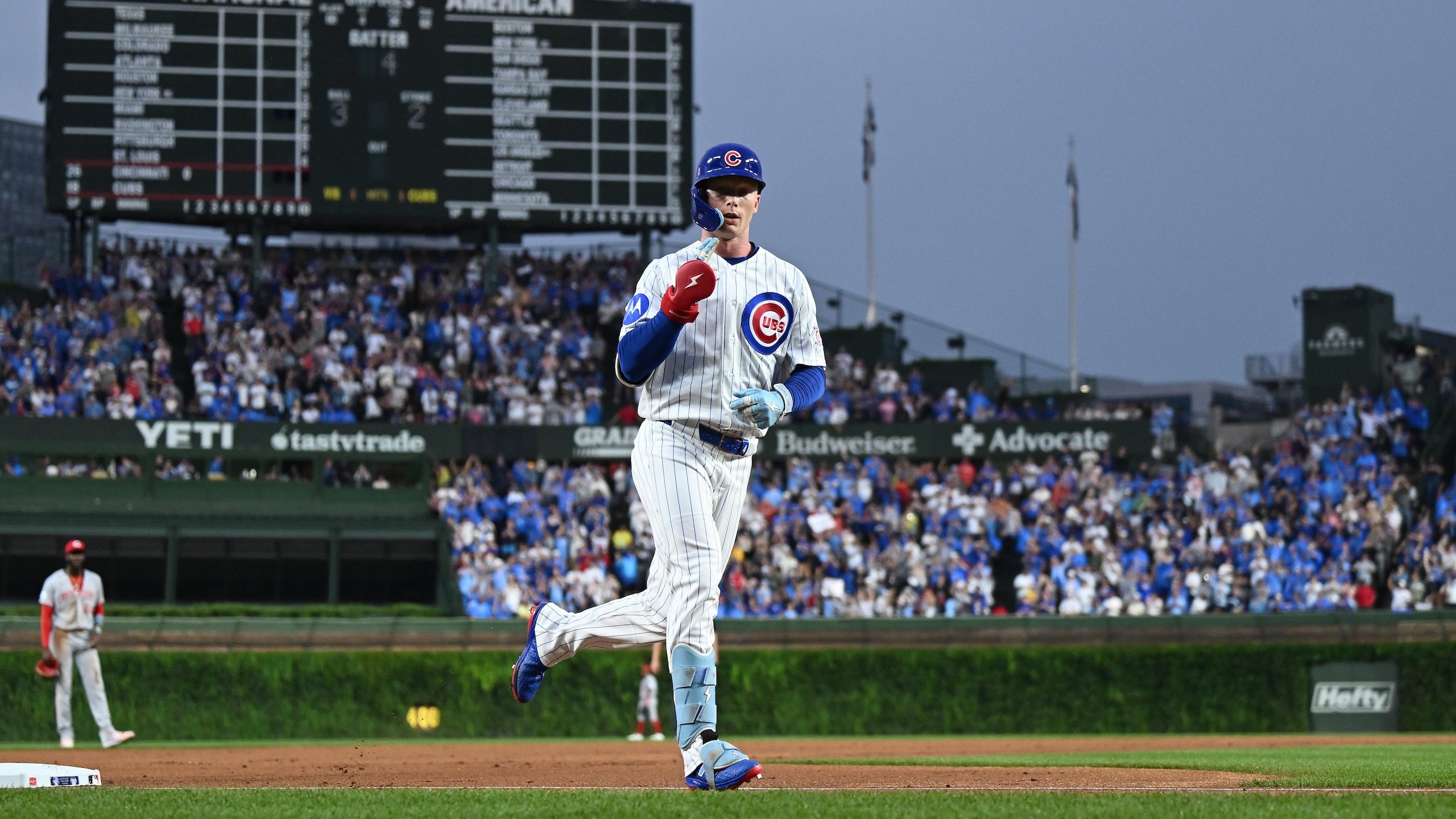
Chicago Cubs: Playing It Too Safe at the Trade Deadline
5 of 30
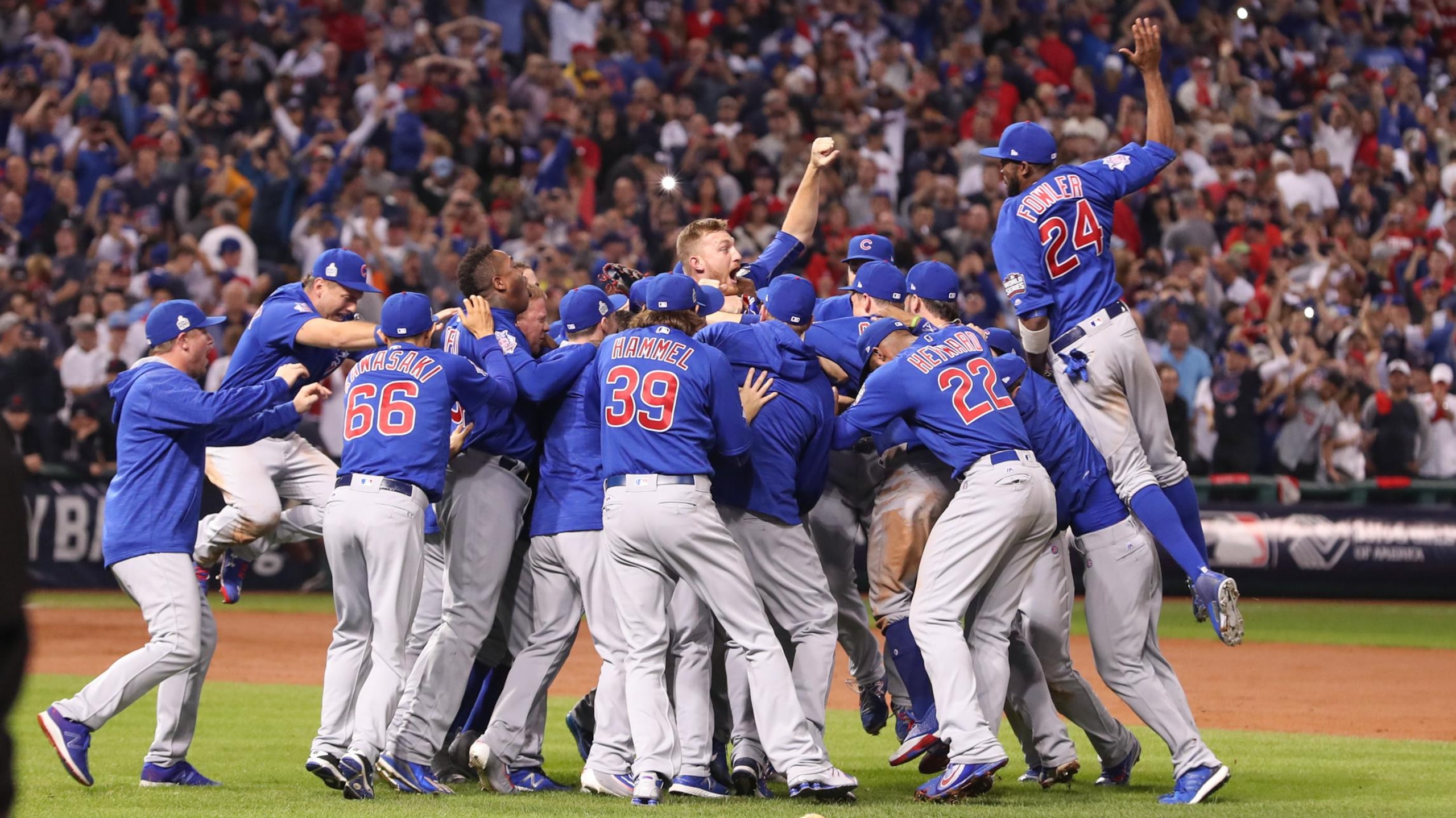
The Chicago Cubs started hot by winning 13 of their first 16 games, but a 21-23 slide throughout the rest of the season gradually revealed the club's glaring flaws.
Of these, the biggest surprise was the club's offensive weakness. The Cubs eventually finished with a well-below-average 90 OPS+, in no small part because the combined OPS of Kris Bryant, Javier Baez and Kyle Schwarber dropped 228 points from 2019.
The Cubs nonetheless might have done something about their offensive inadequacies at the Aug. 31 trade deadline. But that's where they skimped, adding Cameron Maybin and Jose Martinez on low-risk deals.
Neither were much help in the end, least of all when the Cubs scored only one run in a sweep by the Miami Marlins in the Wild Card Series. Several months later, a rebuild is clearly underway.
Chicago White Sox: The Pitching Plan for Wild Card Game 3
6 of 30
For the most part, the Chicago White Sox's 2020 season went about as well as they could have hoped.
They got star-caliber performances out of youngsters Lucas Giolito, Tim Anderson, Eloy Jimenez and Luis Robert, as well as free-agent signees Dallas Keuchel and Yasmani Grandal. Jose Abreu, meanwhile, enjoyed an MVP-winning season.
It all led to a 35-25 showing in the regular season, resulting in Chicago's first playoff berth since 2008. Once in the Wild Card Series, however, the White Sox experienced disappointment that was partially of their own making.
Cincinnati Reds: Trying to Make Do with an All-or-Nothing Offense
7 of 30
Though this year's Cincinnati Reds made the playoffs for the first time since 2013, the odds of them playing deep into October never seemed especially high.
That had everything to do with their offense, which, while plenty capable of hitting the long ball, was also loaded with easy outs. Collectively, Reds hitters posted an MLB-low .212 batting average.
Those numbers were partially self-inflicted, as the Reds got into bed with two all-or-nothing hitters when they signed Nick Castellanos and Mike Moustakas and later did little to improve their offense at the trade deadline. However, they also couldn't have anticipated the drastic struggles of Eugenio Suarez and Nick Senzel.
In any case, it wasn't actually that surprising when the Reds scored zero runs in a sweep by Atlanta in the Wild Card Series.
Cleveland: Letting Its Offense Fall to Ruin
8 of 30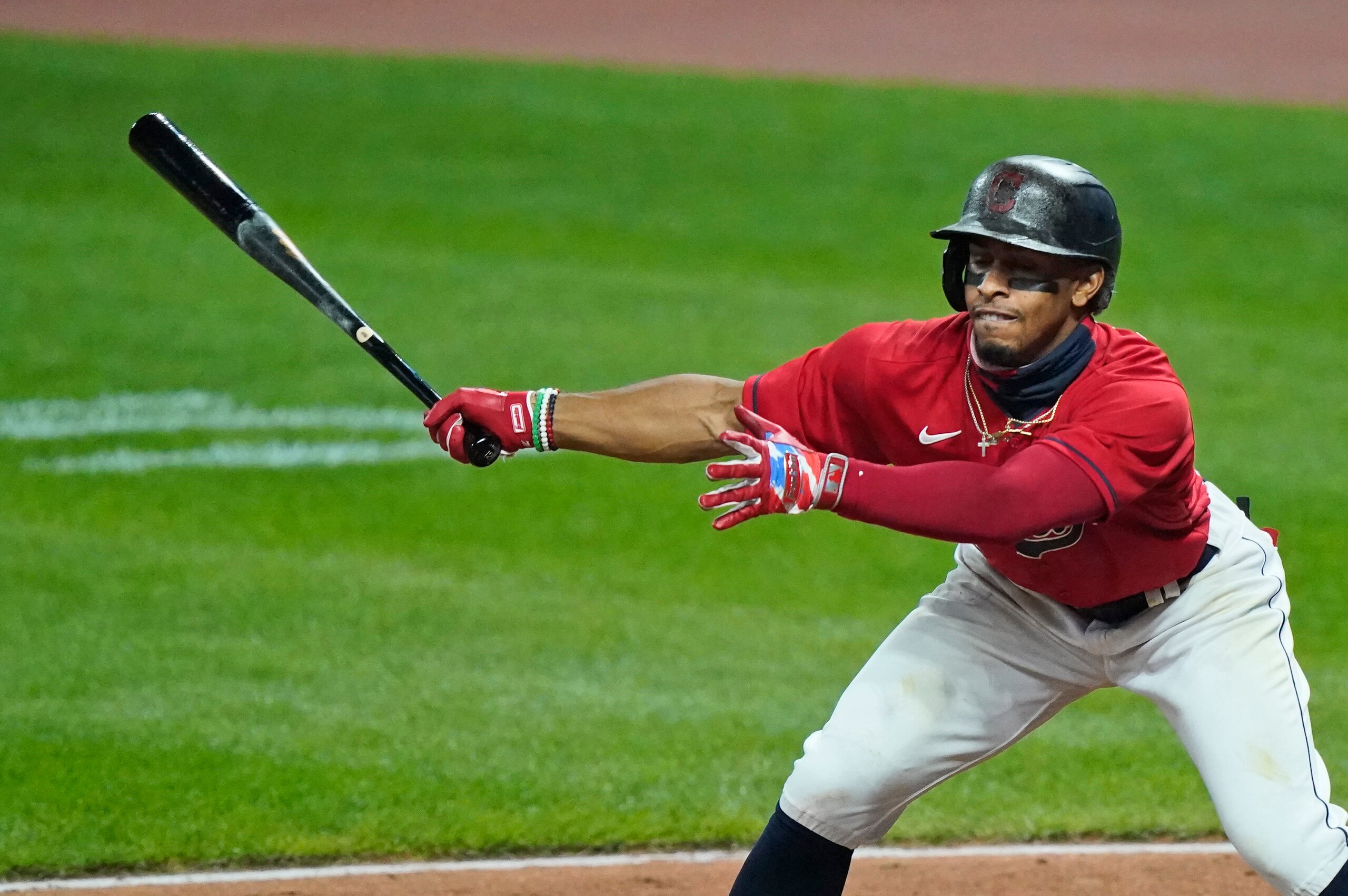
Cleveland was much like its neighbor to the southwest of Ohio in 2020, except with an even worse offense.
While Cy Young Award winner Shane Bieber carried an impressive pitching staff, Cleveland's bats managed just an 86 OPS+. That was the worst mark of this year's playoff qualifiers.
Cleveland mostly had itself to blame for that, as it did little to improve its offensively inept outfield from 2019 and couldn't get even one established hitter in its trade of Mike Clevinger to the San Diego Padres in August. However, Cleveland was also blindsided by Francisco Lindor's and Carlos Santana's sudden struggles.
The end result was predictable: Despite a nine-run outburst in Game 2, Cleveland simply didn't have enough firepower to prevent a sweep by the New York Yankees in the Wild Card Series.
Colorado Rockies: Buying on the Trade Market
9 of 30
It's typically hard to fault a team for at least trying to get better at the trade deadline. That's generally the whole idea for any club that has a real shot at making the playoffs.
The Colorado Rockies, however, probably should have held off on buying in trades.
They were an early success story by way of their 11-3 record, but both their standing in the NL West and their playoff odds fell off a cliff as they dropped 14 of their next 20 games.
They nonetheless added Kevin Pillar and Mychal Givens ahead of the Aug. 31 deadline, which further hollowed out their already destitute farm system. With a 9-17 finish in their immediate past and a rebuild possibly in their future, time hasn't exactly done that decision any favors.
Detroit Tigers: Exposing Casey Mize and Tarik Skubal Too Soon
10 of 30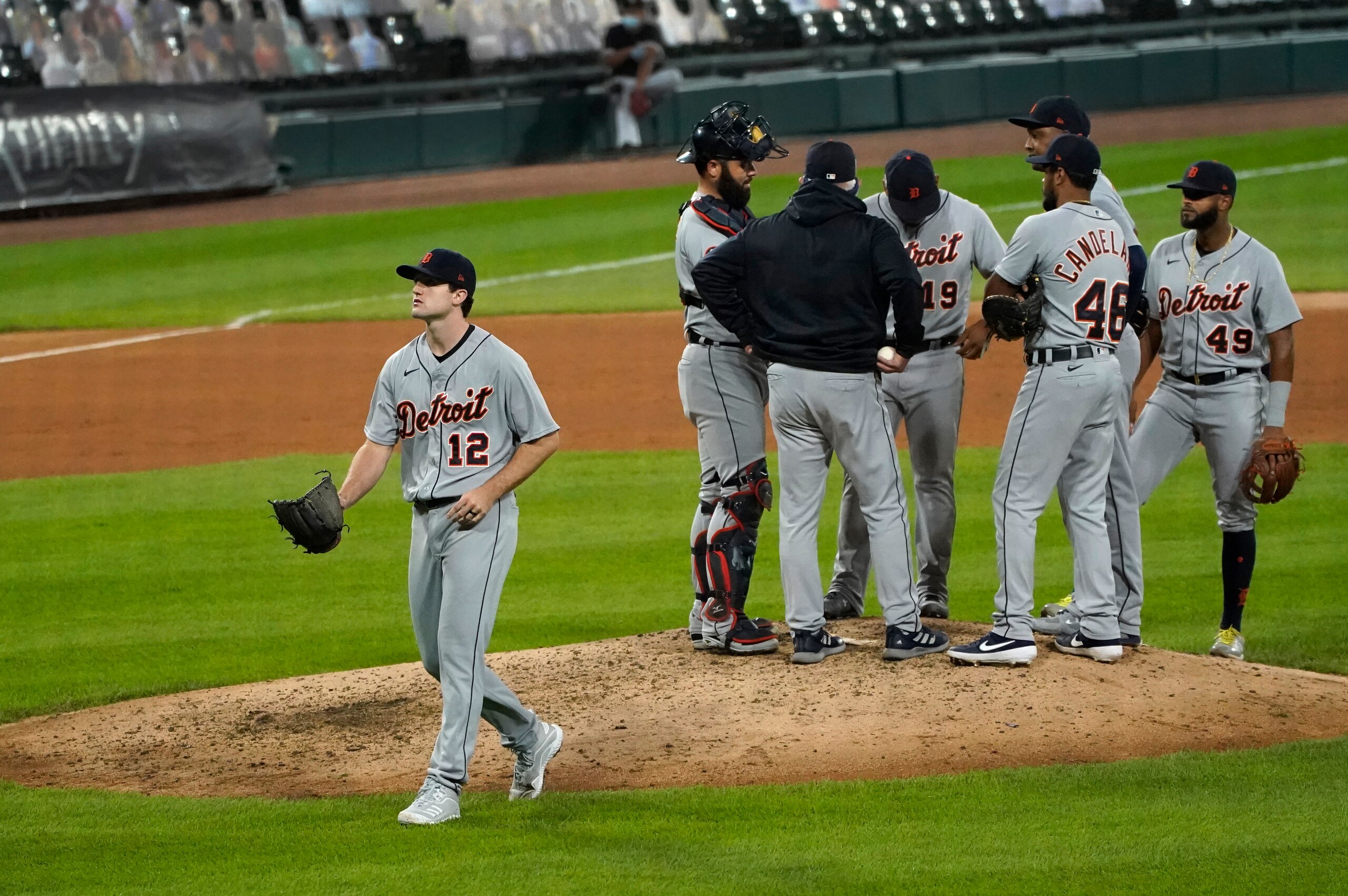
The Detroit Tigers stuck around in the playoff hunt through the first few weeks, yet the real goal of their 2020 season always was to make progress with their rebuild.
To this end, it was a big deal when the Tigers called up Casey Mize and Tarik Skubal in August. The two hurlers were (and still are) among baseball's top prospects, and the former was barely two years removed from going to Detroit with the No. 1 pick in the 2018 draft.
But instead of finding immediate success, both Mize and Skubal looked completely out of their depth. They made seven starts apiece and got lit up for a combined 6.27 ERA.
Though both hurlers still loom as important pieces in Detroit's future, the club must now hope that their rude awakening didn't set their development back.
Houston Astros: Coming Up Short in the ALCS
11 of 30
To be clear, only what happened with the Houston Astros this season (i.e., not in 2017) matters here. If anything, they should be commended for doing as well as they did in 2020.
Despite injuries to Justin Verlander, Roberto Osuna and Yordan Alvarez and disappointing returns from Alex Bregman, Jose Altuve and Carlos Correa, they nearly made it to their third World Series in four years.
After falling into an 0-3 hole to the Tampa Bay Rays in the American League Championship Series, the Astros stormed back to force a Game 7. Had they won it, they would have joined the 2004 Boston Red Sox as the only teams to ever pull off an 0-3 comeback.
That didn't happen, though, because the Astros left seven men on base and served up a pair of two-run homers in a 4-2 loss.
Kansas City Royals: A Tough Year for Their Young Hitters
12 of 30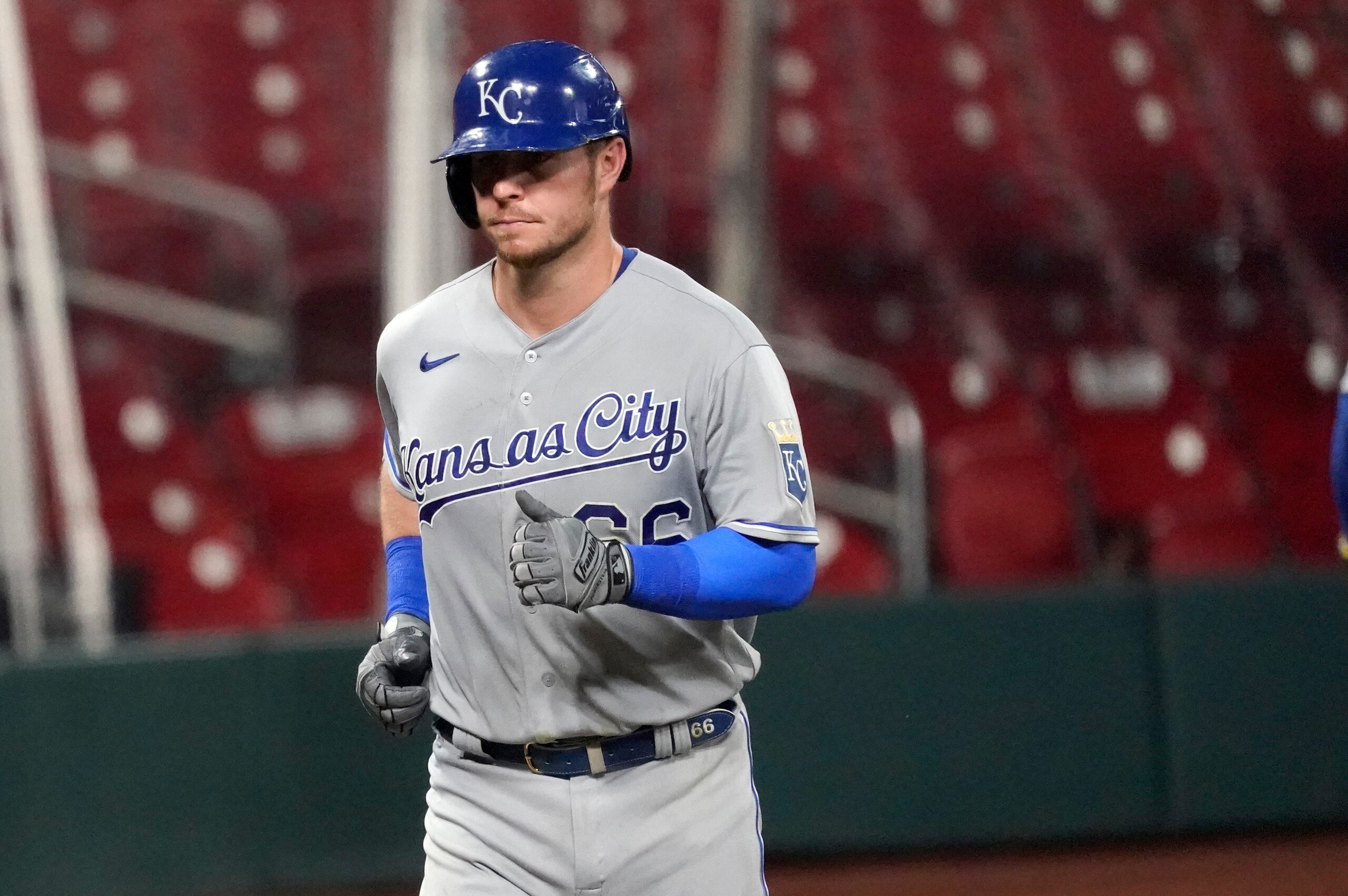
Like their AL Central rivals in Detroit, 2020 was always going to be a rebuilding year for the Kansas City Royals.
They can exit the year holding their heads high about a few things in this regard, specifically what they got out of certain young pitchers this past season. Brad Keller continued his run as an under-the-radar success story, while Brady Singer and Josh Staumont each enjoyed their share of excitement as rookies.
Trouble is, the Royals didn't get nearly as much out of their young bats.
Though they accounted for 772 plate appearances, their 26-and-under hitters—including Adalberto Mondesi, Ryan O'Hearn and Nicky Lopez—combined for just a .634 OPS. That was the worst such mark in the American League, which has less-than-awesome tidings for the future.
Los Angeles Angels: Exposing Jo Adell Too Soon
13 of 30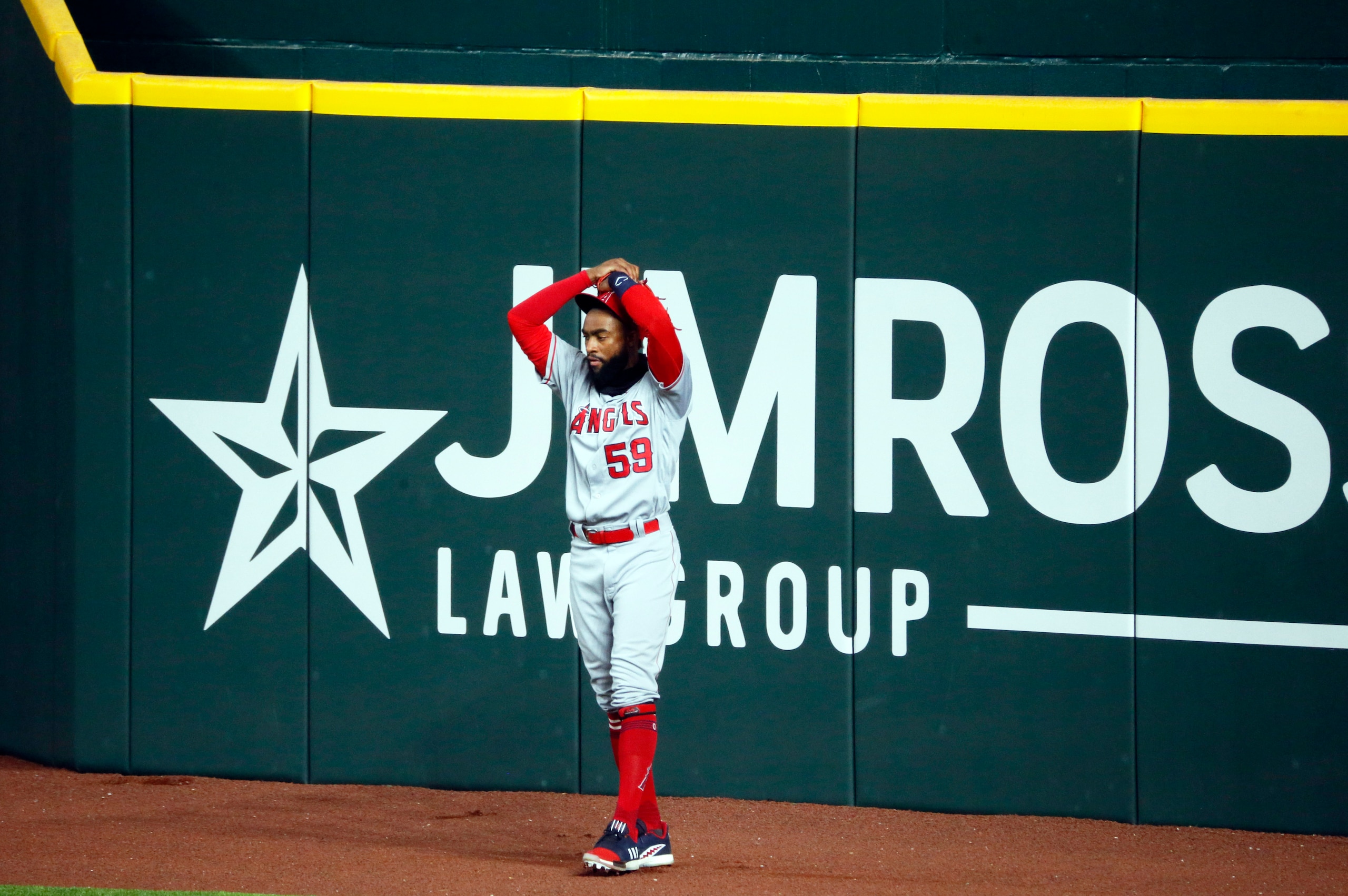
Coming into 2020, the Los Angeles Angels could hope that top prospect Jo Adell would hit the ground running and take his place alongside Mike Trout and Anthony Rendon as an everyday star in their lineup.
This didn't happen.
The 21-year-old was a consensus top-10 prospect when he got the call on Aug. 10, yet his room for improvement was painfully apparent on defense and especially on offense. Though he hit the ball at an average of 90.6 mph when he made contact, such events were rare as he whiffed 41.7 percent of the time.
The Angels can be forgiven for wanting to see what they had in Adell. Yet his struggles were but one of many bummers amid the team's 26-34 season, and even they can admit he needs more time in the minors.
Los Angeles Dodgers: A Lost Year for Gavin Lux
14 of 30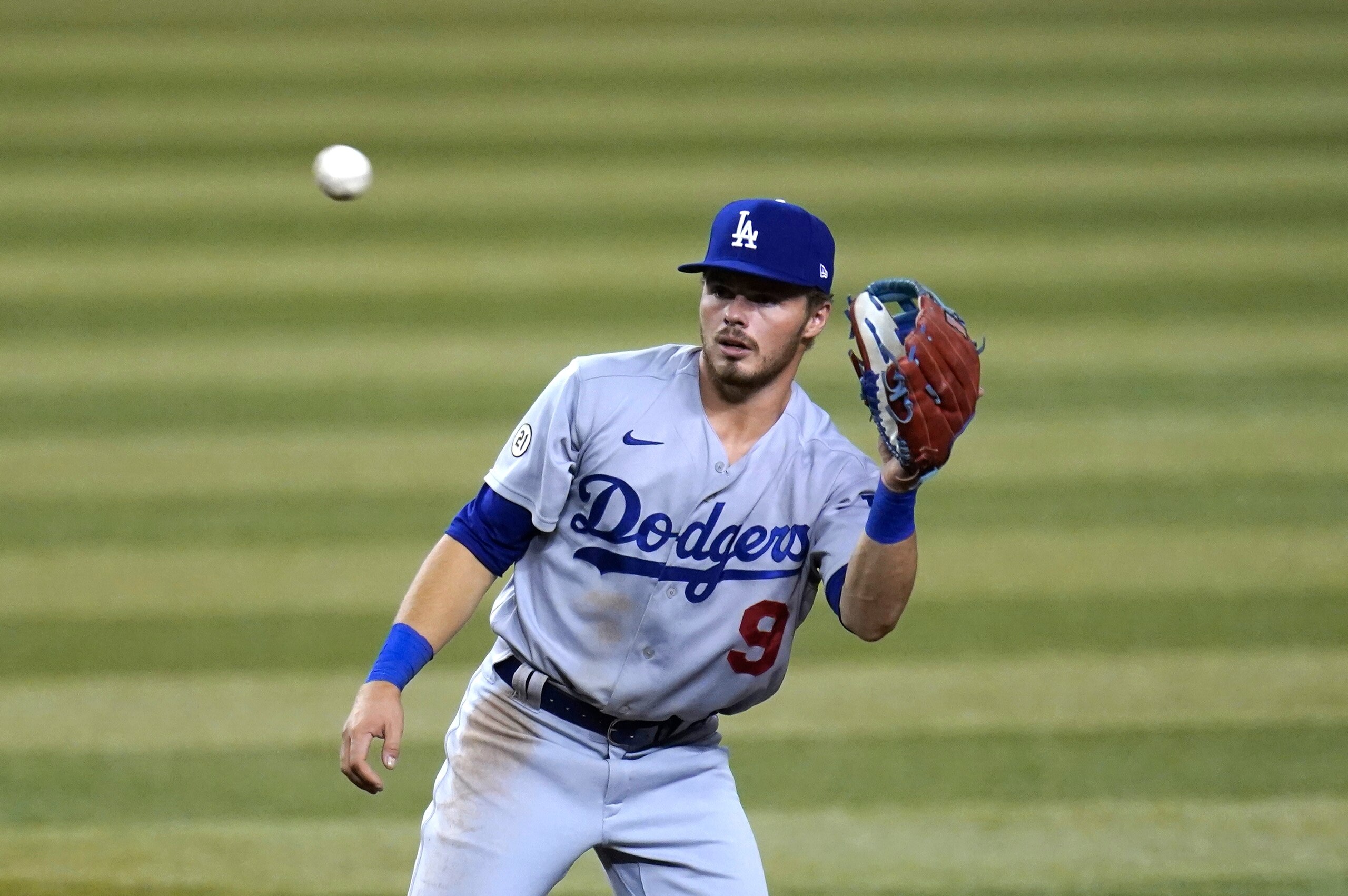
When you end up as World Series champions, there's only so much you can regret about how your year panned out.
Still, the Los Angeles Dodgers can't feel too great about what happened with Gavin Lux in 2020.
He was the prospect of 2019, in which he tore up Double-A and Triple-A to the tune of a 1.028 OPS en route to winning Baseball America's Minor League Player of the Year. And after ending the year with the big club, he seemed like a shoo-in to play second base every day in 2020.
In actuality, the Dodgers demoted Lux on the eve of Opening Day and he ended up playing just 19 forgettable games in the majors. Though president of baseball operations Andrew Friedman still believes in Lux, there's little question that 2020 was a huge step back for the 23-year-old.
Miami Marlins: A Tough Year for Their Young Hitters
15 of 30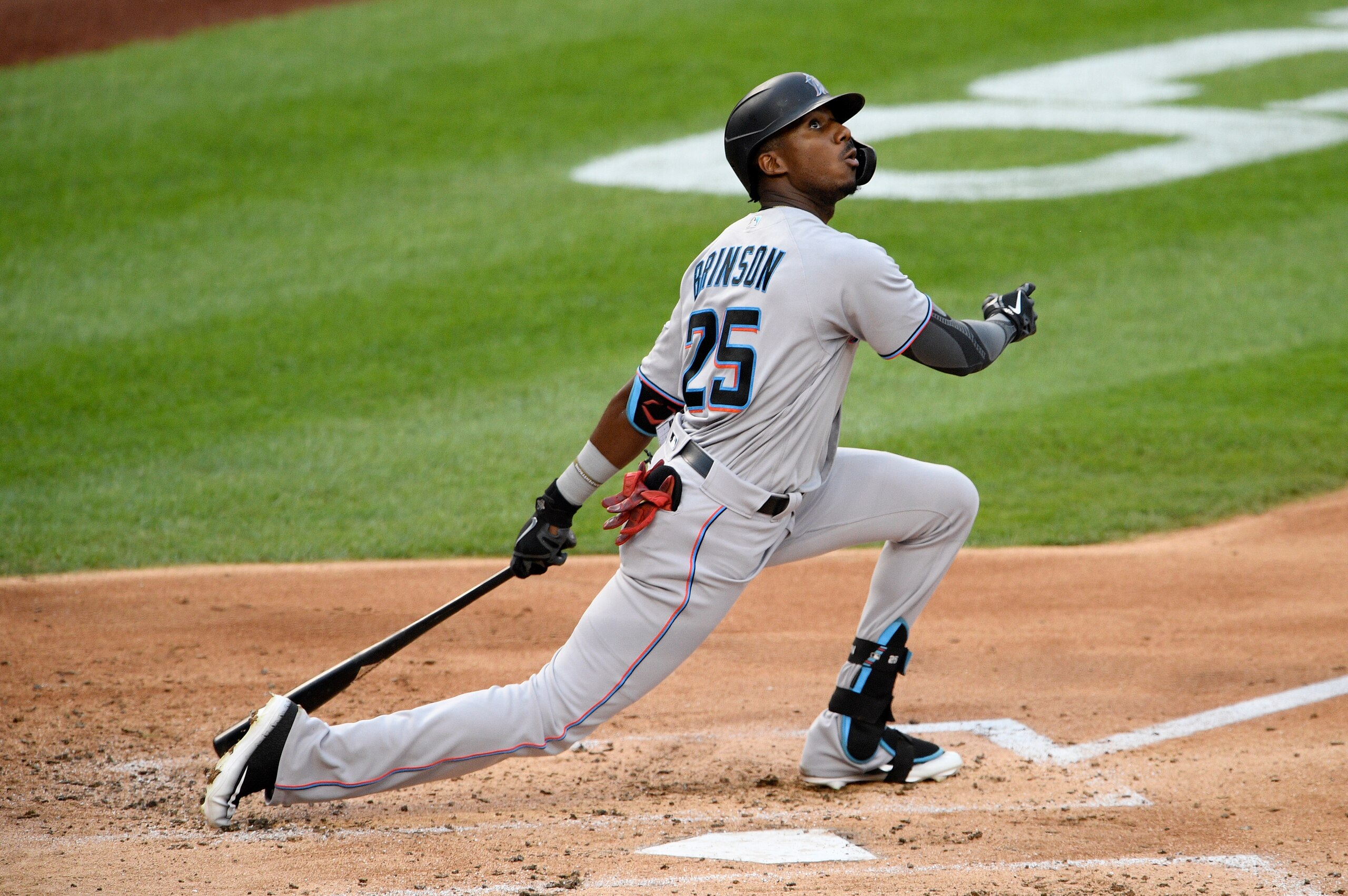
The Miami Marlins would certainly go back and try to avoid their coronavirus outbreak if they could, but even that didn't stop them from blowing away expectations in 2020.
Following a 105-loss season in 2019, the Marlins suddenly burst out of their rebuilding phase with a 31-29 record and a playoff berth. That had a lot to do with their young hurlers, including flame-throwing prospect Sixto Sanchez.
At the same time, however, Miami's 26-and-under hitters coughed up an MLB-worst .541 OPS. Contributing to that were prospects like Jazz Chisholm, Monte Harrison and Lewin Diaz, as well as former top prospect Lewis Brinson.
For the Marlins to take the next step with their rebuild, better things will be needed from this crowd in 2021.
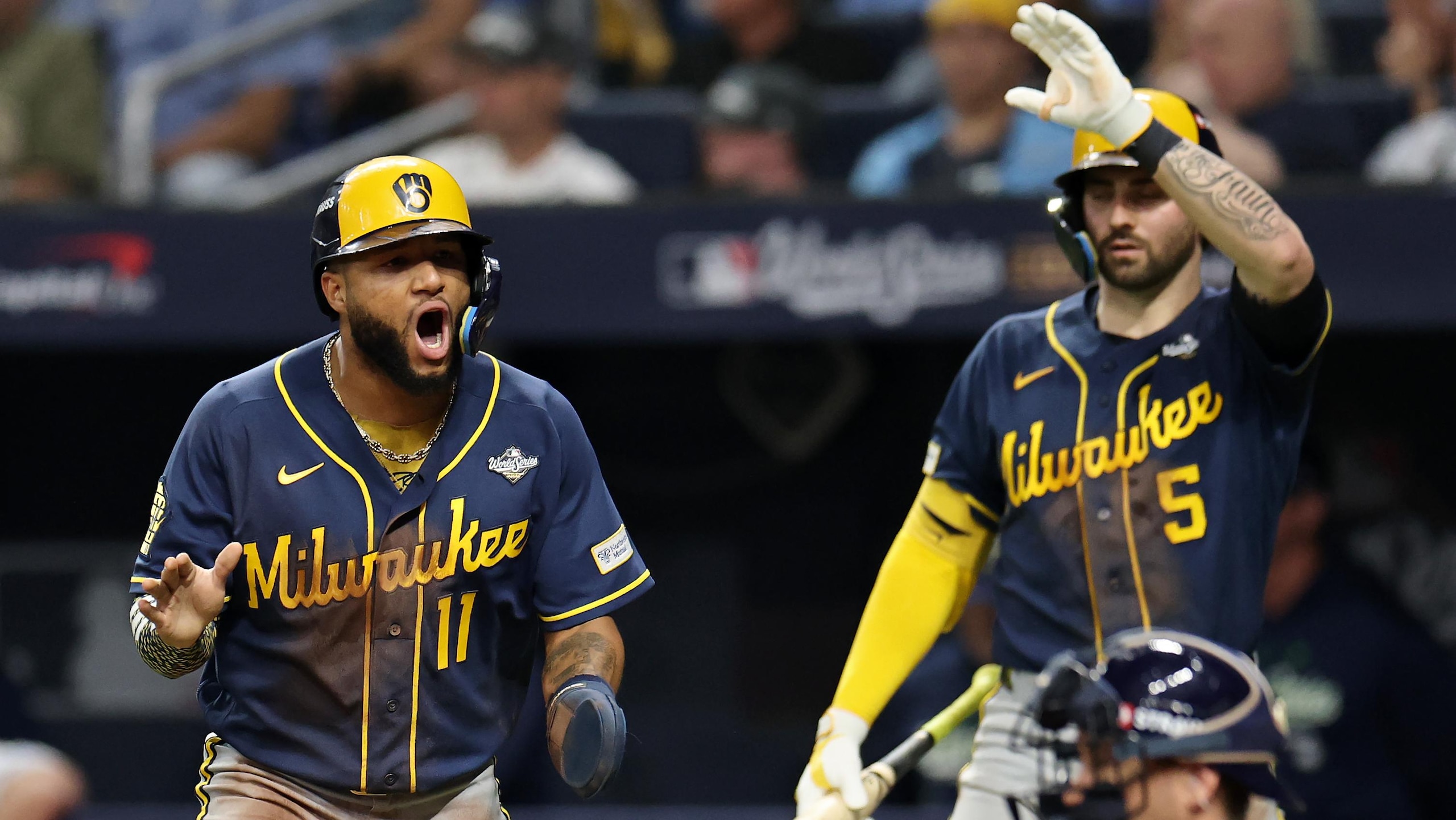
Milwaukee Brewers: A Lost Year for Christian Yelich
16 of 30
Though the Milwaukee Brewers earned their third straight playoff berth, their 2020 season nonetheless featured a losing record and no shortage of difficult developments.
Of the latter, none was more puzzling than Christian Yelich's sudden mediocrity.
Yelich was the best player in MLB between the 2018 All-Star break and the end of the 2019 season, wherein he slashed .342/.436/.705 with 69 home runs and 40 stolen bases. The Brewers rewarded him accordingly, signing him to a nine-year, $215 million extension in March.
But in 2020, the 29-year-old never looked like himself in posting just a .786 OPS, plus a 2-for-9 showing in Milwaukee's sweep at the Los Angeles Dodgers' hands in the Wild Card Series. Though the Brewers are confident Yelich will bounce back in 2021, they're as baffled as anyone as to what went wrong in 2020.
Minnesota Twins: Sitting Out the Trade Deadline
17 of 30
The Minnesota Twins came into 2020 as favorites to repeat as AL Central champions, and they eventually did on the strength of a 36-24 record.
And yet, there really wasn't any point during 2020 when the Twins looked as strong as they did during their 101-win effort in 2019. Notably, their offense just wasn't the same homer-hitting juggernaut.
Between this reality and the heat the Twins were feeling from Chicago and Cleveland, they had as good an excuse as any team to load up at the Aug. 31 trade deadline. They instead made no moves at all, effectively opting to bet their playoff hopes on their incumbents.
That plan fizzled as the Twins got swept by the Houston Astros in the Wild Card Series, which secured their 16th straight season without even one win in the playoffs.
New York Mets: Buying at the Trade Deadline
18 of 30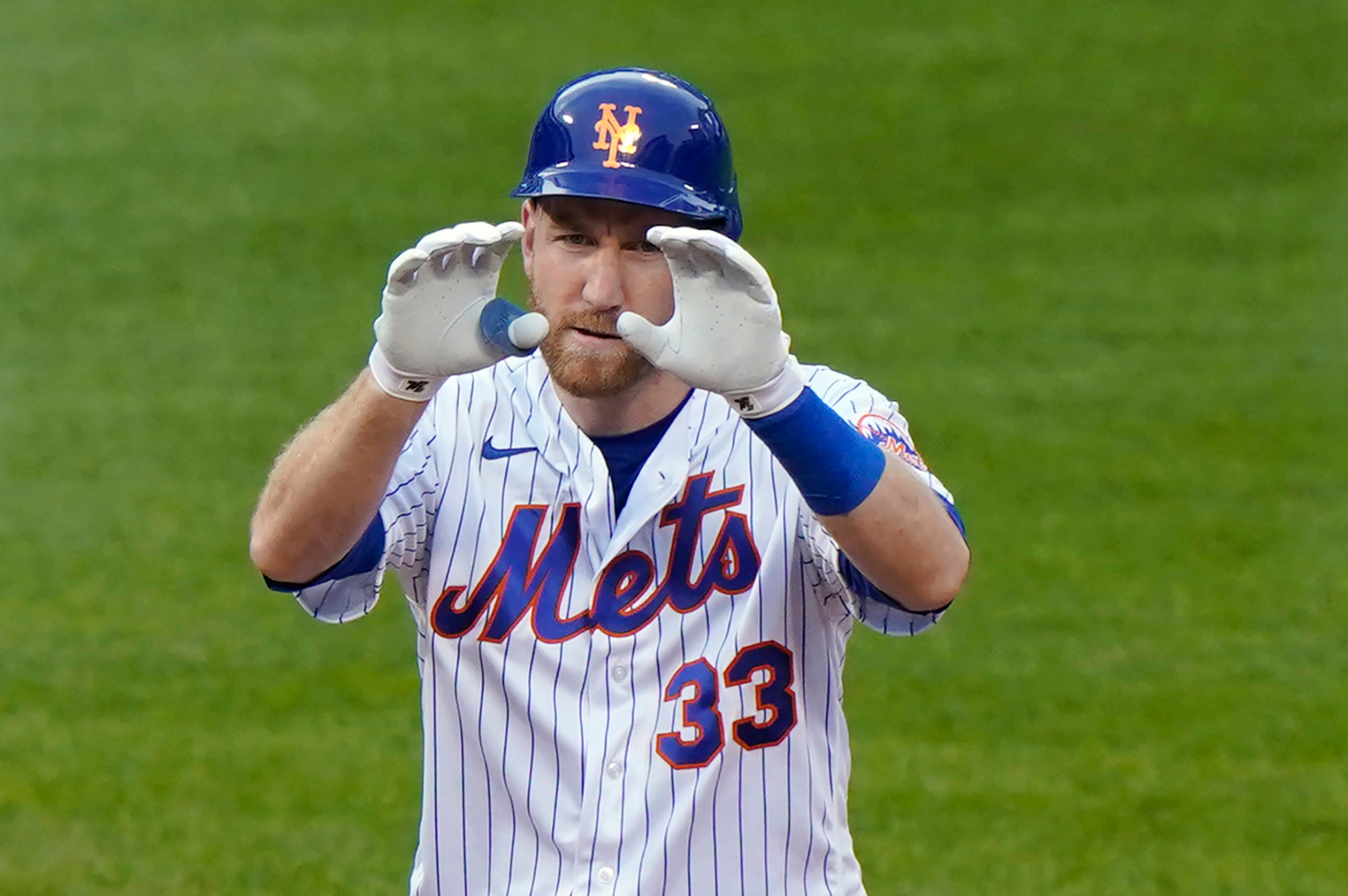
The New York Mets were never over .500 at any point during the 2020 season, and they were buried in fourth place in the NL East come the trade deadline.
They nonetheless sprung into action, making trades for Todd Frazier, Robinson Chirinos and Miguel Castro. With only Castro ticketed to still be around after 2020, this was very much a win-now maneuver.
To the surprise of, well, nobody, it didn't work. The Mets went 11-14 in September to finish nine games out of first place.
The bright side now is that neither the ownership group nor the general manager who oversaw the Mets' buying spree on Aug. 31 are still in place. Yet there's no getting back the precious prospect depth that the effort cost the team, which could be an issue in future dealings.
New York Yankees: Missed Opportunities in the ALDS
19 of 30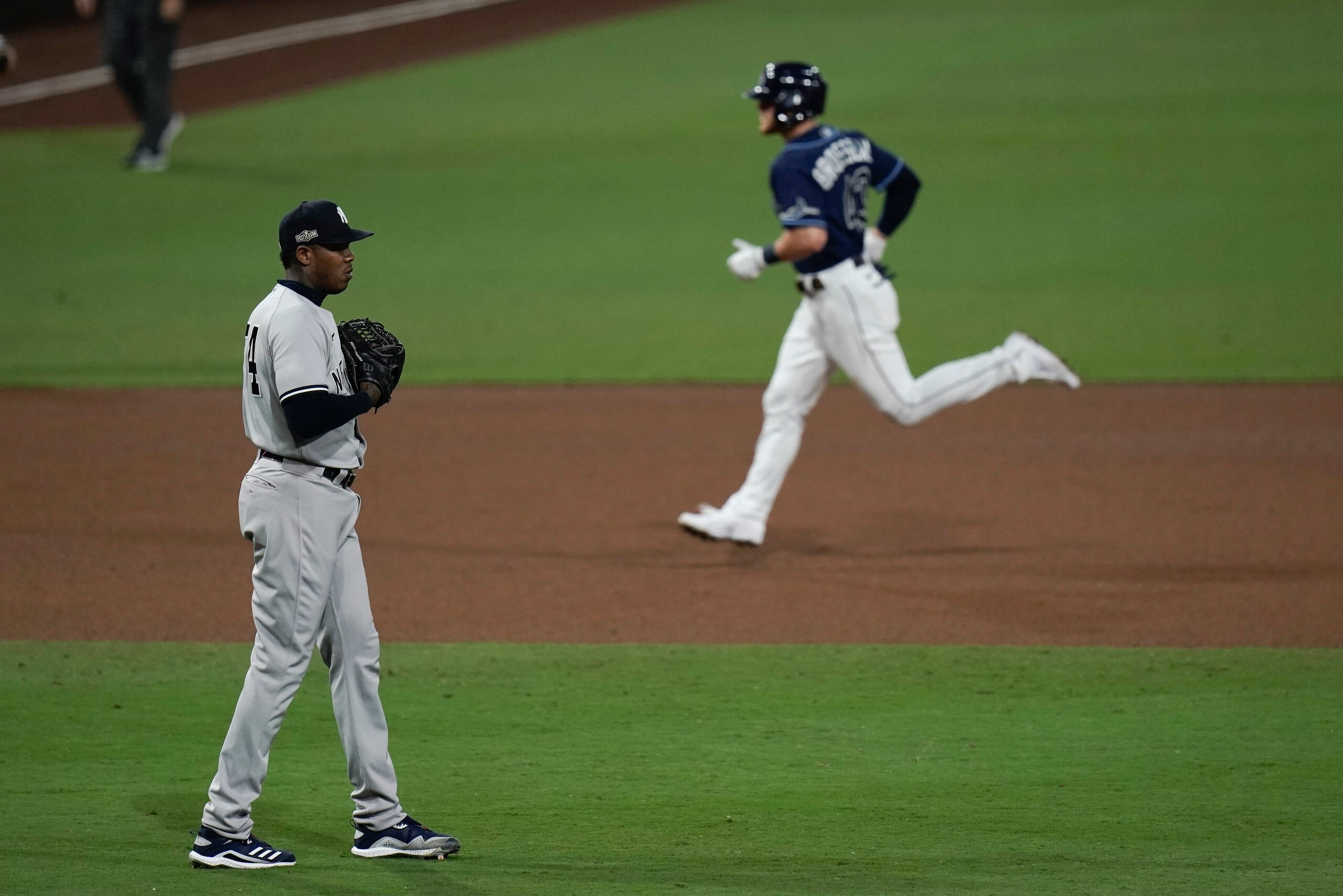
The New York Yankees couldn't even win the AL East despite coming into 2020 as arguably the favorite to win the World Series, but they definitely looked formidable in sweeping Cleveland in the Wild Card Series.
They then outscored the Tampa Bay Rays 24-21 in the American League Division Series. By all rights, that should have allowed them to advance to the ALCS.
That didn't happen, though, because the Yankees made too many unforced errors in the process of losing the series. They left 18 men on base in their losses in Games 2, 3 and 5, the first of which also featured a botched pitching plan.
Most painful of all was New York's 2-1 loss in Game 5, in which Aroldis Chapman learned a valuable lesson: Never groove a fastball to a hitter who's out for revenge.
Oakland Athletics: Neglecting Their Starting Pitching
20 of 30
After playing second fiddle to the Houston Astros in 2018 and 2019, the Oakland Athletics finally won the division this year on the strength of a 36-24 record.
Trouble was, the A's were vulnerable every step of the way.
Though their bullpen (2.72 ERA) and defense (eight outs above average) were top-notch, their offense was barely above average and their starting pitchers managed a modest 4.49 ERA. Though the A's addressed the former with a trade for Tommy La Stella, their solution for the latter was a dice-roll on fallen ace Mike Minor.
That roll of the dice eventually sunk Oakland in the ALDS, where the Astros got to A's starters for 16 runs in 16 innings as they won the series in four games.
Philadelphia Phillies: Not Promoting Alec Bohm Sooner
21 of 30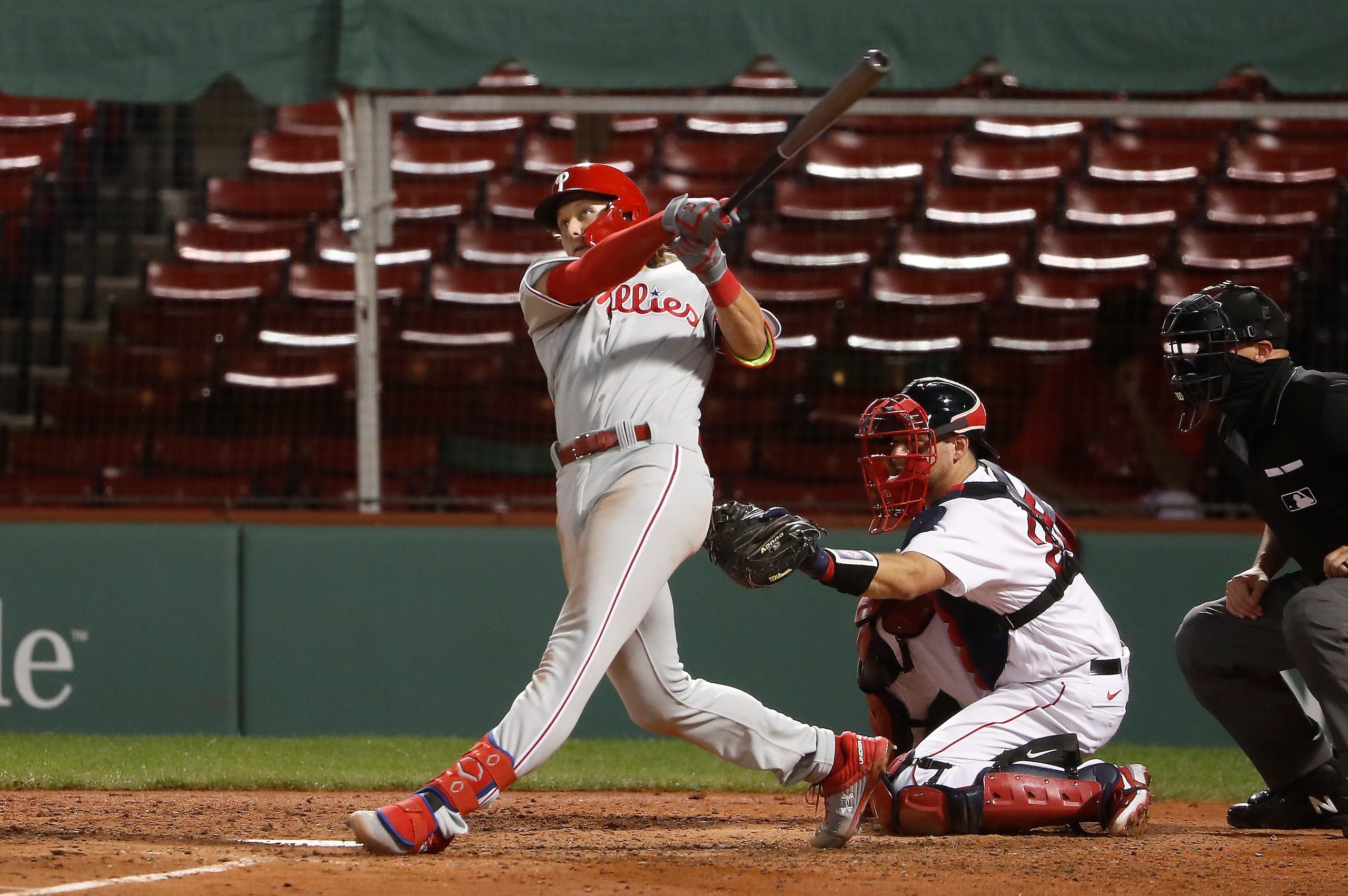
Looking back, it's doubtful that any one move could have saved the Philadelphia Phillies from their ninth straight season without a playoff berth.
Their bullpen, in particular, was a problem that never went away even after trades for multiple relievers ahead of the Aug. 31 deadline. The Phillies also suffered from a shortage of talent in their rotation after co-aces Aaron Nola and Zack Wheeler.
And yet it's hard to ignore how much Alec Bohm helped out after he made his debut on Aug. 13.
He played in 44 games the rest of the way and hit .338 with an .881 OPS. The Phillies went a respectable 22-22 in that span, which naturally raises the question of whether they might have salvaged a .500 record if they'd called on Bohm just a tad sooner.
Pittsburgh Pirates: Not Promoting Ke'Bryan Hayes Sooner
22 of 30
Though they may not have anticipated an MLB-worst 19-41 record, the Pittsburgh Pirates were always in for a rough year after losing 93 games in 2019 and subsequently trading Starling Marte.
One thing that at least would have made Pittsburgh's season more palatable, however, is if the team had been quicker to call up Ke'Bryan Hayes.
Installing Hayes at third base right out of the gate wouldn't have been a reach, as the 23-year-old had most recently played well in a 110-game stint at Triple-A in 2019. Yet it wasn't until Sept. 1 that his promotion finally came through.
That began a 24-game stretch in which Hayes raked with a 1.124 OPS while showing off his Gold Glove upside at third base. Had he arrived earlier, he might have eventually won the NL Rookie of the Year.
San Diego Padres: Missed Opportunities in the NLDS
23 of 30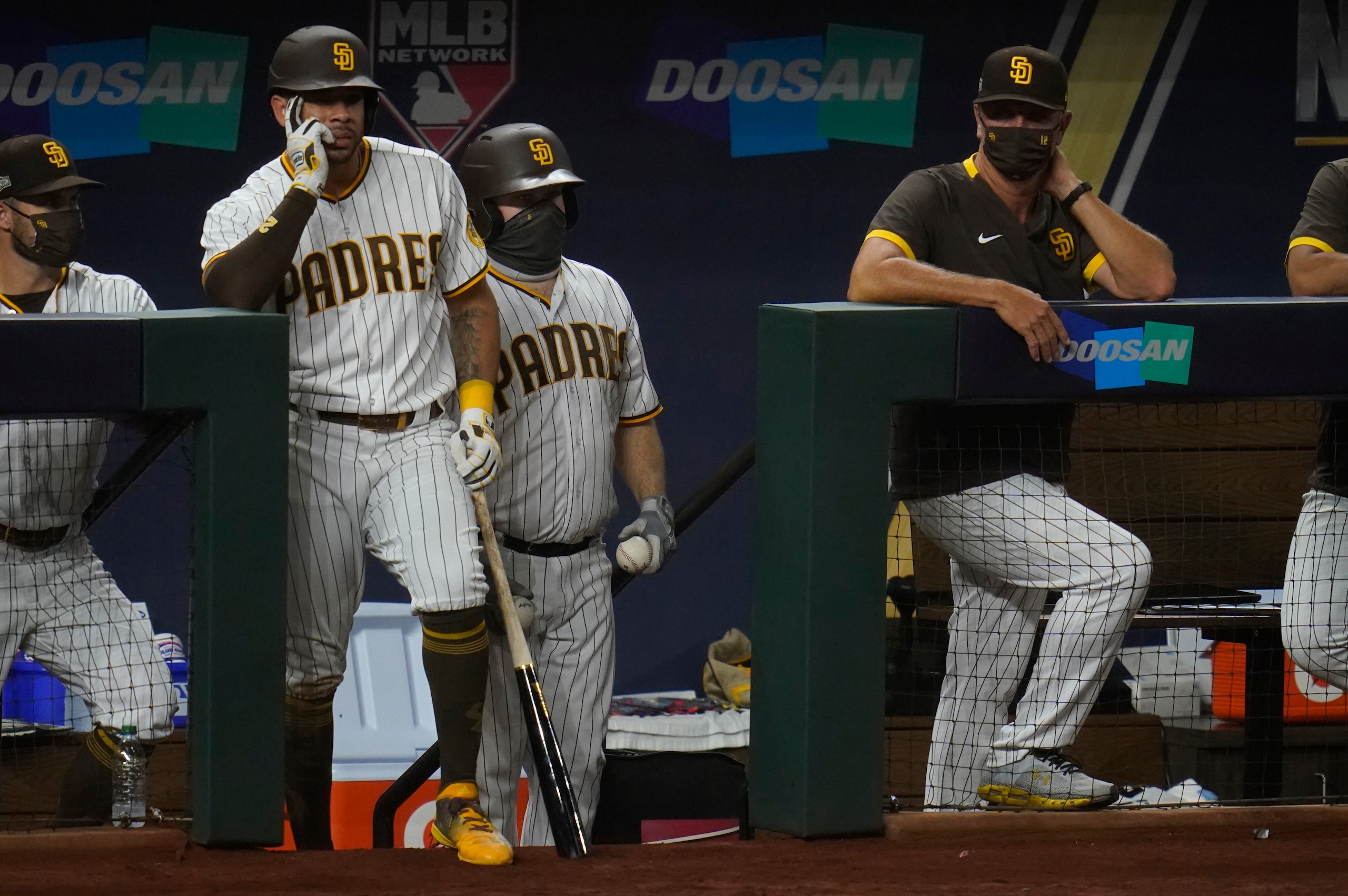
Much like the Chicago White Sox, the San Diego Padres mostly got what they wanted out of this year.
Led by Manny Machado and Fernando Tatis Jr., they excelled both offensively (119 OPS+) and defensively (16 outs above average) on their way to a 37-23 record and their first playoff berth since 2006.
Once in the playoffs, the Padres got past the St. Louis Cardinals in the Wild Card Series only to get swept by the Los Angeles Dodgers in the National League Division Series. Yet only Game 3 of the latter series was a blowout, and the Padres missed plenty of scoring chances in going 3-for-23 with runners in scoring position.
San Francisco Giants: Exposing Joey Bart Too Soon
24 of 30
Though the San Francisco Giants enjoyed their second straight surprisingly competitive campaign in 2020, it was nonetheless yet another season in which they had one eye on the future.
On this front, the biggest dilemma they faced was whether to call up top prospect Joey Bart.
A door opened for the 24-year-old catcher when Buster Posey opted out of the 2020 season. Yet Giants president of baseball operations Farhan Zaidi feared that calling up Bart too soon would put him "on a career path that doesn't allow him to get the most out of his ability."
The Giants eventually relented and promoted Bart on Aug. 20, only to watch him struggle with a .233 average with 41 strikeouts and zero homers in 33 games. He thus may already be on the path that Zaidi feared putting him on.
Seattle Mariners: A Rough Introduction for Evan White
25 of 30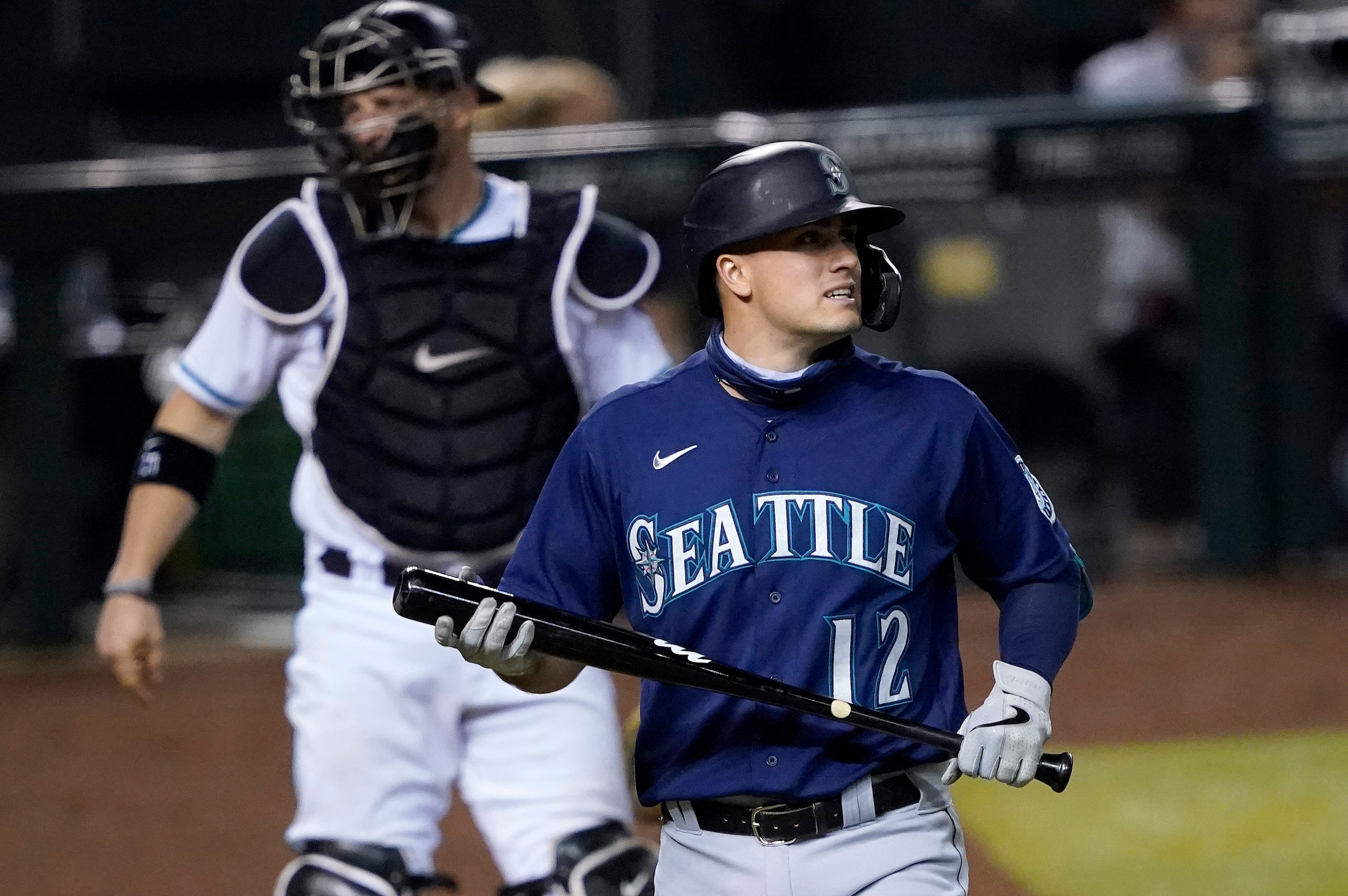
The Seattle Mariners' 27-33 record this year marked a step forward for their rebuild, spearheaded by AL Rookie of the Year winner Kyle Lewis.
But in the meantime, fellow rookie Evan White didn't exactly have it easy.
The Mariners signaled their confidence in White by signing him to a six-year extension last November, before he'd even played a game in the majors. And to his credit, he lived up to the hype defensively by winning a Gold Glove at first base.
Offensively, however, White hit just .176 with strikeouts in 41.6 percent of his plate appearances. He has spoken about how he just never felt right at the plate in 2020, though it's also fair to place some of the blame for that on Seattle's coaching staff. Going forward, both will need to do better.
St. Louis Cardinals: Never Seriously Addressing Their Offense
26 of 30
In light of the coronavirus outbreak that shut down their season for two weeks, it's a minor miracle that the St. Louis Cardinals made the playoffs in 2020.
Precisely because of their punchless offense, however, there was a pervading sense that the Cardinals were nonetheless doomed to fail.
Albeit in only 58 games, the Cardinals hit the fewest home runs (51) of any team this year. They couldn't have anticipated Paul Goldschmidt hitting only six long balls after cranking out 34 in 2019, but the fault is otherwise with the front office for neglecting to add power after Marcell Ozuna walked as a free agent.
The Cardinals hit surprisingly well in the Wild Card Series, scoring 16 runs in three games. Yet it was no great surprise when they lost that series to the San Diego Padres anyway.
Tampa Bay Rays: Blake Snell's Quick Hook in World Series Game 6
27 of 30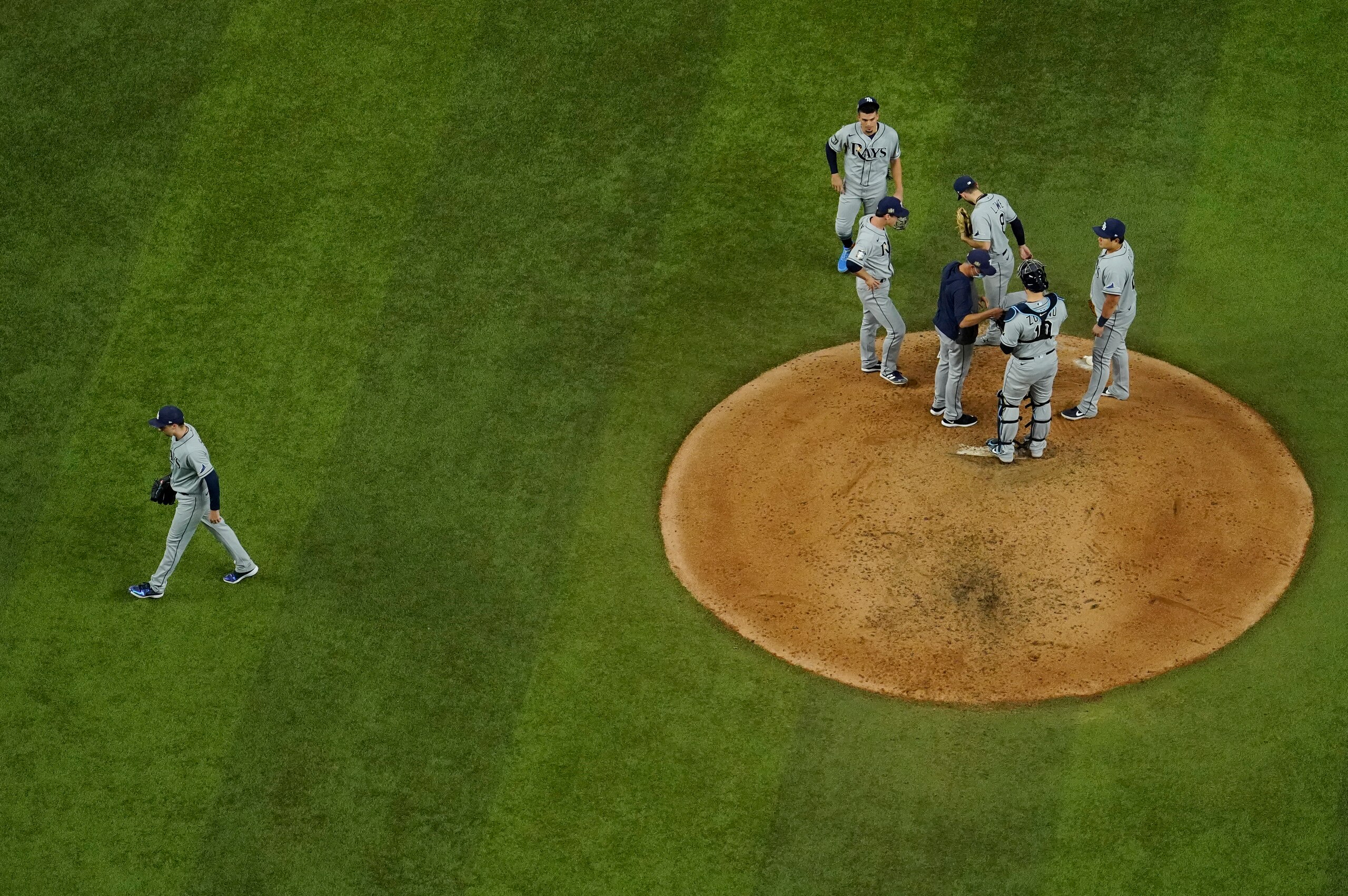
The Tampa Bay Rays never had a leg up on the Los Angeles Dodgers in the World Series, but there were moments when they threatened to turn the tide.
The last of these was in Game 6, wherein the Rays handed Blake Snell a 1-0 lead in the first and he made it up into the sixth inning.
But after Snell allowed a one-out single to Austin Barnes, manager Kevin Cash quickly lifted Snell despite having thrown only 73 pitches. The Dodgers took the lead three batters later, and never gave it back.
Maybe the Rays were destined to lose no matter what, yet there's no ignoring that they had a 58 percent chance of winning when Snell came out. Now he's out of the picture altogether, and the Rays' 2021 World Series odds look accordingly bleak.
Texas Rangers: A Step in the Wrong Direction for Joey Gallo
28 of 30
Given that they were on their way to a 22-38 record, it might seem fair to criticize the Texas Rangers for failing to cash in Lance Lynn at the trade deadline.
But according to Ken Rosenthal of The Athletic, Lynn threatened to opt out if he was dealt to a team he didn't want to join. Hence why he's only recently changed teams.
As for the Rangers' other big trade chip, the time simply wasn't right to move Joey Gallo.
By way of a .986 OPS and 22 homers in 70 games, he teased a potential superstar breakout in 2020 with his performance in 2019. But it didn't stick, as his exit velocity (91.2 mph) and walk rate (12.8 percent) took a turn for the worse as he crushed his value with a .181 average and a .679 OPS.
Toronto Blue Jays: Missed Opportunities in the Wild Card Series
29 of 30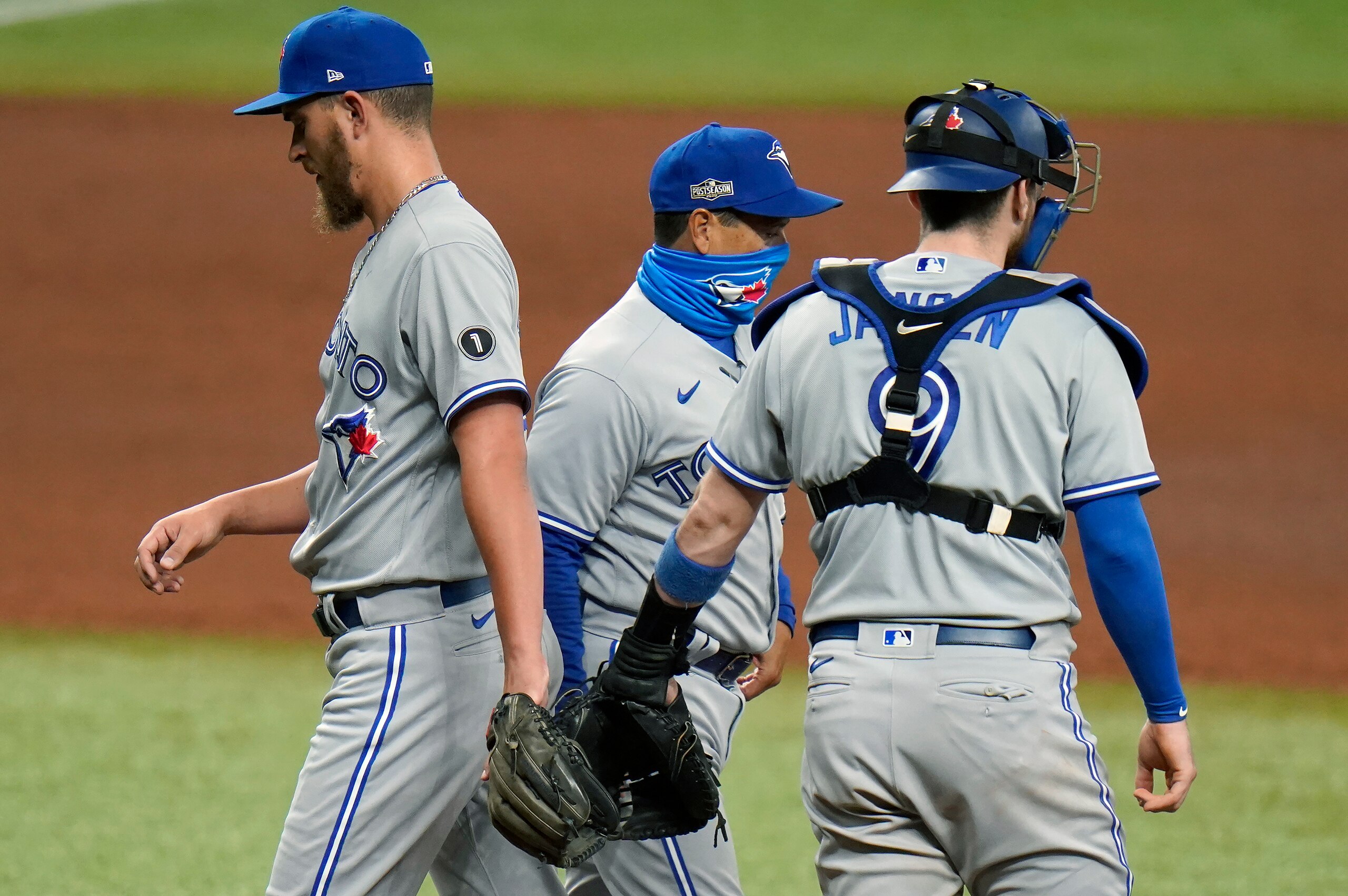
The Toronto Blue Jays belong in the same boat as the Chicago White Sox and San Diego Padres, in that 2020 saw them come out of their rebuild right on schedule.
The credit for that is mostly owed to an offense that got an MLB-high 80 home runs from 28-and-under hitters. Hyun-Jin Ryu, meanwhile, carried the pitching staff with a Cy Young-caliber effort.
But as much as it might seem like the Jays were outclassed in a sweep by the Tampa Bay Rays in the Wild Card Series, they have reasons to think otherwise.
Washington Nationals: Still No Progress from Carter Kieboom
30 of 30
The Washington Nationals might have been in for a tough 2020 season as soon as they lost Anthony Rendon via free agency. The injury bug piled on, ultimately forcing the defending champs to a 26-34 record.
Amid a season like that, the Nats could really only hope for silver linings. To wit, top prospect Carter Kieboom realizing his potential in Rendon's place at the hot corner would have qualified.
But on the heels of an unimpressive 11-game cameo with Washington in 2019, Kieboom couldn't do it. He appeared in 33 games and hit .202 with a .556 OPS.
Kieboom is still only 23 years old, so it's too soon to write him off as a potential star in the major leagues. But after a performance like that, he clearly has a long way to go.
Stats courtesy of Baseball Reference, FanGraphs and Baseball Savant.