The NBA at a Crossroads: Is Donaghy Just The Tip Of The Iceberg?
As a die-hard NBA fan, I am disturbed by the Tim Donaghy affair and much more so by the response from David Stern and the league to it. The league's response reveals a troubling aspect of NBA basketball: It seems to exist only to promote and protect the geese that lay the golden eggs.
There looks to be much more to this scandal than referees fixing games for gamblers. It could be the beginning of the unraveling of a long-time league strategy and needle that pops the aura of genius attributed to David Stern.
When Stern arrived, the NBA was a disaster. Teams were floundering financially and the product was driving long-time fans away.
TOP NEWS
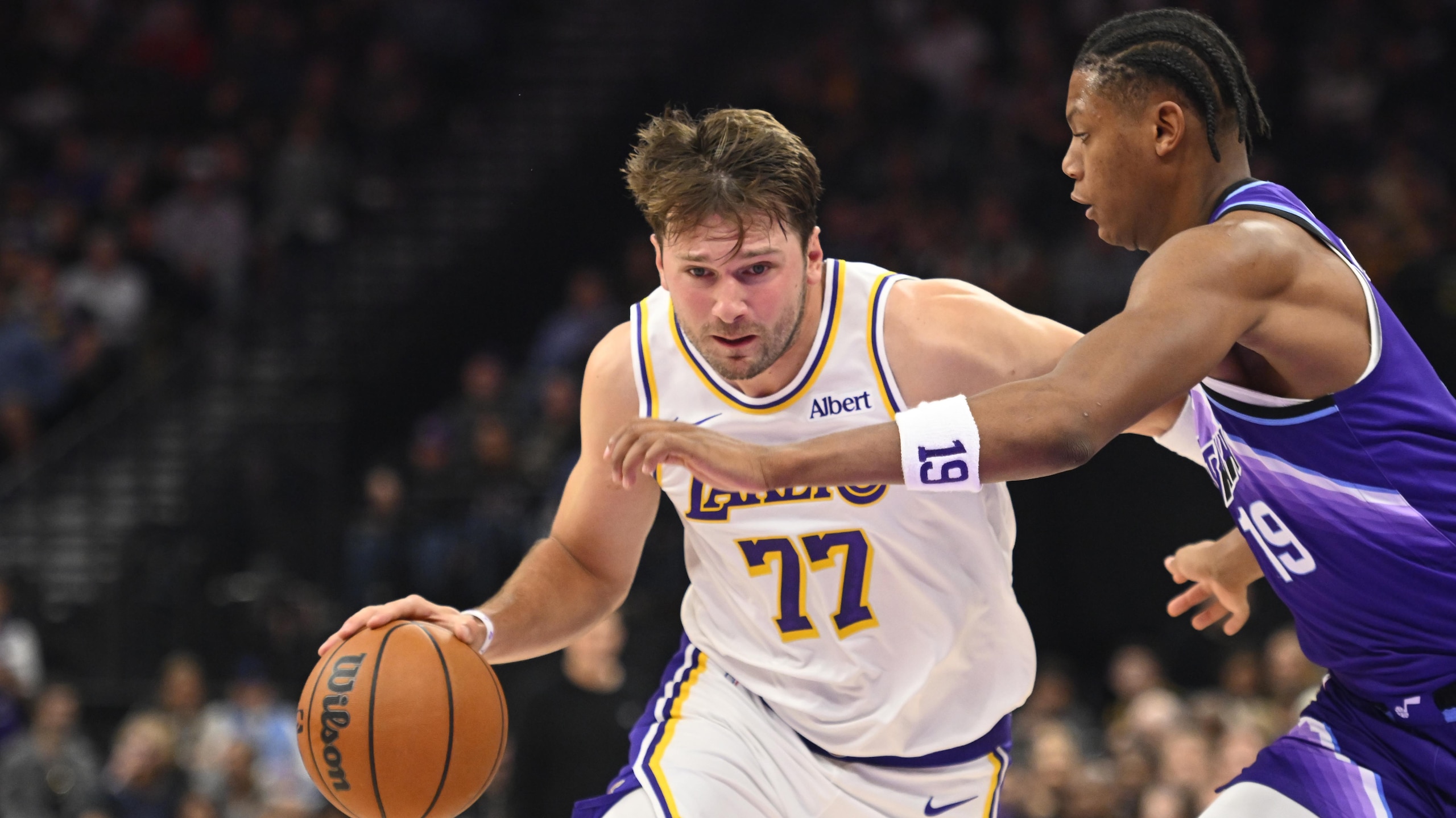
Luka 50 Piece in Win 🔥

Power Ranking Every NBA Team's Starting Lineup 🔢

Embiid Out vs. Pistons
Then came Magic and Bird.
Stern's idea of focusing league promotion around the rivalry of Magic and Bird began the NBA's ascent ion into the financial stratosphere. Suddenly, celebrities were seen court-side, tickets were scarce, and ESPN began the era of the top-10 plays of the day.
All was rosy in NBA land. Stern and his marketable stars were the heroes in the white hats, riding in to save the day.
So what's wrong with that?
Plenty, at least to me. Basketball is a team game and it's at its most watchable and enjoyable when played that way.
Magic and Bird were great team players and were considered great partly because or their ability to lift those around them. But as the league continued to focus more on individual accomplishments, dunks, and self promotion, the team concept began to fade.
Second, a star-driven system needs stars to stay alive. After two decades of domination by Magic, Larry, and Mike, stars so ubiquitous as to need no other identification, there was a drought.
Sure there were still good players with great personal stories, but none who fit the model of the league marketing department.
The players with the most compelling talent didn't always conform. They had tattoos, wore their hair funny, and played with a brashness that some fans couldn't embrace. They were harder to sell to the public, and the marketing machine started to falter.
Next, an influx of European, Asian, and South American players came to try their luck in the NBA. They had hard-to-pronounce names and a tenuous grasp on the English language, something fans were unaccustomed to dealing with.
With harder-to-identify-with stars and charges of no defense, can't shoot, and don't understand fundamentals being leveled, many thought the league was stuck in the mud.
The truth is that the game was fine. In fact it was better than ever in a lot of respects. It lacked easily identifiable marketing figures because the overall talent was higher and because teams began placing a greater focus on defense, making it harder for individuals to dominate.
It should have been easy for the NBA to switch gears and market that product, had they the motivation to do so.
But the NBA didn't help fans understand or embrace how the league changed, mostly because they were still geared up to sell superstars' jerseys, not basketball. They kept an eye out for the next superstars, and when they appeared, it was back to the old familiar for Stern and his marketeers.
Now none of this is wrong in a lot of people's eyes, and I understand the argument that these were sound business decisions. The game reached new heights under Stern and I would agree it was a successful plan, even if I would have preferred a different direction.
But I also believe that this resistance to see the league as anything but a conduit to sell jerseys and sneakers reflects the heart of the allegations being leveled by Donaghy. And it also leads me to think that he might be telling the truth.
Why? Because it outlines the motivation the league may have had in directing officials to how to call (read fix) games.
Coming from a convicted felon or not, it's hard to ignore that it's the league who benefits the most from superstars getting continued exposure and series lasting seven games. It's the centerpiece of a 25-year marketing plan based on getting NBA stars in our faces, one the league has never abandoned even when it wasn't working well.
Before dismissing Donaghy ask yourself this: How much can a person make gambling on the outcome of a single game versus how much the league stands to make while its superstars play on TV in a crucial game seven?
Then ask who has more motivation.

.jpg?w=2560 "Rodgers Iced Out on Plane 💎")
.jpg?w=2560 "Mahomes Told Teammate to Leave Meeting")
.jpg?w=2560 "🚨 Week 8 AP Top 25 Poll")


.jpg?w=2560 "Raiders Could Start Mendoza")
.jpg?w=2560 "Lamar Being Out Shocked Ravens")