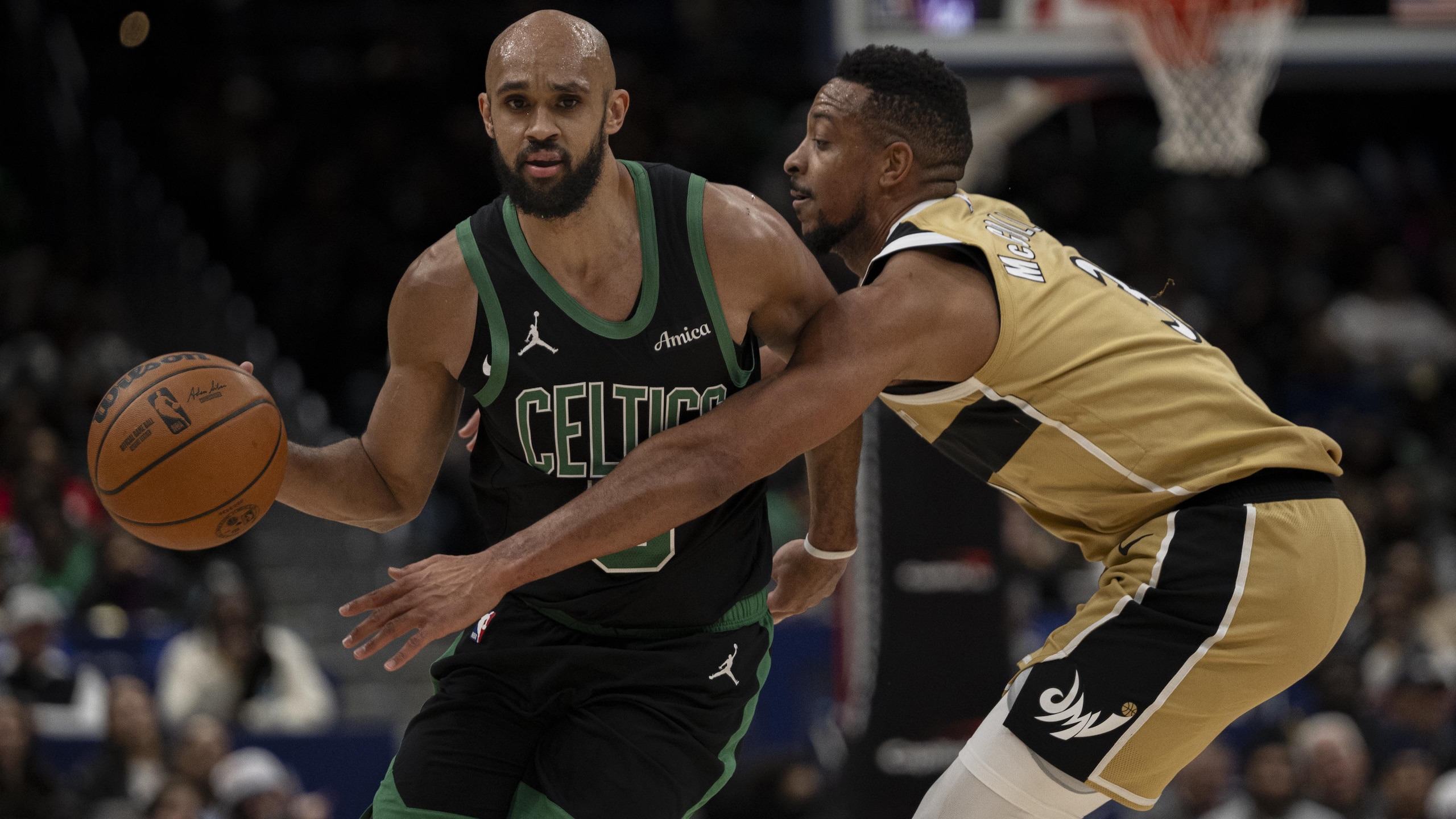


For so long, the NBA's crop of All-Stars who were never All-Stars was dominated by Jamal Murray. But not anymore.
With his selection to the 2026 NBA All-Star Game, Murray has officially vacated a list he arguably should have topped. Who remains? That's what we are here to figure out.
Special emphasis will be given to individual-player peaks rather than focusing on the context of any given season(s). We do not care whether names on this list saw their primes intersect with bigger, better stars at their position. We are only interested in the contributions they made at the peak of their powers.
Longevity will be the biggest factor in determining rankings. Players with lengthier pinnacles will usually get the nod over shorter heydays, but there will be instances in which reaching loftier heights supersedes everything else.
15. Derrick White
1 of 15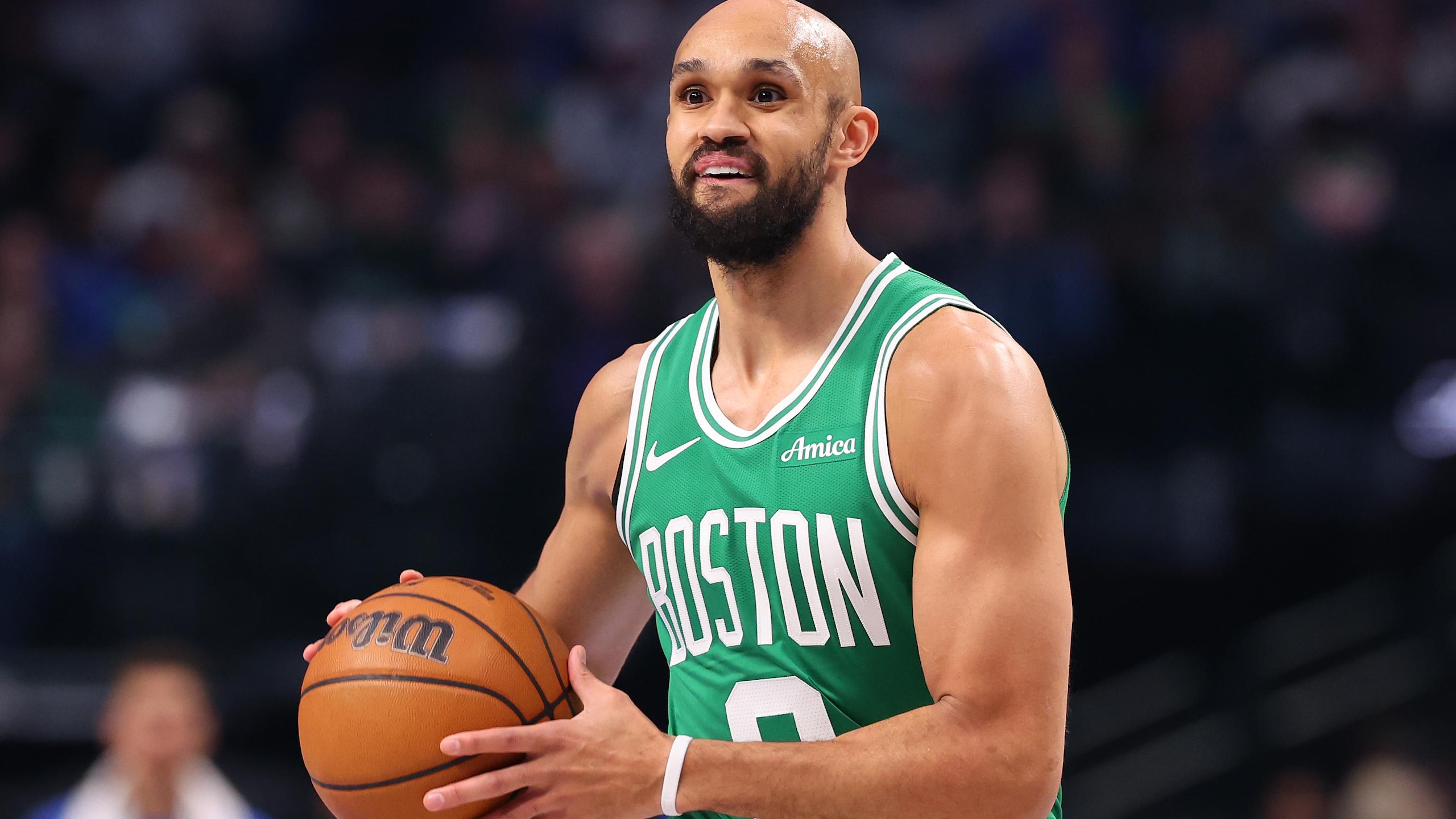
Derrick White is not a star in the conventional sense. He has seldom been his team's No. 1 scorer or playmaker, and his stat lines lack a certain je ne sais quoi.
Yet, White has hovered on the fringes of the All-Star discussion for a half-decade or longer. At this point in his career, it's probably not going to happen. That doesn't mean he's undeserving.
Turning into a legitimately impactful motion shooter who's prone to scoring explosions is a caps-lock FEAT when you consider what he was known for coming out of college: defense and general scrappiness.
Of course, that defense and scrappiness remains part of his charm. He has two All-Defense selections under his belt, as well as a top-10 finish in Defensive Player of the Year voting—which, bizarrely, came after a 2024-25 campaign in which he did not earn one of his two All-Defense nods.
You can't help but wonder how many All-Star games White might have on his CV if his scoring averages topped 17 points more than once. As it stands, though, just three other NBA players match his career assist (20.8), steal (1.4) and block (2.9) rates while having downed at least 500 three-pointers: Giannis Antetokounmpo, Joel Embiid and Draymond Green.
14. Mike Bibby
2 of 15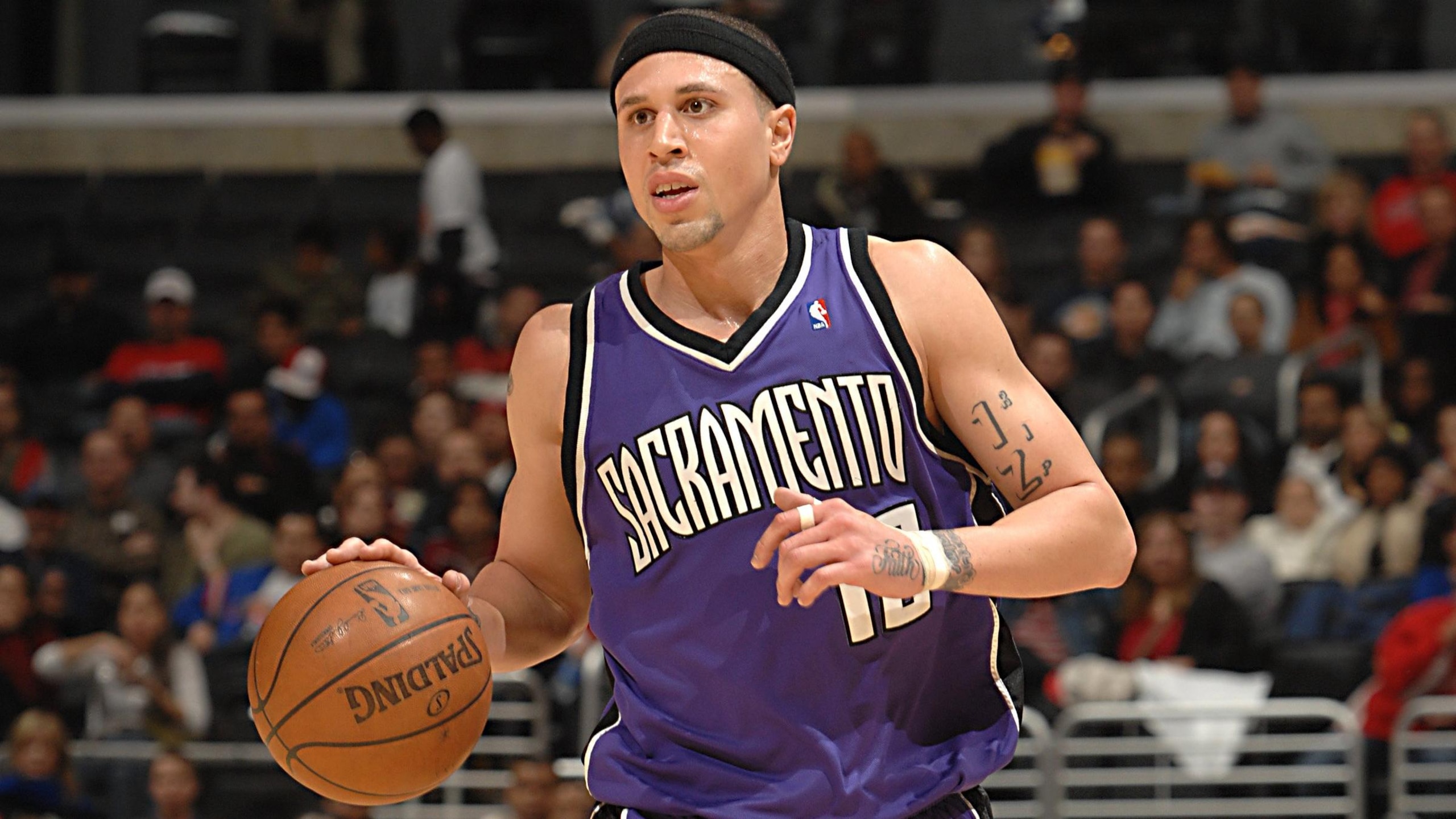
For the first 10 seasons of his career, Mike Bibby cleared 16 points and six assists per game while knocking down over 37 percent of his triples. Just two other players accomplished the same during this span. You might have heard of them:
Steve Nash and Deron Williams.
The lack of accolades on Bibby's resume is a little stunning. Perhaps opening his career with the Vancouver Grizzlies damaged his profile. Then again, he was the starting floor general for a handful of hyper-relevant Sacramento Kings teams. And let's not forget he was a huge reason why Sactown had the Shaquille O'Neal- and Kobe Bryant-powered Los Angeles Lakers on the ropes during the 2002 Western Conference Finals.
Mostly, it feels like Bibby's peak was eclipsed by others. The Kings always had more important players around him, and garnering All-Star buzz isn't easy when he played in a Western Conference that, at various points of his prime, boasted the likes of backcourt dignitaries such as Nash, Williams, Kobe and Jason Kidd.
13. Derek Harper
3 of 15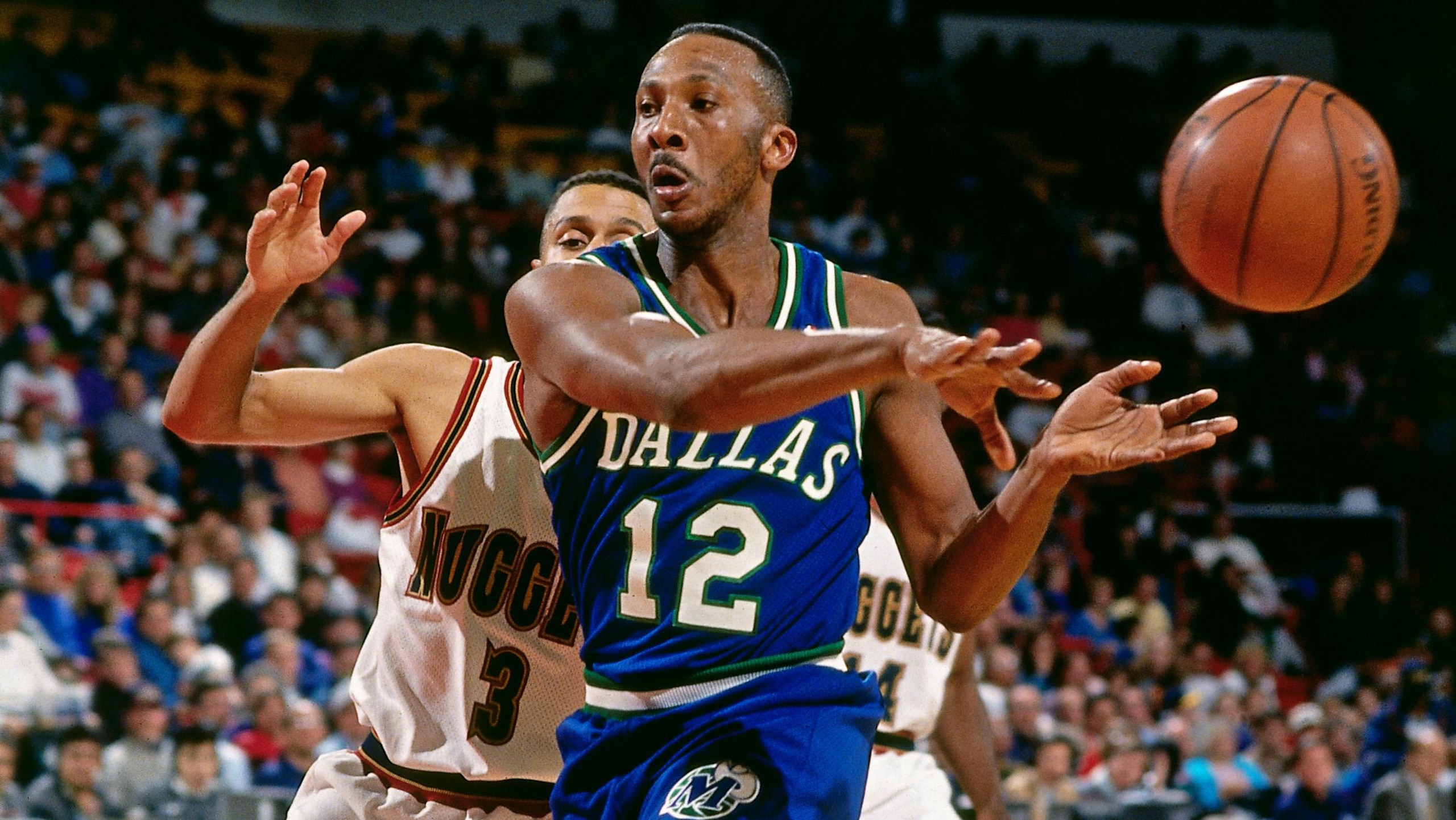
Derek Harper's precipitous drop-off in production following the 1992-93 season ruined any chance he had of graduating off this list. Abbreviated peaks are the enemy of earning All-Star selections.
At the same time, Harper's pinnacle wasn't exactly a flash in the pan. He averaged 17.7 points and 7.0 assists while shooting 35.5 percent on threes from 1986-87 through the 1992-93 campaign. That seven-year span also happened to include two All-Defense selections and a pair of top-eight Defensive Player of the Year finishes.
The list of other players to put up at least 17-and-7 while during this span is a doozy: Larry Bird, Tim Hardaway, Magic Johnson, Kevin Johnson, Fat Lever and Isiah Thomas.
Even more impressive is the crop of players who join Harper in having earned multiple All-Defense selection during seasons in which they also averaged at least 16 points and seven assists: Chris Paul, Gary Payton, LeBron James, Jerry West, Jason Kidd, Jrue Holiday, John Stockton, John Havlicek and Walt "Clyde" Frazier.

12. Arvydas Sabonis
4 of 15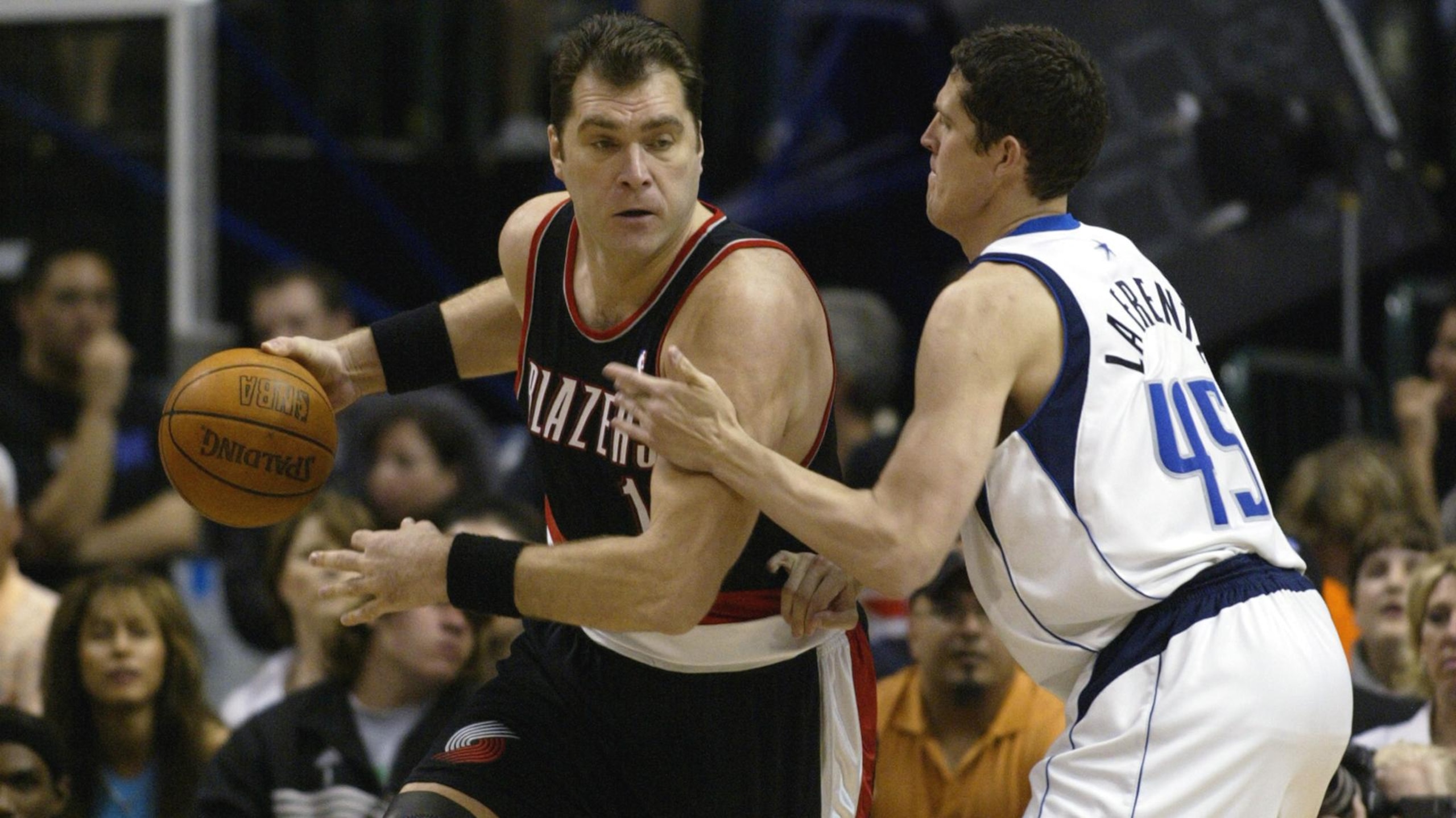
Selected 77th overall in 1985, Arvydas Sabonis did not make his NBA debut until opening night of the 1995-96 season...at the age of 31.
That, right there, explains why the Hall of Famer never made an All-Star game.
The 7'3" center played just seven seasons in the NBA, none of which saw him operating at the peak of his powers. That's pretty amazing when you consider how much he accomplished during his brief tenure in the Association.
Sabonis wasted little time capturing the attention of the masses, finishing second in Rookie of the Year and Sixth Man of the Year voting during his inaugural seasons. While his stat lines didn't always pop, the depths of his offensive game never failed to shine, as both as a crafty interior scorer and passer. He was also a force on the boards by virtue of his sheer enormity and, frankly, artful footwork.
Although we will never know what Prime Sabonis would have looked like in the NBA, his per-minute production gives us a good idea. Here is the list of every center to hit his per-36 benchmarks in points (17.8), rebounds (10.9) and assists (3.1) while matching his true shooting percentage (57.4) and appearing in at least as many games (470): Kareem Abdul-Jabbar, Joel Embiid, Nikola Jokić and Karl-Anthony Towns.
11. Dražen Petrović
5 of 15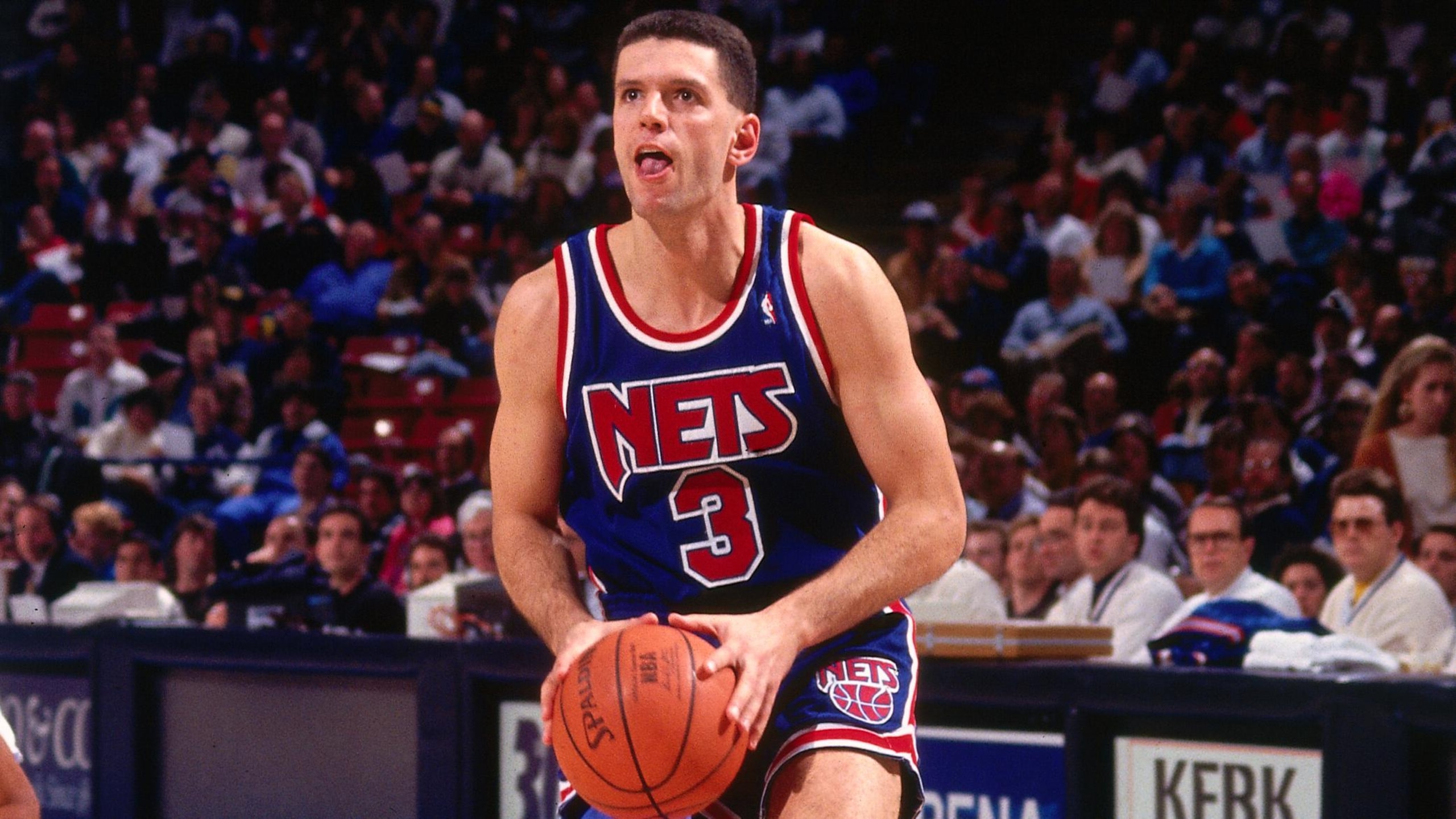
After making Third Team All-NBA in 1992-93, Dražen Petrović appeared well on his way to nabbing at least one career All-Star selection, if not many more. But his life was tragically cut short in June 1993, at the age of 28, when he died in a car crash on the German Autobahn.
Drafted 60th overall in 1986, Petrović did not come stateside until the 1989-90 season, at which point he was a 25-year-old rookie. The 6'5" shooting guard struggled to carve out a meaningful role with the Portland Trail Blazers for the first season-and-change of his career, and it wasn't until he was traded to the then-New Jersey Nets in 1991 that his arc really started to take off.
Across two full seasons in the Garden State, Petrović averaged 21.4 points and 3.3 assists while downing 52.7 percent of his twos and 44.7 percent of his threes, developing a lights-out offensive reputation that earned him the moniker "Mozart of Hoops."
That brief pinnacle is enough to keep him in rarefied air even now. The only other players with multiple seasons clearing 20 points and three assists on 50 percent shooting inside the arc and 40 percent shooting from beyond it are Kyrie Irving, Kawhi Leonard, CJ McCollum and Jamal Murray.
10. Al Jefferson
6 of 15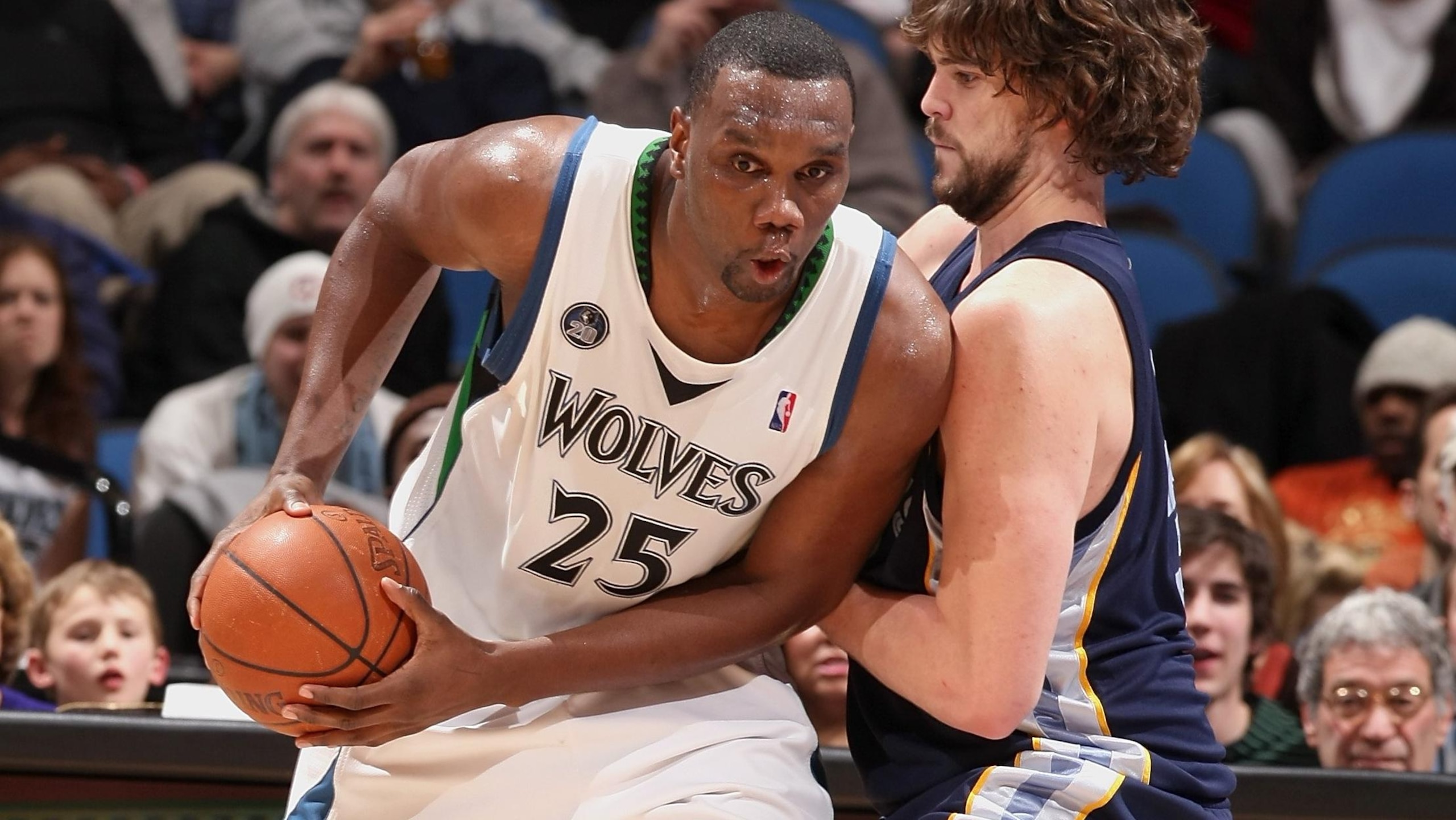
The list of NBA players with an All-NBA selection but zero All-Star cameos on their resume is not especially long. It includes Andrew Bogut, Phil Ford, Dražen Petrović and...Al Jefferson.
Although his peak wasn't the lengthiest, the big man churned out a seven-year stretch from 2007-08 through 2013-14 in which he was basically a 20-points-and-10-rebounds guy. Nobody else averaged as many points (19.7) and boards (10.1) as Jefferson during this span. DeMarcus Cousins was the only other player to even clear the 15-and-10 benchmark over this stretch, and he was only in the NBA for approximately half of it.
Whiling away his prime with a bunch of mediocre squads most definitely didn't do Jefferson any favors. His profile would have been elevated if he helped headline a team that made it past the first round. That his status peaked in 2013-14 when he finished top-eight in MVP voting as a member of the Charlotte Hornets says it all.
Still, for the time period, Jefferson was a center ahead of his curve. Other behemoths were more efficient, but mostly because they didn't source as much of their offense from the perimeter—and also weren't responsible for generating as many of their own looks.
9. Sam Perkins
7 of 15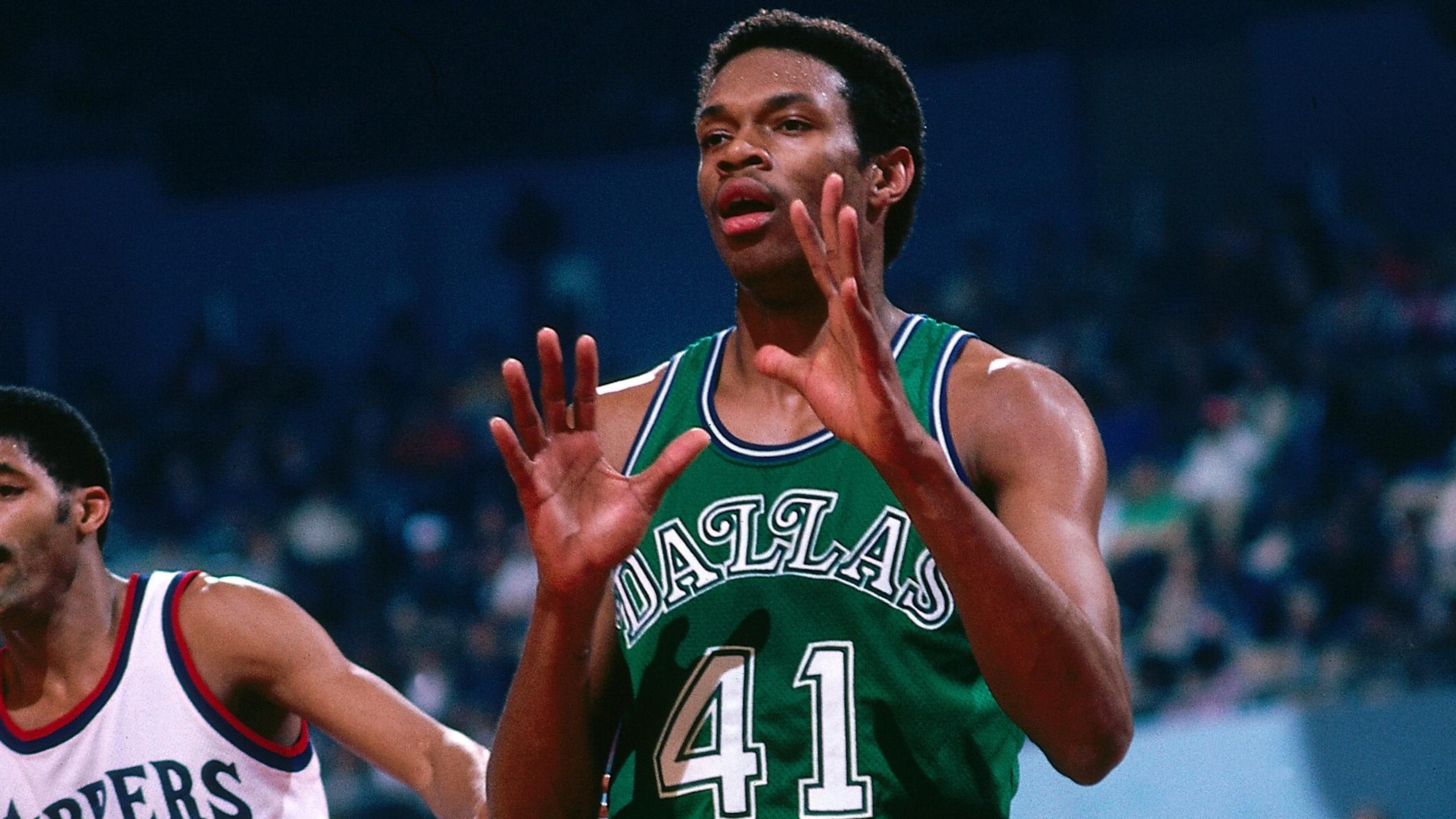
Sam Perkins was always just sort of there, straddling that fine line between being a star and a high-end complement. Even now, his career can be remembered in different, warring terms.
Was he an unappreciated, unassuming star? Or is his resume souped up by his longevity and the number of good teams on which he played?
Can it be both?
Perkins never registered as a focal point for his teams' offenses. Two players always seemed to be in front of him on the pecking order. He reaped the usual benefits that came with being a No. 3, mainly less defensive attention and open, straight-line paths to the basket.
He graded out as a top-100 playoff performer of all time in a 2015 rankings piece compiled by Bleacher Report's Adam Fromal, but his standing was also buoyed by his reaching the postseason 15 times in 17 years.
Longevity is still only part of Perkins' mystique. He averaged 15.0 points, 8.1 rebounds, 1.0 steals and 1.0 blocks between 1985 and 1992. Out of everyone who appeared in at least three seasons during that stretch, only Charles Barkley, Patrick Ewing, Hakeem Olajuwon and David Robinson did the same.
And though this development doesn't coincide with his prime, Perkins deserves credit for turning into a viable three-point shooter over the back end of his career. He was an anomaly at the time, and that shift helped extend his stay in the NBA.
8. Rod Strickland
8 of 15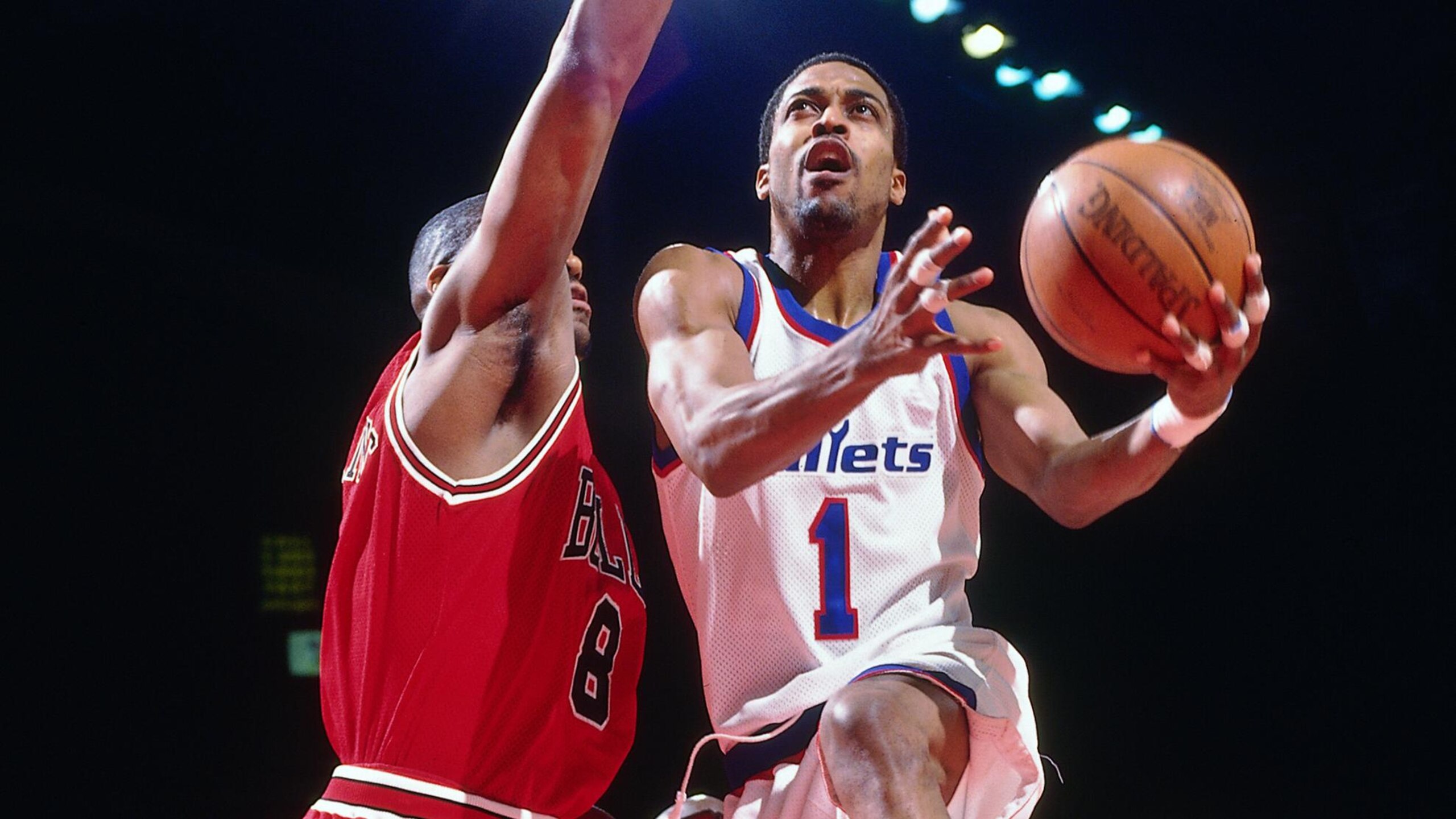
Rod Strickland's peak didn't last long compared to most of his peers on this list, and he was never the most efficient scorer, but he has a built-in case for up to five All-Star snubs.
From 1993-94 through 1997-98, he averaged 17.9 points and 9.4 assists, the second-most in the league, trailing only John Stockton. Thanks entirely to that stretch, he has four seasons to his name in which he cleared 17.0 points, 8.0 assists and 1.5 steals per game. The only players with more under their belt are Tim Hardaway (five), Gary Payton (five), Russell Westbrook (six), Magic Johnson (six), Isiah Thomas (seven) and Chris Paul (nine).
What Strickland lacked as an outside shooter, he made up for everywhere else.
He busted through the hearts of defenses at breakneck speed, not unlike John Wall. Yo-yo handles and circus layups equipped him to navigate the clunkiest traffic jams, not unlike Kyrie Irving. And his finishing around the rim was worlds better than is, for most, committed to memory.
Claiming that Strickland was robbed of five All-Star appearances demands a brazen stubbornness I'm not quite prepared to show. Making the cut was harder in the 1990s than it is now, and he faced stiff competition during his days with both the Portland Trail Blazers (Clyde Drexler, Gary Payton, Mitch Richmond, John Stockton) and Washington Bullets (Tim Hardaway, Michael Jordan, Penny Hardaway).
Still, two of his absences stand out as ultra-questionable, if not egregious.
He should've been named Alonzo Mourning's injury replacement in 1997 over Joe Dumars, and there was no reason for him to be left off the 1998 roster when he would finish that season as both the assist champion and a member of the All-NBA second team. (Penny Hardaway was voted in as a starter in 1998 despite playing just 17 games to that point.)
7. Marcus Camby
9 of 15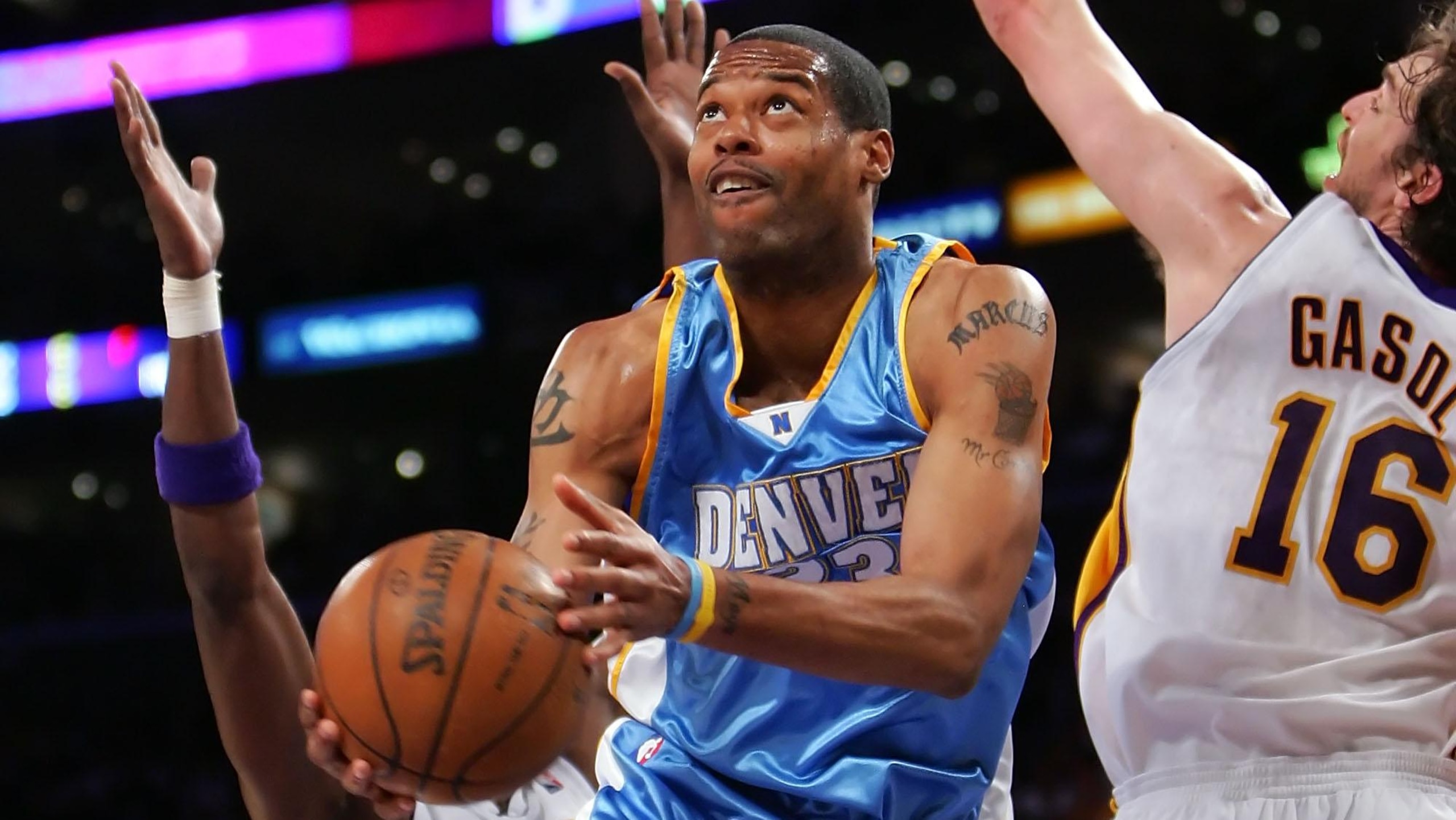
Building a catalog of the NBA's most underrated players ever is one helluva undertaking. It is extensive and painstaking, a task open for interpretation and subject to constant scrutiny from the sheer enormity of it all. Different players will make different lists. So few will be universal inclusions.
Marcus Camby is one of them.
Seldom has an entire career flown so far under the radar. Camby cut his teeth leveraging length and an inexhaustible motor on defense and the glass. His offensive production was modest, if forgettable, and heavily dependent on the primary ball-handlers around him and the frequency with which he created and finished off second-chance opportunities.
Yet Camby didn't exist solely within those functional nooks and crannies. He took more jumpers than most think. (And what a wonderfully weird, minutes-long form he had.) He put the ball on the floor more often than you remember. His blocks came further away from the rim than they had any business being.
Somehow, though, Camby is easy to forget. The why of it all isn't quite clear. But his impact is, indeed, forgotten on a macro scale. (Remember the rush to coronate Rudy Gobert as a better version of Camby before he was actually better than Camby?)
Maybe it's his lack of tenure with a single team. Camby suited up for six different franchises, never once for longer than six seasons. He wasn't quite a journeyman, but there was, in hindsight, a transience to all of his terms. That feeling, at least to some degree, affects how he is remembered. As Colin McGowan wrote for Sports On Earth in 2013:
"When you look at Camby's Basketball Reference page, it yawns: just one long, unbroken line of double-double-ish numbers that illuminate what might be one of the least context-dependent players of his generation. He was what he was, wherever he went. And because he never stuck in one place for too long, all our memories of Camby are truncated in one way or another. Chances are you think of him as a hodge-podge of jerseys and performances, and perhaps a name that pops up on a lot of rap tracks because it sounds cool and more or less rhymes with a lot of things."
Camby, though, is so much more than the number of jerseys he wore. On the contrary, his quasi-nomadic resume makes his peak all the more impressive. He was, more or less, the same player at every stop, just in varying volume.
Scalability doesn't amount to stardom, but the punch he packed stretched beyond plug-and-playness. From the moment he entered the league in 1996-97 through his split season with the Los Angeles Clippers and Portland Trail Blazers in 2009-10, he averaged 10.4 points, 10.0 rebounds, 2.6 blocks and 1.0 steals—production matched by exactly no one.
6. CJ McCollum
10 of 15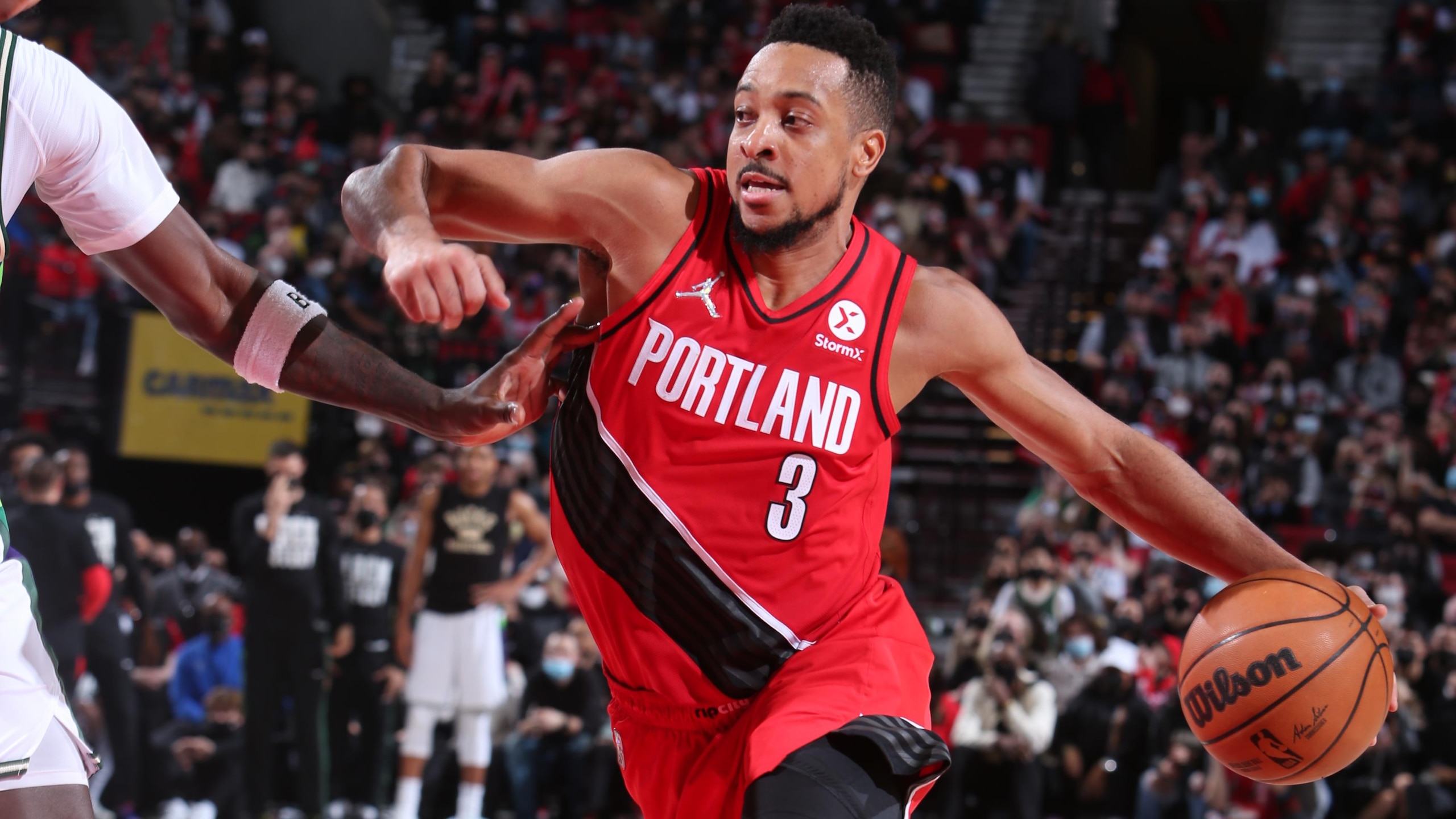
CJ McCollum is a professional bucket-getter—the kind who spent the vast majority of his prime earning "Honorable Mention" All-Star consideration without ever getting over the hump.
Averaging over 19 points per game, across more than a decade, is unheard of for someone who has never sniffed the Association's midseason showcase. No, seriously: McCollum's career scoring average is the highest in NBA history for someone who has never made an All-Star tilt while appearing in at least 350 total games.
What's more, the mid-range assassin and long-range sniper has 10 campaigns in which he cleared the 20-points-per-game threshold. That is the most in league history for anyone who didn't bag themselves an All-Star appearance in that same year. World B. Free and Bernard King are tied for second with seven such seasons, though each of them made at least one All-Star cameo in other years.
The reasons behind McCollum's absence from the star-studded event are multi-fold. Sometimes, he wasn't efficient enough. Or the other parts of his game (playmaking, specifically) didn't pop enough. Mostly, the entirety of his heyday came inside a Western Conference with a brutally deep list of bigger, better backcourt names.
5. Jason Terry
11 of 15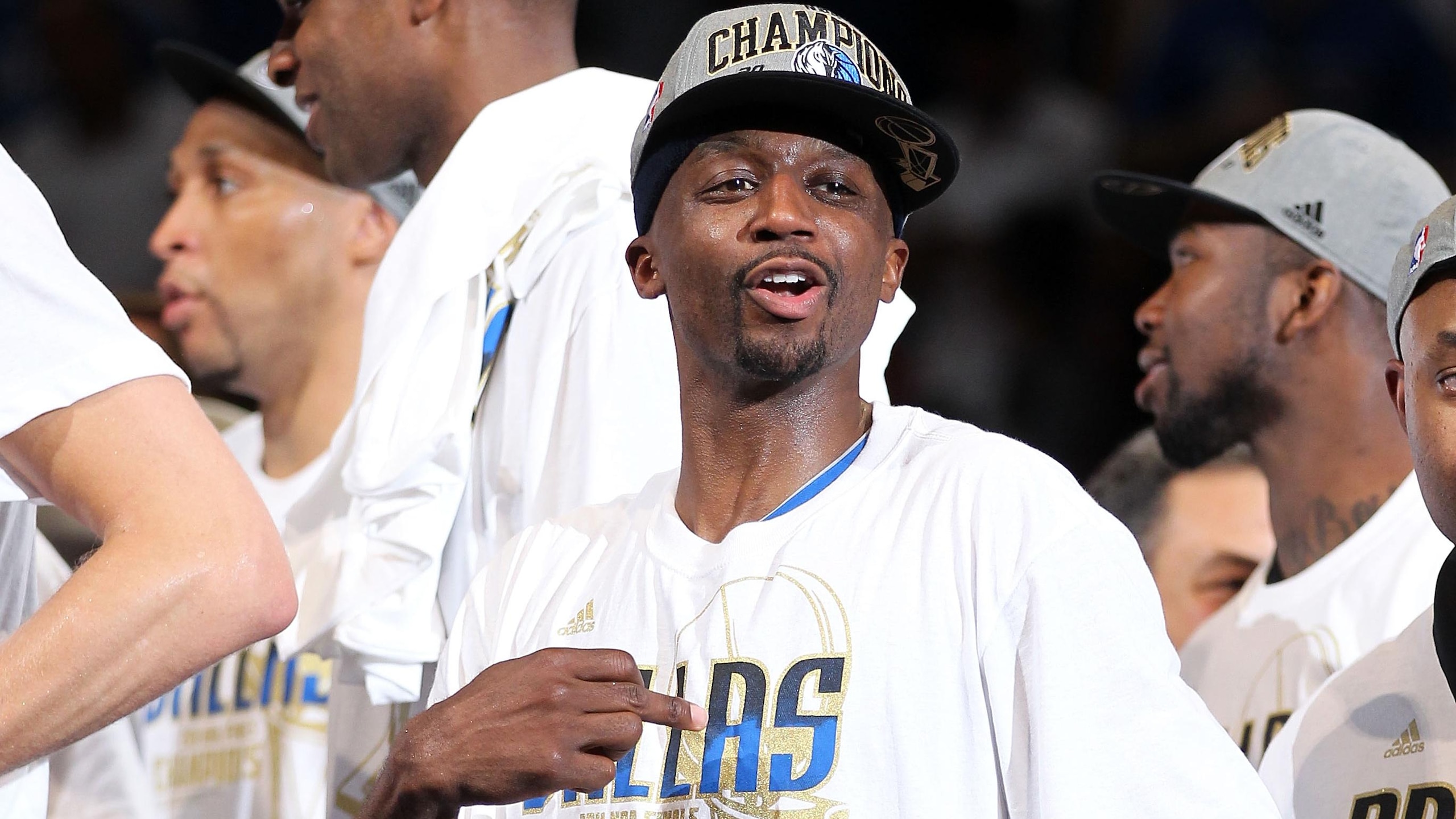
That Jason Terry never made an All-Star Game is kind of, sort of, definitely wild. He scored enough, for long enough, to get the nod.
After getting his feet wet as a rookie, he averaged 18.3 points and 5.9 assists (plus 1.5 steals) while draining 37.4 percent of his threes over the next four seasons. Following a down year in 2004-05 on the heels of a trade from Atlanta to Dallas, Terry went right back to it. He averaged 17.2 points and 3.9 assists while converting 39.6 percent of his triples over the next four seasons, the last of which marked his official transition to sixth-man duty.
Every Terry scoring detonation felt like an event. And he had loads of scoring detonations.
The floaters, scoop layups, stop-and-pop jumpers, ill-advised shots off the bounce, random dunks, celebrations—it was all part of an electric offensive package. He even made hitting set three-pointers cool.
Part of his charm admittedly came after the crux of his All-Star argument began to fade. He went absolutely off on more than a few occasions during the Mavericks' 2010-11 championship run, putting together absurd eruptions in the final game of their sweep over the Los Angeles Lakers, as well as their championship-clinching victories in Games 5 and 6 of the Finals against the Miami Heat.
All-Star selections aren't doled out for indefinite fringe stardom, but if they were, Terry would have more than his fair share. He averaged 16.8 points and 4.7 assists while drilling 38.3 percent of his threebies during the heart of his prime, a stretch spanning 12 seasons and nearly 950 appearances. Among everyone to play at least five years over this same period, only Chauncey Billups and Steve Nash matched Terry's output.
4. Ron Harper
12 of 15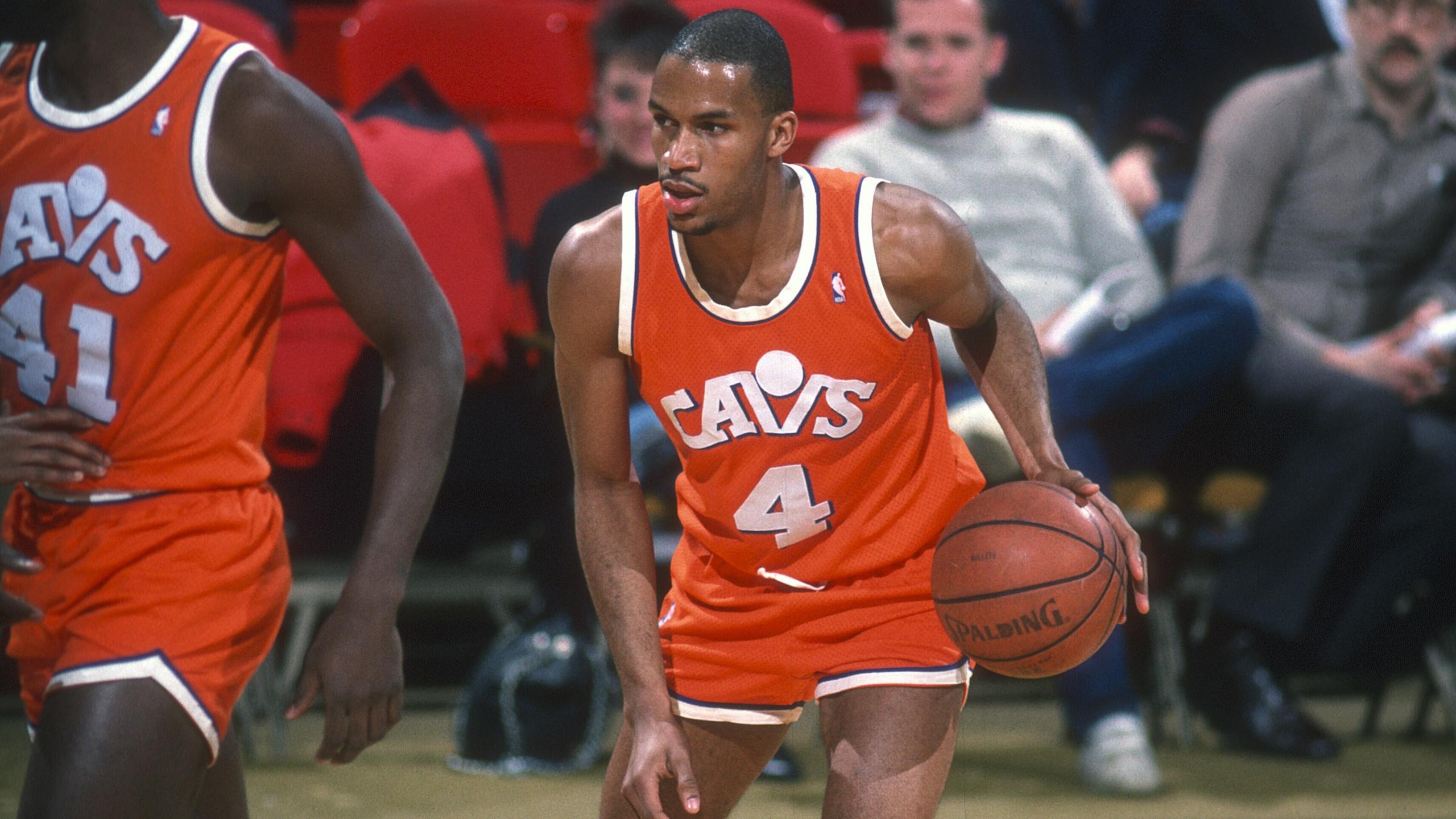
Ron Harper's resume is devoid of an All-Star appearance almost entirely because of circumstance.
His first eight years in the league, which he spent with the Cleveland Cavaliers and Los Angeles Clippers, almost certainly warranted a selection. He joined Clyde Drexler and Michael Jordan as the only three players to average more than 19 points, five rebounds, four assists and two steals during that time. That is, unequivocally, an All-Star-worthy stretch.
Ridiculous depth at guard cost Harper at least a few selections.
Jordan, Isiah Thomas and Dominique Wilkins were All-Star fixtures during his first three full seasons in the East, and he played in only 35 games, split between Cleveland and Los Angeles, during the 1989-90 campaign. The rest of his high-scoring heyday was spent putting up numbers for a lackluster Clippers franchise, whose limited success no doubt rendered him less of a national priority.
Harper gave what was left of his prime to the Chicago Bulls, with whom he signed in 1994. His time there was rooted in sacrifice—and winning. He struggled within the triangle offense during the 1994-95 campaign, and after that, Chicago once again became Jordan's show. Harper averaged double-digit scoring numbers only once following his exit from the Clippers, in 1998-99, the year after the three-peat Bulls disbanded.
There's no telling how many All-Star bids Harper left on the table—or from which he was snubbed early on. (At least one for the latter.) He seems not to care.
"This is great," Harper said in May 2000 during the Western Conference Finals as a member of the Los Angeles Lakers. "When you're young, when you first came into the league, that [scoring] is what you did. I came into the league as a guy who they knew would score, slam. Everyone knew the young Ron Harper. I got to a phase where I said, 'Everyone's still playing [in the playoffs] and I'm at home.'"
3. Lamar Odom
13 of 15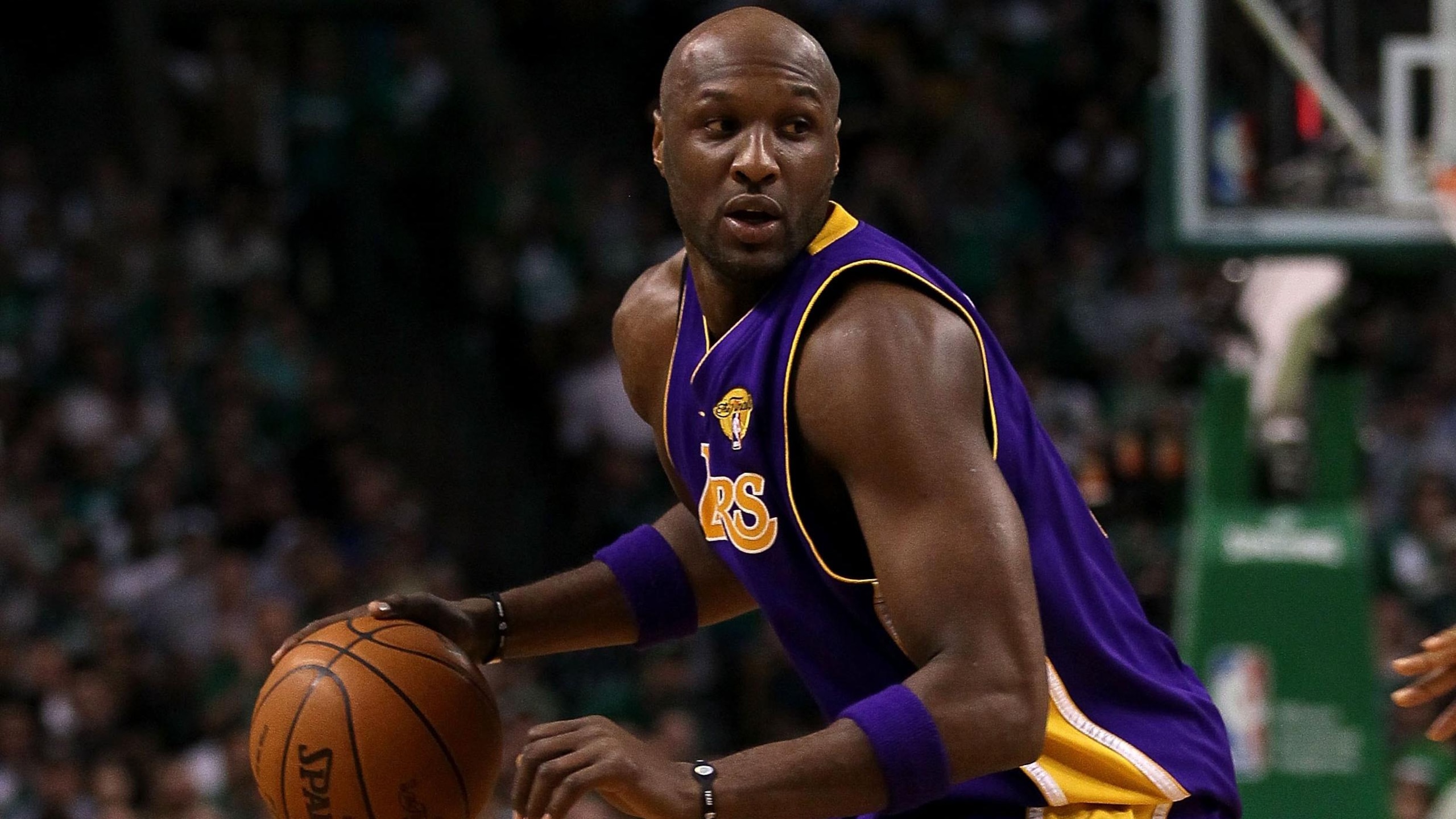
Lamar Odom lost any real chance of making the All-Star Game by 2008-09, when the Los Angeles Lakers, faced with two bigs starting in the frontcourt, elected to have him come off the bench. But that move came 10 years into his career, and while he wasn't an All-Star during that time, he came as close to being one without actually being one as you possibly can.
From his rookie year through 2007-08, Odom averaged 15.6 points, 8.9 rebounds, 4.4 assists, 1.0 steals and 1.0 blocks. Kevin Garnett and Chris Webber were the only players to sustain those benchmarks over that time. But just because he kept the statistical company of bigs and played power forward doesn't make him one. He wasn't.
Odom was way ahead of the positionless curve. His handle was tight enough to initiate the offense, and traditional plodders struggled to stay in front of him. While his three-point touch was never the most dependable weapon, he effectively leveraged his size to shoot over the top of smaller defenders when on the move.
Playing for three different teams may have harshed Odom's All-Star stock.
He went from the woebegone Los Angeles Clippers to spending a season with the Miami Heat, during which he appeared on the edge of stardom with staying power. Except then he was flipped to the Los Angeles Lakers as part of a package for Shaquille O'Neal, and he took a backseat to Kobe Bryant's scoring onslaughts and, eventually, Andrew Bynum and Pau Gasol.
To what end Odom had control over his situation is debatable. The Lakers' pecking order never clearly favored him, but his game always had the look and feel of someone who didn't prioritize his own scoring opportunities nearly enough.
2. Richard Jefferson
14 of 15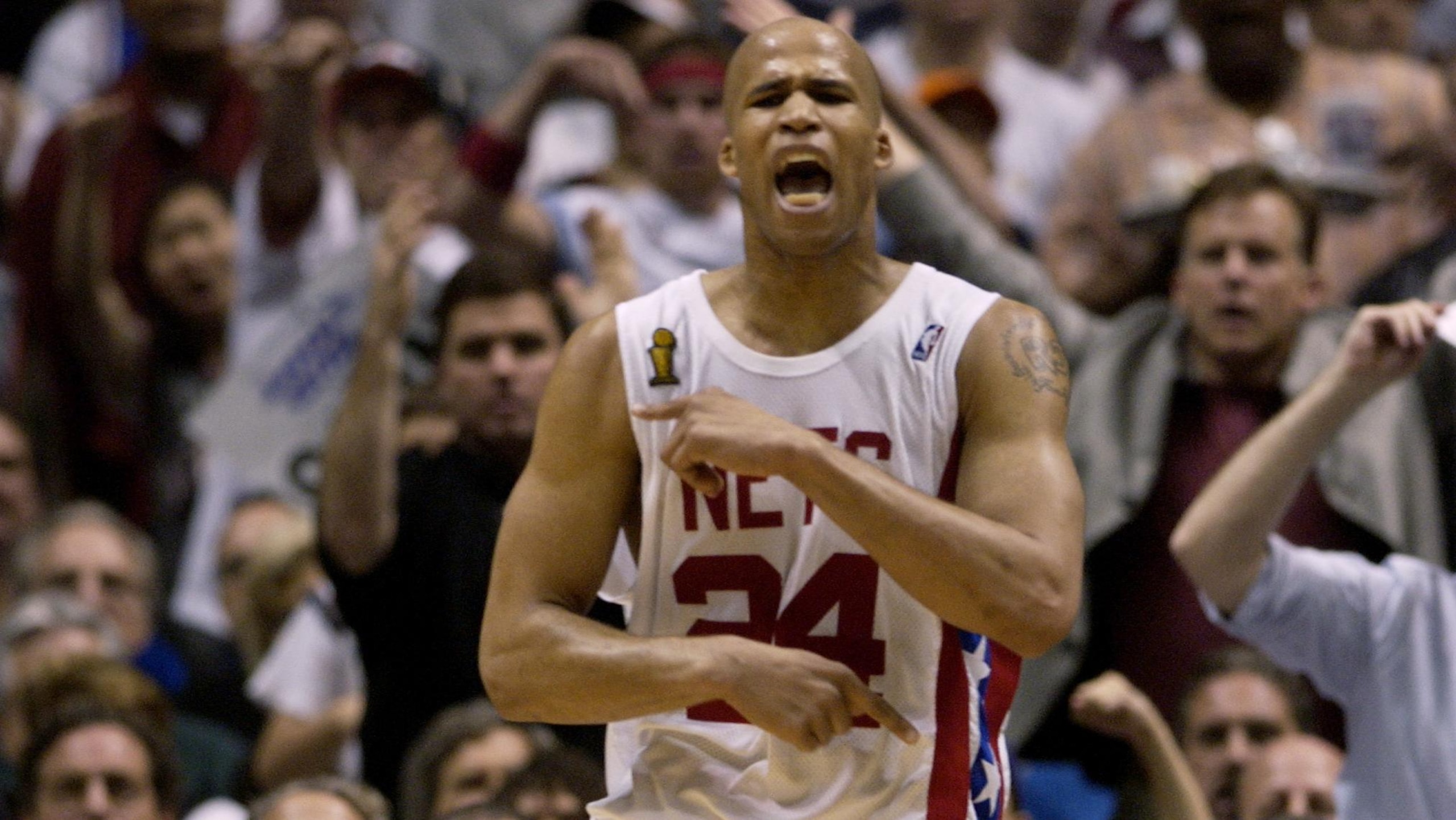
Other players have enjoyed longer peaks than Richardson Jefferson, but his own apex is lost to history much too often.
Between 2003-04 and 2008-09, he was one of just seven players who averaged more than 19.0 points and 3.0 assists while banging in 36-plus percent of his three-pointers. His company reads like a who's who of superstars in the moment: Ray Allen, Vince Carter, Joe Johnson, Paul Pierce, Jason Richardson and Brandon Roy.
Perhaps more of a stink isn't made about Jefferson's All-Star absence because his best days came after the New Jersey Nets' consecutive Finals runs with Jason Kidd and Kenyon Martin. I'm not entirely sure how that matters. I'm just thinking aloud here.
And anyway, Jefferson wasn't exactly a non-factor during New Jersey's halcyon days. He played more than a bit part as a rookie and sophomore, offering value with his ability to run the floor, splash in standstill jumpers and match up defensively with most wings.
Jefferson's utility held true for basically the duration of his Nets tenure. When given a looser offensive license, he delivered more off-the-dribble panache. He was overtaxed as a No. 1, but he could get to the rim, and his scoring bandwidth adequately translated to the playoff pressure cooker.
A wrist injury derailed his best All-Star crack in 2004-05. At the same time, his peak was so much more than that one season.
As ESPN.com's Patrick Dorsey wrote in 2015: "By his second season the versatile 6-foot-7 wing already was a top-20 player in win shares; he finished top-12 in the NBA twice in that category, and was on track for an All-Star selection in 2004-05 (22.2 points, 7.3 rebounds, 4.0 assists)—before a wrist injury ended his season in early January."
Today's NBA would place more of a premium on Jefferson's skill set. He'd be a three-and-D dream with the chops to branch out on offense beyond specialist duty. And the odds of him making an All-Star team, I'd hazard, would go way up—especially if he still played in the East.
1. Cedric Maxwell
15 of 15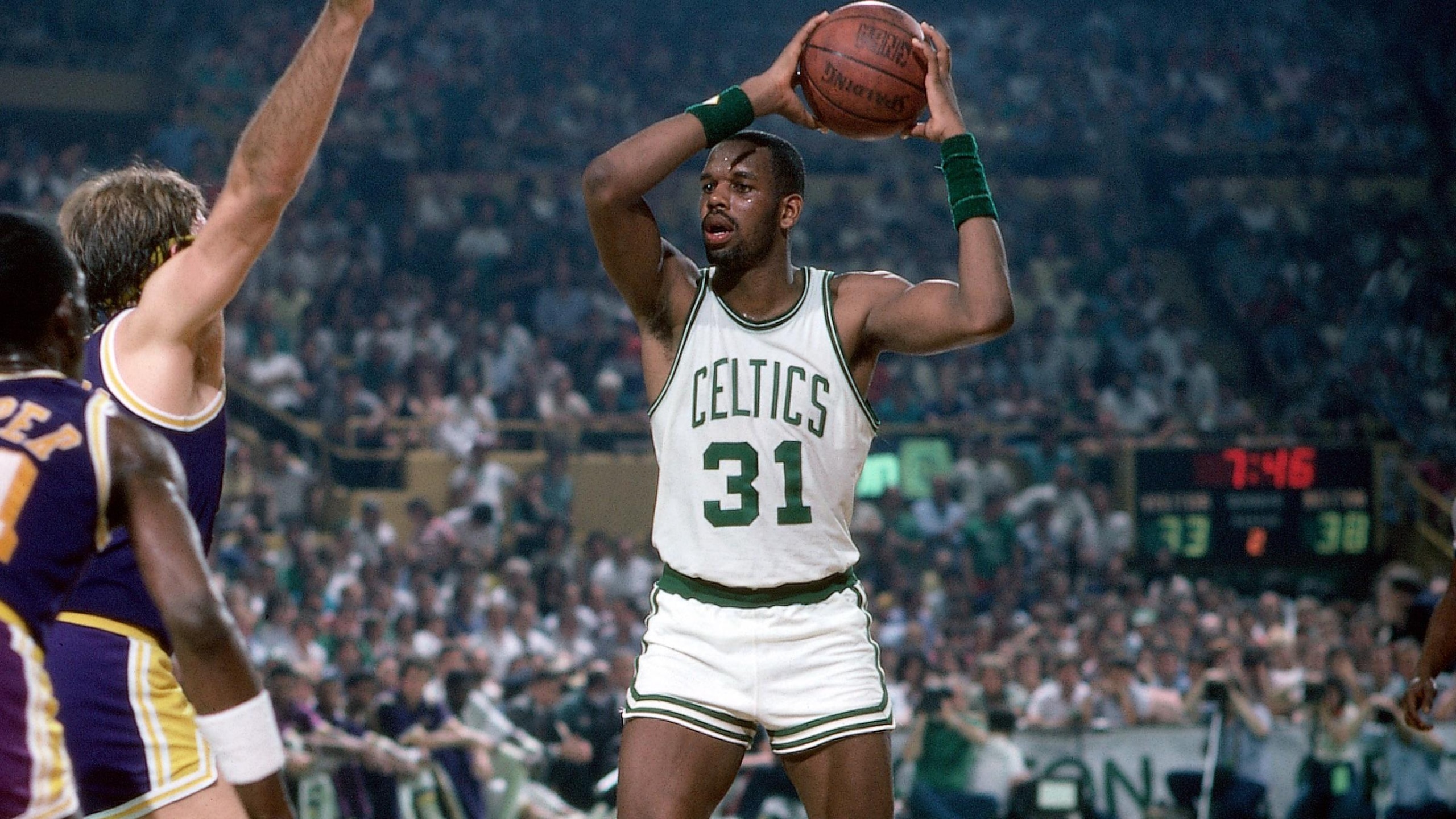
Cedric Maxwell is among the NBA's most underrated players of all time, bar none. Relative obscurity is an occupational hazard when your teammates include Tiny Archibald, Larry Bird, Kevin McHale, Robert Parish and other distinguishable stars.
Sharing the floor with so many greats shouldn't stop Maxwell from receiving his own due. His game lent itself to a certain completeness. He sported nifty moves under the basket, reached the foul line at an enviable clip, dropped more dimes than the average hoops head realizes and made his presence felt on the glass despite playing a wing position.
Really, the lone hole in Maxwell's repertoire was his perimeter shooting. His ultra-efficient clip relied upon getting to the basket and grinding defenses to a pulp, a mixed bag that wouldn't fly as well at the small forward spot today.
But he's not playing today. Besides, cross-era comparisons are indentured to some futility. His offensive armory would look a whole lot different in the modern game. His career peak during the era in which he actually played is more important.
As of 2026, Maxwell was responsible for one of the 50 best three-year stretches since 1973-74, according to a piece written by Adam Fromal for NBA Math. Between 1979 and 1981, he averaged 17.0 points, 8.4 rebounds and 2.7 assists while hitting more than 59 percent of his twos and ranking seventh in the entire league in value over replacement player.
Unless otherwise noted, stats courtesy of NBA.com, Basketball Reference or Cleaning the Glass. Salary and cap-hold information via Basketball Insiders, Early Bird Rights and Spotrac.
Dan Favale is a National NBA Writer for Bleacher Report. Follow him on Bluesky (@danfavale), and subscribe to the Hardwood Knocks podcast, co-hosted by Bleacher Report's Grant Hughes.
.jpg?w=2560 "Ravens DB Called Tua INT 🔮")
.jpg?w=2560 "Breaking News")
.jpg?w=2560 "Jerry Defends Dak Heckler")
.jpg?w=2560 "Buzz: Browns Shopping Jeudy")
.jpg?w=2560 "Ranking NFL's True Super Bowl Contenders")