
The NBA's Most Overpaid Underperformers This Season
There are always NBA players in bad form, players with injury histories and players with off-court issues, but those who combine said questionable traits with sizable contracts are particular drains on their teams.
Let's take a look at the worst offenders this season: the players whose contracts far outstrip their on-court contributions.
These 15 players were chosen by on-court performance, injury history and off-court issues, with all those characteristics filtered through the lens of their contracts.
It's not an exact science, but it's close.
Honorable Mentions
1 of 11
Allen Crabbe, Atlanta Hawks
Contract: 4 Years, $74.8 Million, Expires 2020
After what seems like a lifetime, Allen Crabbe's behemoth contract will finally expire this summer, and just in time.
Crabbe is an NBA player because of his shooting ability, and for the first three seasons of the deal, he at least did that well, making 39.6 percent of his threes on 5.5 attempts per game. This season, however, he seems to have lost his stroke, averaging just 5.8 points per game while shooting a mere 38.5 percent from the field and 30.1 percent from three.
The former Cal Golden Bear is even getting a fair amount of playing time, as the struggling Hawks need any sort of supporting offense around franchise player Trae Young, but has failed to break through in his 19.5 minutes per game.
After years of ridicule of the large deal and two teams taking on the contract and one of them moving on in short order, it wouldn't be shocking if Crabbe ended up overseas. He might need a drastic change like that to reset his career and regain his confidence.
Tyler Johnson, Phoenix Suns
Contract: 4 Years, $50 Million, Expires 2020
An undrafted free agent, Tyler Johnson signed a big deal, burst onto the scene in 2016-17 as a spark-plug combo guard and has declined in each successive season. The Miami Heat even attached him in a trade last year when they acquired Ryan Anderson, owner of one of the league's most untradeable contracts for years, from the Suns. They waived Anderson several months later.
It's been a rough stretch for Johnson, though he's not doing himself any favors. He has the second-worst effective field-goal percentage on a team always starving for backcourt depth and is competing for minutes with the likes of Jevon Carter, Ty Jerome and Elie Okobo.
After his contract expires, he shouldn't expect a similarly large sum again.
Brandon Knight, Cleveland Cavaliers
Contract: 5 Years, $70 Million, Expires 2020
Somehow, only 19 point guards in the NBA make more annual money than Brandon Knight. Yes, the former Kentucky Wildcat is paid more per year than Patrick Beverley, Marcus Smart, Spencer Dinwiddie and George Hill, all of whom are on non-rookie contracts and all of whom are far better than Knight.
Once upon a time, Knight was a solid starter for middling teams. But he tore his ACL and missed 2017-18 and the first two months of 2018-19.
He's not been the same since, shooting a putrid 23.4 percent from the field for the Houston Rockets, who traded him to Cleveland, where he's toiled behind burgeoning young guard Collin Sexton and 2019 No. 5 draft pick Darius Garland.
Knight's averaging just 11.4 minutes per game on the worst shooting (34.0 FG%) in his eight seasons, and unless he's traded for another player on this list, he's likely to finish his contract in obscurity. He'll be lucky to get another big one in the NBA.
Courtney Lee, Dallas Mavericks
Contract: 4 Years, $48 Million, Expires 2020
Courtney Lee has been traded six times in his career, and considering his contract, he's not providing close to an equal return for his latest team, the Mavericks.
Lee has been a consistent on-court presence since he was drafted 22nd overall in 2008. He's always been a good shooter who knows his role and provided strong enough defense to stick in various starting lineups. And yet Lee has been largely invisible since he was traded to Dallas.
Last year, his reduced role was deserved, as he shot just 39.0 percent from the field and 28.2 percent from three with the Mavs. However, in the eight games Lee has played this season, he's been great. He's averaging a career-high 17.2 points per 36 minutes while making 58.3 percent of his threes and recording a 7.7 net rating.
It's strange that coach Rick Carlisle is not playing Lee considering his great efficiency, Dallas' need for wings alongside Luka Doncic and NBA teams' general want for their high-salaried players to play and play well. Perhaps it's because Lee has the worst defensive rating on the Mavericks and they are looking for strong perimeter defenders. But the most likely reason for his benching is that the Mavs are keeping him fresh for yet another deal.
Evan Turner, Atlanta Hawks
Contract: 4 Years, $70 Million, Expires 2020
Though he's never lived up to this exorbitant contract, there have been times throughout the past three years when Evan Turner has been a contributor to winning basketball. Turner ran efficient second units in Portland for several years, playing point guard whenever Damian Lillard and CJ McCollum sat.
However, he was traded this summer for Kent Bazemore and now is, in essence, Atlanta's only point guard outside of Trae Young. It's a big responsibility and one he has not taken to.
Turner has the second-worst offensive box plus-minus on the Hawks, and that's saying something, considering they have the worst offensive rating in the league. At 3.3 points, 2.0 rebounds and 2.0 assists per game with 38.1 percent shooting from the field, his stats aren't much better.
Whether Turner's skill set is suited to a team this bad is up for debate, considering he was far better than this in other scenarios, but the Hawks' situation cannot be the only factor to his horrid start.
Make no mistake, the 31-year old is an NBA player. But he will not make this much money again.
Nicolas Batum, Charlotte Hornets
2 of 11
Contract: 5 Years, $120 Million, Expires 2021
From the moment he signed it, Nicolas Batum's contract has been one of the worst in the NBA. For a while, he was still a decent player, averaging 12.8 points, 5.6 rebounds and 5.1 assists per game over his first four seasons in Charlotte. Not max contract numbers by any stretch, but he was fairly productive.
Then this season came, and he fell off a cliff.
Batum is averaging 3.6 points, 4.1 rebounds and 3.0 assists per game while shooting 37 percent from the field, by far the worst numbers of his career (and they don't get any better over 36 minutes or per 100 possessions). He's been in and out of the lineup with injuries but has been outplayed even when healthy.
The Frenchman isn't constantly scrutinized because the Hornets have been far better than expected, but with two years left on his contract and the 31-year-old seemingly on the back nine of his career, the $25.6 and $27.1 million owed to him over this season and next will be a major obstacle to an effective rebuild in Charlotte.
Blake Griffin, Detroit Pistons
3 of 11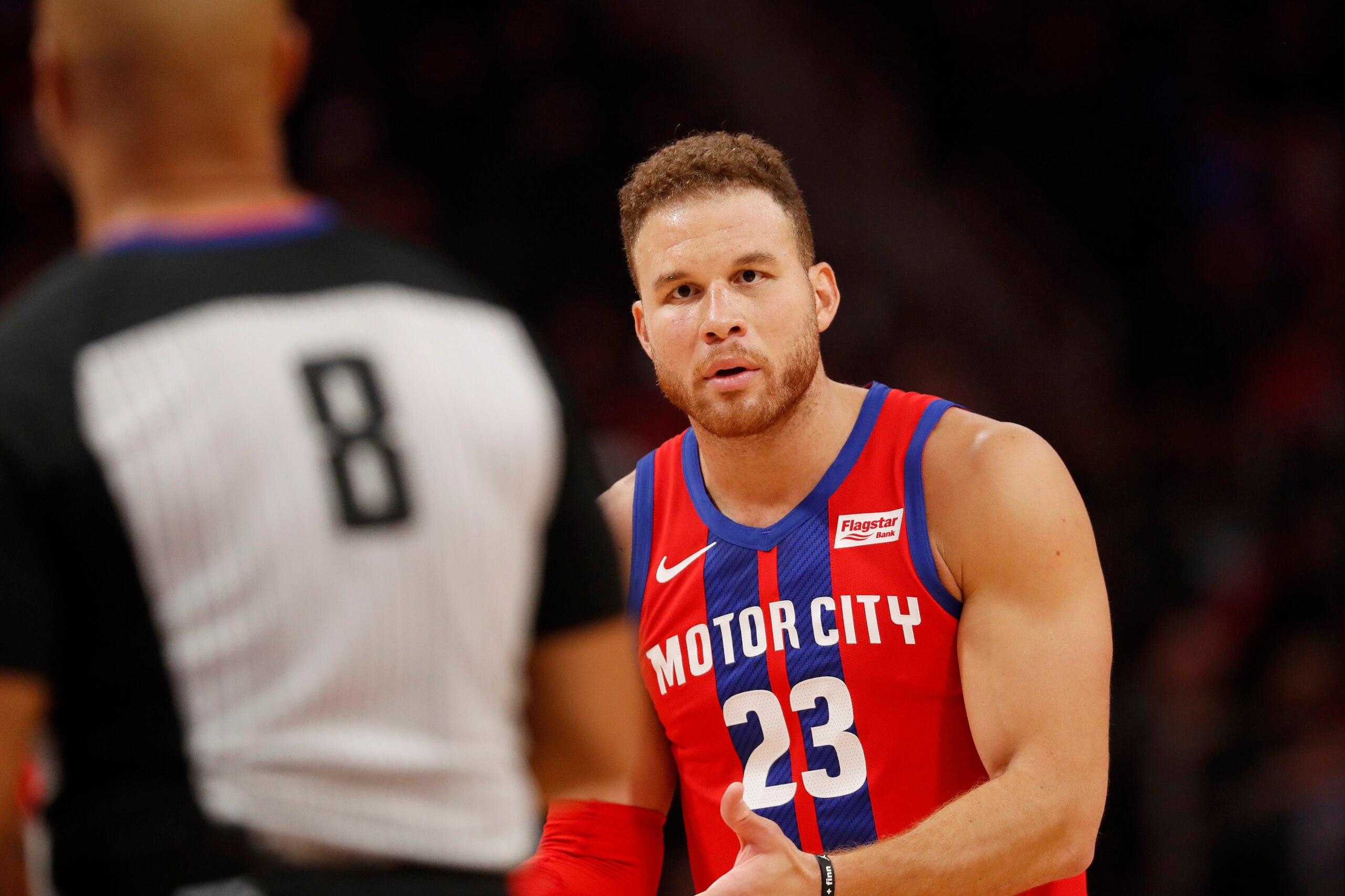
Contract: 5 Years, $171.2 Million, Expires 2022
After a tremendous 2018-19 season for the Detroit Pistons, Blake Griffin looked like he had finally transcended his laundry list of injuries and transitioned into the second stage of his career. In hindsight, it might have been his last great year.
Griffin missed the first 10 games of this year with hamstring and knee soreness, but since coming back, he has shown visible decline. He's shooting just 35.2 percent from the field, attempting 7.7 two-pointers per game and recording a 40.6 effective field-goal percentage, all career-worst marks by country miles.
And not only is Griffin a much worse scorer than he used to be, he's also not even using the tricks that made him such a threat on offense in the first place. The big man is shying away from contact as much as he ever has, shooting just 5.4 free throws per game, the second-worst figure of his career, though his percentage from the charity stripe is fine.
Could this be a blip with Griffin shaking off rust? Certainly. But the 30-year-old is averaging only 9.4 points per game and shooting 23.3 percent from the field over his last seven games, a slump unparalleled in his career.


Dewayne Dedmon, Sacramento Kings
4 of 11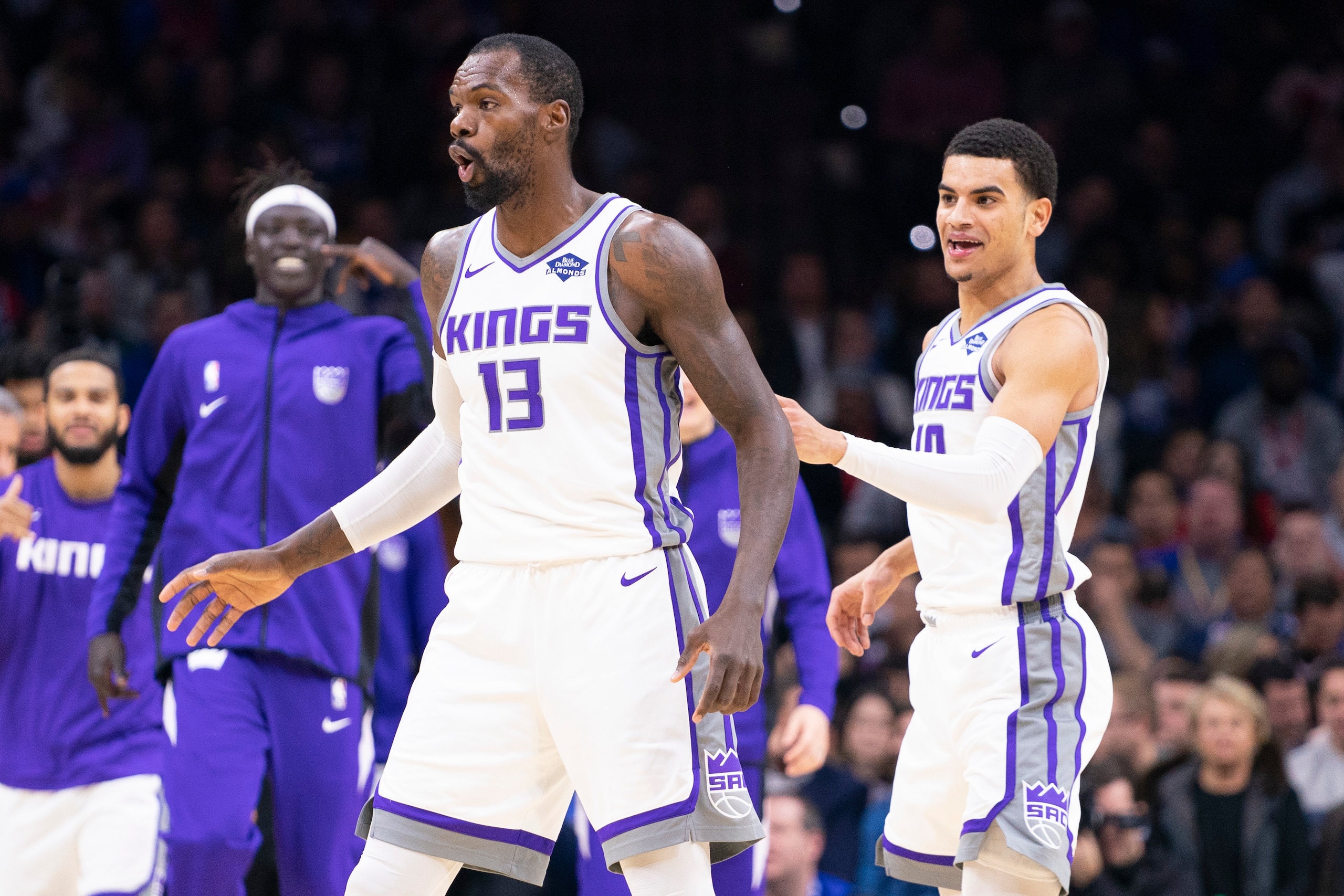
Contract: 3 Years, $40 Million, Expires 2022
When the Sacramento Kings signed Dewayne Dedmon this summer, it seemed like a large contract, but he'd been a relatively productive stopgap center for the last two seasons in Atlanta, so it wasn't ridiculed too badly. After two months of play, however, it's clear the initial reaction was correct: Sacramento way overpaid.
Following two solid seasons in which Dedmon started shooting threes and making them at a 37.2 percent clip to go with his already decent rim-protection skills, he has played like a Space Jam version of Patrick Ewing, shooting just 41.9 percent from the field and 22.9 percent from three and recording the third-worst net rating among rotation Kings.
After starting the first four games of the season, Dedmon was benched for Richaun Holmes, and given the way both of them have played, there's a slim chance that Dedmon returns to the lineup.
Now, there is reason to hope. Dedmon's stats are such a departure from recent seasons that there's a possibility he's just in the midst of a bad, bad slump. But with Holmes playing well, Marvin Bagley III back from injury (though he was hurt again Thursday) and Harry Giles III a candidate for minutes if he gets healthy, we may not find out.
Dion Waiters and James Johnson, Miami Heat
5 of 11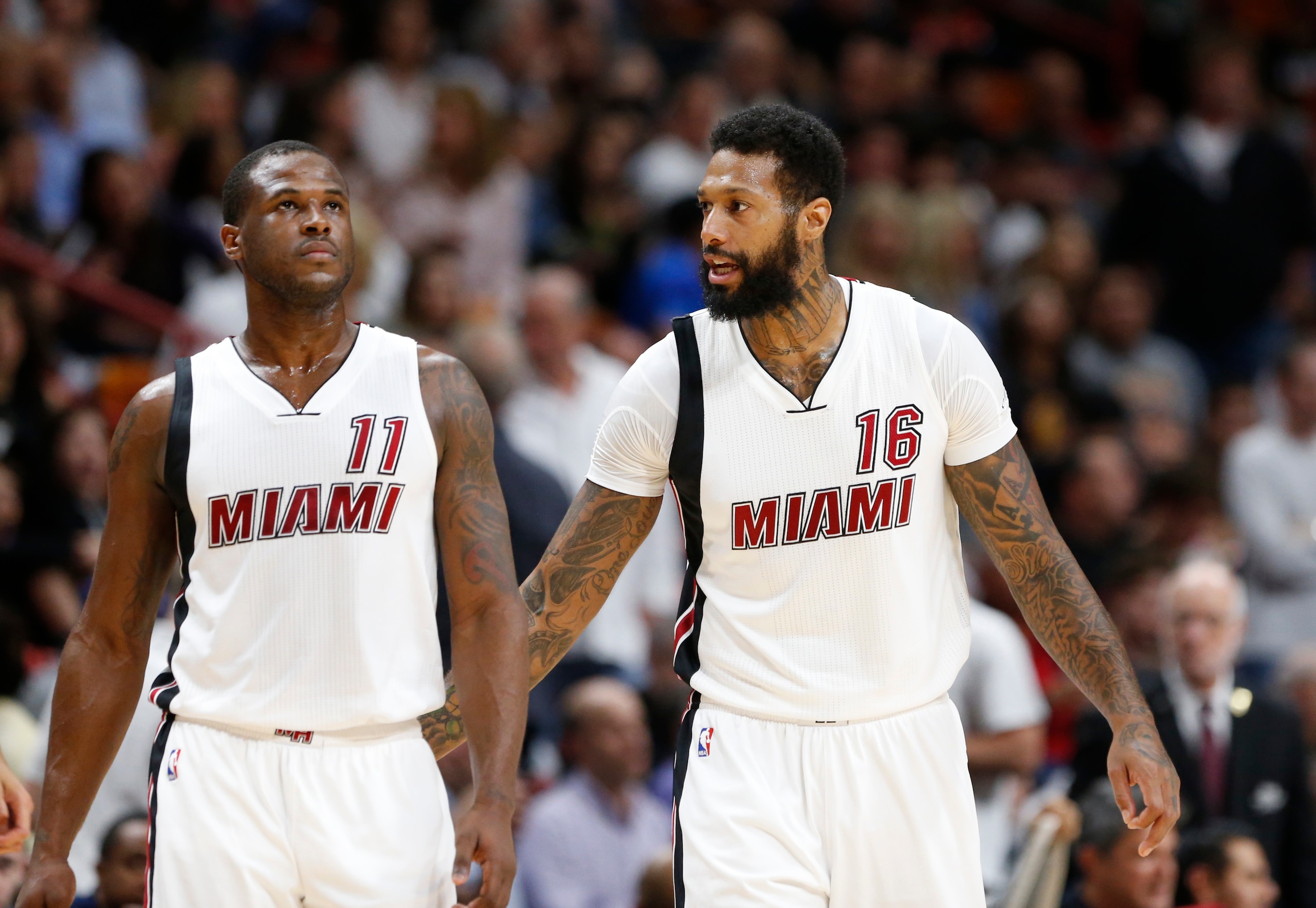
Contracts: Waiters 4 Years, $52.0 Million, Expires 2021; Johnson 3 Years, $43.3 Million, Expires 2021
On their faces, these contracts don't seem like that much money, especially in the context of one like Blake Griffin's. But considering what these two have put the Heat through these past few years, they might as well be owed the gross domestic product of a small nation.
Dion Waiters might be the most untradeable player in the league. Waiters' on-court performance does not match his contract. He's had negative net ratings in each of the past two years, and has yet to shoot better than 42.4 percent from the field in Miami. Secondly, he's had major health issues. The Syracuse product has not played more than 46 games in a season with the Heat and was benched by the team after not meeting its conditioning requirements. Thirdly, he's had a host of off-court problems, including a reported edible-induced panic attack this year and later apparently lied to the team about an illness.
Johnson hasn't been as mercurial as his teammate, but he hasn't been a contributor either. After a solid 2016-17, Johnson has atrophied, culminating with just 3.3 points per game in six appearances this year. On a per-36-minutes basis, his stats aren't much of a downgrade from last season's, but the Heat have more or less moved on without him.
Miami has been looking to move Waiters and Johnson. At least their large contracts will not impede the Heat's big 2021 free-agency plans.
DeAndre Jordan, Brooklyn Nets
6 of 11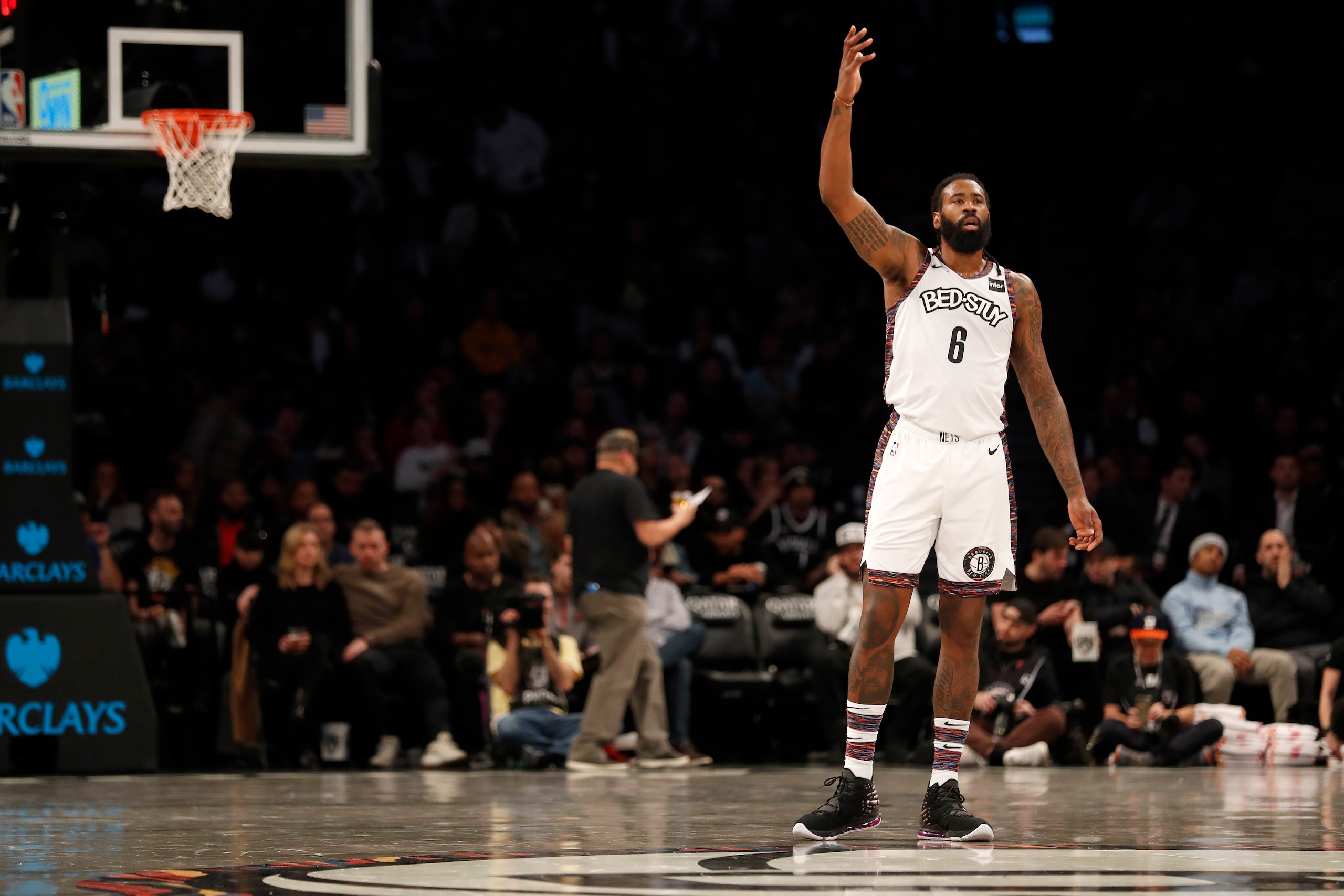
Contract: 4 Years, $40 Million, Expires 2023
Just two years ago, nobody would have blinked at this contract. DeAndre Jordan had made three straight All-NBA teams and was one of the best centers in the NBA.
But Father Time came fast for him.
After signing with the Mavericks three years after he was supposed to, Jordan lasted only half a season before he was traded to the New York Knicks. Perhaps it was the losing situations in Dallas and New York, but the big man looked done.
Once the Brooklyn Nets signed him alongside friends Kevin Durant and Kyrie Irving, however, there was hope that another winning environment with supportive figures might bring the old Jordan back. That's not been the case.
The 31-year-old has been decent on defense, recording the fifth-best defensive rating among rotation Nets, but is subpar on offense with a 99.5 offensive rating. He looks even worse next to incumbent center Jarrett Allen, who continues to establish himself as one of the game's most exciting young big men.
Given how the Nets feel about Allen, it was clear this summer that Jordan's signing was not basketball-related. In fact, his presence takes minutes away from Allen and makes Brooklyn worse.
It likely can't trade Jordan for fear of alienating Durant and Irving (who may not be pleased with what they're seeing from their teammates) but should try to play him as little as possible if it wants to win.
Cory Joseph, Sacramento Kings
7 of 11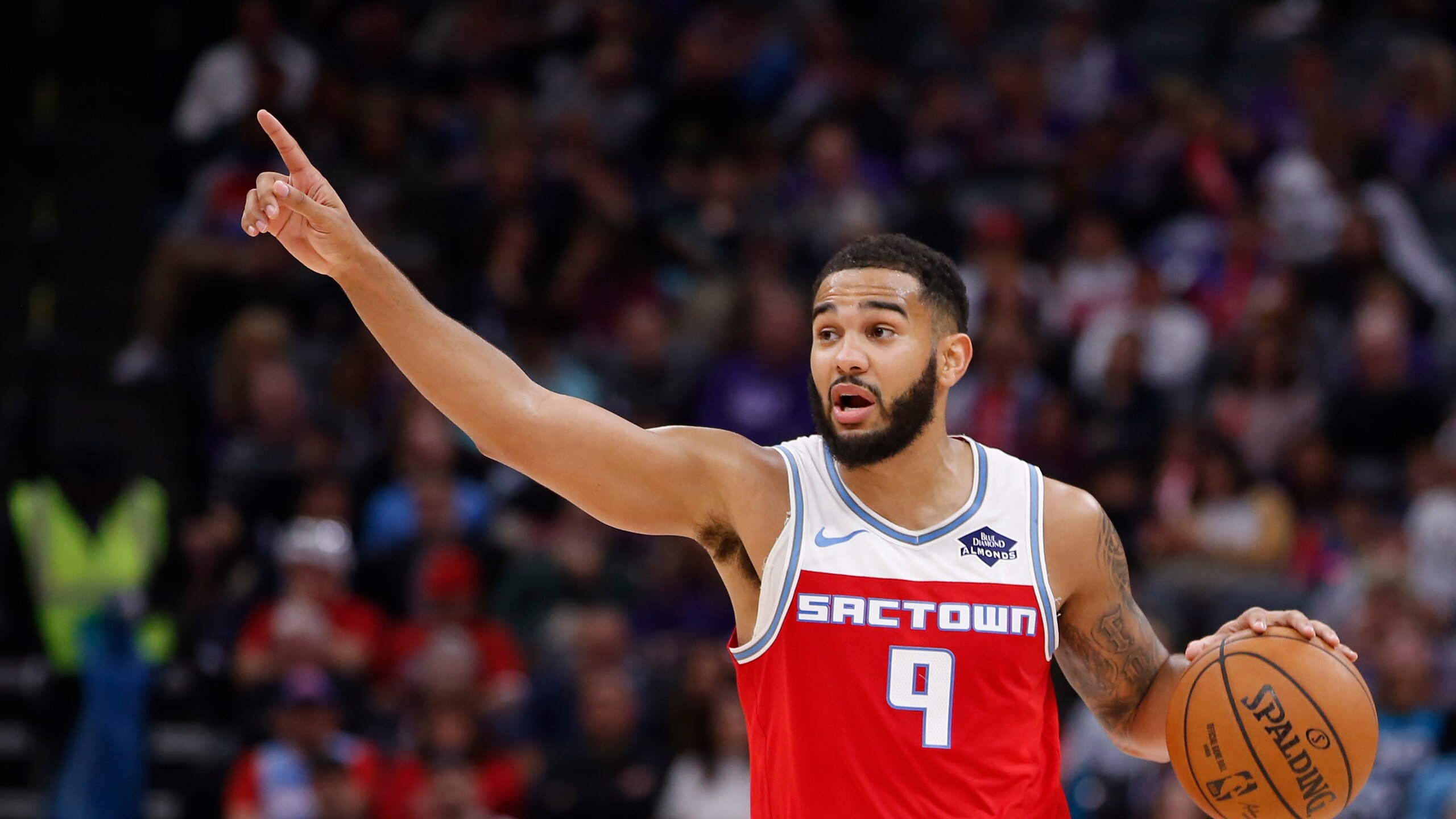
Contract: 3 Years, $37.2 Million, Expires 2022
For most of his career, Cory Joseph has been among the best backup point guards in the NBA. He's not someone to structure an offense around, but he's proved to be a steadying hand time and again on winning teams.
However, $12.4 million per year is likely too much to pay for him, and he's showed that this year with the Kings.
Yes, Joseph stepped in for an injured De'Aaron Fox early this season and the Kings went 9-10. But that was largely despite his efforts, not because of them. Joseph shot just 35 percent from the field in those games, has a minus-3.5 net rating and ranks 405th out of 448 players in real plus-minus.
The fact that Sacramento was near .500 in the games he started was quite a feat given how bad Joseph has slumped.
Fox is back, and Joseph has been relegated to the bench. Perhaps he'll be more productive in his second-unit comfort zone. But even in that case, Sacramento overpaid him. Had the Kings given Joseph $6 or $7 million annually, they may not have needed to be so stingy with Buddy Hield.
Kevin Love, Cleveland Cavaliers
8 of 11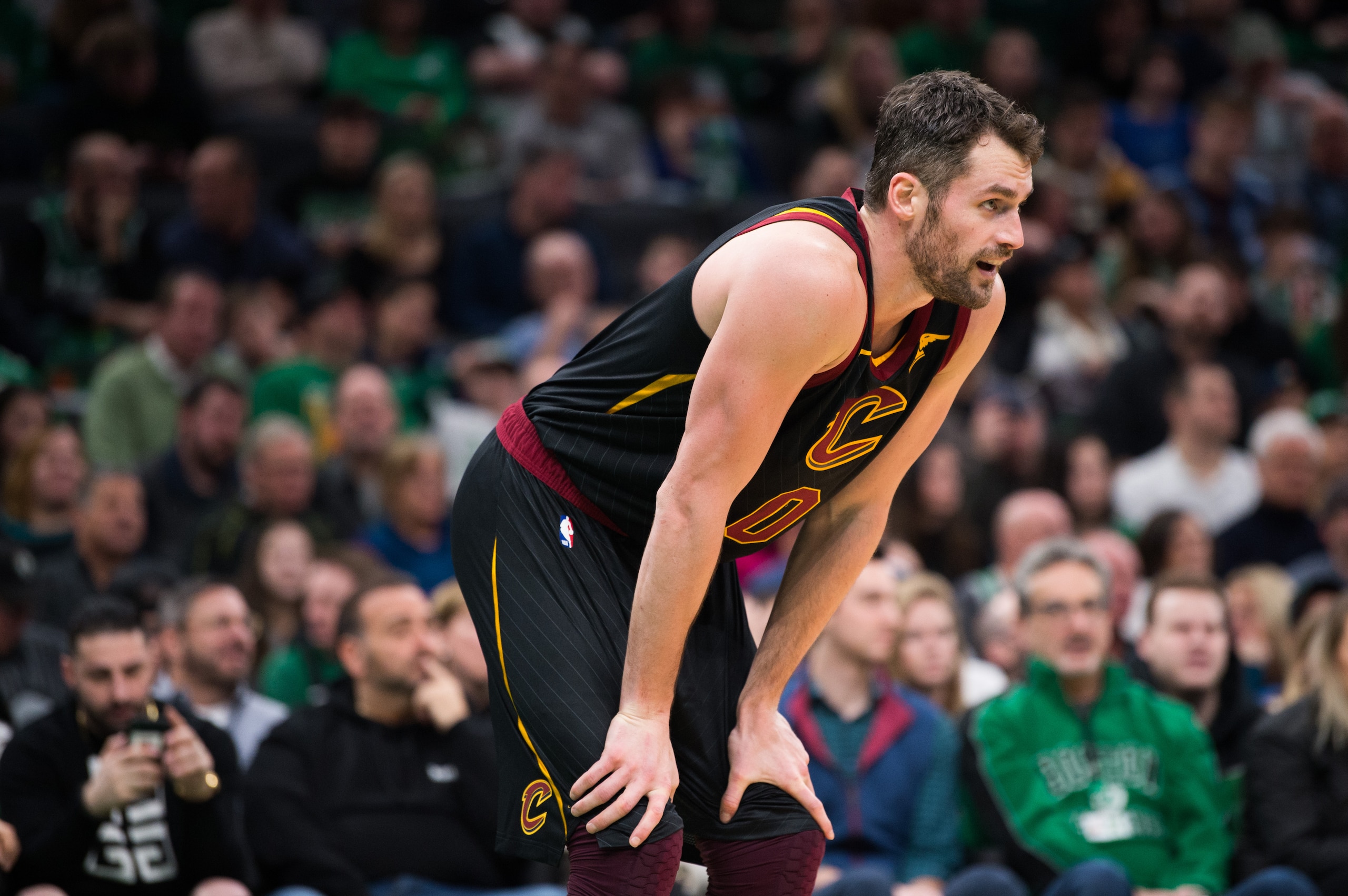
Contract: 4 Years, $120.4 Million, Expires 2023
Kevin Love's contract was an overpay at the time, but it was at least understandable. The Cavaliers had lost their two best players in successive seasons, with Kyrie Irving moving to Boston and LeBron James leaving for Los Angeles, and doubling down on Love, the best remaining player from their title-winning 2015-16 team, seemed like a nice idea.
Two years removed from James' departure, however, Cleveland has returned to obscurity, and Love's contract is no longer a reminder of happier days. It is now just an albatross.
And the Cavaliers' status as a perennial lottery team now is not the only reason that paying Love over $30 million a year is bad. He is also declining rapidly.
At this point, Love is merely a glorified stretch big man with elite rebounding capabilities who launches the occasional brilliant outlet pass. He'd (still) be an excellent third star on a contender but is terribly miscast as the top option on a bad team. Either way, his salary and skill set no longer match.
Of course, it's well known that Love wants out, and any number of contending teams could use him. If whoever acquires him makes a deep playoff run, then it will have been worth it. But then that team will have to deal with his contract until 2023.
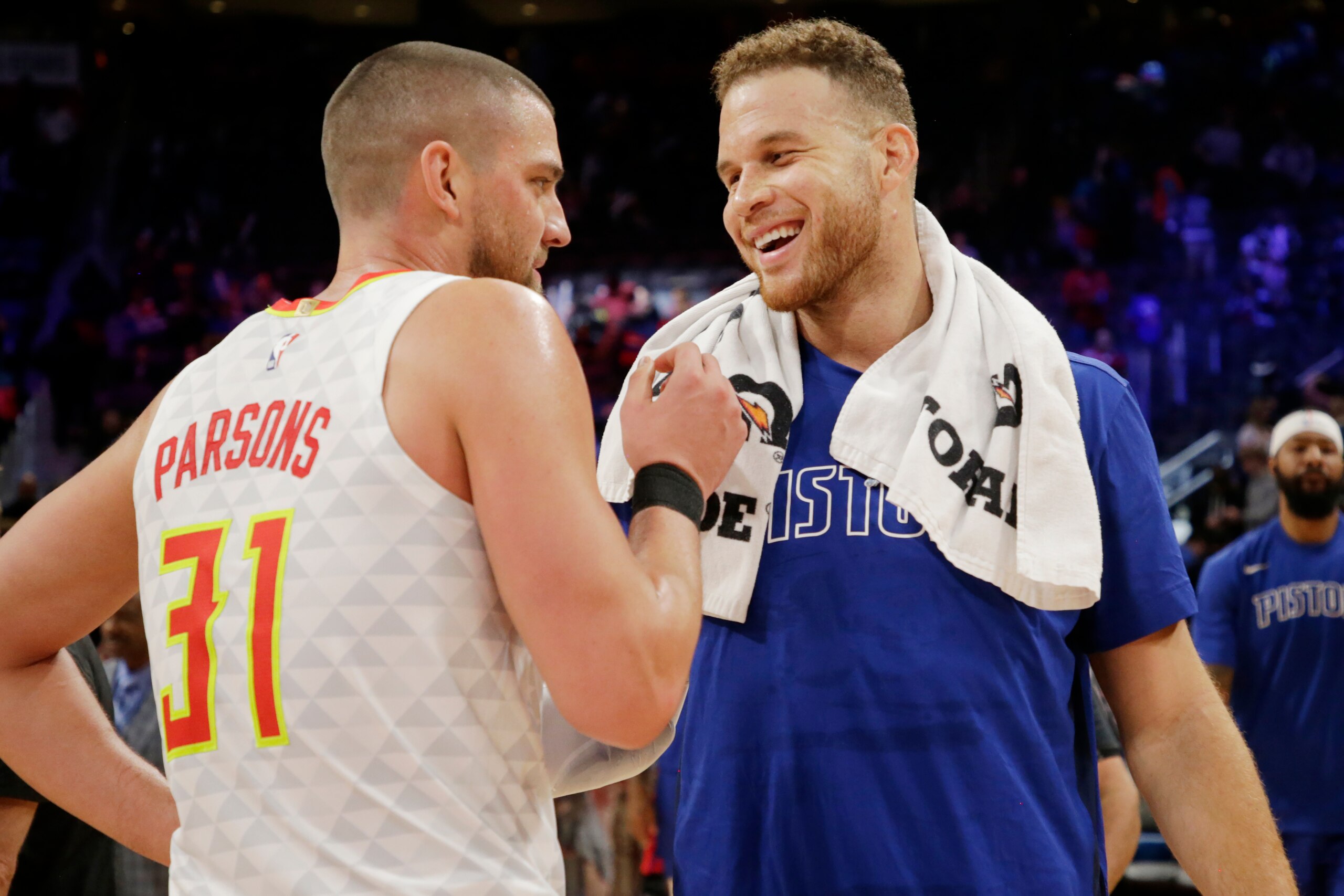
Chandler Parsons, Atlanta Hawks
9 of 11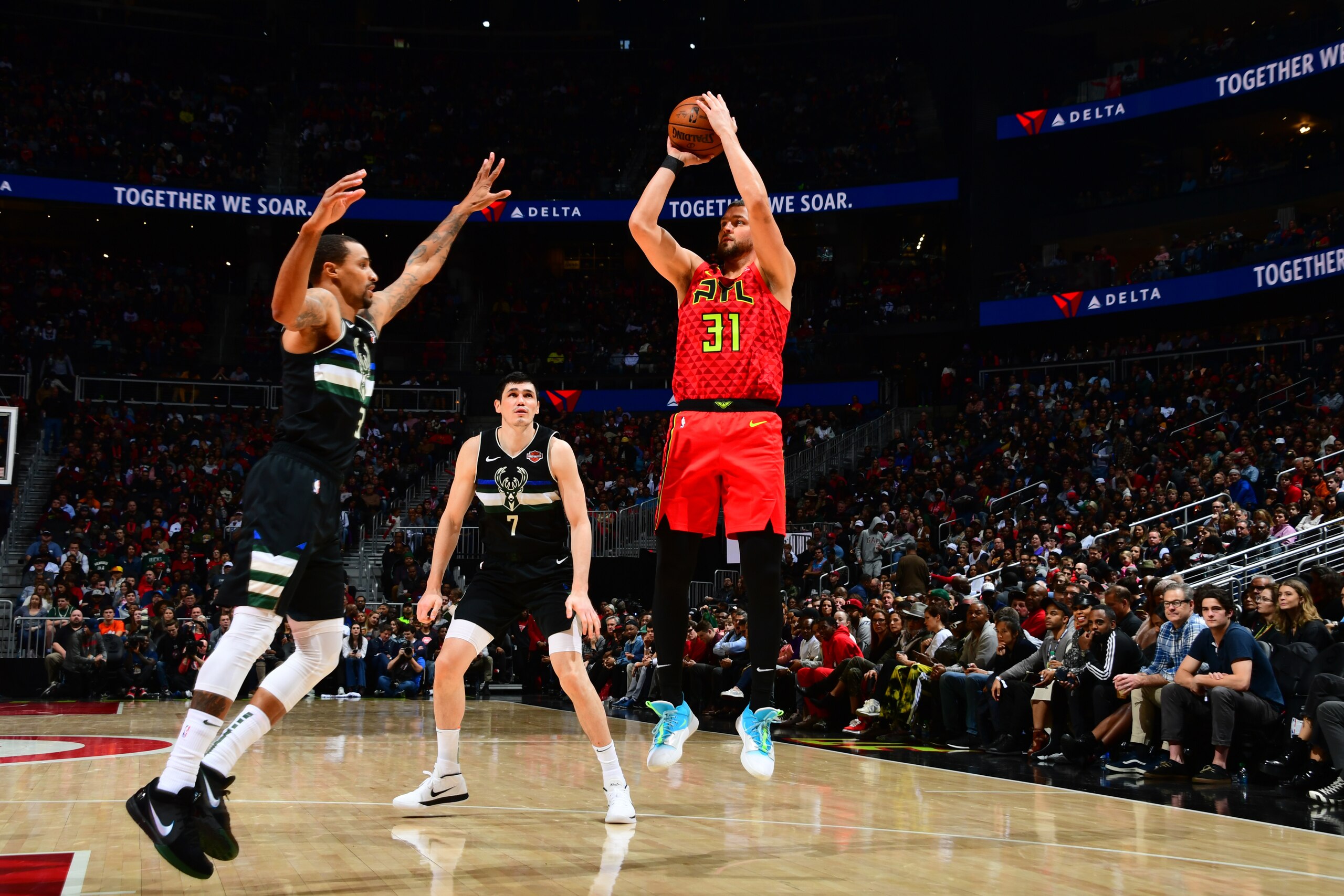
Contract: 4 Years, $94.4 Million, Expires 2020
In the fourth and final year of Chandler Parsons' behemoth deal, we can now say he has been the least productive player to sign a max contract in NBA history.
There's no objective way to measure a statement like that, but the stats make a compelling case. Over the past four seasons, Parsons has played 100 games, averaging 7.0 points, 2.5 rebounds and 1.7 assists while shooting 39.0 percent from the field and 33.9 percent from three. The wingman has also averaged a 10.0 player efficiency rating and recorded a minus-3.1 box plus-minus over the last four campaigns.
Yuck.
This season has unequivocally been the worst of the four as well. Parsons has played just five games, sitting out because of the combination of injury rehab and DNP-CDs. He is shooting 27.8 percent from the field for a 6-27 Hawks team in pole position for the first pick in the 2020 draft.
It's almost too easy to put Parsons on a list like this. His career will surely be over after his contract expires this summer.
Otto Porter Jr., Chicago Bulls
10 of 11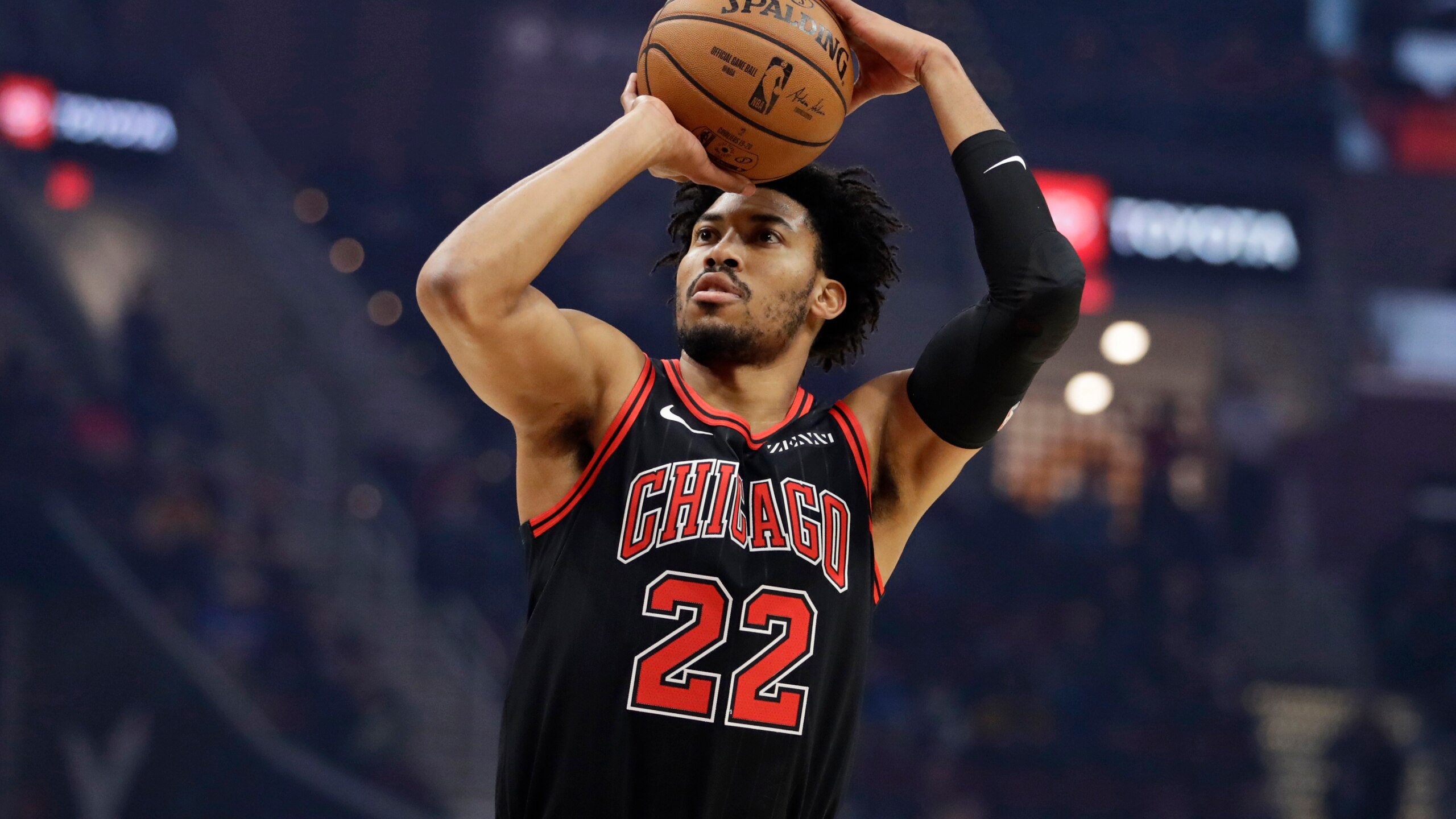
Contract: 4 Years, $106.5 Million, Expires 2021
Besides Griffin and Love, Otto Porter Jr. is the best player on this list. He's long been a good three-and-D wing, first for the Washington Wizards and then for the Chicago Bulls, and almost always plays hard and within his role. It's players such as Porter who make good teams into contenders.
But he's paid like a superstar, which he isn't.
Porter is easily the highest-paid player on the Bulls right now, and though he might be the Bulls' best all-around player, he shouldn't be outearning their second-most expensive player (Zach LaVine) by more than $7 million per year. LaVine is the closest thing Chicago has to a face of the franchise, and Porter was shaky this year before he got hurt.
He has the worst defensive rating on the Bulls and shot just 26.5 percent from the field in his first four games. Porter has played only nine games, but his start was a reminder that his contract could prove onerous.
He has a player option this summer for $28.5 million, which he would be silly to turn down. The Bulls are a team in need of some leadership, but Porter's large contract may prevent them from signing low-cost veterans who could help lead them into the playoffs.
Terry Rozier, Charlotte Hornets
11 of 11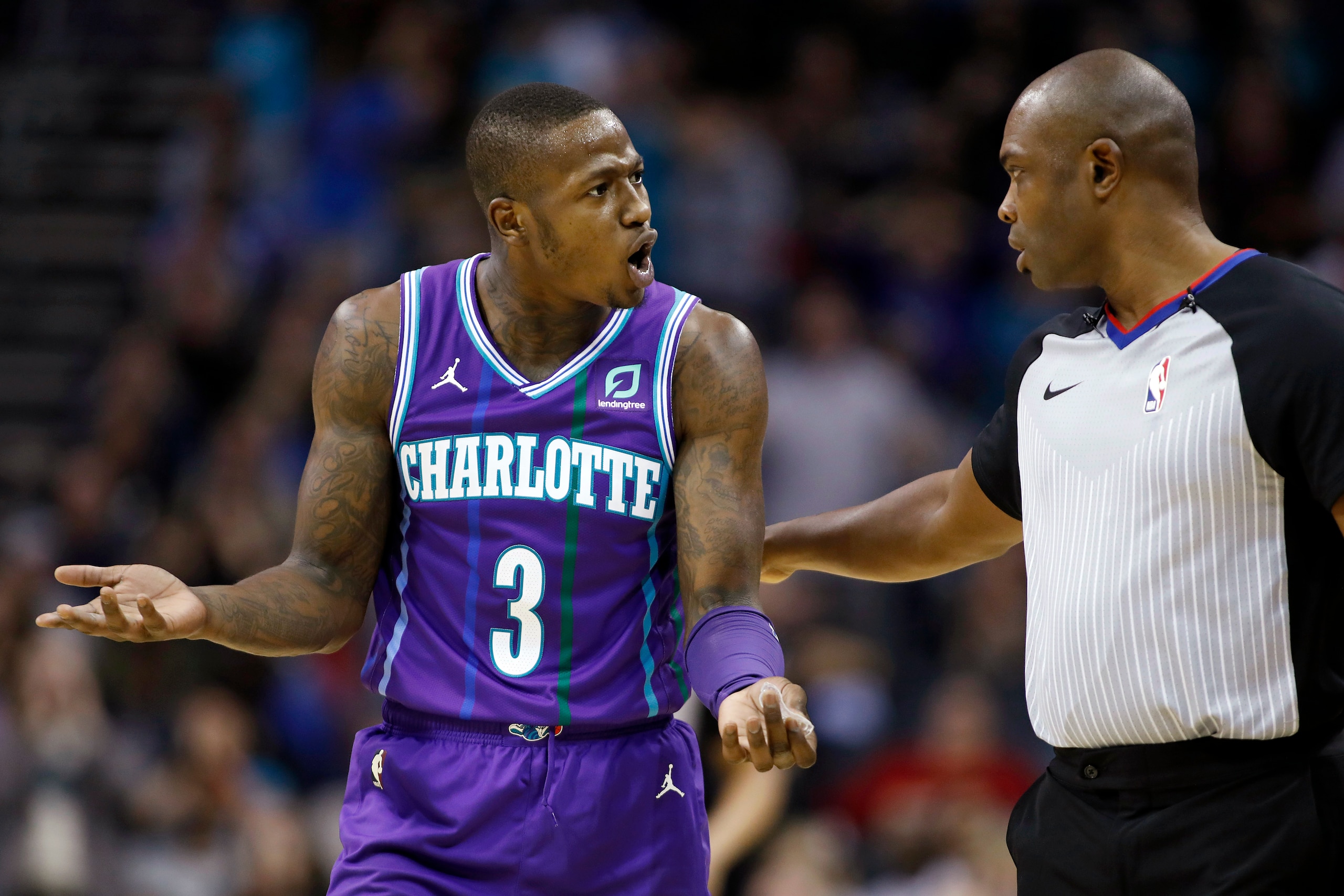
Contract: 3 Years, $56.7 Million, Expires 2022
In a lopsided swap of point guards, the Celtics signed three-time All-Star Kemba Walker away from the Hornets this summer, while Charlotte paid nearly $60 million to career backup Terry Rozier. Though the latter has shown flashes, Charlotte's signing of Rozier was seen as a weak response to losing its longtime franchise player.
The former Louisville guard hasn't been bad this season, but he hasn't been great either.
Heading into the season, the Hornets were favorites to land a high pick in the 2020 draft, but they instead have a 13-22 record and lurk just 2.5 games out of the playoffs. That's no thanks to Rozier, however.
Despite career-best shooting and efficiency, he has a minus-9.3 net rating and shares ball-handling responsibilities with upstart Devonte' Graham, who has thoroughly outplayed him. In essence, Rozier hasn't improved from his time in Boston; he's just got more opportunity.
Charlotte faces a conundrum. Can it start Rozier and Graham together, even though the duo has a minus-5.6 net rating, or must it make peace with yet another overpaid contributor and bench Rozier?
With no expectation of making the playoffs this season, Charlotte can tinker with his role, but by next season, it needs to decide how to handle Rozier. Perhaps a team lacking in point guard depth would be willing to trade for him.
Contract info courtesy of Spotrac. Stats accurate through Sunday and courtesy of ESPN, NBA.com or Basketball Reference unless otherwise noted.
.jpg?w=2560 "Mahomes Told Teammate to Leave Meeting")
.jpg?w=2560 "🚨 Week 8 AP Top 25 Poll")


.jpg?w=2560 "Baker Gets Glove From Rays 🧤")

.jpg?w=2560 "Updates from EVERY NFL Game 🏈")
