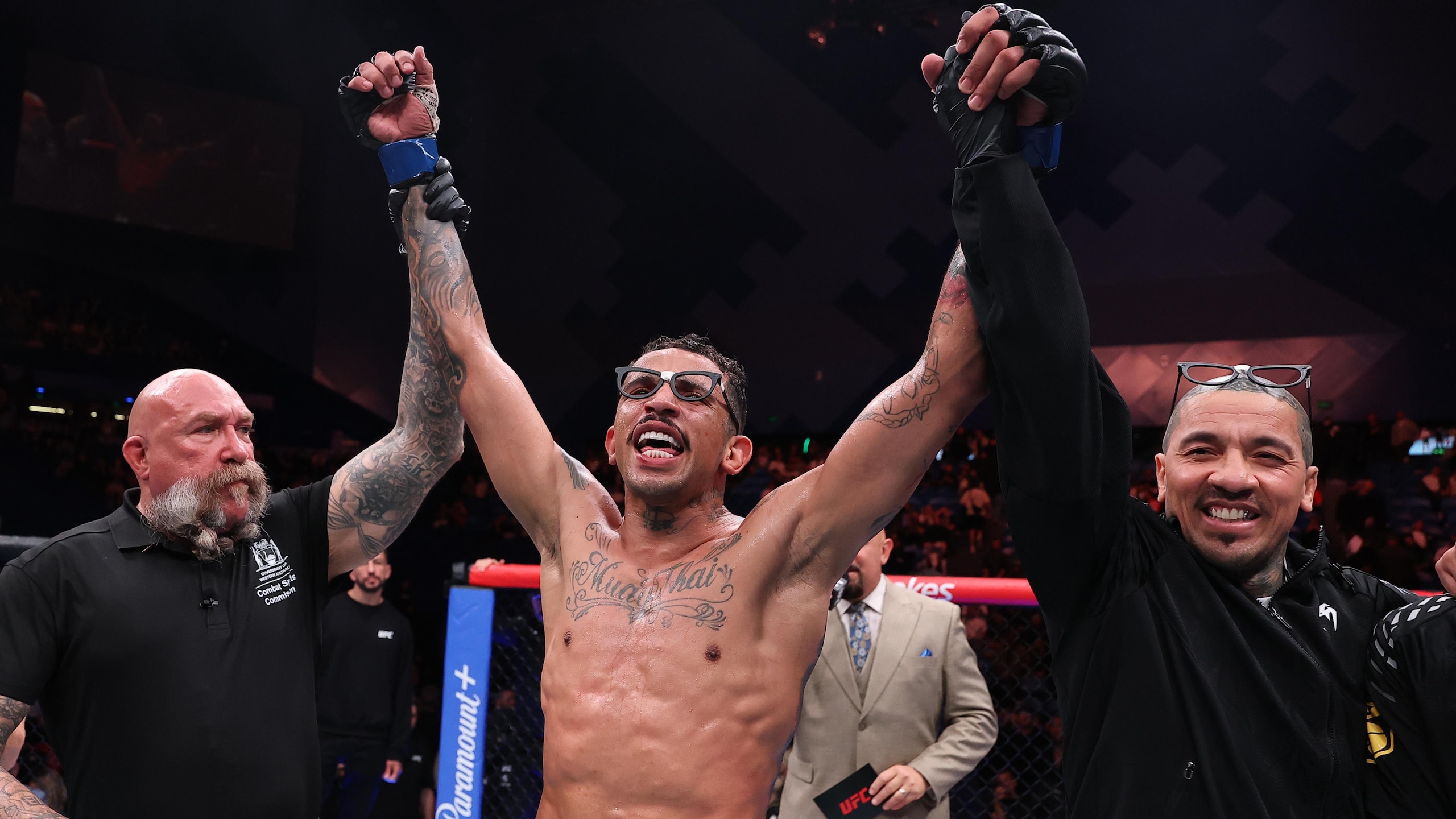
The NBA's summer of 2016 set an unreachable standard for reckless free-agent spending, so please understand that even the most egregious overpays of 2019 seem fiscally responsible by comparison.
Still, a handful of surprising deals flew around during the first week of free agency this summer. Maybe that's just the natural result of nearly half the league having a clear path to max cap space and an underwhelming crop of 2020 free agents nudging them toward spending now.
Note that a spot on this list is never a knock on the player himself. Everyone on the market should enter the free-agency process with the express goal of getting as much money as possible. NBA careers are short, and earning power fades.
Secure. The. Bag.
So while we should applaud the players who signed larger-than-expected contracts, there's still room to question the wisdom of those deals from a team perspective.
Terry Rozier, Charlotte Hornets
1 of 4
Even if you take the very best version of Terry Rozier, the one who averaged 16.5 points, 5.7 assists and 5.3 rebounds in 19 starts during the 2018 postseason, it'd still be hard to justify paying that player $58 million over three seasons.
Unfortunately for the Charlotte Hornets, they're paying that much for the complete version of Rozier, who owns career marks of 7.7 points, 3.6 rebounds and 2.3 assists per game on 38.0 percent shooting. Stuck without cap space and lacking a starting point guard, Charlotte seemed to panic and come to terms with Rozier on a sign-and-trade because it had few alternatives.
Or maybe the Hornets were just engaging in spin control after low-balling Kemba Walker, hoping to change a bleak offseason narrative with a splashy sign-and-trade. Anything to distract from the tight-fisted decision to send Walker on his way—and the shortsighted management that didn't trade Walker before he hit free agency.
Charitably, you could argue the Hornets are paying Rozier, 25, on potential. He's certainly young enough to improve, and it's possible a settled gig as a full-time starter in a different locale will unlock new levels of production. But when you're starting from a point as statistically underwhelming as the one Rozier is at, progress might not mean much.
Ninety-four players attempted at least 1,400 shots over the last two regular seasons, and Rozier's true shooting percentage ranked 90th in that group. He was 25th in ESPN's defensive real plus-minus among point guards two years ago and 27th last season.
If he were to improve on those stats dramatically, Rozier would probably still grade out as a below-average starter.
At least the deal is structured to decline. When Rozier is providing inefficient offense and middling defense for the Hornets in 2021-22, he'll only be making $17.9 million.
So there's that.
Harrison Barnes, Sacramento Kings
2 of 4
When Harrison Barnes opted out of the final year and $25.1 million left on his last contract, it seemed certain he had a longer deal already set up to stay with the Sacramento Kings. Otherwise, why not just take the 2019-20 money and hit free agency in 2020 when there'd be virtually no star-level competition on the market?
A new four-year, $85 million contract confirmed suspicions that Barnes had a new deal in the bag.
Still, $85 million is a lot of cash for a mid-tier starter who produces offense at moderate volume with sub-par efficiency. Barnes owns a career scoring average of 13.6 points per game (18.7 over two-and-a-half seasons in a larger role with the Dallas Mavericks), but his true shooting percentage is only 54.0 percent.
The league average last year was 56.0 percent.
Defensively, Barnes is in the right place often enough and has the strength to handle most power forwards down low. But his game on that end lacks punch.
Over the last seven seasons, a period that encompasses his entire career, Barnes averaged 30.7 minutes in 540 games. Among players who saw that much court time during the same stretch, he is the only one to produce no more than 0.7 steals and 0.2 blocks per contest. A game-changer he's not.
A low-maintenance professional with championship experience and a track record of durability (Barnes has missed more than five games in a season just once) has value.
Just not this much.
DeAndre Jordan, Brooklyn Nets
3 of 4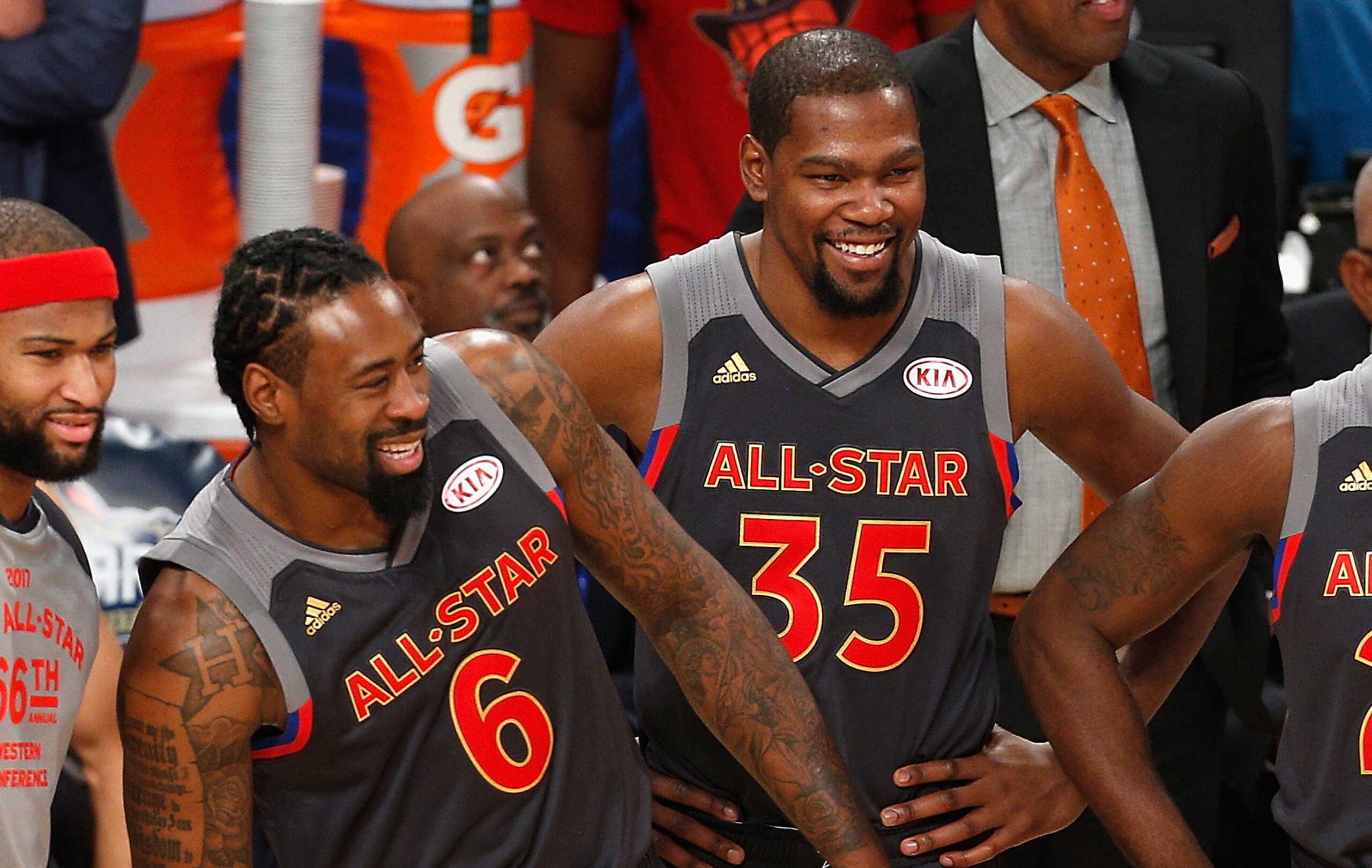
DeAndre Jordan got a four-year deal worth $40 million from the Brooklyn Nets because his close friends, Kyrie Irving and Kevin Durant, trimmed cash off their own new salaries to divert it to him.
Even in the NBA, it's who you know.
The Dallas Mavericks were better with Jordan off the floor last season. The New York Knicks were, too, by a shocking 13.7 points per 100 possessions over a small 19-game sample. Jordan's 2017-18 Los Angeles Clippers also posted a higher net rating with him on the bench.
It's possible Jordan simply needed a setup artist of Chris Paul's caliber to play his best. CP3 left the Clips before the 2017-18 season, which is when Jordan's impact turned negative. Maybe playing with Irving (and eventually Durant) will get him back into positive territory.
Or—and hear me out on this one—maybe Jordan's game, based almost entirely on athleticism and devoid of spacing or switchability, hasn't aged well.
Either way, there's no chance another team would have offered a deal like the one Jordan signed with the Nets, who already happen to have a better option at center in 21-year-old Jarrett Allen.
The Nets landed KD and Kyrie, yet handing Jordan $40 million was the most surprising thing they did. Of course, if overpaying him was a condition of getting Durant and Irving, Brooklyn would have been foolish not to do it.
.jpg?w=2560 "NBA Gambling Charges")
Bojan Bogdanovic, Utah Jazz
4 of 4
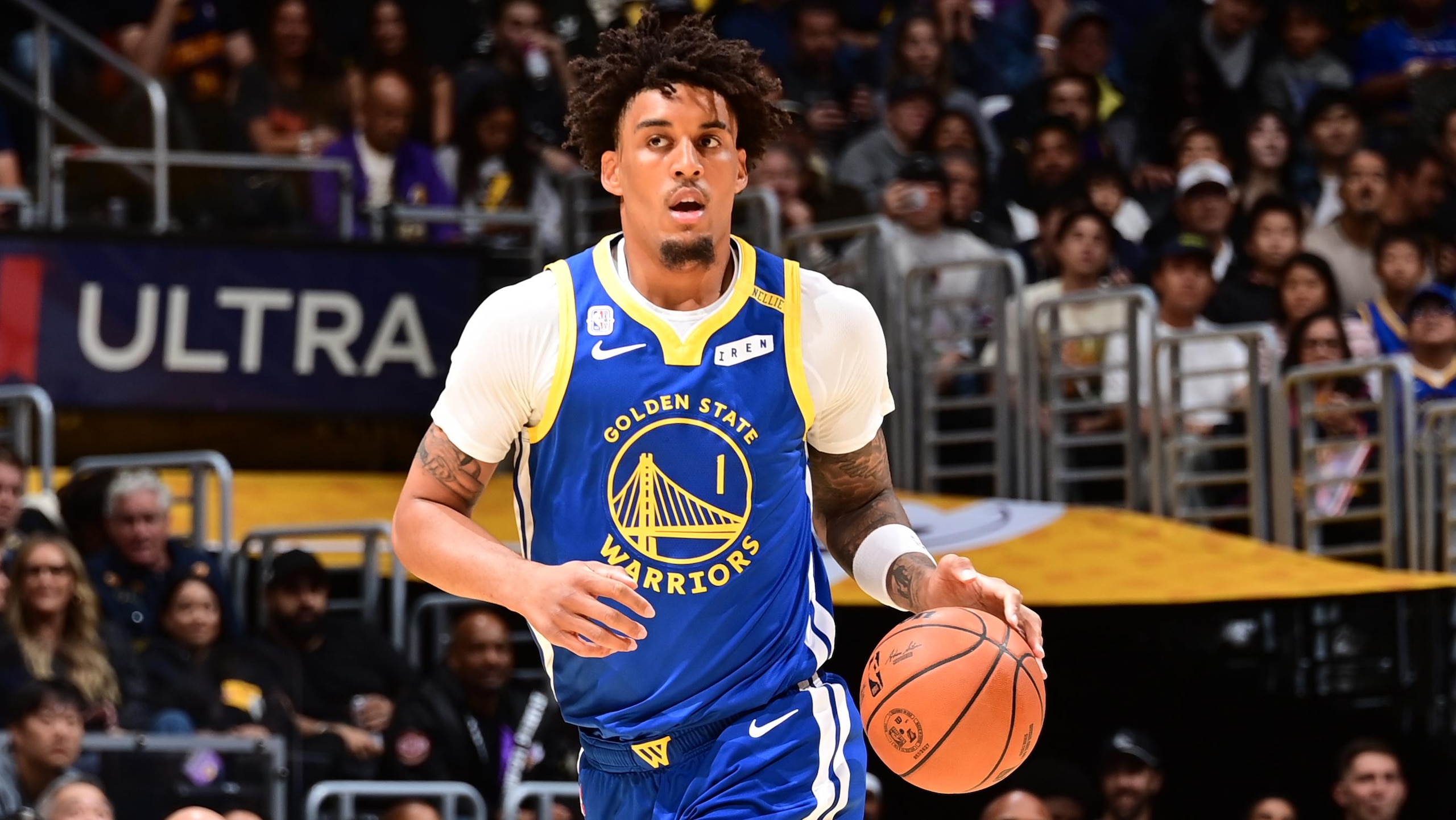
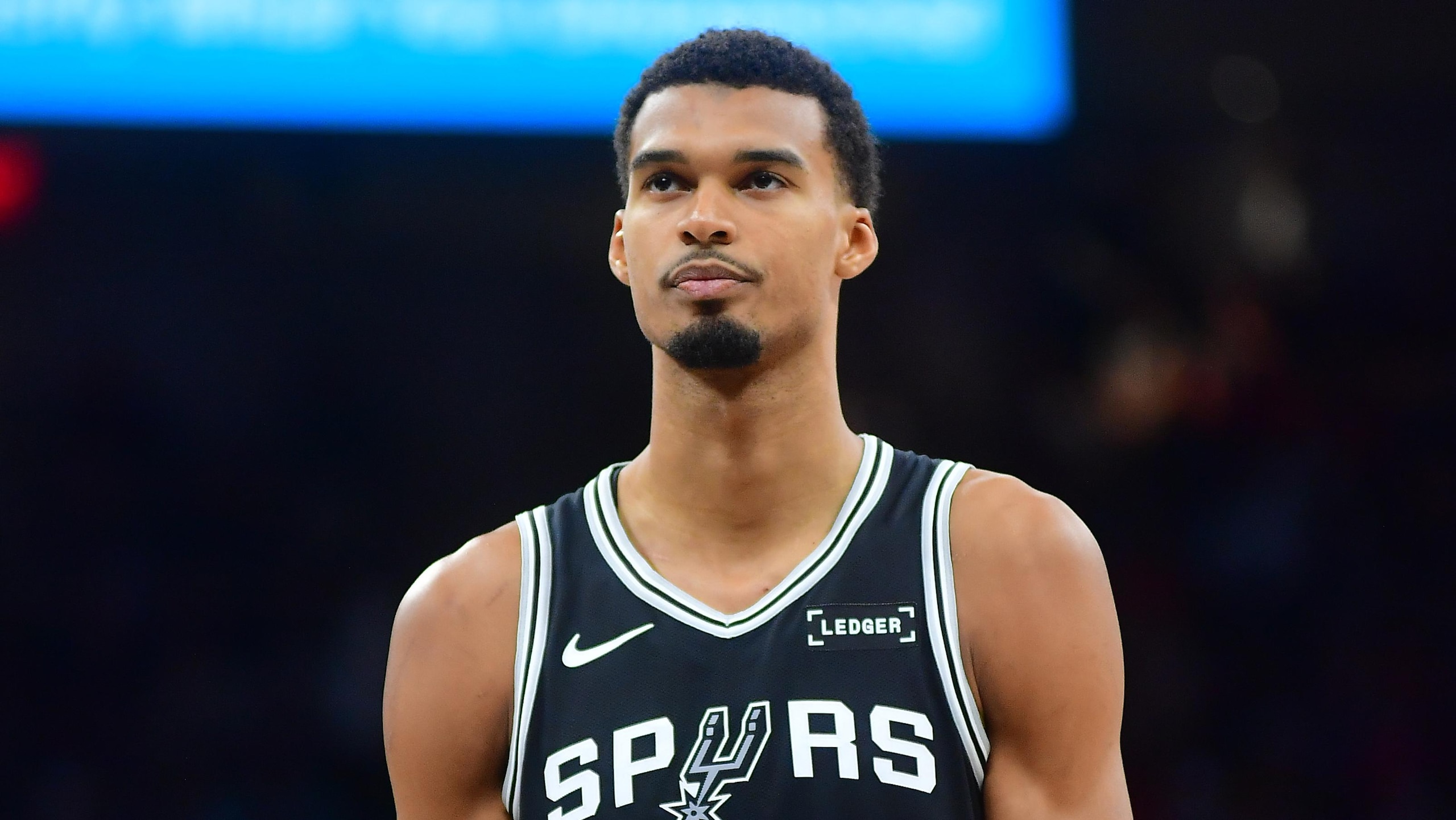
Context helps Bojan Bogdanovic's four-year, $73 million contract with the Utah Jazz seem reasonable.
We just discussed Harrison Barnes' bigger agreement, and there's really no argument for the Kings forward being a better investment than Bogdanovic. At the same time, this just feels like a lot of money over a long term for a player entering his age-30 season.
Bogdanovic averaged career highs with 18.0 points, 4.1 rebounds and 2.0 assists on 42.5 percent shooting from deep with the Indiana Pacers last year. More importantly, he proved he could handle a larger offensive role after stepping into increased playmaking duties when Victor Oladipo went down.
There's something to be said for the steady improvement that has defined Bogdanovic's career, but there's also real risk when paying an older player based on what might be an anomalous late-career production spike. After all, it's not like the Pacers got better as Bogdanovic's role increased. In fact, Indy's net rating after the All-Star break was better without him logging minutes.
As ESPN's Kevin Pelton noted: "Bogdanovic has just a two-year track record—corresponding to his time with the Pacers—of above-replacement level play. So $73 million is a lot to spend."
Worse deals were signed this summer, and Bogdanovic provides the perimeter accuracy and shot-creation the Jazz need to take the next step. But the terms of his contract are still hard to digest.
Unless otherwise noted, stats courtesy of NBA.com or Basketball Reference. Salary and cap-hold information via Basketball Insiders.




.jpg?w=2560 "Aikman Blasts Cowboys WR 🫣")
.jpg?w=2560 "Jonathan Taylor Landing Spots")