

2019 NBA Mock Draft: 1st-Round Predictions and Biggest Boom-or-Bust Prospects
Despite the ever-improving ways to track players and their performances, the NBA draft remains exceptionally difficult for teams to ace.
While sprints and cone drills can measure quickness, vertical jumps can gauge explosion and shooting percentages are easily tracked, there is no perfect way to assess a prospect.
Analysts love talking about upside. But the downside is real, too.
TOP NEWS
Jokic says booing fans not welcome in Denver
Worst NBA Predictions 🫣

Power Ranking Every NBA Team's Starting Lineup 🔢
Every draft has high-risk, high-reward talent. If we're being honest, nearly every prospect in history has fit that description. Still, several players stand out as particularly difficult evaluations.
2019 NBA Mock Draft
1. New Orleans Pelicans: Zion Williamson, F, Duke
2. Memphis Grizzlies: Ja Morant, PG, Murray State
3. New York Knicks: RJ Barrett, G, Duke
4. Los Angeles Lakers: Jarrett Culver, G, Texas Tech
5. Cleveland Cavaliers: De'Andre Hunter, F, Virginia
6. Phoenix Suns: Darius Garland, G, Vanderbilt
7. Chicago Bulls: Coby White, G, North Carolina
8. Atlanta Hawks: Cam Reddish, F, Duke
9. Washington Wizards: Sekou Doumbouya, F, France
10. Atlanta Hawks (from DAL): Jaxson Hayes, C, Texas
11. Minnesota Timberwolves: Bol Bol, C, Oregon
12. Charlotte Hornets: Romeo Langford, G, Indiana
13. Miami Heat: Kevin Porter Jr., G, USC
14. Boston Celtics (from SAC): Brandon Clarke, PF, Gonzaga
15. Detroit Pistons: PJ Washington, PF, Kentucky
16. Orlando Magic: Nassir Little, SF, North Carolina
17. Brooklyn Nets: Goga Bitadze, C, Rep. of Georgia
18. Indiana Pacers: Tyler Herro, G, Kentucky
19. San Antonio Spurs: Bruno Fernando, C, Maryland
20. Boston Celtics (from LAC): Nickeil Alexander-Walker, SG, Virginia Tech
21. Oklahoma City Thunder: Cameron Johnson, F, North Carolina
22. Boston Celtics: Keldon Johnson, SF, Kentucky
23. Utah Jazz: Rui Hachimura, PF, Gonzaga
24. Philadelphia 76ers: Ty Jerome, G, Virginia
25. Portland Trail Blazers: Grant Williams, F, Tennessee
26. Cleveland Cavaliers (from HOU): KZ Okpala, F, Stanford
27. Brooklyn Nets (from DEN): Mfiondu Kabengele, PF/C, Florida State
28. Golden State Warriors: Talen Horton-Tucker, SG/SF, Iowa State
29. San Antonio Spurs (from TOR): Chuma Okeke, F, Auburn
30. Milwaukee Bucks: Matisse Thybulle, F, Washington
Bol Bol, Oregon
At the NBA Draft Combine, per Jonathan Givony of ESPN.com, Bol Bol measured a touch over 7'2" with a 7'7" wingspan and 9'7½" standing reach. That is nothing short of incredible.
Given his size, most would expect―or perhaps hope for―a dominant post player. In some respects, it's true. Bol showed off great footwork and touch on close-range shots while averaging 9.6 rebounds and 2.7 blocks in limited action at Oregon. Throw in his 13-of-25 clip from beyond the arc, and Bol is an appealing prospect.
However, that limited action was the result of a season-ending foot injury. And he weighed just 208 pounds at the combine.
Can he really handle the physicality of NBA bigs on a nightly basis? Oregon tried to hide Bol's questionable lateral movement, but professional guards will put him in a pick-and-roll blender. He's simply not quick.
Bol's best skills are apparent, but his weaknesses―most notably, strength―are too glaring to ignore.
Brandon Clarke, Gonzaga
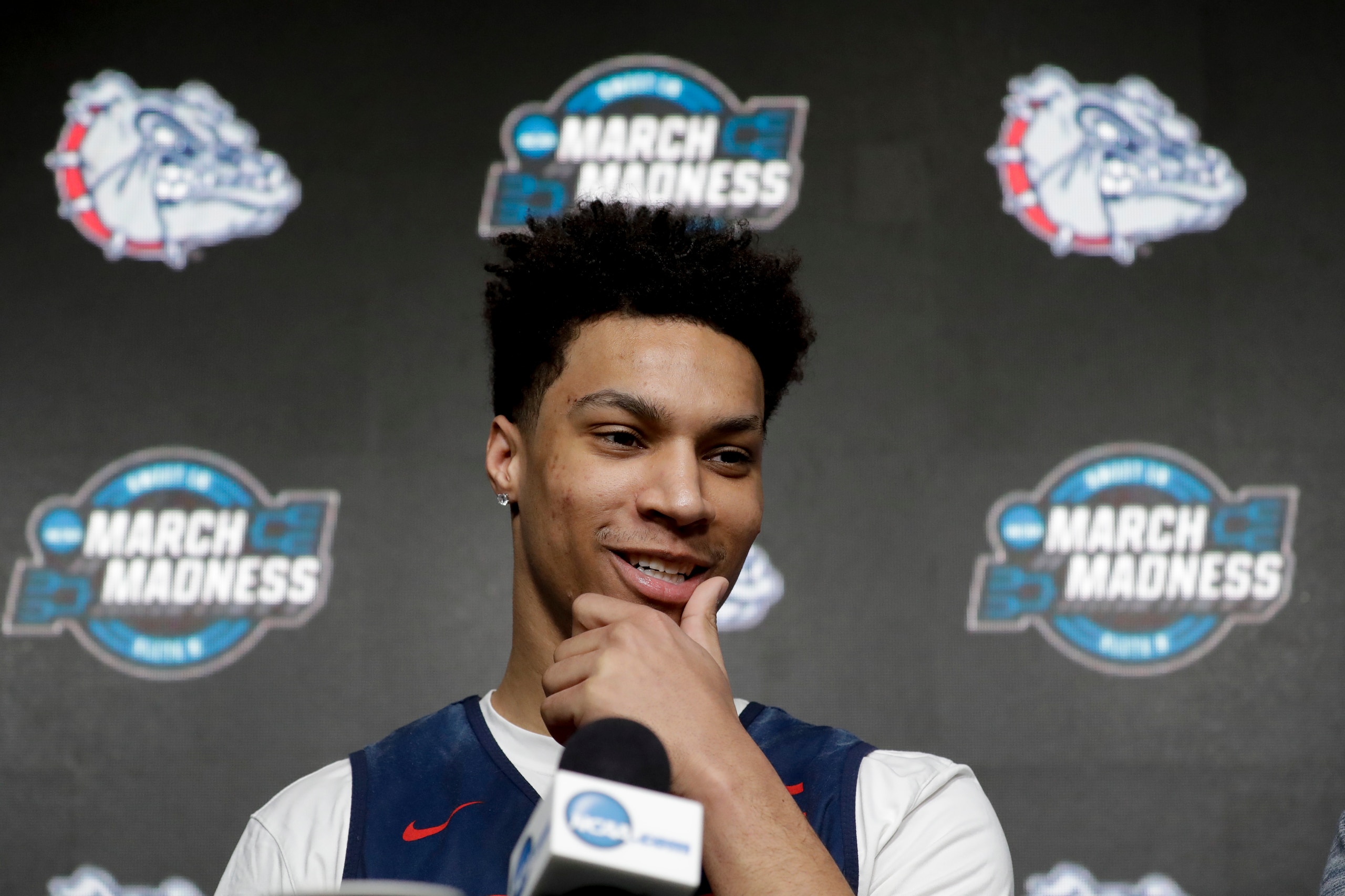
Brandon Clarke could be an elite NBA defender.
During his lone season at Gonzaga, he swatted 3.2 shots and nabbed 1.2 steals per game. Clarke ranked No. 1 nationally with an 84.0 defensive rating, per Sports Reference. He's a tireless worker down low and shows outstanding footwork for on-ball defense.
But can he shoot?
After transferring from San Jose State, he turned his horrendous form into an acceptable stroke. Clarke raised his free-throw percentage from 56.8 at SJSU to 69.4 with Gonzaga. If he continues developing as a shooter, being undersized (6'8") is less of an issue.
If NBA teams don't respect his jumper, though, Clarke's usefulness will be trimmed. He'd either need to play alongside a floor-stretching center or almost exclusively with a small-ball unit.
Clarke's defensive skills are valuable, but those alone wouldn't be worth a potential lottery or selection.
Tyler Herro, Kentucky
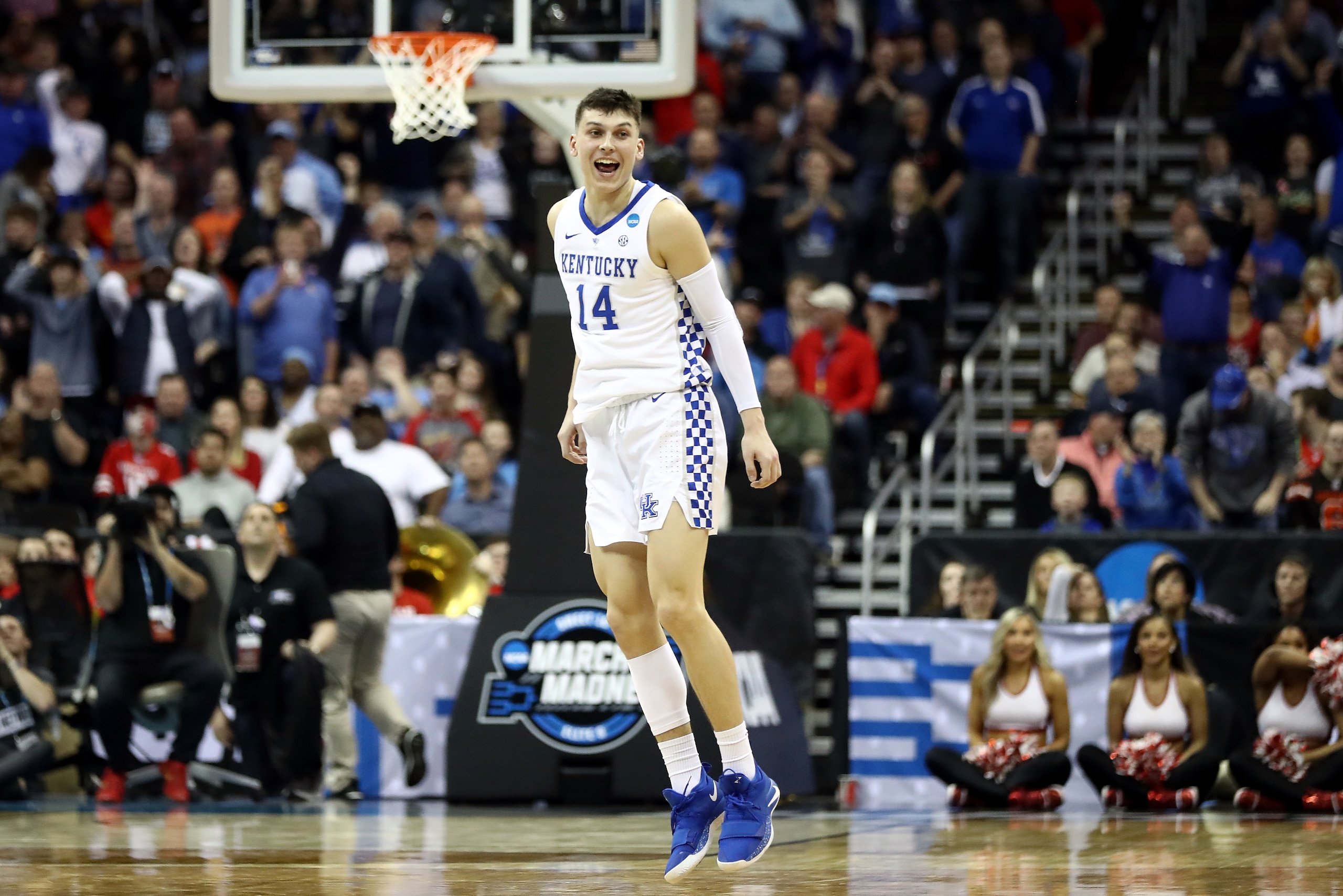
On the other side of the spectrum, Tyler Herro's greatest strength is what he can provide on the offensive end.
The Kentucky product tallied 14 points per game as a freshman while shooting 35.5 percent from three. Although that number is unspectacular, Herro's form and release easily pass the eye test. Scouts believe he'll be a three-point weapon in the NBA.
How well he complements that asset is the dilemma.
Effort isn't an issue for Herro, who's an active and intelligent defender. Still, the energy he displays cannot atone for average quickness―especially against NBA shooting guards. And a 6'3" wingspan, per B/R's Jonathan Wasserman, only adds to the concern.
Thanks to his upside as a shooter, Herro is worth a first-round spot. Elite three-point potential doesn't come around every day.
But he better be able to defend.
Follow Bleacher Report writer David Kenyon on Twitter @Kenyon19_BR.

.jpg?w=2560 "Mahomes Told Teammate to Leave Meeting")
.jpg?w=2560 "🚨 Week 8 AP Top 25 Poll")
.jpg?w=2560 "Baker Gets Glove From Rays 🧤")
.jpg?w=2560 "Steelers Roll Saints in Paris")
.jpg?w=2560 "5 Teams Eyeing Jonathan Taylor")
.jpg?w=2560 "NFL investigating Eagles")
.jpg?w=2560 "Updates from EVERY Game")